
This 100-Acre Wildlife Park In Arizona Will Make You Feel Like You’re On The African Savannah
I never expected to find myself face-to-face with a pride of lions in the middle of Arizona, but this wildlife park proved me wonderfully wrong. Sprawling 100-acre sanctuary transports visitors straight to the African savannah without ever leaving the Southwest.
During my visit, I watched zebras graze against a backdrop of red rocks, heard the rumble of big cats echoing through desert canyons, and discovered that sometimes the most extraordinary adventures happen in the most unexpected places.
This isn’t your typical zoo experience with animals pacing behind glass. It’s an immersive journey where wildlife roams freely across natural habitats that mirror their ancestral homes thousands of miles away.
The Serengeti Preserve Safari Experience
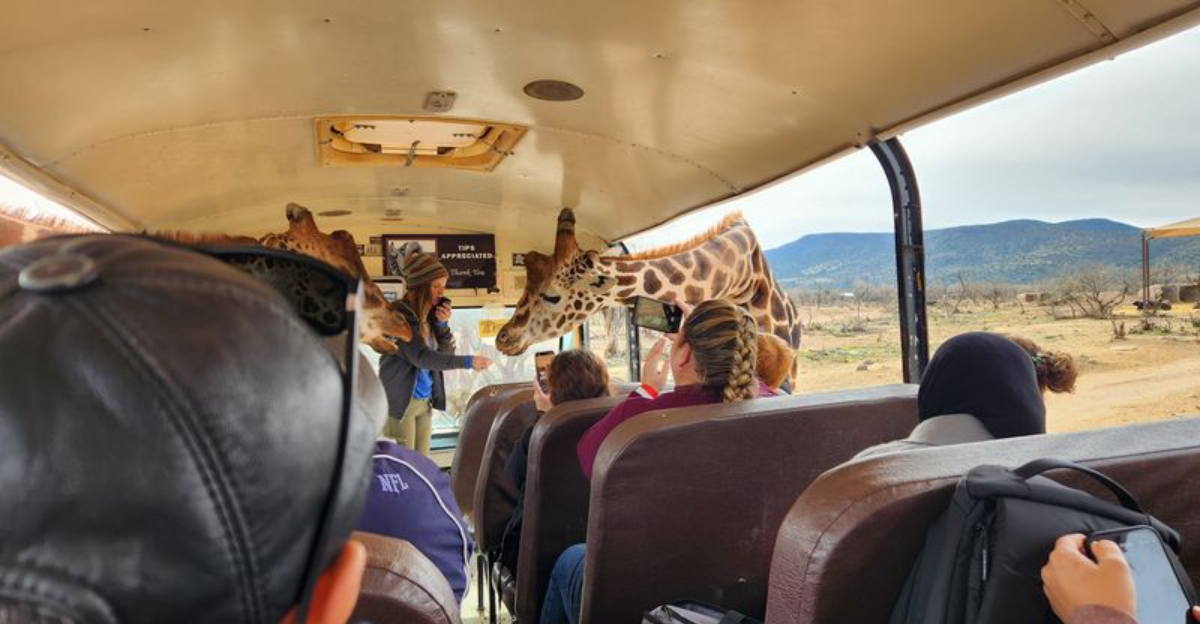
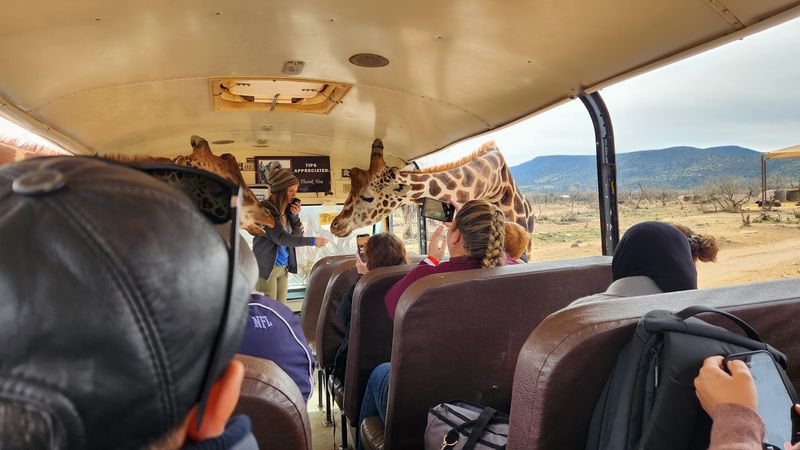
Climbing aboard the open-air safari vehicle felt like stepping into a nature documentary. The African Bush Safari tour winds through the Serengeti Preserve, where animals actually have room to be animals, not just exhibits in cramped enclosures.
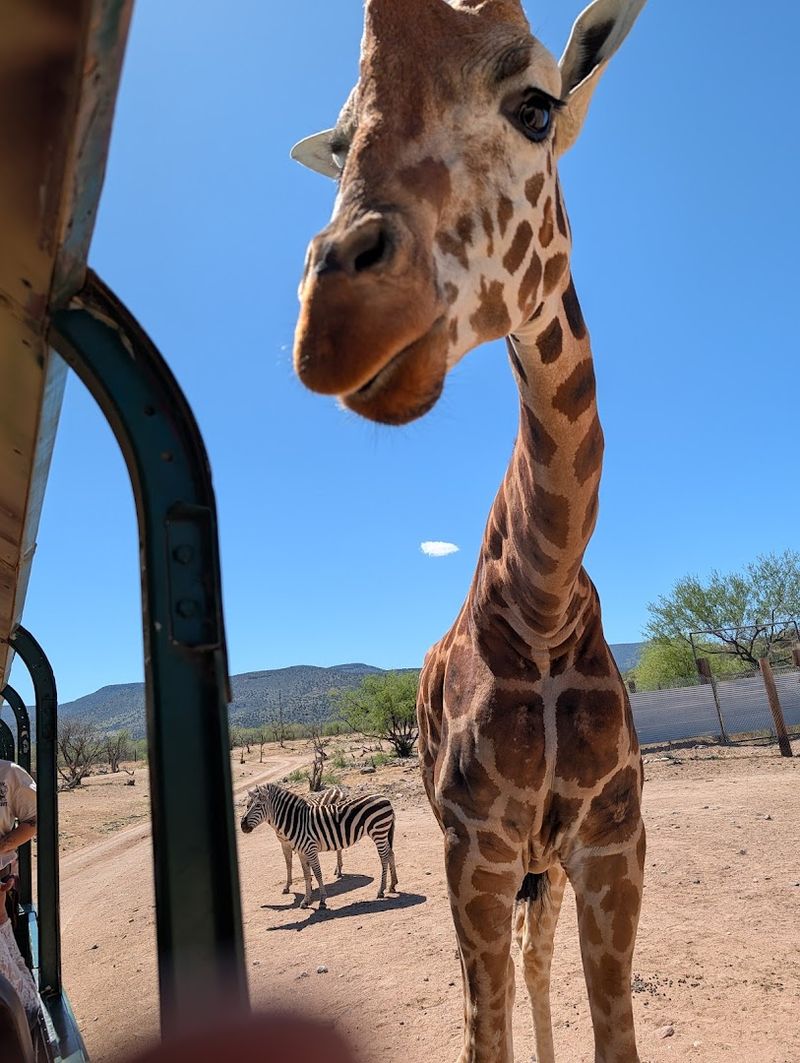
I watched a giraffe family browse acacia trees while zebras kicked up dust in the distance. The guide shared fascinating details about each species’ behavior, pointing out how the park’s terrain surprisingly mimics African landscapes.
What struck me most was seeing predators and prey separated thoughtfully, allowing each species to display natural behaviors.
The tour lasts about an hour, giving you plenty of time to snap photos and ask questions. Unlike traditional zoos where you rush past cages, this experience lets you observe animals living in spaces that respect their needs. I found myself forgetting I was in Arizona.
The knowledgeable guides make all the difference, sharing conservation stories that connect you emotionally to these magnificent creatures. This safari alone justifies the admission price and creates memories that last far beyond your visit.
Tiger Splash Show Spectacle
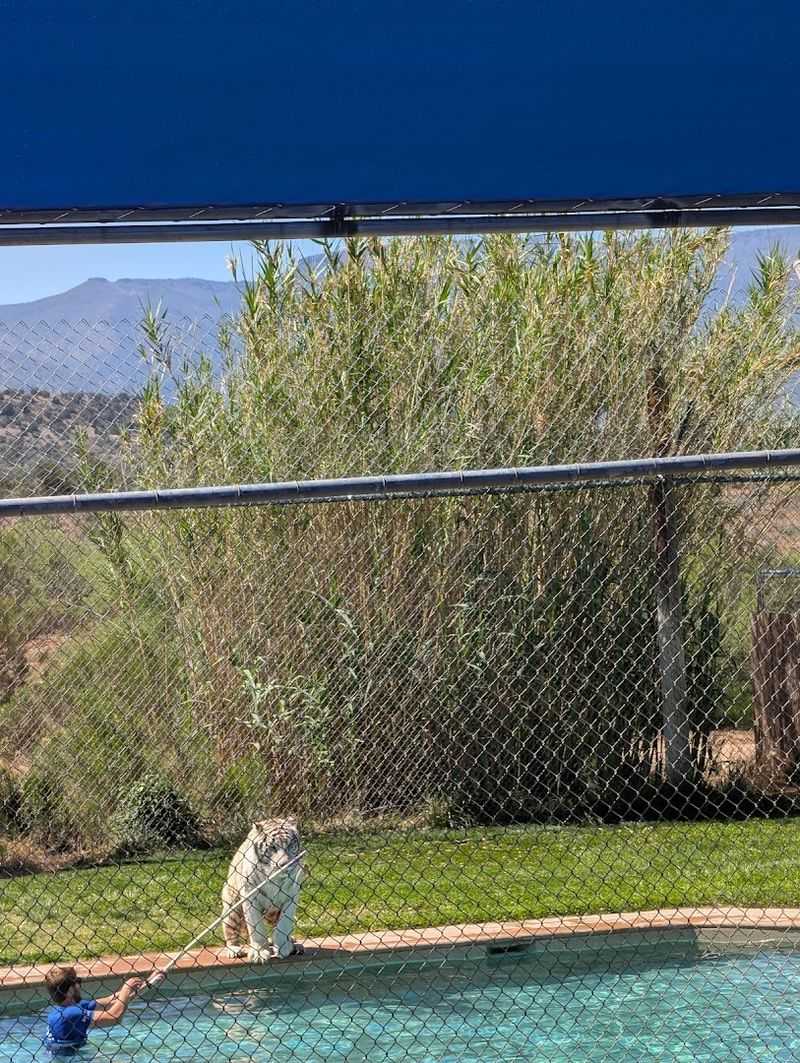
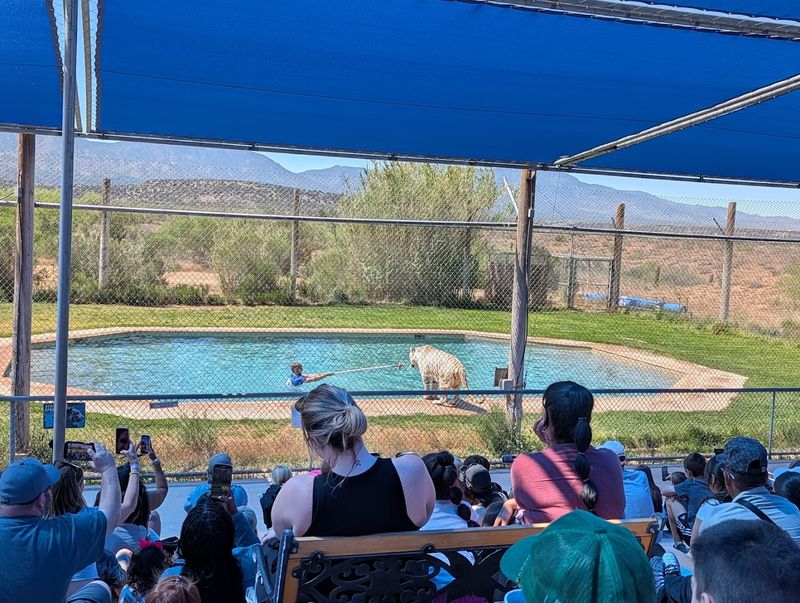
Nothing prepared me for watching a 400-pound tiger cannonball into a swimming pool with the enthusiasm of a playful puppy. The Tiger Splash show showcases these apex predators in a completely different light, revealing their surprising love of water and playful personalities.
Handlers interact with the tigers in a massive pool, tossing toys and encouraging natural hunting behaviors in an aquatic environment. I got absolutely drenched sitting in the splash zone, but honestly, that made it even more thrilling.
The tigers’ agility in water is breathtaking as they dive, swim, and pounce with incredible grace.
What makes this show special is the obvious bond between the animals and their caretakers. You can tell these tigers aren’t performing tricks for treats; they’re genuinely enjoying themselves.
The educational component teaches visitors about tiger conservation and the critical importance of protecting their dwindling wild populations.
Shows run multiple times daily, so plan your visit around the schedule. Arrive early to snag front-row seats if you don’t mind getting wet, or sit farther back for a drier viewing experience.
Free-Roaming Wildlife Habitats
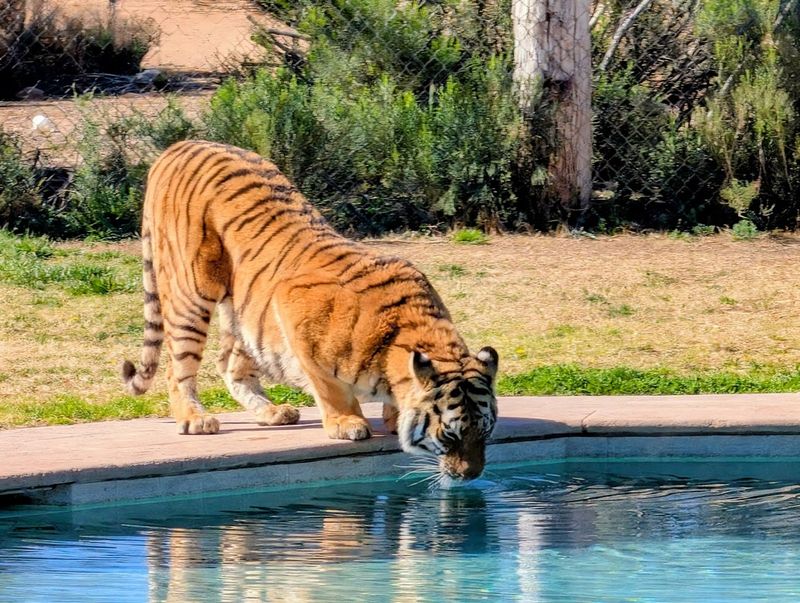
Walking the park’s pathways revealed something refreshingly different from typical zoo designs. Animals here enjoy expansive habitats that allow natural herd dynamics and social structures to flourish.
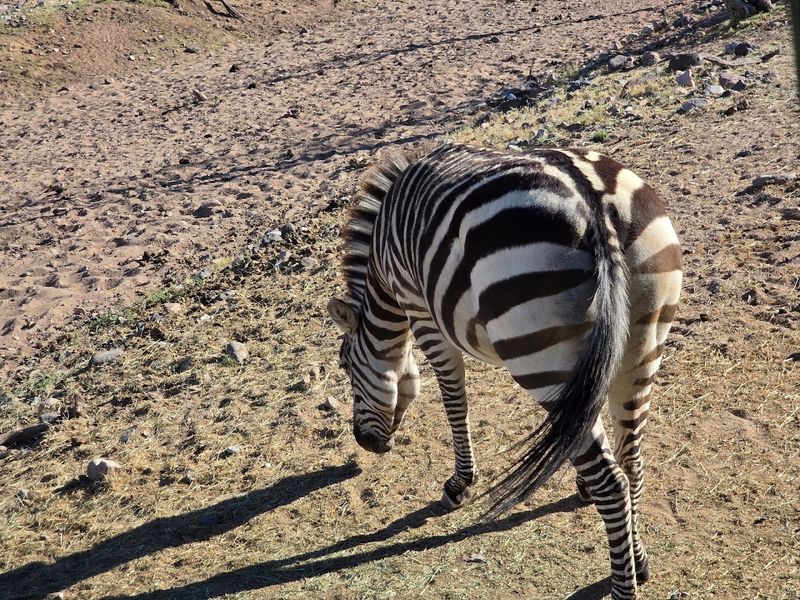
I watched a zebra herd interact just as they would on African plains, complete with playful foals testing their speed.
The park’s designers clearly prioritized animal welfare over cramming in as many species as possible. Each habitat features appropriate vegetation, water sources, and terrain that encourages natural behaviors.
Rhinos wallow in mud pits, giraffes stretch their necks toward high browse, and various antelope species graze peacefully.
I appreciated how the habitats blend seamlessly with Arizona’s natural landscape. The red rock formations and desert vegetation create an unexpectedly perfect backdrop for African wildlife. It’s almost surreal watching exotic animals against such distinctly Southwestern scenery.
Observation areas are strategically placed to provide excellent viewing angles without disturbing the animals. You’ll want to bring binoculars for spotting wildlife across the larger preserves. The park’s commitment to spacious, enriching environments sets a high standard that more facilities should follow.
Educational Wildlife Encounters
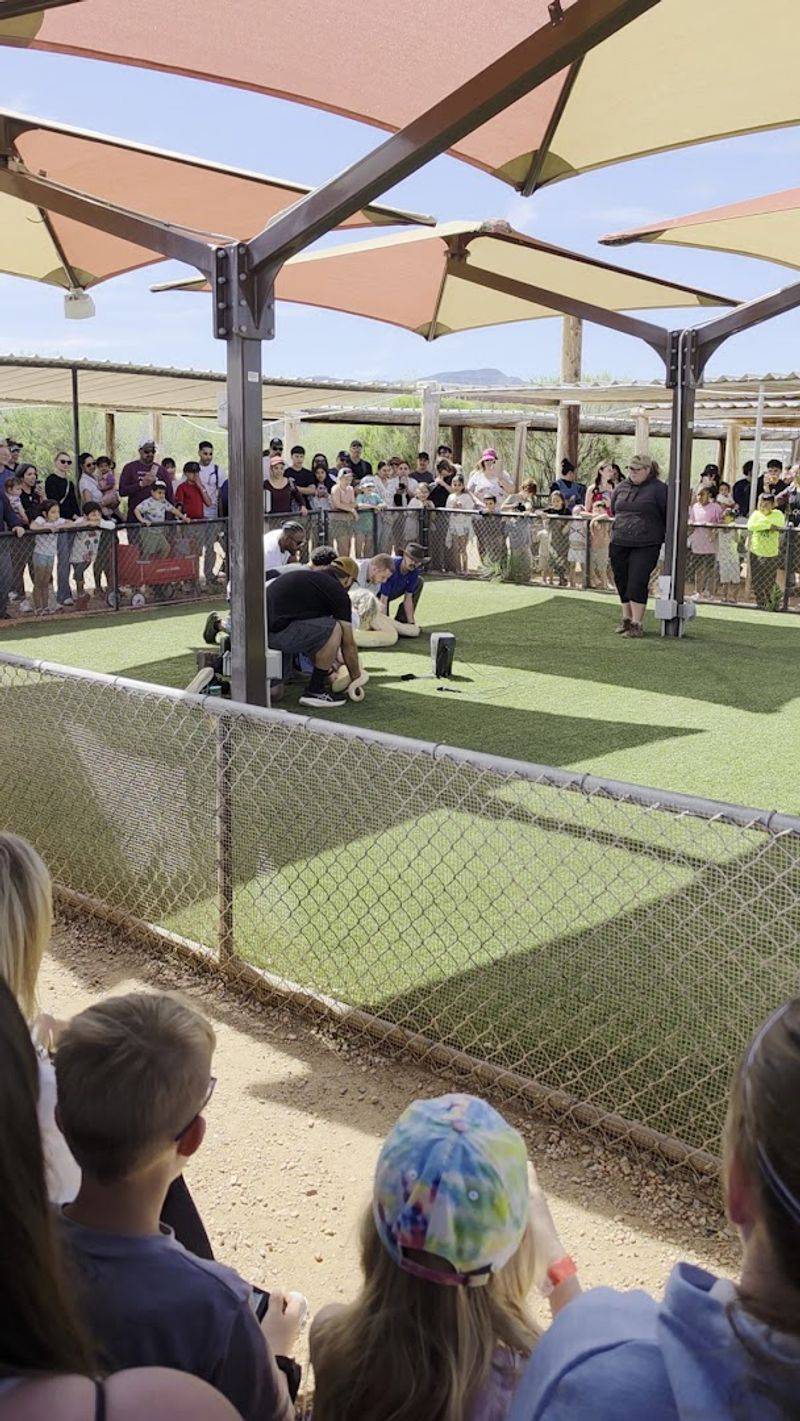
Beyond just observing animals from a distance, the park offers hands-on educational encounters that transformed my understanding of wildlife conservation. I participated in a reptile encounter where I actually held a snake while learning about its role in desert ecosystems.
Professional educators lead these sessions, sharing insights about animal behavior, conservation challenges, and what individuals can do to help protect endangered species. Their passion is contagious, and I left feeling genuinely inspired to support wildlife preservation efforts.
The encounters are appropriately sized for intimate learning, not overwhelming crowds.
Kids especially benefit from these interactive experiences, which turn abstract conservation concepts into tangible connections with living creatures. I watched a young girl’s face light up when she touched a tortoise shell, asking thoughtful questions about its age and habitat.
The park rotates which animals participate in encounters to ensure their wellbeing and prevent stress. Check the daily schedule upon arrival to plan which encounters interest you most. These experiences cost extra but provide invaluable educational value that supports the park’s mission.
The Big Cat Conservation Story
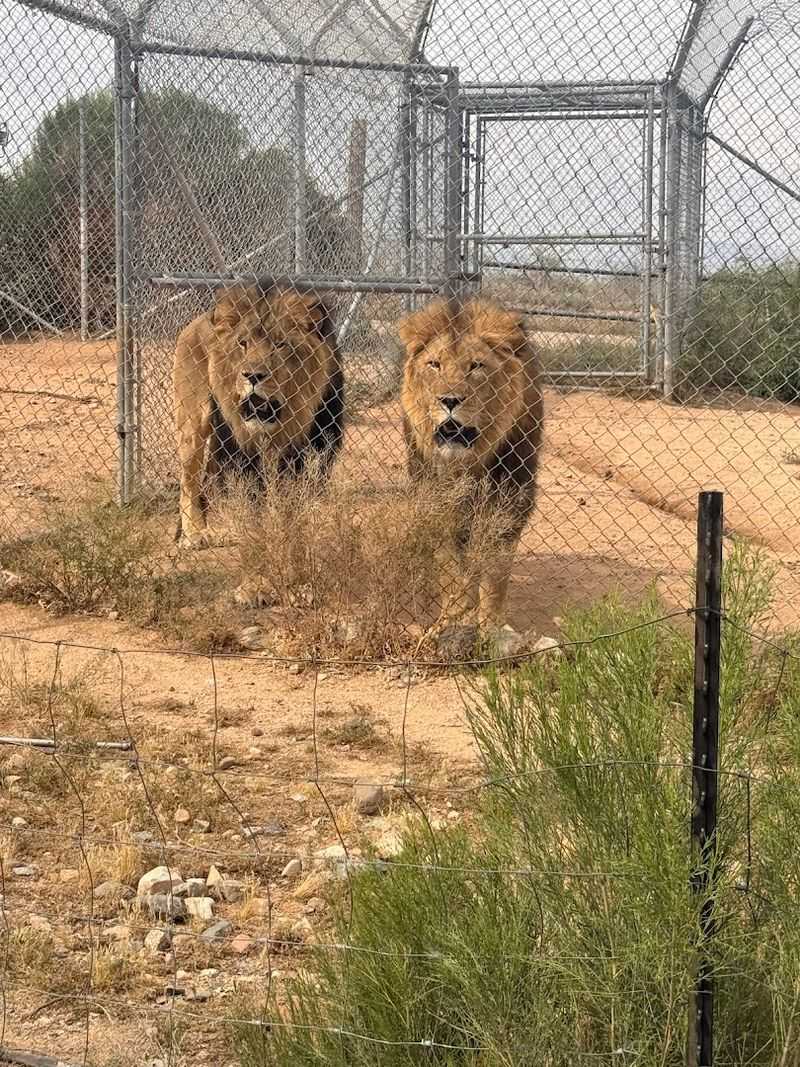
Out of Africa began with a mission that still drives every decision today: providing sanctuary for big cats that needed homes. I learned that many of the park’s lions and tigers came from situations where they couldn’t remain in their previous locations, whether due to facility closures or other circumstances.
The park doesn’t breed big cats for profit or entertainment. Instead, it focuses on caring for animals already in captivity while educating visitors about why these magnificent creatures belong in the wild.
This ethical approach resonated deeply with me as I observed the cats lounging comfortably in their spacious habitats.
Conservation messaging appears throughout the park without feeling preachy or overwhelming. Informative signs explain threats facing wild populations, from habitat loss to poaching. The staff clearly views their role as ambassadors for wild counterparts still fighting for survival in Africa and Asia.
Supporting facilities like this through admission fees directly funds animal care and conservation education programs. I felt good knowing my visit contributed to something meaningful beyond just entertainment.
The park’s transparency about its mission and animal welfare practices builds trust with visitors.
Perfect Arizona Location And Setting
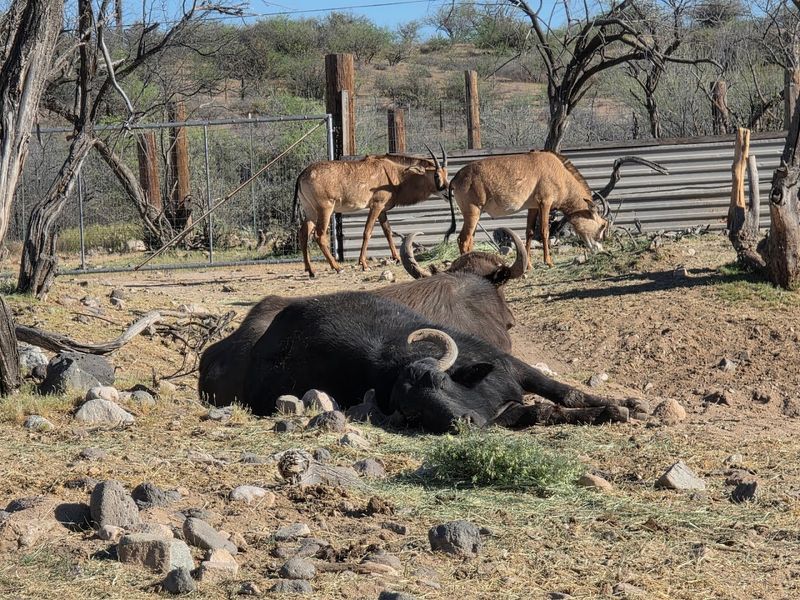
Camp Verde’s location in Arizona’s Verde Valley creates an unexpectedly ideal setting for this African wildlife park. The high desert climate with moderate temperatures mirrors conditions many of these animals experience in their native habitats.
I visited in spring when wildflowers bloomed, adding splashes of color to the already stunning landscape.
The park sits at 3505 W. SR 260, easily accessible from both Phoenix and Flagstaff, making it a perfect day trip or stopover. I appreciated not having to navigate complicated city traffic to reach this natural oasis.
The surrounding red rock formations create a dramatic backdrop that photographs beautifully.
Verde Valley’s elevation keeps summer temperatures slightly cooler than Phoenix’s scorching heat, though I’d still recommend visiting during morning hours in peak summer. The park’s desert setting actually works in its favor, as many African species thrive in similar arid conditions.
Nearby attractions include Montezuma Castle National Monument and the historic mining town of Jerome, allowing you to build a full day of exploration. The rural setting also means less noise pollution, creating a more peaceful, immersive wildlife experience than urban zoos can offer.
Year-Round Operating Schedule
One aspect I truly appreciated was the park’s reliable year-round schedule. Open daily from 9:30 AM to 5:00 PM except Thanksgiving and Christmas, you can plan your visit with confidence regardless of the season. I’ve experienced too many attractions with confusing seasonal hours, so this consistency was refreshing.
Arriving when gates open gives you the advantage of cooler temperatures and more active animals. I noticed wildlife tends to rest during midday heat, becoming livelier again in late afternoon. Planning around this natural rhythm enhances your experience significantly.
The park allocates enough time for visitors to enjoy all shows, tours, and exhibits without feeling rushed. I spent about five hours exploring and still felt like I could have stayed longer. Families with young children might move faster, while wildlife enthusiasts could easily fill an entire day.
Special events occasionally extend hours or add unique programming, so checking the website before visiting can reveal bonus opportunities.
The predictable schedule makes Out of Africa an easy addition to vacation itineraries, whether you’re planning weeks ahead or making last-minute decisions during your Arizona road trip.
Diverse Exotic Animal Collection
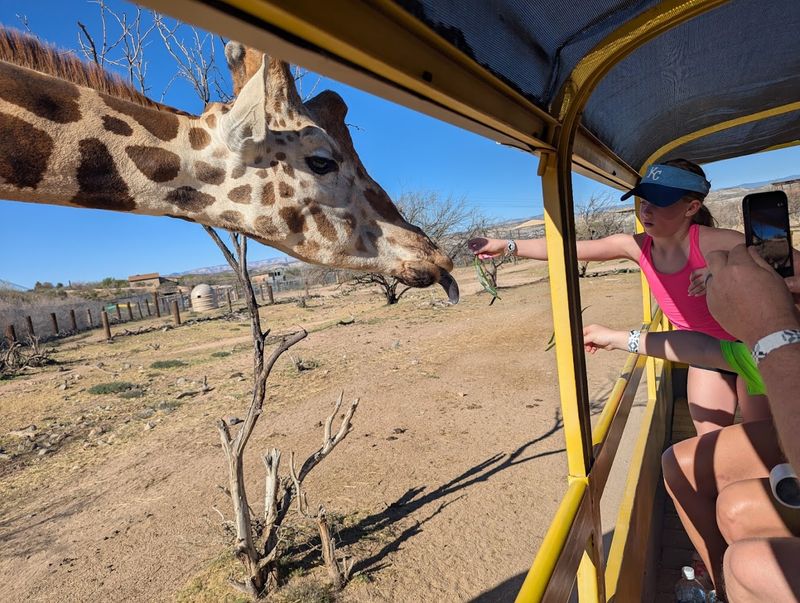
Beyond the famous big cats, the park houses an impressive variety of African species that surprised me with their diversity. I encountered everything from towering giraffes to compact warthogs, each species represented in thoughtfully designed habitats.
The collection focuses on quality over quantity, ensuring each animal receives proper care. Giraffes absolutely steal the show with their graceful movements and curious personalities.
I watched one stretch its impossibly long neck to reach browse while another bent down to drink, demonstrating the awkward gymnastics their anatomy requires. These gentle giants never fail to captivate visitors of all ages.
The park also houses various antelope species, rhinos, hyenas, and numerous reptiles. Each animal has informational signage explaining their natural history, conservation status, and interesting behavioral facts. I found myself reading every sign, fascinated by details I’d never known.
Seasonal breeding sometimes results in adorable babies that draw extra crowds. Staff members eagerly share updates about new arrivals and animal personalities, creating a connection between visitors and individual creatures.
This diverse collection showcases Africa’s incredible biodiversity while highlighting conservation challenges facing these species in the wild.
Affordable Admission And Membership Options
Quality wildlife experiences often come with hefty price tags, so I was pleasantly surprised by Out of Africa’s reasonable admission rates. Single-day tickets provide full access to the park, shows, and most exhibits, delivering excellent value for the experience you receive.
The pricing remains competitive with other Arizona attractions while offering something truly unique. For Arizona residents or frequent visitors, annual memberships make tremendous financial sense.
I met several members during my visit who return regularly, citing the membership as one of their best entertainment investments. Benefits include unlimited admission, discounts on encounters, and special member-only events throughout the year.
Group rates accommodate families, school field trips, and other large parties, making educational outings more affordable. The park also offers various add-ons like special encounters and behind-the-scenes experiences for those wanting enhanced access.
These optional upgrades let you customize your visit based on interests and budget. Ticket purchases support animal care, facility maintenance, and conservation education programs directly.
Knowing your admission contributes to meaningful work rather than just corporate profits adds value beyond entertainment. Check the website for current pricing and any promotional offers before visiting.
Conservation Education Mission
What ultimately distinguishes Out of Africa from mere entertainment venues is its genuine commitment to conservation education. Every exhibit, show, and interaction carries an underlying message about protecting wildlife and habitats.
I left feeling informed rather than preached to, inspired to make small changes supporting conservation efforts. The park partners with various conservation organizations, contributing to research and protection programs for endangered species.
Staff members passionately explain how individual actions like reducing plastic use or supporting ethical wildlife tourism create positive impacts. These connections between daily choices and global conservation challenges resonated powerfully.
Children especially benefit from seeing conservation as accessible and actionable rather than overwhelming.
I watched kids pledge to help animals after learning about threats they face, their enthusiasm proving education’s power.
The park plants seeds of environmental stewardship that may influence lifelong attitudes toward nature.
By choosing to visit facilities prioritizing animal welfare and education over profit, tourists vote with their dollars for ethical wildlife experiences. Out of Africa demonstrates that entertainment and conservation can coexist successfully, creating a model other attractions should emulate.
Supporting their mission felt like contributing to something larger than myself.