
This WW2 Submarine In Muskegon Michigan Lets You Touch History And Even Sleep In The Sailors’ Bunks
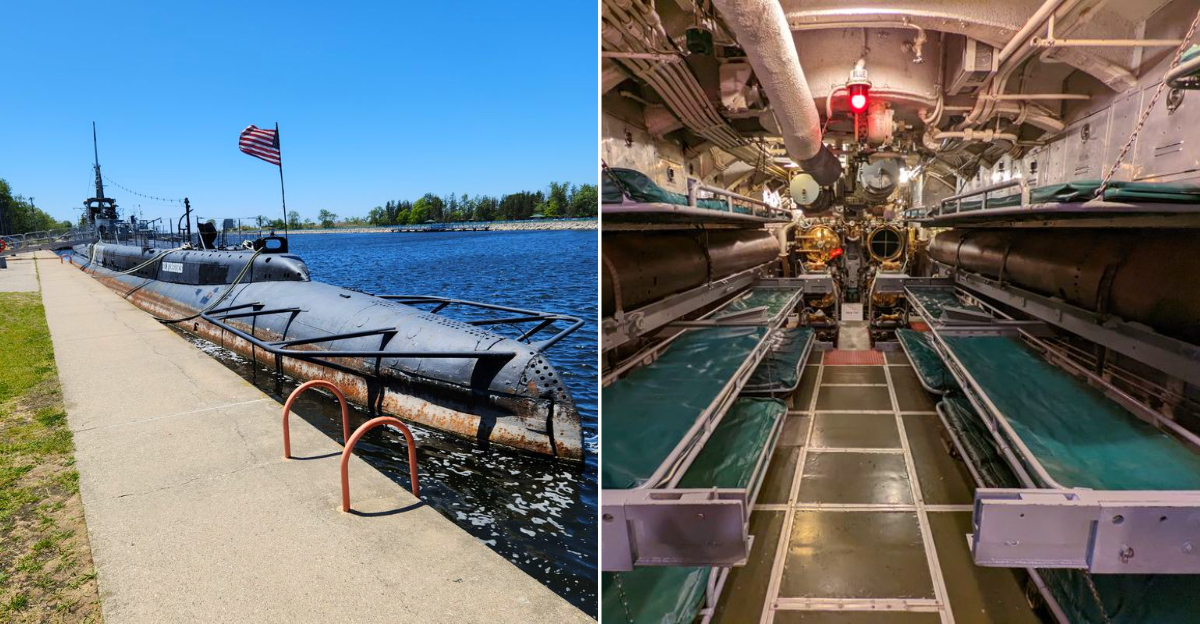
Standing at the edge of Muskegon Lake, I’ll admit I felt a bit small staring up at that jagged, steel silhouette. It looks like a time capsule that’s still humming with secrets. I used to think museums were just dusty plaques and “don’t touch” signs, but this place is a different animal entirely.
The sheer closeness of the sailors’ bunks makes you wonder how anyone managed a full night’s sleep, yet the museum actually lets you bed down in them for the night to find out. It’s an immersive, slightly claustrophobic, and utterly exhilarating look at life under pressure.
Explore one of the best-preserved WWII submarines in the country at this immersive Muskegon maritime history destination. If you’ve ever wondered how daily life felt when the sky was hundreds of feet above you, this experience provides every rattling, textured answer. Trust me, you’ll never look at a “tiny apartment” the same way again.
Start At The Lakeside Approach
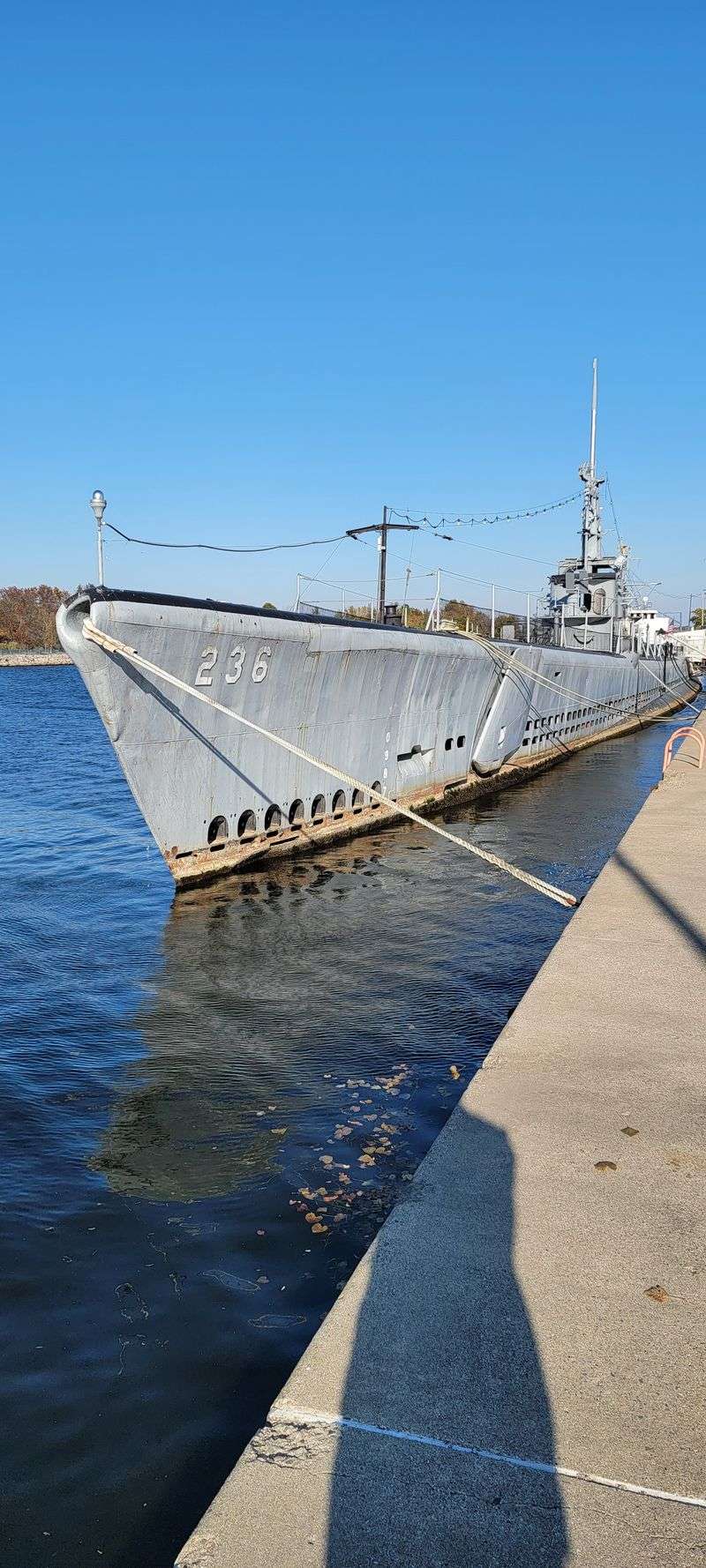
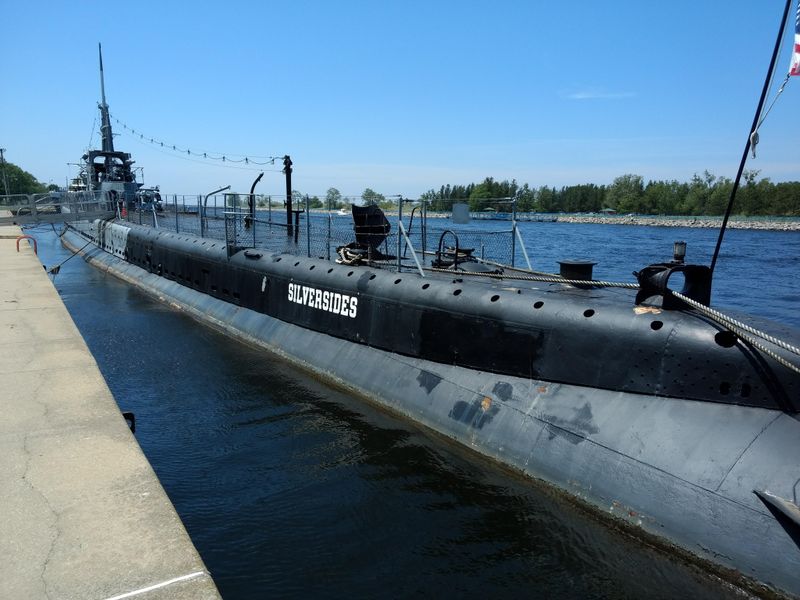
The address is 1346 Bluff Street, Muskegon, MI 49441, and the approach along the street is quiet enough to notice gulls stitching sound over the water. Before boarding, stand a moment by the bow to take in how low and lean the hull rides against Muskegon Lake. The vibe is unflashy, purposeful, and bracing, especially when waves slap the steel with small drumbeats.
Commissioned in 1941, Silversides completed 14 war patrols in the Pacific and is credited with multiple enemy sinkings. Her survival made preservation possible, and that origin sets the tone for everything inside. Pause to note the battle scars now sealed beneath paint.
Arrive soon after the 10 AM opening for lighter crowds. Parking is straightforward, and the gangway can be breezy, so bring a windproof layer.
Conning Tower First Impressions
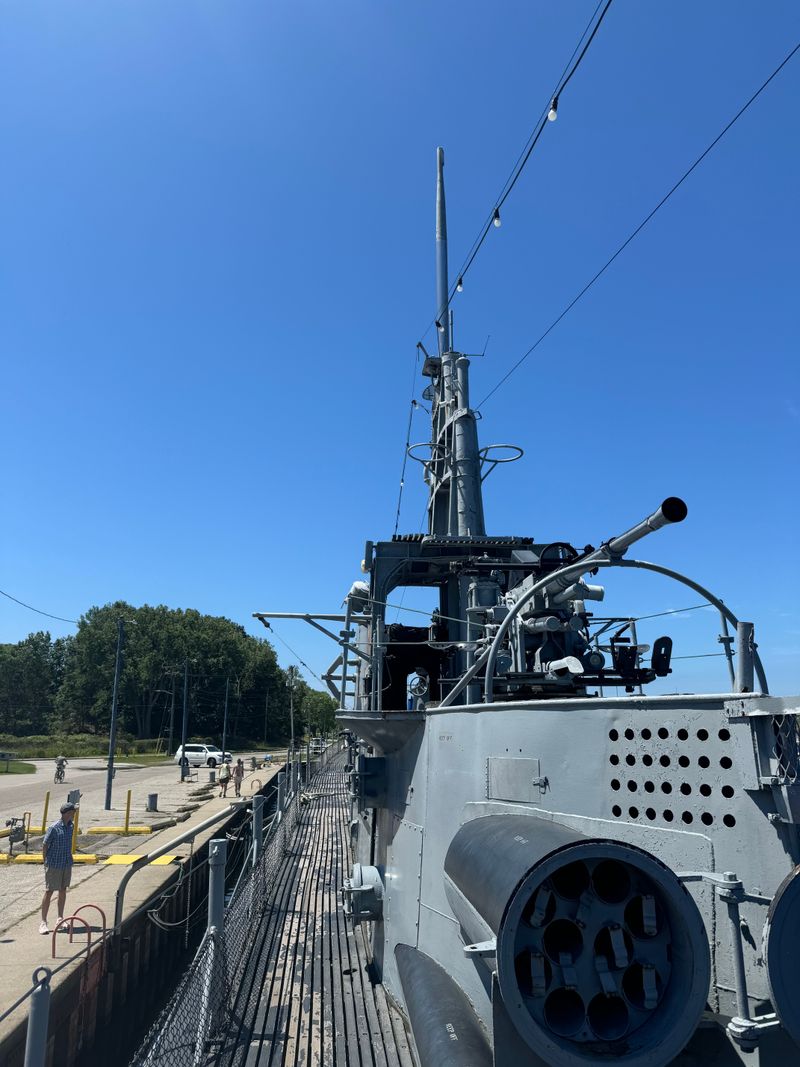
Look up at the conning tower and you see a compact stack of purpose: periscopes, shears, and rails framing the sky. The geometry feels tight and almost athletic, like a machine flexing without moving. That concentrated posture sets a focused mood before you even step below.
Historically, this tower housed critical functions: attack periscope, navigation, and fire control during World War II patrols. Crews learned to read tiny cues through optics to make vast decisions. It is here that silence once carried weight.
Keep hands light on the rails because paint can chalk your fingers. If the periscope is accessible, try a gentle turn. Lines form quickly on busy weekends, so patience pays off.
Aft Torpedo Room Reality Check
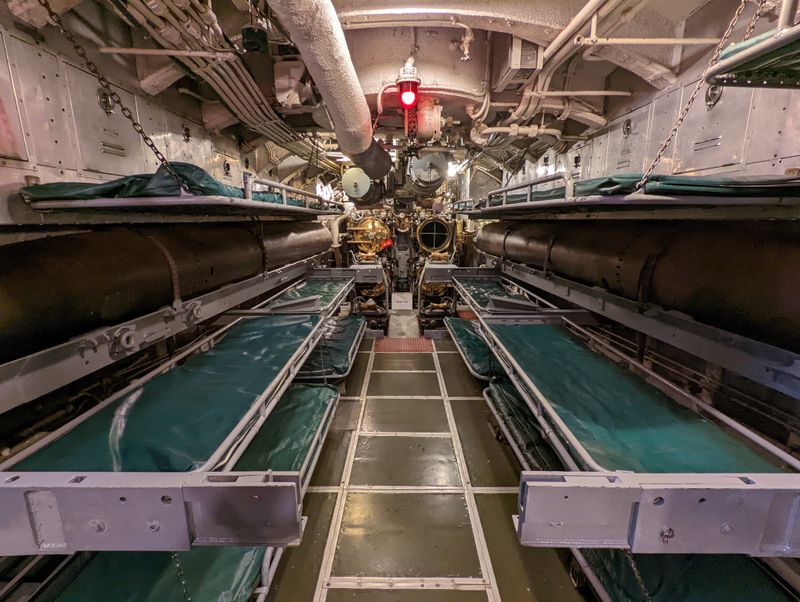
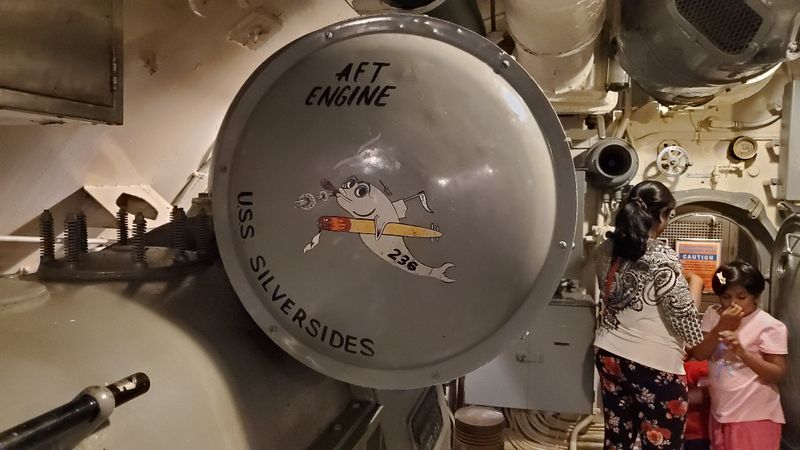
The aft torpedo room smells faintly metallic, with valve wheels and tubes crowding your peripheral vision. You read gauges without quite meaning to, as if they still report something urgent. Overhead, bunks seem implausibly close to the warheads, a juxtaposition that sharpens the air.
Silversides carried Mark 14 torpedoes during much of the war, devices infamous for early reliability issues later corrected. Here, maintenance meant survival, and sailors slept where they worked. History folds into logistics with no buffer space.
Watch your shins and elbows when navigating the tubes. Photography works best with a wide lens and steady hands. Give yourself time to let the density of equipment tell its story before moving forward.
Galley Heat And Habit
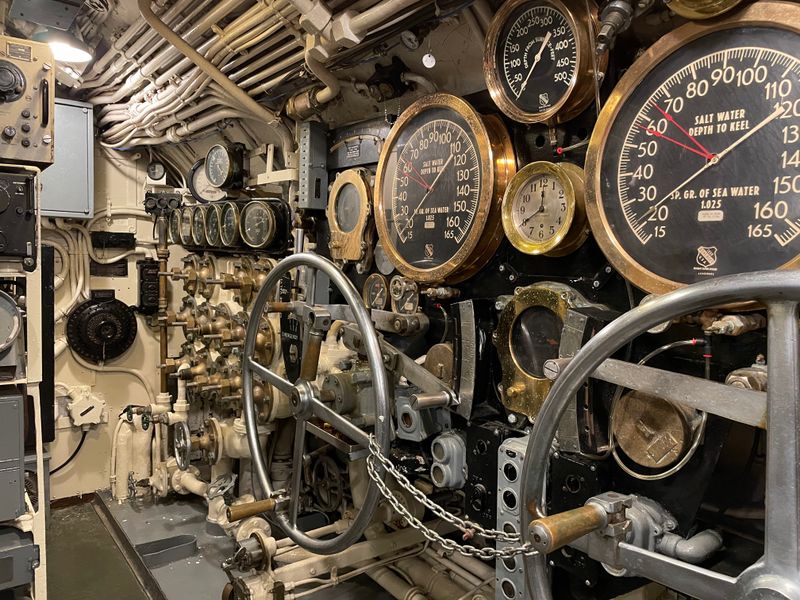
By the galley, warmth gathers even on cool days, as if meals still simmer just out of sight. The space is small enough to feel like a handshake, yet it fed dozens with clockwork efficiency. You can almost hear ladles tapping and quiet jokes passed under breath.
Historically, hot coffee and reliable food buoyed morale on long patrols. The galley crew’s choreography kept operations human in a steel envelope. Preservation here leans toward faithful placement rather than theatrical staging.
Look for labels and period utensils, then step aside so others can squeeze through. Morning light from hatches photographs best. If traveling with kids, point out how everything straps down because motion never really stops at sea.
Engine Room Sound Memory
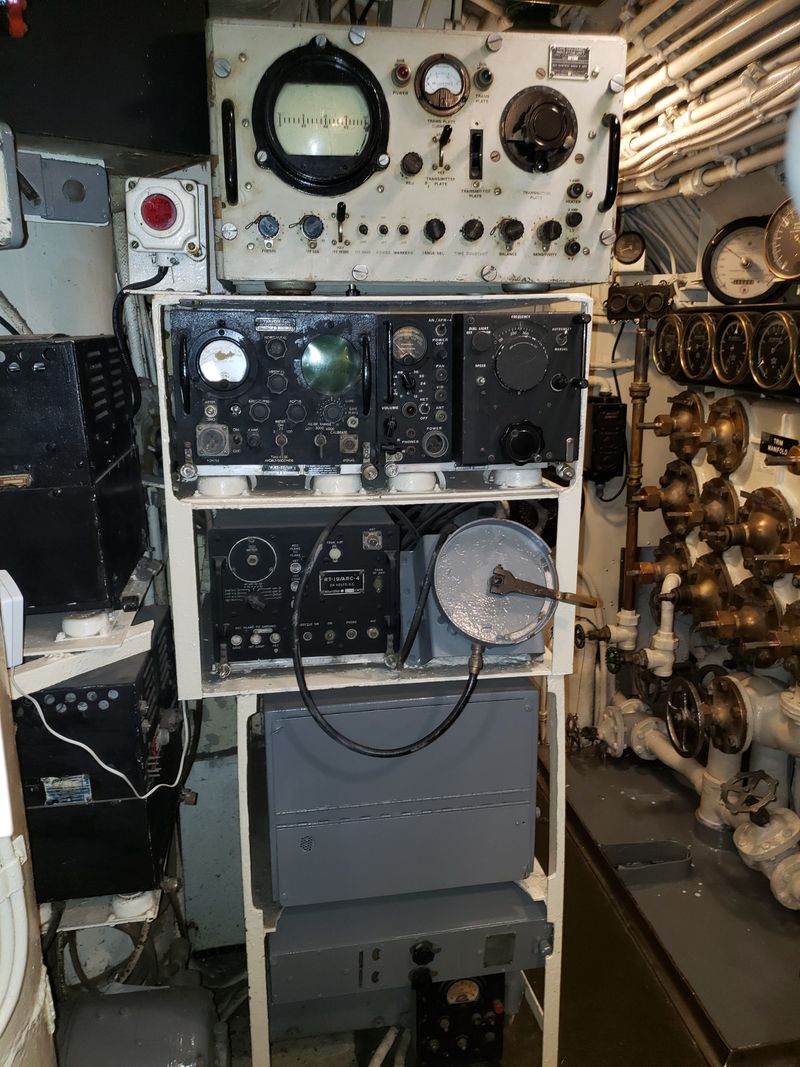
Even when quiet, the engine room hums in your head, because the bulk of metal suggests sound. These Fairbanks-Morse diesels once drove power through clutches and shafts, a heartbeat for submerged life. The vibe is industrious, dense, and slightly hypnotic.
During World War II, switching between diesel on the surface and batteries underwater defined tactics. The engineering crew balanced speed, range, and stealth with practiced routine. Preservation emphasizes real machinery rather than replicas, which matters when imagining labor.
Mind footing on grates and watch for low overheads. Read the placards before photographing to understand what you are seeing. If you crave detail, ask staff about start-up procedures, because their explanations add rewarding context.
Sleeping In The Bunks
The crew quarters press in gently, inviting you to test how small comfort can be. Narrow canvas bunks, three high, suspend over lockers and sometimes equipment, creating a lattice of private edges. At night, the quiet carries a soft mechanical echo that settles like weather.
Silversides offers organized overnight programs that let visitors sleep aboard, usually for groups with reservations. It is a preservation and education effort, showing routine as artifact. Time turns tangible when you wake at odd hours beneath riveted steel.
Bring a sleeping bag, layers, and earplugs for shared spaces. Pack light because ladders complicate bulky bags. If you snore, choose an end bunk so neighbors can angle their peace more easily.
The Wardroom’s Quiet Theater
Conversation still seems to hang in the wardroom, where polished surfaces reflect soft light. The table centers everything, hinting at strategy sessions and unhurried briefings between swells. Calm lives here, even with metal walls close at hand.
Historically, the wardroom served as officers’ workspace, dining area, and planning hub. Charts and instruments would have passed across this table en route to action topside. The museum preserves its proportion and restraint without theatrical clutter.
Speak low out of respect for tours sharing the compartment. If a guide is present, ask about patrol debrief routines. Photos of this room benefit from stepping back to include door frames, which add contextual scale.
Periscope Technique And Patience
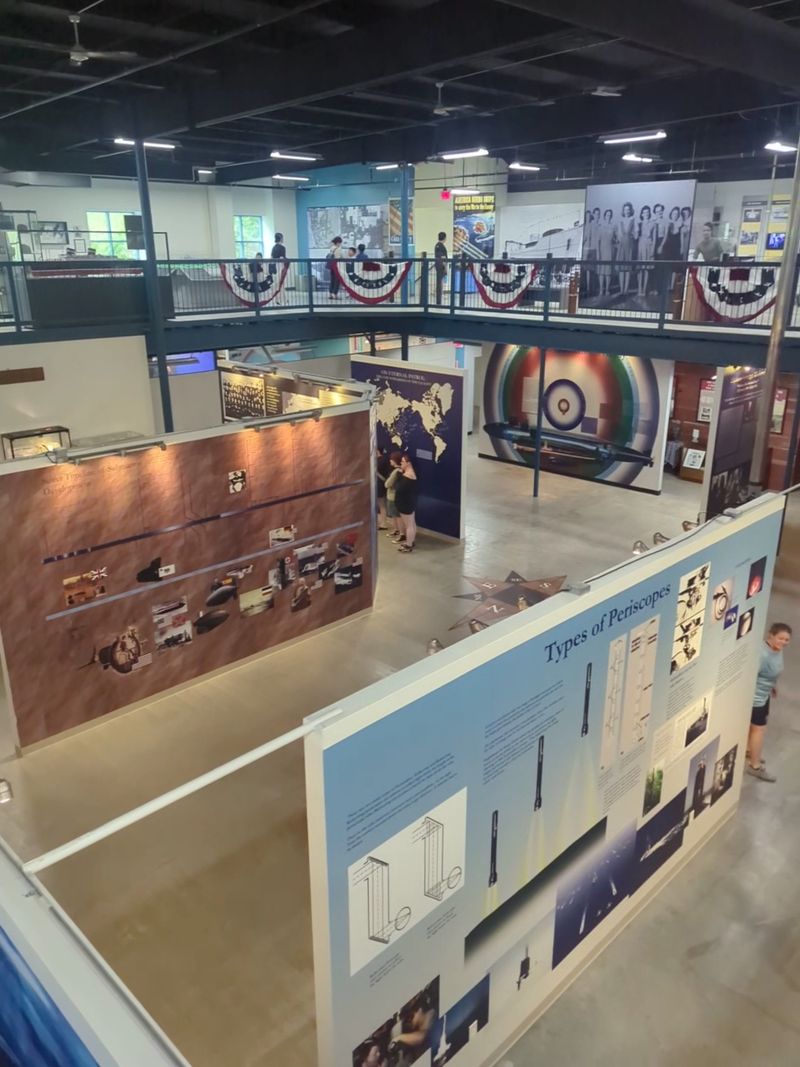
Your eyes need a beat to adjust when you lean into the periscope hood. The ring of brass feels cool, and there is a faint oil scent that suggests long use. Composure arrives as you find the horizon and let small details surface.
Periscope work married optics with restraint during wartime. Operators limited exposure time, rotated deliberately, and measured distance by graticules and practice. Restored components here illustrate those habits more clearly than text alone.
Do not press hard against the eyepiece to keep it clean for everyone. Rotate slowly to avoid jostling others. If you visit on a bright day, wait a few seconds between sweeps so contrast becomes kinder on your view.
Museum Building Context
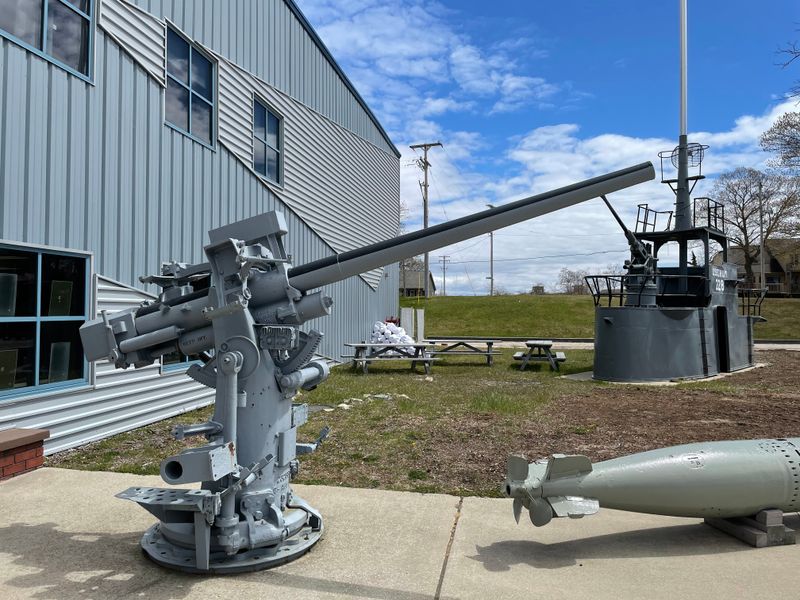
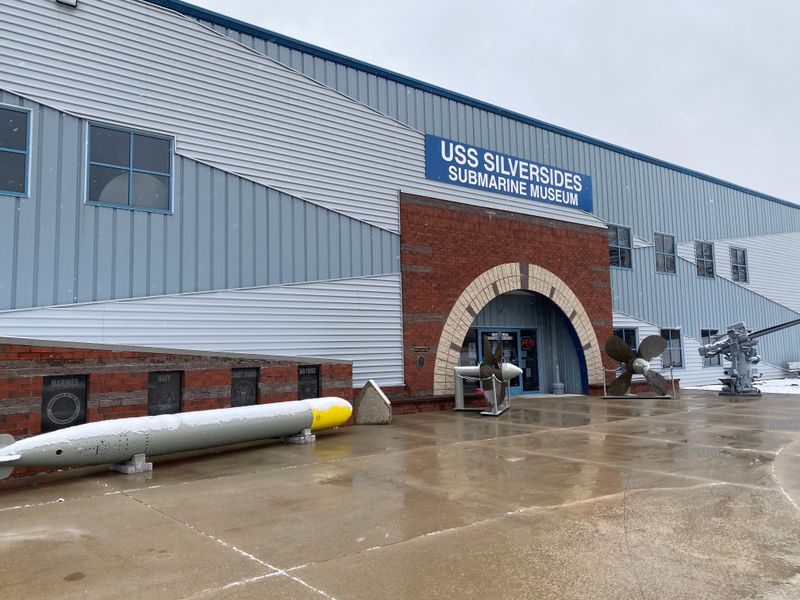
The museum building beside the pier anchors the experience with exhibits that steady your sense of timeline. Inside, artifacts, photographs, and oral histories braid the submarine’s story with the broader war at sea. The tone feels thoughtful without slipping into spectacle.
Opened to preserve USS Silversides and regional naval history, the institution pairs the boat with educational programming and a theater. This context matters, because stepping aboard lands harder when framed by voices and dates. Exhibits are updated with care rather than churn.
Check hours carefully: open 10 AM to 4 PM most days listed, closed Tuesday and Wednesday. Call ahead for group tours at +1 231-755-1230. The website posts schedule changes and special events promptly.
Seasonal Waterfront Rhythm
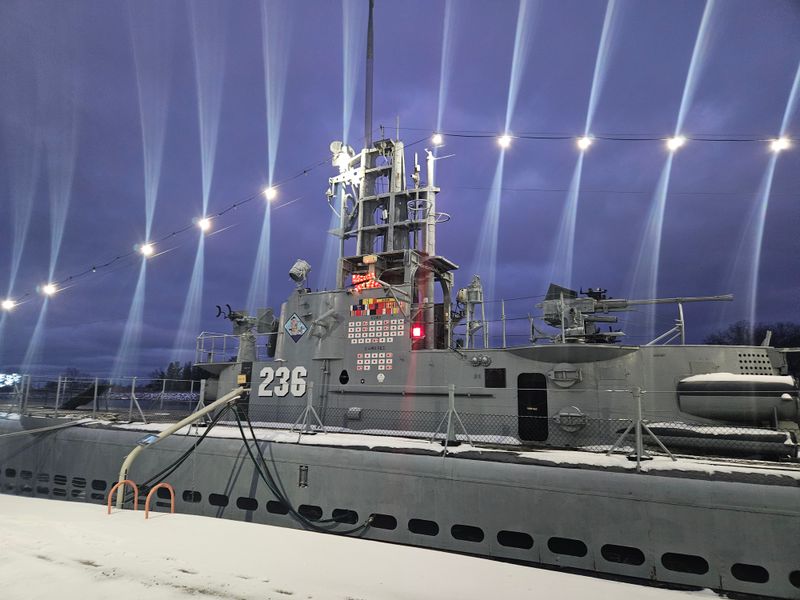
Light behaves differently along Muskegon Lake with the seasons, and the submarine wears those shifts plainly. Summer sharpens edges and warms decks; winter lays quiet over railings and scuppers with a spare grace. The mood outside sets expectations before you descend the ladder.
Local calendars often weave the museum into waterfront happenings, making shoulder seasons pleasantly less crowded. Operations onboard remain consistent, but the path from parking to gangway can feel longer in wind. Planning to match weather pays dividends.
Layer clothing and choose closed-toe shoes with good grip. In colder months, fingers cool fast on metal handholds. On bright days, sunglasses help when you step up from the darker compartments into sudden sun.
Docent Voices And Stories
A good docent changes pacing, and here they tend to speak with crisp, practical warmth. You hear facts braided with lived texture, sometimes from veterans or long-time volunteers who know each bolt’s stubbornness. Their presence sets a human rhythm to the tour.
Guided walks trace the boat’s patrols, crew routines, and maintenance rituals that kept missions viable. This attention to operational detail matches the museum’s preservation approach. It is education with measurable pressure and pulse.
When a guide pauses, step so others can see into compartments. Save intricate questions until transitions between spaces. If you crave deeper dives, ask about theater showtimes in the main building and plan your loop accordingly.
Exit With The Lake In Mind
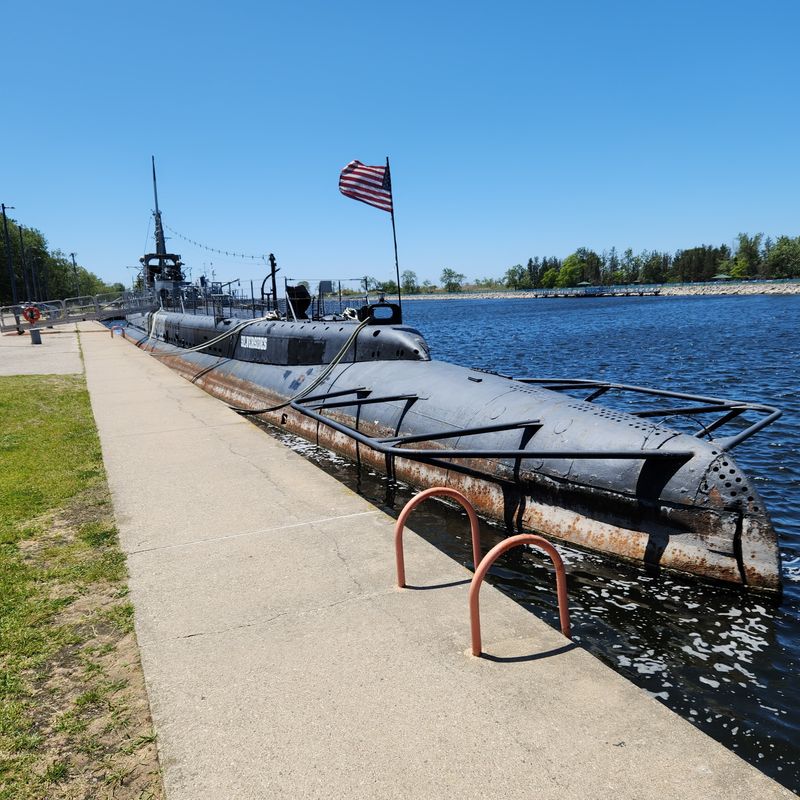
Leaving the boat, the lake feels larger than when you arrived, as if the hull taught you to measure distance. Quiet follows you down the gangway, mixing with small water sounds and a last look back. The vibe turns reflective without becoming heavy.
Silversides’ record of patrols and crews becomes a neighbor rather than a headline by the time you step off. That is the museum’s gift: proximity that clarifies scale. Preservation is not just display here, but practiced remembrance.
Before driving out, check the gift shop for well-researched books and to support upkeep. Note closing time at 4 PM so you are not rushed. A final shoreline walk helps the story settle.