
Thousands Of Sandhill Cranes Return To Florida Every Spring And Here’s Where To See Them
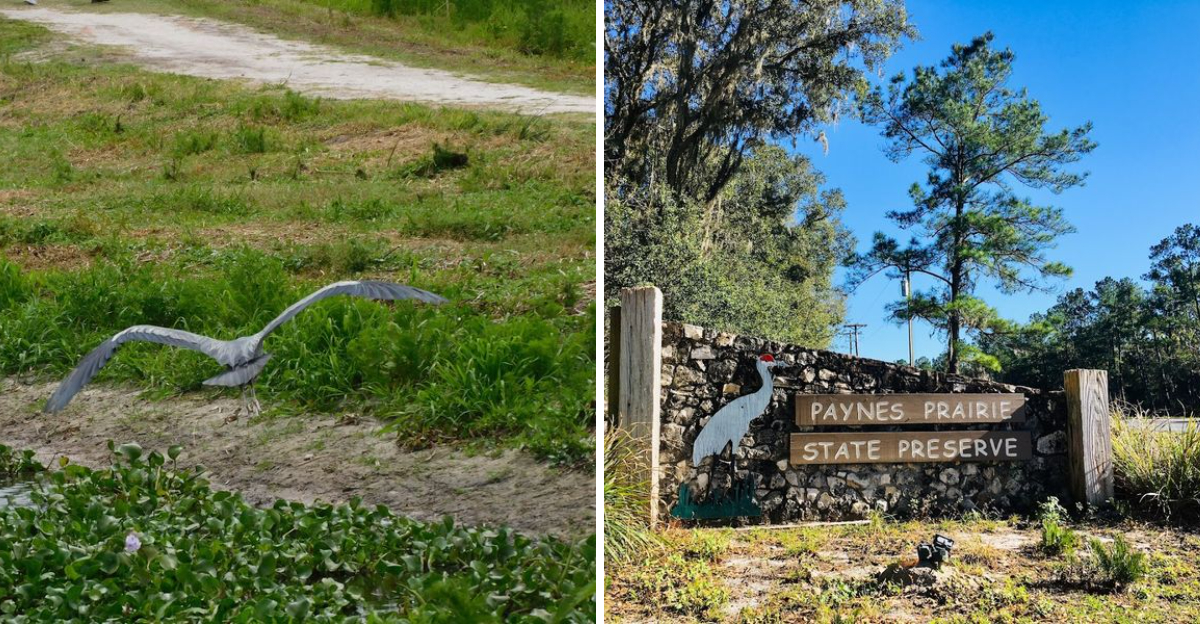
It starts with a sound before you see anything at all.
A distant, echoing call carries across the open landscape, and then suddenly the sky begins to move. Wings stretch wide, silhouettes glide overhead, and for a moment, everything around you feels completely still except for what is happening above.
Somewhere in Florida, spring does not just arrive quietly, it announces itself in a way that feels raw, powerful, and impossible to ignore. This is not the kind of experience you scroll past or forget about.
It is the kind that makes you stop, look up, and stay there longer than you planned.
This is Florida at its wildest and most unforgettable.
There is no rush here, no distractions, just nature unfolding exactly as it should.
And once you witness it for yourself, you will understand why this is one of those rare Florida moments people talk about long after it is over.
Sandhill Cranes Are Ancient Birds With A Long Florida History
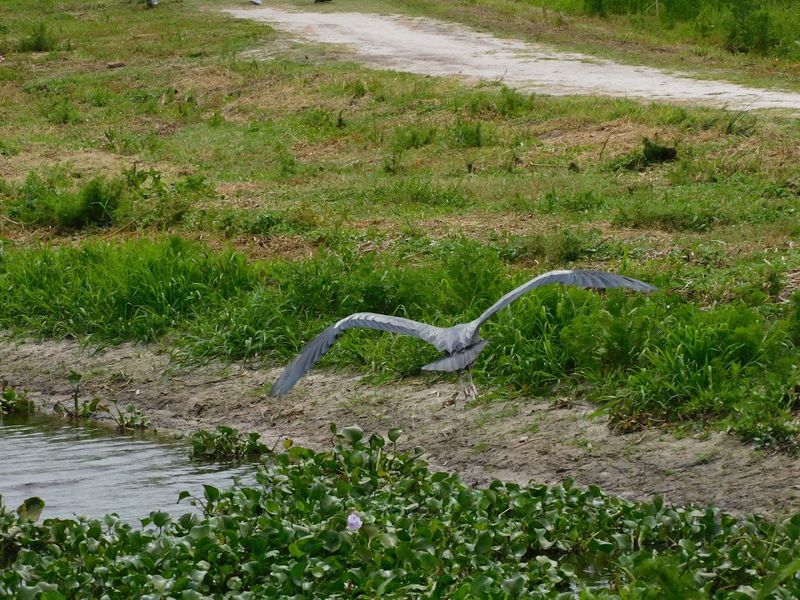
Few birds carry as much prehistoric weight as the sandhill crane, a species that has roamed North America for more than two million years. At Paynes Prairie Preserve State Park, spotting one of these tall, red-crowned birds feels like stepping into a nature documentary you never expected to find yourself in.
Florida is home to a non-migratory resident population of sandhill cranes, but every spring the park also welcomes migratory flocks passing through or settling in for the season. These birds can stand nearly four feet tall, making them hard to miss against the open prairie landscape.
Their loud, rattling calls echo across the 22,000-acre preserve in a way that feels both ancient and alive. Visitors who arrive early in the morning have the best chance of hearing and seeing large groups gathered near the wetland edges.
The park’s wide-open terrain makes Paynes Prairie one of Florida’s premier spots for watching these remarkable birds in their natural setting.
The Prairie Itself Creates The Perfect Habitat For Crane Gatherings
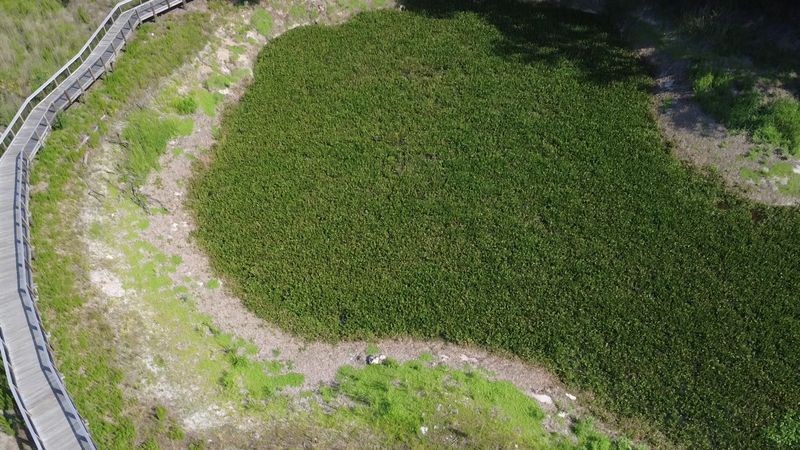
Not every Florida park can claim a landscape quite like the one at Paynes Prairie Preserve State Park. The preserve is built around a massive basin marsh, a rare geological formation that fills with water during wet seasons and partially dries during dry ones, creating constantly shifting habitat that wildlife absolutely loves.
Sandhill cranes thrive in exactly this kind of environment because they forage for insects, seeds, and small animals in shallow water and open grasslands. The prairie’s flat, exposed terrain gives cranes clear sightlines in all directions, which makes them feel safe enough to gather in large numbers.
When I walked the trails near the visitor center, the sheer scale of the open landscape was something I was not prepared for. It felt less like a state park and more like a wild, untouched corner of old Florida.
That uninterrupted openness is precisely what draws cranes back season after season, making this preserve one of the most naturally productive bird-watching locations in the entire state.
The Observation Tower Gives You A Bird’s-Eye View Of The Action
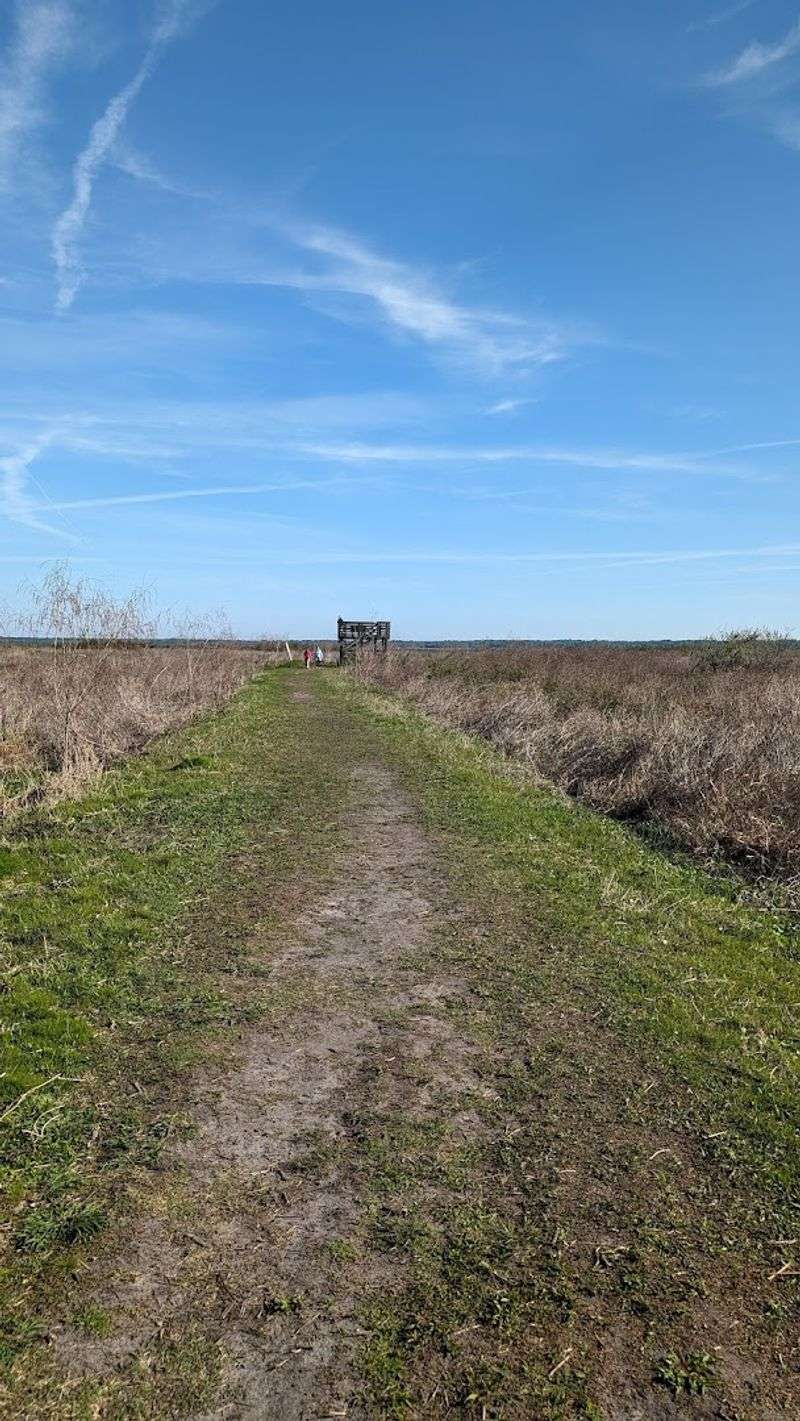
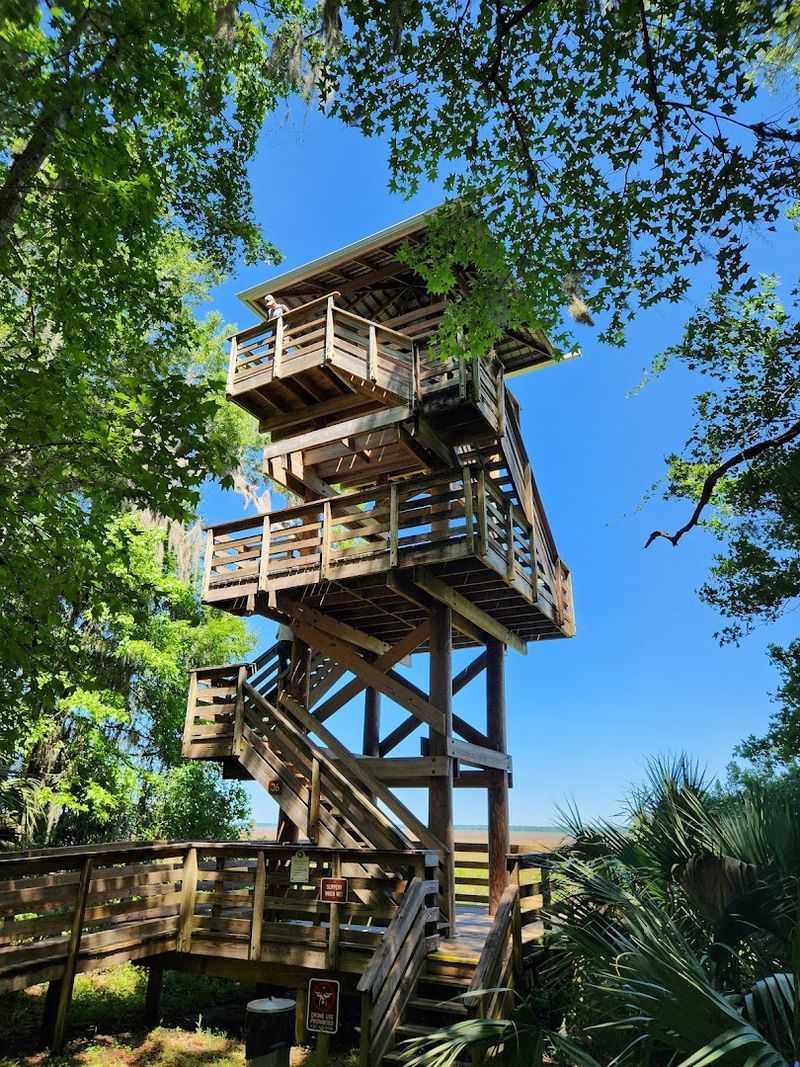
Standing at the top of the observation tower at Paynes Prairie Preserve State Park is one of those travel moments that quietly takes your breath away. The structure rises above the tree line and opens up into a sweeping panoramic view of the prairie that stretches further than you expect.
During spring crane season, scanning the prairie from this tower can reveal dozens or even hundreds of birds spread across the wetland below. Binoculars are highly recommended here because while the view is incredible, the cranes often gather far out in the open basin where the naked eye needs a little help.
I visited on a clear morning when the low light turned the prairie gold, and the silhouettes of cranes moving through the mist below felt almost surreal. Rangers at the visitor center can point you toward the best times of day for tower viewing, which is usually early morning or late afternoon.
Bring a camera with a decent zoom lens and you will leave with shots worth framing.
Trail 5 Is A Local Favorite For Spotting Cranes Up Close
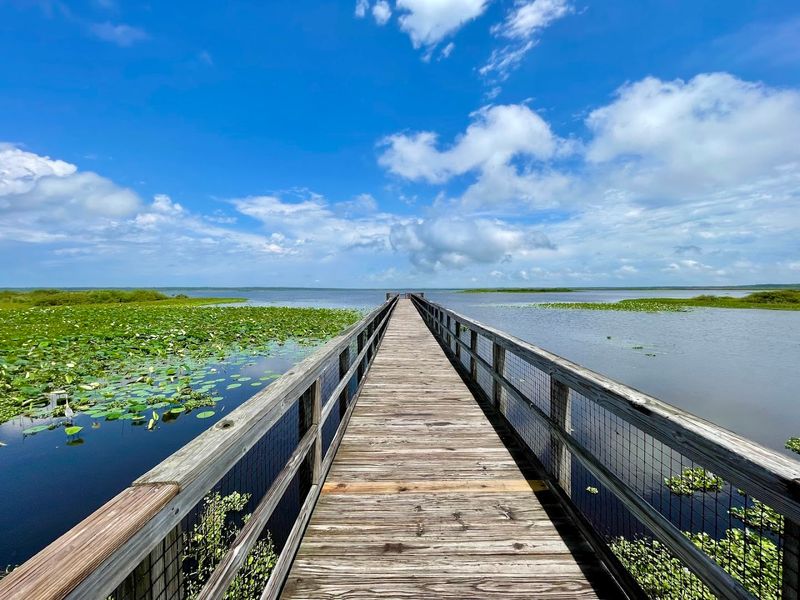
Ask a regular visitor at Paynes Prairie Preserve State Park which trail delivers the most wildlife encounters, and Trail 5 will almost always come up in the conversation. This trail winds through a mix of prairie edge and open terrain that sandhill cranes find particularly attractive during their spring return.
One reviewer who visited the park specifically mentioned seeing sandhill cranes along Trail 5, alongside wild Spanish ponies, which tells you something about just how rich this particular route is. The trail is mostly flat and wide, making it accessible for walkers of most fitness levels, and the open surroundings mean you can spot birds from a good distance before they spot you.
Wearing muted colors and moving quietly gives you the best chance of getting close without startling the cranes. I found that stopping completely and staying still for a few minutes often encouraged the birds to resume their natural foraging behavior.
Patience is genuinely rewarded on Trail 5, and the combination of open sky, tall grass, and crane calls makes the whole experience feel wonderfully unhurried.
Spring Mornings Bring The Biggest Crane Crowds To The Prairie
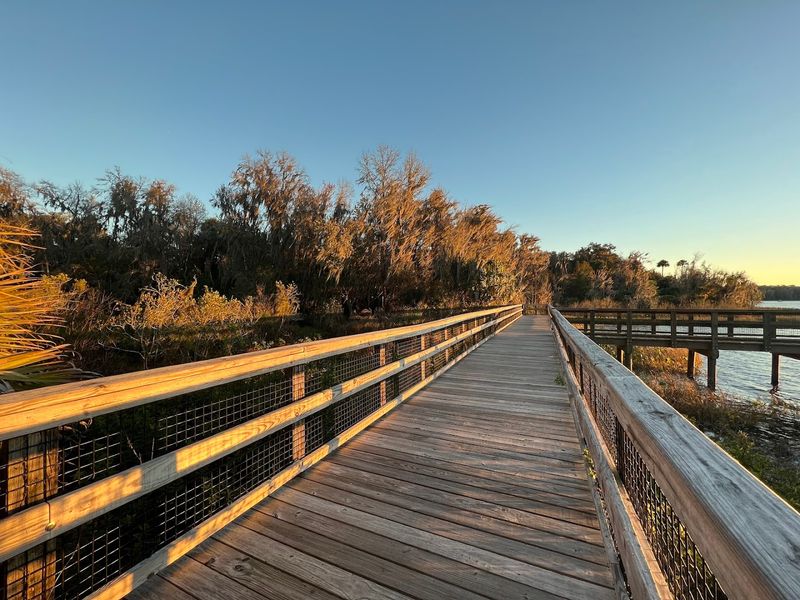
Timing your visit to Paynes Prairie Preserve State Park can make a significant difference in what you actually see, and spring mornings are widely considered the golden window for sandhill crane watching. The park opens daily at 8 AM, and arriving right at opening puts you on the trails when crane activity is at its peak.
Cooler morning temperatures encourage the birds to feed actively in the shallow wetland areas, and the low-angle morning light makes for spectacular photography. Flocks that roost overnight in nearby areas often move out onto the open prairie at first light, creating those dramatic mass gatherings that make crane season so memorable.
I noticed that by mid-morning, once the sun climbed higher and the temperature rose, many birds had moved to shadier spots or taken to the air. Getting to the park early is not just good advice here, it is practically essential if you want the full experience.
Pack a snack, wear comfortable shoes, and plan to spend at least two hours exploring before the heat of the day sets in.
Sandhill Cranes Share The Prairie With Some Surprising Neighbors
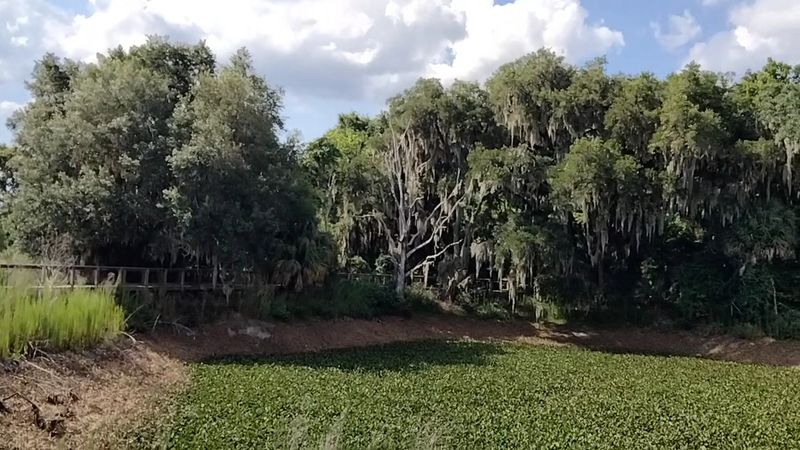
One of the things that makes Paynes Prairie Preserve State Park so unexpectedly thrilling is that sandhill cranes are far from the only headline act. The preserve is also home to wild Spanish horses, American bison, alligators, bald eagles, and armadillos, all roaming freely across the same landscape.
Watching sandhill cranes pick their way through the grass while a herd of bison grazes in the background is a scene that genuinely feels out of place in modern Florida, in the best possible way. Reviewers consistently describe the experience as stepping back in time, and that description holds up when you are standing on the prairie watching it unfold in real life.
The Ecopassage Observation Boardwalk near US Highway 441 is a particularly good spot for seeing bison and horses alongside the bird life. The diversity of species packed into one preserve means that even if the crane activity is quieter on a given day, something else will almost certainly make the trip worthwhile.
Paynes Prairie rewards curiosity in every direction you look.
The Visitor Center Helps You Plan Your Best Crane-Watching Route
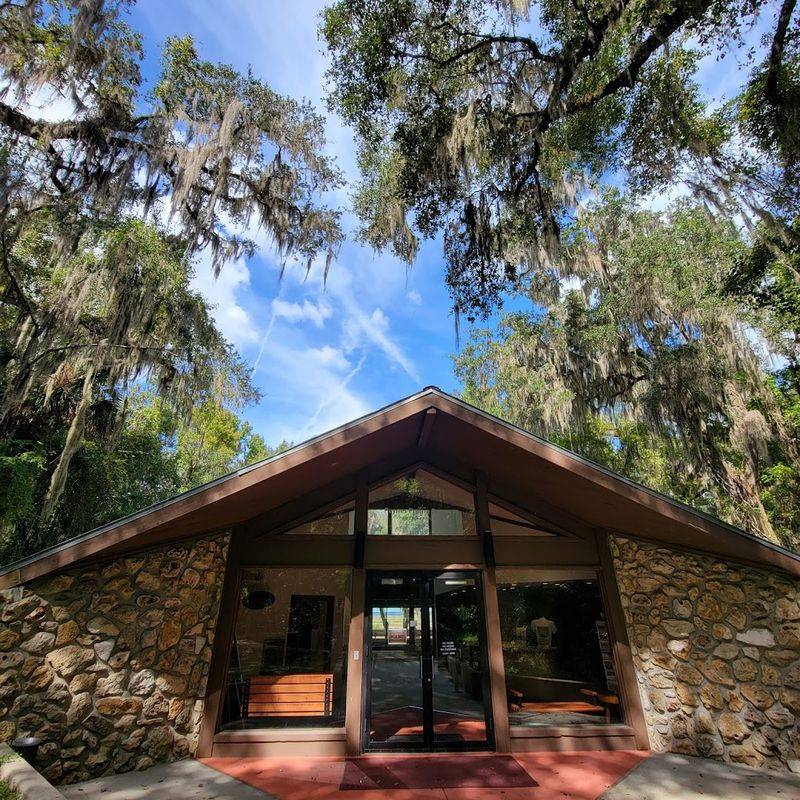
Walking into the visitor center at Paynes Prairie Preserve State Park before hitting the trails is genuinely one of the smartest moves you can make. The staff there are knowledgeable, friendly, and happy to tell you exactly where the cranes and other wildlife have been spotted most recently.
The center provides printed trail maps that show distances clearly, which the online version does not always display as helpfully. Rangers can tell you which trails have had the most crane activity that week and whether water levels on the prairie are high enough to concentrate the birds in visible areas.
There are also nature displays inside that give helpful background on the sandhill crane’s biology and migration patterns.
I spent about fifteen minutes chatting with a ranger who pointed me toward the observation tower loop and mentioned that Trail 5 had been particularly active that morning. That kind of real-time local knowledge is worth more than any app or travel guide.
The visitor center also sells a park sticker, which makes a satisfying souvenir for the nature-lover in your group.
Binoculars And A Camera Are Your Most Important Packing Items
Coming to Paynes Prairie Preserve State Park without binoculars is a little like showing up to a concert and standing at the very back of the crowd. You will still have a great time, but you will spend the whole visit wishing you could see more clearly.
Multiple visitors have noted that the cranes and bison are often visible from the trails and platforms but are frequently far enough out in the prairie that binoculars make a real difference. A decent pair with 8x or 10x magnification is enough to turn a distant gray smudge into a vivid, detailed sandhill crane in full display.
For photographers, a zoom lens of at least 300mm will give you usable shots from the observation points.
The morning light at Paynes Prairie is especially flattering for wildlife photography, and the flat terrain means you rarely have trees or hills blocking your sightlines. I packed a lightweight folding chair on my second visit and set up near the edge of the prairie for about an hour, and the patience paid off with some of my favorite wildlife photos from any Florida trip.
The La Chua Trail Offers One Of Florida’s Most Rewarding Wildlife Walks
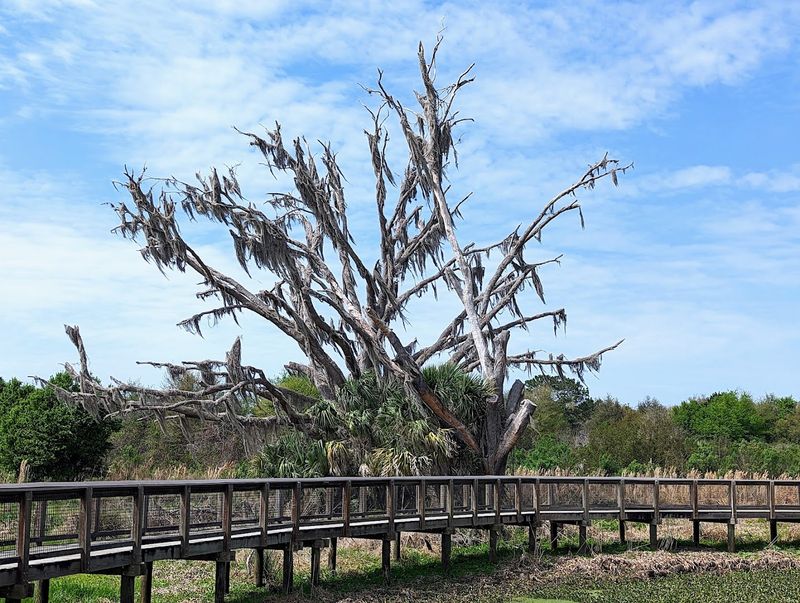
If you ask seasoned wildlife watchers in Florida to name their favorite trail in the state, the La Chua Trail at Paynes Prairie Preserve State Park comes up with surprising regularity. This trail runs through the heart of the prairie basin and gets you closer to the wetland floor than almost any other access point in the park.
Sandhill cranes are frequently seen along this route, especially during spring when water levels in the basin attract large numbers of foraging birds. The trail also passes near alligator resting areas and open water where wading birds gather in impressive numbers.
It is flat, well-maintained, and clearly marked, though visitors should wear sturdy shoes since the surface can be uneven in places.
One reviewer mentioned finishing the La Chua Trail and immediately heading to another part of the park because they simply wanted more of what they had just experienced. That reaction makes complete sense once you have walked it yourself.
The combination of open sky, wetland sounds, and the sheer variety of wildlife along the route makes it one of those rare trails that earns every bit of its reputation.
Practical Tips For Making The Most Of Your Crane-Watching Visit
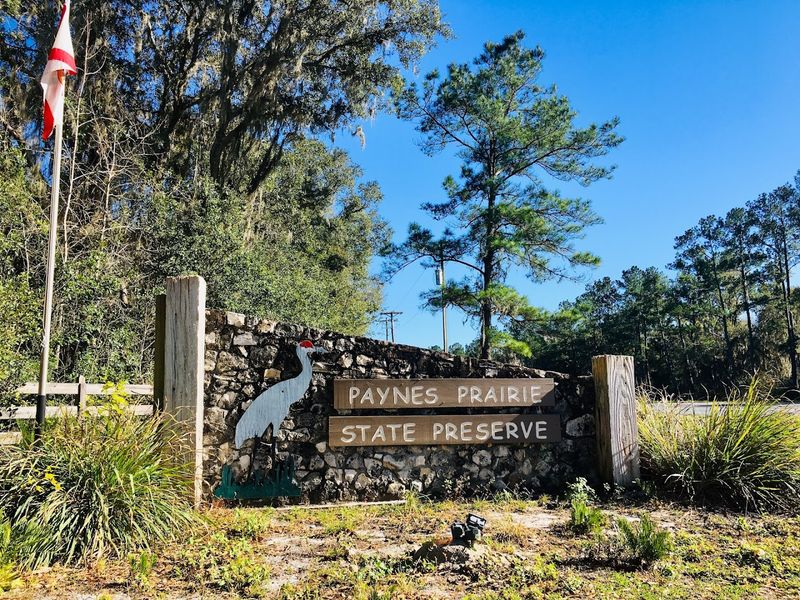
A little preparation goes a long way at Paynes Prairie Preserve State Park, and a few simple steps can turn a good visit into a genuinely great one. The park entrance fee is currently six dollars per vehicle, which is an outstanding value for 22,000 acres of accessible Florida wilderness.
Sunscreen and a hat are non-negotiable during spring visits because most of the trails are fully exposed to direct sun, and the Florida heat builds quickly even in the earlier months of the year. Bringing plenty of water is equally important since there are no concession stands on the trails themselves.
The park is open daily from 8 AM to 8:45 PM, giving you a solid window to explore at a relaxed pace.
Wearing layers in the early morning is smart because temperatures can be cool when you first arrive and warm significantly by midday. Dogs are welcome on leashes, making this a friendly outing for pet owners too.
You can reach the park at 100 Savannah Blvd, Micanopy, FL 32667, or call ahead at 352-466-3397 to check on current wildlife activity before you make the drive.