
10 Timeless Arkansas Towns That Still Capture Old-School Charm In 2026
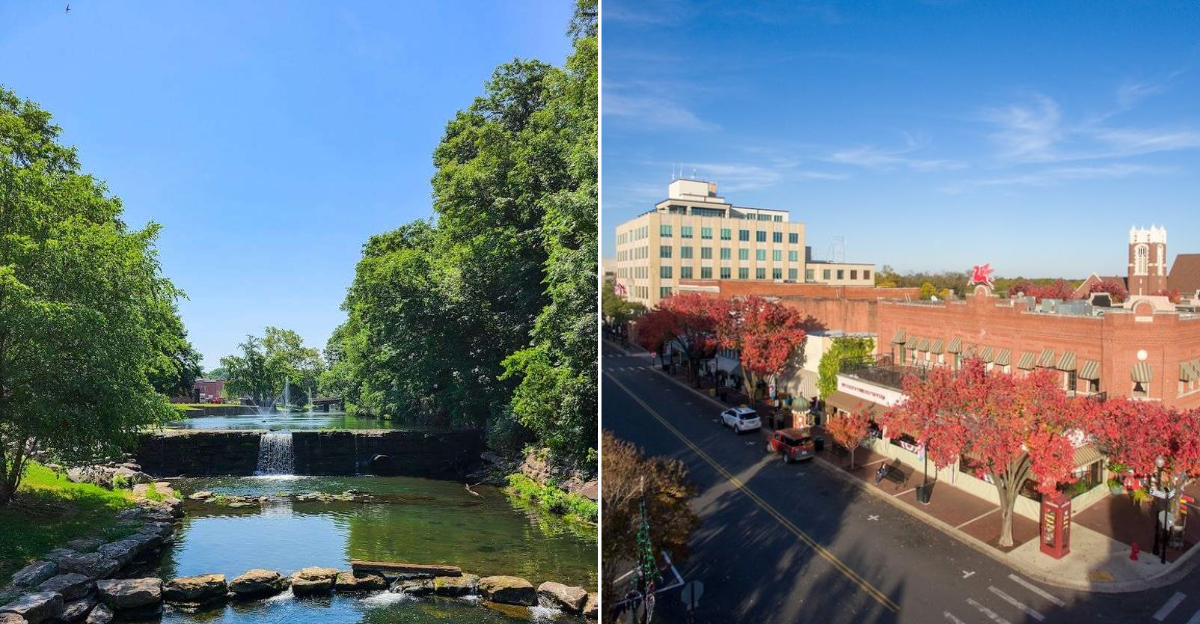
Some of my favorite days in Arkansas start with no real plan, just a tank of gas and a highway that leads to a small town. I have spent years wandering around the state like this.
I park near the courthouse square, grab coffee from a local café, and take a slow walk down Main Street. Before long, someone starts a conversation.
That is just how these towns work. Places like this still feel refreshingly unchanged.
Old theaters still light up at night. Corner diners stay busy at breakfast.
Historic storefronts have not been replaced by chains. Life moves slower, and honestly, that is part of the appeal.
In 2026, plenty of Arkansas towns still hold onto that old-school character. The kind you notice the moment you arrive.
I have rounded up a few that capture it especially well. These are places where the atmosphere, history, and everyday rhythm still feel timeless.
1. Eureka Springs
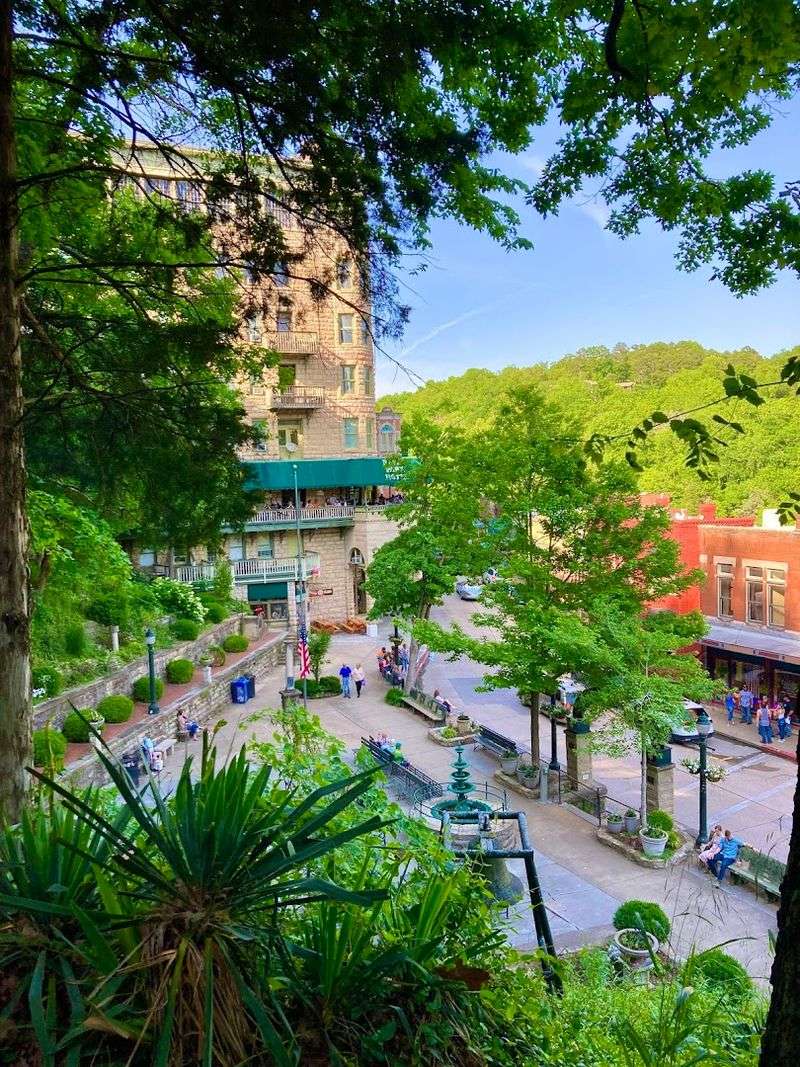
Wandering through Eureka Springs feels less like sightseeing and more like stepping into a living postcard that nobody ever sent.
This small town is located inside Carroll County in the Ozark Mountains of northwest Arkansas, and it earns every bit of attention it gets.
The entire downtown historic district is listed on the National Register of Historic Places, meaning the Victorian architecture lining Spring Street is not just pretty, it is protected.
Every building seems to lean slightly differently because the streets curve and climb rather than running in any straight line, which gives the whole town a storybook quality that no grid-planned city could replicate.
The Thorncrown Chapel, a glass and wood structure rising out of the surrounding woods, is one of those places that genuinely stops people mid-sentence when they first see it.
Spring and fall bring the most comfortable weather for walking, and the town fills with artists, musicians, and travelers who all seem to share the same unhurried pace.
If Eureka Springs were a song, it would be one you keep humming long after the trip is over.
2. Mountain View
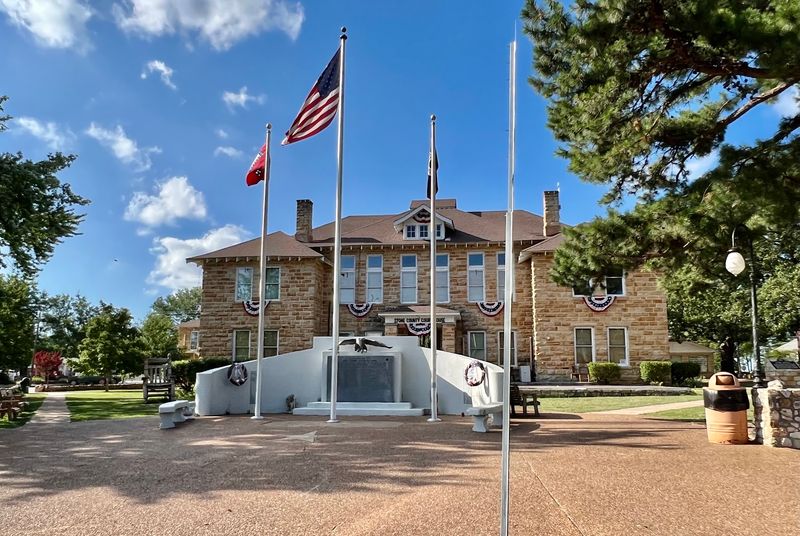
There is a town in Arkansas where strangers pull out fiddles on a courthouse lawn and nobody thinks that is unusual at all.
Mountain View, located in Stone County in north-central Arkansas, has carried the title of Folk Music Capital of the World for decades, and it wears that crown with genuine pride rather than tourist-brochure polish.
On most weekends, impromptu jam sessions break out around the Courthouse Square, drawing players and listeners who show up simply because the music calls them there.
The Ozark Folk Center State Park, sitting just outside the main square, preserves traditional Ozark crafts and music in a way that feels participatory rather than museum-stuffy.
Basket weaving, blacksmithing, and dulcimer playing are all demonstrated by people who actually know what they are doing, not actors in period costumes.
Summer evenings here carry a warmth that is partly weather and partly the kind of community energy that only builds over many generations of shared tradition.
Mountain View does not just remember its past, it keeps playing it forward, one string at a time.
3. El Dorado
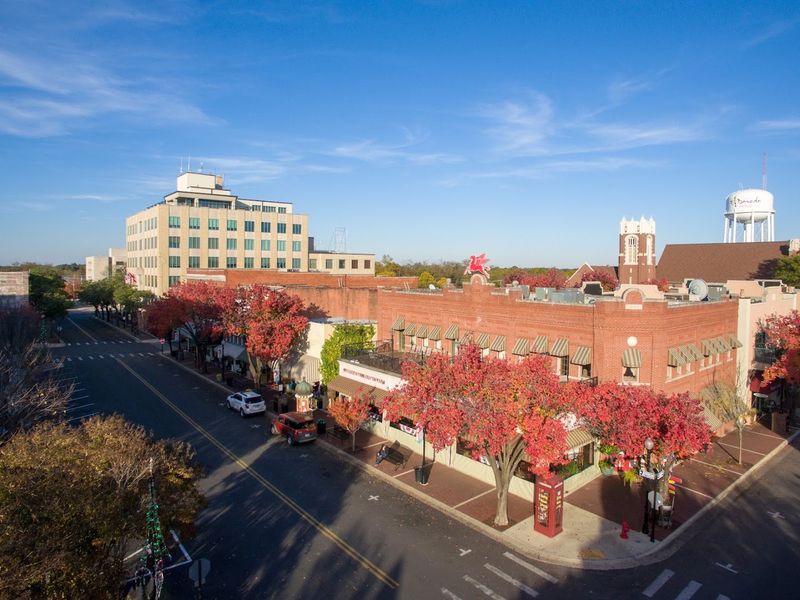
El Dorado pulled off something remarkable: it took the legacy of an oil boom and turned it into one of the most vibrant small-city arts scenes in the entire South.
Situated in Union County in southern Arkansas, El Dorado carries a reputation for reinvention that most towns its size never quite manage.
The Murphy Arts District, known locally as MAD, anchors the cultural heartbeat of downtown with an outdoor amphitheater, indoor performance venues, and rotating festivals that draw visitors from well beyond state lines.
Walking through MAD, you notice the thoughtful landscaping, the public art installations, and the kind of intentional design that signals a community seriously invested in its own future.
The downtown square still holds onto its early twentieth-century character through preserved storefronts and wide sidewalks that invite slow, unhurried exploration.
Festival season in El Dorado is worth planning your calendar around, with music and theater events that feel both professionally produced and deeply rooted in local identity.
El Dorado proves that a town does not have to choose between honoring its history and building something genuinely exciting for the years ahead.
4. Van Buren
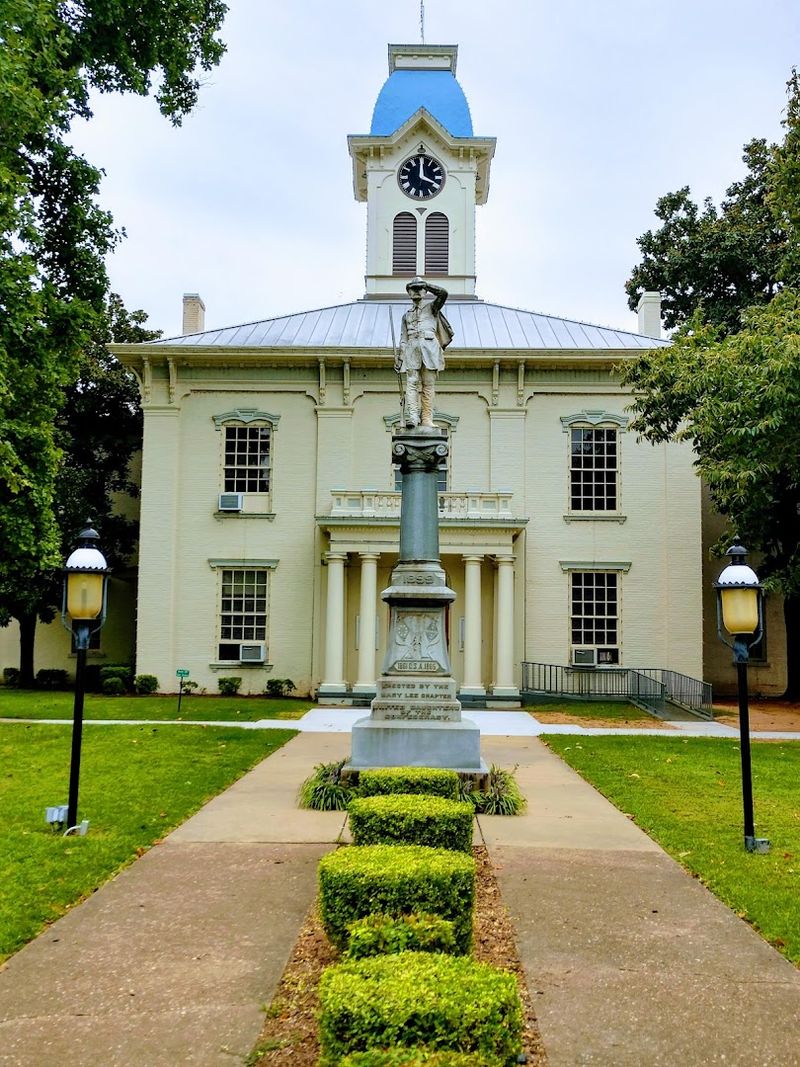
Main Street in Van Buren looks the way Main Streets used to look before chain stores and parking lots changed the definition of a town center.
Van Buren sits in Crawford County in western Arkansas along the Arkansas River, and its downtown has been turning heads since the 1800s.
The King Opera House, a beautifully restored Victorian-era theater, continues to host live performances today, which means you can sit in a building that has been entertaining audiences for well over a century.
Brick-paved sidewalks and ornate building facades line the historic district, giving every stroll a tangible sense of the town’s commercial heyday when the river made Van Buren a busy and prosperous stop.
Antique shops, local eateries, and small boutiques fill many of the restored storefronts, making the downtown a practical destination rather than just a photo opportunity.
The proximity to Fort Smith adds a useful dimension for visitors who want to extend their trip into a wider exploration of the Arkansas River Valley.
Van Buren rewards the kind of traveler who slows down enough to read the plaques, peek into the windows, and let the street do the storytelling.
5. Washington
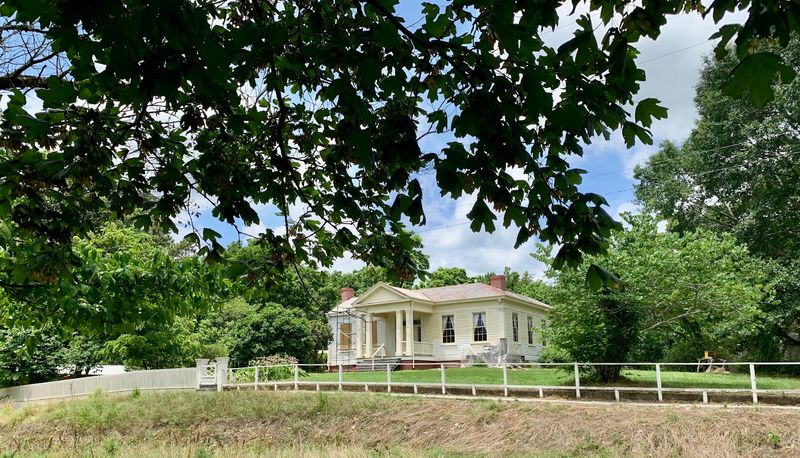
Rolling down the brick-paved streets of Washington, Arkansas, aboard a classic surrey feels like the calendar has quietly rewound itself by about 150 years.
Historic Washington State Park sits at 103 Franklin St, Washington, AR. It is one of the most authentically preserved antebellum towns in the entire South.
The park itself served as the Confederate capital of Arkansas during the Civil War, which means every corner carries a story worth hearing and every building holds a chapter most textbooks skip over.
Surrey rides here are not just a novelty attraction bolted onto a history museum; they are woven into the experience of understanding how people actually moved through this town in the 1800s.
The horses move at a gentle, unhurried pace that perfectly matches the mood of the surrounding landscape, where ancient oaks and restored homes create a visual backdrop that no theme park could replicate.
Spring and fall are the best seasons to visit, since the temperatures are comfortable and the foliage adds richness to every photograph you will inevitably take.
Once the hooves stop clicking and the ride ends, you will find yourself wishing the streets were just a little bit longer.
6. Batesville
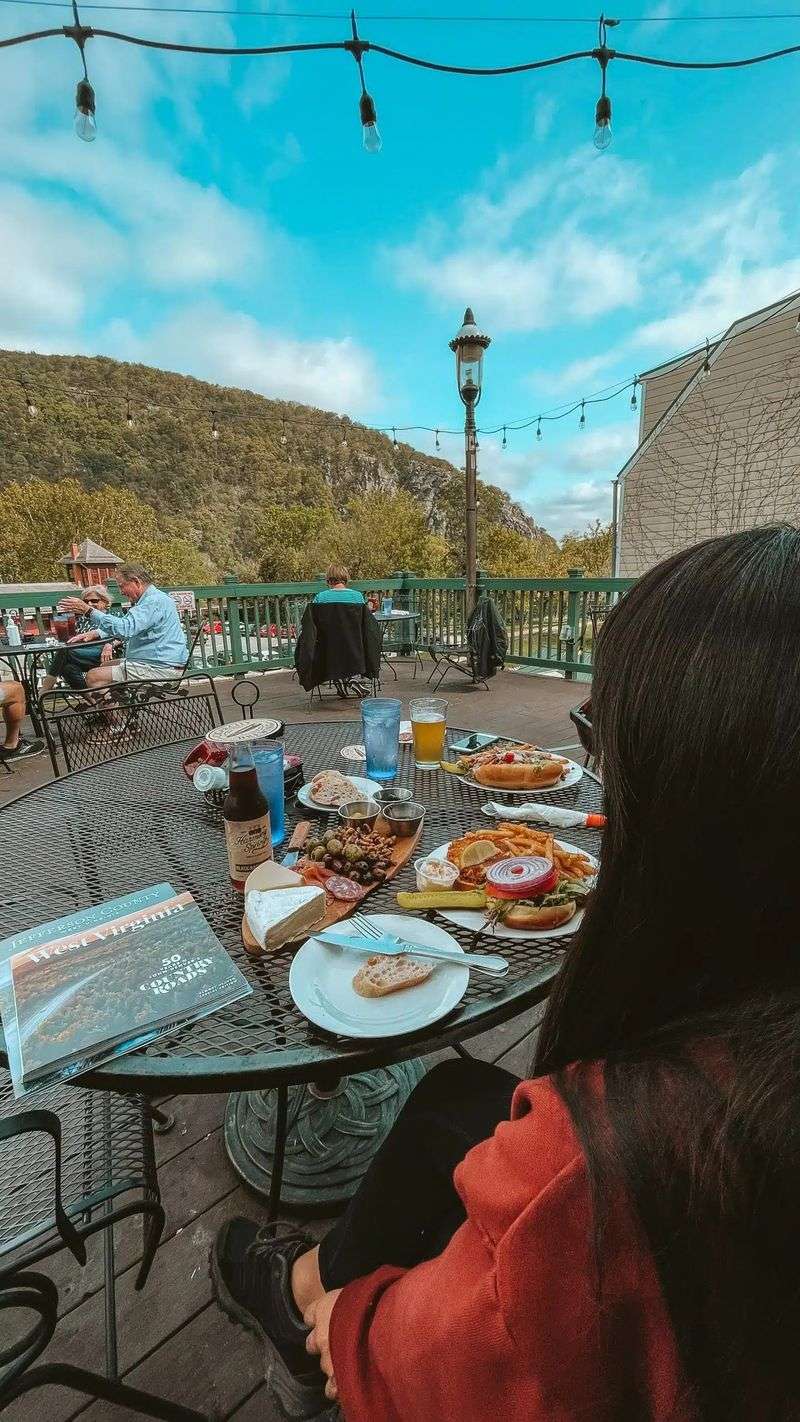
Batesville has the quiet confidence of a town that knows exactly how long it has been standing and sees no reason to rush toward anything.
It sits in Independence County in north-central Arkansas along the White River and is one of the oldest continuously occupied towns in the state.
The downtown area moves at a pace that feels genuinely restorative, with Victorian-era architecture anchoring streets that have hosted generations of local commerce and community life.
The Old Independence Regional Museum offers a thoughtfully curated look at the region’s story, from early settlement through the twentieth century, and it does so with the kind of detail that rewards slow, curious visitors.
The White River adds a scenic dimension to the town that goes beyond decoration, as fishing, paddling, and riverside walks are all woven into the everyday rhythm of life here.
Local restaurants and shops in the historic district carry that particular mix of familiar and unexpected that you only find in towns where the owners actually live nearby.
Batesville does not shout for attention, but once it has yours, it holds it with a steady, unhurried grip that is hard to shake.
7. Siloam Springs
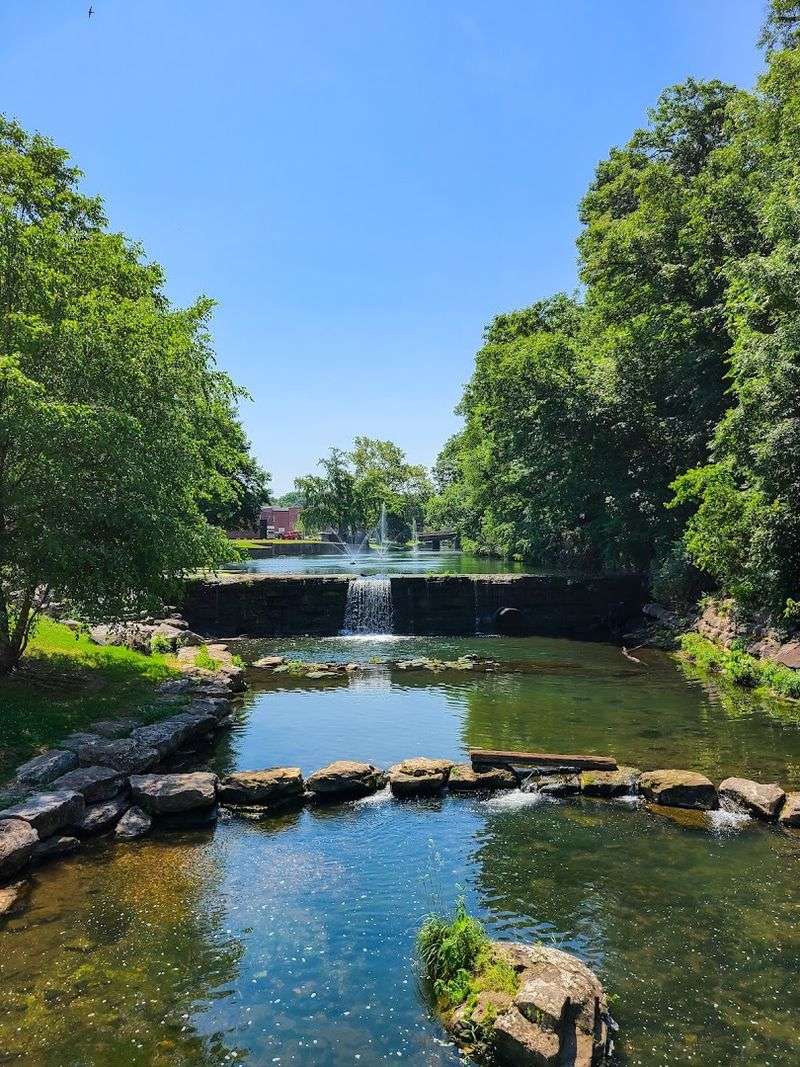
There is something about Siloam Springs that makes first-time visitors feel like they have stumbled onto a well-kept secret that locals have been quietly enjoying for years.
Siloam Springs sits in Benton County in the far northwest corner of Arkansas near the Oklahoma border, and its downtown scene punches well above its size.
The Illinois River runs along the edge of town, providing a natural backdrop that shifts from glassy calm to lively current depending on the season, and it draws paddlers, swimmers, and picnickers throughout the warmer months.
Downtown Siloam Springs has invested seriously in its historic core, with restored buildings hosting independent coffee shops, galleries, and eateries that give the main street a lively, community-rooted energy.
John Brown University adds an intellectual and creative current to the town that you can feel in the local events calendar, which tends to mix cultural programming with outdoor recreation in interesting ways.
The town’s proximity to the Ozarks means that day trips into the surrounding landscape are easy to arrange and consistently rewarding for anyone who enjoys natural scenery alongside their small-town exploration.
Siloam Springs is the kind of place where you book two nights and start looking for excuses to stay a third.
8. Helena-West Helena
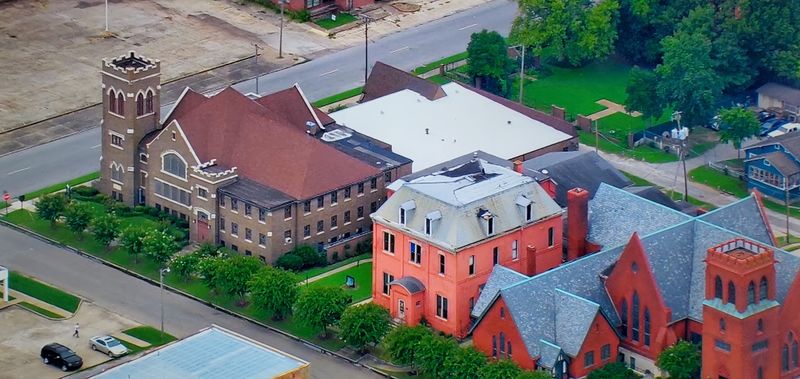
Few towns in Arkansas carry as much musical weight per square foot as Helena-West Helena, a place where the blues did not just pass through but took up permanent residence.
Situated in Phillips County in the Arkansas Delta along the Mississippi River, Helena-West Helena carries a cultural legacy that runs deep in American music history.
The King Biscuit Blues Festival, held each October, transforms the riverfront into one of the most celebrated outdoor music events in the region, drawing performers and fans who understand exactly what this ground means to the genre.
The Delta Cultural Center on Cherry Street tells the story of the Arkansas Delta with exhibits that cover everything from agricultural history to the musical traditions that grew out of this particular stretch of river and field.
Walking through the historic downtown reveals ornate facades on buildings that once served a booming river trade, and the architecture alone tells a story of prosperity, transition, and resilience.
The Mississippi River itself is always nearby, wide and unhurried, and standing at the levee watching it move is one of those experiences that needs no explanation.
Helena-West Helena rewards visitors who arrive with open ears and a willingness to let history speak at its own tempo.
9. Calico Rock
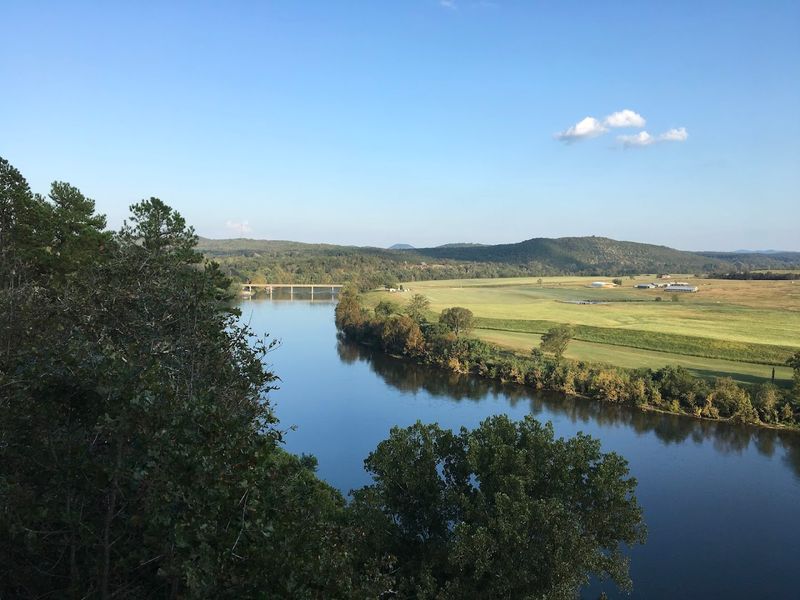
Calico Rock earns its name honestly, with the multicolored limestone bluffs rising above the White River creating a natural display that genuinely looks like something painted rather than formed by geology.
Calico Rock sits in Izard County in north-central Arkansas, and it is one of those towns where the scenery and the history compete equally for your attention.
The historic downtown features stone buildings that seem to grow directly out of the bluff, giving the main street a rugged, organic character that brick-and-mortar towns elsewhere cannot replicate.
The White River below is legendary among fishing enthusiasts, particularly for trout, and the calm stretches near town are popular with kayakers who prefer their scenery dramatic and their paddling unhurried.
Peppersauce Ghost Town, located nearby, adds a layer of frontier intrigue for visitors who enjoy wandering through remnants of communities that time eventually swallowed back into the forest.
The surrounding Ozark hills provide easy access to scenic overlooks, hiking areas, and quiet backroads that are never far from the town square.
Calico Rock is the kind of place that rewards the traveler who arrives without a rigid itinerary and just lets the bluffs decide what happens next.
10. Mena
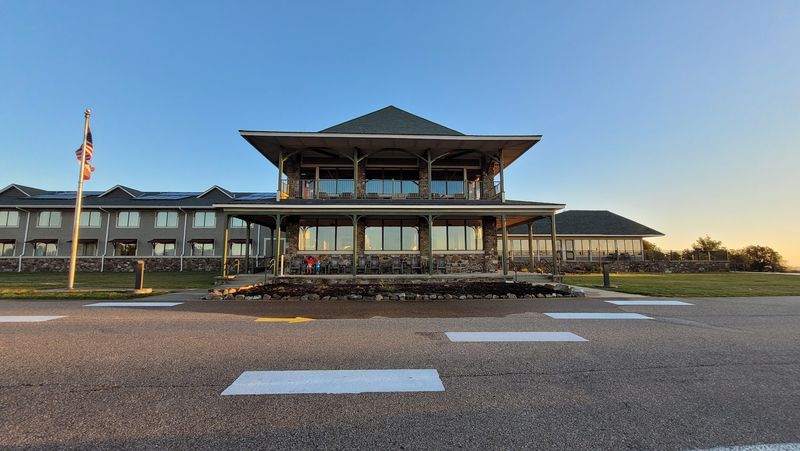
Mena sits at the foot of Rich Mountain in a part of Arkansas that seems designed to make you stop driving, step out of the car, and simply look around for a while.
Mena sits in Polk County in western Arkansas and serves as the gateway to some of the most dramatic mountain scenery the state has to offer.
The Queen Wilhelmina State Park, perched on top of Rich Mountain just outside town, offers sweeping views across the Ouachita range and a historic lodge that has been welcoming visitors for well over a century.
The Talimena National Scenic Byway begins near Mena and winds through the Ouachita Mountains in a way that makes every bend in the road feel like a reward for showing up.
Downtown Mena holds onto its early twentieth-century character through the restored depot building and a handful of locally owned shops and diners that give the main street a lived-in, unhurried feel.
Fall is the standout season here, when the forested ridgelines shift into a rolling canvas of orange, red, and gold that draws photographers and leaf-peepers from across the region.
Mena is the town that quietly reminds you why slower roads often lead to the most memorable places.