
Tiny Handmade Fairy Houses Line The Paths Of This Storybook Washington Garden
Moss grows so thick on some of these forest paths that the ground looks like green velvet someone forgot to roll up. This Washington island garden feels like the first page of a bedtime story, with quiet ponds, curving bark trails, and a grand old house waiting at the edge of the water.
It is the kind of place you visit expecting a nice walk and leave feeling like you stepped into another world. Best of all, it is an easy day trip that families and retirees can plan for this very weekend.
An Island Estate Built for Slow Wandering
Ferry riders heading to Bainbridge Island often have no clue that one of Washington’s most magical gardens sits just a short drive from the dock. Bloedel Reserve, at 7571 NE Dolphin Dr, is a nature preserve wrapped in about 150 acres of forest, landscaped gardens, ponds, and meadows.
Calling it a park feels a little too small. The staff describe it as a public garden and nature reserve rather than a botanical garden, and that difference matters once you arrive.
Instead of neat rows of labeled flowers, you get a series of outdoor rooms that unfold one after another, each with its own personality.
Visitors often say they had no idea what to expect after passing through the gate. Within minutes, the noise of everyday life seems to fade, replaced by birdsong, dripping leaves, and the crunch of bark under your shoes.
For a storybook outing in Washington, few spots deliver the same sense of quiet surprise. The rest of this guide walks through its history, its standout corners, and the practical details that can help your visit go smoothly, whether you come with grandkids, a best friend, or simply your own thoughts.
The Bloedels and Their Forest Dream
Long before ticket kiosks and gift shops, this land was a rugged slice of Northwest forest. Prentice and Virginia Bloedel saw something more in it, and over time they shaped the woods into a carefully curated landscape that still reflects their love of nature.
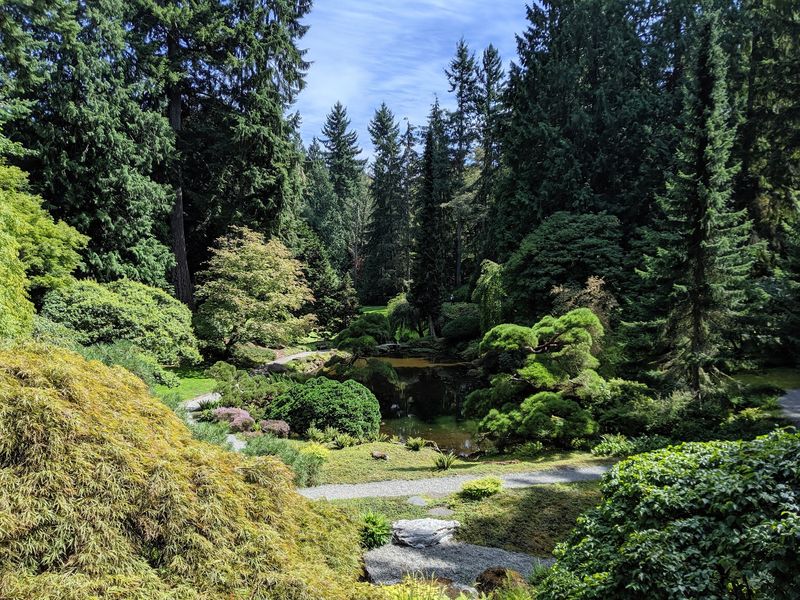
Their vision was never about taming the forest completely. Gardens, meadows, woodlands, and thoughtfully designed structures blend together so naturally that it can be hard to tell where planning ends and wilderness begins.
That balance is a big part of why the reserve feels both artistic and wild at the same time.
Staff members often remind guests that the peaceful feeling people describe is exactly what the Bloedels intended. They wanted a space that encourages you to slow down, look closely, and notice where you are.
Here is a fun bit of perspective: many Washington gardens are built around showy blooms, but this one was built around mood. Moss, water, light, and shadow carry as much weight as any flower bed.
Knowing that backstory before you walk in can change how you see every bend in the trail. Suddenly, each quiet clearing feels like a page someone wrote on purpose.
Two Miles of Bark Trail Through Changing Scenes
Soft and springy underfoot, the main path is a well-kept bark trail that loops roughly two miles around the property. It is one of the reasons the reserve works so well for walkers of different ages and energy levels.
Trails are marked as easy, medium, and hard, so you can choose how much effort you want to put in. Most people find the full loop takes about an hour and a half to two hours at a relaxed pace, with plenty of stops for photos and quiet moments.
Comfortable shoes are a smart idea, since there is a fair amount of walking and the ground can be damp. The good news is that the route is laid out thoughtfully, and many visitors finish close to where they parked.
At the start, an onsite guide or volunteer usually points out the best route and highlights the must-see spots. They will not lead you around, but their tips can help you avoid missing anything special.
Families like that children can roam and learn about plant species while adults soak up the calm. Each stretch of path seems to open onto a brand-new scene, which keeps little legs moving.
Moss Carpets and Fairy-Tale Woodland Corners
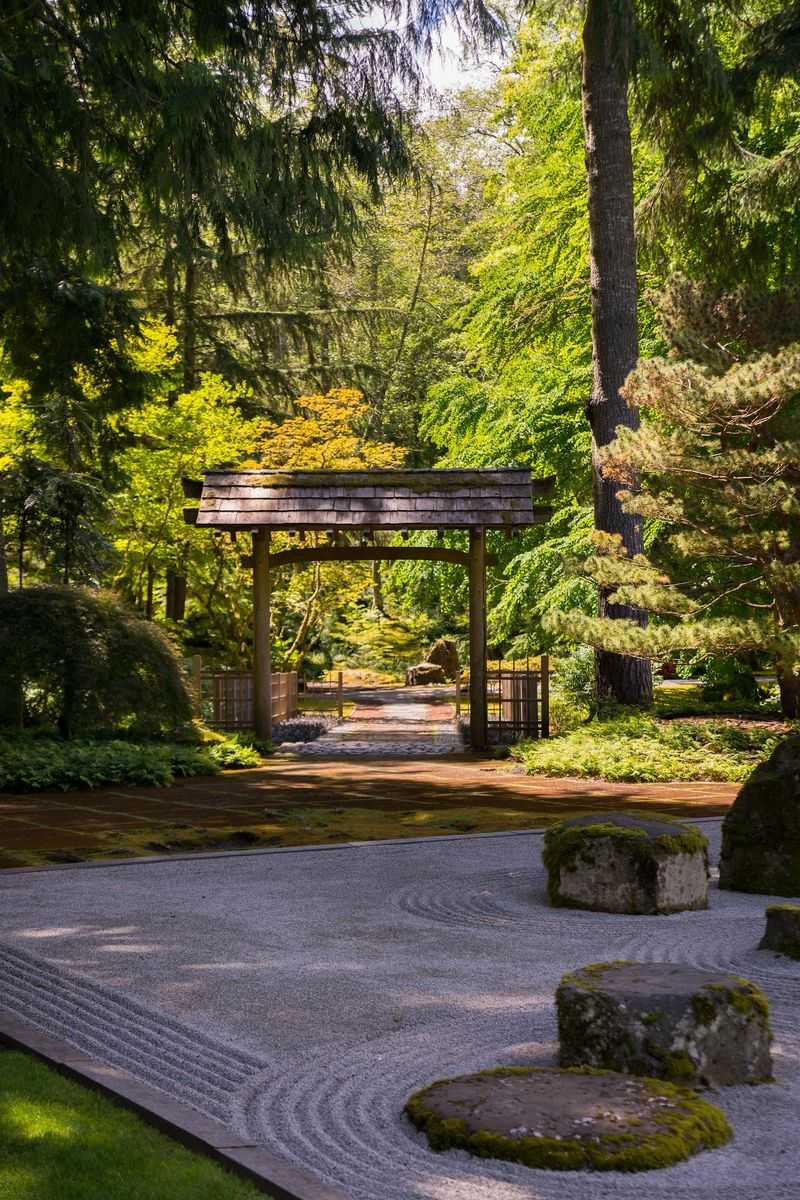
Ask anyone who has wandered here what they remember most, and moss comes up again and again. Thick green carpets cover the forest floor, old logs, and stones, giving the woods a soft glow that feels straight out of a fairy tale.
On a gray day, the effect is even stronger. Rain turns the moss brighter and deeper, and the whole forest seems to wake up around you.
It is easy to imagine tiny woodland creatures making homes among the roots and ferns.
That storybook feeling is what makes the reserve such a hit with nostalgic day-trippers. You do not need a guidebook to enjoy it, just a willingness to slow your pace and look down every now and then.
Kids especially love spotting interesting shapes in the stumps and hollows. Grown-ups tend to appreciate the hush, since the thick greenery seems to soak up sound.
Photographers will want to linger here as well. Soft Pacific Northwest light filtering through tall trees can make even a phone snapshot look like an illustration from a classic children’s book, the kind you might have read under the covers with a flashlight.
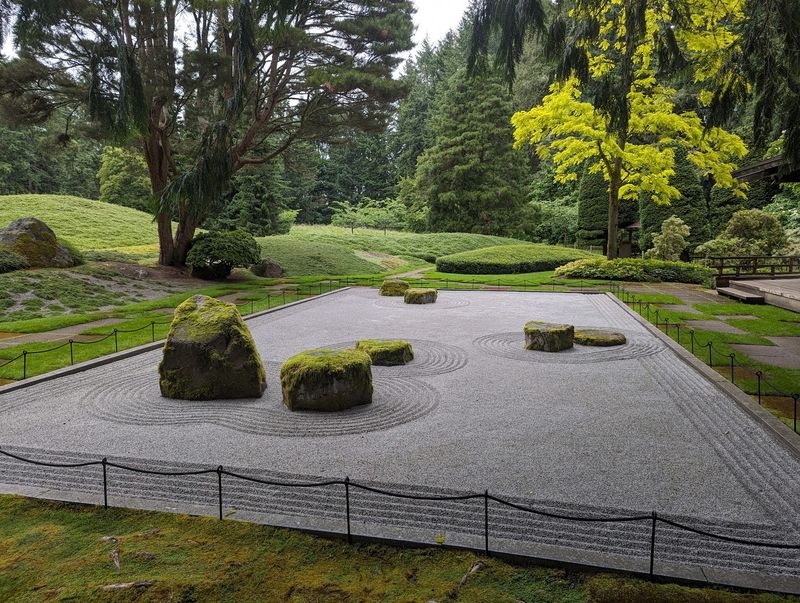
Japanese Garden Calm
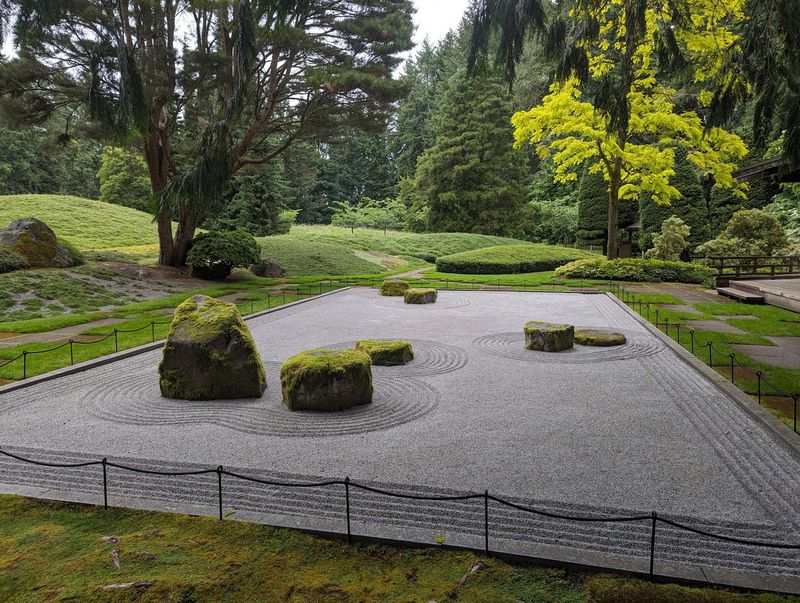
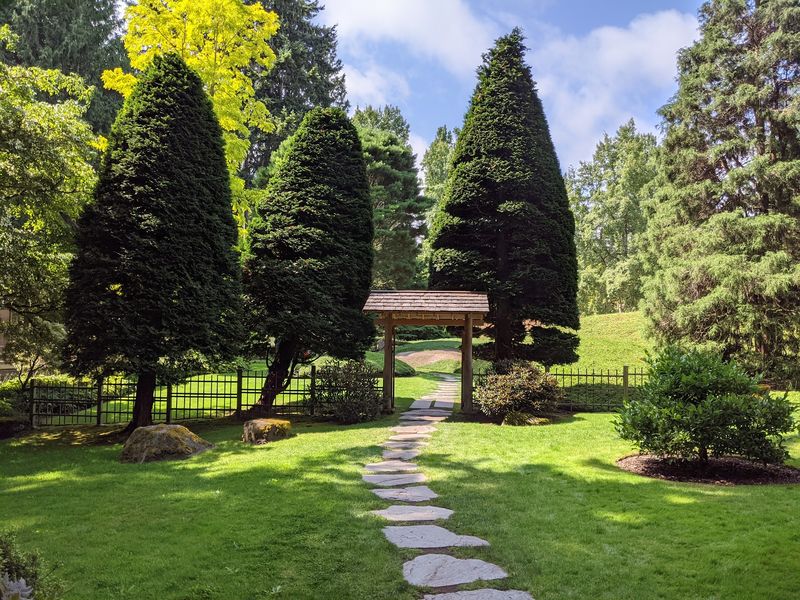
Among all the corners of the reserve, the Japanese garden gets talked about more than almost any other feature. It is a place of careful lines, quiet stones, and plants arranged to invite stillness.
Opinions vary a little depending on the season. Some guests find it breathtaking, while others visiting outside peak bloom describe it as a touch understated.
Staff encourage people to return when it is in bloom to see it at its fullest.
That is part of the charm, really. A Japanese garden is meant to shift with the months, showing off fresh greens one season and softer tones the next.
Spring and early summer are when the reserve’s flowers are most plentiful, so planning around those months may give you the most color. Even in quieter seasons, though, the design itself offers plenty to admire.
Take a few extra minutes here instead of rushing through. Sit, breathe, and notice how sound and shape work together.
Many visitors find this spot becomes the calm center of their whole walk, a gentle pause between the deep forest and the brighter, more open areas closer to the house.
Reflection Pool, Ponds, and a Surprise Eagle
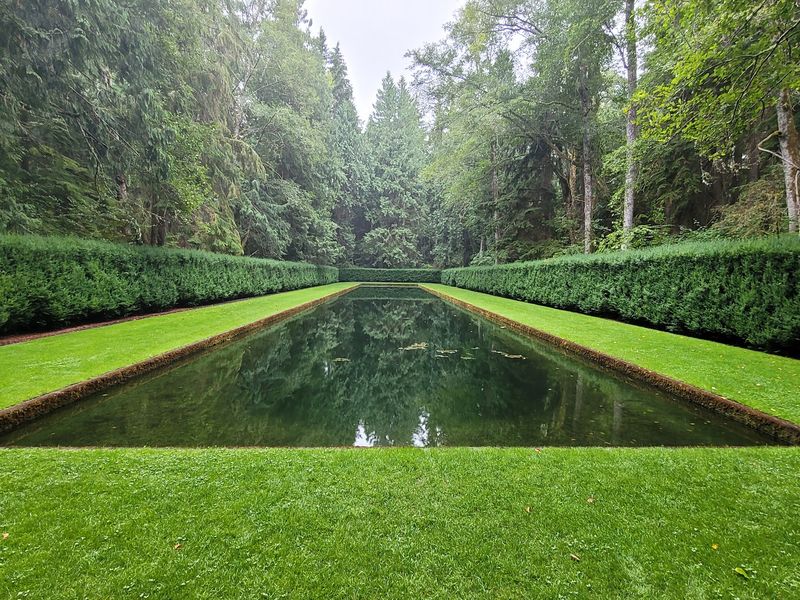
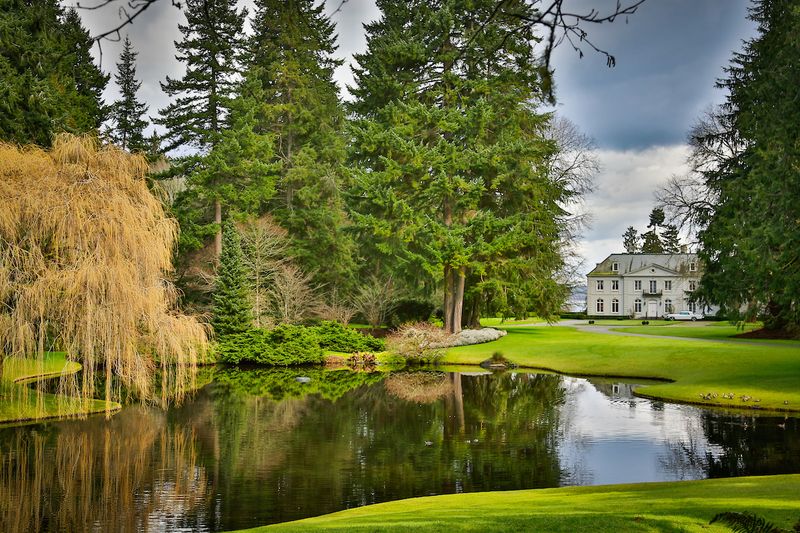
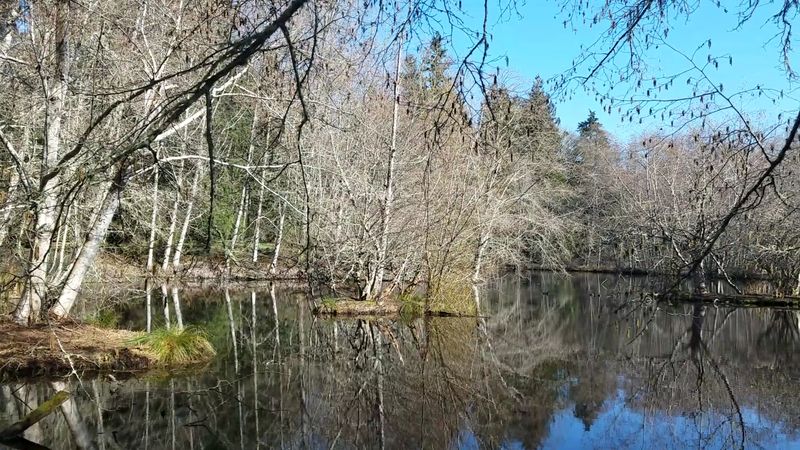
Water is the quiet star of this place. Ponds dot the property, and the famous reflection pool mirrors the sky and surrounding trees so perfectly that it can look like a second world lying flat on the ground.
Calm days are best for catching those mirror-like reflections. Yet even in a light drizzle, ripples across the surface create their own kind of beauty, and many visitors say rainy weather made the water features feel especially peaceful.
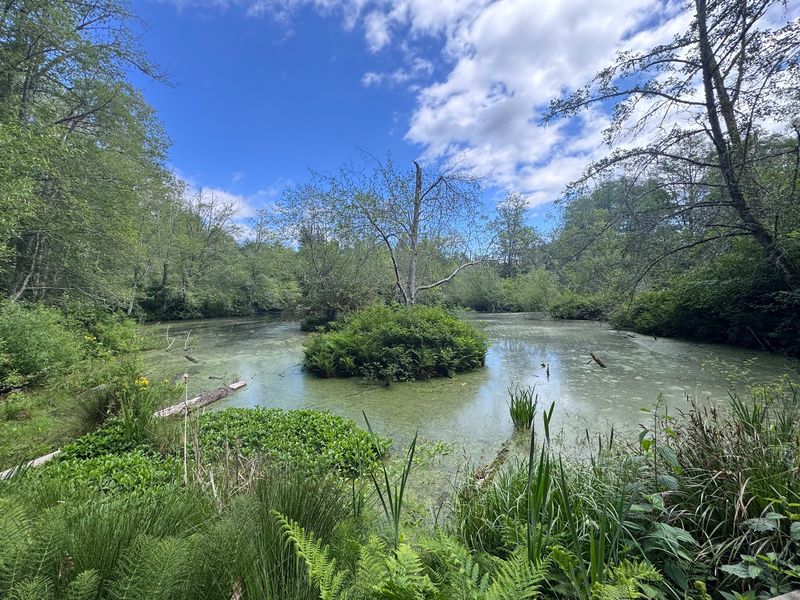
Wildlife sightings add a dash of adventure. One group near the end of their route spotted a young bald eagle perched on a log in one of the ponds, a moment that felt like a bonus gift from the forest.
Of course, there is no guarantee of eagles on any given day. Still, keeping your eyes open around the water is a good habit, since birds and other creatures tend to gather where things are quiet.
For families, the ponds make natural stopping points for snack-free rests and simple nature lessons. Children can watch for movement while adults enjoy the stillness, and everyone gets a breather before heading toward the estate house.
The Grand Residence Overlooking Puget Sound
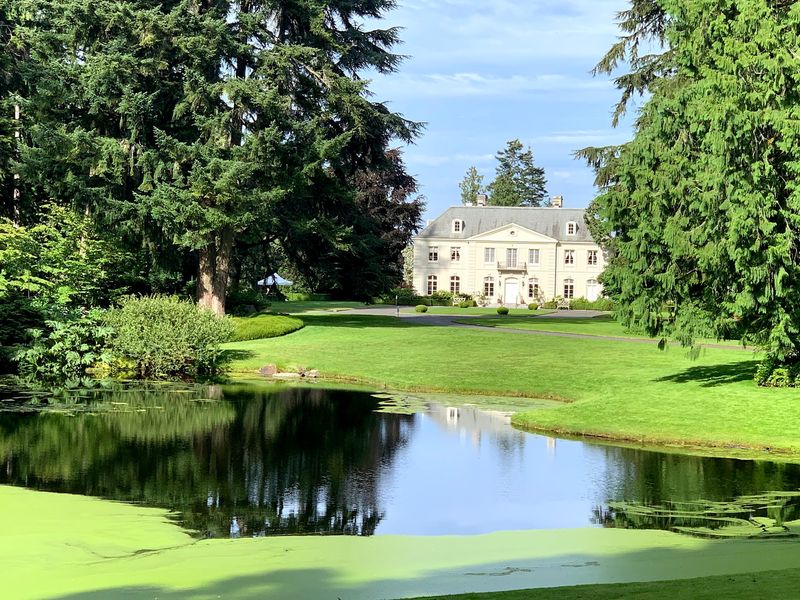
Rounding a bend and seeing the Bloedel residence for the first time is a highlight for plenty of guests. One visitor even compared the home to Versailles, which gives you a sense of how elegant it looks from the lawn.
Better still, you can step inside. The main floor is open to visitors, letting you glimpse how the family lived among these gardens and adding a bit of history to the nature walk.
Outside, the views of the Sound are a big draw. On a clear summer day, the water and sky stretch out beyond the grounds in a way that feels almost cinematic.
Many people say the area around the residence is the most polished part of the property. Lawns and plantings here are especially well tended, making it a lovely place to slow down near the end of your loop.
Practical bonus: restrooms are available at the house as well as at the gift shop. That makes it a handy midpoint stop, especially for grandparents and little ones who appreciate a comfortable break before finishing the walk back toward the parking area.
Rainy-Day Peace and Seasonal Moods
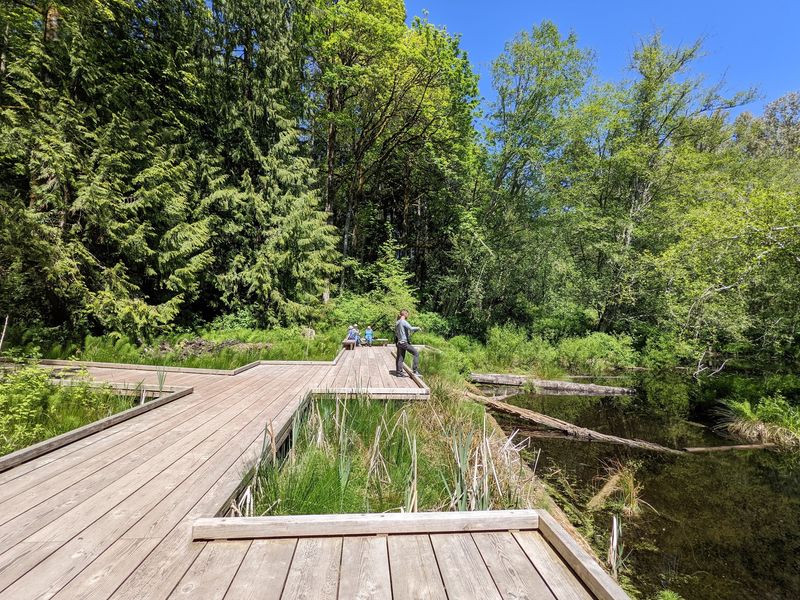
Rain might scare off visitors elsewhere, but here it can actually be a secret weapon for a better day. Plenty of guests say a drizzly weekday was the perfect time to explore, with fewer people and a forest that felt fresh and alive.
Peaceful atmosphere is easily the most common thing people mention about the reserve. Weekdays, especially midweek, tend to feel calm and uncrowded, and some visitors felt like they had the grounds almost to themselves.
Seasons shape the experience in big ways. Spring and early summer bring the most flowers, including rhododendrons, while late summer can leave some meadows looking golden and dry.
Staff point out that August is simply hot and dry on the island.
Even then, the two-acre pollinator meadow has blooms in late summer. Fall is another season many people hope to return for, curious to see how the colors shift.
Choosing your season with intention may help match the visit to what you love most. Flower fans should aim for spring, while those who crave moss and mist might happily pick a soft, rainy morning.
Tickets, Hours, and Money-Saving Tips
Budget-minded readers, this part is for you. Admission typically runs around $25 to $30 per person, since the reserve uses dynamic pricing, and buying online in advance is both cheaper and guarantees entry.
Here is the best tip of all: the first Wednesday of each month offers pay-as-you-wish admission. Senior, student, and military discounts are also available, which can make a real difference for retirees and families.
Listed hours are 10 AM to 5 PM, Tuesday through Sunday, with the reserve closed on Mondays. Some visitors found early morning reserved for members, with public entry a little later, so checking current times before you go is wise.
Reservations matter, especially on sunny weekends and holidays when tickets often sell out. If you arrive without one, you may be directed to buy at a kiosk, but space is never promised.
Picnics are not allowed on the grounds, so plan to eat before or after your visit. A cute gift shop near the entrance offers a fun place to browse, and its restrooms make a good first stop.
Getting There and a Gentle Verdict
Reaching the reserve is part of the adventure. From the Bainbridge Island ferry area, it is roughly a 15 to 20 minute drive along quiet island roads.
Parking is limited, and the small lot can fill on nice-weather days. Gate staff may turn cars away to make sure ticket holders have a place to park, another good reason to book ahead.
Arriving by bus is possible, but note the schedule carefully. One group learned the buses only came every two hours and had to hurry to catch the next ride.
So who will love it most? Nature lovers, gentle walkers, families who enjoy learning about plants, and anyone craving a calm afternoon will likely feel right at home.
Visitors hoping for big, showy flower displays all year may want to aim for spring.
For a storybook Washington outing, this reserve delivers more charm than you might expect. Plenty of first-timers leave planning a return trip in another season, and some even sign up as members.
Bring comfy shoes, a sense of wonder, and maybe a rain jacket, then let the forest tell its story.