
10 Tiny Louisiana Spots Locals Swear Serve The Best Food In Town
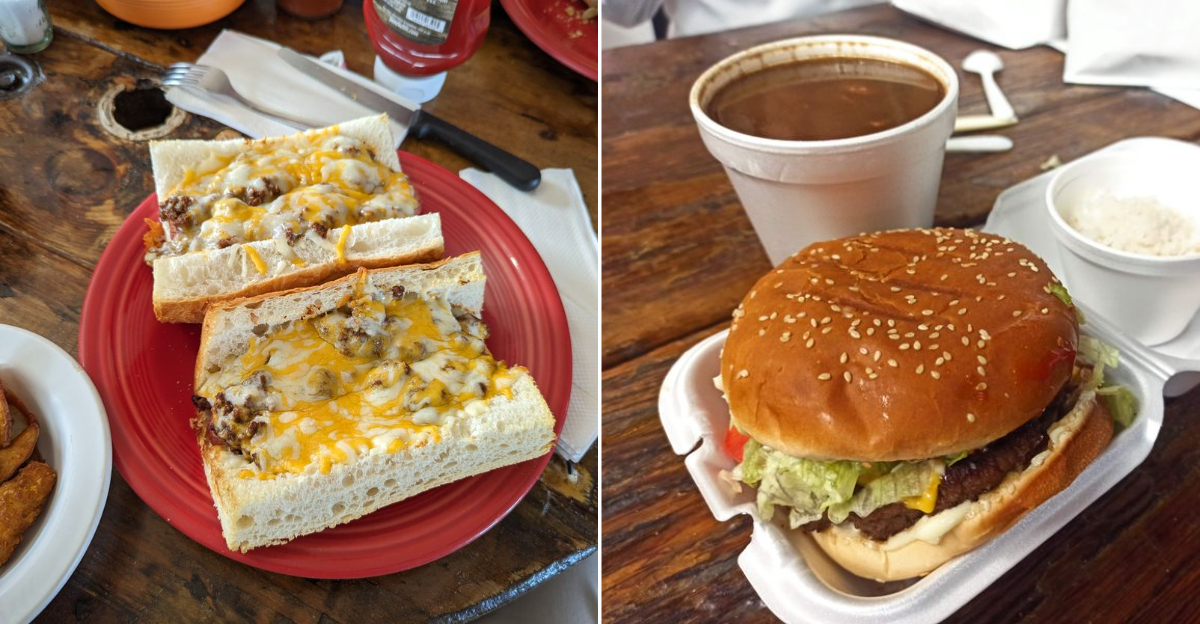
Louisiana’s best bites have a way of revealing themselves quietly, almost shyly, to anyone willing to look past polished signs and glossy promises, because here the real signals are subtler and far more reliable, like a line stretching out the door before noon, the smell of hot oil clinging to the air, or the steady murmur of people who clearly know exactly why they’re waiting.
I’ve learned, sometimes the hard way, that the most memorable meals in this state tend to live inside humble counters and corner groceries, places that seem to exist primarily for the people who come every week, not for visitors collecting proof of having been somewhere.
You follow your nose past neon and menus that try too hard, and instead let frying oysters, dark roux bubbling patiently on the stove, and links of fresh boudin cooling behind fogged-up glass guide your decisions without explanation.
Inside, nothing is precious, tables wobble just enough to keep you alert, napkins disappear faster than you expect, and conversations swell and overlap with the steam rising off plates, creating a kind of background music that feels inseparable from the food itself.
The rhythm is practical and forgiving, order at the counter, find a seat where you can, keep cash handy just in case, and trust that whatever arrives will make sense once you take the first bite.
What stays with me about these kitchens is their quiet confidence, the way they cook without apology or simplification, assuming you’re here to eat, not be entertained.
Come hungry, come curious, and let Louisiana’s small but mighty kitchens remind you why locals rarely debate where to eat, only which dish deserves their attention today.
1. Li’l Dizzy’s Café
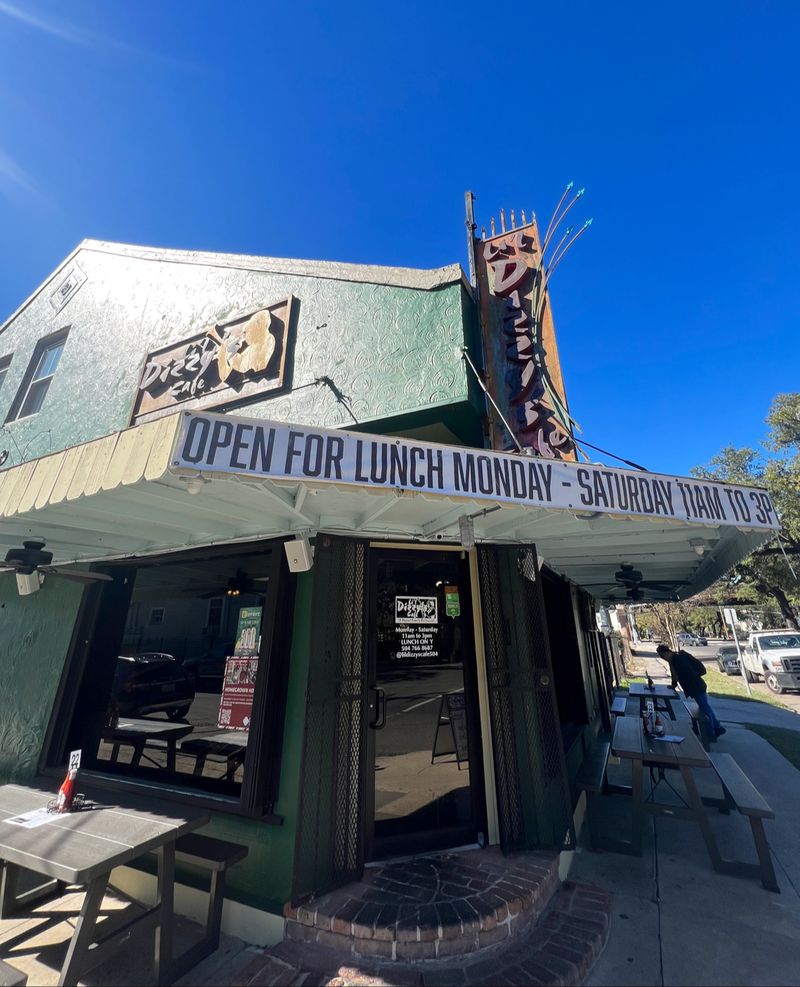
The dining room at Li’l Dizzy’s Café moves with a deeply ingrained rhythm of voices, clinking plates, and practiced footwork that immediately communicates not charm or nostalgia but the quiet authority of a place that has been feeding its neighborhood the same way, day after day, without needing to advertise that fact to anyone walking through the door.
Fried chicken arrives coated in a crust that carries seasoning all the way through rather than sitting on the surface, gumbo settles into the bowl with a dark, patient roux that signals time and attention, and collard greens land balanced between richness and acidity in a way that keeps the plate cohesive rather than indulgent.
Sitting at 1500 Esplanade Ave in New Orleans, the café remains firmly embedded in Tremé, a neighborhood where food still functions as a daily social language rather than a curated experience meant to be interpreted.
The Baquet family’s presence is felt less through storytelling than through restraint, evident in a menu that refuses to sprawl or chase novelty and instead doubles down on repetition, reliability, and muscle memory.
Orders seem to move from counter to kitchen to table with an almost predictive efficiency, as though the system itself already knows what most people came here for before they finish speaking.
Portions are generous without being careless, reinforcing the idea that abundance here is a form of hospitality rather than a selling point.
The meal leaves you with the distinct sensation of having briefly stepped into someone else’s daily routine, one that does not pause to acknowledge you but feeds you well all the same.
2. Domilise’s Po-Boys
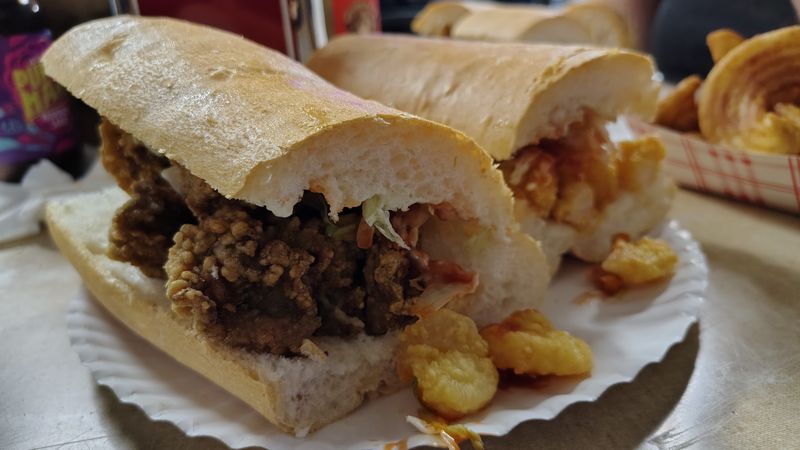
The first thing you notice at Domilise’s Po-Boys is not décor or signage but the accumulation of paper wrappers, crumbs, and half-folded napkins on the tables, visual proof that the sandwiches here are designed to be eaten with urgency rather than admired at a distance.
Shrimp arrive hot and crackling from the fryer, roast beef spills into the bread with a mess that feels intentional rather than sloppy, and the balance between filling and Leidenheimer loaf remains so precise that the sandwich holds together longer than expected.
Operating from 5240 Annunciation St in New Orleans, the shop has stayed anchored to its original location and purpose, resisting the urge to modernize or reframe itself for anyone unfamiliar with how things already work.
Since opening in 1918, the menu has narrowed rather than expanded, choosing to perfect a small number of po-boys instead of diluting attention across unnecessary options.
The bread quietly performs the most difficult task, absorbing gravy and sauce while maintaining structure, never collapsing under the weight of its responsibility.
Regulars move through the room with an efficiency born of habit, ordering quickly, standing where they know to stand, and making room without being asked.
Eating here feels less like visiting a restaurant and more like stepping into a system that has been functioning smoothly for over a century without your input.
3. Bon Creole Lunch Counter
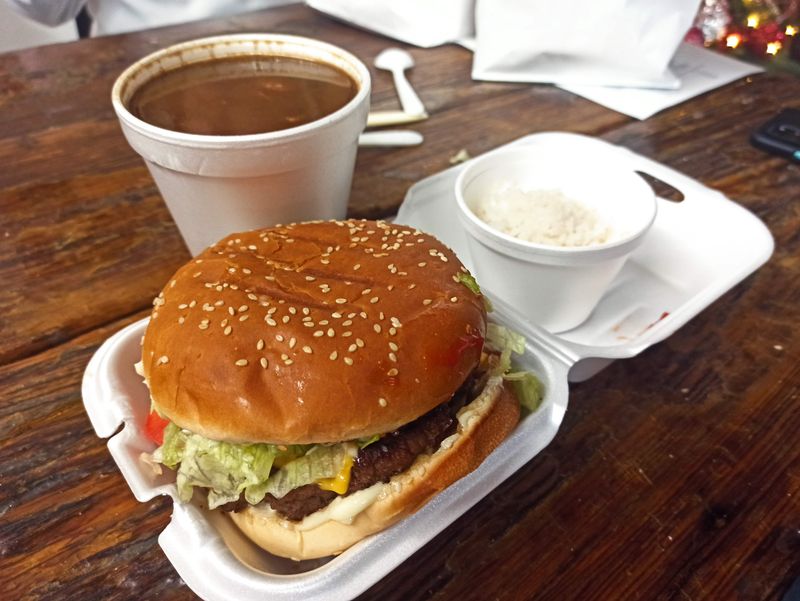
Steam regularly clouds the front windows at Bon Creole Lunch Counter, creating a visual signal of constant cooking that you notice before you ever read the name on the door.
Catfish po-boys stack flaky fillets with a restraint that prioritizes texture over height, while seafood gumbo leans dark, assertive, and grounded, its roux carrying enough bitterness to feel serious without overwhelming the bowl.
Located at 1409 E St Peter St in New Iberia, the counter operates as a dependable midday anchor for the town rather than a destination meant to be sought out.
Laminated menus, worn counters, and the steady choreography behind the line reflect longevity earned through repetition rather than reinvention.
Every element on the plate has a clear job to do, leaving no space for garnish, commentary, or unnecessary embellishment.
Service moves at a measured pace that respects both the people waiting and the food being cooked.
The overall experience feels quietly efficient, like a place designed to feed people properly and then send them back to their day without ceremony.
4. Prejean’s Restaurant
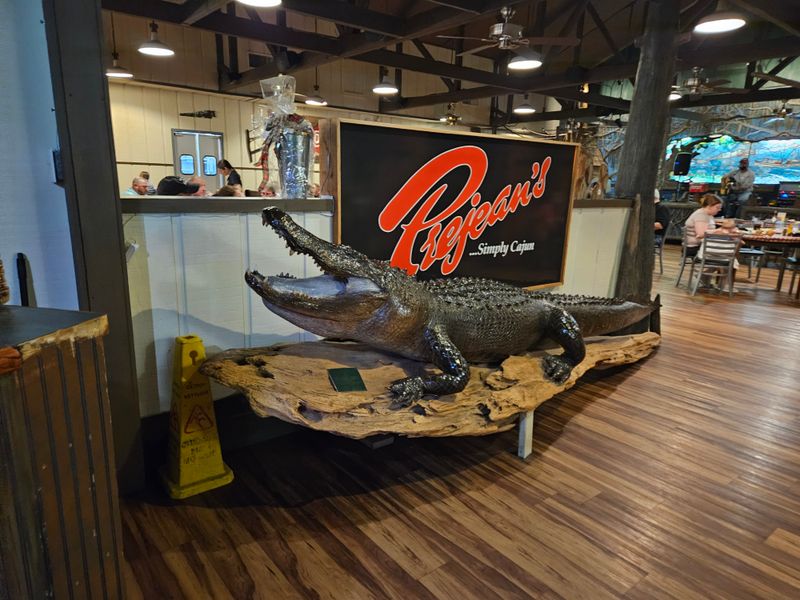
Walking into Prejean’s Restaurant, the sound of overlapping conversations, moving chairs, and servers calling orders creates an atmosphere that feels busy without feeling chaotic, signaling a place where large plates and long meals have been part of the routine for decades rather than a recent invention.
Crawfish étouffée arrives glossy and rich without tipping into heaviness, turtle soup carries a slow, warming depth that lingers rather than spikes, and cracklins announce themselves with an audible crunch before softening into something deeply savory.
Located at 3480 NE Evangeline Thruway in Lafayette, the restaurant sits close enough to the highway to welcome travelers while remaining firmly claimed by locals who treat it as a reliable constant rather than a special occasion.
Operating since the 1980s, Prejean’s has adjusted its space and scale over time without sanding away its Cajun backbone, allowing modernization to support the food rather than distract from it.
Portions arrive unapologetically generous, communicating hospitality through volume while still maintaining structure and balance on the plate.
Seasonal shifts, particularly around crawfish availability, subtly reshape the menu in ways that feel practical rather than promotional.
You leave with the sense that nothing about the experience was designed to impress you quickly, but instead to satisfy you thoroughly and make return visits feel inevitable.
5. D.I.’s Cajun Restaurant
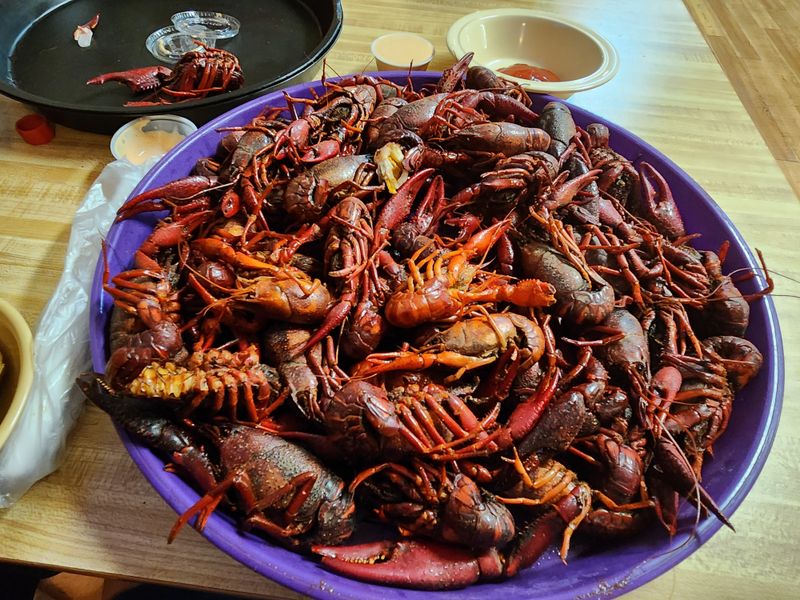
There is a low, persistent current of energy inside D.I.’s Cajun Restaurant that hints at its history as both a place to eat and a place to gather, where meals once shared equal billing with live music and dancing.
Fried catfish arrives deeply crisp without greasiness, gumbo leans thick and rustic with a roux that asserts itself confidently, and crawfish étouffée spreads smoothly across the plate with a richness that feels intentional rather than indulgent.
Housed at 6561 Evangeline Hwy in Evangeline, the building still carries the spirit of a social hub rather than a strictly transactional dining room.
Family ownership continues to shape the tone of the space, keeping interactions loose, familiar, and refreshingly unpolished.
Plates skew large enough to encourage sharing, lingering, and conversation rather than quick turnover.
Service moves briskly but without sharp edges, maintaining momentum while still feeling personal.
The experience lands somewhere between supper and celebration, with food sturdy enough to anchor both.
6. Jerry Lee’s Cajun Foods
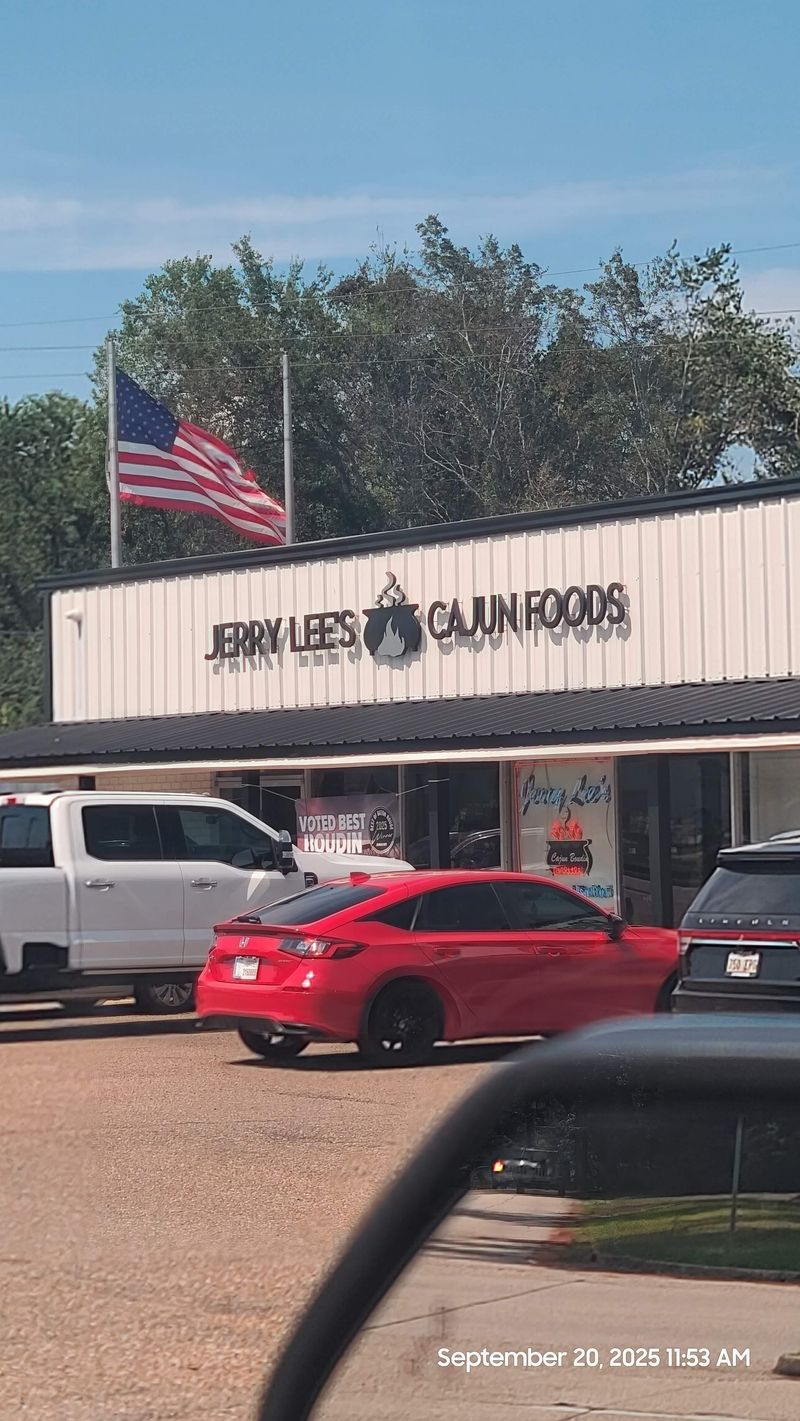
The aroma of seasoned pork hits immediately at Jerry Lee’s Cajun Foods, filling the air with a clear signal that this is a place built around product rather than atmosphere or ceremony.
Boudin snaps cleanly with each bite, cracklins shatter and then soften almost instantly, and the seasoning stays measured, confident, and restrained rather than aggressive.
Situated at 12181 Greenwell Springs Rd in Baton Rouge, the shop functions primarily as a takeout anchor for the surrounding neighborhood rather than a sit-down destination.
The lack of seating keeps the focus squarely on what is being sold, reinforcing the idea that the food should speak for itself without assistance.
Decades of sausage making show through consistent texture, even seasoning, and a refusal to overcomplicate the craft.
Orders are wrapped and handed over efficiently, often accompanied by brief, practical guidance from staff who know their inventory well.
Leaving with more food than intended feels almost unavoidable, not because of impulse, but because the quality encourages planning ahead.
7. Tony’s Seafood
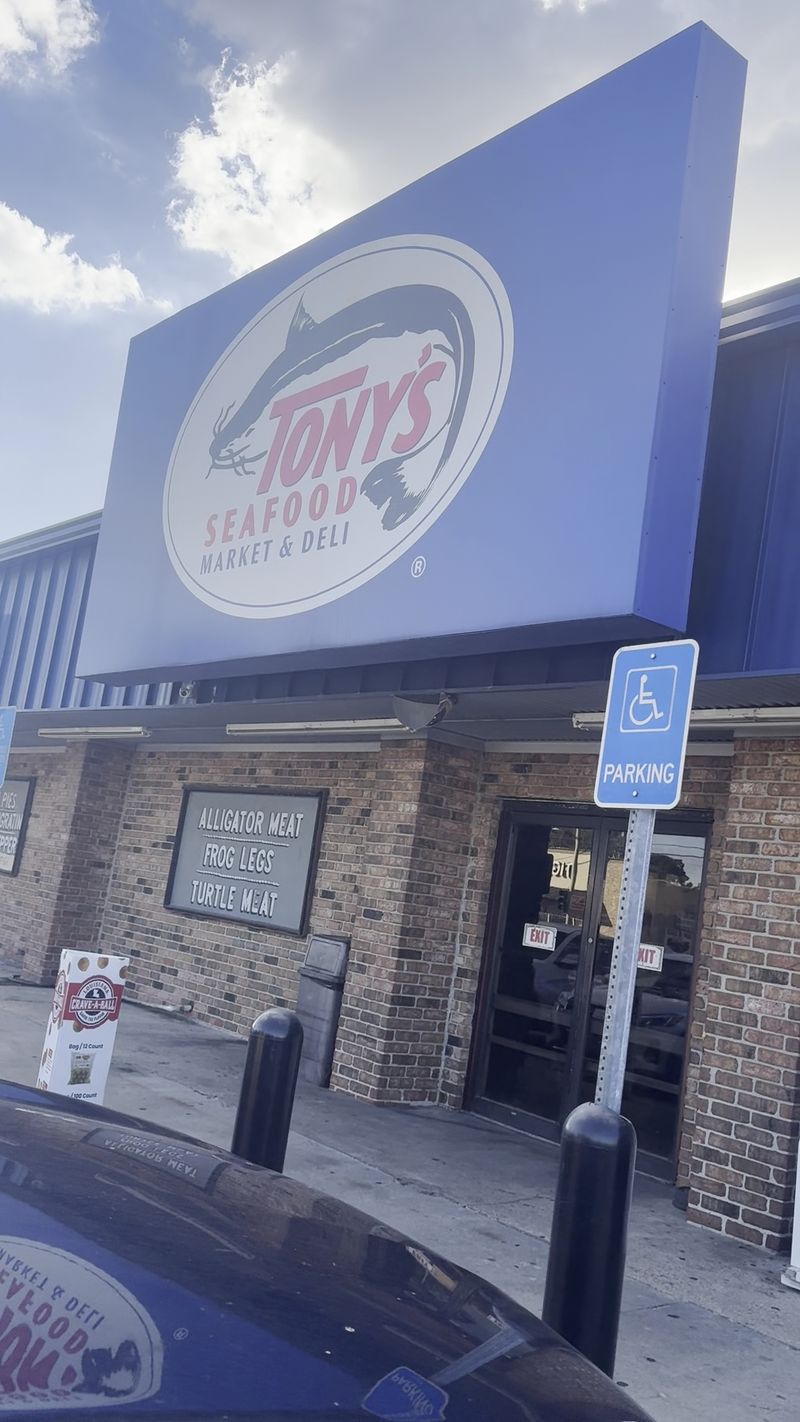
From the moment you pull into the lot at Tony’s Seafood, the air itself seems to announce what is happening inside, with rolling clouds of boil steam and the sharp, savory scent of seasoned shellfish making it clear that this is a working seafood market first and a casual meal stop second.
Live crawfish shift and clatter in their containers while fried platters move rapidly from fryer to counter, corn and potatoes soak up spice and brine, and everything about the operation emphasizes volume, freshness, and speed without slipping into carelessness.
Operating from 5215 Plank Rd in Baton Rouge, Tony’s has grown steadily since 1959, expanding its reach and reputation while still behaving like a place designed to move serious quantities of seafood to people who know exactly why they are there.
The counter choreography feels almost industrial in its efficiency, with staff communicating through motion and timing more than words as lines advance at a pace that rarely stalls.
Spice levels, boil times, and daily availability are posted clearly, eliminating guesswork and reinforcing trust between kitchen and customer.
The food favors abundance and immediacy over finesse, prioritizing satisfaction and practicality rather than presentation.
By the time you leave, the lingering aroma in your car feels less like an inconvenience and more like proof that you stopped somewhere that mattered.
8. Villager’s Cafe
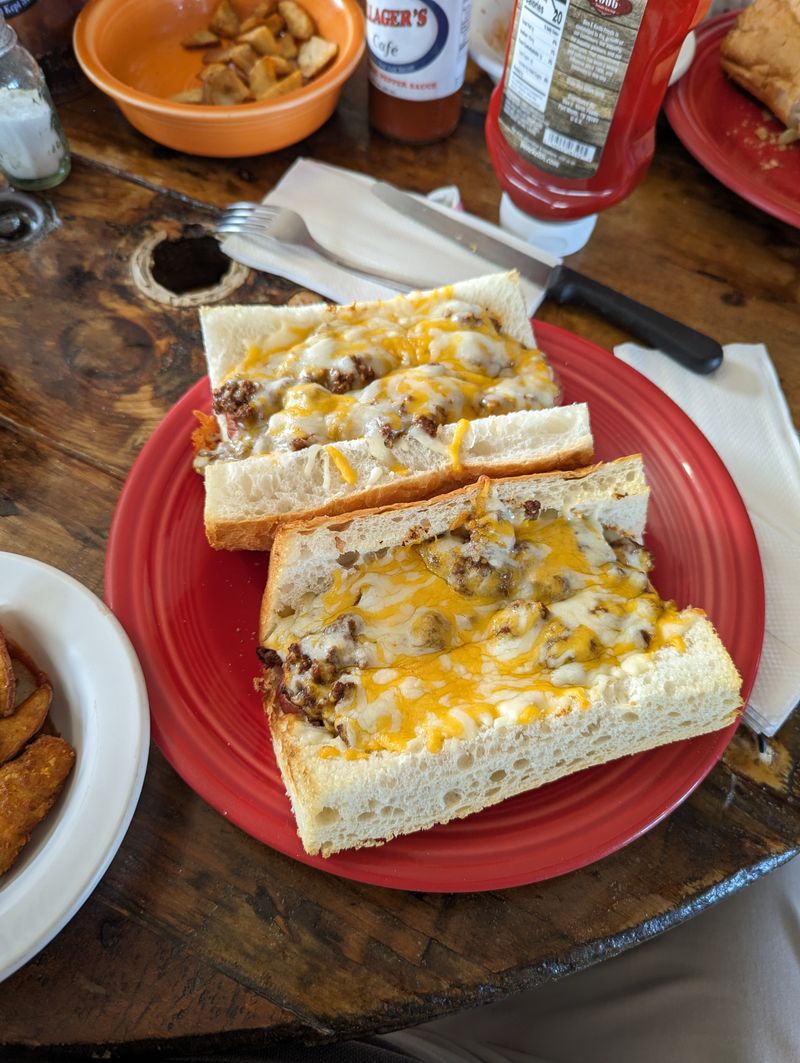
Villager’s Cafe carries a low, steady hum throughout the day, the kind that comes from regulars cycling in and out on predictable schedules rather than from any sense of urgency or spectacle.
Roast beef po-boys arrive structured and cohesive, plate lunches land heavy and reassuring, and gumbo stays balanced and restrained, leaning on depth rather than intensity.
Located at 8401 Maurice Ave in Maurice, the cafe fits seamlessly into everyday local circulation, serving as much as a routine stop as a destination.
The dining room feels genuinely lived in, with furniture, surfaces, and spacing shaped by use rather than design intent.
Familiar faces move easily between tables, often greeted without ceremony or interruption of conversation.
Service prioritizes recognition and comfort over speed or polish, allowing meals to unfold at their natural pace.
The overall effect is restorative rather than impressive, leaving you full, settled, and quietly satisfied.
9. T-Jim’s Grocery & Market
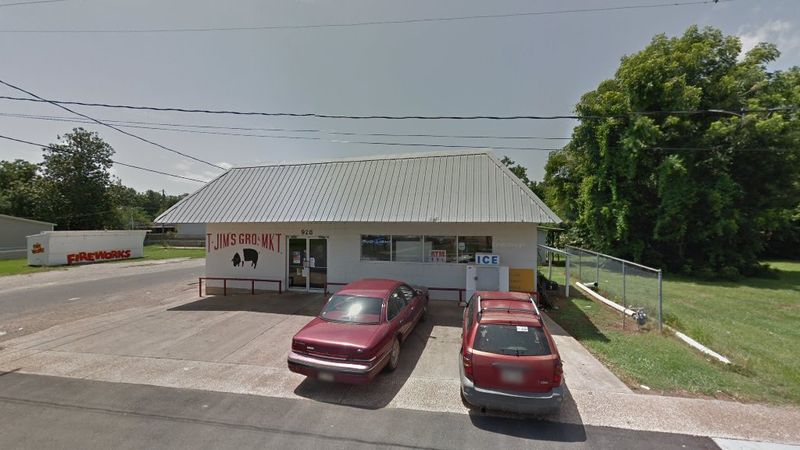
Smoke curls outward from T-Jim’s Grocery & Market in a way that draws attention without signage, explanation, or invitation, relying entirely on scent to communicate its purpose.
Boudin leans savory and balanced, tasso brings depth and salinity, and cracklins maintain a careful crunch that gives way to richness almost immediately.
Situated at 601 Belle Vue Rd in Opelousas, the market functions equally as butcher shop, lunch stop, and informal community bulletin board.
Family ownership dating back to the 1960s shapes both the rhythm of the space and the priorities behind the counter.
Sausage rings hang prominently, acting as both inventory and quiet statement of focus.
Advice from staff often proves more valuable than any posted menu, steering customers toward what is freshest or most appropriate for their plans.
The stop feels purposeful and efficient, designed to send you back into your day better prepared and better fed.
10. Almost Home
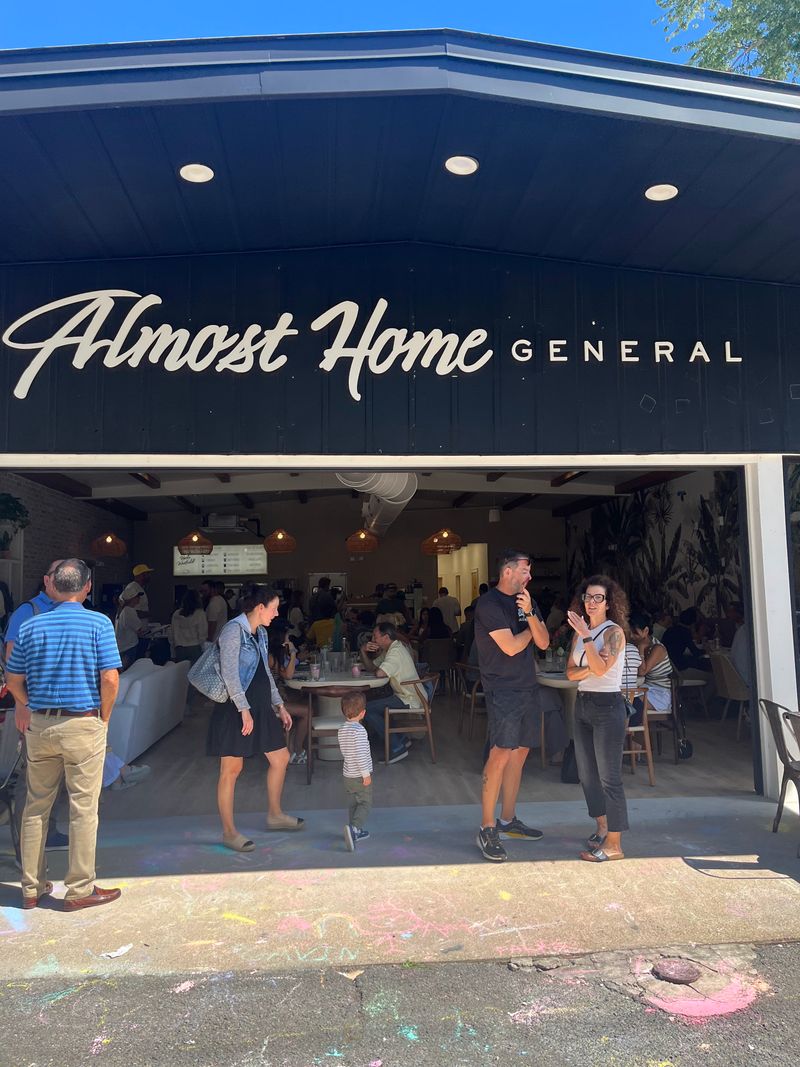
Stepping inside Almost Home, the air immediately fills with the layered scent of simmering gravy, baked desserts cooling somewhere out of sight, and vegetables that have clearly been cooked with patience rather than urgency, creating a sense that this is a place organized around time spent rather than time saved.
Smothered pork chops arrive settled confidently over rice with gravy pooling slowly instead of rushing outward, vegetables are cooked through without being softened into submission, and cornbread lands warm and sturdy enough to hold together while soaking up whatever remains on the plate.
Located at 18710 Highway 1 in Morganza, the restaurant fits so naturally into its surroundings that it feels less like a business placed there and more like something that grew alongside the road and the routines of the people who use it daily.
The room itself reads closer to a family dining space than a commercial operation, with an ease that suggests conversations are expected to last longer than meals and chairs are not meant to turn quickly.
Plate lunches rotate according to availability and habit rather than novelty or marketing, reinforcing the idea that the kitchen responds to what is practical and dependable instead of what is new.
Desserts tend to sell out early not because they are advertised or displayed theatrically, but because regulars already know which ones are worth saving room for and plan accordingly.
By the time you step back outside, the prevailing feeling is not that you have discovered something, but that you have been quietly taken care of in a way that makes return visits feel less like a choice and more like a continuation.