
Tourists Are Flocking To This Charming Florida Lake Town, But The Crowds Come At A Cost
One art festival here pulls in about 200,000 visitors every February. That’s a crowd many times bigger than the whole town.
And February is only one weekend. This Florida lake town hosts more than 30 festivals a year, earning the nickname Festival City.
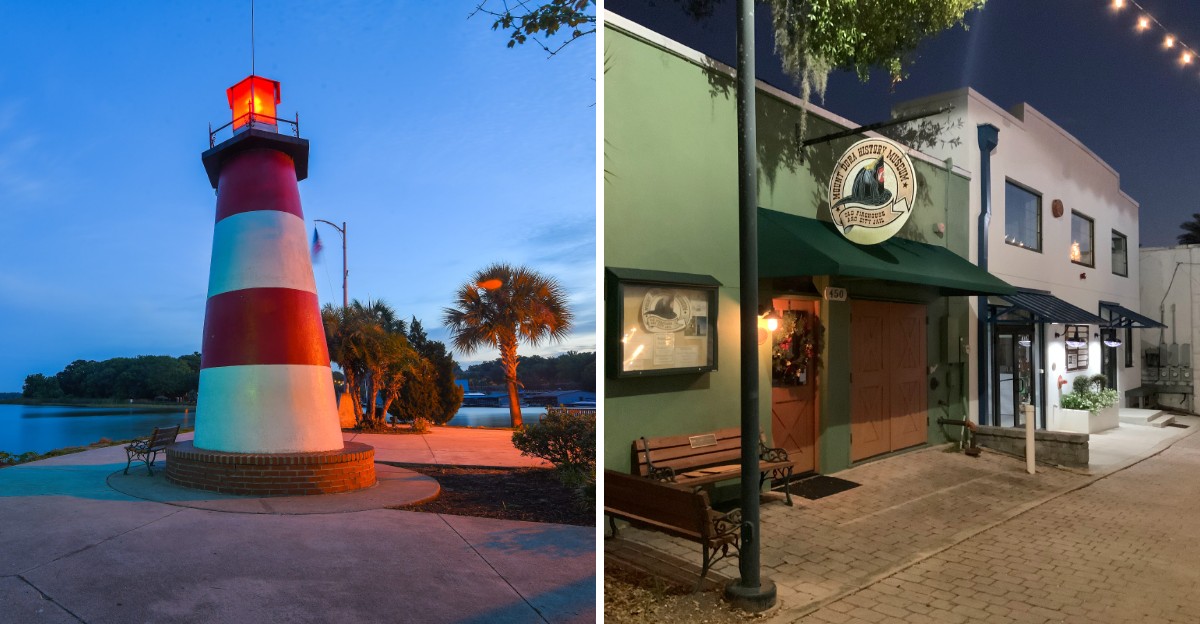
I like how the place mixes 19th-century storefronts, an inland lighthouse, and sunset boat rides on a quiet lake. I also get why some residents feel squeezed.
Late-night noise and vanishing parking spots have shown up at city council meetings.
So who gets the town, the visitors or the neighbors? I believe the answer is more interesting than a simple yes or no. Let’s look at what makes this spot so loved, and so crowded.
Thirty-Plus Festivals A Year Will Test Anyone’s Patience
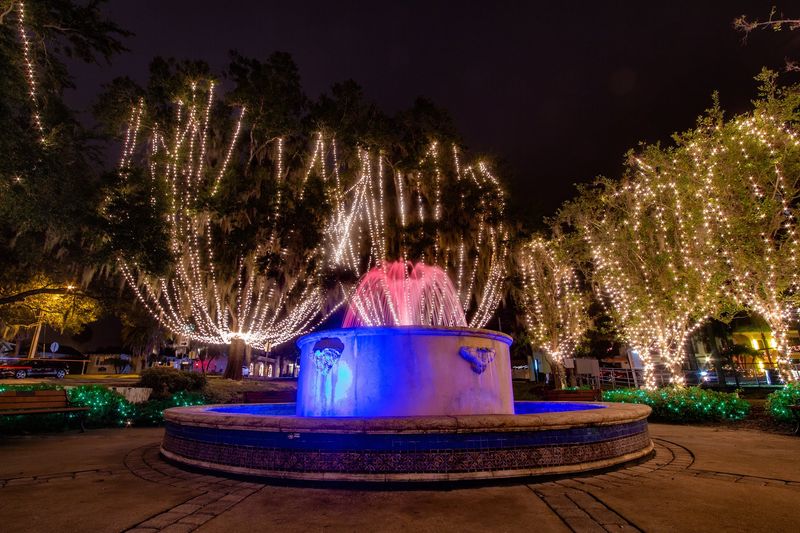
Mount Dora, Florida, wears the nickname Festival City, and it earns it. The town hosts more than 30 festivals every year.
The big one is the Mount Dora Arts Festival each February. It draws roughly 200,000 visitors, which is a lot for a town of around 15,000 people.
Then the calendar keeps rolling. There’s the Mount Dora Craft Fair in October, the Scottish Highland Festival, and the Plant and Garden Fair.
For local shops, that traffic is a big deal. Tourism became a main economic driver after the town worked hard to rebuild in the early 2000s.
For residents, though, festival weekends can feel like hosting a party that never ends. Streets fill up fast.
Quiet evenings get harder to find.
Festival weekends bring large crowds into downtown Mount Dora, creating opportunities for local businesses while making the streets noticeably busier.
For residents running everyday errands, however, crowded streets and limited parking can make a simple Saturday outing more complicated.
My tip? Check the festival calendar before planning a visit.
Pick a quieter weekend, and you’ll see the town at a gentler pace.
Parking Spots Vanish Faster Than Free Samples
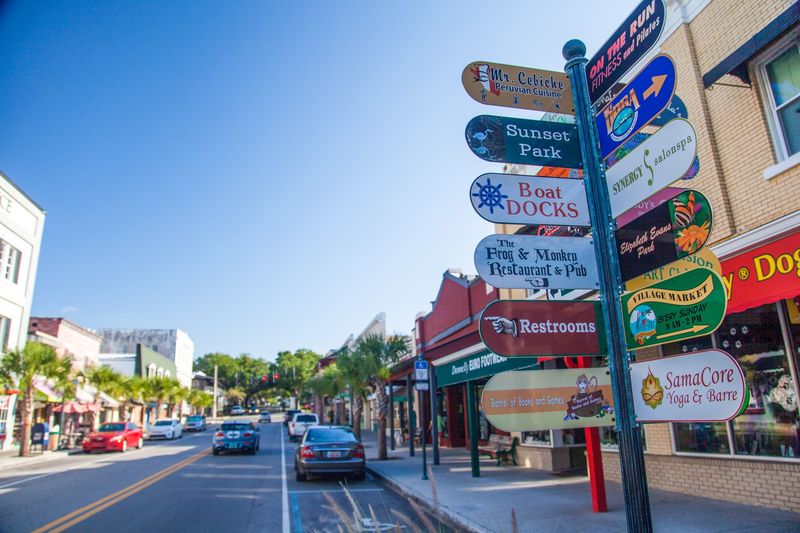
Ask a longtime resident about weekend parking, and you might get a long sigh. Finding a space downtown has become a real sore spot.
Residents have brought parking complaints straight to city council meetings. When tens of thousands of visitors arrive, curb space disappears quickly.
The downtown streets were laid out long before modern crowds. They’re charming and walkable, but they weren’t built for festival-size traffic.
Here’s a bright side that locals enjoy. Many Mount Dora neighborhoods are golf cart-friendly, so some residents can reach downtown without a car at all.
That’s a clever workaround. It also says a lot about how people adapt when their own town gets packed.
The Mount Dora Police Department has added more officers during peak weekend hours. Their job is helping manage the crowds and keep things moving.
If you’re visiting, arrive early in the day. You’ll grab a better spot and skip some of the circling.
Better yet, park once and explore on foot. The historic district is compact, and walking lets you notice the storefronts instead of brake lights.
Residents will appreciate one less car hunting for that last open space.
The Town Had To Make A Rule About Late-Night Noise
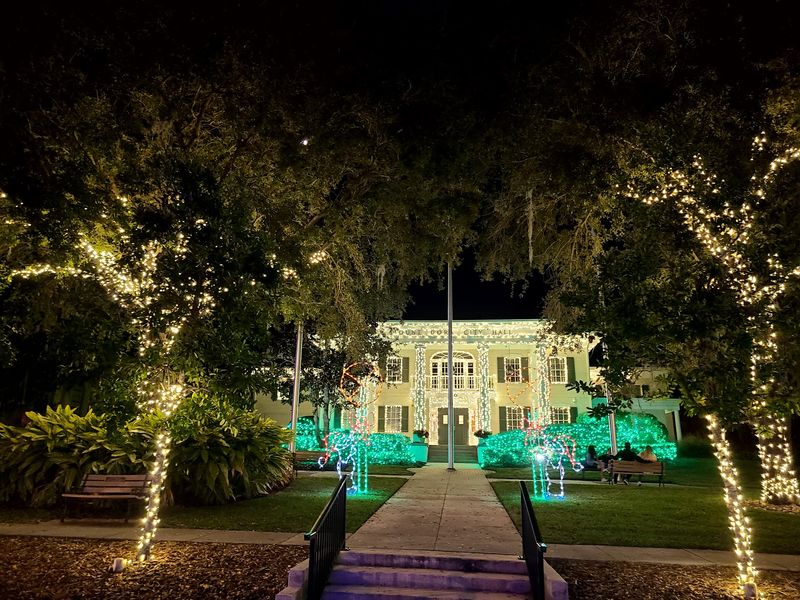
Nothing says growing pains like a new noise ordinance. Mount Dora passed one after residents spoke up about loud late-night events.
The rule limits outdoor amplification after 10 p.m. on weekdays. In plain words, the speakers have to calm down on school nights.
That’s a fair compromise. Visitors can still enjoy evening fun, while neighbors get a better shot at sleep.
Noise complaints are a common sign of tourism growing fast. When a small town becomes a hot spot, homes near the action feel it first.
Mount Dora has another air issue that has nothing to do with tourists. A strange industrial-like smell, described as chemical or burning, has bothered residents.
The City of Mount Dora and Lake County invested in a study to track down the source. People want to enjoy their porches and parks without wrinkling their noses.
Both problems show something important. Residents care deeply about how their town feels day to day.
As a visitor, you can help with simple manners. Keep voices low on residential streets at night.
Treat the neighborhoods like someone’s front yard, because they are.
Lake Dora Is The Reason Everyone Keeps Showing Up
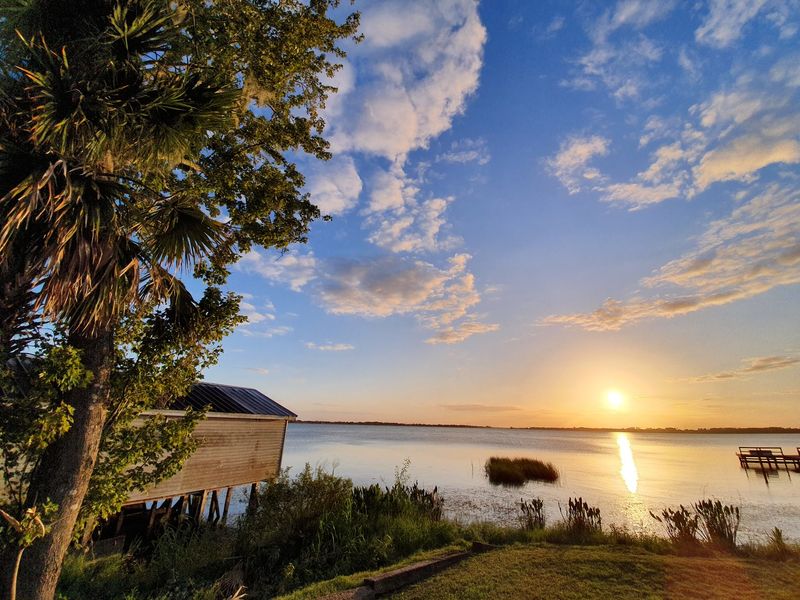
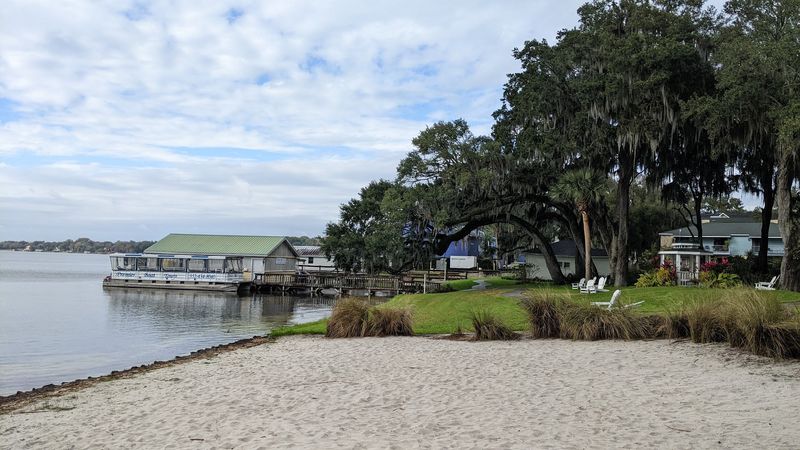
Calm water, cypress trees, and a sky turning orange at sunset. Lake Dora is a big part of why this town feels so magnetic.
The lake belongs to the Harris Chain of Lakes in Central Florida. That connection gives boaters plenty of water to explore.
Fans of the outdoors have options. You can go boating, bass fishing, kayaking, or paddleboarding right from town.
Scenic boat tours are popular too. Sunset cruises turn an ordinary evening into something worth a photo or twenty.
The Dora Canal eco-tours are a favorite way to see wildlife and twisting waterways. It’s a peaceful break from busy downtown sidewalks.
The city has improved boating access, which helped draw more visitors. That’s great for the lake lovers, and a little crowded for those who were here first.
Want my advice? Book a tour on a weekday morning.
The water feels calmer, and you’ll share the view with fewer people.
Bring sunscreen and water. Florida sun on a lake is no joke, even when a breeze makes it feel mild.
A Lighthouse In The Middle Of Florida? Yes, Really
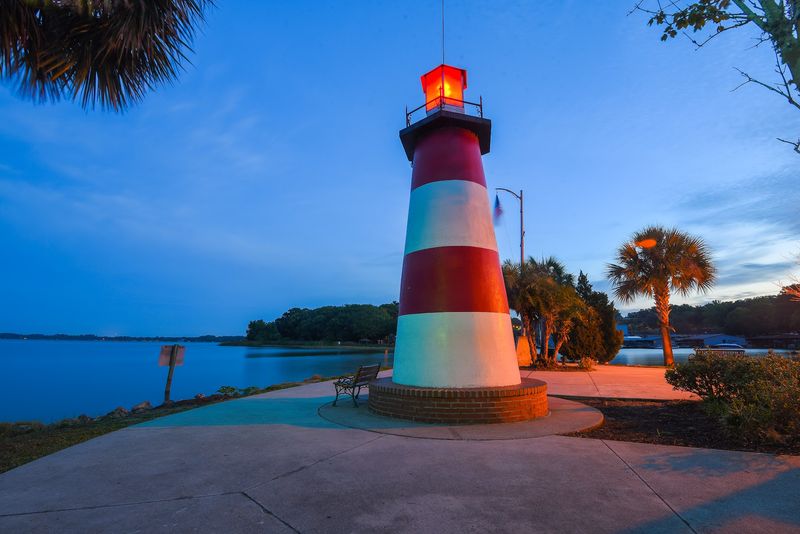
Most lighthouses guard ocean coasts. Mount Dora has one sitting on a lake, miles from any beach.
The Mount Dora Lighthouse stands at Grantham Park. It’s one of the few inland lighthouses in Florida, which makes it a fun surprise.
The spot is a favorite for photos and lakeside strolls. It’s also an easy, free stop for families with restless kids.
Another surprise is the town’s elevation. Mount Dora sits about 184 feet above sea level, which counts as a hill in flat Florida.
So yes, the name Mount is a bit of a stretch. But compared to the rest of the state, it’s practically a peak.
Nearby parks add more space to roam. Gilbert Park features a playground with a large pirate ship that kids love climbing.
Palm Island Park offers scenic walking trails and chances to spot wildlife. Donnelly Park serves as a central hub for community events, tennis, and picnics.
These green spaces belong to residents first. Pack out your trash and leave the benches as tidy as you found them.
Old Storefronts Hide Spices, Olive Oil, And Antiques
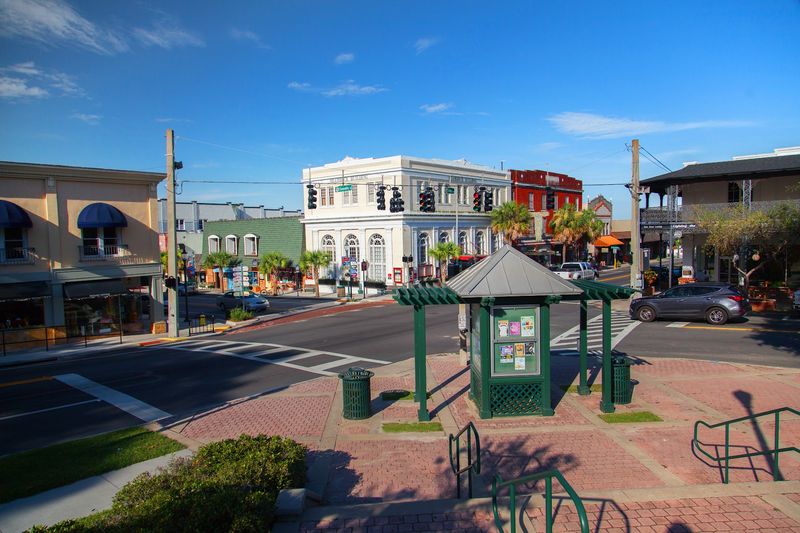
The downtown streets look like a postcard from another century. Many buildings show off well-preserved 19th-century architecture.
Inside, the shops are wonderfully mixed. You’ll find art galleries, home decor, clothing boutiques, and specialty food stores.
An olive oil company and a spice shop add flavor to the browsing. Cafes, bakeries, and dessert shops keep shoppers fueled.
Antique lovers have even more ground to cover. Renninger’s Antique Center and Flea Market sprawls across 117 acres.
That’s a lot of treasure hunting. Comfortable shoes are not optional there.
Electric carriage rides also tour the historic streets. They’re a relaxing way to see the town without tiring your legs.
Here’s the tricky part for locals. Shops that once served everyday needs now often cater to visitors.
That shift is common in tourist towns. It can make a hometown feel more like a gift shop over time.
Still, shopping small helps keep these local businesses alive. Buy something you’ll actually use, chat kindly with shop owners, and your visit does real good for the community.
Presidents Once Slept At This Lakeside Landmark
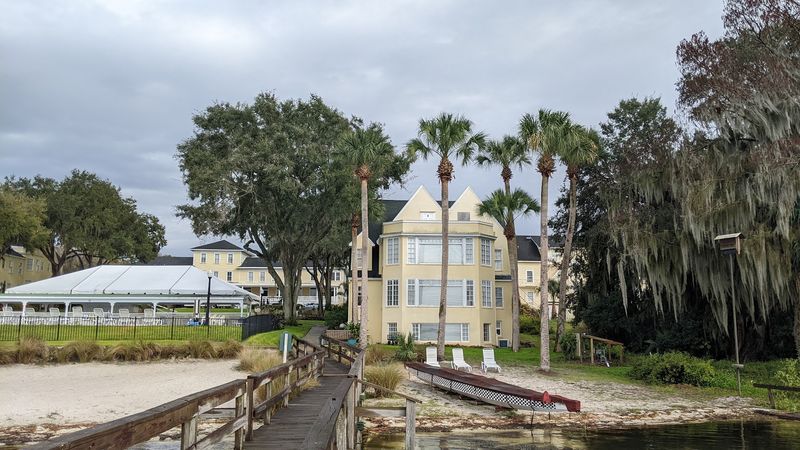
Calvin Coolidge and Dwight D. Eisenhower both stayed here.
The Lakeside Inn is a piece of history you can still visit today.
It began in 1883 as The Alexander House. It has operated as the Lakeside Inn since 1903, and it’s recognized as a Historic Hotel of America.
The inn also offers historic dining. Eating there feels like borrowing a little of the past.
Mount Dora’s own story stretches back too. The town got its official name in 1883.
The railroad arrived in 1887, and that changed everything. Trains brought more visitors and a stronger economy.
So tourism isn’t new here. Travelers have come for well over a century.
The difference today is scale. Festivals and easy highway access now bring far bigger crowds than any old train could.
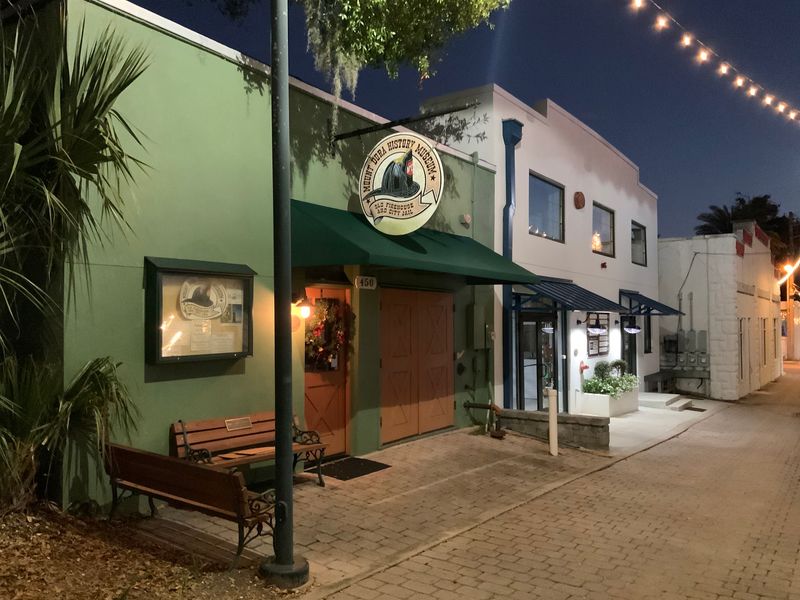
Want more history? The Mount Dora History Museum sits in a 1923 fire station.
The Modernism Museum Mount Dora displays modern design and furniture.
These stops help visitors understand the town, not just shop it. That respect matters to the people who call this place home.
Your Next Meal Might Be Cuban, Sushi, Or Modern Florida
Hungry visitors have no shortage of choices here. The restaurant scene in Mount Dora covers a lot of ground.
You’ll find modern Florida cuisine at 1921 Mount Dora. Other spots serve Cuban food, sushi, pizza, and French-inspired dishes.
The Highland Street corridor, often called uptown, is getting attention too. New restaurants and food ventures are popping up there.
That growth is exciting for food fans. It also shows how much money tourism brings into town.
But busy restaurants can be a mixed bag for residents. A favorite neighborhood spot may suddenly need reservations on weekends.
Locals who once walked in for a quick lunch may now face a crowd. That’s part of why some feel pushed aside in their own town.
A smart move is to try uptown when downtown feels packed. You’ll spread the crowds and discover newer places.
Visiting on a weekday helps as well. Kitchens are calmer, and you’re less likely to compete with festival traffic.
Tip well and be patient with staff. Many of them live nearby and handle huge rushes every busy season.
Newcomers Love It, And Rents Keep Creeping Up
Plenty of people visit Mount Dora and then decide to stay. Buyers from places like New York and Miami have been moving in.
They want a slower pace, a walkable downtown, and lake access. Nature and festivals sweeten the deal.
Home prices have stayed fairly balanced lately. The market isn’t wildly overheated, and homes often take around two months to sell.
Rent is a different story. Average rent rose about 4.3 percent year over year in recent data.
For renters on local wages, that climb adds up. It’s one reason some longtime residents feel squeezed.
Lakefront homes cost far more than homes farther from the water. That gap shapes who gets the best views.
Short-term rentals are part of a bigger debate across Florida. Some worry they raise prices and thin out real neighborhoods.
Mount Dora, FL 32757, sits about 30 to 35 minutes northwest of Orlando. That location makes it easy to reach and hard to keep secret.
The town’s charm is real. Keeping room for the people who built that charm may be its biggest challenge yet.