
11 Traditional Pennsylvania Comfort Foods That Locals Say Taste Like Home
Pennsylvania’s food culture runs deeper than any cheesesteak rivalry.
Growing up near Lancaster, I watched my grandmother roll out dough for apple dumplings every fall, the sweet cinnamon smell filling her kitchen like a warm hug.
From the Pennsylvania Dutch heartland to the steel-mill towns dotting the state, comfort food here tells stories of immigration, tradition, and Sunday dinners that lasted for hours.
1. Scrapple
My dad used to call scrapple “everything but the oink,” and honestly, he wasn’t far off. This pork-and-cornmeal loaf embodies the Pennsylvania Dutch philosophy of wasting nothing—snouts, hearts, liver, all ground up with cornmeal and spices, then formed into a loaf.
Slice it thick, fry it until the outside gets shatteringly crisp while the inside stays creamy, and you’ve got breakfast gold. Sure, knowing what’s in it might make some folks squeamish, but one bite of that crispy-soft contrast and you’ll understand why generations of Pennsylvanians have made peace with its humble origins.
Served alongside eggs and toast, scrapple turns a regular morning into something worth waking up for.
2. Shoofly Pie
Legend says this pie got its name because you had to shoo the flies away from its sweet, sticky goodness. Whether that’s true or just good marketing, shoofly pie remains the ultimate Pennsylvania Dutch dessert—a molasses-rich filling topped with buttery crumbs that somehow tastes like both cake and pie.
There are two camps: wet-bottom lovers who crave that gooey molasses layer, and dry-bottom devotees who prefer it more cake-like throughout. I’m firmly wet-bottom, especially when paired with black coffee to cut the sweetness.
My grandmother kept one on her counter year-round, covered with a dish towel, ready for unexpected visitors or grandkids who showed up hungry after school.
3. Pennsylvania Dutch Chicken Pot Pie
Forget everything you think you know about pot pie—this version has no top crust, no bottom crust, no pie tin whatsoever. What it does have are thick, square egg noodles swimming in rich chicken broth alongside tender meat, potatoes, carrots, and celery.
It’s basically the most satisfying stew you’ve ever eaten, hearty enough to fuel farmwork or just cure whatever’s ailing you. The noodles soak up all that savory broth, becoming soft and slippery in the best possible way.
Every Pennsylvania Dutch cook has their own ratio of noodles to broth, and family arguments over whose version reigns supreme can get surprisingly heated at church suppers.
4. Pierogies
Eastern European immigrants brought pierogies to Pennsylvania’s coal regions, and we’ve been obsessed ever since. These pillowy dumplings—stuffed with mashed potatoes, cheese, sauerkraut, or even sweet fillings—get boiled until tender, then pan-fried in butter until their edges turn golden and crispy.
Church basements across western Pennsylvania host pierogi sales where volunteers spend days pinching dough, raising funds one dumpling at a time. I’ve stood in line for an hour in the snow for Mrs. Kowalski’s potato-and-cheese batch, and I’d do it again tomorrow.
Top them with caramelized onions and sour cream, and you’ve got a meal that sticks to your ribs and warms you from the inside out.
5. Haluski
Sometimes the simplest foods hit hardest, and haluski proves it. Just egg noodles, cabbage, onions, and an unapologetic amount of butter, all sautéed together until the cabbage softens and sweetens and the onions turn golden.
This dish fed coal miners and steel workers for generations because it’s cheap, filling, and ridiculously comforting. My Polish neighbor makes a huge pot every Sunday, and the smell drifts through our apartment building like an invitation.
Some folks add bacon or kielbasa, but purists argue that ruins the elegant simplicity. Either way, you’ll finish your plate and immediately wonder if seconds would be too greedy. (They’re not.)
6. Pennsylvania Dutch Potato Filling
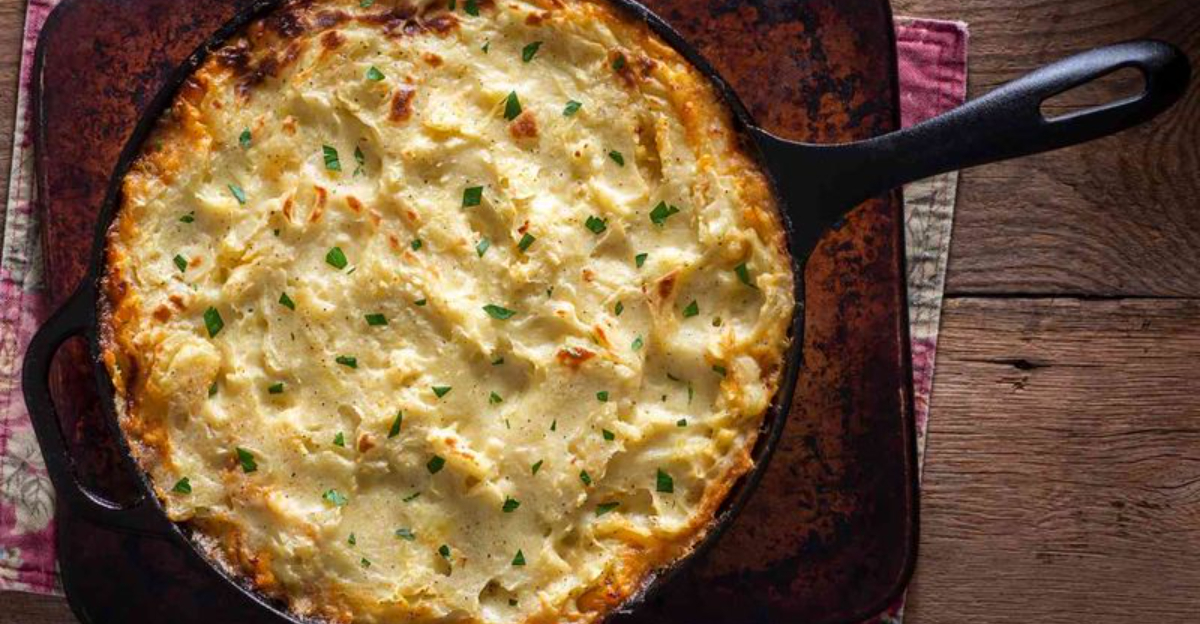
Calling this “stuffing” doesn’t quite capture what’s happening here. Potato filling combines mashed potatoes with cubed bread, celery, onions, and enough butter to make your cardiologist nervous, then bakes into a casserole that’s somehow both fluffy and substantial.
It shows up at every Pennsylvania Dutch holiday table, sitting right next to the turkey like it’s the main event—and honestly, for many of us, it is. The edges get crispy and golden while the center stays soft and savory.
I’ve watched family members skip the turkey entirely and load their plates with nothing but potato filling, and I can’t say I blame them one bit.
7. Soft Pretzels
Walk through Philadelphia and you’ll find soft pretzel vendors on practically every corner, selling these doughy, salty twists for pocket change. They’re not the hard, crunchy pretzels you find in bags—these are pillowy, chewy, and best eaten warm with yellow mustard.
Philly pretzels have a distinctive shape and texture, thanks to a quick bath in a baking soda solution before baking. That’s what gives them their deep brown color and slightly tangy flavor.
I’ve eaten more pretzels than I can count while wandering the city, and there’s something deeply comforting about that simple combination of bread, salt, and mustard that never gets old.
8. Ham Loaf
If meatloaf and ham had a baby, it would be ham loaf—and Pennsylvania Dutch grandmothers would fight over who gets to babysit. Ground ham mixed with ground pork, formed into a loaf, and baked under a sweet glaze made from brown sugar, vinegar, and mustard creates this sweet-savory masterpiece.
It’s divisive, I’ll admit. Some people can’t get past the idea of ground ham, while others (like me) crave that sticky-sweet crust and tender, slightly salty interior.
Ham loaf shows up at potlucks, holiday dinners, and church suppers throughout central Pennsylvania, usually disappearing before the green beans even get touched.
9. Apple Butter And Apple Dumplings
Apple butter isn’t actually butter—it’s apples cooked down for hours until they turn dark, thick, and intensely apple-flavored, sweetened with sugar and spiced with cinnamon. Spread it on toast, biscuits, or eat it straight from the jar when nobody’s looking.
Apple dumplings take the fruit obsession further: whole apples wrapped in pastry, baked in a cinnamon-sugar syrup until the apples turn soft and the pastry turns golden. Pour cream over the top and try not to swoon.
Both dishes capture Pennsylvania’s apple heritage and the Pennsylvania Dutch talent for making simple ingredients taste like pure nostalgia.
10. Fasnachts
Every year on Shrove Tuesday, Pennsylvania Dutch bakeries crank out thousands of fasnachts—deep-fried potato-dough doughnuts that are denser and less sweet than regular doughnuts. They’re traditionally made to use up lard, sugar, and butter before Lent begins.
Some are square, some are twisted, and some have a slit cut down the middle. Most are dusted with powdered sugar or left plain, letting the subtle sweetness and tender crumb speak for themselves.
My hometown bakery starts frying at 4 a.m. on Fasnacht Day, and the line wraps around the block by 6. Miss them, and you’ll wait a whole year for your next chance.
11. Pagash
In northeastern Pennsylvania’s coal towns, pagash remains a beloved secret—a “Slavic pizza” where mashed potatoes or cabbage get spread on dough and baked until everything turns golden and slightly crispy. It sounds weird, I know, but carbs on carbs somehow works beautifully here.
Different families make it different ways: some add onions to the potato topping, others use sauerkraut, and a few rebellious souls mix in cheese. It’s peasant food at its finest—cheap, filling, and surprisingly addictive.
You won’t find pagash in fancy restaurants or trendy food halls, just church fundraisers and family kitchens where tradition matters more than Instagram-worthiness.