
8 Trails In Southern Ohio With Forgotten Ruins Hiding In The Woods
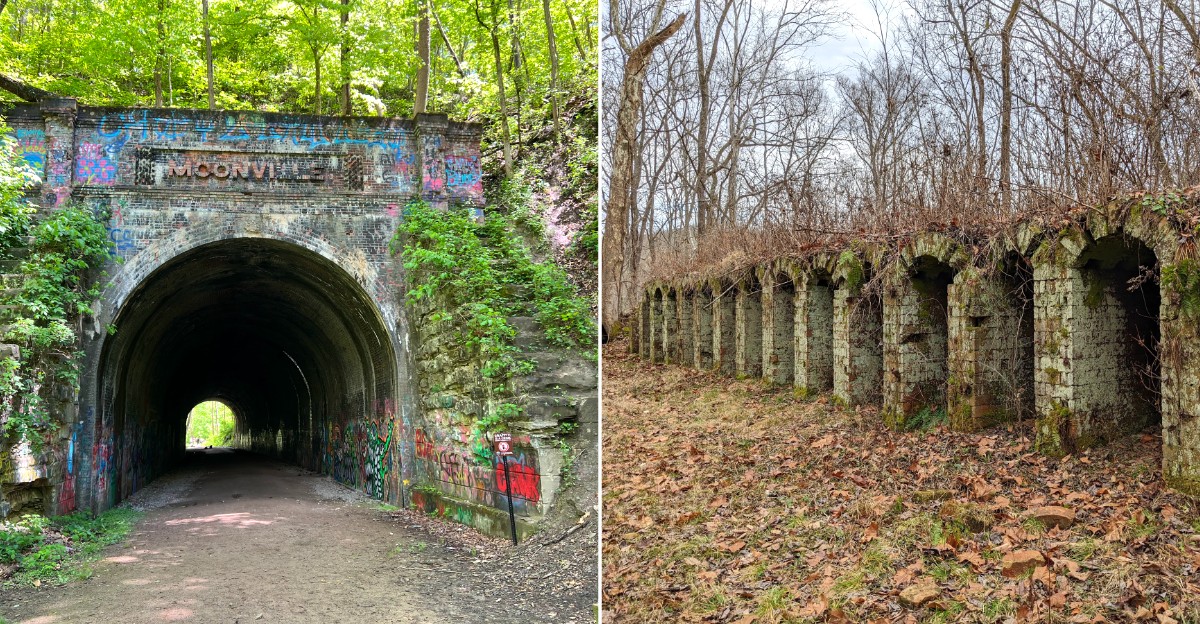
Finding an old brick tunnel in the middle of an Ohio forest isn’t exactly what I expect during a peaceful afternoon hike.
But once I spot something that clearly doesn’t belong among the trees, my curiosity usually wins over my tired legs.
Southern Ohio has plenty of places where nature has gradually reclaimed what people left behind.
I’ve followed muddy paths expecting a pleasant walk, only to discover stone foundations and remnants of industries that once kept entire communities busy.
What makes these trails particularly interesting is that the history isn’t always obvious.
Sometimes you have to look a little closer, and knowing what once stood there can completely change how you see the surrounding landscape.
So, how much of Ohio’s forgotten past is still waiting in the woods?
These eight trails lead to some fascinating discoveries, including a few that might make you wonder what else you’ve been walking past without noticing.
1. Green Mansions Trail, Clear Creek Metro Park
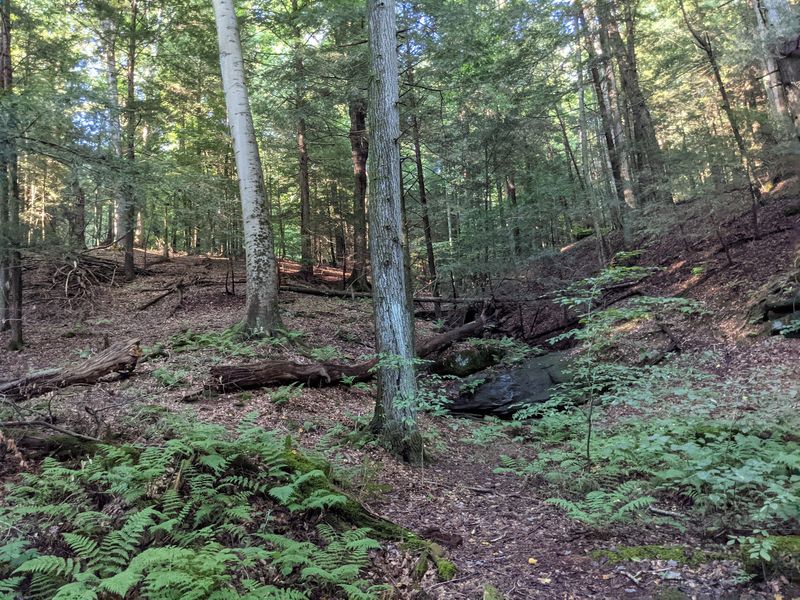
Mansions usually come with butlers and fancy doors. This one comes with hemlocks and a lake view instead.
Green Mansions Trail sits inside Clear Creek Metro Park near Rockbridge, with the park address at 185 Clear Creek Road in Lancaster. It leads to what remains of a 4,700-square-foot home that once belonged to William and Emily Benua.
The house was torn down years ago. Park planners chose to keep the stone structural remnants, so you can still trace parts of the old layout among the trees.
To get there, I started on the Benua Loop Trail. From there, the 0.4-mile Green Mansions extension slips into a hushed hemlock forest that overlooks Lake Emily.
The quiet here is real. Needles soften every footstep, and the dark evergreens make the gray stones look extra dramatic.
I spent a good while imagining where the living room might have been. Was the kitchen near that wall, or was it a porch with a sweet lake view?
The trail has some ups and downs, so sturdy shoes are a smart call. Winter visits are surprisingly lovely because the hemlocks stay green when everything else goes bare.
Clear Creek is also a dedicated nature preserve, so stay on the marked paths and leave the stones exactly where you find them. Pets are not allowed in this park, which helps protect its plants and wildlife.
Come for the ruins, stay for the calm, and leave with a new appreciation for houses that really know how to blend in.
2. Moonville Rail Trail, Moonville Tunnel
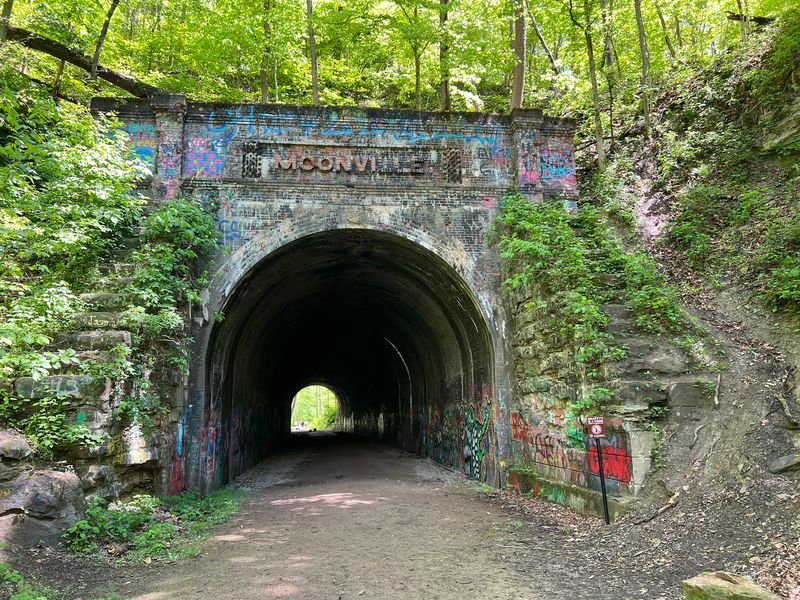
Brick and shadow make a fine first impression here.
Moonville Tunnel sits on the Moonville Rail Trail in Zaleski State Forest, Vinton County, in southern Ohio. I parked near the trailhead on Hope-Moonville Road outside McArthur and was standing at the tunnel within minutes.
The brick-lined passage once served a remote coal-mining settlement called Moonville. That little town faded away during the 20th century, and the forest quietly took back the land.
Walking the old railroad corridor feels like reading a history book with the pages full of leaves. Keep your eyes open for flat ground and odd clearings, since traces of the vanished community still hide nearby.
The tunnel itself is the star of the show. Its arched entrance frames the trail beautifully, and the brickwork shows its age in the best way.
Bring a small flashlight if you want to check out the inside details. Sound echoes in a fun way, so expect at least one person in your group to test it.
Spring and fall are my top picks for a visit. The trees either glow bright green or burn orange, and the trail stays cooler than in July.
Wear shoes that can handle mud, because the path near the creek can get soggy after rain. Bug spray earns its spot in your pack during summer too.
This stop is short, sweet, and packed with atmosphere, so it makes a great warm-up for the bigger hikes ahead. Moonville proves that a town can disappear while its tunnel keeps telling the story.
3. Pine Run Trail, Vinton Furnace State Forest
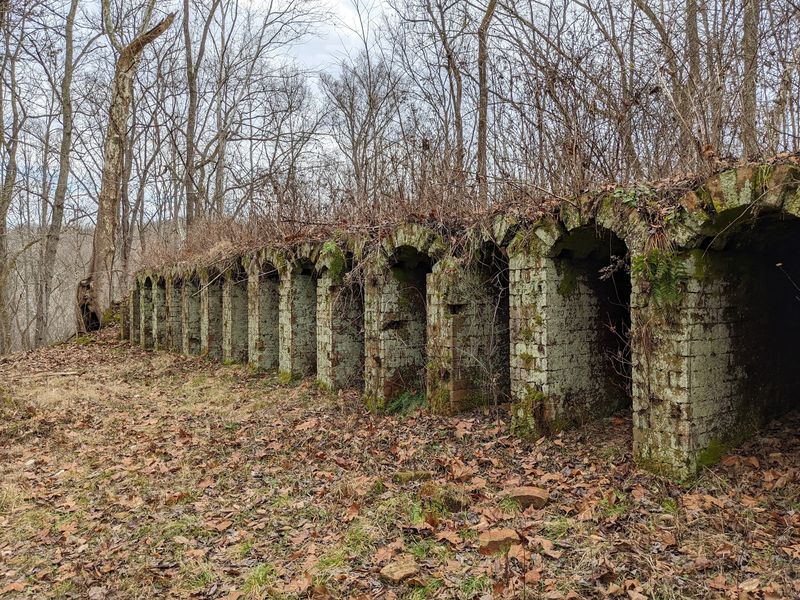
Twenty-four stone ovens are waiting in the woods. That number alone got me out of bed early.
Pine Run Trail winds through Vinton Furnace State Forest in Vinton County, with the trailhead on Experimental Forest Road near Wilkesville. Deep in the trees, you will find the remains of 24 Belgian coke ovens from the region’s historic iron-making days.
Workers once used ovens like these to turn coal into coke, a fuel for hot iron furnaces. Today, ferns and moss have moved in, and the arches look like a quiet stone neighborhood.
The round trip is about 5.6 miles. It follows Experimental Forest Road and Pine Run Trail before dropping down toward the ruins.
That descent is easy on the way in. Climbing back out is a different story, so save some water and energy for the return.
I loved how sudden the discovery felt. One minute I was surrounded by plain forest, and the next a long line of stonework appeared through the leaves.
Late fall and early spring offer the clearest views, since fewer leaves block the ovens. Check the Ohio Department of Natural Resources website before you go, because hunting seasons can affect forest visits.
Bring a map or a downloaded trail app, as cell service can be spotty out here. Snacks are highly recommended, mostly for morale.
This hike rewards patience with a sight that few people ever see. It is a hot spot for history lovers, even though those ovens cooled off long ago.
4. Old Stone Church Trail, Wayne National Forest
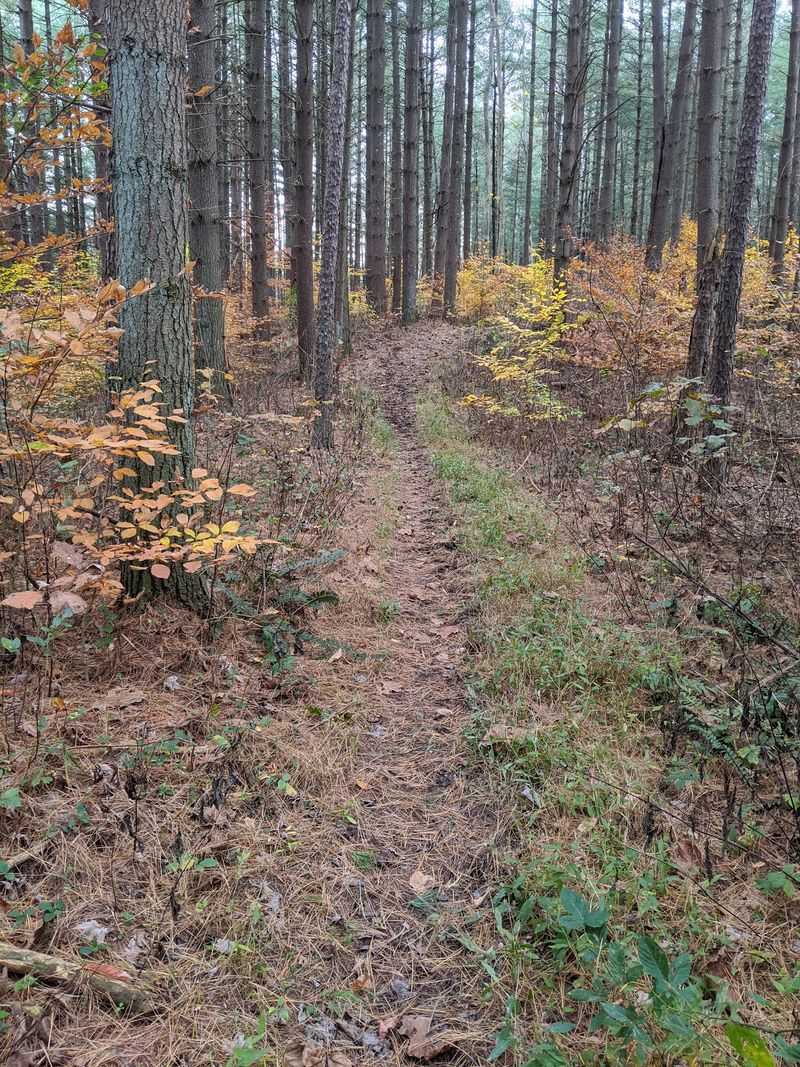
Few trails borrow their name from a building with no roof. Old Stone Church Trail does it proudly.
This trail system lies in Wayne National Forest near Shawnee in Perry County, with a trailhead on County Road 38. It takes its name from the skeletal stone remains of an old church hidden in the countryside nearby.
I followed a route of roughly 4.9 miles that includes Stone Church Hollow Road to reach the ruins. The road section is quiet and rural, so it feels like part of the adventure rather than a detour.
Only portions of the old stone structure remain today. Weathered stonework rises among the trees, offering a quiet reminder of the church that once stood here.
Please admire the site respectfully. The church ruins and nearby cemetery are on private land, so visitors should avoid wandering onto the property.
The surrounding area carries deep roots in the coal and clay industries of Perry County. Shawnee itself is a historic village with old storefronts worth a stroll after your hike.
Trails here can share space with other users, so watch for markers and stay alert. Two bridges along the main loop are currently closed for public safety, although the trail system remains open for hiking.
Autumn turns these hills into a patchwork of red and gold. It is easily the most photogenic time to come.
Bring plenty of water, since there are few services along the route. Pack a lunch for another suitable spot along the trail, because this hike delivers a sermon of silence you will not soon forget.
5. Wildcat Hollow Trail, Wayne National Forest
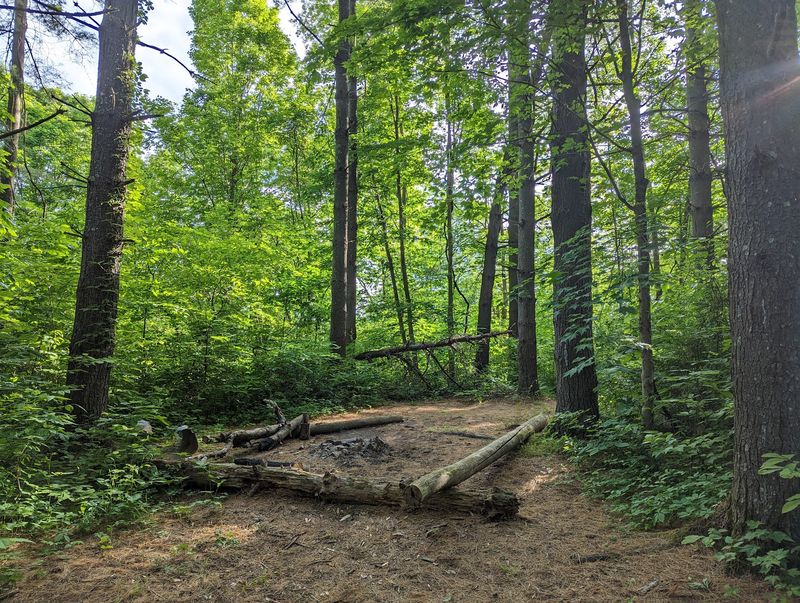
School is out forever at one stop on this trail. Recess, however, never ended.
Wildcat Hollow Trail runs through Wayne National Forest near Corning, crossing portions of Perry and Morgan counties. The trailhead sits along Sunday Creek Road, and the path rolls over wooded ridges and down into quiet valleys.
Rural families once farmed these hollows. As you hike, you can spot the ruins of a one-room schoolhouse, an abandoned farmhouse site, and remnants of earlier industrial activity.
Finding these clues is half the fun. A stone foundation or an old fence line can tell you a lot if you slow down and look.
The trail offers shorter and longer loop options. Day hikers can enjoy a solid outing, while backpackers can stretch it into an overnight trip.
I picked the shorter loop on my first visit and still came home happily tired. The ridges have real climbs, so pace yourself and take breaks.
Creek crossings appear along the way, and they can rise after storms. Waterproof boots and trekking poles make life much easier.
Wildlife sightings are common here. I spotted deer, wild turkeys, and a box turtle who refused to hurry for anyone.
Campers should follow Leave No Trace rules and check national forest guidelines before setting up. Water sources should always be filtered.
For hikers who crave solitude with a side of history, this hollow is a top pick. Just know that the only homework here is enjoying the view.
6. Peninsula Trail, Lake Hope State Park
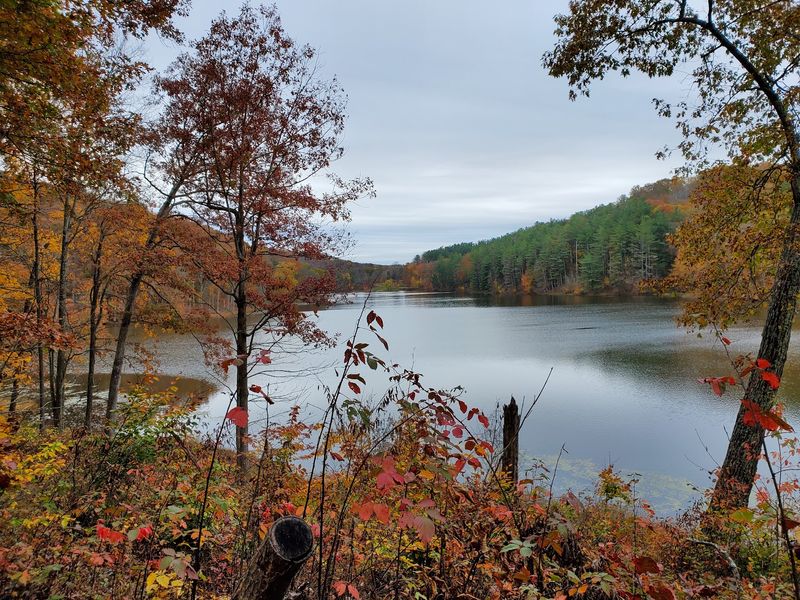
Iron once ruled these hills. Hope Furnace is still standing to prove it.
Peninsula Trail is a woodland loop of about three miles inside Lake Hope State Park in Vinton County, near McArthur. The trailhead sits at State Route 278 and Lodge Road, close to the park’s popular lake area.
Along the way, you pass near Hope Furnace, a remnant of southern Ohio’s busy iron industry. Workers built it in the 1850s, and it kept running until 1874.
The big stone structure is impressive up close. Its sturdy walls show how much effort went into making iron in the middle of the forest.
Getting to the furnace takes a short detour that includes a roadside walk. Stay on the edge, watch for cars, and keep kids close during that stretch.
The loop itself is pleasant and shady. It hugs the shoreline in places, giving you peeks at the water between the trees.
I paired my hike with a picnic and a lazy look at the lake. Paddling is another great way to spend an afternoon here when the weather cooperates.
The furnace area also has a small interpretive sign that explains the history in plain terms. Reading it made the stones feel much more alive.
Summer weekends can be busy, so arrive early for easier parking. Fall colors are especially bright around the water.
This park blends easy hiking, history, and lake time into one tidy trip. Call it a forge-ettable past that refuses to be forgotten.
7. Pittsburgh-Cincinnati Stagecoach Trail, John Bryan State Park
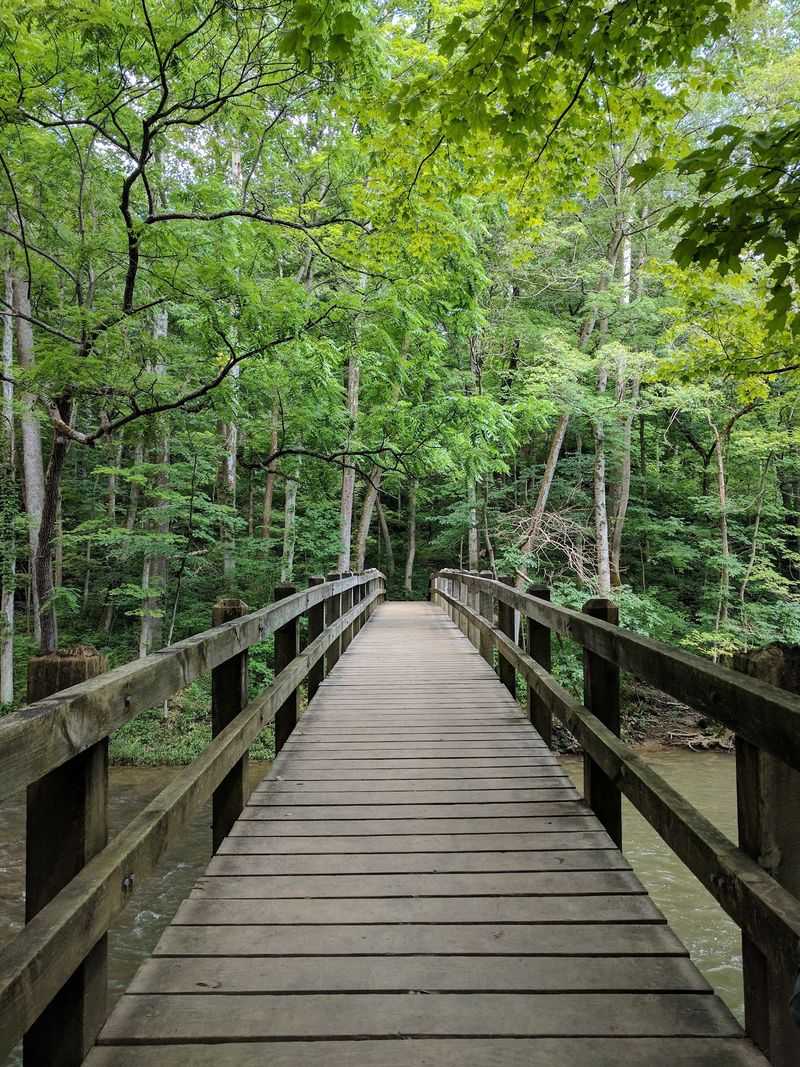
Stagecoaches once rattled through this gorge. Now the loudest traffic is a chatty woodpecker.
The Pittsburgh-Cincinnati Stagecoach Trail lies in John Bryan State Park in Greene County, at 3790 State Route 370 in Yellow Springs. It follows part of a historic transportation route along the Little Miami River gorge.
This valley was once packed with water-powered mills. The rushing river turned their wheels, and their stone foundations can still be spotted by sharp-eyed hikers.
The trail also leads near the foundation of an abandoned paper mill. I found it fun to picture the noise and bustle that once filled this now peaceful spot.
Limestone cliffs line the gorge, and the river sparkles below. The scenery alone would make this hike worthwhile.
Spring brings wildflowers along the banks, which makes the walk extra colorful. Some sections get rocky, so wear shoes with good grip.
The park connects to nearby Clifton Gorge State Nature Preserve, which has even more dramatic views. Plan extra time if you want to explore both.
Yellow Springs is just a short drive away. Its quirky shops and friendly cafes make a perfect post-hike stop for a snack.
Restrooms and picnic areas are available in the park, which helps families plan a full day. Weekends can get crowded in good weather.
History buffs and river lovers will both leave smiling here. This trail proves the old road still has plenty of stories in the mill.
8. Gorge Trail, Indian Mound Reserve
Waterfalls get most of the attention at this reserve. The leftover concrete deserves a little fan club too.
Gorge Trail sits inside Indian Mound Reserve at 2750 US Route 42 East in Cedarville, managed by Greene County Parks and Trails. The trail system mixes cliffs, woodland, and waterfalls with surprising bits of industrial history.
Along the path, I found an old wastewater-control dike and valve. Both are linked to the former Hagar Strawboard Mill, which once made a type of heavy paperboard from straw.
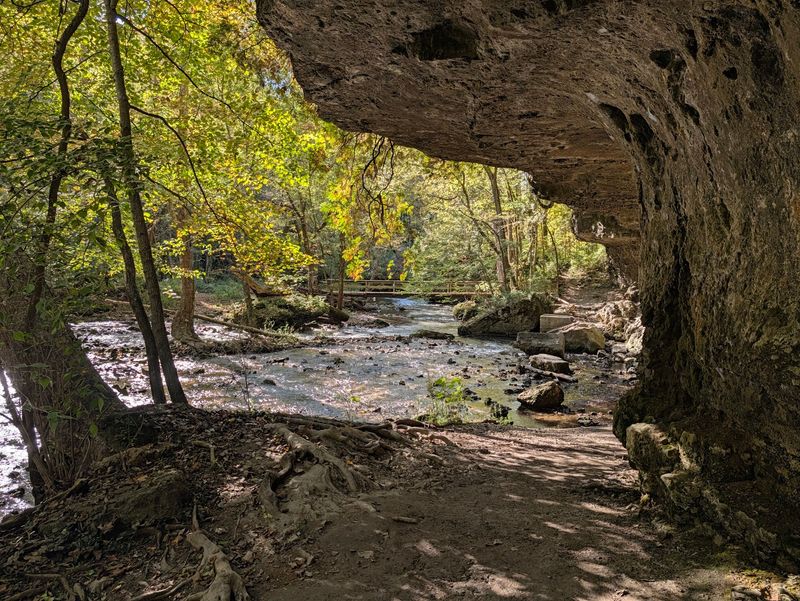
Further on, concrete supports from a historic water-carrying structure rest beneath a large rock overhang. The contrast between rough stone and human-made pillars is wonderfully odd.
Take your time exploring the overhang area. It is a cool, shady spot on a warm day, and the rock formations are fun to study.
The reserve is also home to the Williamson Mound, an ancient earthwork, and the Pollock Works site. Both add another deep layer of history to your visit.
Trails here are fairly short, which makes the reserve great for families and casual hikers. Some steps and slopes can be slippery, so watch your footing near the water.
Visit after a rainy spell to see the waterfalls at their best. Midweek mornings usually bring the fewest crowds.
Bring a camera, because the light under the cliffs is lovely. This compact Ohio reserve is a fitting final stop, showing that even an old mill can leave a pretty strong paper trail.