
13 Under-The-Radar Colorado Adventures That Even Many Locals Haven’t Discovered
The busiest trail is rarely the one that gives you the best story. Beyond the headline attractions, a rougher, stranger side of Colorado waits in canyons, caves, and wide stretches of open terrain where curiosity matters more than a checklist.
One day might lead you to ancient markings cut into stone. The next could send you underground, across a dusty riding route, or toward a landscape that feels almost untouched by tourism.
Better yet, many of these adventures come without packed parking lots, crowded overlooks, or the constant shuffle of strangers behind you. You can stop, listen, and actually absorb where you are.
That freedom changes the entire trip. Bring sturdy boots, extra water, and enough patience to follow roads that do not advertise their rewards.
The quieter corners of Colorado are not always easy to reach, but that is exactly why they still feel like discoveries instead of destinations.
1. Hike Across The Prairie To Pawnee Buttes
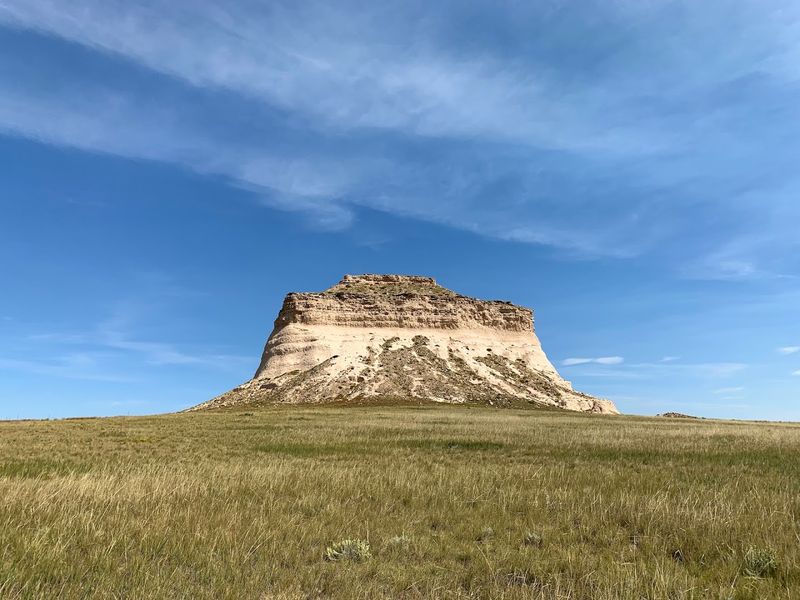
Standing on the flat prairie near Grover, Colorado, you start walking and suddenly realize the landscape has been quietly hiding something enormous. The Pawnee Buttes rise about 300 feet straight up from the surrounding grassland, and the effect is genuinely startling.
It is the kind of scenery you expect to see in the Dakotas or Wyoming, not tucked into northeastern Colorado.
The trail out to the first butte runs roughly two miles, making it manageable for most fitness levels. The terrain is open and exposed, so bring water, sunscreen, and a hat even if the morning feels cool.
Wind is almost always present, which keeps things honest.
Reaching the second butte is not possible since it sits on private property, and climbing the formations is discouraged to protect both the rock and the nesting raptors that call these towers home. Peregrine falcons have been spotted here, which gives the whole hike an unexpectedly wild feeling.
I walked this trail on a Tuesday and saw exactly two other people. That kind of solitude is increasingly hard to find in Colorado, and Pawnee Buttes delivers it without making you earn it through a grueling climb.
2. Explore The Hoodoos And Rock Art Of Picture Canyon
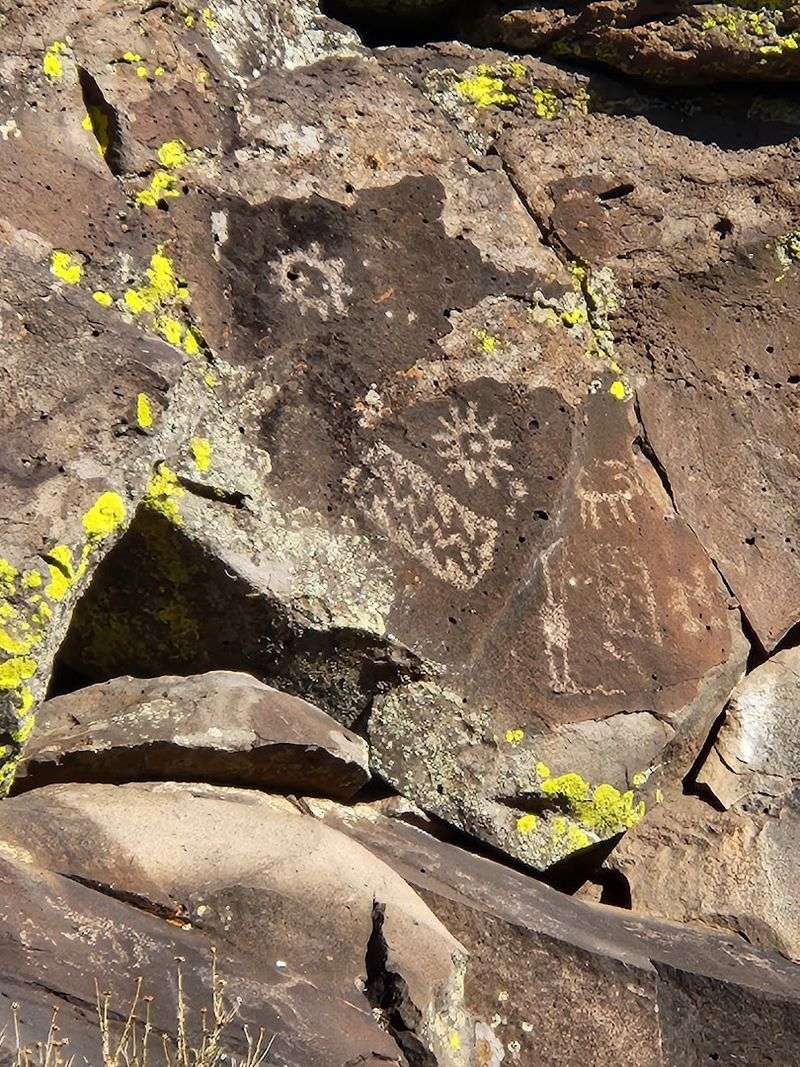
Picture Canyon near Campo in southeastern Colorado feels like a place that time simply forgot to update. Sandstone formations jut upward in shapes that look almost deliberate, and scattered among the canyon walls are pieces of culturally sensitive rock imagery that remind you humans have been moving through this landscape for thousands of years.
The canyon offers approximately 13 miles of hiking and horseback-riding routes. The eight-mile Arch Rock Trail is the signature route, threading past hoodoos, homestead remnants, and geological formations that shift color as the light changes through the day.
The old homestead ruins add a layer of frontier-era history that makes the whole outing feel layered and rich.
Because Picture Canyon sits deep in the southeastern corner of the state, very few Colorado residents make the trip. That is their loss and your gain.
The rock art here is genuinely moving and deserves respectful, quiet observation rather than a crowd of selfie-takers. I found myself slowing down more than I expected, not because the terrain demanded it, but because something about the canyon encourages a different pace entirely.
Go in spring or fall when temperatures stay comfortable and the light is absolutely extraordinary.
3. Follow Historic Trails Through Vogel Canyon
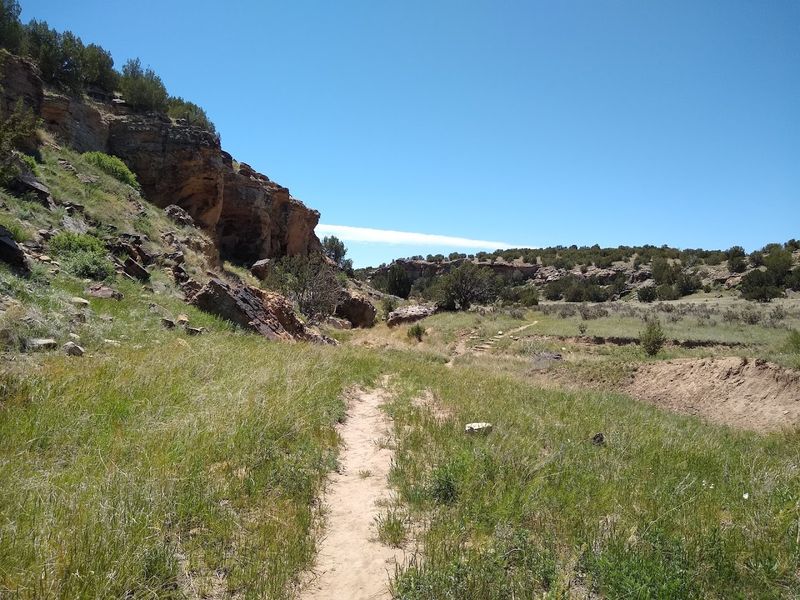
Just south of La Junta, Colorado, Vogel Canyon hides one of the most quietly rewarding half-day hikes in the entire southeastern part of the state. Four separate routes descend into a tributary of the Purgatoire River, each offering a slightly different angle on the canyon’s geology, history, and surprising pockets of green.
Permanent springs keep parts of the canyon floor alive with vegetation, which feels almost miraculous given the surrounding dry plains landscape. Old stagecoach road remnants survive here, along with Indigenous rock imagery etched into canyon walls.
Walking past these elements in the same afternoon creates a genuinely layered sense of time passing through a single place.
The recreation area sees steady use but never feels overwhelming, partly because it lacks the dramatic marketing that sends crowds to better-known spots. Overnight camping is not permitted, so plan this as a day trip and build in enough time to sit quietly near one of the springs before heading back.
Personally, I find the combination of human history and natural springs to be the most compelling part of Vogel Canyon. It rewards slow walkers more than fast ones, and that is a quality worth celebrating in any outdoor destination.
4. Hike Or Mountain Bike The Newer Trails At Fishers Peak
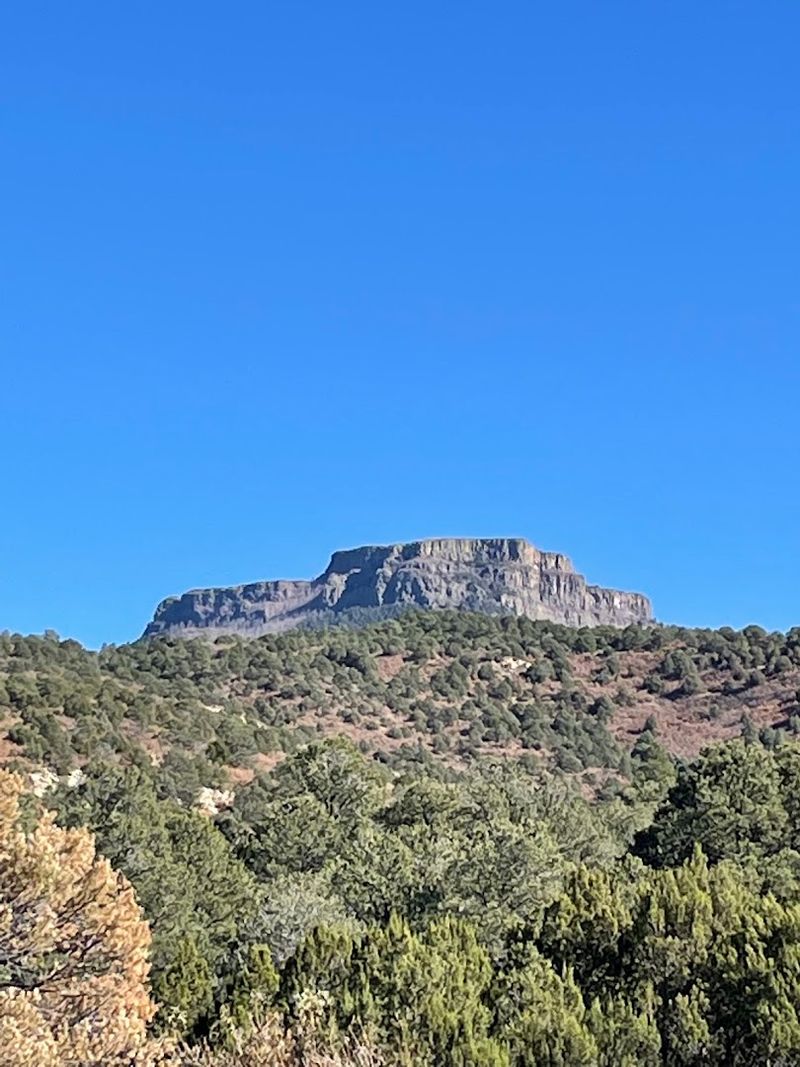
Fishers Peak looms over Trinidad, Colorado, with the kind of flat-topped authority that makes you want to get up there immediately. For years the peak was visible but inaccessible to the public, which made its eventual opening as a state park feel like a long-overdue invitation.
More than 16 miles of public trails now begin at the Fishers Peak Trailhead, and the system is still young enough to feel fresh.
Hikers and mountain bikers both have reason to show up here. The terrain shifts from open grassland to forested slopes as you gain elevation, and the views back toward Trinidad and the surrounding region are wide and rewarding.
Keep in mind that Stone Guard, Peak Approach, and Summit Loop trails remain seasonally closed through July 31 to protect peregrine falcon nesting activity.
Planning around that closure is actually easy since plenty of trail remains open earlier in the season. I visited on a spring morning when the wildflowers were just beginning and felt like I had stumbled onto something the rest of the state had not fully caught onto yet.
That window will close as word spreads, so going sooner rather than later is genuinely good advice here, not just filler.
5. Rock Climb And Ride Through Penitente Canyon
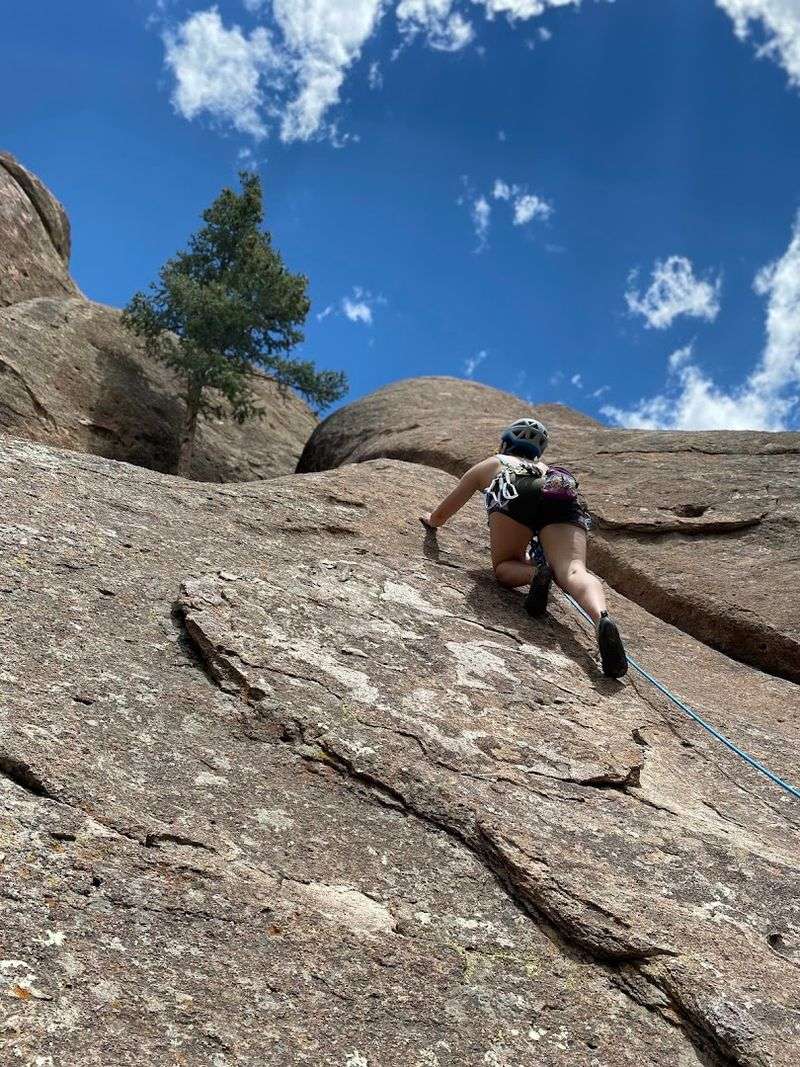
Penitente Canyon near La Garita packs an improbable number of activities into a relatively compact volcanic landscape. Nearly 300 technical climbing routes cover the canyon walls, ranging from beginner-friendly lines to sequences that will genuinely humble experienced climbers.
The rock is volcanic, which gives it a grippy, textured quality that climbers tend to appreciate deeply.
Beyond climbing, the canyon supports hiking, mountain biking, horseback riding, and camping, making it one of the more versatile outdoor destinations in the San Luis Valley. The south-facing walls stay climbable through much of the year, extending the usable season well beyond what most Colorado mountain destinations offer.
That alone makes Penitente worth knowing about.
I first heard about this place from a climber at a coffee shop in Salida who mentioned it almost as an afterthought, as if assuming I already knew. I did not know, and I am glad I followed up.
The canyon has a compact, intimate atmosphere that larger climbing areas sometimes lack. You can camp nearby, spend two or three days working routes, and leave feeling like you got more out of the trip than you planned for.
That kind of overdelivery is rare and worth chasing.
6. Reach The Otherworldly Wheeler Geologic Area
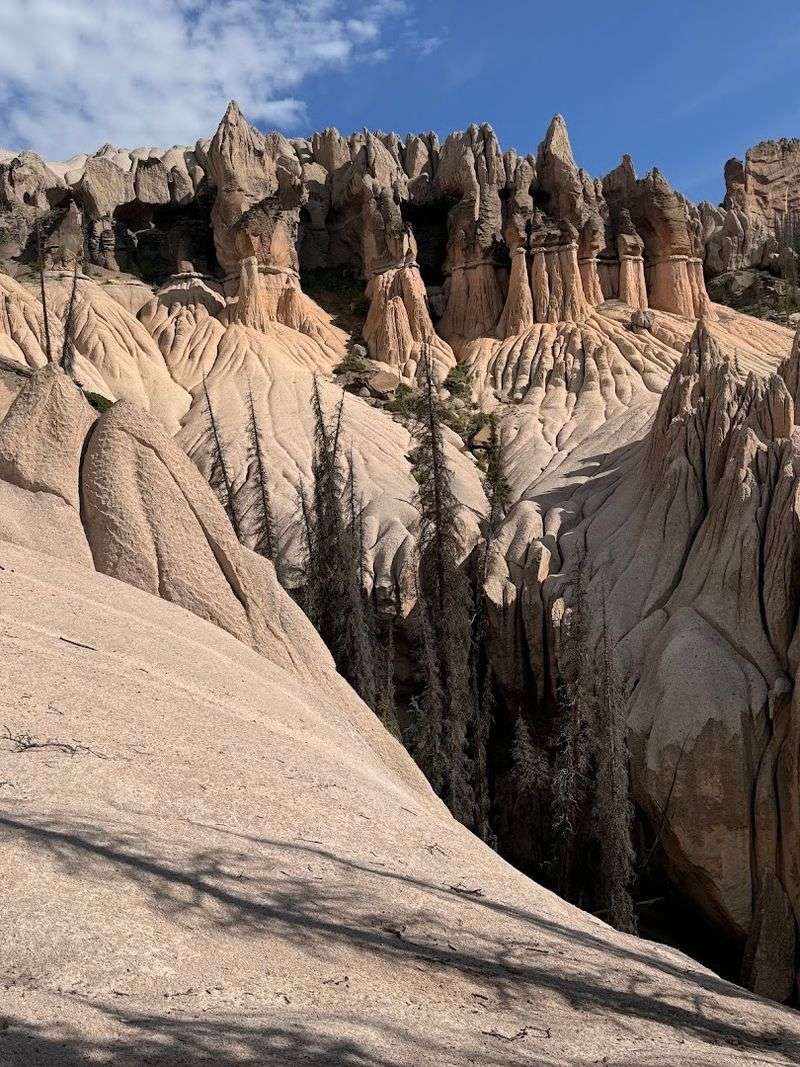
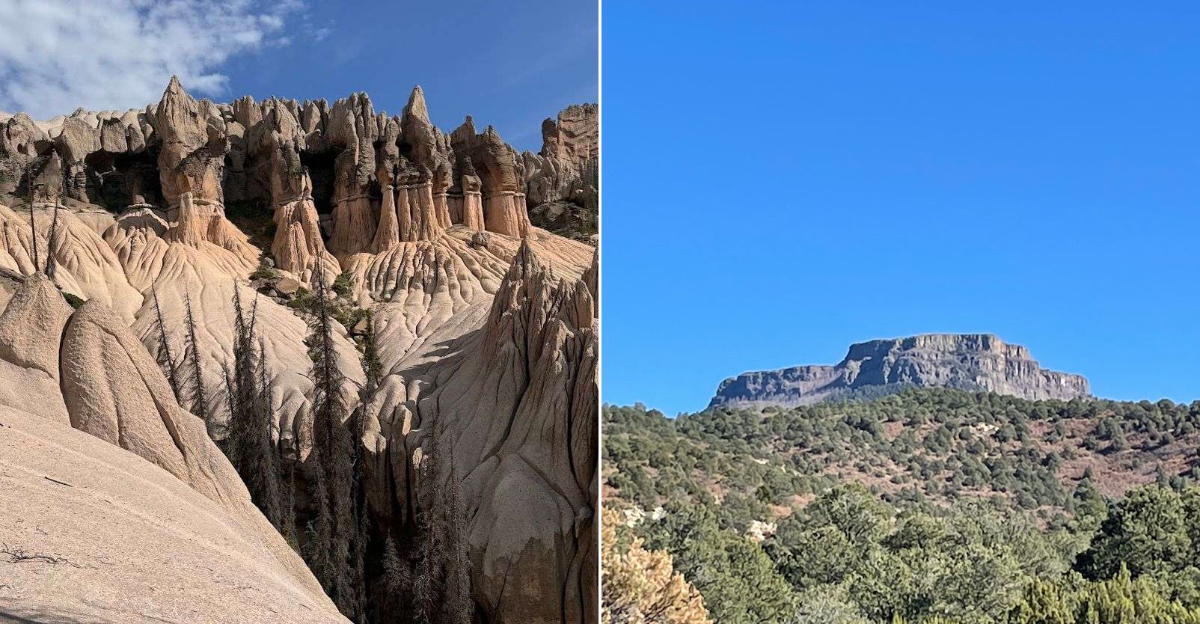
Wheeler Geologic Area near Creede, Colorado, looks like someone relocated a section of New Mexico’s Bisti Badlands to the San Juan Mountains and told nobody. The eroded volcanic formations rise in pale, ghostly columns that seem completely out of place against the surrounding mountain forest.
It is legitimately one of the strangest landscapes in the entire state.
Getting there requires either a seven-mile hike or a rough 14-mile four-wheel-drive road along Forest Road 600, also called Pool Table Road. The Forest Service listed the road as open in its most recent 2026 conditions report, but a genuine high-clearance 4×4 is not optional beyond the easier early section.
Attempting it in a standard SUV is the kind of decision that makes tow truck drivers grateful.
The remoteness is entirely the point. Wheeler sees far fewer visitors than it would if the access were easier, which preserves exactly the eerie, quiet atmosphere that makes it worth reaching.
I hiked in rather than drove, and the payoff at the end of that trail felt proportional to the effort. Bring more water than you think you need, start early to avoid afternoon thunderstorms, and give yourself time to simply wander among the formations without rushing back.
7. Go Underground Inside Fulford Cave
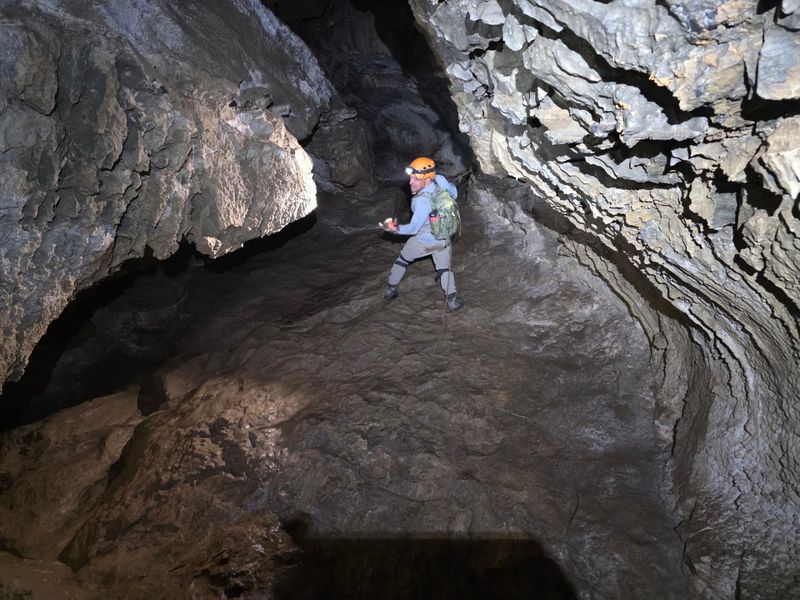
Fulford Cave near Eagle, Colorado, is not the kind of place where someone hands you a ticket and walks you through on a paved path with ambient lighting. This is a genuine undeveloped cave, which means the experience is raw, physical, and genuinely memorable in ways that commercial cave tours simply cannot replicate.
Entry requires advance online registration, and showing up with clean, decontaminated gear is mandatory to protect the cave ecosystem from white-nose syndrome, a fungal disease devastating bat populations across North America. Helmets and multiple independent light sources are required, not suggested.
The cave is open seasonally from April 15 through October 15, so timing matters.
The preparation involved is part of what keeps crowds away and preserves the experience for people who take it seriously. I will be honest: caving is not for everyone, and there is no shame in deciding it is not for you after reading the requirements.
But if you are the kind of person who finds a dark, ancient underground space more exciting than intimidating, Fulford Cave delivers something genuinely special. The formations inside reward the effort, and the sense of being somewhere few people bother to reach properly is its own reward.
8. Hike Among Ancient Sites On The Sand Canyon Trail
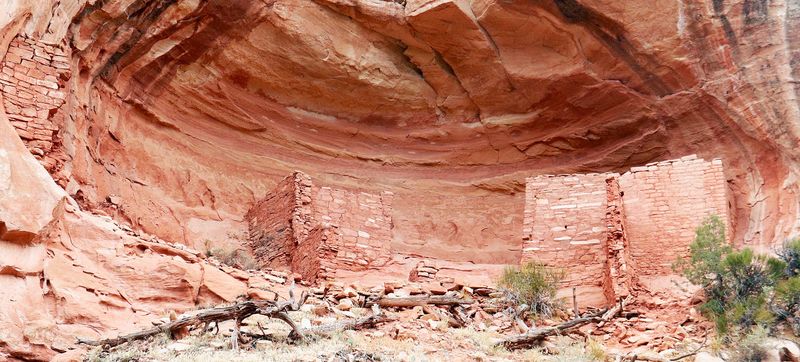
Sand Canyon near Cortez, Colorado, sits in the heart of Ancestral Puebloan country, and hiking here means moving through a landscape where human civilization flourished and then shifted centuries before European contact. Pueblo sites, canyon overlooks, and archaeological remains appear along the trail system with a frequency that would be remarkable anywhere else but feels almost expected in this corner of the state.
The South Sand Canyon Trailhead off County Road G provides access to routes open for hiking, mountain biking, and horseback riding within the Sand Canyon and Rock Creek area. The terrain is remote desert, which means sun exposure is real and water sources are not guaranteed.
Preparation matters more here than on a well-serviced mountain trail.
What makes Sand Canyon different from the more famous Mesa Verde experience is the absence of interpretive guardrails. You move through the landscape on your own terms, which creates a more personal and sometimes more affecting connection to what you are seeing.
I spent a morning here moving slowly between sites, and the quiet was the kind that actually makes you think rather than just relax. Respect for the cultural remains is not optional; it is the entire basis of continued public access to this remarkable place.
9. Walk Through An Active Dinosaur Quarry At Rabbit Valley
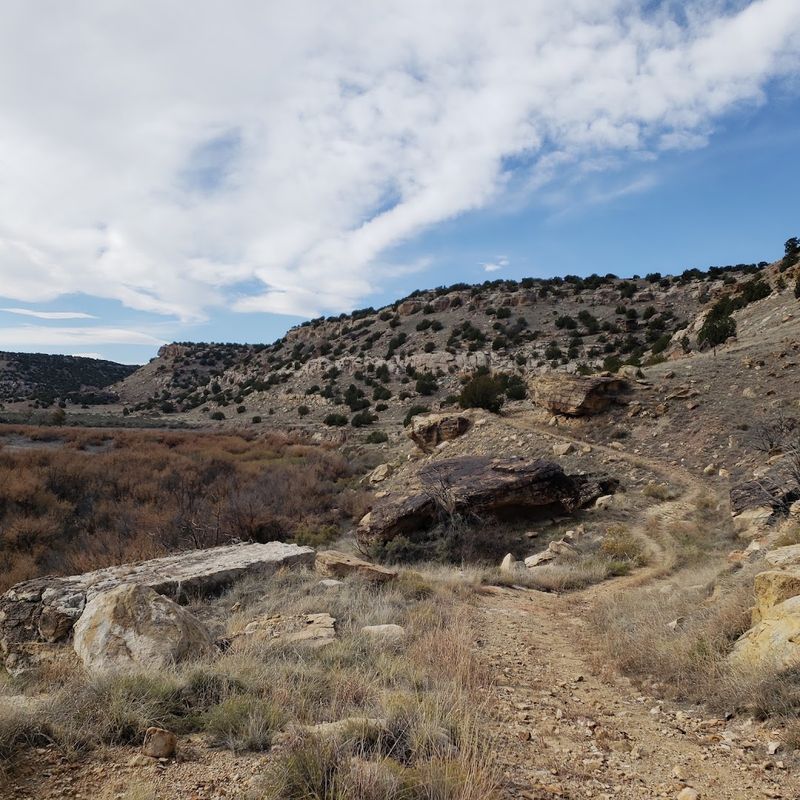
The Trail Through Time at Rabbit Valley near Mack, Colorado, begins right next to the Mygatt-Moore Quarry, which is an active paleontological excavation site. Walking the 1.5-mile loop means passing exposed dinosaur fossils, fossilized plant material, and actual dig areas where researchers continue working to extract specimens from the surrounding rock.
The whole setup is free and officially open year-round.
For families with kids who have ever shown even passing interest in dinosaurs, this trail is genuinely hard to beat. The fossils are not behind glass or roped off at a frustrating distance.
Some are right there at the edge of the path, close enough to observe the texture and scale in a way that photographs never quite convey.
Rabbit Valley sits just off I-70 at Exit 2, making it one of the more accessible hidden gems in the state. The convenience makes the lack of crowds even more puzzling, though I suspect most people drive past the exit without knowing what is waiting a short distance from the highway.
That is their loss. I visited on a weekday afternoon in autumn and had long stretches of the trail entirely to myself, which made the experience feel more like a private discovery than a roadside attraction.
Bring water and good shoes.
10. Hike To The Rattlesnake Arches
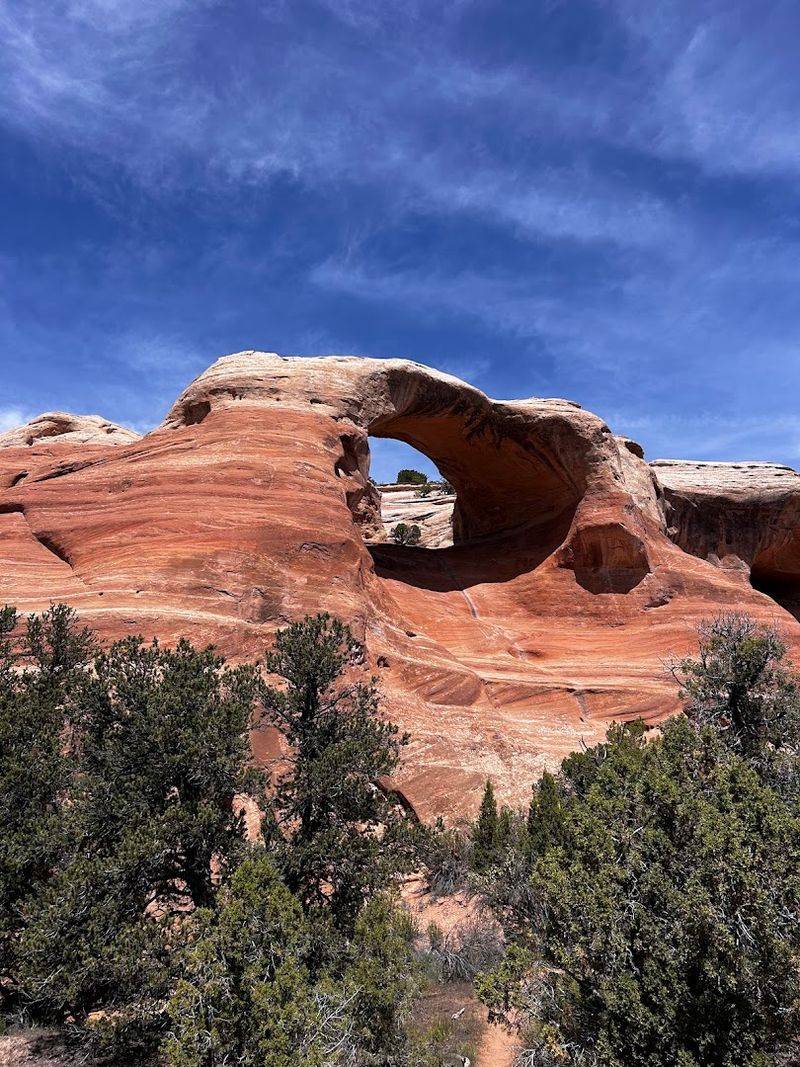
Rattlesnake Arches in the Black Ridge Canyons Wilderness near Fruita, Colorado, contains one of the largest concentrations of natural arches in all of North America. That is not a casual claim, and the landscape backs it up completely.
Arch after arch appears along the canyon rim, each one shaped differently by erosion working on the same red sandstone over millions of years.
The lower route runs approximately five miles round trip from the remote trailhead, but reaching that trailhead involves a rough backcountry road that can be genuinely problematic depending on recent weather and your vehicle. The longer Pollock Bench approach from a more accessible starting point avoids that road issue entirely and is worth considering if you have any doubt about your vehicle’s capability.
What I appreciate most about Rattlesnake Arches is that the effort involved keeps the experience from feeling packaged. Arches National Park in Utah is magnificent, but it also involves traffic jams and permit lotteries.
Here, you earn the arches through a bit of planning and a real hike, and the reward is watching formations of comparable drama without another person in your sightline. That trade feels fair, and the canyon’s scale is legitimately humbling.
11. Ride The Open Terrain At Peach Valley
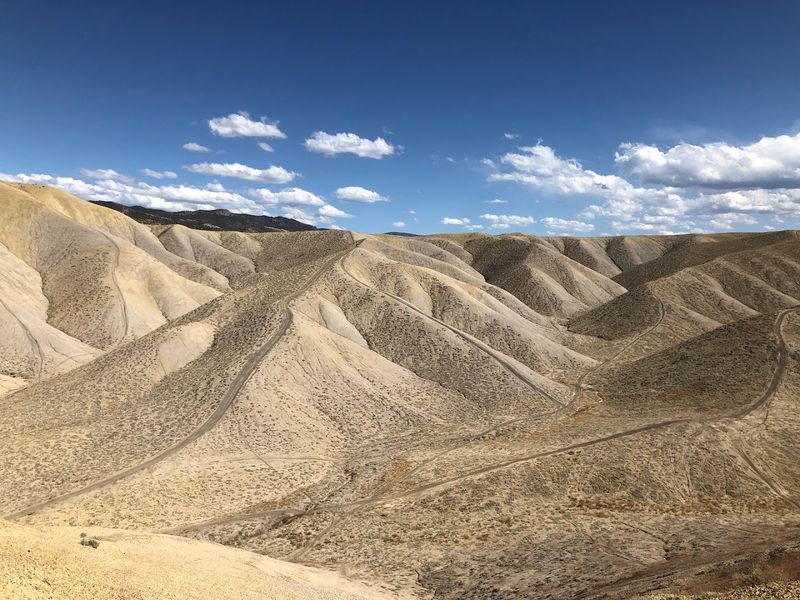
Peach Valley near Olathe, Colorado, is the kind of OHV destination that experienced riders mention quietly among themselves while better-known spots absorb all the social media attention. The Flat Top-Peach Valley area covers more than 2,500 acres of designated open terrain for smaller off-highway vehicles and connects to over 75 miles of multiuse trails.
That is a serious amount of room to move.
Mountain biking, hiking, camping, and skills-course riding round out the options, making Peach Valley genuinely useful for groups with mixed interests. Not everyone in your crew needs to be on a motorized vehicle to have a good time here.
The terrain is varied enough to keep both beginners and experienced riders engaged without either group feeling shortchanged.
Access runs off Falcon Road and Peach Valley Road near Olathe, which keeps the approach straightforward once you know where you are going. I tend to favor destinations that do not require a half-hour of anxious navigation just to find the trailhead, and Peach Valley clears that bar easily.
The surrounding Uncompahgre Plateau landscape adds a visual backdrop that makes even a basic riding day feel like something worth remembering. Combine it with a night of camping and you have a genuinely complete weekend.
12. Attempt The Obstacles At Rangely Rock Crawling Park
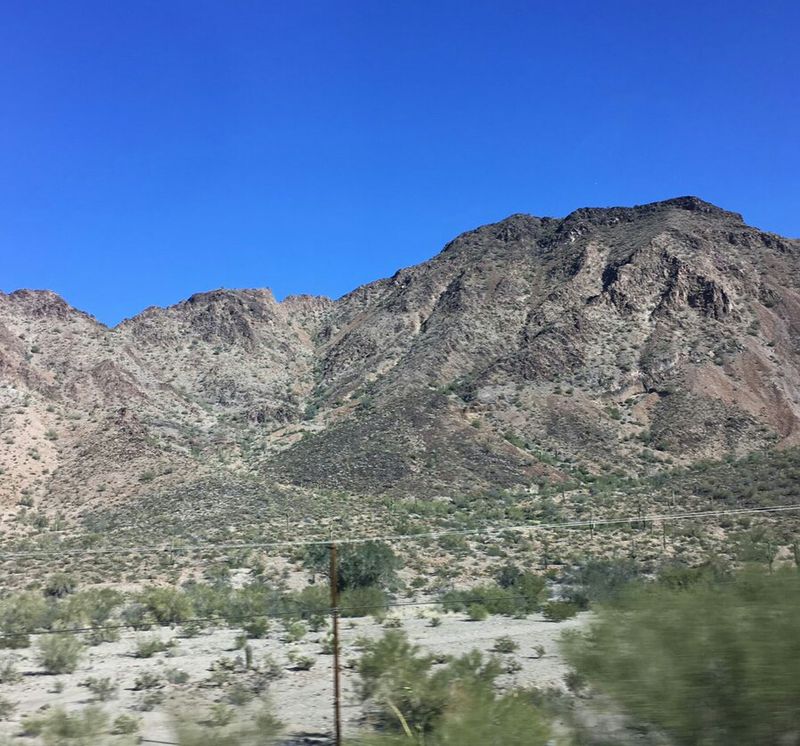
Colorado has exactly one designated natural rock-crawling park, and it sits southwest of Rangely on BLM Road 1072 off County Road 2. The park covers more than 560 acres of natural ledges and technical routes designed specifically for properly equipped four-wheel-drive vehicles.
If you are arriving in a standard passenger car, the park will make that mistake very clear very quickly.
Rock crawling as a discipline requires low-range gearing, lifted suspension, and typically some form of skid plate protection. The natural features at Rangely provide the kind of authentic technical challenge that purpose-built artificial courses cannot fully replicate.
Real rock behaves differently from concrete obstacles, and experienced crawlers consistently seek out natural terrain for exactly that reason.
Rangely itself is a small northwestern Colorado town that does not appear on most adventure travel shortlists, which is part of what makes this park such an interesting find. The surrounding high desert landscape adds to the atmosphere, and the lack of crowds means you can take your time working a difficult line without pressure from a queue behind you.
I find that patience and unhurried problem-solving are central to rock crawling’s appeal, and Rangely’s park supports both qualities better than any crowded venue could.
13. Paddle The Wakeless Water At Pearl Lake
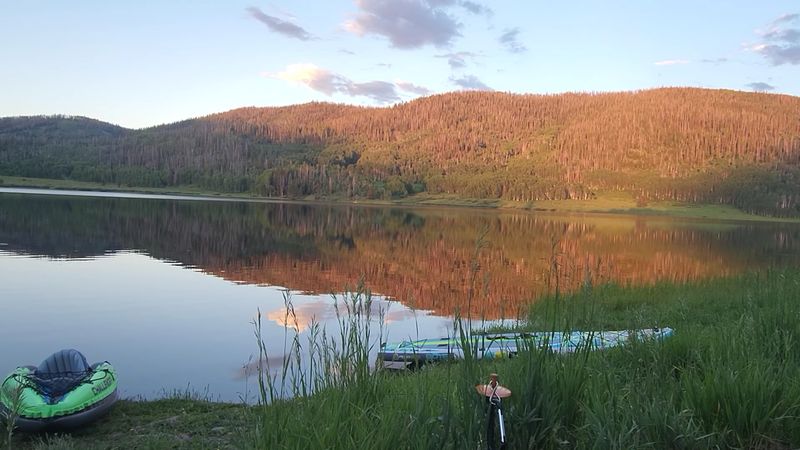
Pearl Lake sits north of Steamboat Springs near Clark, Colorado, and operates under a wakeless boating rule that transforms the entire atmosphere of the place. No motorboats means no engine noise, no wake turbulence, and no competition for space on the water.
Kayaks, canoes, paddleboards, and sailboats move quietly across a surface that reflects the surrounding pine-covered hills with almost photographic clarity.
The park currently reports no closures, though Stage 2 fire restrictions are active, so reviewing current conditions before your visit is straightforward and worthwhile. Swimming is not permitted at Pearl Lake, which may disappoint some visitors but also contributes to the overall calm that makes paddling here feel genuinely restorative rather than recreational in a busy sense.
Steamboat Springs draws consistent crowds to its more famous attractions, but Pearl Lake manages to stay quieter than its proximity to that traffic would suggest. I paddled here on a weekend morning and found only a handful of other boats on the water, which felt almost implausible given how beautiful the setting is.
The combination of mountain scenery, still water, and enforced quiet creates an experience that is harder to find than it should be in Colorado. Arrive early, bring layers, and stay longer than you planned.