
12 Under-The-Radar Things To Do In Colorado That Even Locals May Not Know About
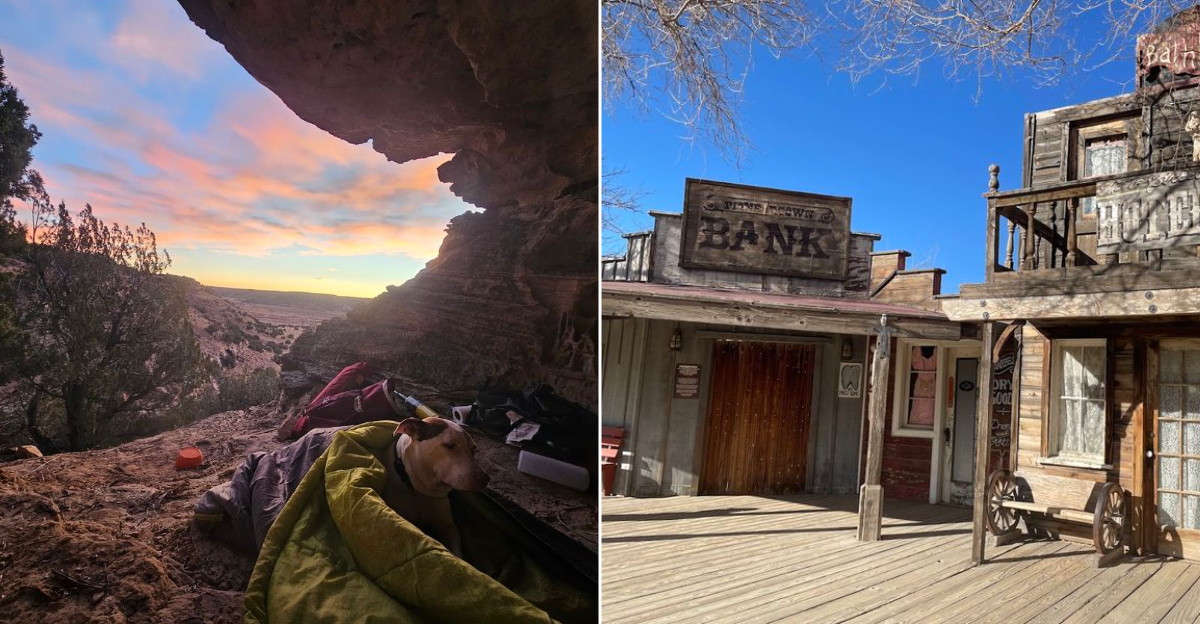
The best road trips are the ones that make you question how something this strange stayed off your radar. Beyond the peaks and crowded trailheads, a different side of Colorado waits in small towns and open country that seem almost completely invented.
One stop can transform your voice inside a towering tank, while another keeps reptiles warm using heat rising naturally from the ground. That is not tourist gimmickry.
It is the kind of wonderful detail that gives a journey personality. Even longtime residents may discover something here that makes them stop and grab the camera.
Pack snacks, leave room for detours, and resist the urge to rush. The most memorable stories are rarely waiting beside the obvious highway exits.
These overlooked oddities across Colorado prove that adventure does not always require a summit, a ski pass, or a famous landmark. Sometimes, it only requires curiosity and a full tank.
Experiment With Sound Inside The TANK Center for Sonic Arts
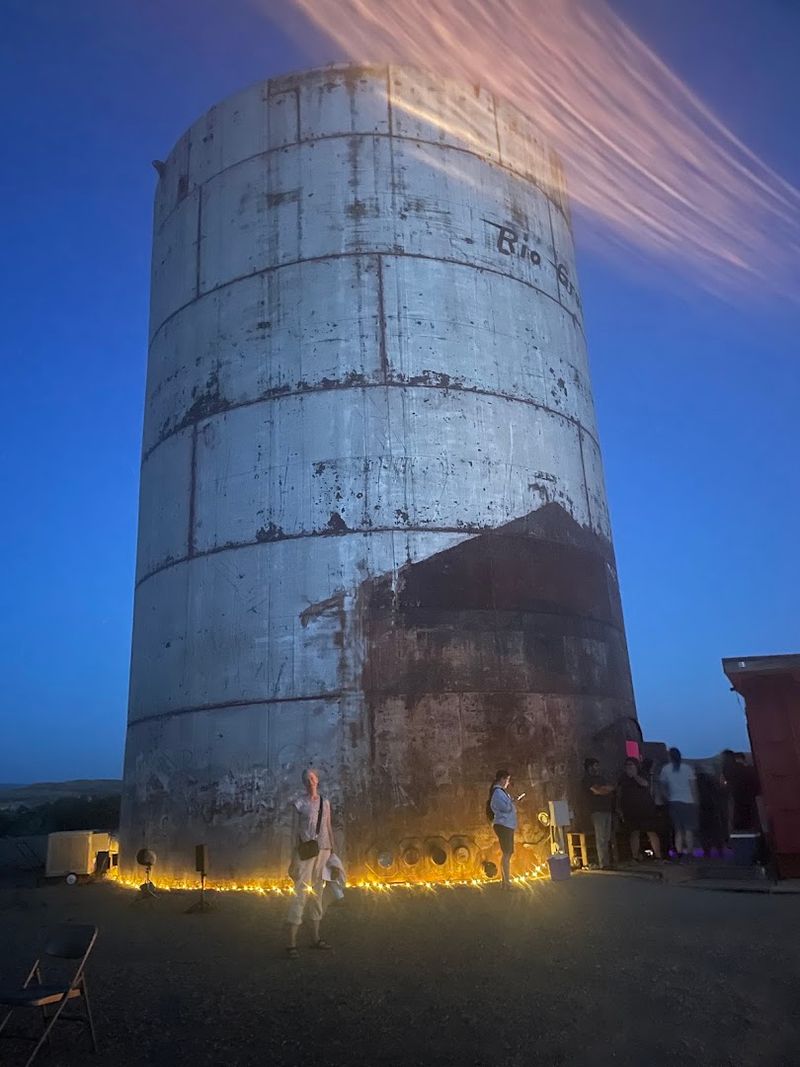
Somewhere outside Rangely, Colorado, there is a rusted steel water tank that turns an ordinary hum into something that sounds like a cathedral choir. The TANK Center for Sonic Arts sits at 233 County Road 46, and it is one of the most genuinely strange and wonderful places in the entire state.
The tank’s curved walls create a reverberation that can last up to 45 seconds, which means even a single clap echoes like a thunderstorm rolling through a canyon.
Free public sessions run on Saturdays from May through October 2026, so the logistics could not be simpler. You do not need to play an instrument or carry a tune.
Just show up, make a sound, and let the tank do the rest.
I walked in expecting a quirky roadside novelty and walked out genuinely moved. There is something about hearing your own voice transformed so completely that it changes how you think about sound itself.
Families, musicians, and curious wanderers all seem to have the same wide-eyed reaction inside. It is free, it is unforgettable, and it is the kind of experience you will describe to friends for years without them fully believing you.
Explore The Museum of Northwest Colorado
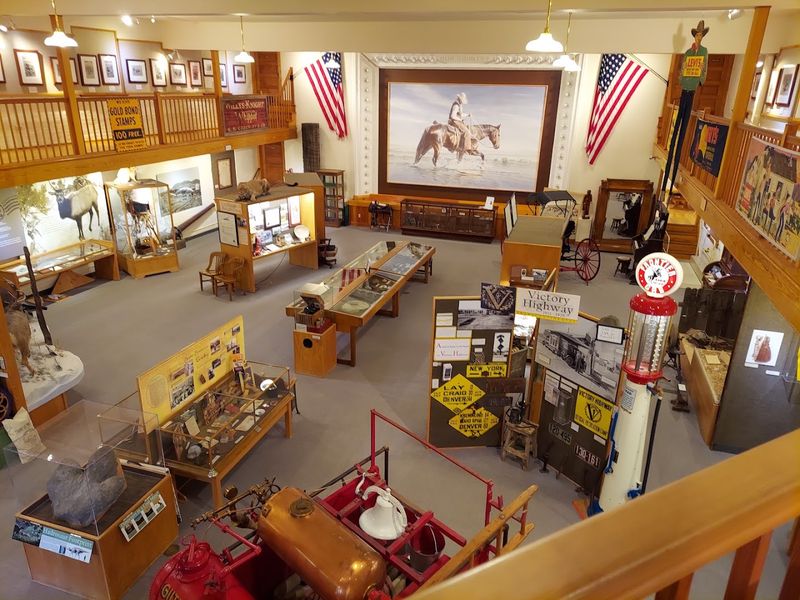
Craig, Colorado does not get nearly enough credit, and the Museum of Northwest Colorado at 590 Yampa Avenue is a big reason that needs to change. Walk through the front door and you are immediately surrounded by one of the most densely packed collections of cowboy gear, historic firearms, fossils, and railroad artifacts you will find anywhere in the West.
The sheer volume of material on display is almost overwhelming in the best possible way.
Admission is free, and the museum is open year-round, which makes it an easy anchor for a road trip through the northwest corner of the state. Photographs and regional memorabilia fill every corner, telling stories of ranchers, miners, and railroad workers who shaped this part of Colorado long before it appeared on any tourist map.
I spent nearly two hours inside without planning to. The cowboy gear collection alone is worth the stop, featuring saddles, spurs, and chaps that look like they were pulled straight from a working ranch last Tuesday.
If you have kids who think history is boring, this place has a genuine shot at changing their minds. It rewards slow, curious visitors who actually read the labels.
Book A Tour Of The Lee Maxwell Washing Machine Museum
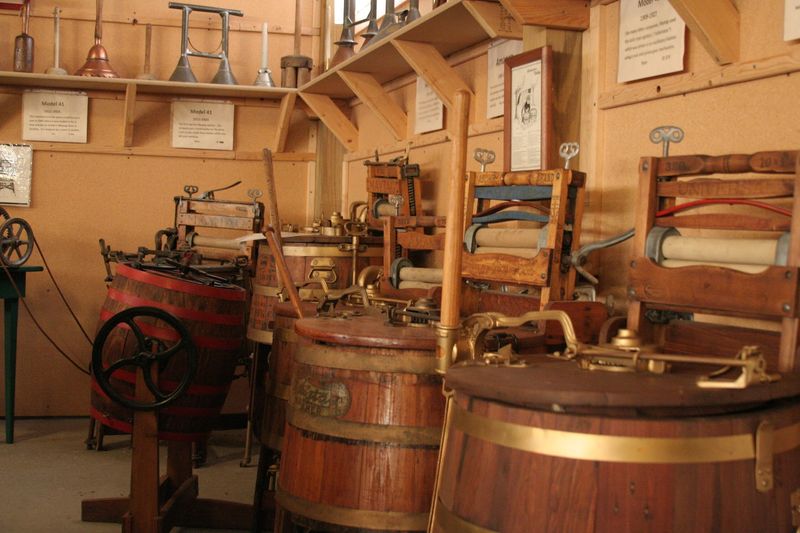
Before you scroll past this one, hear me out: more than 1,400 antique washing machines, all collected by one man, all housed at 35901 County Road 31 in Eaton, Colorado. The Lee Maxwell Washing Machine Museum is the kind of place that sounds like a punchline until you actually visit and find yourself genuinely fascinated by the ingenuity and variety on display.
Hand-cranked, steam-powered, electric, and everything in between, the collection spans over a century of domestic invention.
Visits require a prearranged guided tour, so you will need to plan ahead rather than just showing up. That small extra step is absolutely worth it because the guided format means you actually understand what you are looking at.
The stories behind individual machines, who made them, who used them, and what problem each one was trying to solve, turn a quirky collection into a surprisingly rich slice of American history.
My honest reaction was that I expected to be mildly amused and left genuinely impressed. There is something deeply human about the effort people put into making laundry easier, and this museum captures that ingenuity beautifully.
Bring your curiosity and a camera. You will use both.
Walk Through A Prairie Village At The Overland Trail Museum
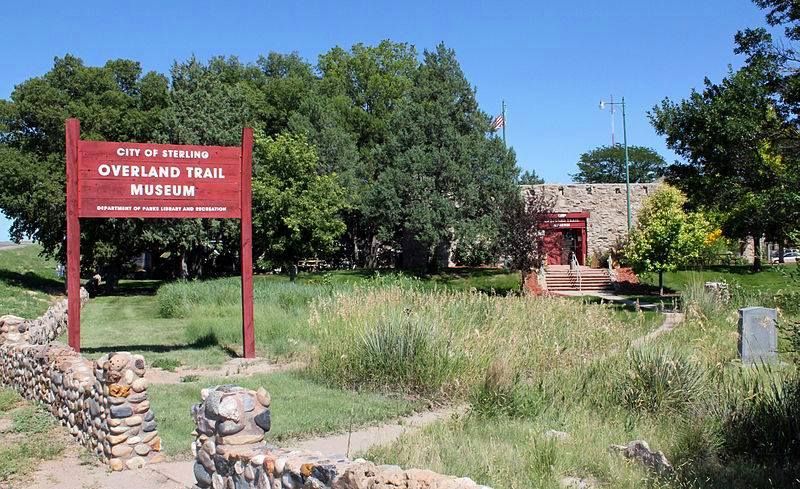
Sterling, Colorado sits in the wide-open northeastern corner of the state, and the Overland Trail Museum at 110 Overland Trail is one of those places that makes the drive feel completely justified. The outdoor village section alone contains a one-room schoolhouse, a church, a blacksmith shop, a general store, a barn, historic homes, and a replica frontier fort.
Walking between them feels less like a museum visit and more like stepping sideways into another century.
The property stays open throughout the year, though hours shift seasonally, so a quick check before you go is a smart move. Families with kids tend to have a particularly good time here because the buildings are tactile and real rather than behind glass.
You can stand in the schoolhouse where children once recited lessons and actually feel the smallness of the space.
What strikes me most about places like this is how they make the abstract idea of frontier life suddenly concrete. The tools in the blacksmith shop are heavy.
The general store shelves are stocked with period goods. Nothing here is pretending.
For anyone road-tripping across eastern Colorado, this is the kind of stop that turns a long drive into something genuinely memorable rather than just miles logged.
Visit Sand Creek Massacre National Historic Site
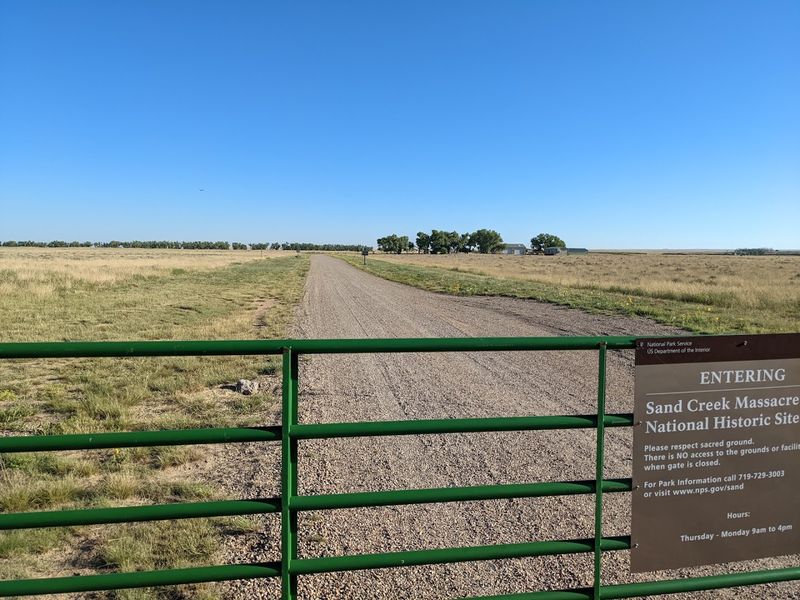
Some places demand quiet, and Sand Creek Massacre National Historic Site at 55411 County Road W in Chivington is one of them. This remote National Park Service site marks the location of the November 1864 attack on a peaceful Cheyenne and Arapaho encampment, one of the darkest episodes in Colorado history.
Walking the trails here carries a weight that no other roadside stop in the state quite replicates.
The visitor contact station operates Thursday through Monday, and the interpretive exhibits do an honest, unflinching job of explaining what happened and why it matters. Rangers are present to answer questions and provide context that deepens the experience considerably.
The landscape itself, flat and windswept and enormous, feels like a participant in the story rather than just a backdrop.
Getting here requires driving well off the main highway, which is part of why so few people make the trip. That remoteness, however, is also what makes the experience so powerful.
There are no crowds, no gift shop noise, no distraction from the gravity of the place. I would recommend it to anyone willing to sit with difficult history rather than look away from it.
Some detours are worth every extra mile.
Take The Picket Wire Canyonlands Guided Auto Tour
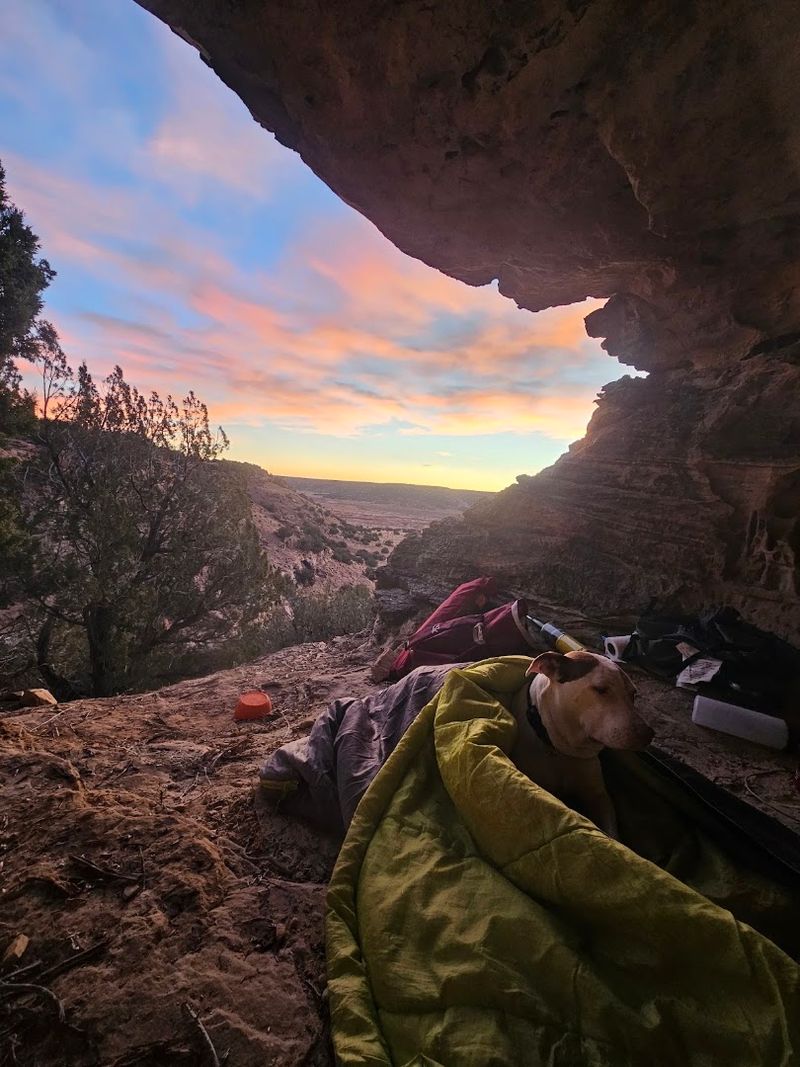
The Picket Wire Canyonlands tour out of La Junta, Colorado is the kind of all-day adventure that sounds almost too good to be true. Departing from 1420 East 3rd Street, this Forest Service excursion takes participants through isolated canyon scenery to visit actual dinosaur tracks, Indigenous rock imagery, and homestead ruins that feel completely frozen in time.
The tracks themselves form one of the largest dinosaur trackways in North America, and seeing them in person is genuinely breathtaking.
Tours run on selected Saturdays in spring and fall, require advance reservations, and require participants to bring a high-clearance four-wheel-drive vehicle. That last requirement filters out casual visitors, which means the groups that do make it tend to be genuinely engaged and the experience stays uncrowded and special.
Plan your vehicle situation early because this is not negotiable terrain.
I cannot overstate how remote and beautiful this canyon feels. There is no cell service, no pavement, and no pretense.
You are simply out there in ancient landscape with evidence of creatures that walked this ground 150 million years ago. Pair the tour with an overnight stay in La Junta and a meal downtown to make the most of the trip.
This one earns every ounce of planning it requires.
Discover Contemporary Art At The Museum of Friends
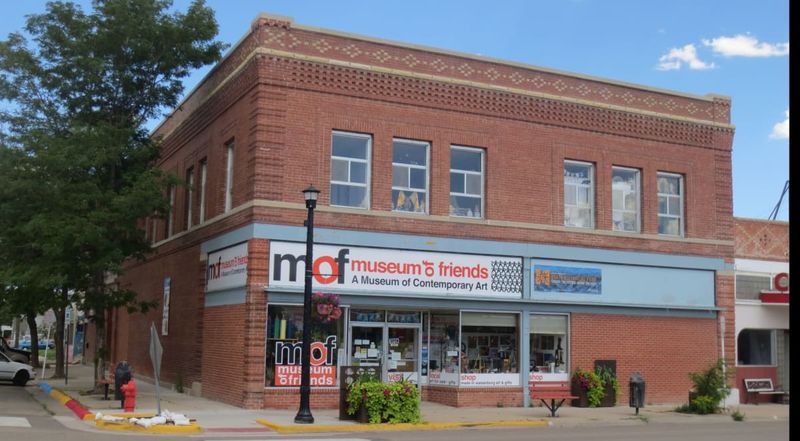
Walsenburg is the kind of small Colorado town that most highway travelers pass through without slowing down, which makes the Museum of Friends at 600 Main Street one of the state’s best-kept cultural secrets. Housed inside a historic downtown building, this independent museum presents contemporary art alongside regional history, rotating exhibitions, hands-on workshops, and locally made goods.
The combination feels lively rather than stuffy, like a gallery that actually wants you to stay awhile.
Currently open Tuesday through Saturday, the museum is accessible and genuinely welcoming to visitors who might not think of themselves as art people. The rotating exhibitions mean repeat visits reward you with something new, and the workshop programming adds a participatory layer that most small-town museums simply do not offer.
Locally made goods available on-site also make it a practical stop for anyone looking for a meaningful souvenir.
What I appreciate most about places like this is the community confidence they represent. Someone in Walsenburg decided their town deserved a serious contemporary art space, and they built one.
That kind of local ambition produces experiences that feel authentic rather than manufactured for tourism. Stop here on your way through southern Colorado and you will leave with a much richer sense of what this region actually looks like from the inside.
Watch Thousands Of Bats Leave The Orient Mine
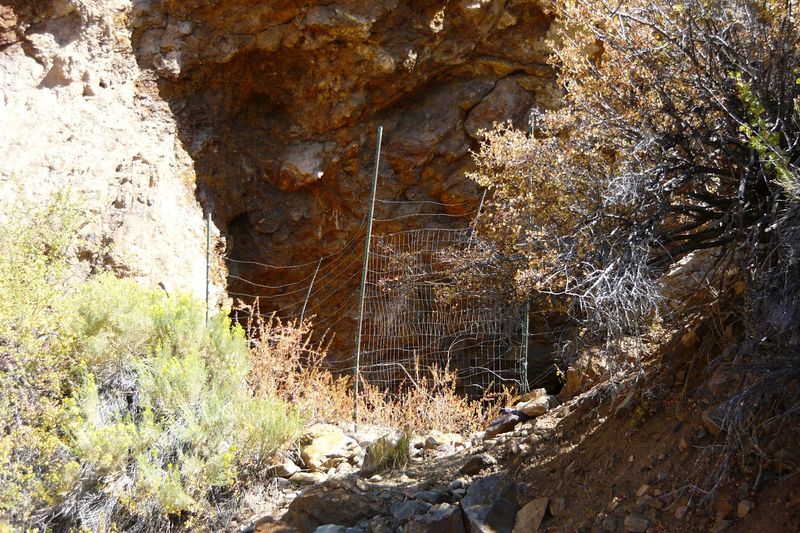
Around dusk on a summer evening near Moffat, Colorado, something extraordinary happens at the Orient Mine. Colorado’s largest colony of migrating Brazilian free-tailed bats pours out of the mine entrance in a swirling, living column that can take several minutes to fully emerge.
Watching it feels like witnessing a natural phenomenon that most people do not even know exists in this state.
Getting there requires a hike of approximately two miles, and permission plus reservations need to be arranged through Orient Land Trust before your visit. The current tour details are best confirmed directly with the Trust, as seasonal schedules can shift.
None of that is particularly difficult, but it does require some advance planning, which is a small price for an experience this genuinely wild.
I have seen a lot of wildlife moments in my years of travel, and bat emergences still rank among the most viscerally exciting. There is something about the sheer number of animals, each one a small, fast shadow against a fading sky, that makes your brain recalibrate its sense of scale.
Bring a headlamp for the return hike, wear layers because the valley cools quickly after sunset, and resist the urge to use flash photography. Just watch.
That is more than enough.
Visit Colorado Gators Reptile Park
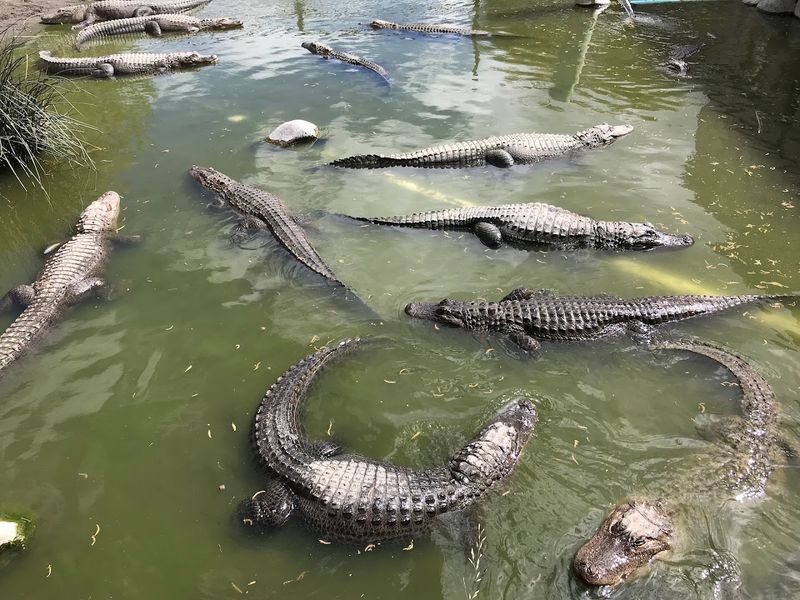
The San Luis Valley is already one of Colorado’s more surreal landscapes, so it feels almost fitting that it is also home to a geothermal reptile rescue park. Colorado Gators at 9162 Lane 9 North in Mosca houses alligators, tortoises, snakes, birds, and a rotating cast of other rescued animals, all kept warm by naturally heated geothermal water.
The setup sounds improbable until you are standing three feet from a very large, very relaxed alligator and reconsidering your life choices.
The park has published daily operating hours for all of 2026, making it easy to plan around. It is legitimately family-friendly in the best chaotic sense: kids tend to lose their minds with excitement, and adults find themselves equally riveted.
The rescue mission behind the park gives every visit a layer of genuine meaning beyond the spectacle.
What I find most compelling about Colorado Gators is how it defies easy categorization. It is not a zoo in the traditional sense, not a theme park, and not quite like anything else you will encounter on a Colorado road trip.
It started as a tilapia farm, the geothermal water attracted the gators, and the rest is wonderfully strange history. Give yourself at least two hours and wear shoes you do not mind getting muddy.
Tour The Creede Underground Mining Museum
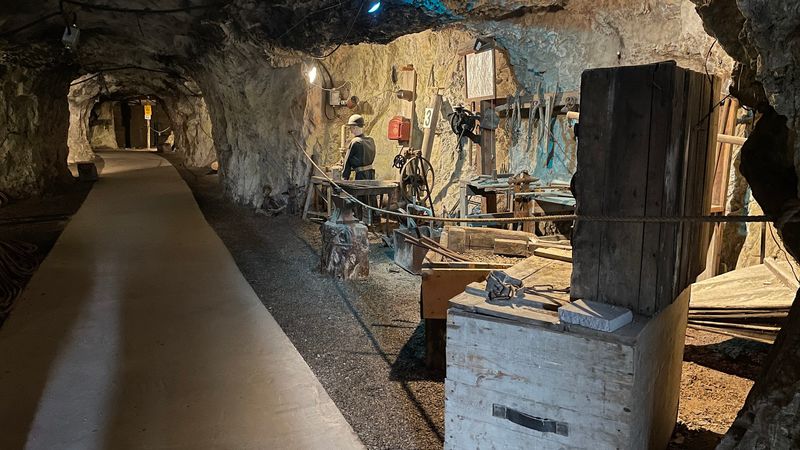
Creede, Colorado already has the dramatic mountain setting and the silver mining history, but the Underground Mining Museum at 9 USFS Road 503 takes things a step further by being literally carved into the mountain. Local miners excavated the museum themselves, creating underground rooms and corridors that now house equipment, exhibits, and stories from the region’s silver boom days.
The result is a museum experience that feels genuinely immersive rather than simply informative.
Audio tours operate year-round, while guided-tour schedules vary by season, so checking ahead before your visit is worthwhile. The audio format works particularly well here because it lets you move at your own pace through the tunnels, pausing wherever the details pull you in.
The craftsmanship of the excavation itself is part of the story: these rooms were built by people who knew exactly what underground work demanded.
I tend to be skeptical of mining museums that rely too heavily on replica equipment and explanatory placards, but Creede sidesteps that trap entirely. The atmosphere does the heavy lifting.
Cool, quiet, and slightly otherworldly, the tunnels put you in a mental space that no above-ground exhibit could replicate. Pair it with a meal in downtown Creede and an evening walk along Willow Creek for a day that checks every box a good mountain trip should.
Explore Ute Mountain Ute Tribal Park With A Ute Guide
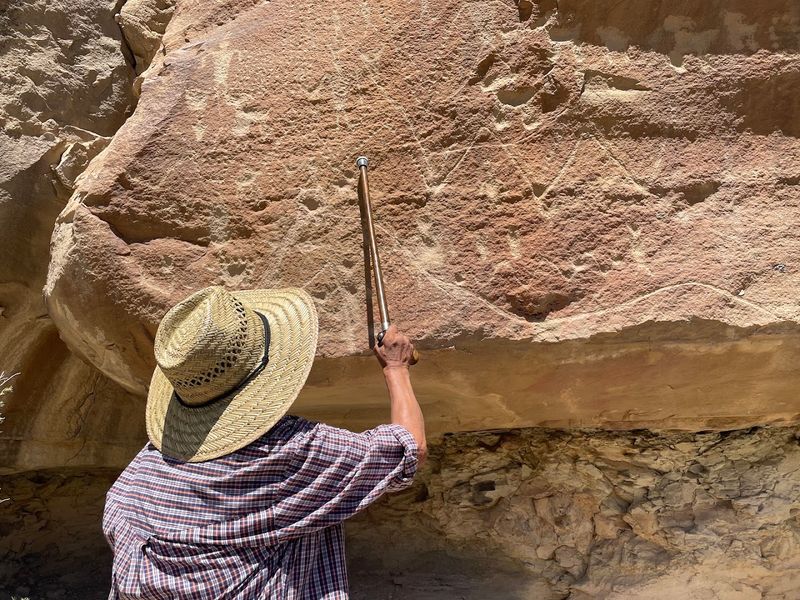
Mesa Verde gets the crowds, but Ute Mountain Ute Tribal Park near Towaoc holds cliff dwellings, petroglyphs, pictographs, and pottery sites that most visitors to southwestern Colorado will never see. Access requires a guided trip with a Ute guide, departing from 480 Sunset Boulevard, and that requirement is not a bureaucratic inconvenience.
It is the entire point. The knowledge and perspective a Ute guide brings to these landscapes transforms what you are looking at from archaeological curiosity into living cultural heritage.
The 2026 season runs from approximately mid-April through October, with reservations required well in advance. The terrain is rugged and the distances are real, so comfortable footwear and water are non-negotiable.
Plan for a full-day commitment and bring a genuine willingness to listen more than talk.
What makes this experience irreplaceable is the access. These canyons are closed to independent visitors, meaning the only way in is with a guide who belongs to this land.
That exclusivity is not about restriction but about respect, and the experience reflects that clearly. I left with a much deeper appreciation for ancestral Puebloan history and for the Ute people who have protected these sites for generations.
If you visit only one place on this entire list, let it be this one.
Wander Through Pioneer Town Museum
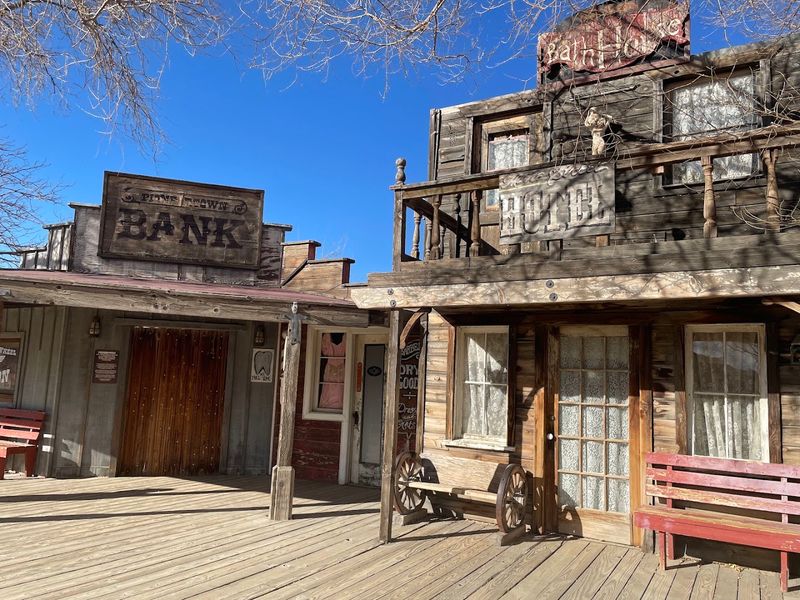
Cedaredge sits on the Grand Mesa’s western slope, and the Pioneer Town Museum at 388 South Grand Mesa Drive is the kind of summer discovery that earns its own category of Colorado road trip stop. More than 20 historic buildings fill the property, including reconstructed businesses, residences, workshops, and community spaces that together sketch a surprisingly complete picture of early Colorado life on the Western Slope.
The scale of the village is genuinely impressive for a town this size.
The current summer schedule runs Wednesday through Sunday, making it a natural anchor for a weekend loop through the Grand Mesa area. The seasonal nature of the site gives it a fresh, cared-for quality that year-round attractions sometimes lose.
Volunteers and local historians are often on hand to add color to what you are seeing, which elevates the experience considerably.
Wandering between the buildings here has a rhythm to it that I find genuinely restorative. There is no pressure to follow a prescribed route or absorb a fixed narrative.
You move at your own pace, peek into doorways, read plaques when you feel like it, and let the place talk to you in its own time. Combine it with a drive across the Grand Mesa afterward and you have one of the most satisfying and underrated day trips in western Colorado.