
10 Under-The-Radar Trips To Take In Michigan In 2026
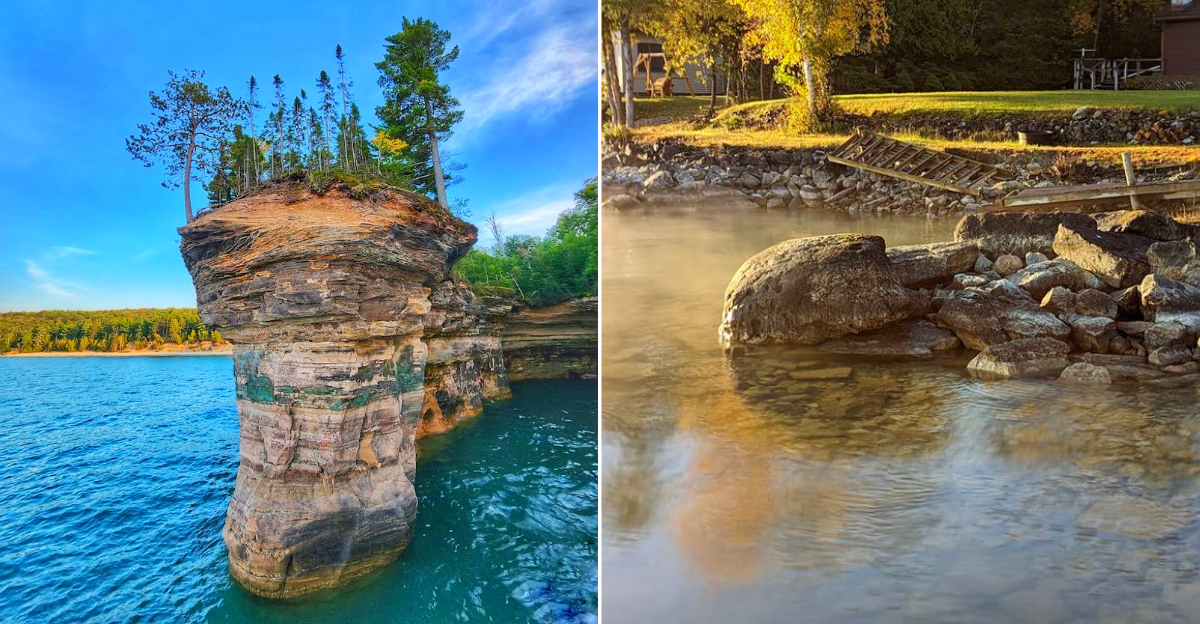
To a true Michigander, our state is a living, breathing masterpiece that gets under your fingernails and into your soul.
I’ve spent my life chasing the scent of damp cedar after a thunderstorm and listening to the rhythmic sigh of the Great Lakes, waters so vast and temperamental they make the word “lake” feel like a massive understatement.
Beyond the shiny postcards, there’s a grit and grace here found in shipwrecks resting in icy silence and front-porch towns that treat a stranger like a long-lost cousin. It’s a place of deep, layered history and forests with a secret energy only the unhurried can hear.
Exploring Michigan’s hidden gems offers an authentic Midwest travel experience, featuring historic shipwreck tours, pristine coastal forests, and charming small towns along the Great Lakes.
If you love this state from the bottom of your heart like I do, you know the best moments are the ones you can’t quite capture on a screen.
10. Thunder Bay National Marine Sanctuary
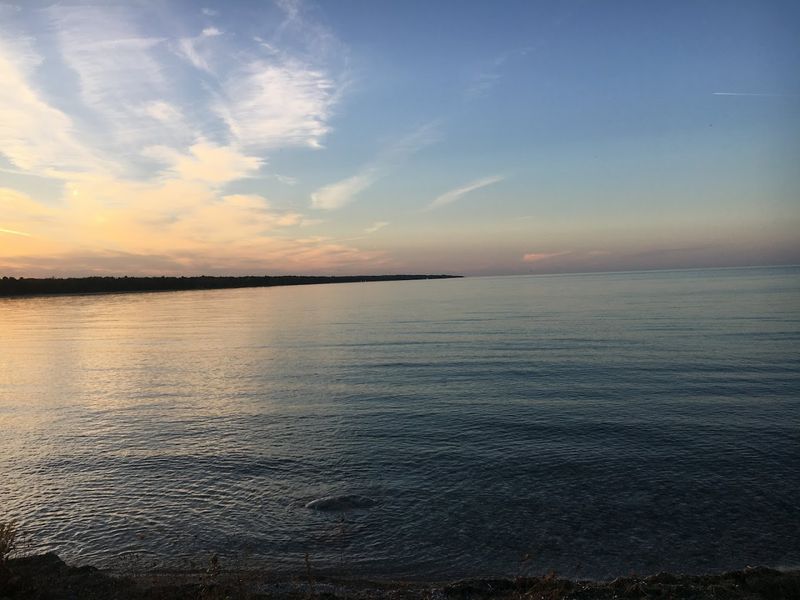
There is something hauntingly beautiful about the way cold, clear water lets the ribs of an old shipwreck appear like ghostly scaffolds beneath your kayak. At the Thunder Bay National Marine Sanctuary, the past is not buried, it is preserved in a liquid vault.
This sanctuary protects dozens of 19th and 20th-century vessels, each with a tidy, often tragic backstory cataloged by Alpena’s Great Lakes Maritime Heritage Center. On rare calm mornings, when Lake Huron looks polished like a mirror, gulls monitor the surface like fussy archivists guarding a secret library.
The history here is immensely practical, told through weathered timber hulls, rusted iron fastenings, and old weather logs that read like terse, heartbreaking poetry. If you are not keen on paddling, the Lady Michigan glass-bottom boat tours make underwater archaeology accessible without a wetsuit.
It is a good idea to bring a windbreaker, even in July, because the lake creates its own microclimate and can turn chilly fast. Always check marine forecasts before heading out, Huron can go from glassy to grumpy in minutes.
9. Fayette Historic State Park
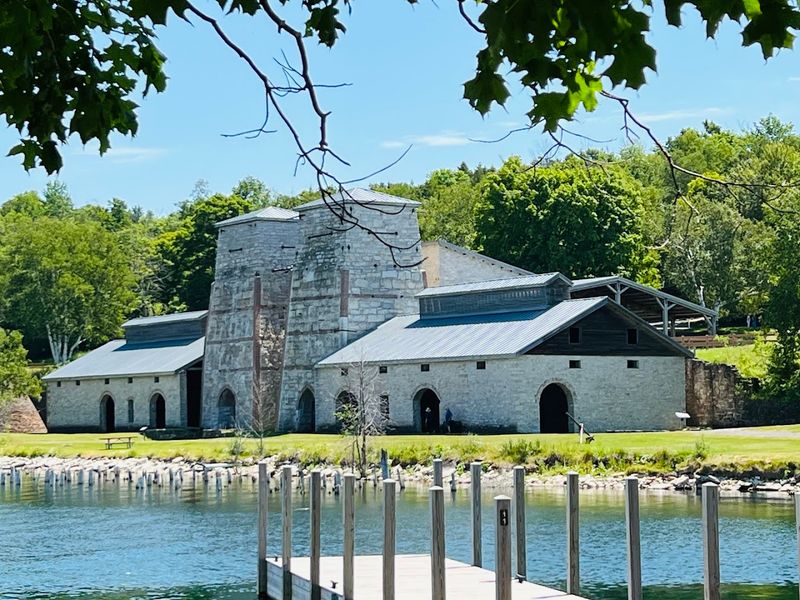
Walking into Fayette Historic State Park feels like stepping into a dream of an industrial past that the forest is slowly trying to reclaim. Massive limestone kilns and charcoal iron furnaces stand like patient, silent teachers along the curve of Snail Shell Harbor.
This former company town, active from 1867 to 1891, features neatly preserved homes, a majestic hotel, and a machine shop that explains exactly how pig iron fueled the American industrial moment. Lake Michigan sits in the harbor looking improbably turquoise against stark gray dolomite cliffs.
Local guides talk about blast temperatures, ore sources, and punishing labor rhythms without an ounce of unnecessary romance. The restoration favors historical accuracy over cheap nostalgia, and the town’s original grid still organizes your steps.
As you move from the company store to the workers’ quarters, the layout makes the history feel practical and lived-in. If you have the energy, the trails climb to cliff overlooks where swallows draw frantic cursive in the wind.
From up there, you get a bird’s-eye view of the ghost town below. To truly soak in the atmosphere, arrive early before the bus groups, because morning silence makes the history feel much closer.
8. Drummond Island
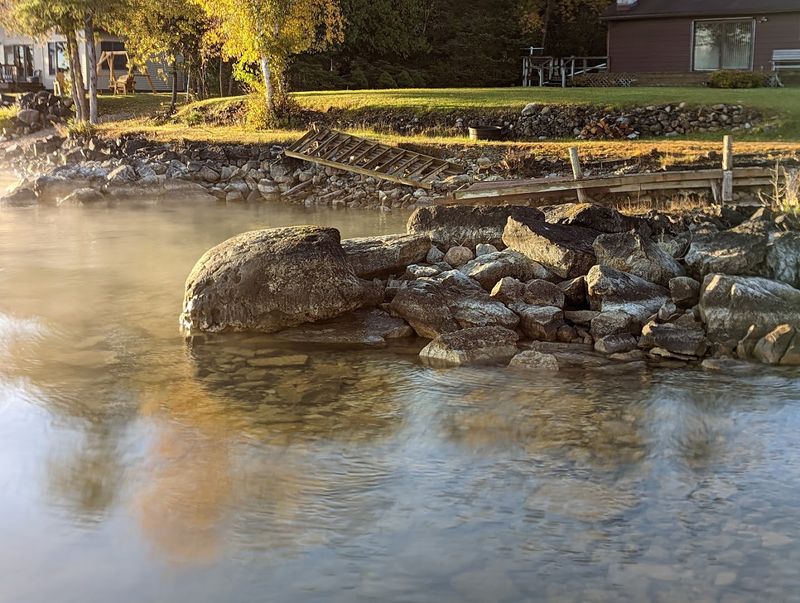
The first thing you notice after stepping off the ferry is the rhythmic crunch of limestone under your boots on the alvar, a rare, globally significant flatbed of rock studded with tiny resilient wildflowers. Drummond Island feels remote and welcoming at the same time.
Reached by a short scenic ferry ride from DeTour, it offers rugged ORV routes, quiet bays for paddling, and dense cedar forests. It is a choose-your-own-tempo destination for anyone who wants to disappear for a few days.
History here hides in plain sight. Look closely and you may find old logging traces and even the footprint of a Cold War-era missile site near the Maxton Plains.
The locals are the island’s heartbeat, often swapping fishing updates at the general store in a precise weather-beaten shorthand that only comes from island time. Trails thread around hidden beaver ponds that glint like spilled coins in the afternoon sun.
Those trails offer quiet refuge for birdwatchers and daydreamers alike. A word to the wise, bring high-quality bug spray if you visit in June, and pack patience for the winding gravel roads across the interior.
7. Keweenaw Peninsula
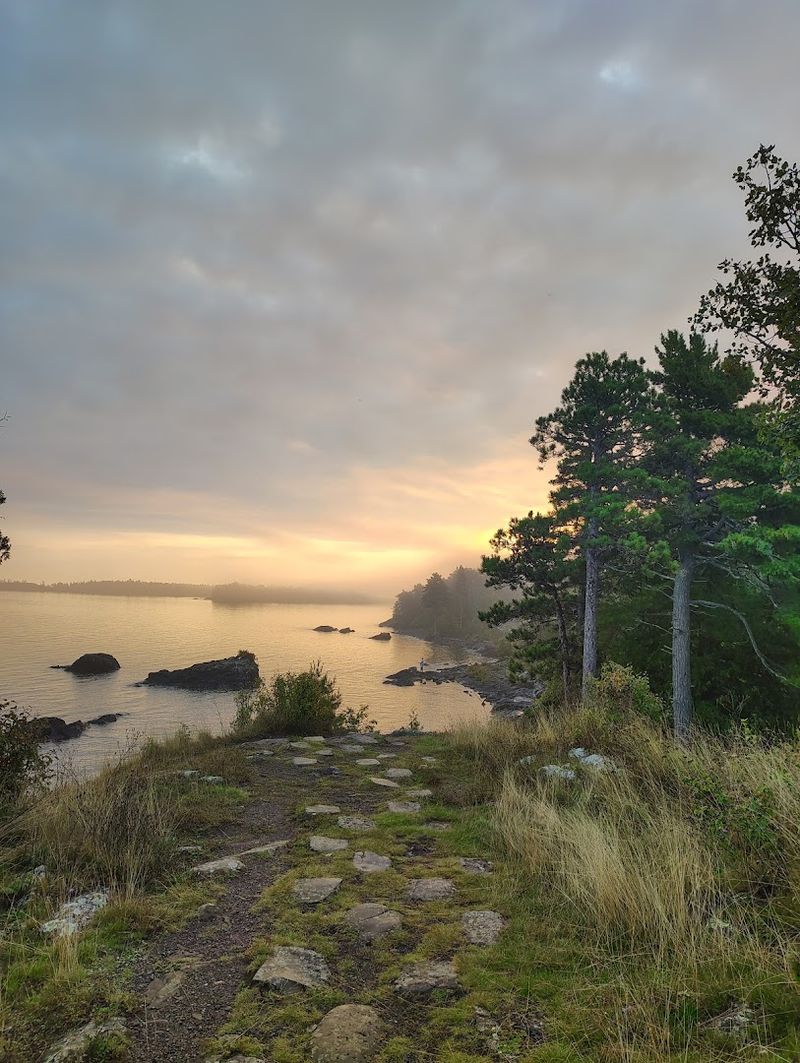
Up here, the wind slides off Lake Superior with a sharpened edge, ringing old copper stories through skeletal stamp mills and towering headframes. A Quincy Mine tour takes you deep underground, where water droplets ping like metronomes on narrow-gauge rails.
The air smells of cold earth and old iron. In Calumet, magnificent red sandstone blocks hold union histories and architectural flourishes that refused to fade after the copper boom went bust.
Preservation in this region is collaborative, tied together by the Keweenaw National Historical Park network of heritage sites. You can spend days tracing the journey of ore from the dark harbor depths to the halls where labor laws were forged.
You can do all of that without ever feeling rushed. Meanwhile, wild beaches at Eagle River unfurl beside thundering falls, reminding you that nature always has the final word in the Upper Peninsula.
Summer sunsets seem to stretch forever, painting the sky violet and orange, but snow owns the calendar for most months. Pack layers and respect lake forecasts, because Superior changes moods quickly.
6. Palms Book State Park
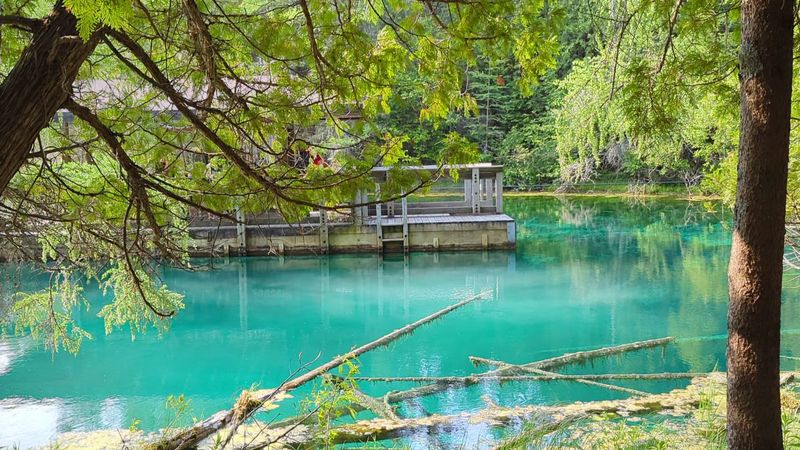
The spring at Palms Book State Park looks almost unreal, like an emerald bowl where white sand boils rise from the bottom like slow-motion fireworks. Locally known by its Indigenous name, Kitch-iti-kipi, this Big Spring is a geological marvel.
A self-propelled raft lets you glide over forty feet of crystalline clarity. Large trout hover in the depths like silent punctuation marks in water that stays a steady shivering 45 degrees year-round.
The viewing raft is a charming piece of simple engineering, a hand-cranked platform with a central viewing well that lets everyone peer straight down. Interpretive signs along the banks keep the folklore grounded and the geology precise.
They explain the massive flow of water that feeds the pool without overwhelming the experience. The surrounding cedar fringe smells sharp and fresh, especially after a heavy rain, and the whole place can feel almost prehistoric.
For the best experience, go very early or later in the evening to avoid peak lines. Please resist throwing coins into the water, the spring is a delicate ecosystem that does not need pocket change.
5. Tahquamenon Falls State Park
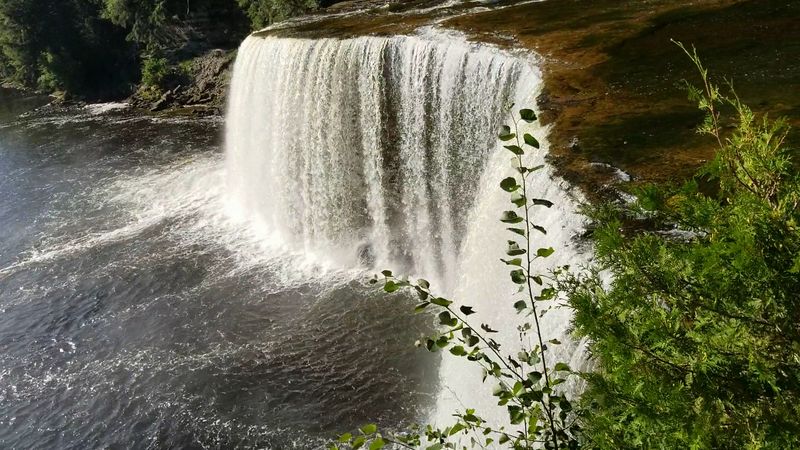
In early morning, mist lifts off the river like a slow stage curtain, revealing the Upper Tahquamenon Falls as amber-colored water does its steady thunderous work over the basalt ledge. The root-beer color comes from tannins leached from cedar and hemlock swamps.
That tannin-rich flow steeps the falls in warm tea colors that photograph warmer than they feel on your skin. The park’s well-maintained boardwalks make viewing easy without dulling the raw power of the river.
The landscape reflects careful management, with CCC-era routes and modern upgrades telling a story of public access built with restraint. For a bit of modern comfort, the park brewery near the Upper Falls adds a friendly chapter to the visit.
Massive hemlocks along the riverbanks have a way of hushing the world. Your voice naturally softens as you get closer to the water’s edge.
If you have time, rowing a rental boat at the Lower Falls to reach the island trail gives a much more intimate perspective. During spring runoff, the falls roar with deafening intensity, while winter turns mist into lace-like ice on nearby trees.
4. Porcupine Mountains Wilderness State Park
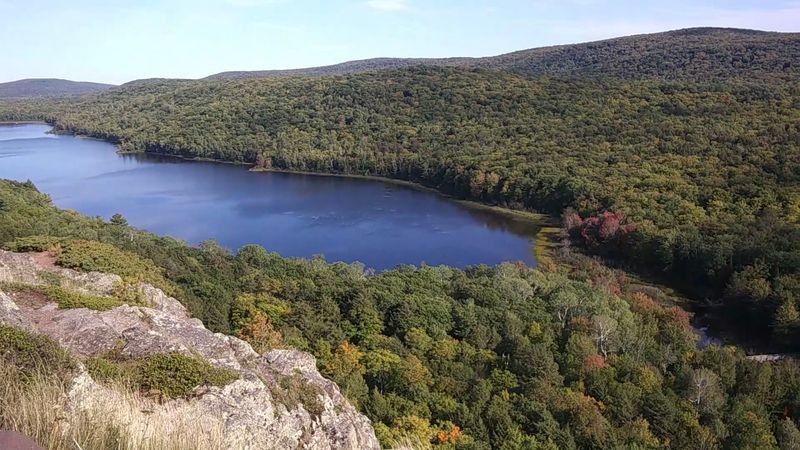
Up in the Porkies, a constant breeze combs through one of the largest stands of old-growth hardwood forest left in the Midwest. Below the high ridges, the Lake of the Clouds sits like a spilled mirror, reflecting the sky so cleanly it can scramble your sense of direction.
This park keeps its scale honest. There are no shortcuts, only long trails, rustic backcountry cabins, and a dark sky that feels like a hard-earned reward if you stay overnight.
The preservation philosophy balances hiker impact with sturdy essential infrastructure, a lesson written in weathered boardwalk planks and stone cairns marking the way. You can almost feel mining ghosts in the place names and moss-covered foundations of abandoned camps.
When a storm rolls in off Lake Superior, you can hear the big water booming against the shore even when you are miles inland. Map skills and a good compass matter if you plan longer backcountry loops.
Weather can intensify quickly, and early summer blackflies will test your resolve. The views are worth the itch.
When the sun goes down and stars punch through the darkness, conversations tend to stop mid-sentence as everyone looks up. Nobody ever seems to mind the pause.
3. Isle Royale National Park
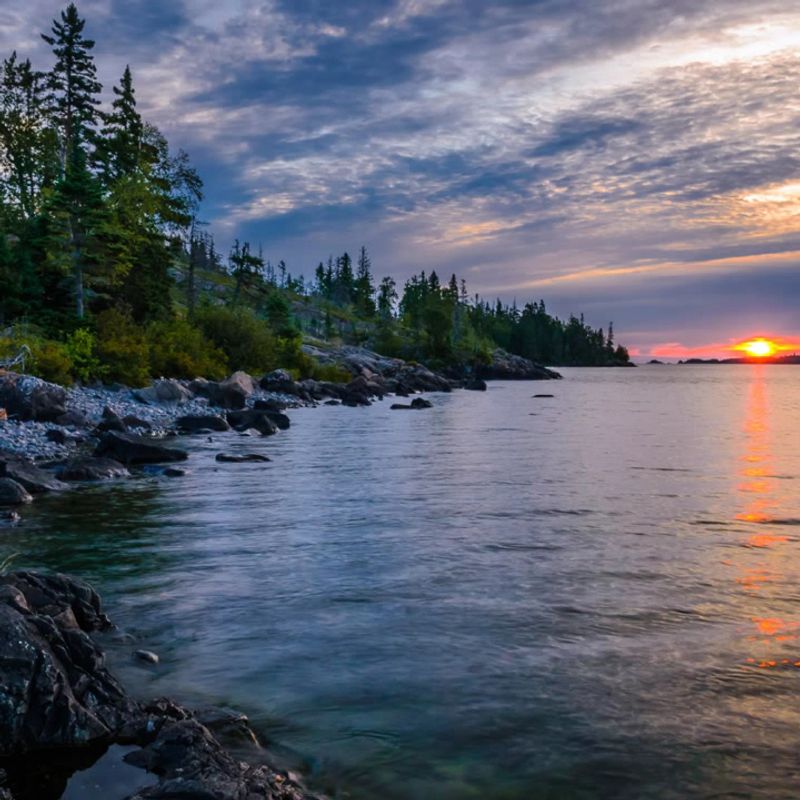
Silence has a physical texture on Isle Royale, broken only by haunting loon calls folding the island into evening. This is not a place you visit on a whim, it asks for commitment through a long ferry ride or a tossing seaplane journey.
The rewards are unmatched, quartzite ridges, fresh moose tracks in mud, and patient trails following the island’s ancient spine. Campsites here feel like small sacred promises kept by water and wind.
The decades-long wolf and moose research supports a living science story that rangers often share at Rock Harbor evening programs. Historic lighthouses stitch together a maritime history along routes that are as brutal as they are beautiful.
Park rangers speak plainly and passionately about Leave No Trace, and you can see that philosophy in how pristine the wilderness remains despite the park’s popularity with backpackers.
Book transport months ahead, and pack for bone-chilling cold even in August. Navigation is relatively simple, but distances stretch as rugged terrain slows your pace.
I found island time was best measured by how long a camp stove took to boil and by berry stains on my fingers. It felt exactly right, a world away from mainland clocks.
2. Pictured Rocks National Lakeshore
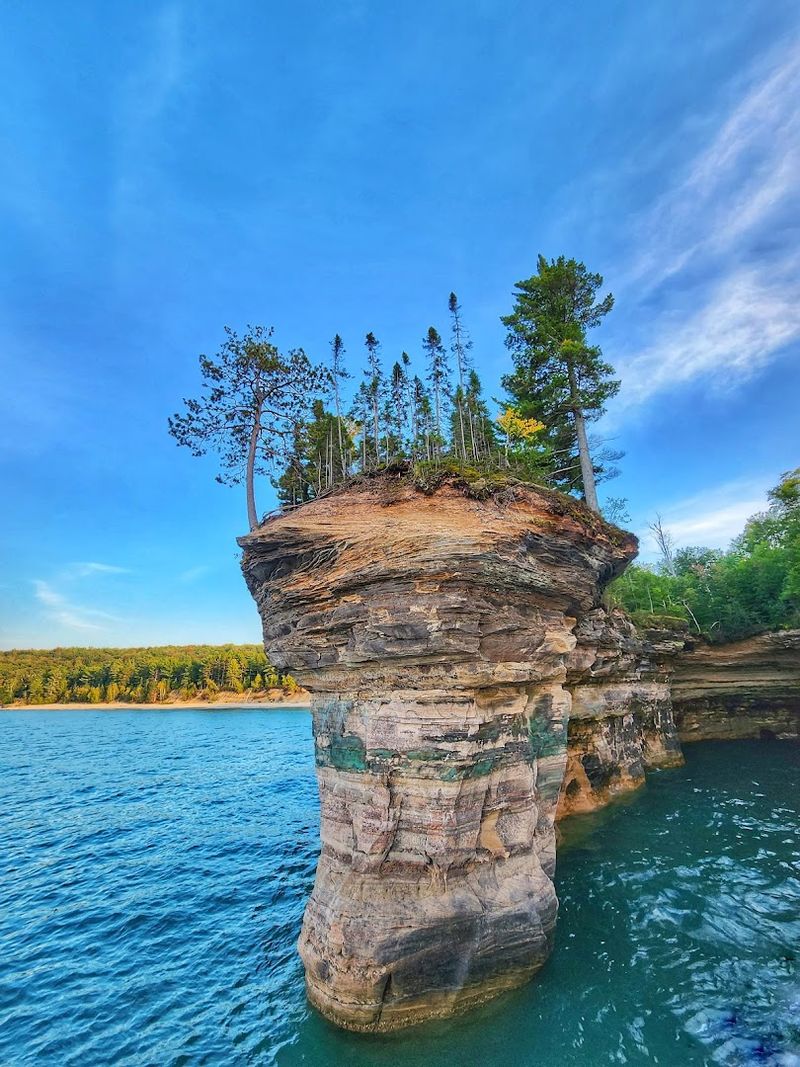
Color runs riot at Pictured Rocks, with iron reds, manganese blacks, and copper greens stained into towering sandstone walls that whistle under the force of the waves. Kayaks slip like needles through sea caves and beneath stone arches.
Cruise boats read the cliff history aloud for first-timers, while Chapel Rock remains the undeniable star, clutching its lone resilient pine with roots arched like a disciplined acrobat over empty space. The scene feels cinematic from almost every angle.
The geology reads like a self-delivered lecture in layers, shaped over eons by frost, surge, and time. Park stewards manage crowds well with reservations and clear trail signage that make the place easier to enjoy responsibly.
Beaches like Twelvemile Beach can shift mood instantly with Superior’s temperature swings, tropical one minute, frigid reminder of the north the next. That volatility is part of the place’s strange power.
Book paddle tours as early as possible in the season. If you want more solitude, hike the Mosquito and Chapel loops for views that rival the main overlooks with far fewer people. Always carry a dry layer, no matter the season.
1. Sleeping Bear Dunes National Lakeshore
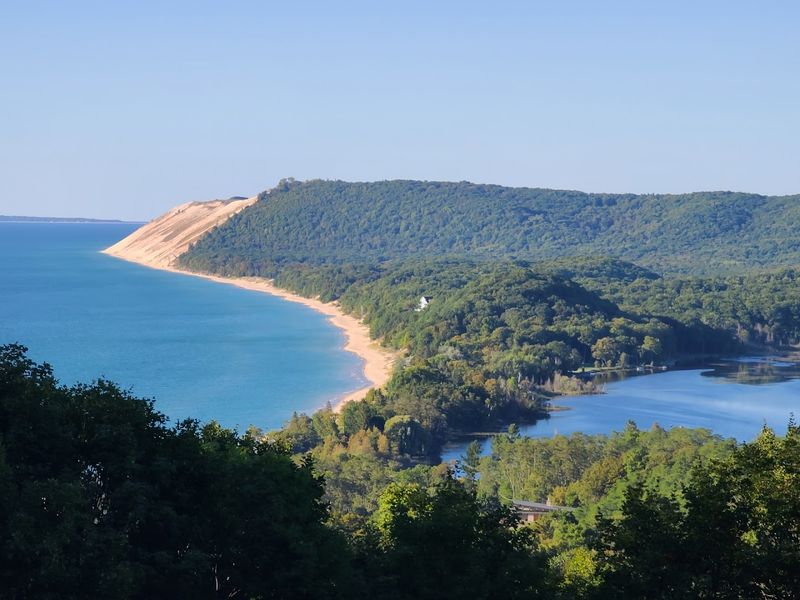
At Sleeping Bear Dunes, the sand sings a dry rhythmic squeak underfoot as you climb, while Lake Michigan spreads below in a blue that feels like a solemn promise. The dune faces look soft from a distance, but the slopes demand both calf strength and common sense.
In Glen Haven, the old cannery and blacksmith shop anchor the scenery with workaday maritime history. That contrast between giant landscape and practical history is part of what makes the place feel complete.
Preservation here is practical and beautiful, with rerouted trails protecting fragile marram grass and strategic overlooks guiding the urge to scramble everywhere. The Pierce Stocking Scenic Drive turns each stop into a courteous cinematic reveal.
No trip feels complete without a stop at a roadside cherry stand. It is a ritual that needs almost nothing, just a few dollars and appreciation for the harvest.
Unless you are in peak condition and have hours to spare, skip the full descent to the lake from the Dune Climb. The return is a punishing vertical slog through loose sand. Wait for evening light instead, it is kinder to photos and to your temper.