
11 Underrated Illinois Destinations To Explore In 2026
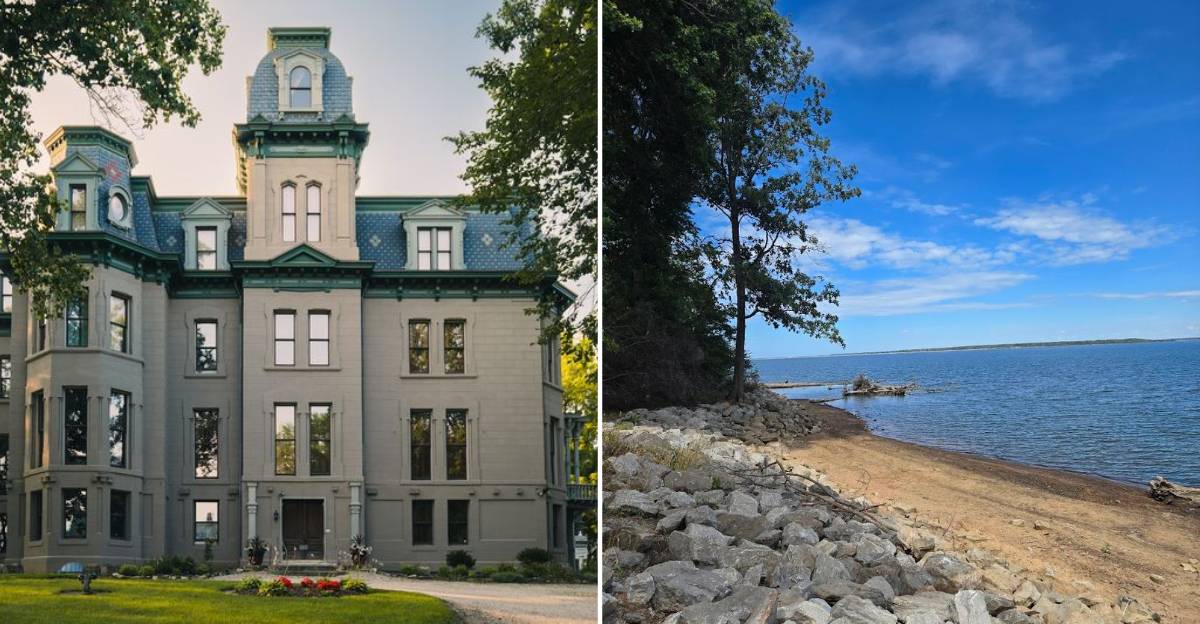
Illinois has a way of surprising you, even if you think you already know it. Sure, there’s Chicago’s skyline and the whole Route 66 nostalgia, but once you start looking a little deeper, a completely different side of the state shows up.
You’ll find ancient earthworks, quiet lakes, stretches of swamp that feel almost southern, and small historic places most people never think to visit. Spending time exploring these spots really changes how Illinois feels.
It’s more varied, more interesting, and honestly a lot less predictable than it gets credit for. This list pulls together eleven places that don’t get nearly enough attention, each one offering something a little different and worth going out of your way to see.
1. Cache River State Natural Area, Belknap/Karnak Area
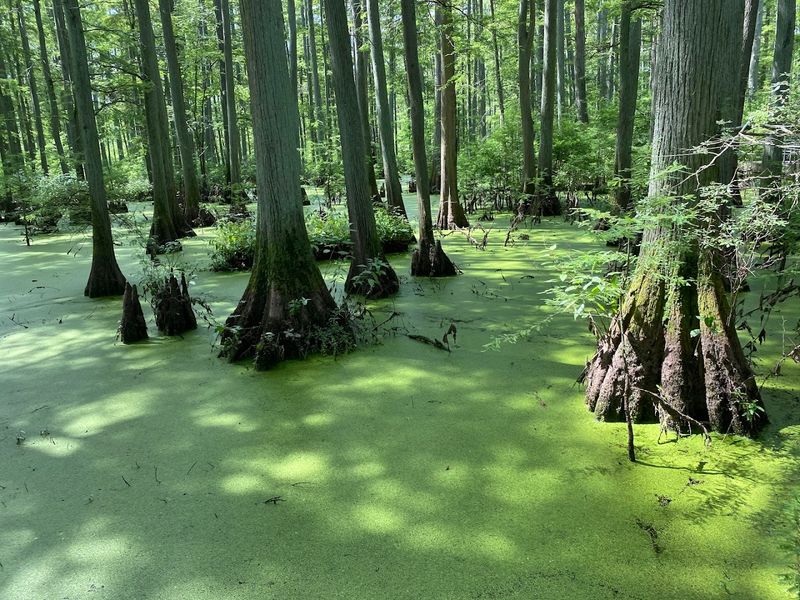
Southern Illinois holds one of the most unexpected landscapes in the entire Midwest, and Cache River State Natural Area near Belknap and Karnak is proof of that.
Ancient bald cypress trees rise dramatically from dark, mirror-still water, creating a scene that feels more like Louisiana than Illinois. Some of these trees are over 1,000 years old, making them among the oldest living things in the state.
The area is a designated wetland of international importance under the Ramsar Convention, which is a pretty impressive credential for a place most people have never heard of. Boardwalk trails make exploring the swamp accessible without getting your boots soaked.
Birdwatchers will find it especially rewarding, since the wetlands attract herons, wood ducks, and migratory songbirds throughout the year.
Spring is widely considered the best time to visit, when wildflowers bloom along the forest floor and water levels are at their most dramatic.
The Cache River State Natural Area is free to enter, making it one of the most affordable natural wonders in Illinois. Pack bug spray and a camera, because this place earns every photo.
2. Dixon Springs State Park, Golconda
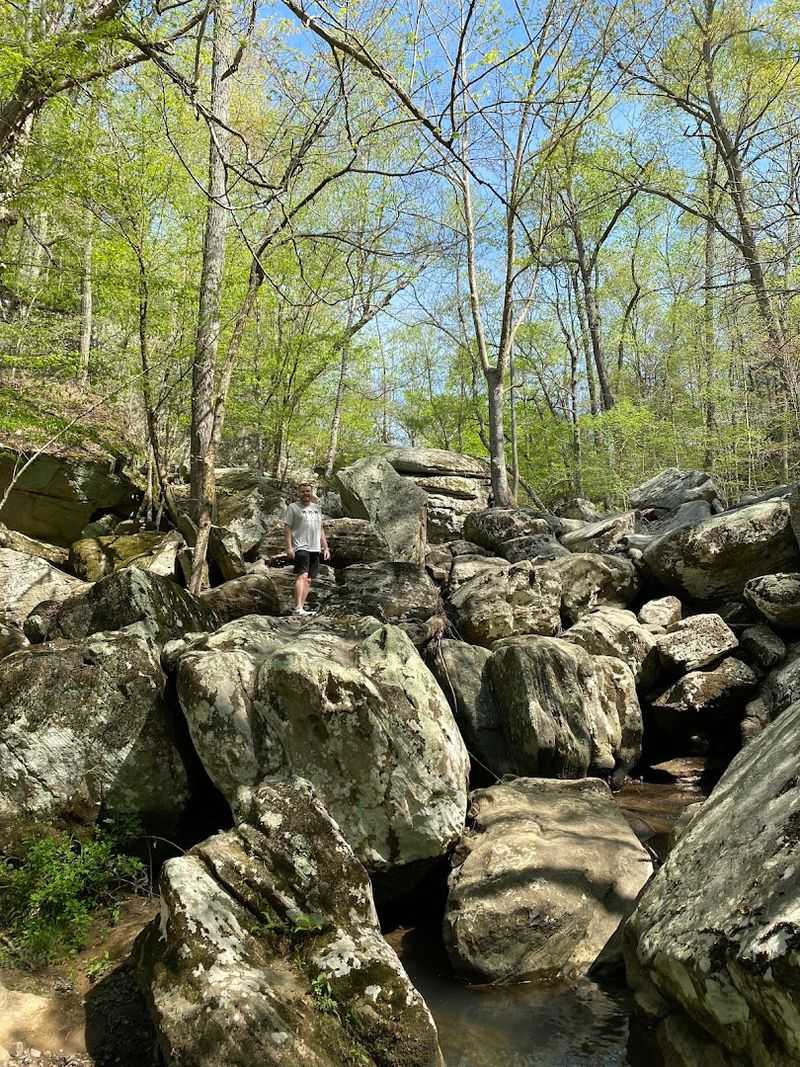
Few places in Illinois feel as geologically dramatic as Dixon Springs State Park near Golconda in Pope County.
Massive sandstone boulders, narrow canyon passages, and natural swimming areas make this park feel more like a scene from the Ozarks than the typical flat prairie most people associate with Illinois. The park sits in the Shawnee Hills region, which is already one of the state’s most scenic corners.
The park’s swimming pool draws families during summer, but the real appeal is the hiking through jumbled rock formations that create natural shelters and shaded passages.
History adds another layer here, as the park sits in a region associated with the Cherokee Trail of Tears, giving the area a broader and somber cultural context.
Camping is available on-site, which means you can stick around after the day-trippers leave and enjoy the park in genuine quiet. Golconda itself is a charming small town on the Ohio River worth exploring before or after your visit.
Dixon Springs rewards visitors who take their time rather than rushing through, so plan for at least half a day to fully appreciate what this corner of Illinois has to offer.
3. Apple River Canyon State Park, Apple River
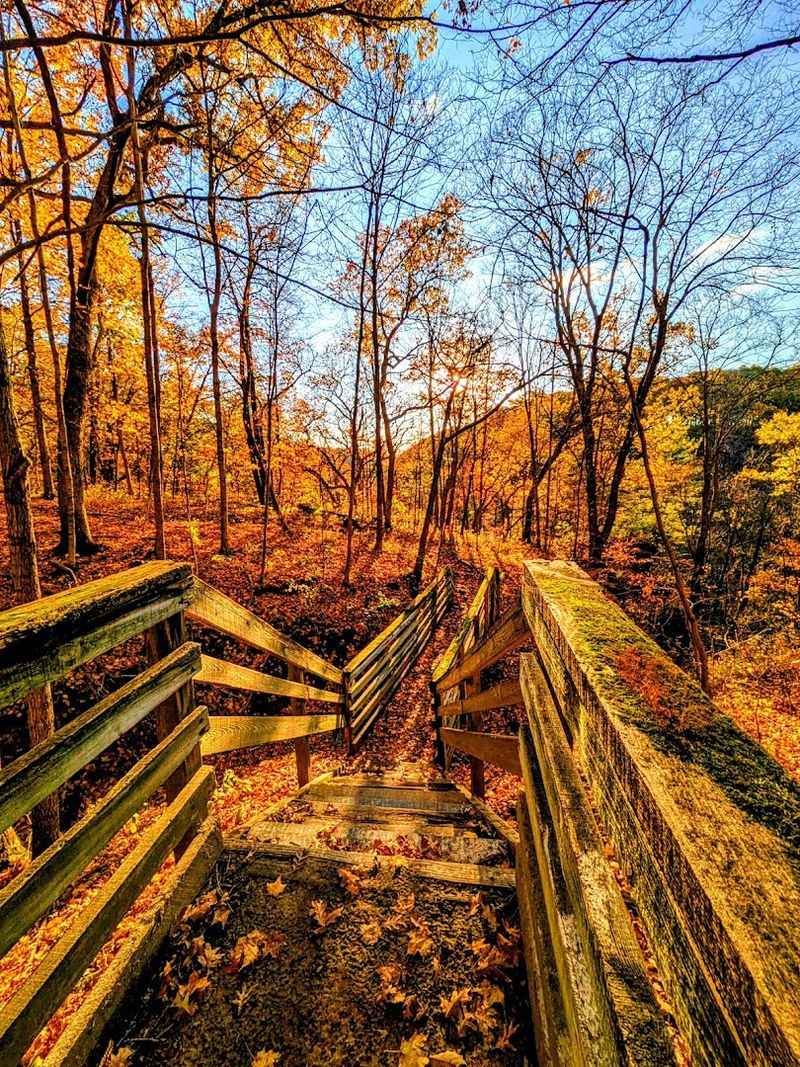
Northwest Illinois surprises visitors who expect nothing but cornfields, and Apple River Canyon State Park near the village of Apple River is the best argument for making the detour.
The park features a deep limestone canyon carved by the Apple River, with forested ridges, dramatic overlooks, and trails that wind along both the canyon rim and the valley floor below.
The geology here is part of what geographers call the Driftless Area, a region that was largely bypassed by glaciers during the last ice age. That means the landscape has a rugged, ancient character that feels distinctly different from the rest of Illinois.
White-tailed deer, wild turkeys, and a variety of native wildflowers are common sights along the trails in spring and early summer.
Fall is arguably the most spectacular time to visit, when the hardwood forests along the canyon walls turn brilliant shades of orange, red, and gold. The campground fills up quickly on autumn weekends, so reserving a spot in advance is a smart move.
Apple River Canyon is proof that Illinois has genuine topographic drama if you know where to look, and this park delivers that drama in full.
4. Bishop Hill State Historic Site, Bishop Hill
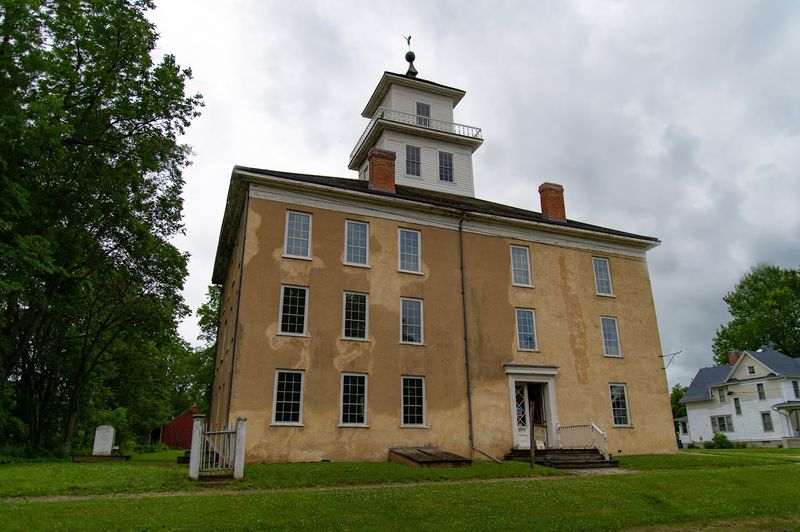
Bishop Hill is one of those places that genuinely stops you in your tracks the moment you realize what you are looking at.
This small village in Henry County was founded in 1846 by Swedish religious dissenters who left their homeland seeking freedom and built an entire communal society from scratch on the Illinois prairie.
The colony thrived for about fifteen years before dissolving, but the buildings they constructed are still standing and remarkably well preserved.
The Bishop Hill State Historic Site interprets the colony’s history through several original structures, including the Steeple Building, the Colony Church, and the Bjorklund Hotel.
The collection of paintings by colony artist Olof Krans is particularly fascinating, documenting everyday life in the settlement with a folk-art directness that feels honest and vivid.
The surrounding village has leaned into its heritage beautifully, with independent shops and galleries occupying historic buildings. Visiting during the annual Midsommarfest celebration in June gives you folk music, traditional food, and a genuinely festive atmosphere rooted in Swedish culture.
Bishop Hill is only about two hours southwest of Chicago, making it a very doable day trip that punches well above its weight in terms of historical richness and visual charm.
5. Lincoln Log Cabin State Historic Site, Lerna
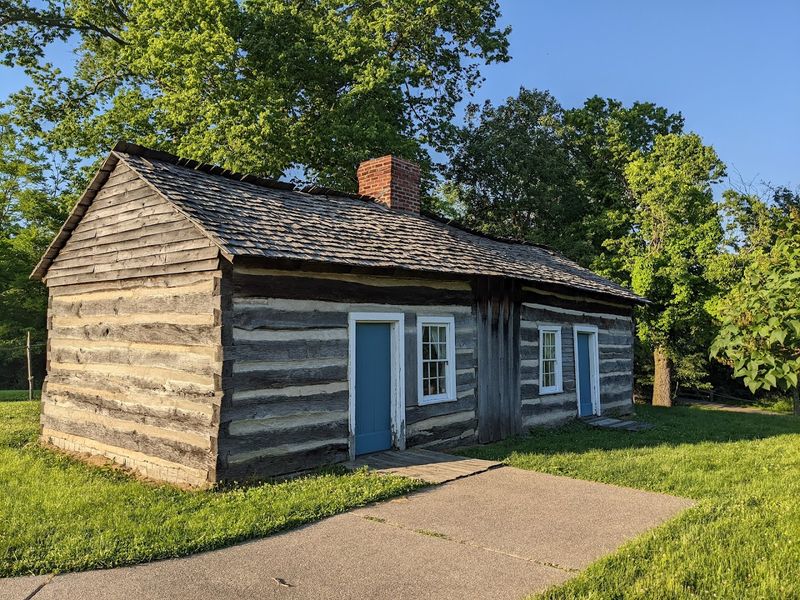
Most people associate Abraham Lincoln with Springfield, but the farm where his father Thomas Lincoln and stepmother Sarah Bush Lincoln spent their final years sits quietly outside the small town of Lerna in Coles County.
Lincoln Log Cabin State Historic Site preserves this deeply personal piece of American history, and it does so through living history interpretation that brings the 1840s frontier genuinely to life.
Costumed interpreters work the farm using period-accurate tools and techniques, tending gardens, caring for animals, and performing household tasks the way the Lincoln family actually would have done.
The reconstructed cabin and outbuildings are based on careful historical research, giving the whole site an authenticity that goes well beyond a typical museum experience.
Abraham Lincoln himself visited this farm multiple times as an adult, and standing in the yard where he once stood creates a quiet, grounding connection to history that no exhibit can fully replicate.
The nearby Sargent Farm, also part of the site, represents a neighboring family’s homestead and adds useful context about rural Illinois life of the era. Lerna is a small community, so combining this visit with a stop in nearby Mattoon makes for a full and satisfying day out.
6. Lewis and Clark State Historic Site, Hartford
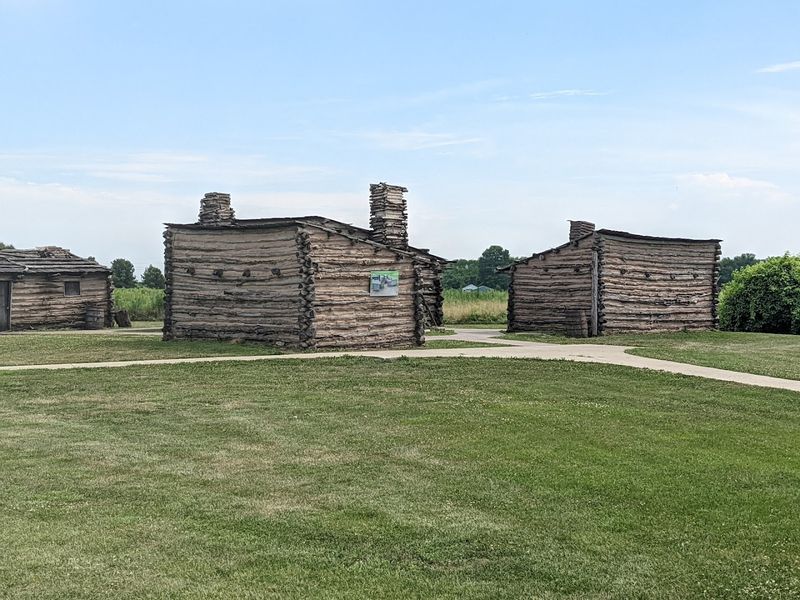
Before Lewis and Clark headed west into the unknown, they spent the winter of 1803 to 1804 camped on the Illinois side of the Mississippi River, training their Corps of Discovery and finalizing preparations for one of the most ambitious expeditions in American history.
That camp, known as Camp Dubois, is commemorated at the Lewis and Clark State Historic Site in Hartford, just across the river from St. Louis.
The site features a full-scale reconstruction of the wooden fort the Corps built, along with a well-designed interpretive center that covers the expedition’s planning, personnel, and ultimate achievement in impressive detail.
The exhibits do an excellent job of humanizing the explorers and the Indigenous peoples they encountered, rather than presenting history as a flat, one-dimensional narrative.
Standing at the reconstructed fort and looking out toward the confluence of the Missouri and Mississippi Rivers gives you a genuine sense of the geographic significance of this spot. The site is free to visit and often uncrowded, which means you can take your time and absorb the history at your own pace.
For anyone interested in early American exploration, Hartford is an essential and chronically underappreciated stop.
7. Fort de Chartres State Historic Site, Prairie du Rocher
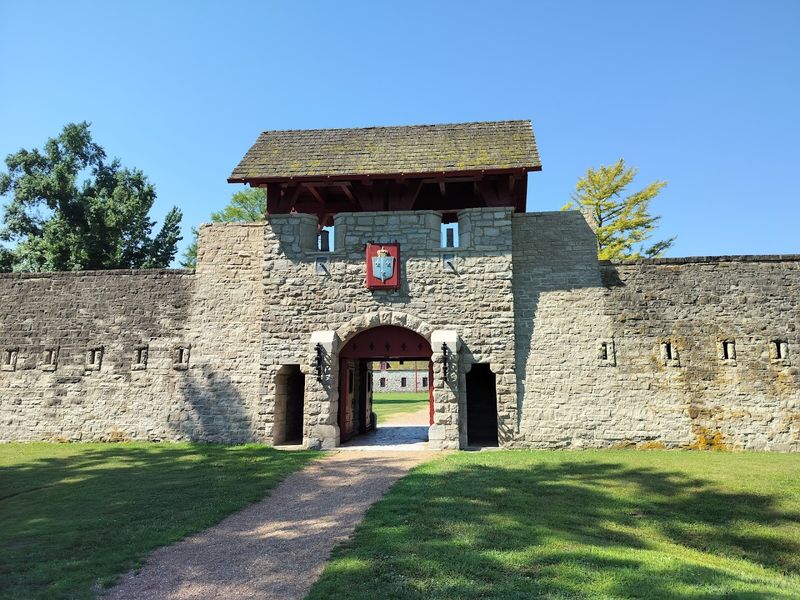
The French colonial chapter of Illinois history is one of the least-told stories in the state, and Fort de Chartres near Prairie du Rocher is the most tangible reminder that this region was once part of New France. Built by the French in the early 18th century and rebuilt in stone in the 1750s, the fort was once the most powerful military installation in the entire Mississippi Valley.
What survives today is genuinely impressive. The massive limestone powder magazine is considered one of the oldest surviving buildings in Illinois, and the partially reconstructed gatehouse and walls give a strong sense of the fort’s original scale and ambition.
The small museum inside covers French colonial history, the fur trade, and the relationships between French settlers and Native American communities with nuance and care.
The annual Rendezvous event held each June draws re-enactors from across the country who set up period-accurate camps and demonstrate 18th-century crafts, cooking, and military drills. Prairie du Rocher itself is a quiet, historic village worth a short walk after your fort visit.
Fort de Chartres is one of those places that rewards curiosity and leaves you genuinely wondering why it is not on more travel itineraries across the country.
8. Cahokia Mounds State Historic Site, Collinsville/Cahokia Heights
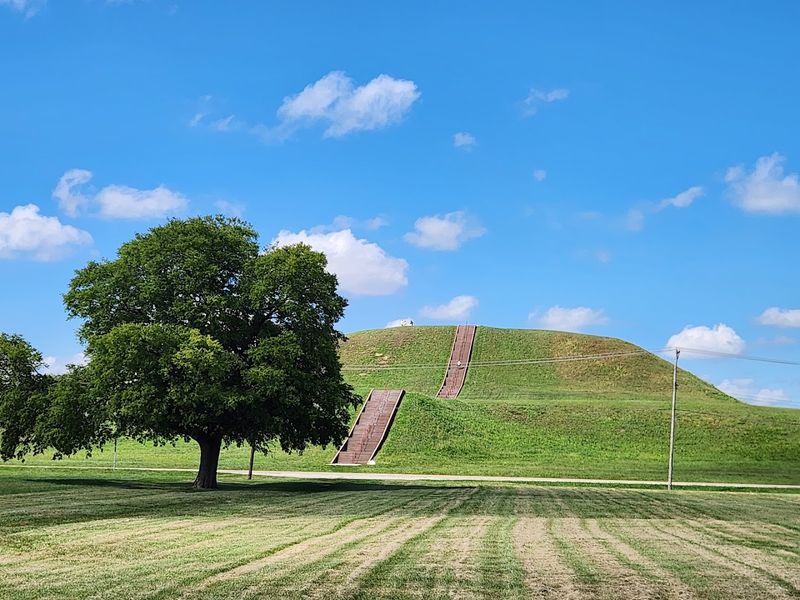
Cahokia Mounds is one of the most significant archaeological sites in all of North America, and the fact that it sits just outside Collinsville and Cahokia Heights near St. Louis makes its relative obscurity almost baffling.
This was the largest pre-Columbian city north of Mexico, home to an estimated 10,000 to 20,000 people at its peak around 1100 CE, built entirely by Indigenous people of the Mississippian culture.
Monks Mound, the centerpiece of the site, has a base area comparable to the Great Pyramid of Giza and remains the largest prehistoric earthwork in the Americas. Climbing it rewards you with sweeping views of the surrounding landscape and a visceral sense of the engineering achievement it represents.
The interpretive center is excellent, with detailed exhibits covering Cahokia’s social structure, trade networks, and the still-mysterious reasons for the city’s eventual decline.
Cahokia Mounds is a UNESCO World Heritage Site, which puts it in the same category as Stonehenge and the Acropolis. Yet on many weekdays you can walk the grounds with very few other visitors around.
If you only visit one site on this entire list, make it this one.
The experience of standing on these ancient earthworks and grasping their true scale is something that genuinely stays with you.
9. Rend Lake Visitor Center and Recreation Area, Benton Area
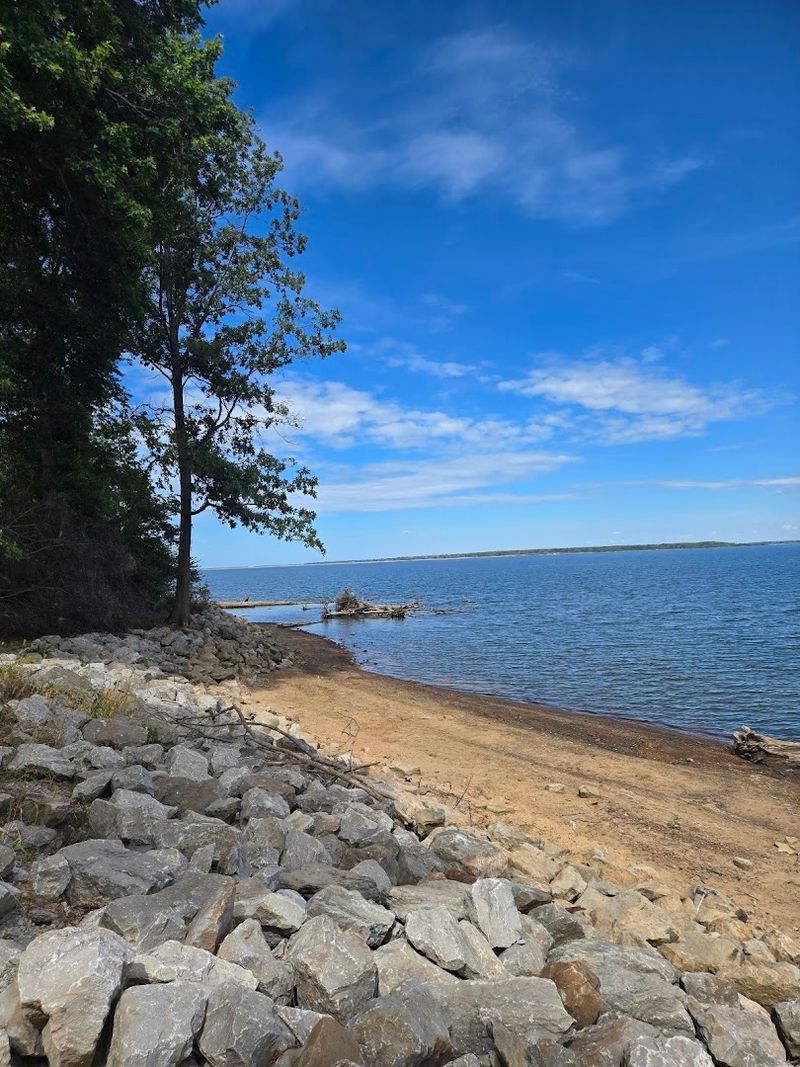
Rend Lake is one of southern Illinois’s most beloved recreational spaces, but travelers passing through on Interstate 57 often barely notice it beyond a highway sign.
The lake covers nearly 19,000 acres and offers a genuinely impressive range of outdoor activities, from boating and fishing to swimming, hiking, and wildlife watching along its extensive shoreline.
The Rend Lake Visitor Center near Benton serves as a great orientation point, with exhibits covering the lake’s history, ecology, and the Army Corps of Engineers project that created it in the 1970s.
The surrounding recreation areas include well-maintained campgrounds, sandy beaches, and boat launches spread across multiple access points on both sides of the lake.
Fishing is a major draw here, with largemouth bass, crappie, catfish, and walleye all present in healthy numbers. The nearby Rend Lake Golf Course is consistently rated among the best public courses in Illinois, offering a beautiful setting along the water.
Bald eagles are regularly spotted near the lake during winter months, which gives the area a year-round appeal that goes well beyond summer recreation. Rend Lake proves that Illinois can do big, beautiful water just as well as any Great Lakes state.
10. Newton Lake State Fish and Wildlife Area, Newton
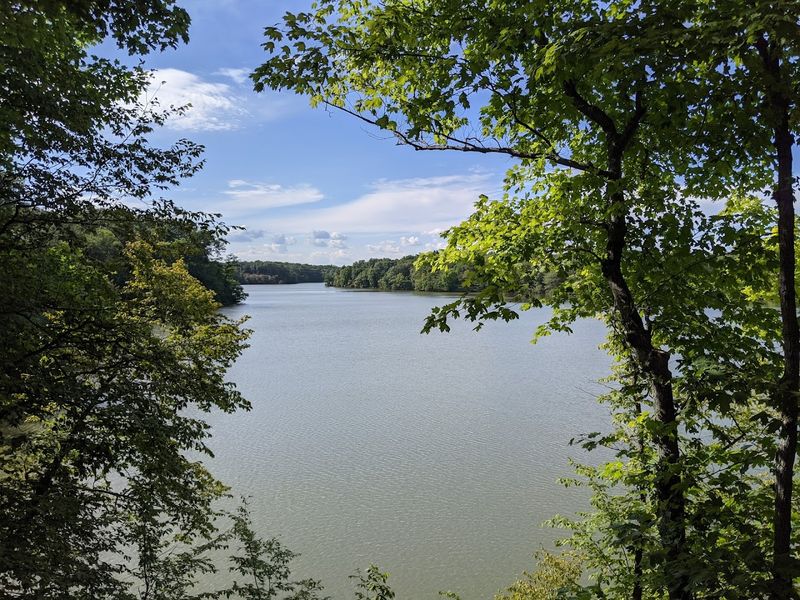
Newton Lake is a warm-water fishery that has built a strong reputation among serious anglers in Illinois, yet it remains largely unknown outside the state’s fishing community.
Located near Newton in Jasper County, the lake was formed by a cooling water reservoir for a power plant, which gives it consistently warmer water temperatures that support exceptional fish populations year-round, including largemouth bass, bluegill, and channel catfish.
The surrounding state fish and wildlife area covers several thousand acres of diverse habitat, including upland forest, wetlands, and grassland that support healthy populations of white-tailed deer, wild turkey, and migratory waterfowl.
Hunting is permitted in designated areas during appropriate seasons, making Newton Lake a multi-season destination for outdoor enthusiasts.
The hiking opportunities here are genuinely underappreciated, with trails that wind through varied terrain and offer surprisingly good wildlife viewing away from the water.
Newton Lake represents exactly the kind of quiet, productive natural area that Illinois does better than most people expect, and a visit here makes a strong case for spending more time in the state’s rural southeast.
11. Hegeler Carus Mansion, La Salle
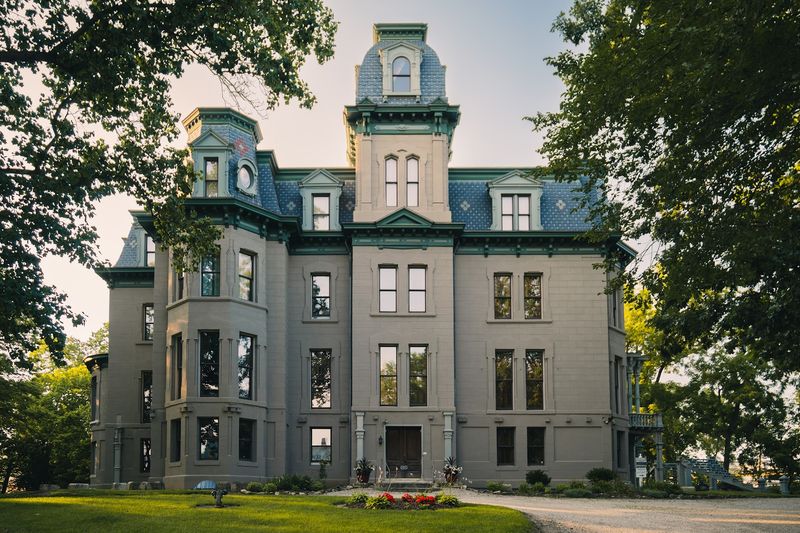
La Salle, Illinois is not usually on anyone’s cultural travel radar, but the Hegeler Carus Mansion makes a compelling case for adding it to yours.
Built in 1876 for zinc industrialist Edward Hegeler, this National Historic Landmark is one of the best-preserved Victorian-era mansions in the entire Midwest, and its history goes well beyond architectural beauty.
Hegeler and his son-in-law Paul Carus used the mansion as the headquarters for Open Court Publishing, a groundbreaking intellectual press that introduced Eastern philosophy and comparative religion to American audiences at a time when such topics were rarely discussed in mainstream culture.
The mansion essentially served as a salon for some of the most forward-thinking minds of the late 19th and early 20th centuries.
Guided tours take visitors through rooms filled with original furnishings, a stunning library, and decorative details that reflect both the family’s wealth and their remarkably cosmopolitan intellectual interests.
The mansion is operated by a nonprofit preservation organization, and tour fees directly support its ongoing restoration.
La Salle sits in the Illinois Valley along the Illinois River, which adds easy opportunities for a scenic drive or riverside walk to round out the visit. This is genuinely one of Illinois’s most fascinating and overlooked historic properties.