
17 Undiscovered Rivers In Arkansas You Need To Explore
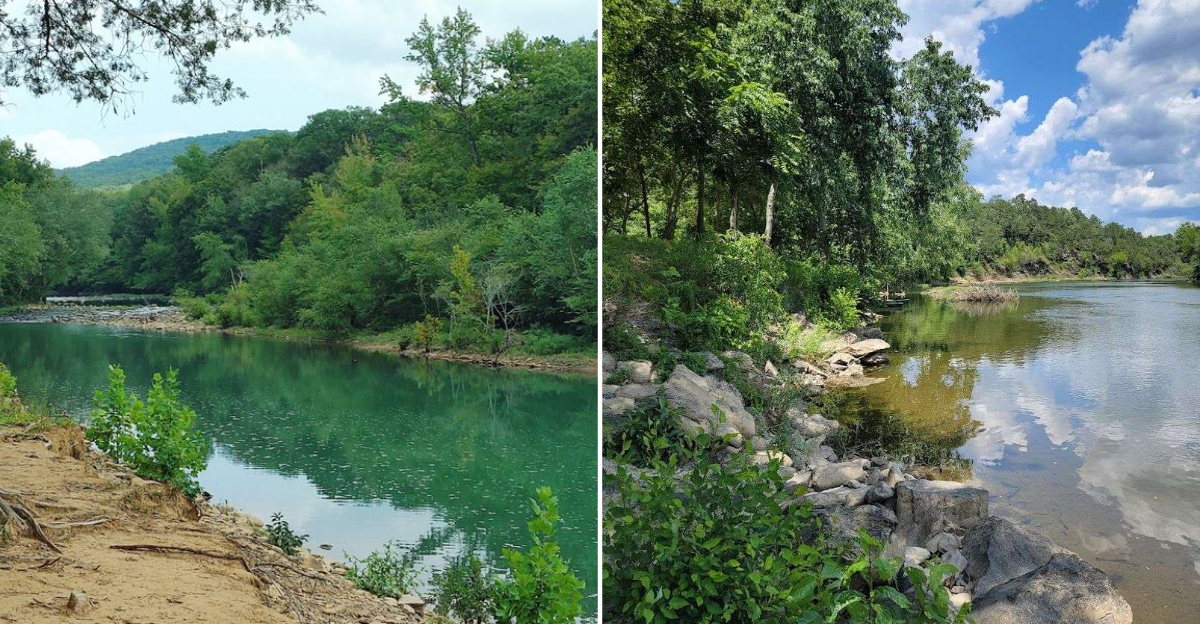
Arkansas has a way of pulling you in without making a big deal about it. The rivers do most of the talking, winding through forest and stone like they’ve got nowhere else to be.
I’ve logged plenty of hours out here, paddle in hand, losing track of time in the best way. Some stretches feel calm enough to just drift.
Others pick up just enough to keep things interesting. You might see a couple of people, or none at all, and that space hits different when everything else feels crowded.
No noise, no pressure, just water moving under you. Toss your gear in a dry bag, check your route, and head out.
Take your time with it. These rivers don’t rush, and you shouldn’t either.
Once you’re out there, it’s easy to see why people keep coming back.
1. Buffalo National River
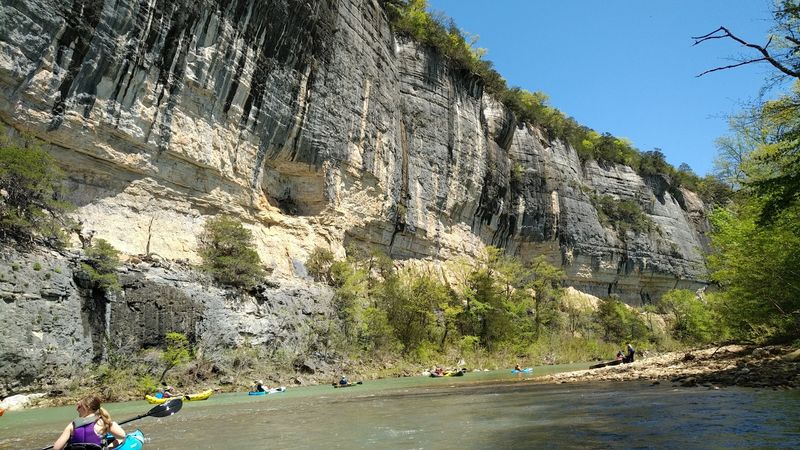
There is a reason the Buffalo National River became America’s first national river, and standing on its gravel bars, you feel that distinction in every direction you look. Running through the heart of the Arkansas Ozarks, this river stretches roughly 135 miles through Newton, Searcy, and Marion counties, with major access points near Jasper, AR 72641 and the Steel Creek area.
Paddlers love the upper sections for their lively current and tight canyon walls, while the lower river slows into wide, reflective pools perfect for a relaxed float. Elk are most often spotted in the upper-river country, especially around Boxley Valley, and catching a bull reflected in the water at dusk is the kind of moment that makes you pause and take it in.
Spring and early fall offer the best water levels and the most striking scenery along this legendary stretch of Arkansas wilderness.
2. Caddo River
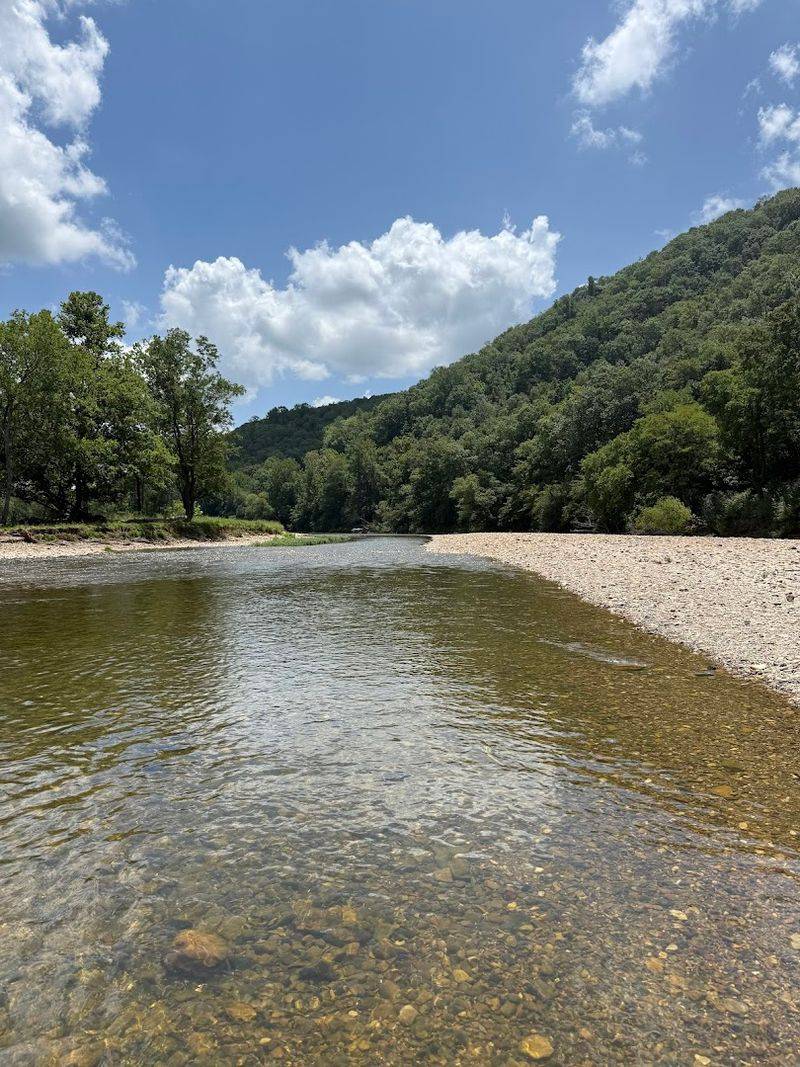
Few rivers in Arkansas carry the kind of laid-back charm that the Caddo River delivers on a warm Saturday morning when the mist is still sitting low over the water.
Flowing through the Ouachita Mountains, the Caddo passes near Glenwood, AR 71943, and is one of the most beginner-friendly float rivers in the entire state.
The water runs remarkably clear over a sandy and rocky bed, making it ideal for tubing, kayaking, and wading with kids who want to flip over rocks looking for crawdads.
Several outfitters operate near Glenwood and offer rentals and shuttle services, which makes planning a trip here refreshingly straightforward even for first-timers.
If you time your visit for late spring, the wildflowers along the banks put on a show that no trail guide will ever fully do justice to in words.
3. Cossatot River
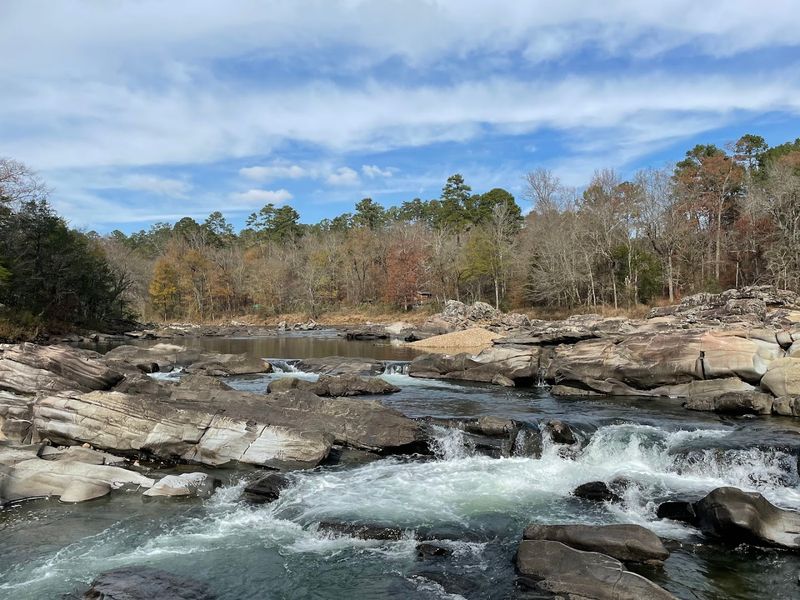
The Cossatot River runs through Polk County in southwestern Arkansas, with access for paddlers and hikers at Cossatot River State Park-Natural Area, including well-known areas such as Brushy Creek, Ed Banks, and Sandbar. The technical rapids here, including the well-known Washing Machine and other demanding drops, are strictly for experienced paddlers who know how to read fast water and handle quick changes in flow.
Hikers can enjoy the river without ever touching a paddle by following trails that hug the canyon walls and offer wide views of the rushing water below. During higher water, the river moves with serious power, while lower flows reveal a quieter side with exposed rock gardens and mossy boulders.
This balance between intensity and calm makes it one of the most dynamic river experiences in the region for both paddlers and hikers alike.
4. Kings River
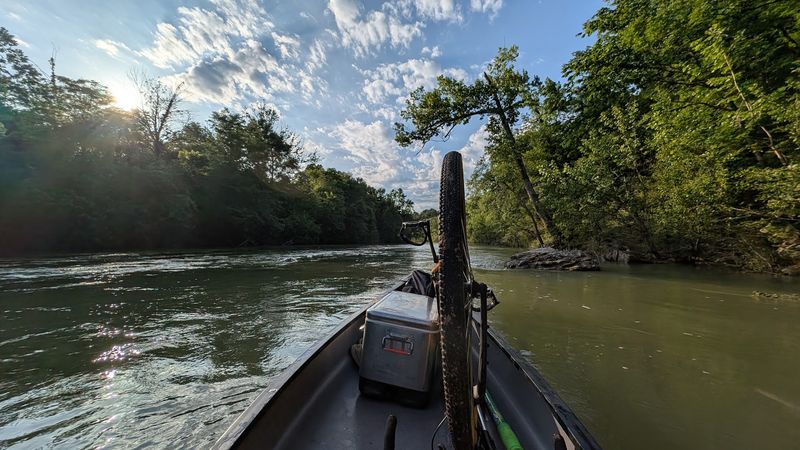
Originating deep in the Boston Mountains, the Kings River builds its character slowly, picking up speed and personality as it carves north through Carroll County toward Table Rock Lake in Missouri. The Arkansas stretch near Berryville, AR 72616 remains one of the few undammed rivers in the Ozarks, and that freedom shows in its natural flow and undisturbed character.
Smallmouth bass fishing here borders on legendary among local anglers, who tend to return to the same quiet bends and gravel bars year after year. Float trips typically launch near Trigger Gap access or Kings River Ford, where the river becomes more accessible for day trips.
The surrounding bluffs and overhanging sycamores create a shaded corridor that keeps the experience cool even in warmer months, while fall colors turn the entire river into a slow-moving stretch of gold and red.
5. Mulberry River
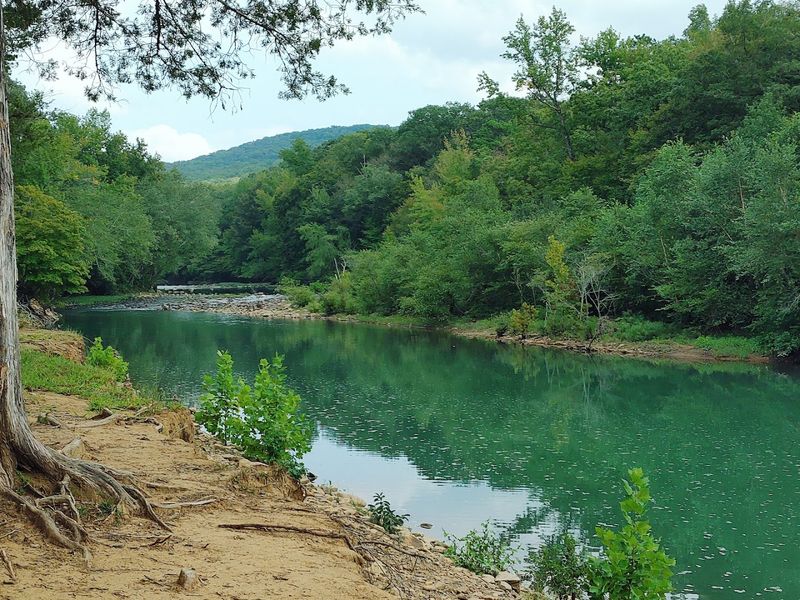
Earning a protected scenic designation is no small feat, and the Mulberry River carries that recognition across its roughly 70 miles through the Ozark National Forest. The river flows near Mulberry, AR 72947 and is recognized as an Arkansas Natural and Scenic River, with portions also included in the National Wild and Scenic Rivers System.
It offers a range of rapids from gentle flowing sections to more technical areas, making it a flexible option for paddlers depending on water levels and experience. Spring rains can quickly raise the river into a fast-moving run, while late summer often brings lower water that favors shorter floats and fishing trips.
Gravel bars line much of the river and provide easy places to stop, rest, or spend the night. Smallmouth bass fishing is especially strong here, giving anglers another reason to keep coming back to this stretch of water.
6. Spring River
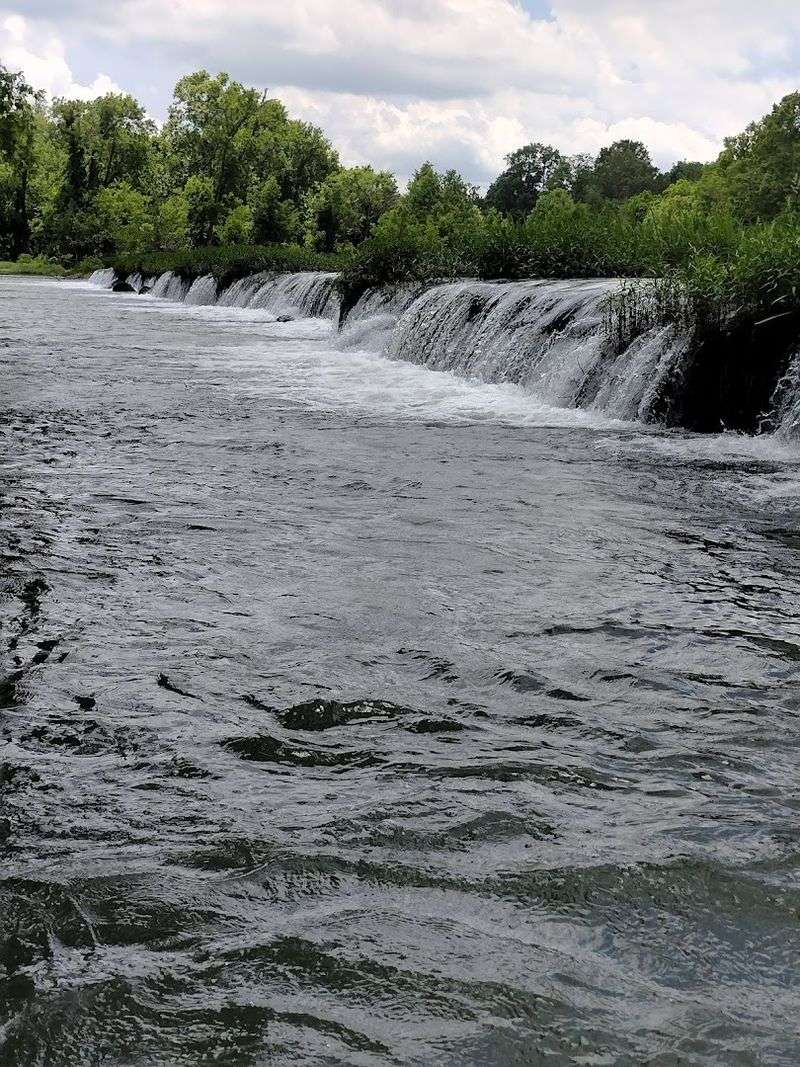
Cold spring water bubbling up from Mammoth Spring gives this river its name and its most distinctive quality: a year-round water temperature that stays refreshingly chilly even in the middle of an Arkansas July. The Spring River flows through Fulton and Sharp counties near Hardy, AR 72542, and it has built a strong following among trout fishers who come specifically for the spring-fed river originating at Mammoth Spring.
Rainbow trout thrive in these cold, clear waters, especially along the upper managed stretches where conditions remain stable. Tubing and kayaking are also popular, with local outfitters offering rentals and shuttle services that make planning a trip simple.
The river moves at a steady, approachable pace, making it a comfortable option for beginners while still offering enough depth and flow to keep experienced paddlers interested throughout the float.
7. Black River
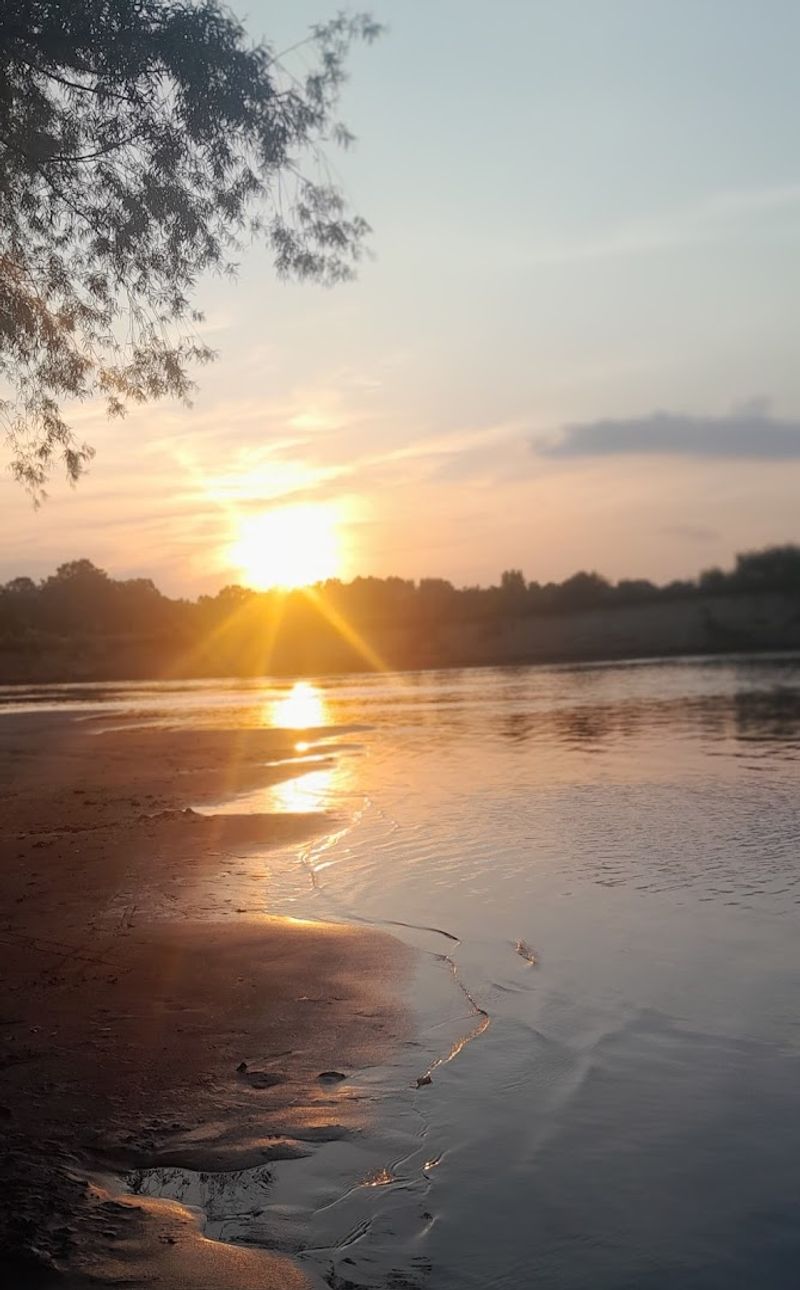
Winding quietly through the flat agricultural lowlands of northeast Arkansas, the Black River does not announce itself with dramatic bluffs or roaring rapids, but it earns loyalty through sheer fishing quality.
The river flows through Lawrence County near Pocahontas, AR 72455, eventually joining the White River, and it is a favorite among catfish and bass anglers who know where to anchor.
The Lower Black River Wildlife Management Area protects significant stretches of bottomland hardwood forest along the banks, creating habitat that supports deer, wood ducks, and a remarkable variety of wading birds.
Canoe trips here have a slow, meditative quality that feels completely different from the mountain rivers of the Ozarks, offering a flat-water experience defined by birdsong and the occasional splash of a jumping fish.
Early morning on the Black River, with fog lifting off the water and great blue herons standing motionless at the edge, is the kind of scene that sticks with you for a long time.
8. White River
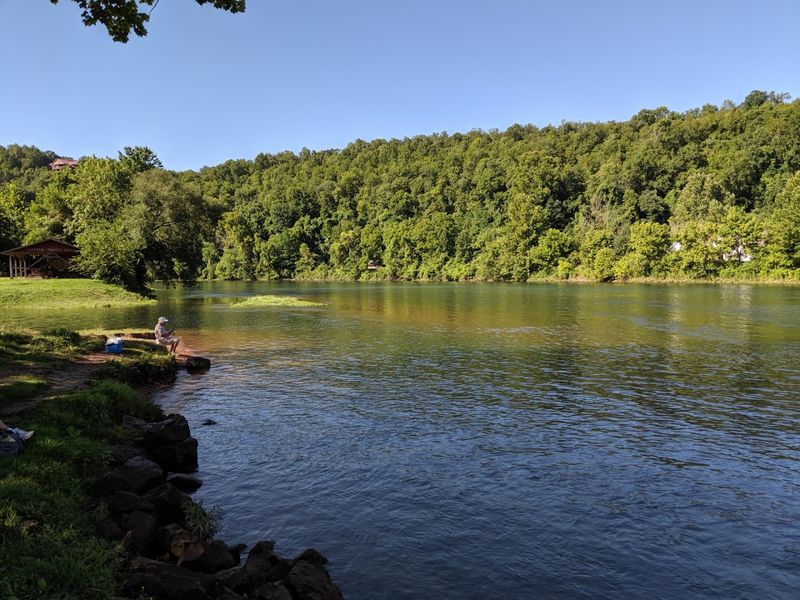
Ask any serious trout angler in the mid-South about their dream river, and there is a very good chance the White River near Cotter, AR 72626 comes up within the first sentence.
Flowing cold and clear from the base of Bull Shoals Dam, the White River tailwater is one of the most productive trout fisheries in the United States, drawing visitors from across the country.
The river cuts through a dramatic landscape of wooded hills and pale limestone bluffs in Baxter and Marion counties, and the scenery alone justifies the drive even if you never pick up a rod.
Guided float trips with local outfitters are the smartest way to experience the White for first-timers, pairing local knowledge with access to stretches of river that casual visitors rarely find on their own.
The small town of Cotter itself has a quiet, unhurried pace that pairs perfectly with a few days spent watching the river do exactly what it has always done.
9. Little Red River
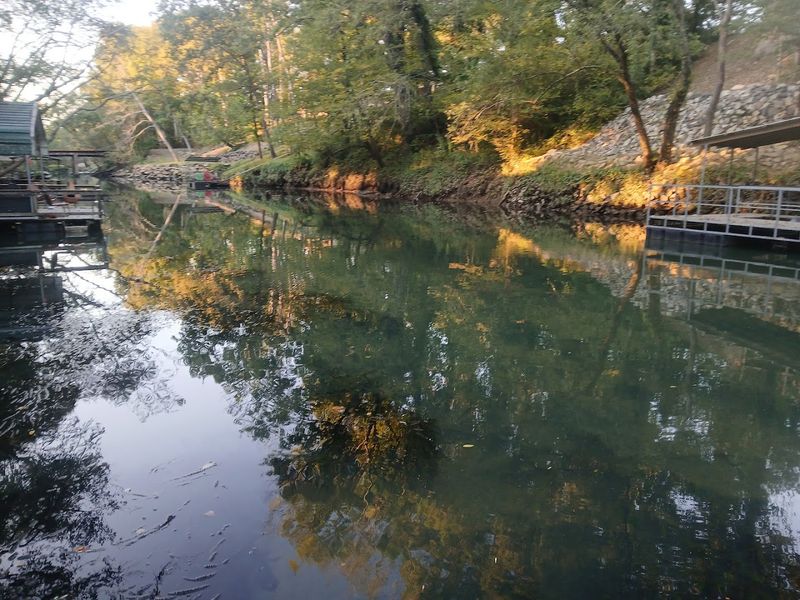
Just below the concrete wall of Greers Ferry Dam near Heber Springs, AR 72543, the Little Red River transforms from a reservoir into one of the most celebrated trout streams in the entire country.
The cold tailwater releases from the dam create ideal conditions for brown and rainbow trout, and this river holds a place in fishing history as the former home of a world-record brown trout catch.
Wading the shallow gravel runs and casting into the deep pools below the dam requires patience and skill, but the reward of watching a heavy brown trout rise to a well-placed fly is hard to beat.
The river winds through Cleburne and White counties, passing farmland, wooded corridors, and the Henry Gray/Hurricane Lake Wildlife Management Area before eventually joining the White River.
Even non-anglers find the Little Red worth visiting, since its clear, cold water and peaceful banks make it one of the most relaxing stretches of river in central Arkansas.
10. Little Missouri River
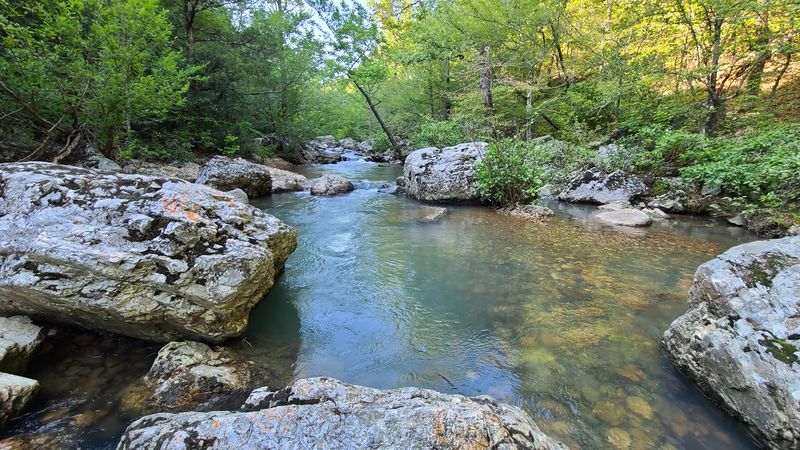
Hidden inside the Ouachita National Forest, the Little Missouri River runs through one of the most scenically rewarding recreation areas in the entire state, with well-known access near Langley, AR 71952 and the Albert Pike Day Use Area. The river’s clear, shallow water flows over a multicolored bed of rocks that reflects sunlight in shifting patterns throughout the day.
Swimming holes and shaded gravel bars draw visitors during warmer months, while the surrounding forest creates a sense of separation from nearby roads and towns. Upstream, the river is part of the federally designated Little Missouri National Scenic River, where steep slopes, narrow valleys, and rocky outcrops shape the landscape.
Flash flooding remains a serious consideration in this area, and Albert Pike is now day use only, so checking current conditions and access rules is important before planning any extended trip along this stretch.
11. Ouachita River
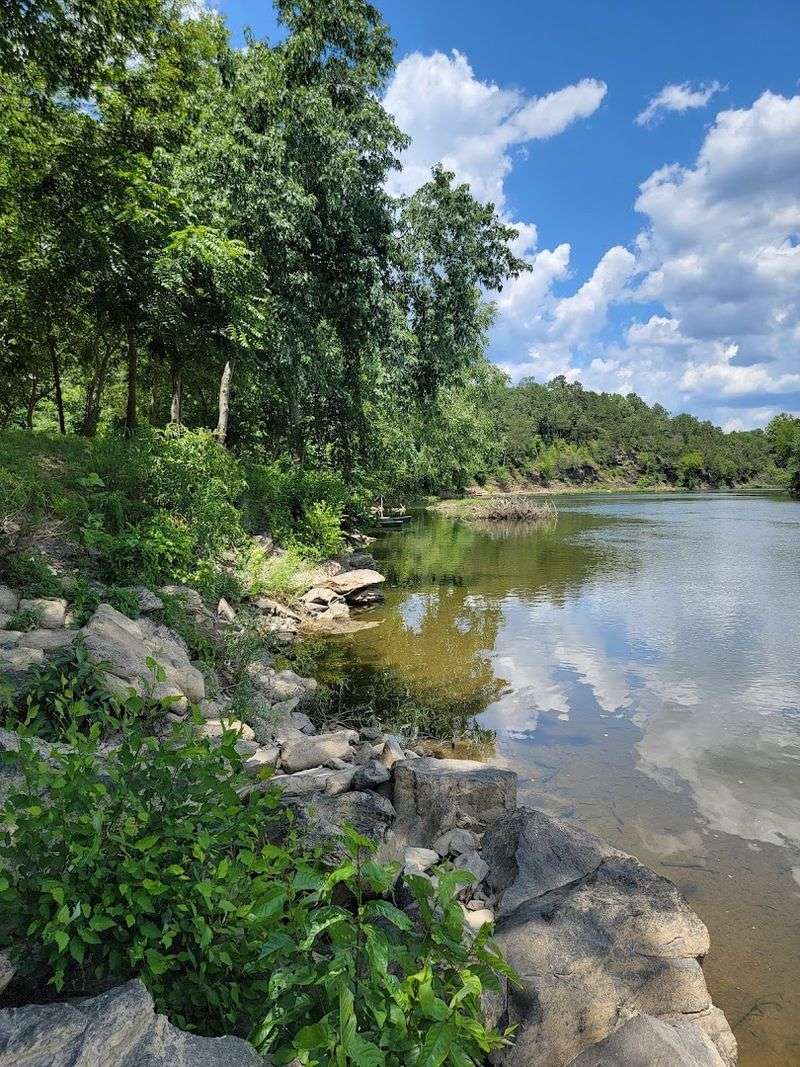
Beginning its long journey in the Ouachita Mountains near Mena, AR 71953, the Ouachita River carries the character of the highlands with it as it flows southeast toward Hot Springs and beyond. The upper sections offer calm, steady paddling through forested stretches of Polk and Montgomery counties where development feels distant and the landscape stays largely unchanged.
Lake Ouachita, formed by Blakely Mountain Dam west of Hot Springs, AR 71901, is part of the same river system and is widely known for its clarity and expansive shoreline. Below the lake, the river slows and widens, creating ideal conditions for fishing and longer, more relaxed floats.
The surrounding region also supports hiking and backcountry exploration, giving visitors the option to experience both land and water without needing to travel far between them.
12. Saline River
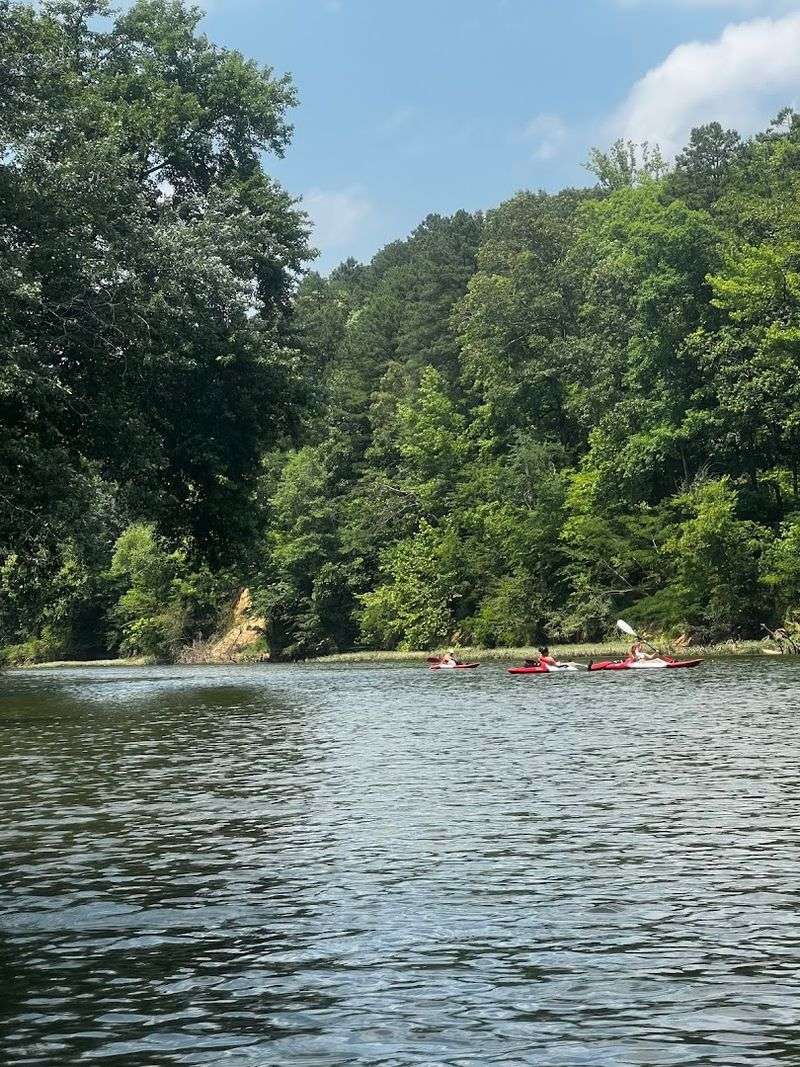
The Saline River does not chase the spotlight the way some of Arkansas’s flashier waterways do, and that low-key attitude is precisely what makes it such a rewarding discovery for paddlers willing to seek it out.
Flowing through central and southern Arkansas, the Saline passes near Benton, AR 72015 before eventually joining the Ouachita River, traveling through a mix of pine forests, bottomland hardwoods, and quiet rural countryside.
Canoe trips on the upper Saline feel genuinely remote, with long stretches where you might not see another person for hours, just turtles sunning on logs and kingfishers darting ahead of your bow.
Fishing for bass, bream, and catfish is a consistent draw here, and the river’s moderate current makes it manageable for paddlers who prefer a relaxed pace over technical whitewater.
The surrounding Saline County landscape has its own quiet beauty, especially in late fall when the hardwoods drop their leaves and the river’s dark water reflects bare branches against a pale sky.
13. St. Francis River
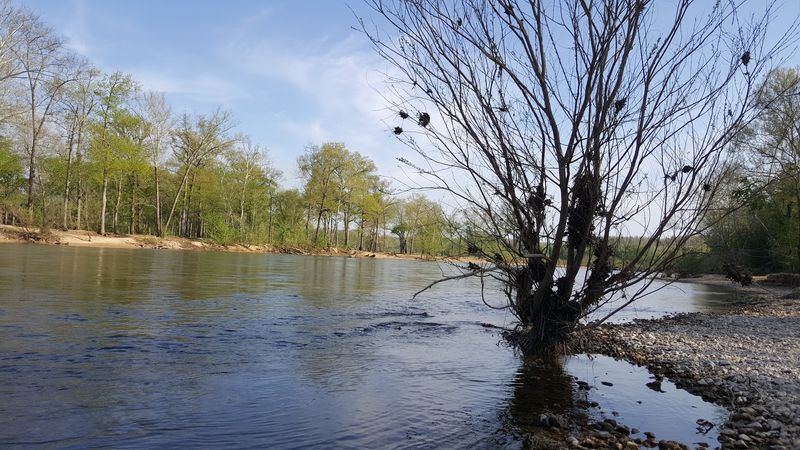
Crossing from Missouri into the flat Delta lowlands of eastern Arkansas, the St. Francis River carries a distinctly different character from the mountain streams of the Ozarks or Ouachitas.
The river winds through St. Francis and Cross counties near Forrest City, AR 72335, passing through one of the most biologically significant bottomland hardwood ecosystems remaining in the mid-South.
Dark, tannic water stained by decaying leaves and cypress roots gives the St. Francis its moody, atmospheric quality that makes a canoe trip here feel more like exploring a southern bayou than a typical river float.
The St. Francis National Forest borders sections of the river, offering access to trails, wildlife viewing areas, and quiet boat ramps that see a fraction of the traffic found at more popular destinations.
Birding along the St. Francis corridor is outstanding, with wintering waterfowl, wood ducks, and wading birds turning every slow bend into a wildlife encounter worth stopping for.
14. Cache River
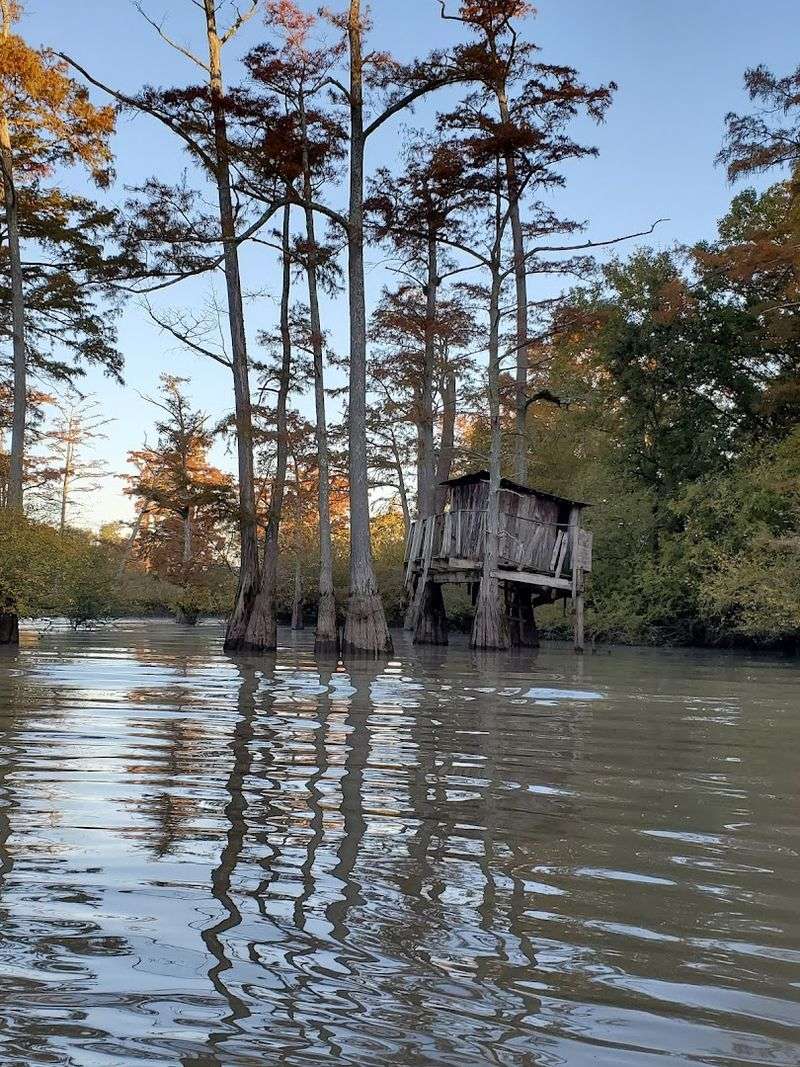
If you have ever wanted to paddle through a cathedral of towering trees, the Cache River in eastern Arkansas offers that kind of experience in a way few places can match. The Cache River National Wildlife Refuge near Augusta, AR 72006 protects one of the largest remaining tracts of bottomland hardwood forest in North America, and the river winds directly through it.
Large bald cypress and water tupelo trees rise from the dark water, forming a dense, layered canopy that filters light and sound in a unique way. The refuge is internationally recognized as a Wetland of International Importance, supporting a wide range of bird species, fish, and other wildlife.
Moving through this river in the early morning, with mist lifting off the surface and birds calling from deep in the trees, creates a quiet, immersive experience that feels very different from typical open-water floats.
15. Arkansas River
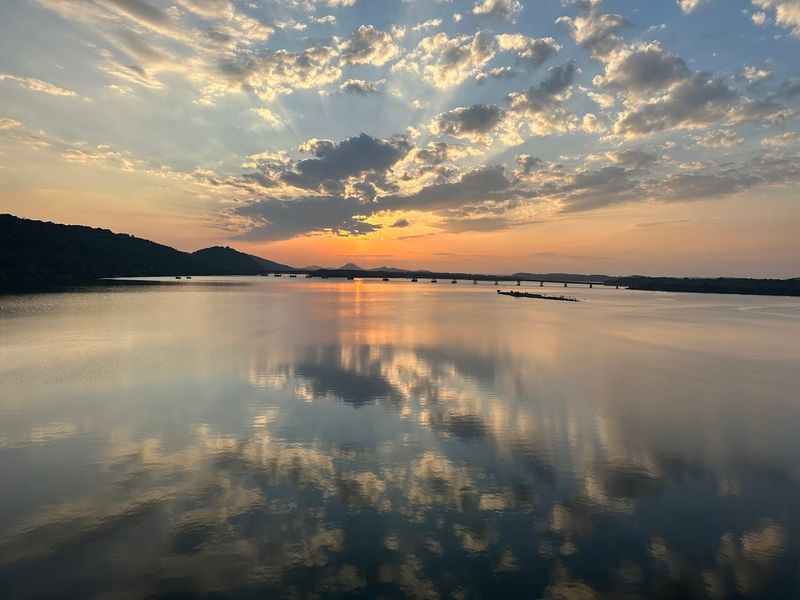
Running west to east across the state from Fort Smith to the Mississippi, the Arkansas River serves as the backbone of the state’s waterway system and one of the most important rivers in the region. The river passes through Little Rock, AR 72201, where the Arkansas River Trail and Big Dam Bridge have transformed the waterfront into a space used by cyclists, walkers, anglers, and paddlers.
The McClellan-Kerr Arkansas River Navigation System allows commercial barges to travel alongside recreational users, giving the river a mix of industrial and outdoor activity. Fishing for striped bass, catfish, and sauger remains a major draw, particularly in deeper sections near dams and controlled channels.
Watching the river at sunset from elevated viewpoints shows just how wide and steady this system is, offering a completely different experience from the smaller, faster-moving rivers found elsewhere in the state.
16. Little Maumelle River
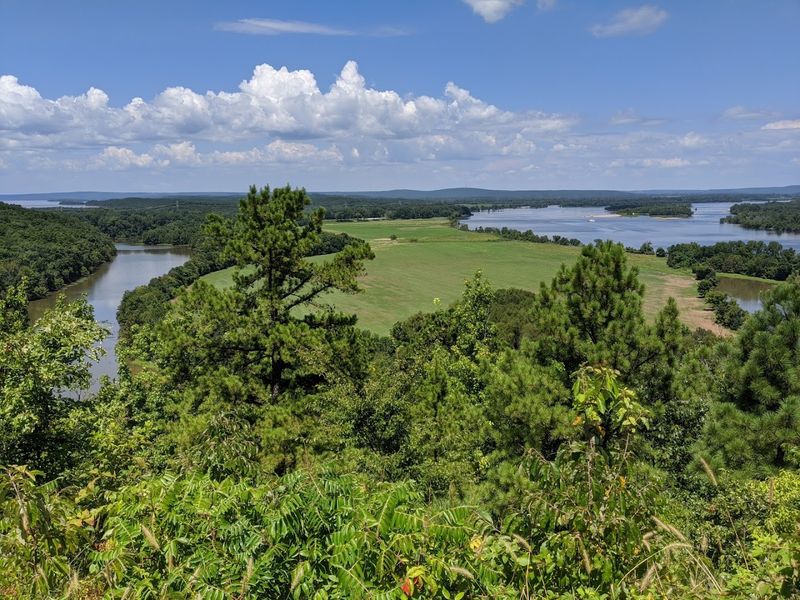
Set beside Pinnacle Mountain State Park just west of Little Rock, the Little Maumelle River offers one of the most accessible paddling experiences in central Arkansas without requiring a long drive. The river runs near Roland, AR 72135, and the most popular stretch connects access points at Pinnacle Mountain State Park and Two Rivers Park.
This section flows through wooded bottomlands where the pace stays slow and manageable, making it ideal for relaxed paddling. Water levels can vary depending on rainfall, so checking conditions before heading out helps avoid shallow sections or obstacles.
While parts of the river pass near the park, much of the waterway continues beyond its boundaries, giving the route a longer, more continuous feel. Wildlife sightings are common, and the overall experience remains quiet and steady despite its proximity to a more developed area.
17. Petit Jean River
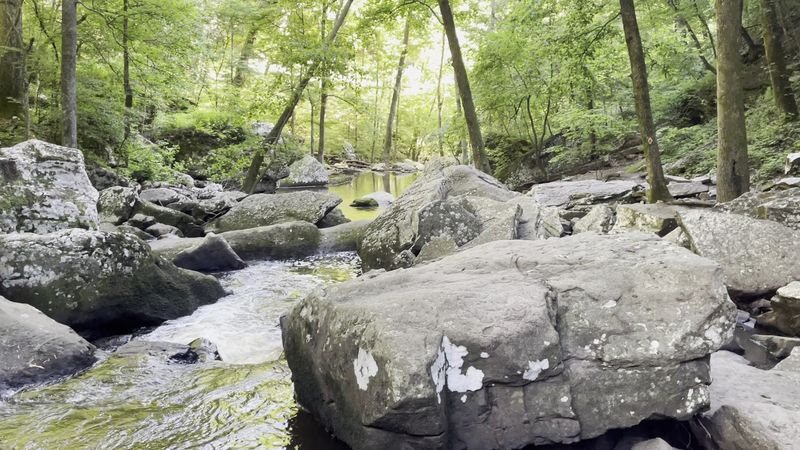
Named after a long-told French legend tied to the region, the Petit Jean River carries a sense of history that adds depth to any trip along its banks. The river flows through Yell and Conway counties in central Arkansas, with much of its course passing near Morrilton, AR 72110 before joining the Arkansas River.
Anglers often focus on the slower pools where bass and bream are common, while paddlers appreciate the generally mild current and steady flow. The surrounding hardwood forest creates a shaded corridor that gives the river a more enclosed feel compared to wider waterways.
Petit Jean State Park sits on the mountain above the river valley rather than directly on the floatable sections, offering trails, overlooks, and a well-known waterfall. Visiting both the river and the park provides two distinct perspectives on the same landscape within a single trip.