
10 Unforgettable Colorado Day Trips That Belong On Every Local’s Bucket List
The best adventures are not always far away. Sometimes they are waiting just beyond your usual routine, daring you to take a different road home.
Colorado can make even a simple day off feel like the start of a story. One minute you are chasing wide-open views, the next you are wandering through old-timey streets, soaking in mineral-rich water, or pulling over for something wonderfully strange you did not expect.
That is the beauty of these ten day trips. They are easy enough to do without overthinking, but memorable enough to make you talk about them for weeks.
Whether you have lived here for years or are still learning the rhythm of the Rockies, each stop gives you a fresh reason to pay attention. Pack snacks, charge your phone, bring your curiosity, and leave room for surprises.
Colorado’s best weekends often begin with one spontaneous turn.
1. Strawberry Park Hot Springs, Steamboat Springs
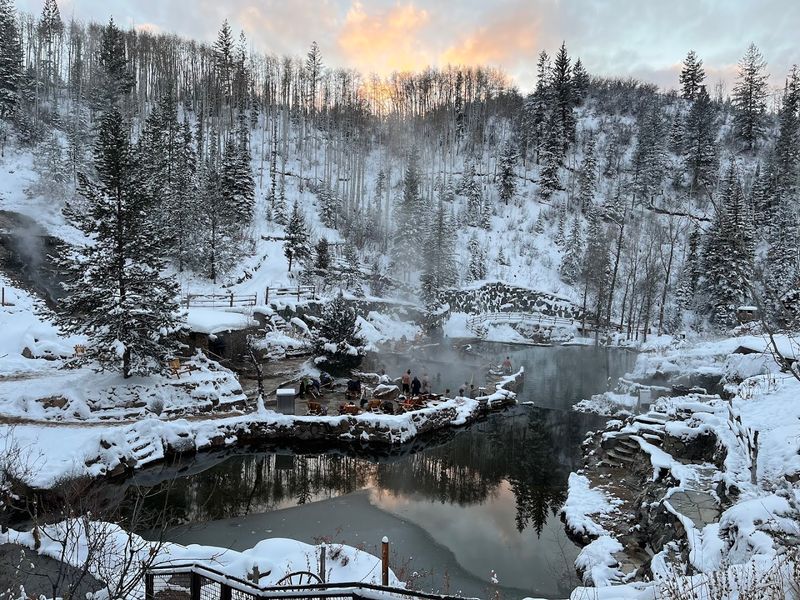
There’s a particular kind of magic that happens when snowflakes land on your face while the rest of you is submerged in 104-degree water. Strawberry Park Hot Springs, tucked at 44200 Co Rd 36 outside Steamboat Springs, is exactly that kind of place.
The drive up the dirt road feels like a reward in itself, winding through aspen groves and pine forest.
The pools here are genuinely natural, fed by geothermal springs that bubble right out of the earth. No concrete tubs, no resort branding, just stacked river rock and warm water that smells faintly of minerals and honest geology.
Families tend to come during daylight hours, and the vibe is refreshingly unpretentious.
Go on a weekday if you can manage it, because weekends attract a crowd that turns the parking area into a small puzzle. Bring a towel you don’t mind getting a little gritty, wear sandals for the rocky paths, and plan to stay longer than you think you will.
You always do. I left convinced this is one of the most restorative spots in the entire state, and I’m not prone to hyperbole about hot springs.
2. Great Sand Dunes National Park, Mosca
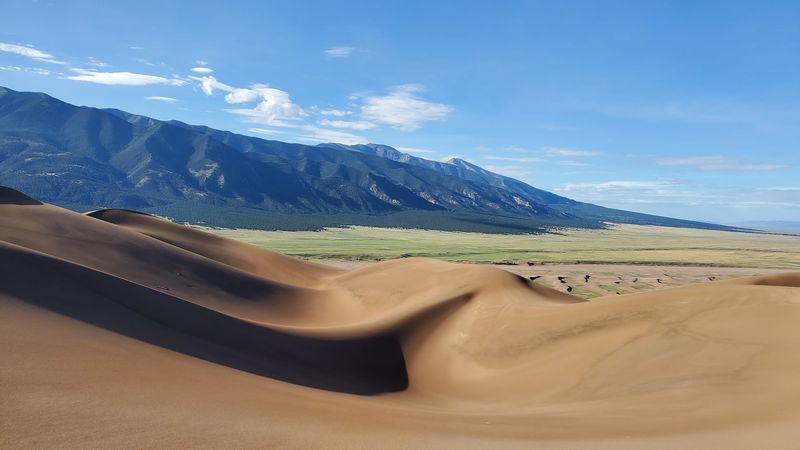
Nothing quite prepares you for the moment the dunes appear. You’re driving through flat San Luis Valley farmland, and then suddenly, piled against the Sangre de Cristo Mountains like some cosmic joke, are the tallest sand dunes in North America.
The Great Sand Dunes National Park Visitor Center at 11999 State Highway 150 in Mosca is your first stop and a smart one, because the rangers there will save you from several rookie mistakes.
Medano Creek runs along the base of the dunes in late spring, creating a shallow, sandy-bottomed stream where kids splash and adults wade with unconcealed delight. The dunes themselves reward the climbers who push to the top, offering views that feel genuinely earned.
Wear sturdy shoes, because the sand gets hot enough to cook an egg by midday in summer.
Start early, ideally before nine in the morning, to beat the heat and the crowds. Pack more water than seems reasonable and bring a sled if you want to experience the most absurd fun available in Colorado at zero cost.
I’ve taken three different groups of out-of-state visitors here, and every single one stood at the base speechless. That reaction never gets old.
3. St. Elmo Ghost Town, Chaffee County
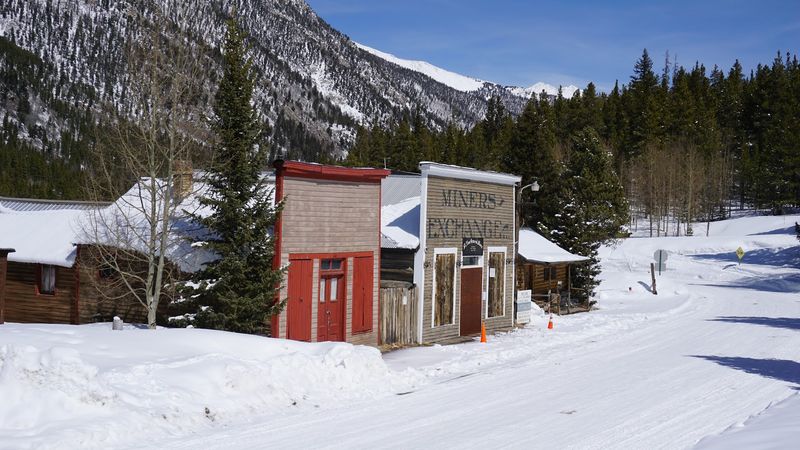
St. Elmo has been slowly returning to the earth since the 1920s, and somehow that only makes it more compelling. Located about 16 miles west of Nathrop, this is one of Colorado’s best-preserved ghost towns, which is a phrase that sounds contradictory until you see it.
The main street still has standing structures, faded painted signs, and a general store that operates seasonally, selling souvenirs and the occasional cold drink to grateful hikers.
The town peaked as a silver mining hub in the 1880s, and at its height had nearly 2,000 residents, two newspapers, and enough saloons to keep everyone entertained. Walking the quiet street now, it’s hard not to feel the weight of all those ambitions.
The surrounding Chalk Creek Canyon is gorgeous, and the road in follows the creek through scenery that makes the drive feel like its own destination.
Bold and friendly ground squirrels have colonized the ruins and will approach you with the confidence of creatures who know they own the place now. Bring a camera, wear layers, and leave yourself time to wander beyond the main drag.
Paired with a lunch stop in nearby Salida, this makes a deeply satisfying mountain day with almost no planning required.
4. Coors Field, Denver
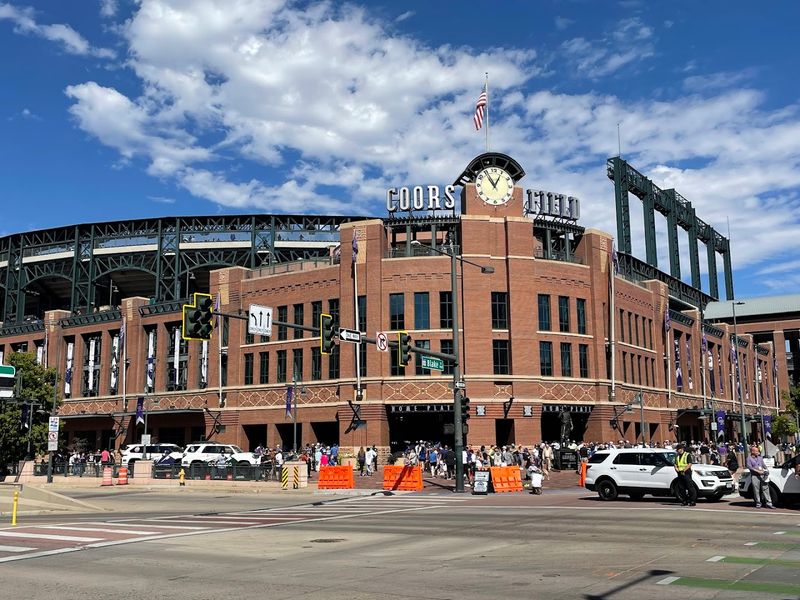
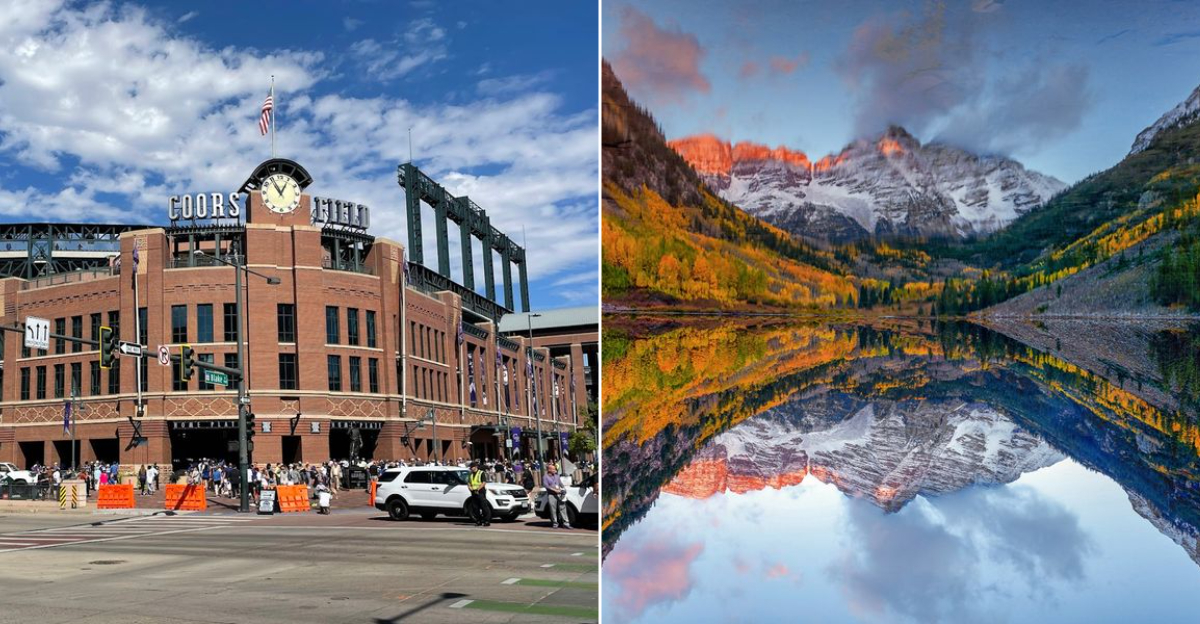
A baseball game at Coors Field on a clear Colorado afternoon is one of those experiences that locals sometimes take for granted until an out-of-towner reminds them how special it is. Sitting at 2001 Blake St in the heart of Denver’s LoDo neighborhood, the stadium has the kind of brick-and-iron bones that make you feel like the sport itself has some dignity.
The mountain views from the upper deck are legitimately stunning.
Coors Field opened in 1995 and almost immediately became a hitter’s paradise, thanks to the mile-high altitude that lets baseballs travel farther than anywhere else in the league. The park has a purple row of seats at exactly 5,280 feet above sea level, which is a detail so perfectly Colorado it almost feels made up.
The food options have improved dramatically over the years, and the local craft beer selection is genuinely impressive.
Even if you’re not a baseball devotee, the atmosphere on a warm summer evening, surrounded by the buzz of the crowd and that unmistakable stadium smell of popcorn and cut grass, is hard to beat. Buy tickets early for weekend games and check the Rockies schedule before planning.
A pre-game walk through LoDo rounds the day out beautifully.
5. Stone Cottage Cellars, Paonia
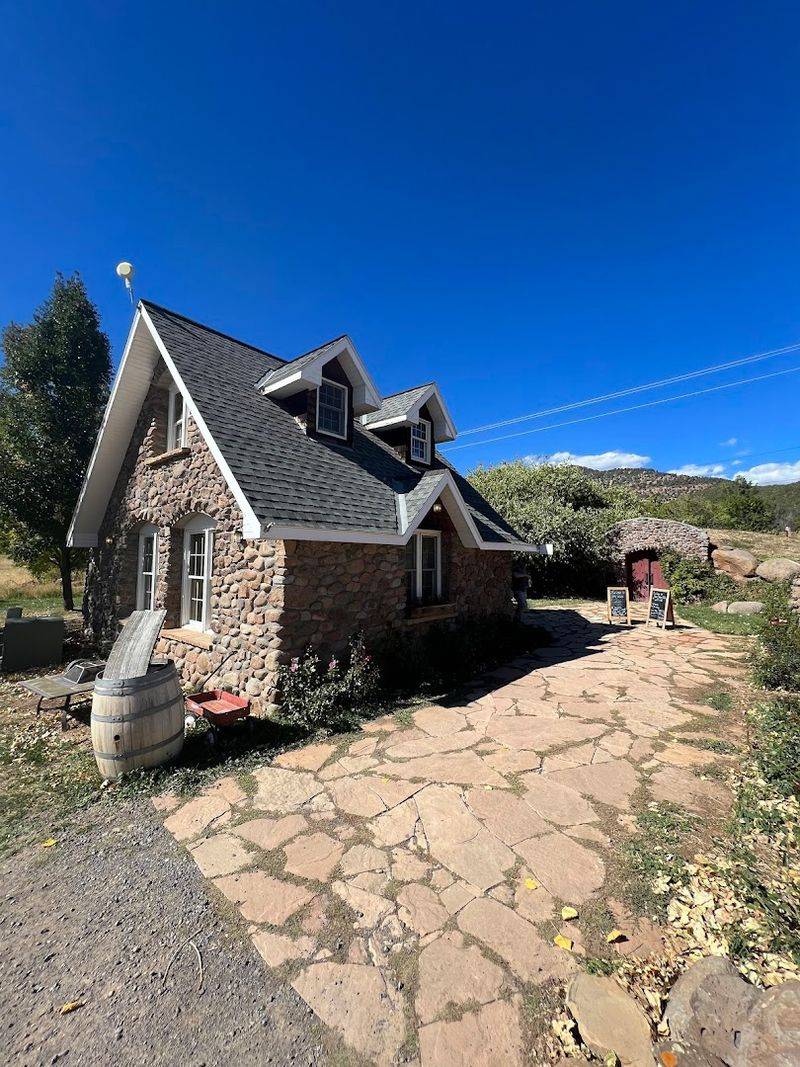
Colorado wine country is one of the state’s best-kept secrets, and Stone Cottage Cellars at 41716 Reds Rd in Paonia sits right at the heart of it. The North Fork Valley has a growing season that surprises people, warm days and cool nights that produce grapes with real character.
Stone Cottage has been working this land for decades, and the wines they pour in their tasting room reflect a genuine attachment to place.
The setting alone justifies the drive. The Grand Mesa looms above the valley, the vineyard rows run neat and green, and the whole scene has the unhurried quality of somewhere that hasn’t been discovered yet by the weekend crowds that overrun more famous wine regions.
Tasting fees are modest, the staff is knowledgeable without being condescending, and the pours are generous.
Paonia itself is worth an hour of exploration, with independent shops, a farmers market in season, and a community of artists and growers who give the town an unusually vibrant energy for its size. Plan the drive through Hotchkiss and Delta on the way back for a proper western Colorado loop.
I came for the wine and stayed for the view, which is, I think, exactly what the winemakers intended all along.
6. Royal Gorge Route Railroad, Canon City
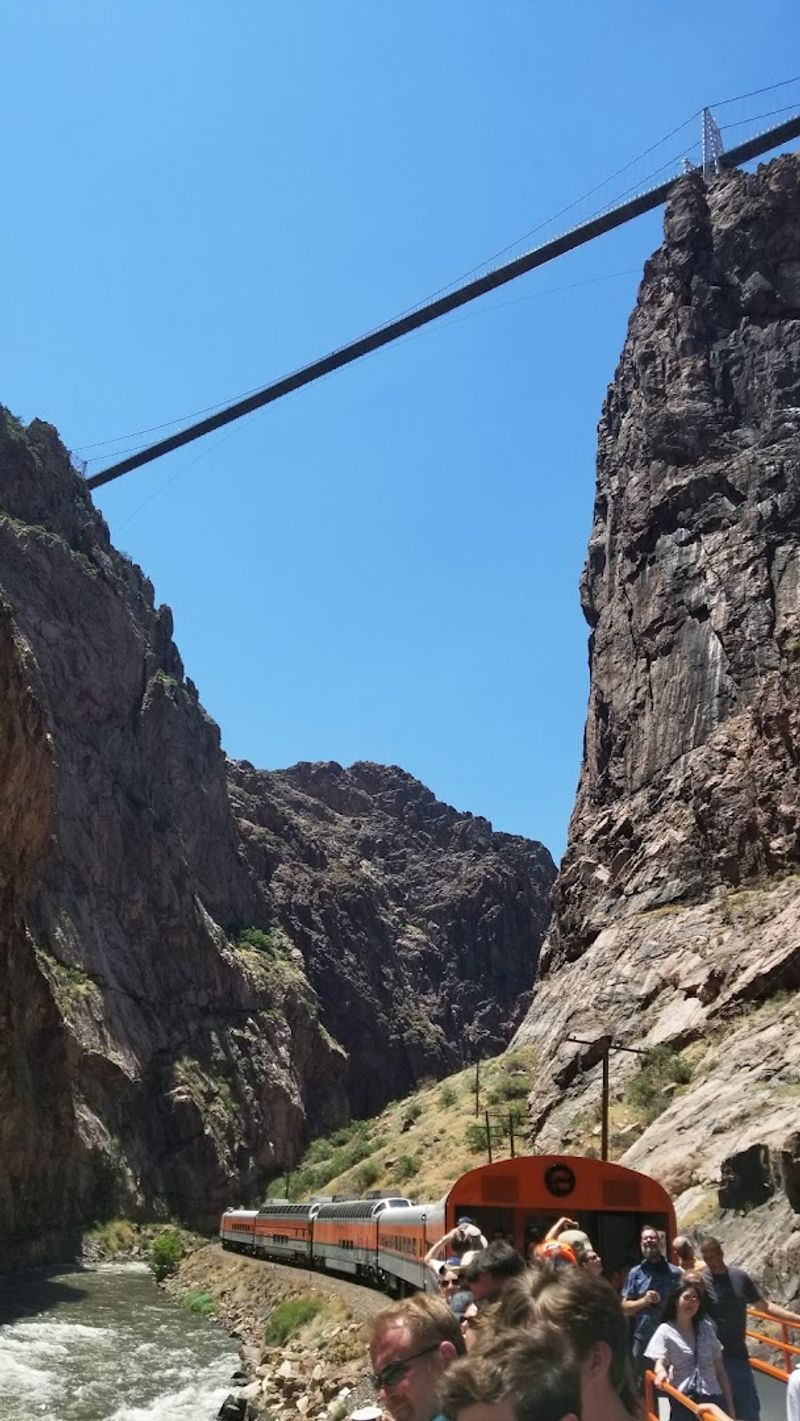
Riding the Royal Gorge Route Railroad out of Canon City is the kind of experience that makes you wish more problems could be solved by sitting in a comfortable seat and letting someone else do the navigating. The train departs from 401 Water St and winds into one of the deepest canyons in North America, with granite walls rising over a thousand feet on both sides and the Arkansas River churning below.
The Royal Gorge itself is dramatic enough to feel slightly unreal, like someone turned the landscape settings up past the point of reasonable taste. The railroad has been running passengers through the gorge since 1880, making this one of the most historic scenic railways in the country.
Different car classes are available, from coach seating to dome cars with panoramic windows to dinner excursions that turn the trip into a full evening.
The journey takes about two hours round trip, which is just long enough to properly absorb the scenery without getting restless. Kids are absolutely mesmerized by the canyon walls, and adults tend to go quiet in a way that rarely happens on vacation.
Book tickets in advance, especially for summer weekends, because this one fills up fast and for very good reason. I’d ride it every year without hesitation.
7. Colorado Gators Reptile Park, Mosca

You would not expect to find a working alligator farm in the middle of the San Luis Valley, and yet here we are. Colorado Gators Reptile Park at 9162 Lane 9 N in Mosca began as a tilapia fish farm in the 1980s, using geothermal water from the same underground heat source that feeds the nearby hot springs.
The warm water attracted alligators as a way to dispose of fish scraps, and then someone had the inspired idea to open it to the public.
Today the park houses over 400 alligators along with pythons, boa constrictors, snapping turtles, and a rotating cast of other reptiles and exotic animals that have been rescued or donated over the years.
Brave visitors can pay to hold smaller alligators under staff supervision, which is either thrilling or alarming depending on your personal relationship with large prehistoric predators.
This is the kind of place that sounds like a punchline until you’re actually standing in front of a pond full of gators in Colorado. It’s genuinely educational, completely unique, and deeply strange in the best possible way.
Kids go absolutely feral with excitement, and adults spend most of the visit trying to explain to themselves why this exists. Pair it with a dunes visit for the most surreal day in the state.
8. Limon Heritage Museum, Limon
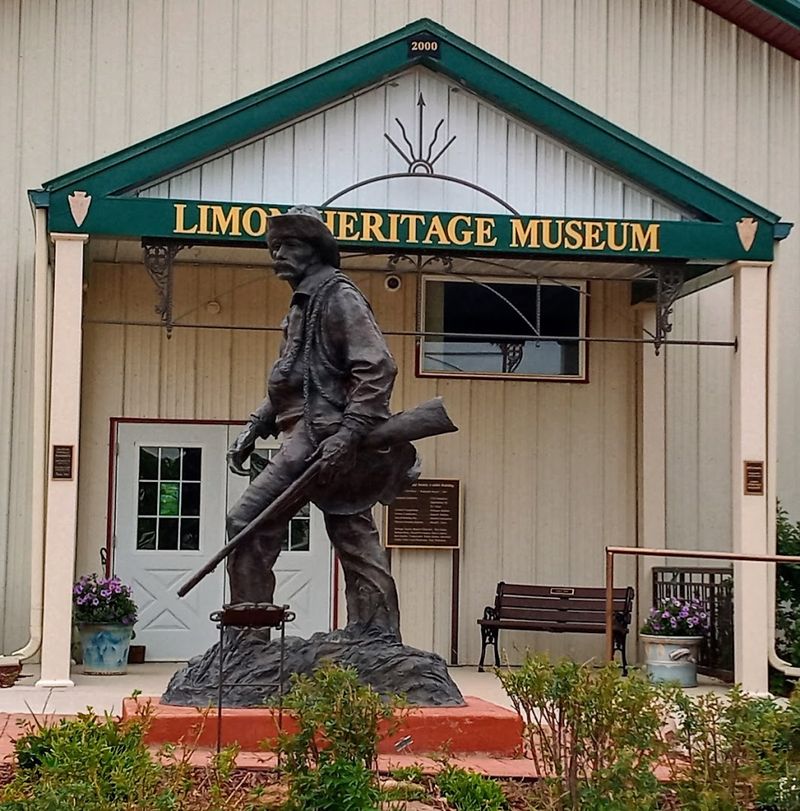
Limon sits at the crossroads of I-70 and Highway 24, which means most people blow through it without a second glance. That’s a shame, because the Limon Heritage Museum at 701 and 899 1st Street tells a story about eastern Colorado that doesn’t get nearly enough attention.
The railroad shaped this town, and the museum preserves that history with restored equipment, period photographs, and exhibits that put real faces on the homesteading era.
The centerpiece is a beautifully restored Union Pacific depot, moved to the museum grounds and filled with artifacts that range from antique farm tools to vintage railway memorabilia. Outside, a collection of historic vehicles and equipment gives the whole complex the feeling of a proper outdoor museum rather than a single dusty room.
Eastern Colorado gets dismissed as flyover country even by Coloradans who should know better, and places like this push back against that narrative with quiet authority.
Admission is affordable, the volunteers who staff the museum are genuinely enthusiastic, and the surrounding town has a handful of good lunch spots that cater to road-trippers.
If you’ve driven I-70 a hundred times and never stopped in Limon, consider this your permission slip to finally pull off. The plains have their own beauty, and this museum helps you see it.
9. Georgetown Gateway Visitor Center, Georgetown
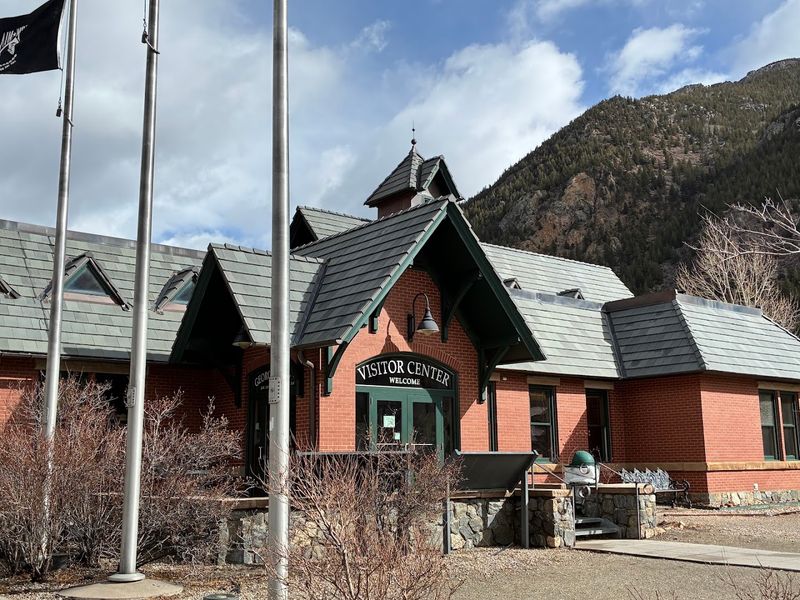
Georgetown is only about 45 miles west of Denver on I-70, which makes it almost embarrassingly easy to reach, and yet it manages to feel genuinely removed from city life the moment you step out of the car. The Georgetown Gateway Visitor Center at 1491 Argentine Street is the right place to start, staffed by people who know the town’s history and can point you toward the best of it without wasting your time.
The town was founded during the silver boom of the 1860s and retains more original Victorian architecture than almost anywhere else in Colorado. Walking the main streets feels less like a tourist experience and more like a field trip through a particularly well-preserved chapter of western history.
The Hotel de Paris, the Hamill House, and dozens of other structures have been maintained with real care.
Georgetown Loop Railroad offers a narrow-gauge excursion that’s worth booking if you have kids in tow, winding up into the mountains on tracks that once served the mining camps above town.
The town also sits at the base of some spectacular hiking terrain for those who prefer their history mixed with elevation gain.
Fall is extraordinary here, when the aspens above town turn the hillsides gold. I keep finding new reasons to come back, and that’s the mark of a town doing something right.
10. Maroon Bells, Aspen
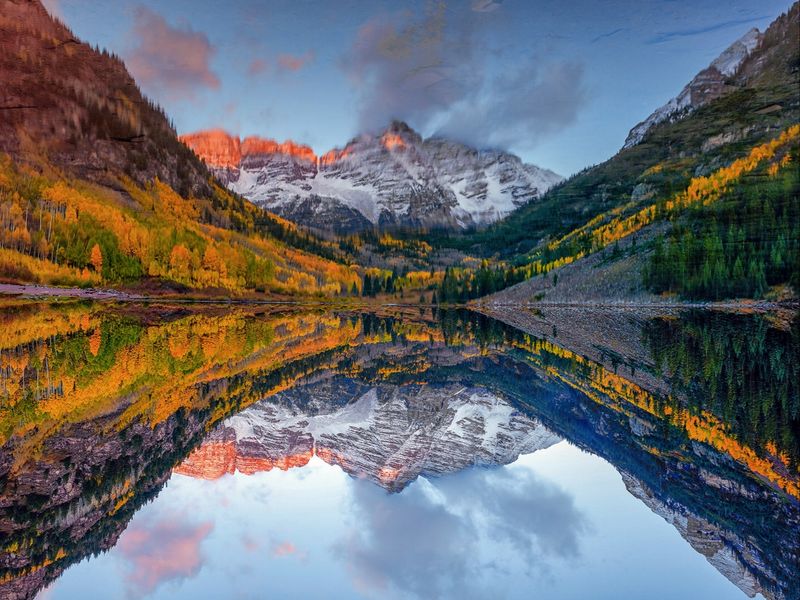
The Maroon Bells are the most photographed mountains in Colorado, and once you see them you understand why without needing it explained. Accessible via shuttle from the Maroon Bells Welcome Center at Aspen Highlands Ski Area, the twin peaks rise to over 14,000 feet and reflect in Maroon Lake with a symmetry that feels almost staged.
The shuttle system exists because the road to the bells was simply too popular for unrestricted car access.
Riding the shuttle is actually part of the charm. You arrive with a shared sense of anticipation, step off into the crisp mountain air, and round a bend to find the view waiting for you like a promise kept.
The lake trail is short and accessible, but longer hikes into the Maroon Bells-Snowmass Wilderness reward those with more time and sturdy boots.
September is peak season for a reason: the aspens turn a shade of gold that makes every photo look filtered, and the morning light on the peaks is genuinely otherworldly. Arrive on the first shuttle if crowds bother you.
Bring layers regardless of the forecast, because mountain weather in Colorado respects no schedule. I’ve visited the Maroon Bells in three different seasons and each time felt like seeing them for the first time.
Some places earn their reputation honestly, and this is one of them.