
10 Unforgettable Day Trips You Should Take In Arkansas
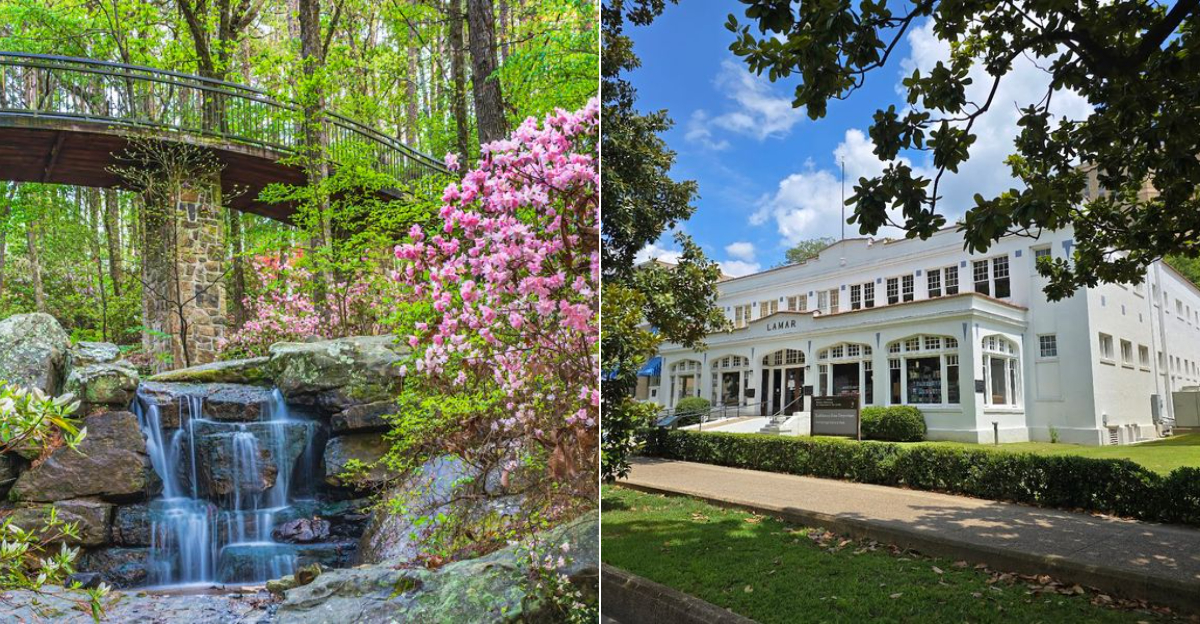
Arkansas has a way of surprising you. One minute, you’re soaking in the healing waters of a historic bathhouse, and the next, you’re searching for diamonds at Arkansas’ only diamond-hunting park.
I’ve spent a lot of time exploring this state. Every trip has left me with a new story, sore legs from a hike, and a camera roll full of breathtaking views.
If you’re looking for day trips that mix adventure, history, quirky spots, and plenty of natural beauty, you’re in the right place. This list covers the ten places in Arkansas that will make you fall in love with the state all over again.
If you’re chasing waterfalls, digging for treasures, or simply soaking up the views, Arkansas never disappoints. These day trips will have you discovering parts of the state you never knew existed, and trust me, you won’t want to miss a single one.
1. Hot Springs National Park & Bathhouse Row
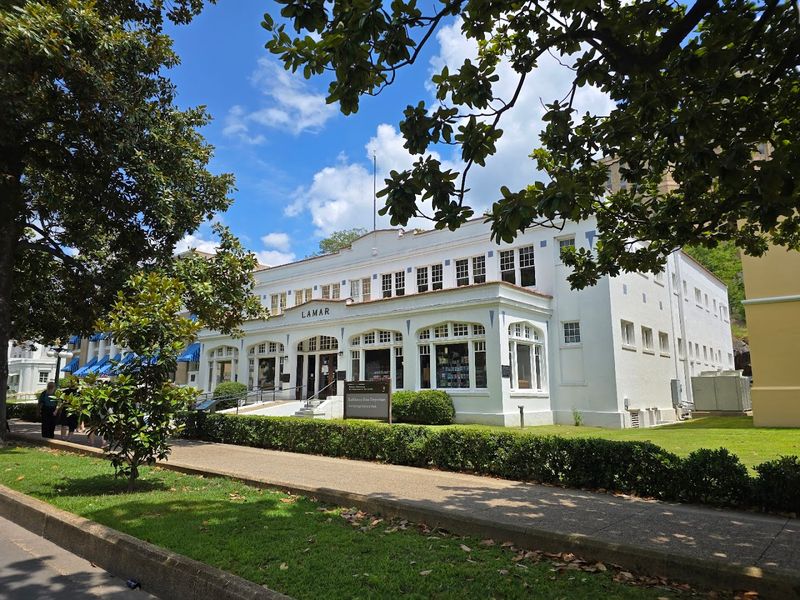
Walking down 369 Central Ave in Hot Springs, Arkansas, you get the distinct feeling that time slowed down here on purpose.
Hot Springs National Park is the only national park built around a city, and Bathhouse Row is its crown jewel, a stretch of grand, early 20th-century bathhouses that once drew presidents, celebrities, and baseball teams looking to soak away their aches.
The thermal waters here flow naturally from the earth at around 143 degrees Fahrenheit, which the park has been managing and delivering to visitors for well over a century.
I spent a morning at the Quapaw Baths and Spa, soaking in pools fed by the famous thermal springs, and I left feeling like a brand-new person.
The Fordyce Bathhouse serves as the visitor center now, and its restored interiors are genuinely stunning, full of stained glass, tile work, and old-school luxury that tells the full story of the Gilded Age spa culture.
Strolling the Grand Promenade trail behind Bathhouse Row adds a peaceful, shaded walk that rounds out a perfect day.
Hot Springs rewards the curious traveler who slows down and actually looks around.
2. Crater Of Diamonds State Park
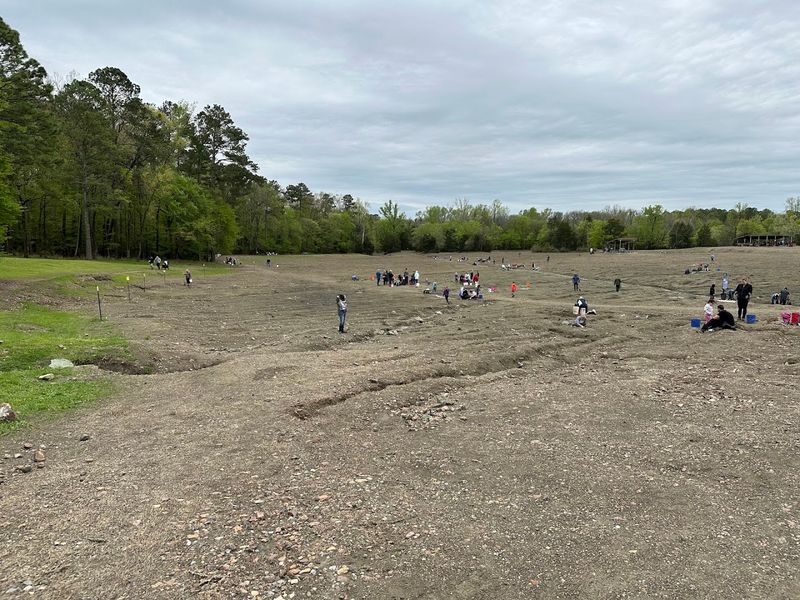
There are not many places on earth where you can legally keep a real diamond you find yourself, and Crater of Diamonds State Park at 209 State Park Rd, Murfreesboro, Arkansas is one of them.
This 37-acre plowed field sits on top of an ancient volcanic pipe, which is exactly the kind of geological setting where diamonds form, and visitors have been finding them here since the park opened in 1972.
I showed up with zero expectations and a borrowed screen and trowel, spent a few sweaty hours sifting through reddish clay soil, and walked away with a handful of quartz crystals and one very small but very real brown diamond.
The park staff will help you identify what you find for free, which is an incredibly satisfying service when you are holding something sparkly and genuinely unsure what it is.
Visitors have found diamonds weighing several carats here, and the park keeps a running log of notable finds that makes for fascinating reading.
Comfortable clothes you do not mind getting dirty are absolutely essential for this trip.
Few day trips offer the genuine thrill of possibly striking it rich before lunchtime.
3. Petit Jean State Park
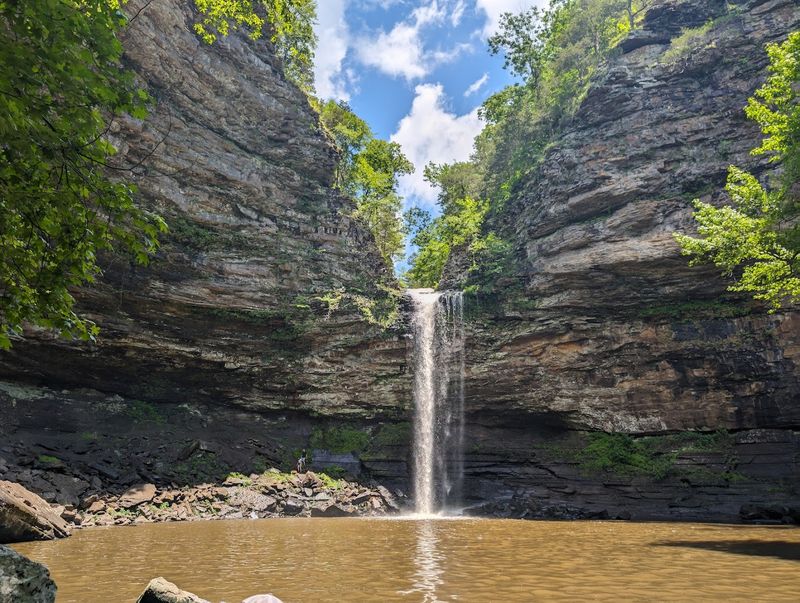
Named after a French girl who, according to legend, disguised herself as a boy to follow her explorer sweetheart to the New World, Petit Jean State Park carries a story as dramatic as its scenery.
Located at 1285 Petit Jean Mountain Rd in Morrilton, Arkansas, this was actually the first state park in Arkansas, established in 1923, which gives it a sense of history that layers nicely on top of its natural beauty.
The star attraction is Cedar Falls, a 95-foot waterfall that drops into a stunning rocky canyon, and the trail to reach it is one of the most rewarding moderate hikes I have done in the entire South.
Beyond the waterfall, the park offers over 20 miles of trails, a scenic overlook called Rock House Cave, ancient Native American pictographs, and the peaceful Mather Lodge where you can grab a meal with a view.
I recommend arriving early on weekends because the Cedar Falls trail gets busy, and the experience is much better when you can move at your own pace without a crowd.
The overlook at the top of the mountain, gazing out over the Arkansas River Valley, has a way of making every problem feel temporarily very small.
4. Pinnacle Mountain State Park
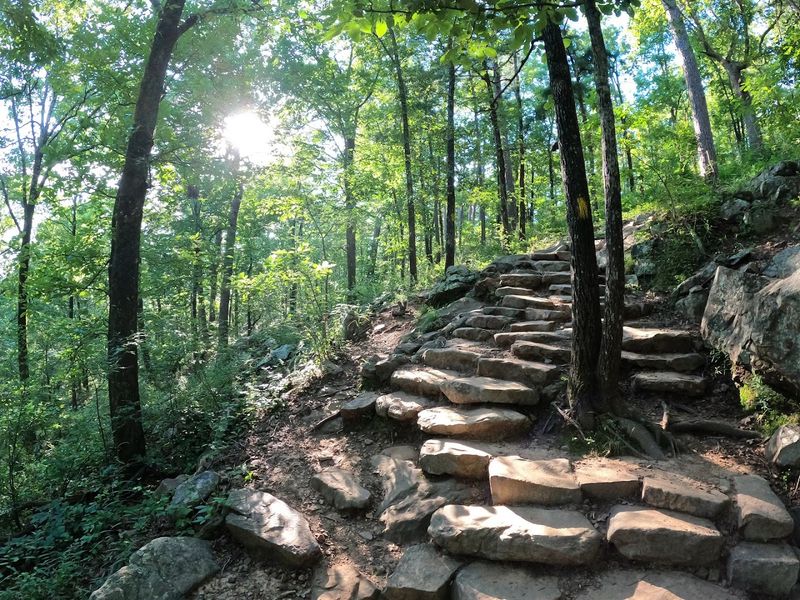
Just a short drive from downtown Little Rock, Pinnacle Mountain State Park at 11901 Pinnacle Valley Rd delivers the kind of summit views that feel like they belong somewhere far more remote.
The mountain itself rises sharply to about 1,011 feet, and its conical shape makes it one of the most recognizable landmarks in central Arkansas, visible from miles away before you even lace up your boots.
The West Summit Trail is the most popular route, and I will be honest with you: the upper section involves scrambling over loose boulders, which is less of a hike and more of a full-body puzzle that requires both hands and a healthy sense of adventure.
Once you reach the top, the 360-degree panorama of the Arkansas River, Lake Maumelle, and the surrounding Ouachita foothills makes every awkward boulder scramble feel completely worth it.
The park also has gentler trails along the river bottomlands, making it a solid choice if you are bringing kids or just want a flat, scenic walk near the water.
Spring wildflower season here is genuinely spectacular, with redbuds and dogwoods painting the hillsides pink and white.
Pinnacle Mountain is proof that Little Rock punches well above its weight in outdoor offerings.
5. Garvan Woodland Gardens
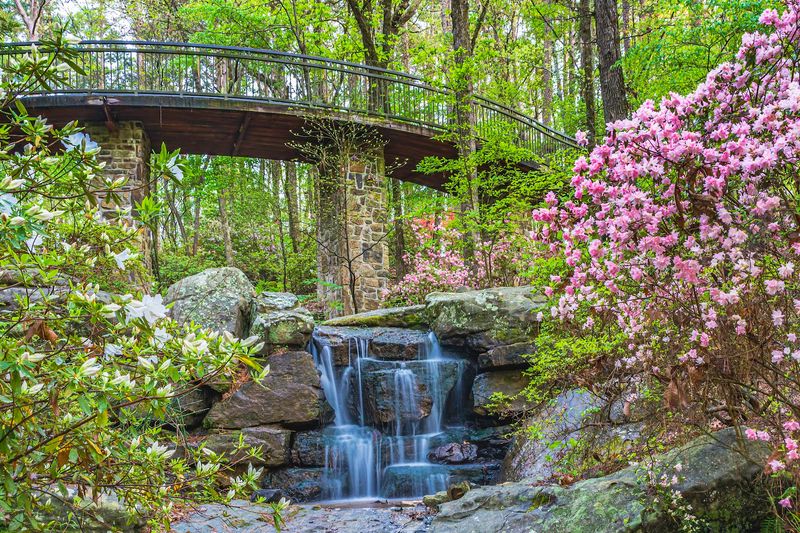
Perched on a forested peninsula jutting into Lake Hamilton, Garvan Woodland Gardens at 550 Arkridge Rd in Hot Springs, Arkansas is the kind of place that makes you want to walk slowly and look at absolutely everything.
The gardens span 210 acres and are owned and operated by the University of Arkansas, which means the plant collections are curated with serious botanical intention while still feeling completely accessible to anyone who just loves being outside surrounded by beauty.
I visited during the spring azalea bloom, and the bursts of pink, red, and purple color against the deep green of the pine forest created a visual experience that my camera struggled to fully capture.
The Anthony Chapel, a stunning glass-and-wood structure nestled among the trees, is one of the most photographed spots in all of Arkansas, and standing inside it while sunlight filters through the forest canopy is genuinely moving.
Children tend to love the treehouse area and the stepping stone paths that wind through different themed garden sections.
The lakeside views add a calming, reflective quality to the whole experience that is hard to find in busier, more commercial attractions.
Garvan is a quiet masterpiece that earns every minute of your time.
6. Eureka Springs Historic Downtown
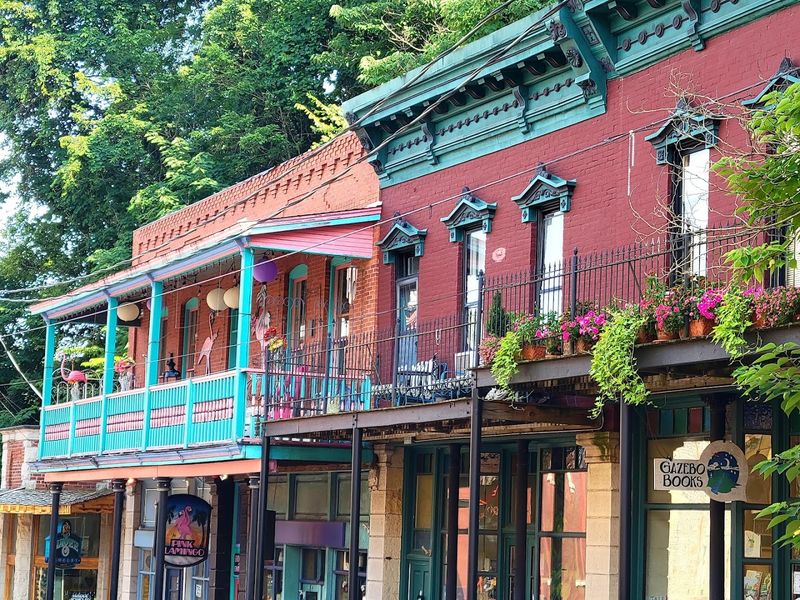
Eureka Springs is the kind of town that does not follow the rules, and that is precisely what makes it so captivating.
Centered around 101 N Main St in Eureka Springs, Arkansas, this Victorian mountain village was built in the 1880s around its own natural springs, and because the hillside terrain made grid-style planning impossible, the streets twist and loop in ways that make a simple walk feel like a genuine adventure.
The entire downtown is on the National Register of Historic Places, and the preservation of the original stone and brick architecture gives the whole place an almost theatrical quality, like a living stage set from another century.
I spent a full afternoon wandering in and out of art galleries, antique shops, and studios run by local artists, and the creative energy of the town is completely infectious.
The Basin Spring Park at the heart of downtown is a lovely spot to sit, watch the foot traffic, and soak up the eccentric, artsy atmosphere that defines Eureka Springs.
The historic district also has excellent restaurants tucked into old Victorian buildings, which makes planning lunch a genuinely fun part of the day.
Eureka Springs rewards wanderers who have no fixed agenda and plenty of curiosity.
7. Buffalo National River
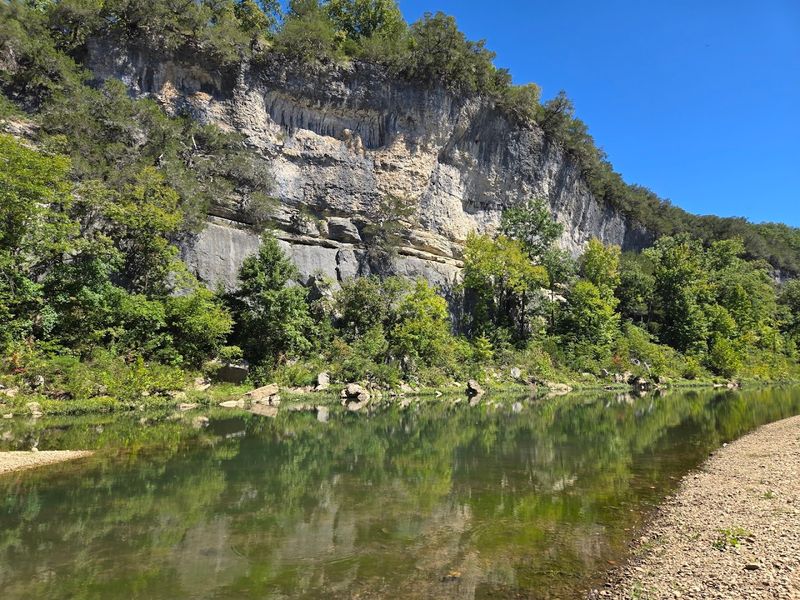
The Buffalo National River was the first national river designated in the United States, earning that distinction in 1972, and floating its clear, spring-fed waters beneath towering limestone bluffs is an experience that stays with you long after you have dried off.
The river stretches 135 miles through the Ozark hills of northern and central Arkansas, offering everything from gentle floats suitable for beginners to more challenging stretches after heavy rain.
I paddled a section of the lower Buffalo on a clear October morning when the fall foliage was at its peak, and the combination of red and orange leaves reflected in the still water, with 400-foot bluffs rising above me, was almost too beautiful to process in real time.
Hiking is equally rewarding here, with trails leading to the iconic Hemmed-In Hollow waterfall, which is the tallest waterfall between the Appalachians and the Rockies at 209 feet.
Wildlife sightings are common, including white-tailed deer, wild elk in the upper river area, and a remarkable variety of birds throughout the year.
Renting a canoe or kayak from one of the outfitters near Ponca or Jasper is easy and affordable, making this trip accessible for almost anyone.
The Buffalo River has a rare, unhurried magic that is almost impossible to put into words.
8. Crystal Bridges Museum Of American Art
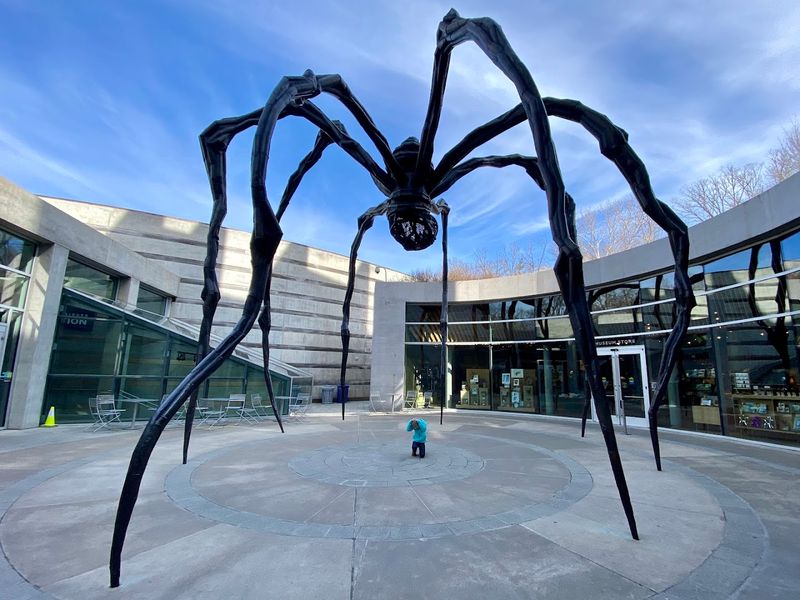
Few museums in the country have an origin story quite like Crystal Bridges, which was founded by Alice Walton and opened in 2011 in Bentonville, Arkansas, bringing a world-class art collection to the Ozark hills in a way that genuinely surprised the art world.
Located at 600 Museum Way, Bentonville, AR 72712, the building itself is an architectural achievement, with curved pavilions designed by Moshe Safdie that seem to grow organically from the surrounding forest and reflect beautifully in the spring-fed ponds below.
The permanent collection spans five centuries of American art, from colonial portraits to works by Georgia O’Keeffe, Norman Rockwell, Andy Warhol, and Mark Rothko, making it one of the most comprehensive American art collections anywhere in the world.
Admission to the permanent collection is always free, which still feels almost too good to be true every time I walk through the doors.
The surrounding trail system winds through the Ozark forest with outdoor sculptures placed along the paths, turning a simple walk into a moving gallery experience.
The on-site restaurant, Eleven, serves creative, regionally inspired food that makes staying for lunch an easy decision.
Crystal Bridges has a way of making art feel like something that belongs to everyone, not just the initiated few.
9. Bull Shoals-White River State Park
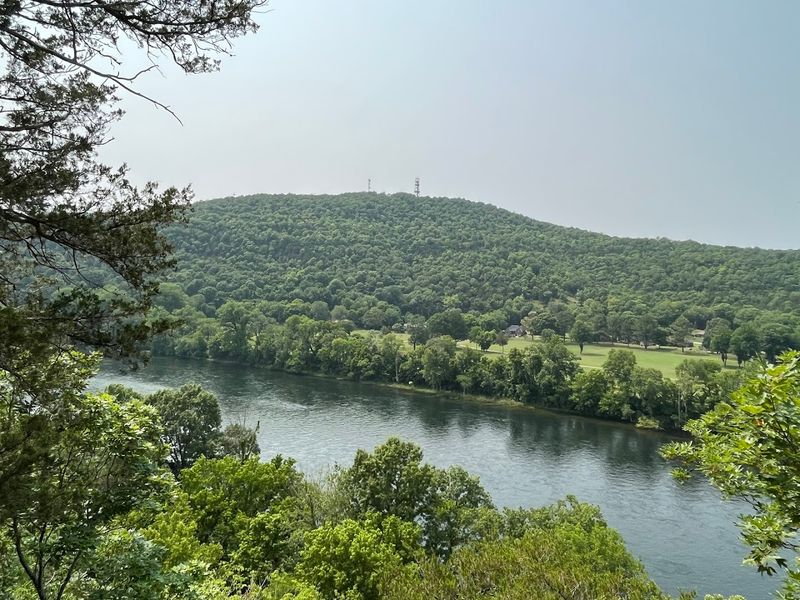
Cold, clear, and teeming with trophy-sized trout, the White River below Bull Shoals Dam is considered one of the premier trout fisheries in the entire United States, and Bull Shoals-White River State Park at 1503 State Park Entrance Rd in Bull Shoals, Arkansas puts you right in the middle of it.
The park sits at the base of Bull Shoals Dam, one of the largest dams in the country, and the tailwater released from the dam keeps the river at a near-constant 58 degrees year-round, creating ideal conditions for rainbow and brown trout that grow to genuinely impressive sizes.
I am not a serious angler by any stretch, but watching seasoned fly fishers work the river in the early morning mist, with the dam looming in the background and herons stalking the shallows, was a surprisingly meditative experience.
Beyond fishing, the park offers boat rentals on Bull Shoals Lake, campgrounds, swimming areas, and a visitor center where you can learn about the history of the dam and the river ecosystem it created.
The lake itself covers over 45,000 acres and is popular for bass fishing, water skiing, and simply cruising on a warm afternoon.
The park is quieter and less crowded than many Arkansas state parks, which gives it a relaxed, unhurried quality that is its own kind of reward.
Bull Shoals is where serious nature lovers and casual explorers alike find exactly what they came for.
10. Botanical Garden Of The Ozarks
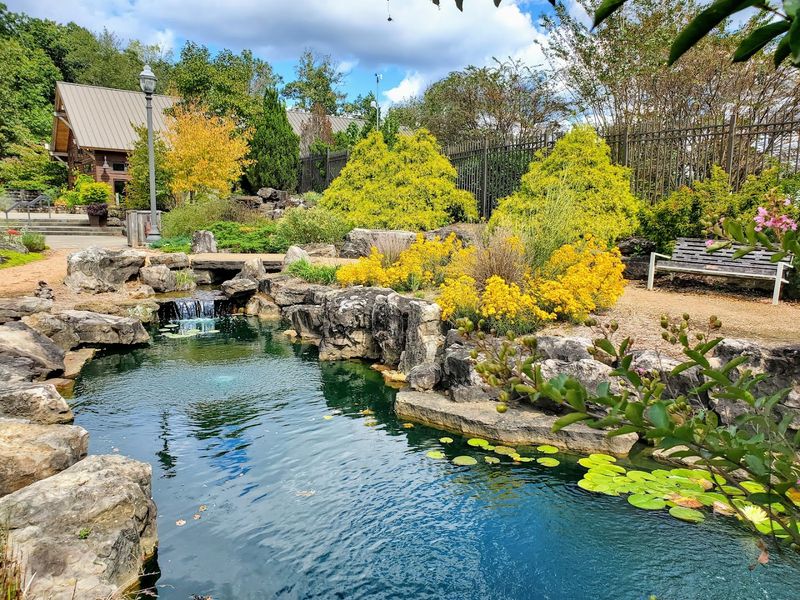
The Botanical Garden of the Ozarks is a 12-acre collection of themed garden rooms that manages to feel both carefully designed and completely natural at the same time. It’s located in the rolling landscape of northwest Arkansas at 4703 N Crossover Rd in Fayetteville.
The garden is organized into twelve distinct areas, each with its own character, including a children’s garden, a butterfly house, a xeriscape garden, a rose garden, and a sensory garden that invites visitors to touch, smell, and fully engage with the plants around them.
I visited on a weekday morning in early summer when the perennial borders were absolutely loaded with color, and the combination of fragrance, buzzing pollinators, and birdsong created a full sensory experience that felt genuinely restorative.
The butterfly house is a particular highlight, a warm enclosed space where dozens of native butterfly species flutter freely around visitors, occasionally landing on shoulders or hands in a way that delights both kids and adults equally.
The garden also hosts a popular seasonal event calendar, including plant sales, yoga sessions, garden tours, and a beloved winter lights display that transforms the grounds after dark.
Fayetteville is already a fantastic town to spend a day in, and the Botanical Garden makes an ideal first or last stop on any visit to the area.
Walking out of this garden, I always feel like I have borrowed a bit of calm from the plants themselves.