
10 Unique Colorado Towns That Totally Transform Every Single Fall
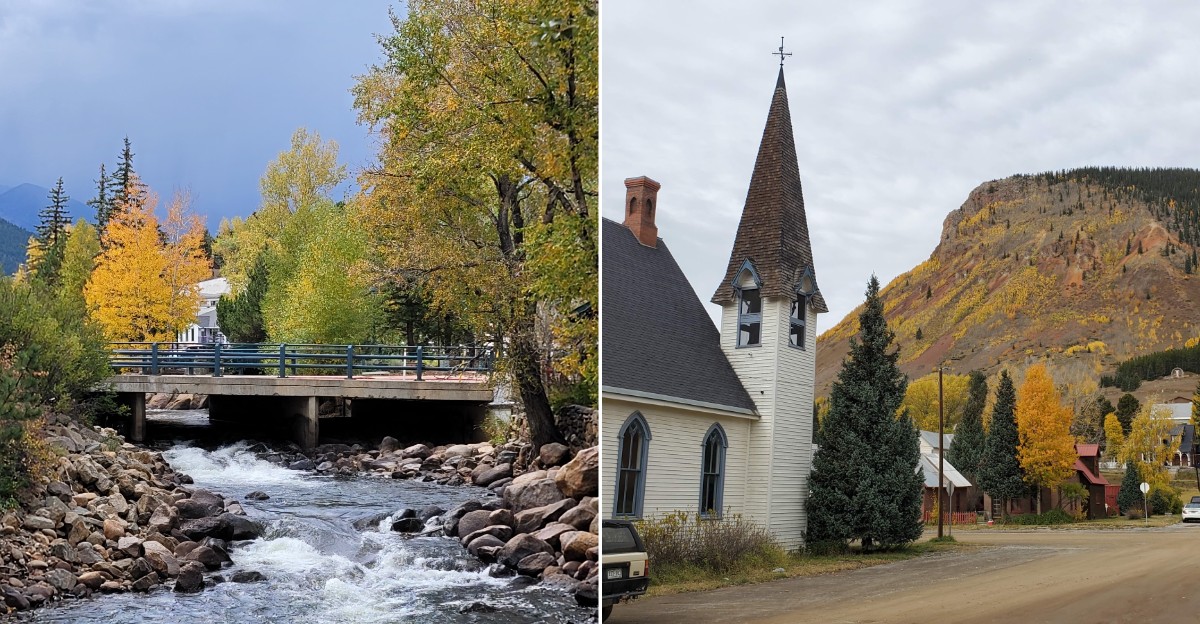
Autumn does not arrive in the mountains. It flips the scenery like someone changed the set overnight.
Gold spills across hillsides, backroads become photo stops, and even overlooks can feel brand new. The transformation is especially dramatic in the mountain towns of Colorado, where elevation and geography give each valley its own version of fall.
One place might frame glowing aspens against peaks, while another sends you through winding streets lined with historic buildings and crisp morning air. That variety is exactly why choosing just one stop can be tricky.
You could chase color on a scenic drive, pair the views with a short walk, or simply find a bench and let the afternoon unfold. Timing matters, since peak color never follows a calendar.
With a little planning, autumn in Colorado can turn an ordinary day trip into something that feels completely different from the road you drove last month.
1. Aspen
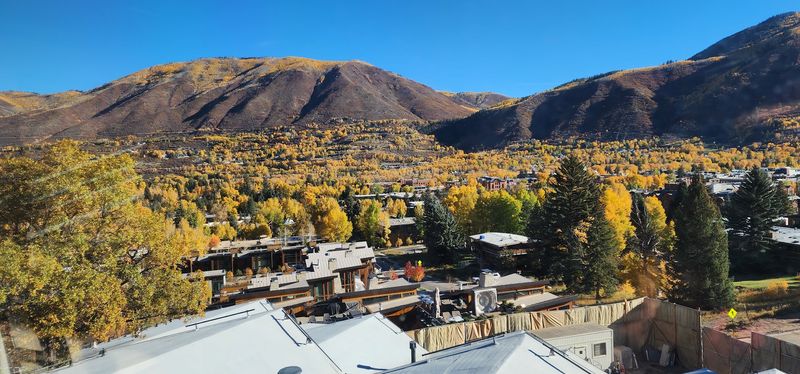
Aspen shares its name with the tree that puts on the fall show, which feels almost unfair to the competition. Around this historic Rocky Mountain town, quaking aspens turn bright gold, giving the surrounding slopes a look that changes the whole shape of a familiar mountain view.
Maroon Bells is a key reason to consider Aspen for an autumn trip. The peaks provide a clear landmark, while the nearby aspen groves supply the color.
Rather than treating foliage as a small bonus to a town visit, plan time to look beyond town and take in the wider mountain setting.
Colorado color is tied to the season, not a fixed date on a calendar. If your schedule has room to move, check current conditions before settling on a trip.
That is more useful than trusting a photo taken during one especially colorful week in some other year.
Aspen works well for travelers who want their fall plans centered on a specific landscape instead of a long checklist. Keep the day flexible enough to enjoy the groves and the mountain views without making every stop a race.
Here, the trees are not just background decoration. They are the reason the town carries its name, and in autumn they make a strong case for it.
2. Crested Butte
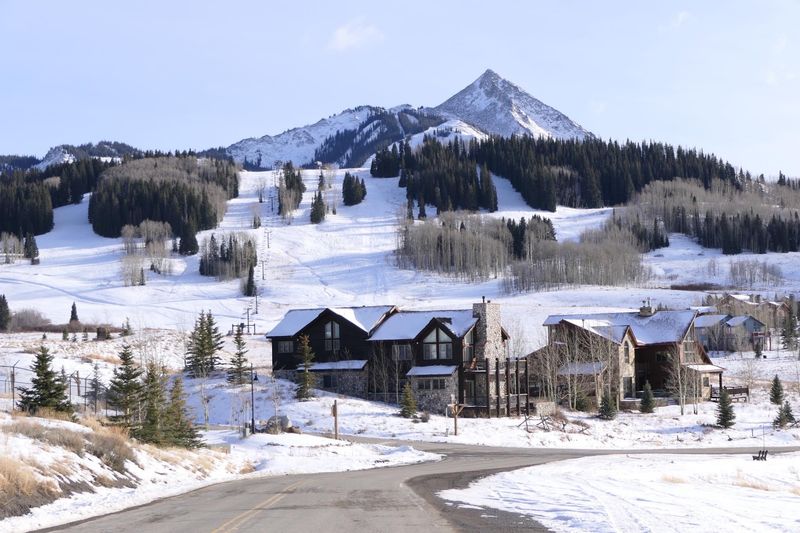
Some fall views come in neat little patches. Crested Butte has access to something on a different scale: Kebler Pass and one of Colorado’s largest contiguous aspen forests.
When those trees change color, the appeal is not a single photogenic branch but a broad sweep of orange and gold.
That makes the historic alpine town a useful base for anyone who wants foliage to be the main event. Look at a map before you set out so you understand the relationship between Crested Butte and nearby Kebler Pass.
The pass is part of the area’s identity, but it is not a street in town.
Autumn mountain travel rewards a little patience with the forecast and current road information. Check conditions close to your departure rather than assuming that last year’s travel plan will fit this year’s weather.
Keep a second plan in mind if conditions change; a colorful landscape is not a reason to ignore a road update.
Crested Butte’s distinction is the size of its aspen setting. You do not have to invent an elaborate itinerary to understand the draw.
Pick the town because you want to see how one connected forest can turn an alpine landscape into an enormous fall color study.
3. Telluride, CO
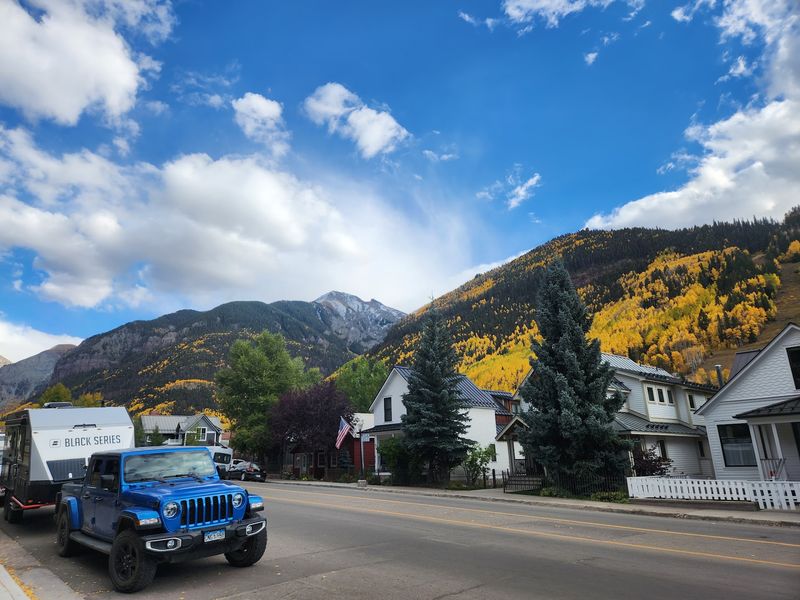
Telluride has a handy trick for fall travelers: the scenery rises around the town instead of waiting somewhere far beyond it. Its box canyon sits in the San Juan Mountains, and golden aspen canopies spread across the canyon walls when autumn color arrives.
The gondola connecting Telluride with Mountain Village offers another way to understand that setting. A ride puts the relationship between town and mountain slopes into view without asking everyone in your group to agree on a long walk.
That is useful when a family outing includes very different ideas about effort.
Keep the geography clear while planning. Telluride and Mountain Village are connected, but they are separate places, so check where you intend to start and where you intend to finish.
Parking choices include free and paid options; look up current details before relying on a particular lot.
Colorado has plenty of colorful hillsides, but Telluride’s box canyon gives the change a distinct frame. The town sits below the display, while the gondola helps you see how the gold fits into the larger mountain scene.
Bring a little flexibility to the day, especially if conditions shift. The important decision is not how many stops you can squeeze in, but how much of that unusual landscape you want time to notice.
4. Estes Park
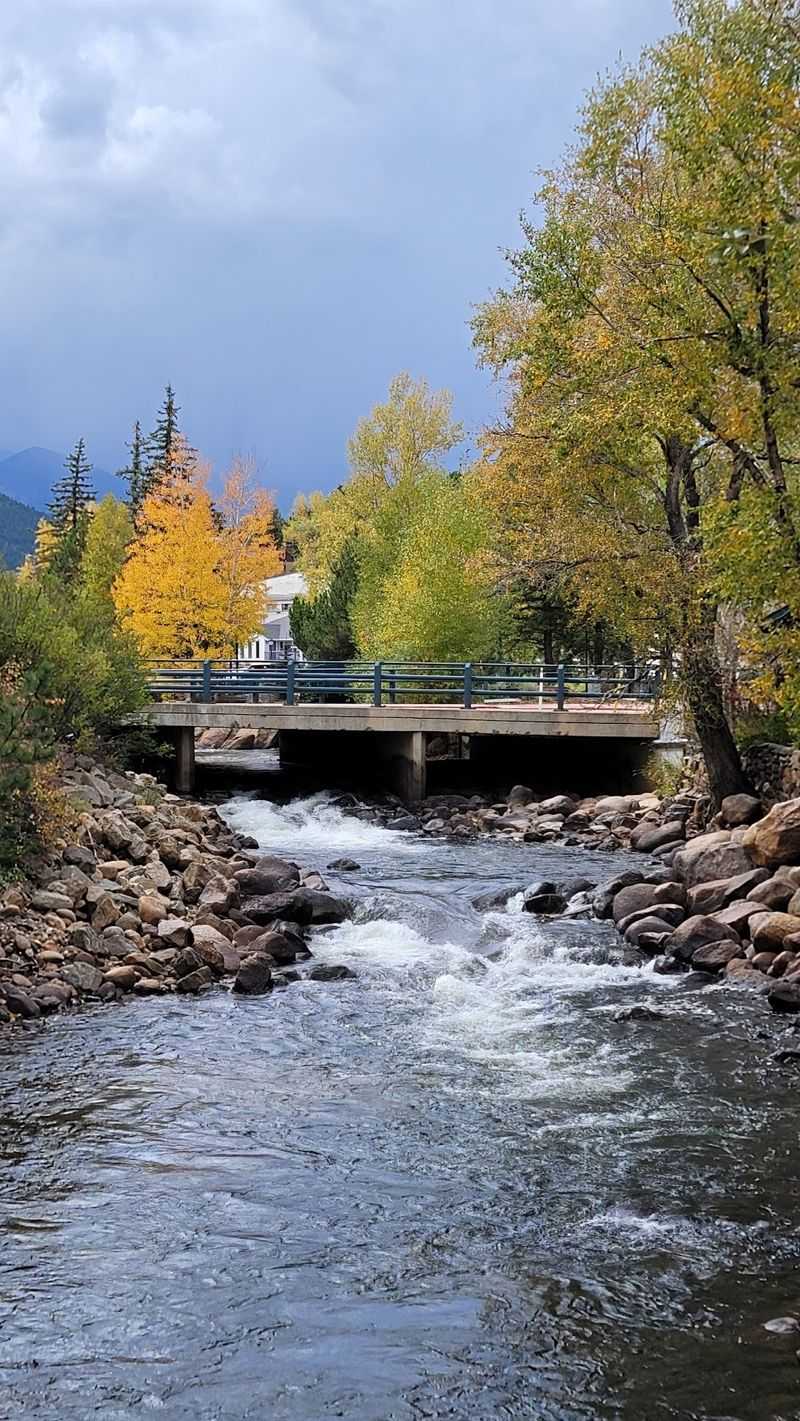
In Estes Park, the fall calendar has two headline acts. Mountain foliage changes color, and the annual elk rut adds a wildlife dimension to the season.
That combination makes the town feel different from a trip planned around trees alone.
Estes Park serves as a primary gateway to Rocky Mountain National Park, so it is a sensible place to orient a mountain outing. Decide whether your day is focused on the town, the park, or both before you go.
If the park is part of your plan, check its current entry rules and conditions rather than assuming access works the same way every year.
The elk deserve room, not an audience trying to move closer for a better picture. Watch wildlife from a safe distance and follow posted guidance.
A phone camera can crop a photograph later; it cannot make an unsafe encounter safe. This is a good autumn stop for people who enjoy observing what the season changes, not collecting the closest possible selfie.
Colorado’s fall color may be the first reason you circle Estes Park on a map. The seasonal elk activity gives you a second reason to pay attention to the landscape.
Keep your plans loose enough to enjoy both, while letting wildlife remain wildlife.
5. Breckenridge
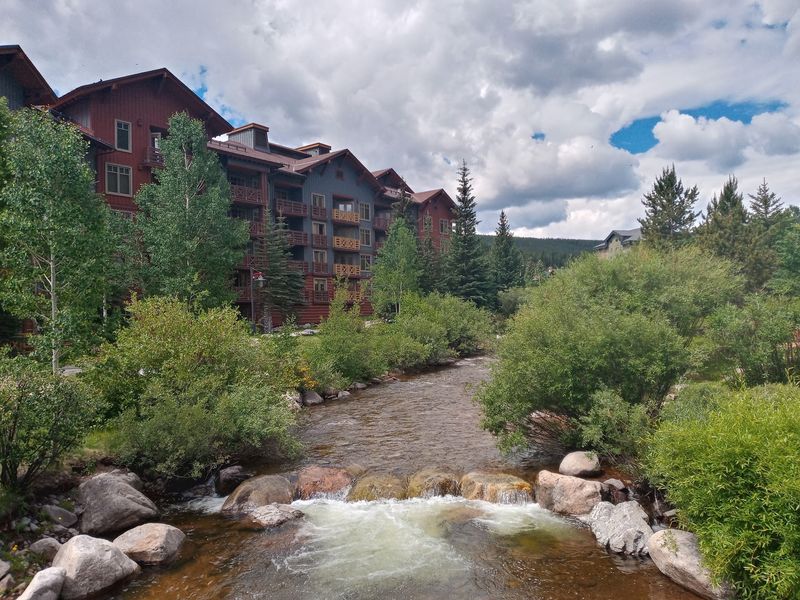
At about 9,600 feet, Breckenridge does not need much help feeling like a mountain town. Add golden aspen groves around its peaks, and the historic Victorian setting takes on a different look before winter arrives.
It is a satisfying contrast: built details in town, broad color on the slopes.
September and October are the months associated with that fall change, but a calendar cannot promise a particular shade on a particular day. Check recent foliage and weather information as you plan.
The elevation matters for another reason, too: pack layers and look at the forecast rather than dressing for the weather you left behind.
Give yourself room to notice both sides of Breckenridge. A trip devoted only to distant peaks could miss what makes the town distinct, while a plan that never looks beyond town misses the aspen setting.
The Victorian character and the surrounding groves work together here; neither needs to compete for attention.
For a Colorado fall outing, Breckenridge is a reminder that color can change how you read a familiar place. The buildings hold their shape, but the mountain backdrop does not keep the same palette.
Choose it when you want a town with a strong historic identity and a seasonal landscape that clearly announces what comes next.
6. Ouray
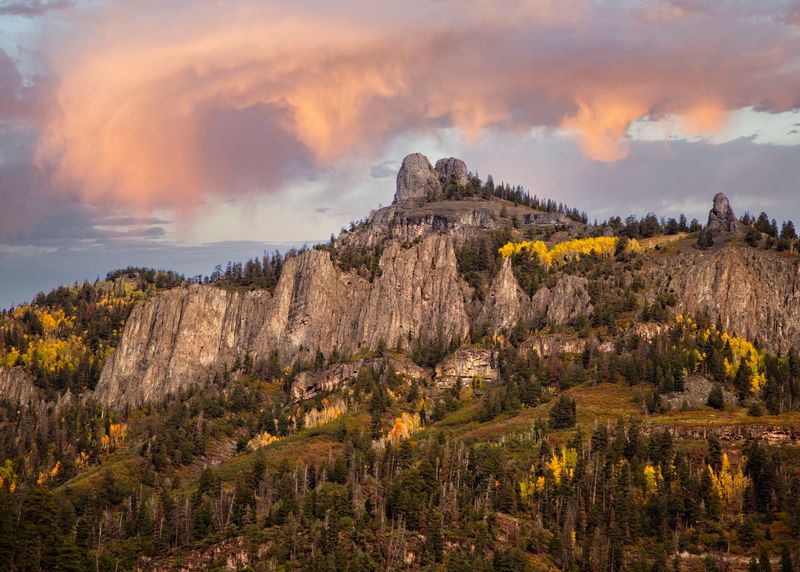
Ouray comes with a nickname that sets a high bar: the Switzerland of America. The steep canyon walls around this historic valley town help explain the comparison.
In fall, golden aspens frame the peaks, giving that dramatic terrain a color change you can understand even without a guidebook.
The nearby Million Dollar Highway adds another dimension to a visit. It is known for its mountain scenery, and autumn foliage gives the surrounding views a different look.
Treat the route as a drive that deserves your full attention, not as a backdrop for checking your phone. Look up current road and weather conditions before setting out.
Ouray is not the place to plan around a vague promise of color everywhere at once. Choose a trip date with some flexibility if possible, and check recent conditions as the season develops.
The landscape is the main attraction in this entry, so it makes sense to spend more time understanding the setting than filling a schedule with unrelated stops.
There is a pleasingly direct reason this town belongs on a Colorado fall list: canyon walls, peaks, and aspens share the same frame. The highway extends that mountain context beyond town.
Leave room in your plans for the views, and give the road the respect its setting calls for.
7. Silverton
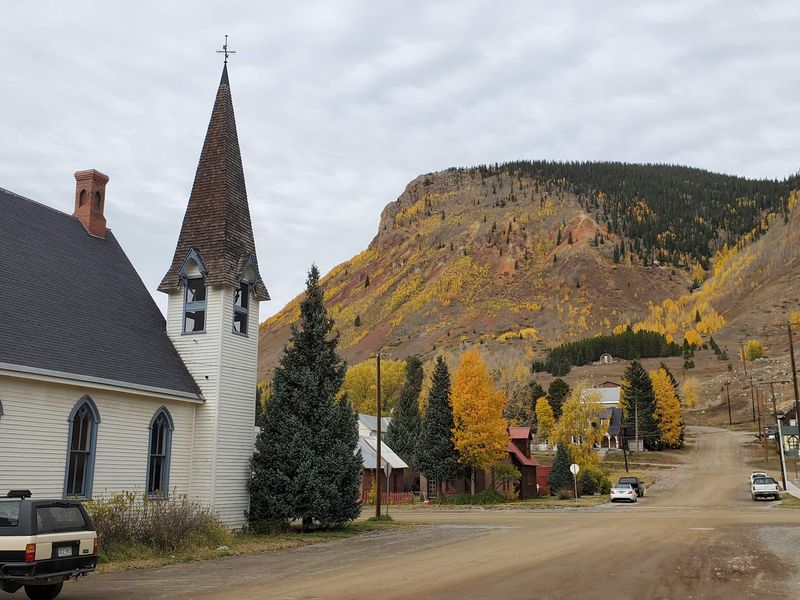
Silverton’s mining history does not fade into the scenery, even when the San Juan Mountains change color. This high altitude town sits in a rugged valley, where autumn foliage gives the surrounding slopes and historic railway corridors a new look.
The contrast between human history and mountain scale is the point.
Think of Silverton as a place to read in layers. There is the former mining town, the valley that shaped its setting, and the railway corridors that add another line through the landscape.
Fall color brings those pieces into sharper focus rather than replacing them with a single postcard view.
High country plans need a practical check before departure. Review the forecast and current travel conditions, particularly if your route crosses mountain terrain.
If a railway outing is part of your idea, confirm current service directly instead of assuming that every route or schedule runs throughout the fall.
Silverton asks for a different kind of attention than a town known mainly for broad aspen forests. Its autumn change plays against a working history and a distinctly rugged San Juan valley.
Give yourself time to take in that full setting. The color is memorable, but the reason it matters here is what it reveals about the place beneath it.
8. Steamboat Springs
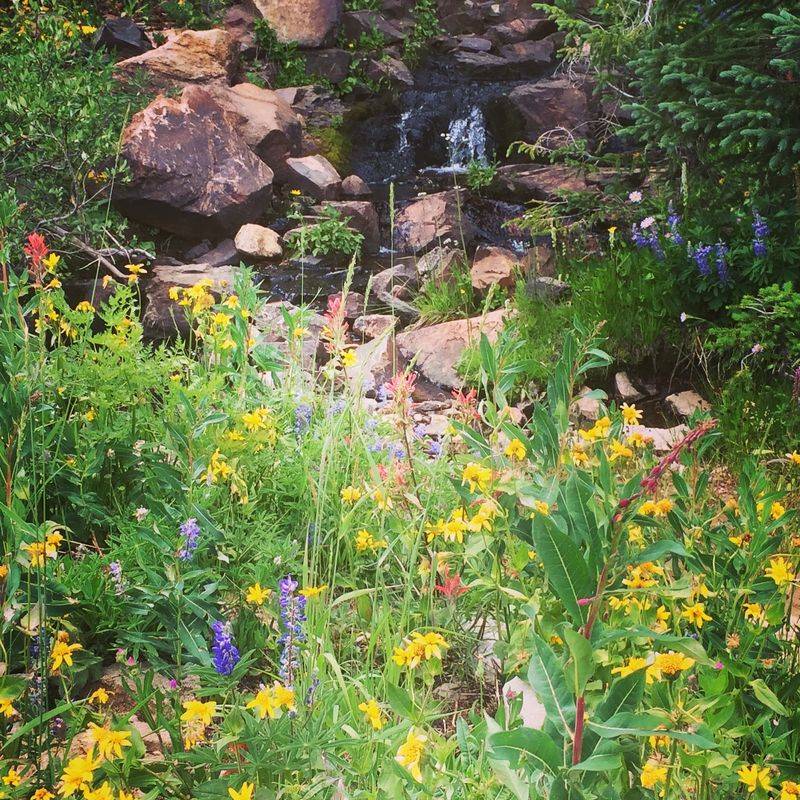
Steamboat Springs makes a strong case for looking beyond a single overlook. This Yampa Valley community has fall color across surrounding hillsides, with Buffalo Pass and Routt National Forest providing distinct parts of the setting.
Golden canopies can turn a broad mountain view into the main reason for the outing.
Start with the map rather than a crowded list of stops. Steamboat Springs is the town; Buffalo Pass and the forest are surrounding landscape, not interchangeable names for one location.
Knowing where you want to focus helps you plan a day that fits your available time.
Trails are part of the area’s autumn appeal, but conditions and access deserve a check before you commit to one. Look for current route information and bring what suits the forecast.
If your group would rather keep the day centered on views, you need not turn a foliage trip into an endurance test.
What distinguishes Steamboat Springs on this Colorado list is the sweep of its fall setting. The Yampa Valley, pass, and forest hillsides offer more than one way to picture the seasonal change.
Pick a manageable piece of that landscape and give it your attention. Gold looks good across a hillside, but a sensible plan looks even better at the end of the day.
9. Durango
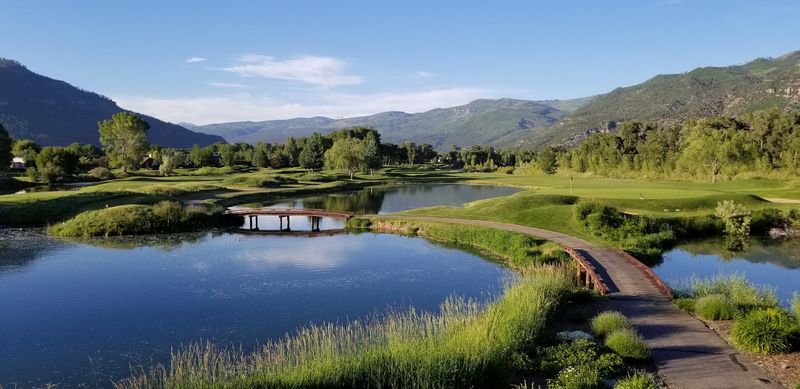
Durango gives fall travelers more than one way to watch the landscape change. Golden aspens spread through the surrounding San Juan Mountains, while cottonwoods, Gambel oak, and other trees add different shades closer to town and along the Animas River.
That variety helps autumn feel less like a single viewpoint and more like something that follows you through the area.
The historic Durango & Silverton Narrow Gauge Railroad adds another perspective. Its route passes through the San Juan National Forest and mountain canyons where fall foliage becomes part of the scenery rather than a quick roadside glimpse.
Driving and hiking offer plenty of alternatives. La Plata Canyon, the Animas River Trail, and areas farther into the mountains all provide access to seasonal color, but elevations change quickly around Durango.
That means one location can look different from another on the same day. Check current foliage conditions instead of assuming every grove will peak together.
Colorado autumn trips become easier when the itinerary leaves room for that uncertainty. Durango has enough choices that missing peak color in one spot does not have to end the search.
Pick the part of the landscape that fits your day, then give yourself time to actually look at it.
10. Ridgway
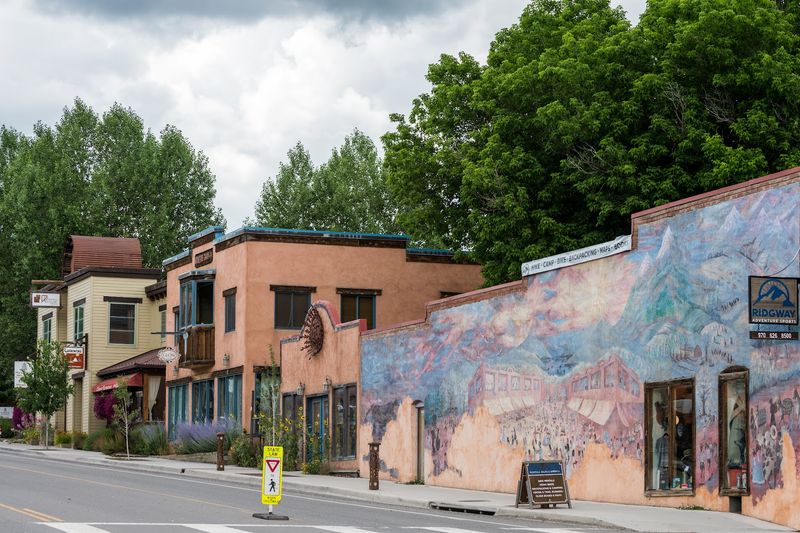
Ridgway sits where autumn color can move through the landscape almost in stages. Higher elevations around the San Juan Mountains usually begin changing first, followed by the areas closer to the valley as September gives way to October.
That gradual progression gives travelers more than one version of fall to look for.
The town also sits close to some of southwestern Colorado’s best-known mountain scenery. Ridgway, Ouray, and Telluride share the wider San Juan setting, but Ridgway has its own valley perspective rather than simply serving as a stop between its better-known neighbors.
Timing still matters. Local visitor information places the main fall-color window around late September into early October, with lower valley areas often continuing into early or mid-October.
Weather and seasonal conditions can shorten or shift that pattern.
Treat those dates as guidance rather than an appointment written in permanent ink.
A flexible day works particularly well here. Higher mountain views may have one palette while the valley is working on another.
For a Colorado fall trip, that changing elevation is part of Ridgway’s appeal. Instead of chasing one perfect grove, watch how the season moves through the wider landscape.