
Unique, Less-Touristy Corners Of Los Angeles, California, Where You Can Skip The Crowds
After years of living in the shadow of the Hollywood sign, I learned a crucial truth: the LA everyone sees on TV is the LA no one actually enjoys visiting.
My favorite memories aren’t built on overcrowded piers or gridlocked canyons, but in the quiet, dusty corners of the city—places like tucked-away community gardens or the independent bookstores that smell like old secrets.
This guide isn’t just a list; it’s a map to the authentic Los Angeles I fell in love with.
Join me as we bypass the endless lines and frustrating traffic to find the genuine heart of the city, hidden in plain sight, from coastal hikes the masses ignore to the unassuming taco trucks that define local flavor.
1. Self-Realization Fellowship Lake Shrine (Pacific Palisades)
Tucked away in Pacific Palisades at 17190 Sunset Boulevard, this spiritual sanctuary feels like stepping into another world entirely.
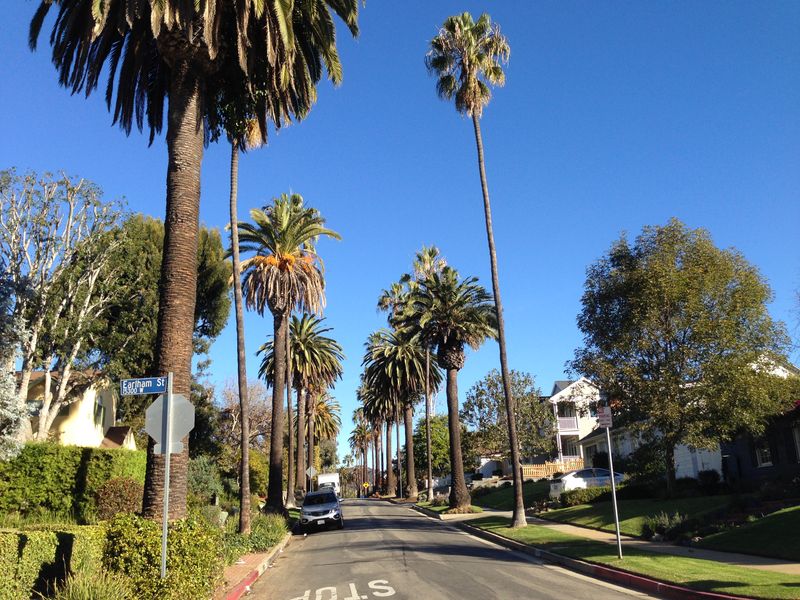
Gardens bloom with colorful flowers while swans glide gracefully across a spring-fed lake that reflects the California sky.
Meditation spots dot the ten-acre property, offering quiet corners where you can actually hear yourself think.
A golden lotus archway and a windmill chapel add unexpected architectural charm to the landscape.
The shrine even houses a portion of Mahatma Gandhi’s ashes in a stone sarcophagus overlooking the water.
Visitors wander peacefully along winding paths, far removed from the honking horns and traffic jams that define much of LA life.
Entry is free, though donations are welcomed to maintain this hidden gem.
Whether you’re seeking spiritual reflection or simply a moment of calm, this place delivers serenity in spades.
The Lake Shrine proves that Los Angeles has pockets of peace hiding in plain sight.
2. Frogtown (Elysian Valley)
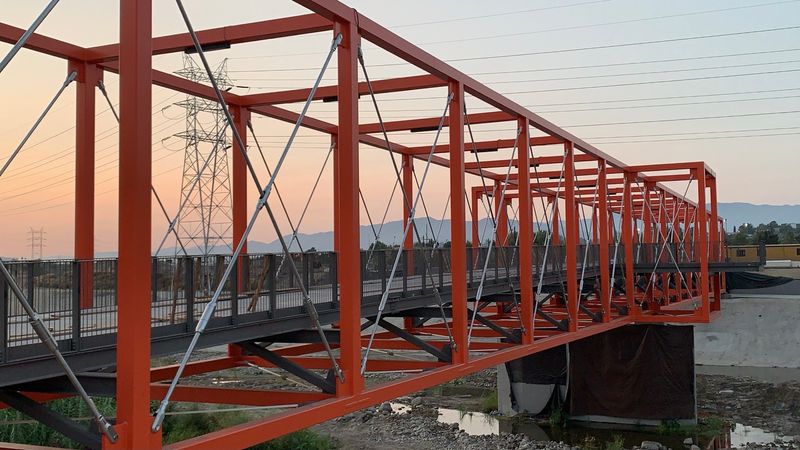
Frogtown got its quirky name from the frogs that once thrived along the Los Angeles River, and the neighborhood still hops with creative energy today.
Located near the Glendale Boulevard and Riverside Drive intersection, this small community pulses with artistic spirit.
Street murals splash vibrant colors across building walls, transforming ordinary structures into outdoor galleries.
Experimental theaters host performances that push boundaries, while indie cafés serve up strong brews and even stronger community vibes.
The LA River bike path runs right through the area, offering scenic rides without the beach crowd chaos.
Local artists have turned warehouses into studios, and you might stumble upon pop-up galleries or craft markets on any given weekend.
Food trucks park along the streets, dishing out everything from tacos to vegan treats.
Frogtown remains refreshingly unpretentious compared to trendier LA neighborhoods.
This underdog area shows that creativity thrives best away from the spotlight.
3. Highland Park / Figueroa Street Corridor
Highland Park wears its history proudly along Figueroa Street, where vintage storefronts mix with modern creativity.
This Northeast LA neighborhood stretches along York Boulevard and Figueroa Street, offering a refreshing alternative to West Side polish.
Thrift shops overflow with retro clothing, vinyl records, and furniture that tells stories from decades past.
Family-owned restaurants serve authentic cuisine from around the world, from Mexican to Filipino to Italian.
The Highland Theater, a beautifully restored 1925 cinema, hosts indie films and live performances.
Coffee shops buzz with locals working on laptops, chatting with neighbors, or simply watching the world go by.
Street art adds pops of color to building facades, while murals celebrate the area’s diverse cultural heritage.
I once spent an entire Saturday afternoon browsing record shops here, getting lost in forgotten albums and friendly conversations with shop owners who actually remembered when these records first dropped.
Highland Park manages to stay true to its roots while embracing new energy.
4. Eagle Rock
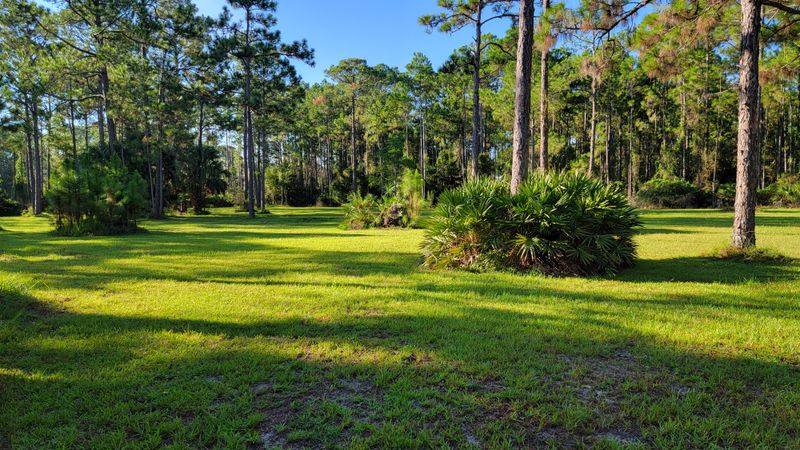
Eagle Rock takes its name from a massive rock formation that supposedly resembles an eagle in flight, though you might need some imagination to see it.
Located between Glendale and Pasadena along Colorado Boulevard, this neighborhood moves at a deliberately slower pace.
Retro diners serve classic American comfort food with a side of nostalgia.
Independent bookstores invite you to browse for hours without pressure to buy.
The weekly farmers market brings neighbors together over fresh produce and homemade baked goods.
Coffee shops function as community living rooms where regulars know each other by name.
Families push strollers down tree-shaded sidewalks, stopping to chat with neighbors.
Small music venues host local bands without the pretension of Hollywood clubs.
Eagle Rock Plaza offers practical shopping without boutique prices.
This neighborhood proves that LA can feel like a genuine community rather than just a collection of strangers.
Sometimes the best destinations are the ones that feel like home.
5. West Adams
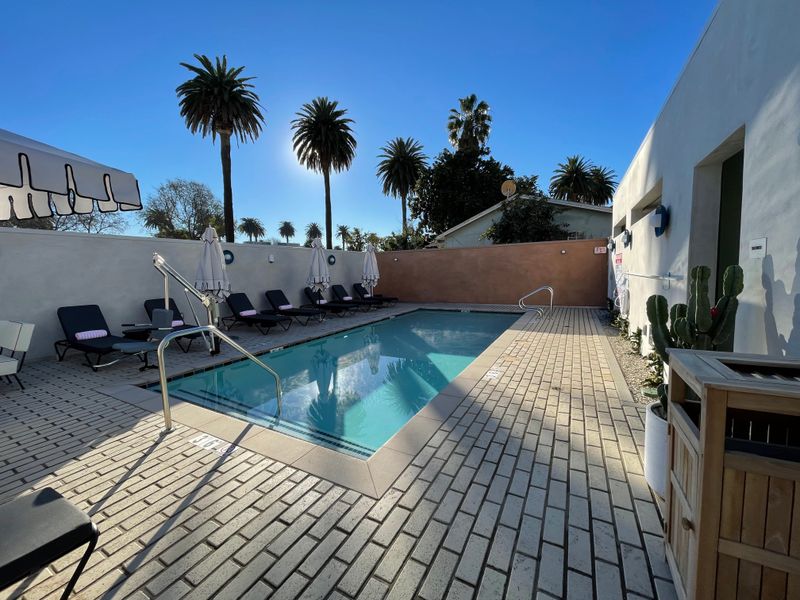
West Adams showcases some of Los Angeles’s most stunning historic architecture, with Victorian mansions and Craftsman homes lining quiet residential streets.
This neighborhood sits south of downtown, roughly bounded by Pico Boulevard and Exposition Boulevard.
Many homes date back to the early 1900s when West Adams was one of LA’s most prestigious addresses.
Architecture enthusiasts can spend hours admiring ornate details, wraparound porches, and carefully restored facades.
The local food scene has exploded recently, with new restaurants opening in renovated buildings.
Art galleries and studios occupy former commercial spaces, transforming the neighborhood into a creative hub.
The West Adams Heritage Association leads walking tours that reveal fascinating stories about the area’s past.
Tree-canopied streets provide natural air conditioning during hot summer months.
Community gardens bring neighbors together to grow vegetables and build connections.
West Adams demonstrates how historic preservation and modern creativity can coexist beautifully.
History lives and breathes in every carefully maintained Victorian detail.
6. Mar Vista (Westside)
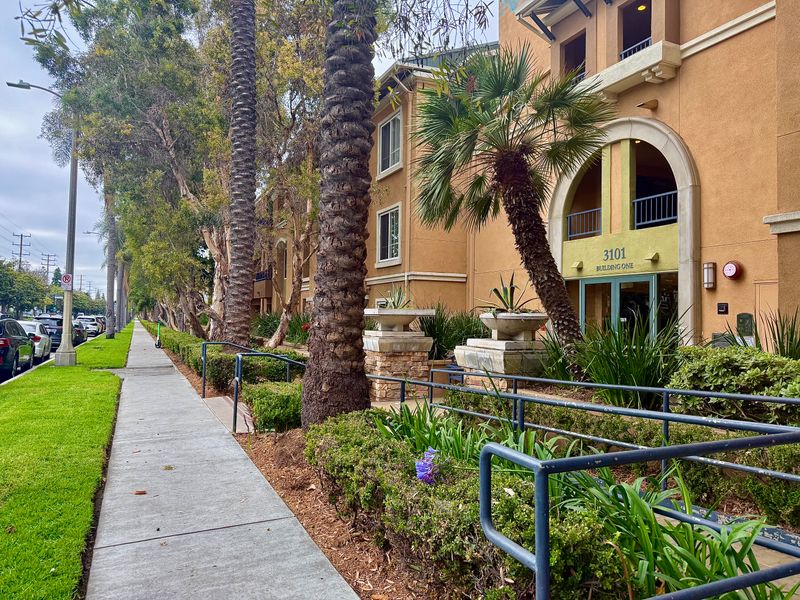
Mar Vista offers all the benefits of Westside living without the tourist crowds that swamp nearby Santa Monica and Venice.
Located between Venice and Culver City along Venice Boulevard, this neighborhood maintains a distinctly residential character.
Tree-lined streets create shady tunnels perfect for walking or cycling.
Small cafés serve excellent food without the hour-long waits common at beach locations.
Local shops sell everything from books to plants to handmade jewelry.
The Mar Vista Farmers Market on Sunday mornings draws neighbors who shop for organic produce while catching up on community news.
Parks dot the neighborhood, offering playgrounds and green space for families.
Bike paths connect Mar Vista to the beach, but most visitors never venture this far inland.
My friend lived here for three years and never once dealt with tourist traffic, despite being just minutes from the coast.
Mar Vista proves you can enjoy Westside amenities without Westside hassles.
Sometimes the best location is slightly off the beaten path.
7. El Sereno
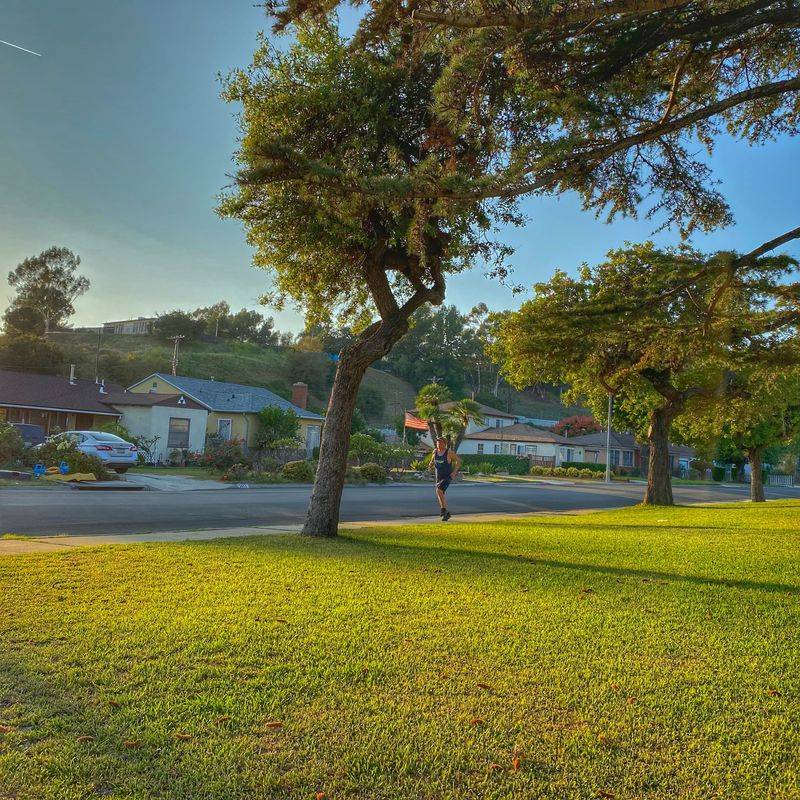
El Sereno translates to serene in Spanish, and this East LA neighborhood lives up to its peaceful name.
Situated between Alhambra and Boyle Heights along Valley Boulevard, El Sereno remains wonderfully under-the-radar.
Family-owned restaurants serve authentic Mexican food that locals swear by but tourists rarely discover.
Small markets stock specialty ingredients you won’t find in chain grocery stores.
Residential streets wind through hills, offering unexpected views of downtown LA.
The neighborhood maintains strong community ties, with generations of families calling it home.
Parks provide gathering spaces for weekend barbecues and birthday celebrations.
Housing costs remain more reasonable here than in many other LA neighborhoods.
El Sereno Community Garden brings neighbors together to grow vegetables and flowers.
Local bakeries fill morning air with the scent of fresh bread and pastries.
This neighborhood shows the authentic, working-class heart of Los Angeles that tourism brochures overlook.
Real LA flavor exists far from Hollywood’s glitter.
8. NoHo Arts District (North Hollywood)
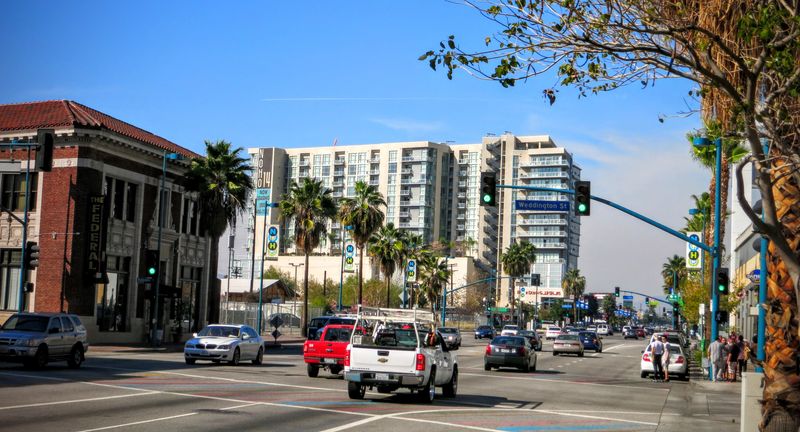
North Hollywood’s Arts District packs serious creative punch without Hollywood Boulevard’s overwhelming tourist circus.
Centered around Lankershim Boulevard and Magnolia Boulevard, NoHo thrives as a genuine arts community.
More than twenty professional theaters operate within a one-square-mile area, staging everything from experimental plays to classic productions.
Art galleries showcase local artists whose work ranges from traditional paintings to cutting-edge installations.
Music venues host live performances most nights, featuring genres from jazz to indie rock.
Independent cafés provide fuel for artists, actors, and writers working on their next projects.
The Metro Red Line stops right in the district, making it easily accessible without driving
Walkable streets encourage strolling from gallery to theater to café.
I caught an amazing improv show here once in a tiny black box theater, and the entire audience numbered maybe thirty people, creating an intimate experience impossible at larger venues.
NoHo proves that LA’s creative spirit extends far beyond the famous Hollywood sign.
9. Leimert Park
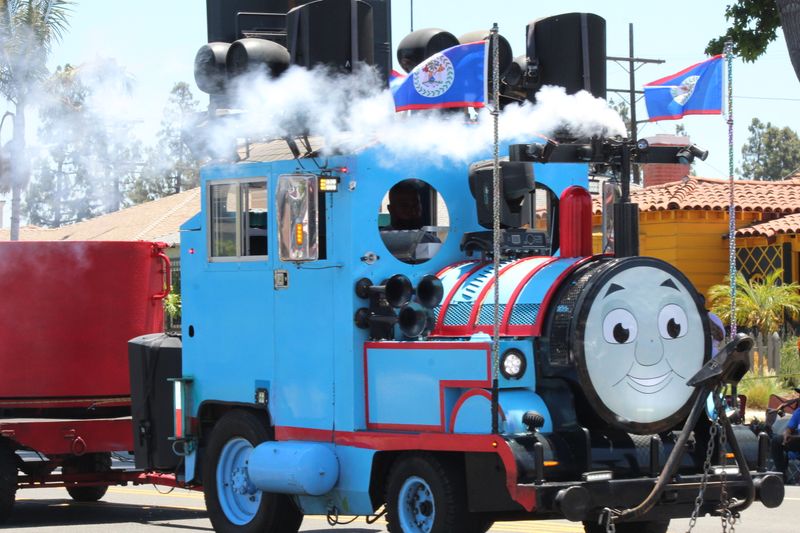
Leimert Park stands as the cultural heart of Black Los Angeles, pulsing with jazz, art, and community pride.
Located in South LA along Crenshaw Boulevard, this historic neighborhood was designed in the 1920s as a planned community.
The Leimert Park Village area centers around a pedestrian plaza where musicians jam, artists display work, and neighbors gather.
Jazz clubs host live performances that channel the spirit of legendary venues from decades past.
The Vision Theatre, a beautifully restored 1930s movie palace, now presents theatrical productions and cultural events.
Local bookstores specialize in African American literature and history.
Art galleries showcase work by Black artists exploring themes from heritage to contemporary social issues.
The World Stage hosts poetry readings and music performances in an intimate setting.
Community spirit runs deep here, with residents actively preserving the neighborhood’s cultural legacy.
Leimert Park offers authentic cultural experiences that guidebooks often miss.
True LA culture thrives in communities that honor their roots.
10. Sunland-Tujunga
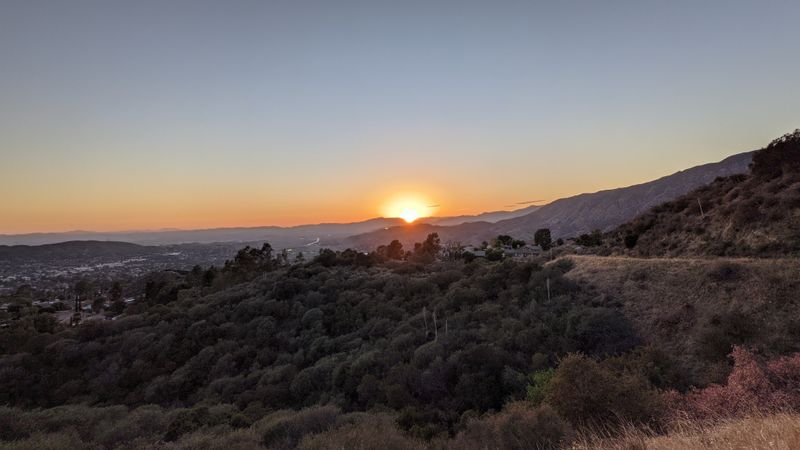
Sunland-Tujunga feels more like a mountain town than part of sprawling Los Angeles, tucked into the foothills of the San Gabriel Mountains.
Located in the Northeast Valley near the Angeles National Forest, this area maintains a distinctly rural character.
Horse trails wind through neighborhoods where residents keep horses in backyard stables.
Local diners serve hearty breakfasts to hikers heading into nearby mountain trails.
Antique shops and thrift stores line Foothill Boulevard, offering treasures from bygone eras.
The community hosts old-fashioned events like parades and street fairs that bring neighbors together.
Mt. Lukens, LA’s highest peak, looms nearby, accessible via hiking trails that reward climbers with panoramic views.
Small-town atmosphere prevails, with locally-owned businesses outnumbering chain stores.
Summer temperatures run hotter here than coastal areas, but mountain breezes provide natural cooling.
Sunland-Tujunga proves that LA contains genuine small-town pockets within its vast urban sprawl.
Sometimes you need to head to the hills to escape city life.
11. San Pedro Waterfront
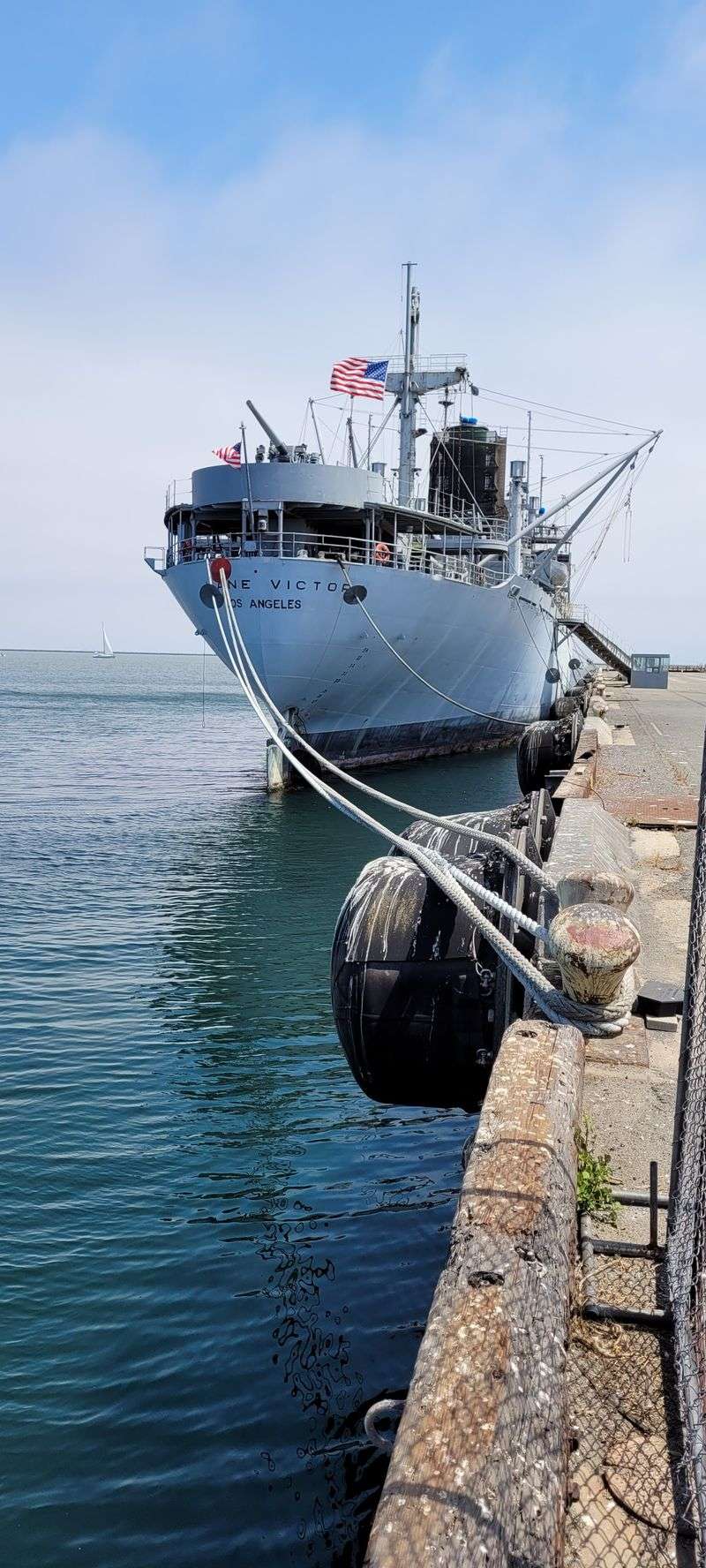
San Pedro operates as LA’s working port, offering authentic maritime character instead of polished beach resort vibes.
Located at the southern tip of Los Angeles along the harbor, San Pedro maintains its identity as a genuine port community.
The Korean Friendship Bell sits in a pavilion overlooking the Pacific, providing stunning sunset views.
Point Fermin Park offers clifftop walking paths and a historic lighthouse.
Fresh fish markets sell the daily catch directly from fishing boats.
The USS Iowa battleship museum lets visitors explore a massive warship docked permanently in the harbor.
Local restaurants serve seafood that actually tastes fresh because it practically jumps from boat to plate.
The Sunken City, an area where homes slid into the ocean decades ago, creates an eerie but fascinating landscape.
Working-class roots run deep here, with generations of families connected to maritime industries.
San Pedro shows a grittier, more authentic side of coastal Los Angeles.
Real harbor towns smell like salt water and hard work.