
12 Unique Maine Spots That Make Great Alternatives To Acadia
Acadia National Park is incredible, but Maine has so much more to offer than one famous destination. Follow the coast long enough, and the state opens into a wilder world of granite headlands, ferry-served islands, spruce forests, quiet coves, and mountain trails with barely another boot print in sight.
This is the Maine many visitors miss: places shaped by cold tides, working harbors, old forests, lighthouse views, and backroad silence.
Some spots feel remote and windblown, others sit close to charming coastal towns, yet each one offers a strong reason to keep exploring. Bring sturdy shoes, a flexible plan, and a taste for discovery.
1. Camden Hills State Park, Camden
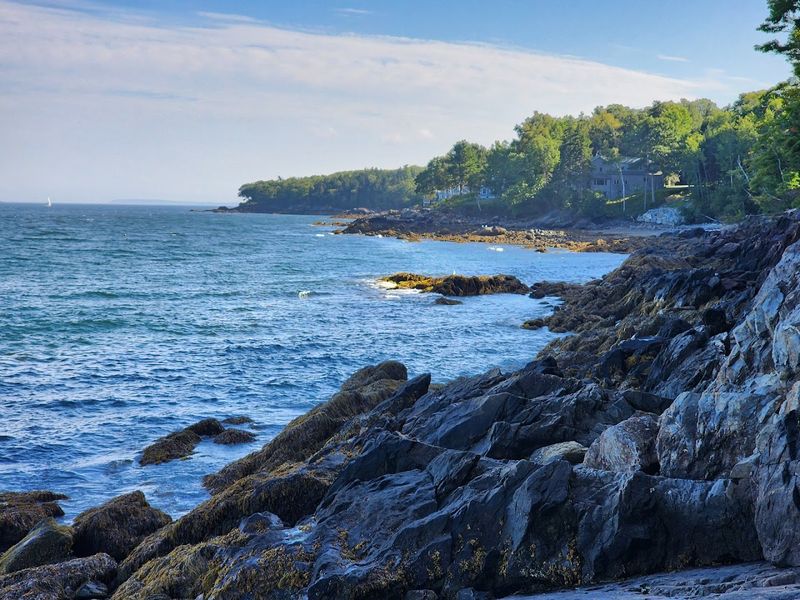
Standing on top of Mount Battie on a clear morning, with Camden Harbor spread out below you and sailboats drifting across Penobscot Bay, is one of those moments that makes you feel genuinely lucky to be alive.
Camden Hills State Park sits just north of the charming town of Camden in Knox County, and it packs an impressive range of experiences into roughly 5,700 acres of forested hills and rocky coastline.
You can drive to the Mount Battie summit if hiking is not on the agenda, but the trails are well-marked and rewarding for all skill levels.
The Maiden Cliff Trail and the Megunticook Trail both offer sweeping views without requiring serious mountaineering skills. Fall is particularly spectacular here, when the hardwood forests explode into deep reds and bright oranges.
The park also has a campground with 107 sites, making it easy to spend a full weekend exploring. Wildlife sightings, including white-tailed deer and wild turkeys, are common along the quieter trails.
Camden itself is one of the prettiest towns on the Maine coast, so you can combine a morning hike with an afternoon wandering the harbor waterfront.
2. Isle au Haut, Knox County
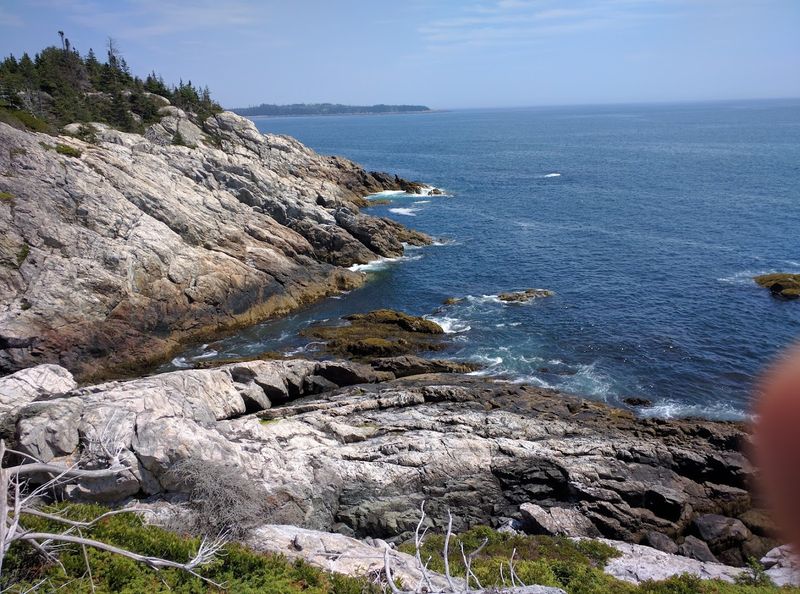
Most people do not realize that part of Acadia National Park actually sits on Isle au Haut, a remote island accessible only by mail boat from the town of Stonington. That alone makes it one of the most unique destinations in all of Maine.
The island sits about six miles offshore in Penobscot Bay and has a full-time population of fewer than 75 people, which means the trails are blissfully uncrowded even in peak summer.
The 18 miles of hiking trails on the island range from easy woodland walks to challenging scrambles along exposed sea cliffs. Duck Harbor Trail and Western Head Trail are two favorites, offering raw, dramatic scenery that feels worlds away from the mainland.
There is a small campground at Duck Harbor, but reservations are required well in advance because space is extremely limited.
The mail boat runs twice daily in summer from Stonington, and the ride itself is a treat, passing lobster boats and granite-studded islands. Bring everything you need for the day because the island has no stores or restaurants.
The reward for that effort is an almost completely wild coastal experience that very few Maine visitors ever get to enjoy.
3. Roque Bluffs State Park, Washington County
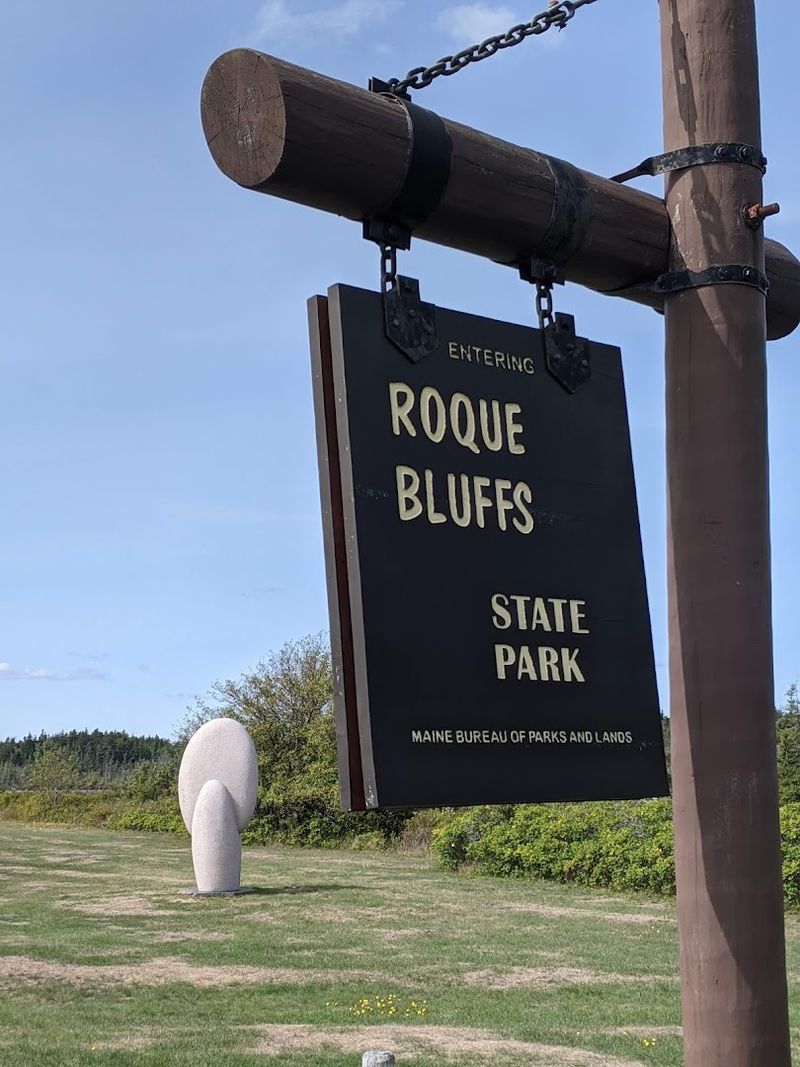
Washington County is sometimes called “the other Maine” because it sits so far Downeast that many travelers never make it there. Roque Bluffs State Park, located about six miles south of the small town of Jonesboro, is one of the county’s best-kept secrets.
The park features a half-mile ocean beach made of a mix of smooth pebbles and sand, which gives it a distinctly rugged, northern feel compared to the sandy beaches further south.
What makes Roque Bluffs genuinely special is the freshwater Simpson Pond sitting right behind the beach. You can swim in the cold Atlantic and then walk a few steps to the warmer pond for a completely different experience.
Picnic tables, restrooms, and a small playground make it a great spot for families spending a full day outdoors.
The surrounding area is thick with blueberry barrens, which turn a brilliant crimson red every autumn and create some of the most striking fall color in New England.
Birdwatchers will find plenty to keep them busy, as the coastal location attracts shorebirds, osprey, and bald eagles regularly. Sunrise over the ocean here is something you will not forget quickly, especially when the fog rolls in off the water.
4. Quoddy Head State Park, Lubec
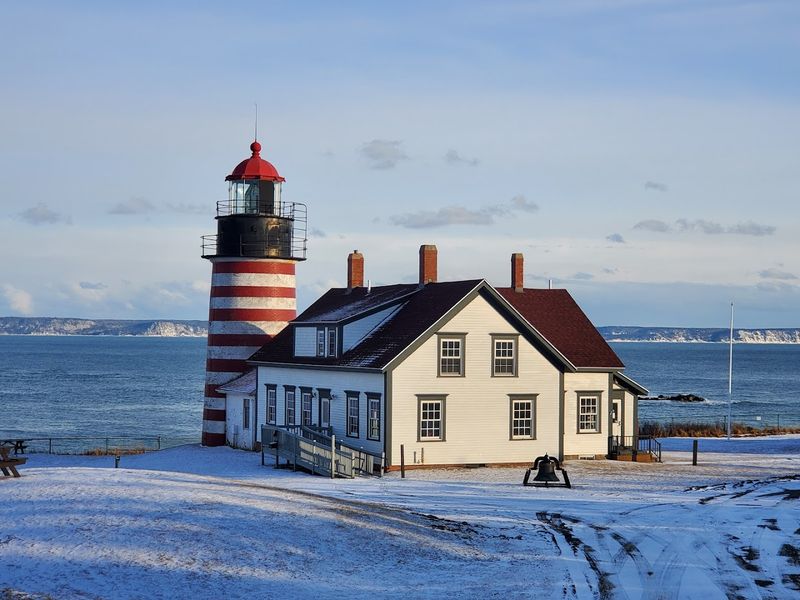
Here is a genuinely impressive geographic fact: Quoddy Head State Park in Lubec, Maine, is home to West Quoddy Head, the easternmost point in the contiguous United States.
During parts of the year, this is among the first places in the country to see the sun rise, which already makes it worth the long drive to the far corner of Washington County.
The park’s most recognizable feature is the striking red and white striped West Quoddy Head Lighthouse, which has been guiding ships through the Bay of Fundy since 1808. On clear days, you can see the Canadian province of New Brunswick directly across the water.
The tides in this area are among the highest in the world, sometimes rising and falling more than 20 feet in a single cycle.
Several trails wind through the park’s coastal bog, spruce forest, and along the dramatic cliffs above the ocean. The Bog Trail is particularly unique, passing through a raised peat bog filled with carnivorous pitcher plants and wild orchids.
Whale sightings from the headland are not uncommon during summer months. The combination of extraordinary geography, lighthouse history, and wild coastal scenery makes Quoddy Head one of the most rewarding stops in all of Maine.
5. Cobscook Shores, Pembroke
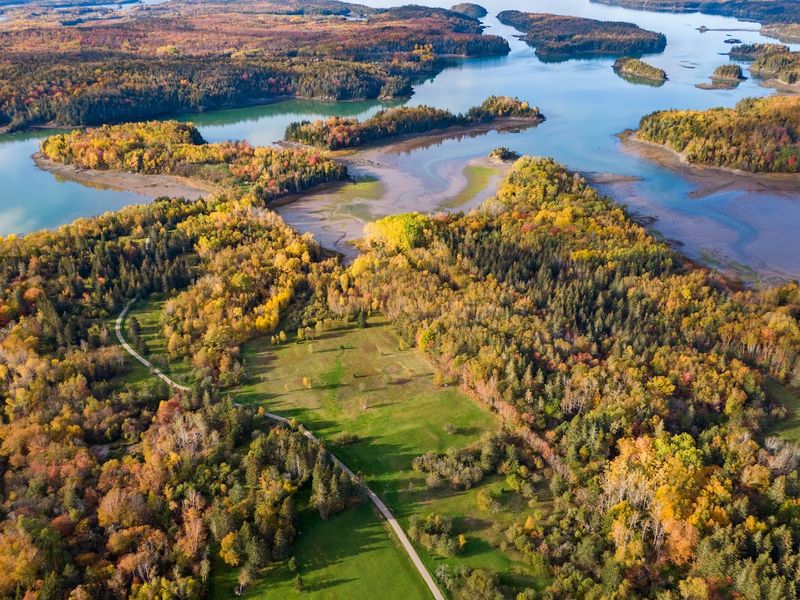
Cobscook Bay is one of those places that rewards curiosity. Located around Cobscook Bay in Washington County, Cobscook Shores is a network of public-access conservation parklands, not a state park, set along one of the most dramatically tidal bodies of water in North America.
The name Cobscook comes from a Passamaquoddy word meaning “boiling tides,” which perfectly describes the churning, swirling water that rushes in and out of the bay’s many coves twice a day.
The park itself has a campground right on the water, and waking up to the sounds of the tides shifting is a genuinely memorable experience.
Kayaking is extremely popular here, though paddlers need to plan their routes carefully around the powerful tidal currents. Low tide reveals enormous mudflats rich with marine life, and bald eagles are a common sight overhead.
The surrounding region is one of the most undeveloped coastlines in the northeastern United States, which means dark skies at night and a real sense of wilderness during the day.
The nearby Cobscook Bay State Park adds more camping and hiking options, and the Downeast Sunrise Trail runs through the area for cyclists and hikers looking to cover more ground.
6. Great Wass Island Preserve, Beals
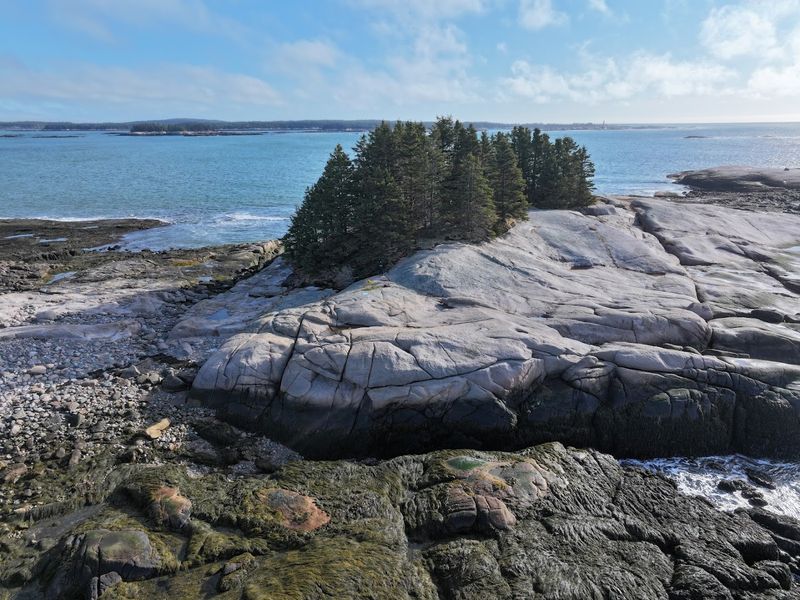
Few places in Maine feel as genuinely untamed as Great Wass Island Preserve, owned and protected by The Nature Conservancy. Located off the town of Beals in Washington County, the island is connected to the mainland by a bridge, making it more accessible than its remote feel suggests.
The preserve covers about 1,576 acres of jack pine forests, coastal peat bogs, and some of the most dramatic rocky shoreline you will find anywhere in New England.
Two main trails, the Little Cape Point Trail and the Mud Hole Trail, form a loop of about four miles through wildly varied terrain.
The jack pines here are at the southern limit of their natural range, giving the forest an ancient, almost otherworldly character. The exposed bedrock along the shore is made of ancient pink granite, and the surf crashes against it with impressive force even on calm days.
Rare plants, including several species of orchid and the insect-eating sundew, grow in the boggy areas between the trees.
Seabirds nest along the cliffs, and harbor seals frequently haul out on the offshore rocks. Pack sturdy waterproof boots because the terrain can be wet and uneven.
The reward is a completely wild coastal experience that feels genuinely far removed from the tourist trail.
7. Mount Kineo, Rockwood
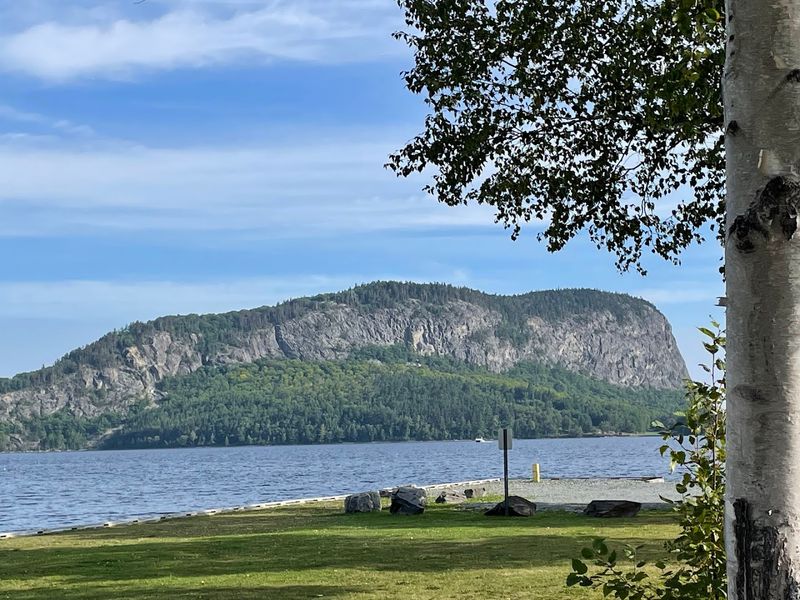
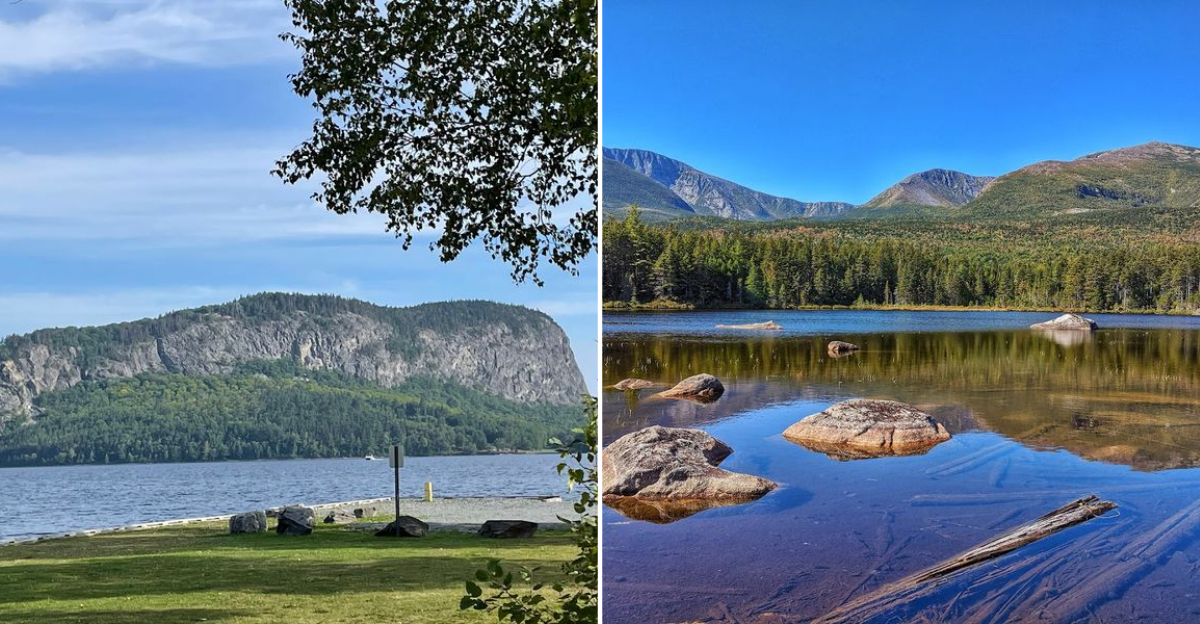
Rising almost 800 feet straight up from the surface of Moosehead Lake, Mount Kineo is one of the most dramatic natural features in all of inland Maine.
To reach it, you take a short ferry ride from the town of Rockwood in Piscataquis County, which adds an element of adventure right from the start. Moosehead Lake is the largest lake entirely within New England, and the views from its surface are stunning before you even set foot on the mountain.
The hike to Kineo’s fire tower summit is about three miles round trip and involves some steep sections along exposed cliff edges, but the panoramic views of the lake and surrounding forests are worth every step.
The mountain is made of a type of flint-like rhyolite rock that Native American peoples traveled long distances to collect for making tools, giving the site deep historical significance.
Moose sightings around the lake are genuinely common, especially at dawn and dusk near the marshy shoreline areas.
The Kineo area is also popular for fishing, kayaking, and snowmobiling in winter. If you want a Maine mountain experience that feels completely different from the coastal parks, Mount Kineo delivers something truly one of a kind.
8. Monhegan Island, Knox County
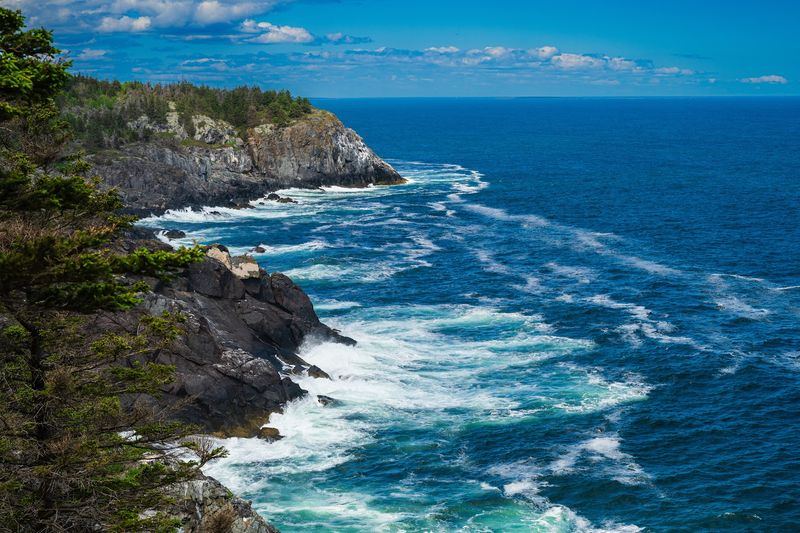
Artists have been coming to Monhegan Island for well over a century, and once you set foot there, it is easy to understand why. Located about 12 miles offshore from Port Clyde in Knox County, this small island has been inspiring painters, writers, and photographers with its extraordinary light and dramatic scenery for generations.
The island is roughly one mile wide and two miles long, car-free, and home to a full-time community of fewer than 75 people.
The trail system covers roughly nine miles and winds through Cathedral Woods, a magical spruce forest, and out to the towering sea cliffs on the island’s eastern side. Those cliffs, some of the highest on the entire East Coast, drop straight down to the churning Atlantic and offer views that feel genuinely cinematic.
The Monhegan Lighthouse, built in 1824, now houses a small museum worth visiting.
Ferries run from Port Clyde, New Harbor, and Boothbay Harbor, and the crossing takes about an hour depending on the departure point. Several small inns and a handful of restaurants keep visitors comfortable overnight.
Come in late spring to see migrating warblers fill the island’s trees, or visit in summer for the full gallery-hopping, cliff-walking experience that has made Monhegan legendary.
9. Pemaquid Point, Bristol
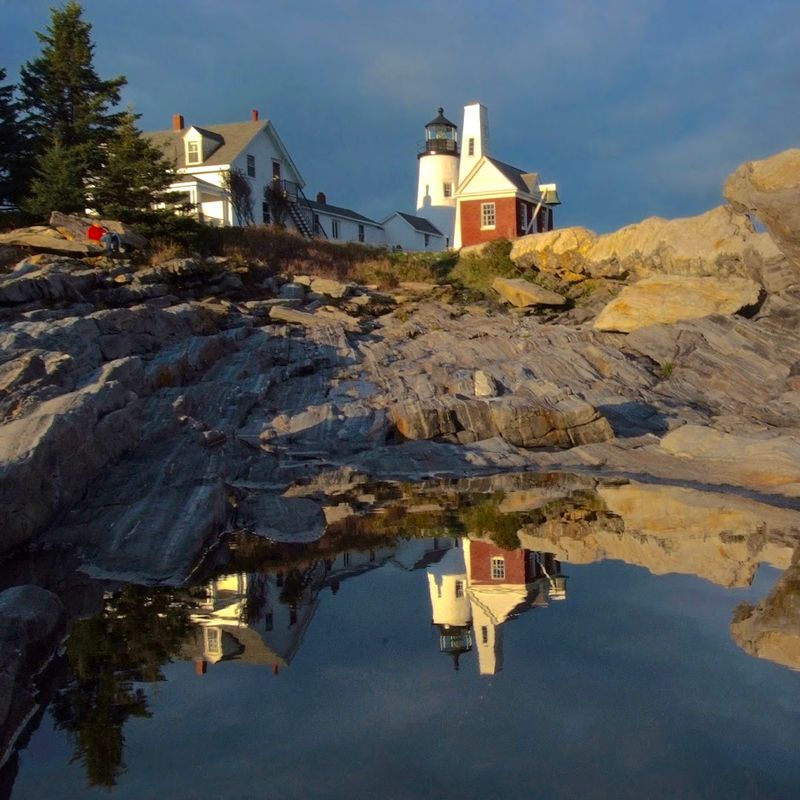
The rocks at Pemaquid Point are unlike anything else on the Maine coast. Millions of years of geological pressure have folded, twisted, and layered the bedrock into sweeping ribbons of dark and light stone that look almost like a piece of abstract art.
The Pemaquid Point Lighthouse sits at the tip of the Pemaquid Peninsula in the town of Bristol, Lincoln County, and the combination of the lighthouse and those extraordinary rocks makes it one of the most photographed spots in all of New England.
The lighthouse itself was first built in 1827 and has been rebuilt and improved several times since. The keeper’s house is now a small fishermen’s museum, and admission to the grounds is a modest fee.
Climbing on the rocks is completely allowed and actively encouraged, which sets Pemaquid apart from many other lighthouse parks.
A short walk away, Colonial Pemaquid State Historic Site preserves the foundations of one of the earliest English settlements in Maine, dating back to the early 1600s.
The combination of natural beauty and layered history gives Pemaquid Point real depth as a destination. Sunset visits are particularly memorable when the fading light turns the folded rock faces into warm shades of gold and amber.
10. Boothbay Harbor, Lincoln County
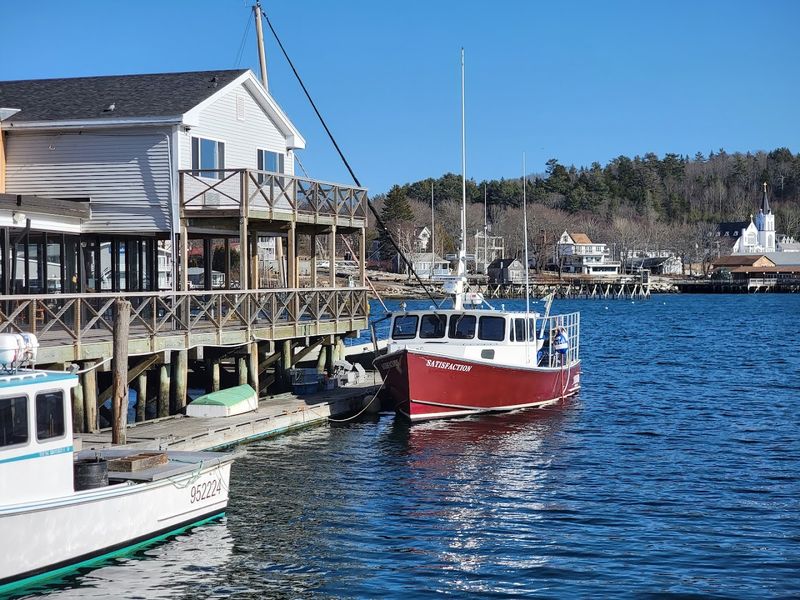
Boothbay Harbor is the kind of coastal New England town that people picture when they imagine Maine, and it delivers on every single expectation. Sitting at the end of a long peninsula in Lincoln County, the town wraps around a natural harbor that has been a center of fishing and boatbuilding for centuries.
The famous footbridge connecting the two sides of the inner harbor is a great starting point for exploring the waterfront on foot.
Whale watching cruises, scenic boat tours, deep-sea fishing trips, and kayak rentals all operate out of the harbor, making it easy to spend an entire day on the water.
The Maine State Aquarium, run by the Department of Marine Resources, offers a fascinating look at the local marine ecosystem and is especially popular with families. Lobster shacks, seafood restaurants, and ice cream shops line the streets near the docks.
The surrounding area has excellent hiking, particularly at Linekin Preserve and Porter Preserve, both managed by Boothbay Region Land Trust. Summer brings the Windjammer Days festival, a beloved tradition featuring tall ships and harbor events.
Even in the shoulder seasons of May and October, Boothbay Harbor has a warmth and energy that makes it feel like a proper destination rather than just a stop along the road.
11. Saint Croix Island International Historic Site, Red Beach
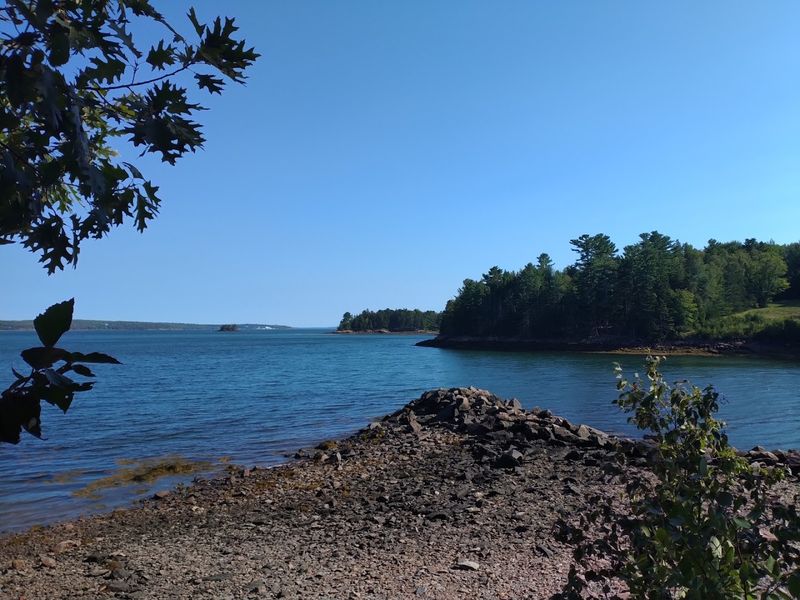
Saint Croix Island sits in the middle of the Saint Croix River, which forms the border between Maine and New Brunswick, Canada. This tiny island, visible from the mainland shore near the community of Red Beach in Washington County, holds an outsized place in North American history.
In 1604, a French expedition led by Pierre Dugua de Mons established a settlement here, making it one of the earliest European attempts to colonize the continent north of Florida.
The island itself is accessible only by boat and is jointly managed by the United States and Canada as an international historic site.
Most visitors experience it from the mainland interpretive area, which features life-size bronze statues depicting the original settlers and informational panels explaining the colony’s difficult first winter. The story is both fascinating and sobering, as the settlers were poorly prepared for the harsh conditions.
The river views from the mainland are genuinely beautiful, and the site sits within an area rich with bald eagle activity. The nearby town of Calais is the closest full-service community, and the international bridge connecting Calais to St. Stephen, New Brunswick, is just a short drive away.
For history-minded travelers, Saint Croix Island offers a perspective on early American history that is completely different from anything else in New England.
12. Baxter State Park, Millinocket
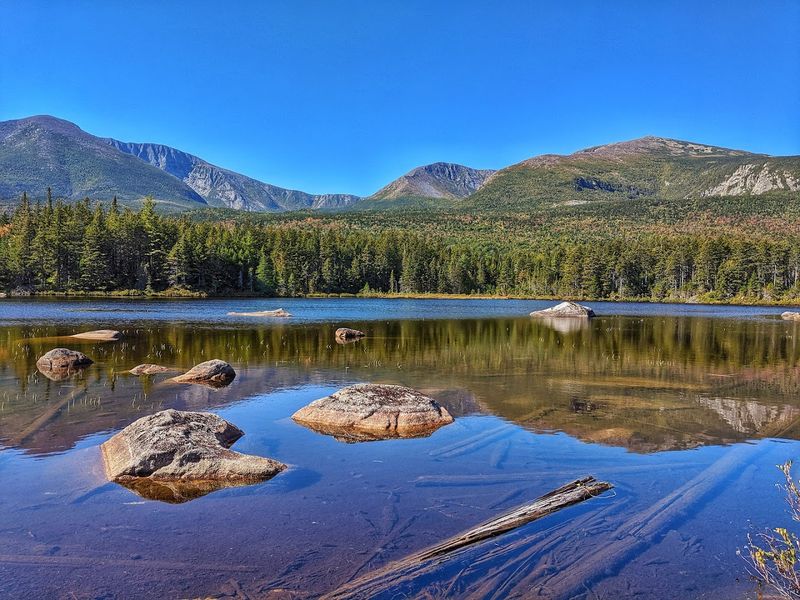
If Acadia is Maine’s most polished outdoor experience, Baxter State Park is its wild, uncompromising counterpart.
Covering more than 200,000 acres of remote wilderness in Piscataquis County north of Millinocket, the park was a personal gift to the people of Maine from former Governor Percival Baxter, who spent decades purchasing the land with his own funds.
His vision was a place that would remain forever wild, and that commitment is taken seriously to this day. At the heart of the park stands Katahdin, Maine’s highest peak at 5,269 feet and the northern terminus of the Appalachian Trail.
Reaching the summit via the Hunt Trail or the legendary Knife Edge ridge is one of the most challenging and rewarding hikes in the entire northeastern United States. The Knife Edge is a narrow rock ridge with dramatic drop-offs on both sides that requires full concentration and steady nerves.
The park enforces strict visitor limits to protect the wilderness character, so reservations for day-use parking and camping fill up months in advance. Moose are practically a guarantee in the boggy areas near Togue Pond.
Fall brings incredible foliage, winter brings deep silence and snowshoeing, and spring brings rushing waterfalls fed by snowmelt. Baxter rewards those who plan ahead with an experience that stands completely apart from anything else in Maine.