
17 Vermont Recipes That Locals Swear Are Perfect In Their Purest Form
I used to think Vermont food was just maple syrup drizzled on everything.
I was wrong.
After living near Stowe for a winter, I realized the magic is in the simplicity-the recipes haven’t changed because they don’t need to.
This list isn’t about fusion or fancy plating; it’s about the heritage dishes Vermonters protect fiercely.
Think robust, perfect comfort food designed for community and cold weather.
We’ve compiled 17 classic Vermont recipes, from savory cheddar soup to perfect cider donuts, that locals agree are best left completely untouched.
1. Maple Syrup Glazed Donuts
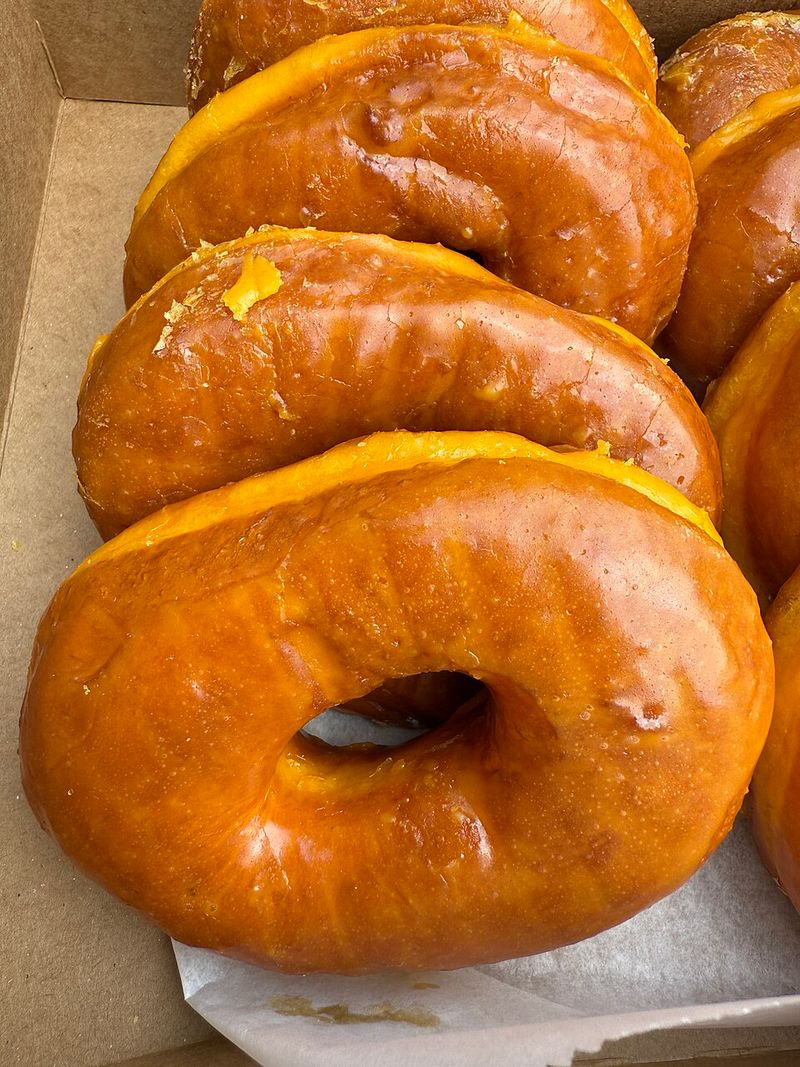
Picture biting into a cloud that tastes like liquid gold.
That’s what these donuts deliver every single time you grab one from a Vermont bakery counter.
The secret lies in using pure, grade A maple syrup for the glaze, not some artificial substitute that tastes like regret.
I remember stopping at a roadside shop during fall foliage season, and the baker handed me one still warm from the fryer.
The glaze melted slightly on my fingers, sticky and sweet in the best possible way.
Nothing fancy, just flour, yeast, and that beautiful amber syrup working together.
Locals will tell you that reheating them ruins the texture completely.
Eat them fresh or don’t bother at all, because the pillowy softness paired with that maple coating is a fleeting moment of breakfast perfection.
2. Vermont Cheddar Mac & Cheese
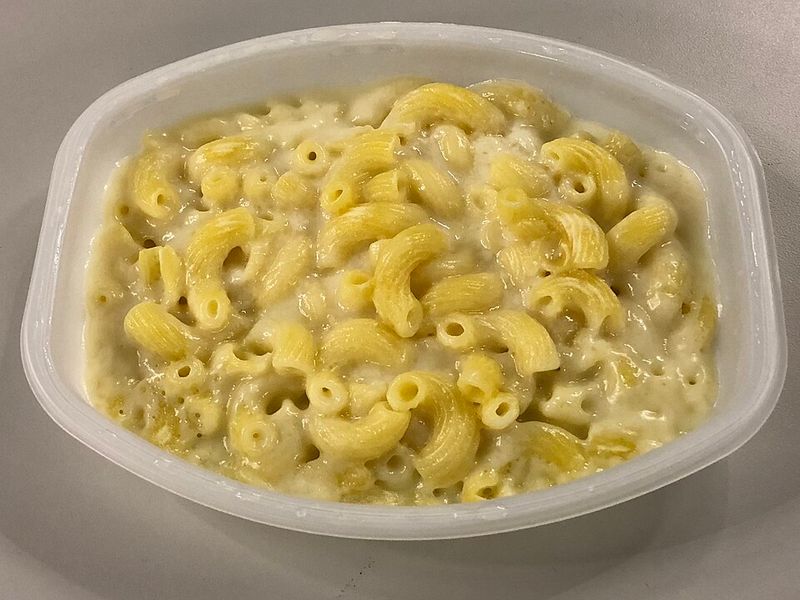
Sharp cheddar from Vermont farms transforms ordinary pasta into something worth writing home about.
The cheese melts into a velvety sauce that clings to every elbow macaroni, creating that perfect bite where pasta and cheese become one unified force.
Forget the boxed stuff with the orange powder.
Baking the dish until the top turns golden and slightly crispy adds textural contrast that keeps your fork coming back for more.
Some folks add breadcrumbs, but purists argue that the cheese itself forms the best crust when left alone in the oven.
The bubbling edges get especially delicious.
Serve this at any potluck and watch it disappear before the main course even arrives.
Kids and adults alike can’t resist the combination of tangy, sharp cheese and tender pasta.
3. Apple Cider Donuts
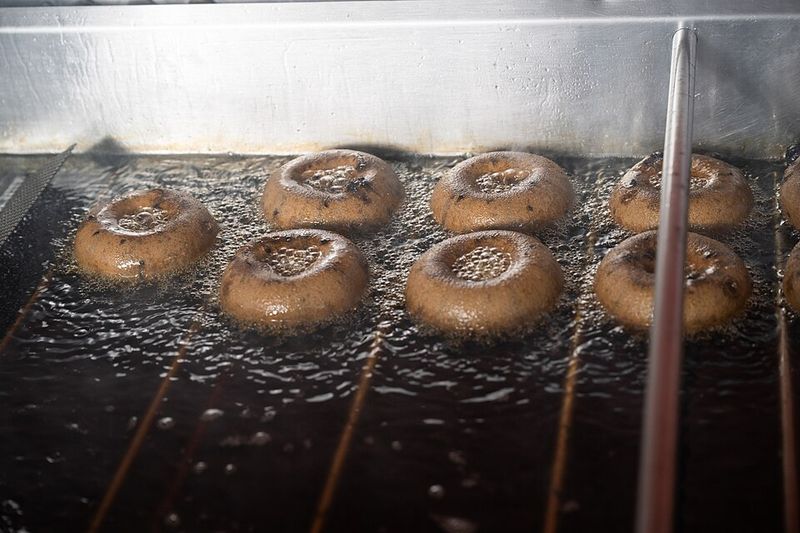
Fall in Vermont means apple orchards and these cake-style donuts that smell like happiness.
Fresh apple cider gets reduced and mixed right into the batter, giving each bite an intense apple flavor that grocery store versions can never replicate.
The cinnamon sugar coating sticks to your lips.
Farm stands sell them by the half dozen, and tourists always buy too few because they underestimate how quickly these disappear.
The texture sits somewhere between a cake and a traditional donut, dense enough to dunk in coffee but light enough to eat three in one sitting.
Nobody judges you for that.
Last October, I watched a kid convince his mom to buy a second bag before they even left the parking lot.
She rolled her eyes but agreed, probably because she wanted more too.
4. Maple-Baked Beans
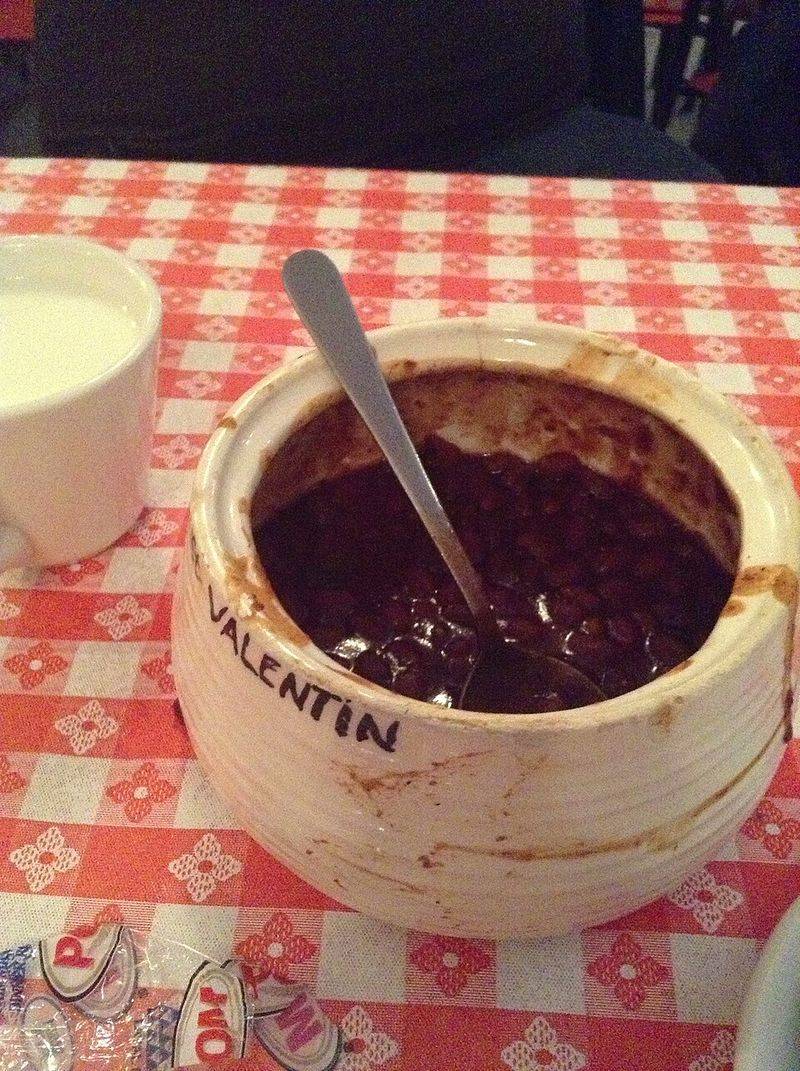
Beans swimming in maple syrup might sound weird until you taste how the sweetness balances the savory depth perfectly.
Vermont cooks have been making this side dish for generations, letting everything bubble away slowly until the beans turn tender and the sauce thickens into something magical.
No ketchup or brown sugar needed here.
The maple syrup caramelizes slightly during the long cooking process, creating layers of flavor that regular baked beans just can’t achieve.
Some recipes add a bit of mustard or onion, but the maple remains the star performer.
Serve these alongside grilled meats or as part of a summer barbecue spread.
They reheat beautifully the next day, which is good because you’ll definitely want leftovers for lunch.
The flavors deepen overnight as everything melds together in the fridge.
5. Brown Butter Maple Tart
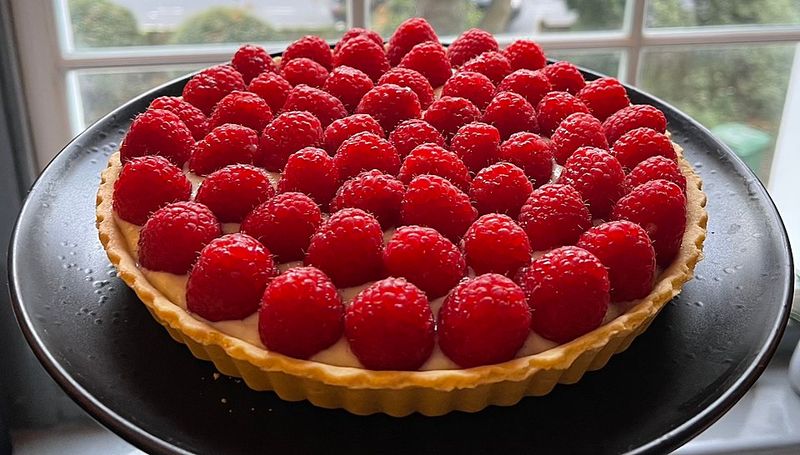
Browning butter before making this tart adds a nutty depth that elevates the maple filling from good to unforgettable.
The process requires patience, watching the butter solids turn golden brown without burning, but that toasted flavor makes all the difference.
Simple ingredients create sophisticated results when treated with respect.
The filling sets up smooth and silky, somewhere between a custard and a caramel in texture.
A flaky butter crust provides the perfect vessel, sturdy enough to hold the filling but tender enough to cut with just a fork.
No need for whipped cream or ice cream on top.
Serve thin slices because the richness sneaks up on you quickly.
One small wedge satisfies completely, delivering concentrated maple flavor in every bite without overwhelming your palate with excessive sweetness.
6. Corn Chowder
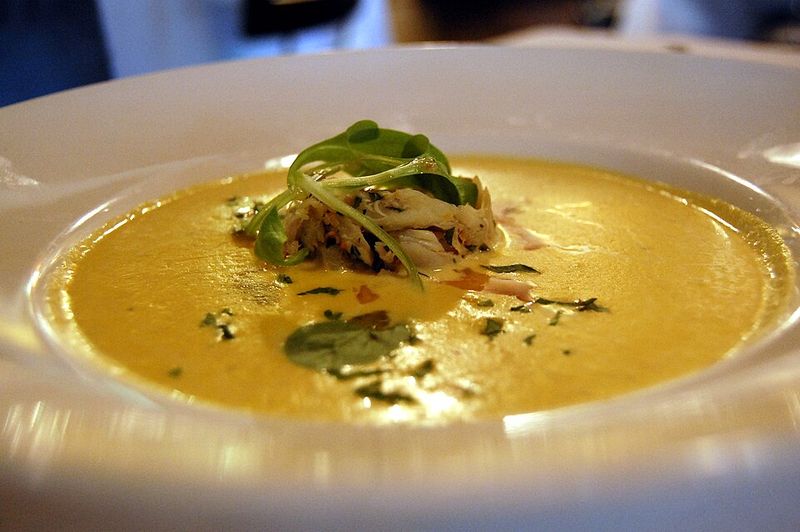
Summer corn scraped fresh off the cob makes this chowder taste like sunshine in a bowl.
The natural sweetness of the kernels needs little help beyond cream, potatoes, and maybe some bacon for smokiness.
Frozen corn works in winter, but locals wait for August when farm stands overflow with local varieties.
The potatoes add body and heartiness, turning this into a meal rather than just a starter course.
Some cooks blend half the soup for a thicker consistency while leaving the rest chunky for textural interest.
A sprinkle of black pepper on top brings everything together.
I’ve eaten this on screened porches during thunderstorms, the perfect comfort food when summer weather turns temperamental.
The warmth spreads through your chest, making everything feel right with the world again.
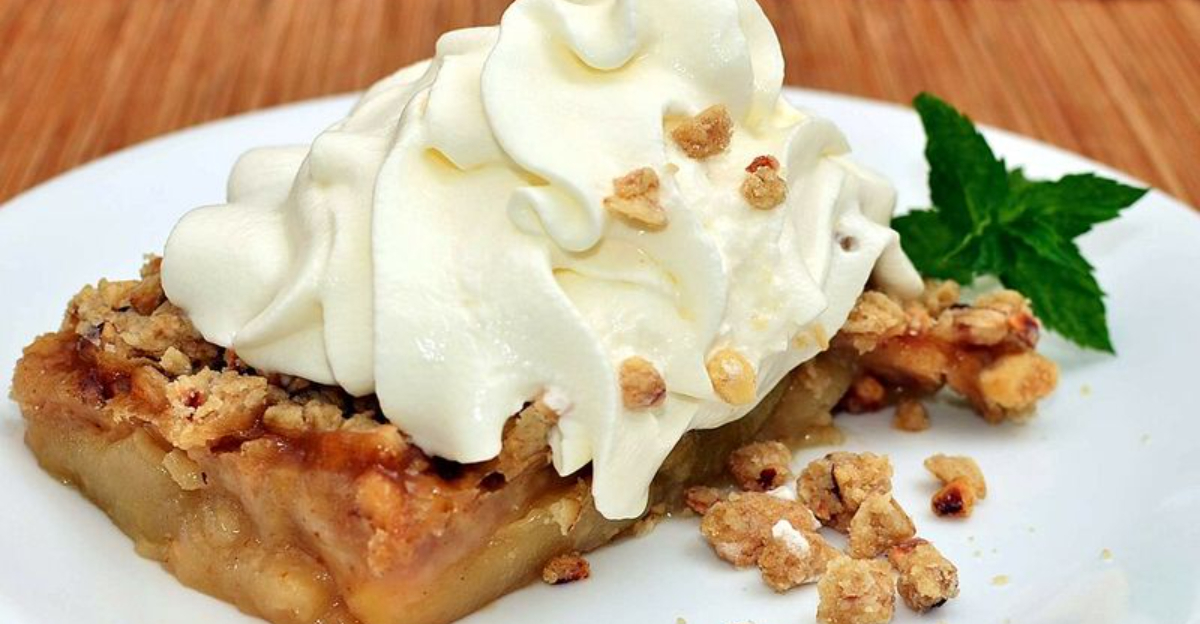
7. Apple Crisp
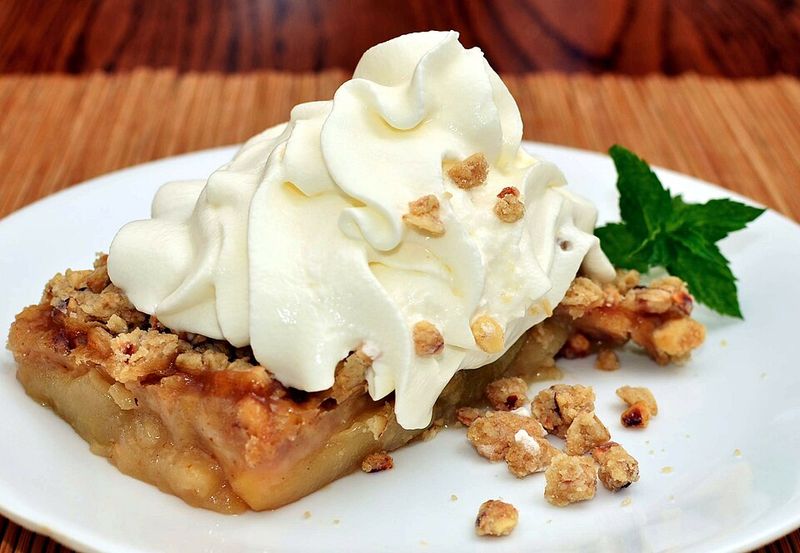
Tart apples soften under a blanket of buttery oats, sugar, and cinnamon, creating the dessert that defines autumn comfort.
The topping gets crispy and golden while the apples beneath turn tender and juicy, releasing their natural sweetness into a syrupy base.
No pie crust complications required here.
Vermont ice cream on top melts into the warm fruit, creating pockets of cold cream that contrast beautifully with the hot apples.
Some folks use McIntosh apples, others prefer Cortland or Honeycrisp, but any local variety works as long as it’s fresh.
The oat topping provides textural contrast that makes every spoonful interesting.
Serve this straight from the oven for maximum effect, the bubbling fruit visible through the crispy top layer.
Leftovers taste great for breakfast the next morning, no judgment passed.
8. Maple Pecan Pie
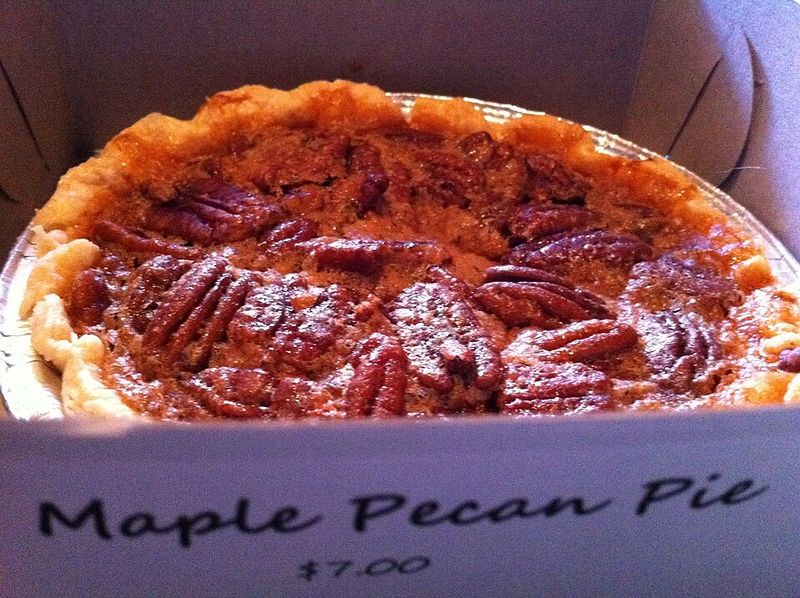
Swapping corn syrup for maple syrup in pecan pie transforms a Southern classic into a Vermont treasure.
The maple flavor shines through without fighting with the toasted pecans, creating a harmony that tastes both familiar and distinctly regional.
A flaky butter crust holds everything together without stealing the spotlight.
Toasting the pecans before adding them to the filling intensifies their flavor and prevents them from getting soggy during baking.
The pie sets up firm enough to slice cleanly but stays slightly gooey in the center, exactly how a proper pecan pie should behave.
No need to serve it warm.
One slice satisfies completely because the richness builds with each bite.
I’ve seen people close their eyes on the first forkful, savoring the combination of buttery nuts and pure maple sweetness together on their tongue.
9. Buttered Cinnamon Toast
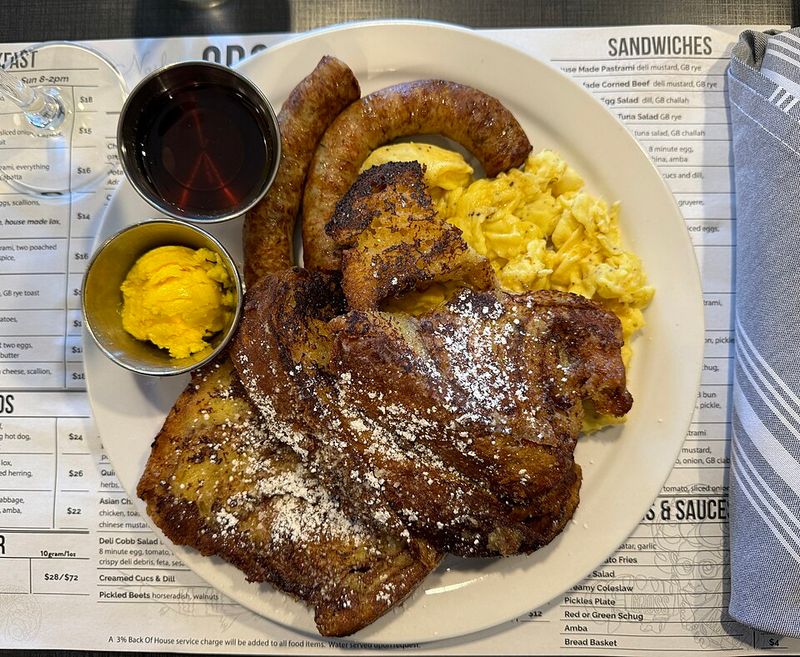
Sometimes the simplest recipes hit hardest, especially when you’re using thick-cut bread from a local bakery.
Real butter melts into the hot toast, carrying cinnamon and sugar into every porous pocket of the bread’s surface.
Nothing fancy, nothing complicated, just pure nostalgic comfort.
My grandmother made this every Sunday morning, letting the butter pool in the center before sprinkling the cinnamon sugar mixture on top.
The edges would get slightly crispy while the middle stayed soft and sweet.
We’d eat it standing at the counter, too impatient to sit down properly.
Kids love making this themselves because the steps are foolproof and the results always taste good.
Toast the bread, spread the butter while it’s hot, sprinkle the topping, and enjoy immediately.
The warmth makes everything melt together perfectly every single time.
10. Venison Stew
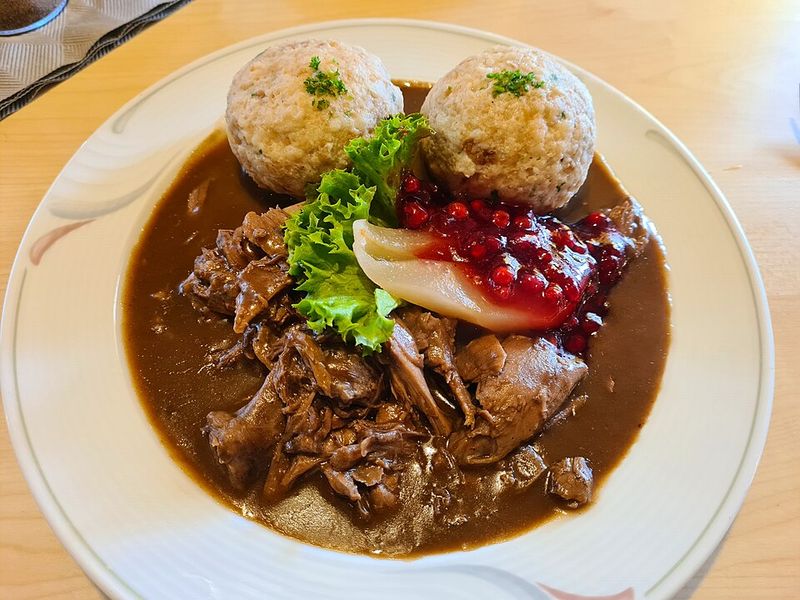
Locally hunted venison brings a gamey richness to this stew that beef simply can’t match.
Root vegetables like carrots, parsnips, and potatoes soak up the flavorful broth while the meat becomes fork-tender after hours of slow cooking.
Fresh herbs from summer gardens, dried for winter use, add aromatic complexity.
The key to great venison stew is not trying to mask the meat’s natural flavor with too many spices or additions.
Salt, pepper, and maybe some thyme let the venison shine through while the vegetables provide sweetness and earthiness.
Low and slow cooking is the only real rule.
Serve this with crusty bread for soaking up every last drop of gravy.
The stew tastes even better the second day after the flavors have had time to meld together in the refrigerator overnight.
11. Maple Cream Fudge
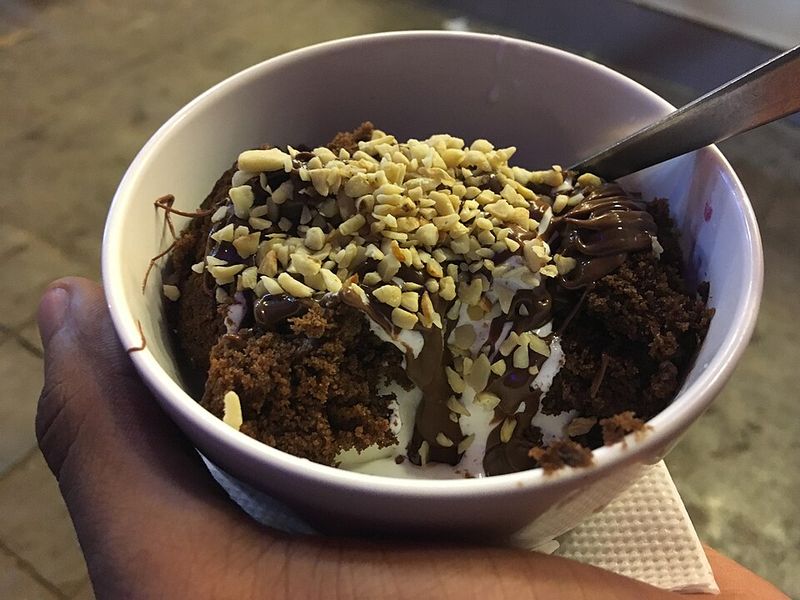
Hand-stirring maple syrup as it cools creates this silky fudge that melts on your tongue like butter. Small batch production ensures quality control, with sugar shacks making just enough to sell fresh at farmers markets and gift shops.
The pale tan color comes entirely from pure maple syrup, no artificial coloring added.
The texture sits somewhere between fudge and fondant, smooth enough to spread on your palate but firm enough to hold its shape at room temperature.
One small square delivers intense maple flavor without the graininess that plagues poorly made fudge.
The sweetness builds gradually rather than hitting you all at once.
I always grab a box when visiting Vermont because this stuff never makes it home intact.
The car ride back involves sneaking pieces when my passengers aren’t looking, pretending I have more self-control than I actually possess.
12. Blueberry Buckle
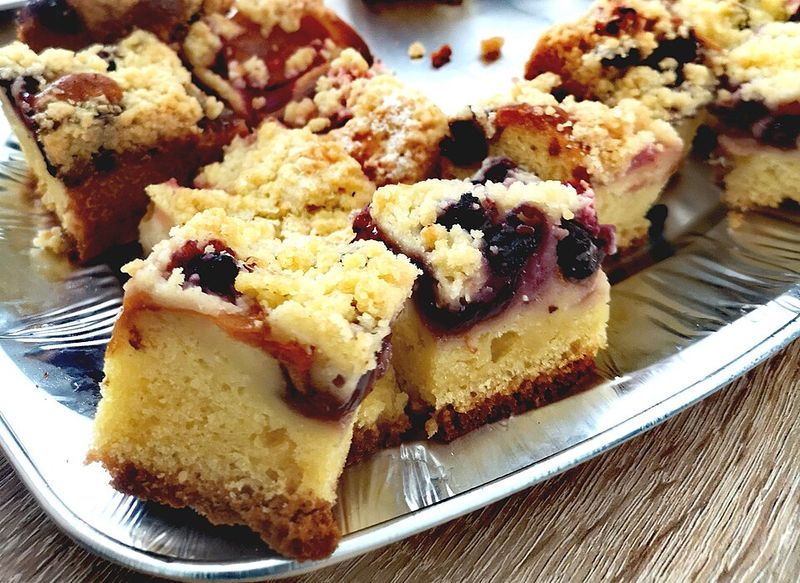
Fresh wild blueberries stud a tender cake base while a buttery streusel topping adds crunch and sweetness.
The cake buckles slightly under the weight of the topping during baking, creating an uneven surface that looks homemade in the best way.
No perfectly smooth frosting or fancy decorations needed here.
Local blueberries taste more intense than the giant cultivated ones from grocery stores, their small size packing concentrated flavor.
The cake itself stays moist and light, providing a neutral backdrop that lets the berries shine.
Some recipes add lemon zest, but purists argue that distracts from the blueberry flavor.
Serve this for breakfast, dessert, or an afternoon snack with coffee.
The versatility makes it a go-to recipe for using up summer berries before they spoil, though it rarely lasts long enough for that to become a problem.
13. Apple Butter
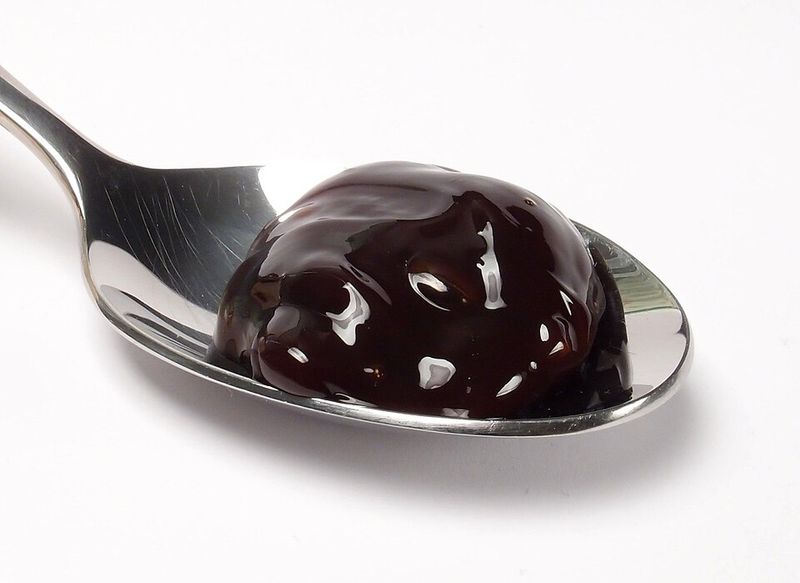
Cooking apples for hours until they collapse into a dark, spiced spread creates something far superior to regular applesauce.
The long cooking time caramelizes the natural sugars, deepening the flavor and turning the color from pale yellow to rich brown.
Cinnamon, cloves, and nutmeg add warmth without overwhelming the apple taste.
The texture becomes spreadable and smooth, perfect for slathering on biscuits, toast, or even stirring into oatmeal.
No added pectin needed because the apples contain enough natural pectin to thicken properly on their own.
The slow cooker method works beautifully, filling your house with autumn smells for an entire day.
Jars of homemade apple butter make excellent gifts, though you’ll want to keep several for yourself.
The flavor improves after a few weeks as the spices meld together, rewarding your patience with deeper complexity.
14. Roasted Root Vegetables
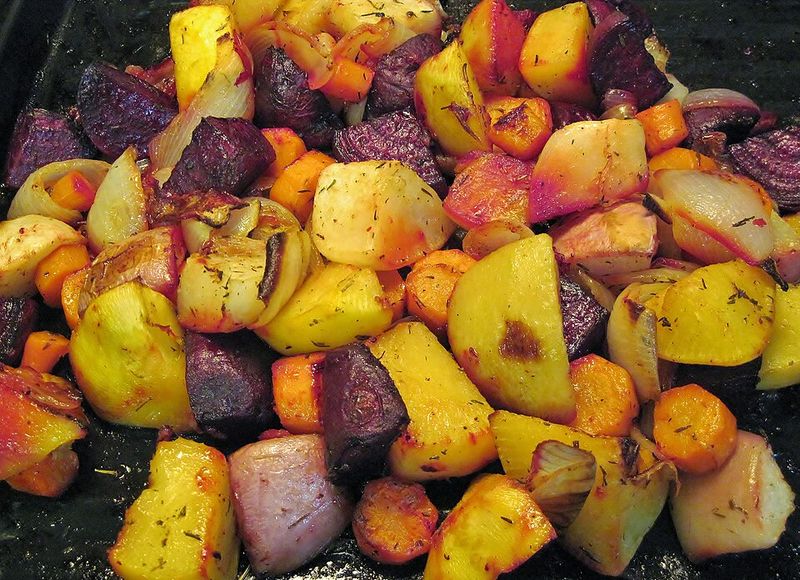
High heat transforms humble root vegetables into caramelized perfection, their natural sugars concentrating and browning at the edges.
Carrots, parsnips, and potatoes cut into similar sizes roast evenly, developing crispy exteriors while staying tender inside.
A drizzle of maple syrup before roasting adds Vermont flair and extra caramelization.
The simplicity of this preparation lets the vegetables speak for themselves without heavy sauces or complicated seasonings.
Butter, salt, and pepper provide enough flavor enhancement while the roasting process does the real work.
The maple syrup brings everything together, complementing the earthy sweetness of the roots.
These vegetables pair perfectly with roasted meats or can stand alone as a vegetarian main course.
Leftovers reheat well or can be chopped and added to grain bowls for easy lunches throughout the week.
15. Pumpkin Bread
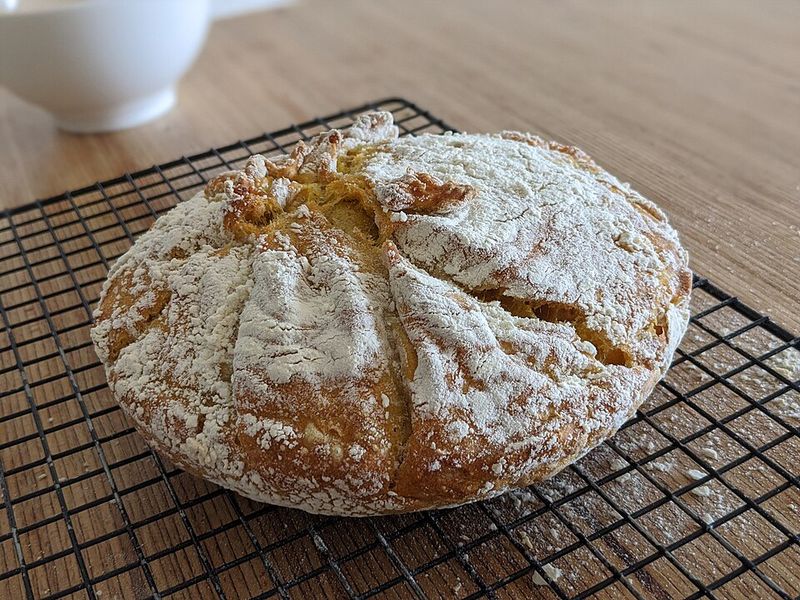
Local pumpkins roasted and pureed create a bread so moist it almost qualifies as cake.
Warm spices like cinnamon, ginger, and nutmeg complement the pumpkin’s natural sweetness without turning the bread into a spice bomb.
Maple syrup replaces some of the sugar, adding authentic Vermont character to every slice.
The bread stays fresh for days wrapped in foil, though it rarely survives that long once family members discover it on the counter.
The texture improves slightly after the first day as the flavors meld together and the crumb settles.
Toast slices and spread with butter for an elevated breakfast experience.
I bake multiple loaves every October, freezing extras for Thanksgiving morning when I’m too busy with turkey preparations to bake fresh.
Thawed slices taste just as good as fresh ones, making this a smart make-ahead recipe for busy holiday seasons.
16. Maple-Glazed Salmon
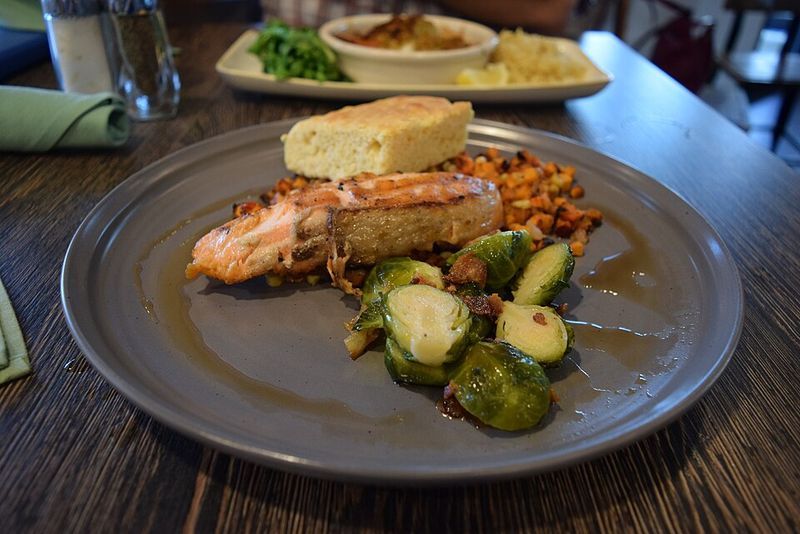
Fresh salmon brushed with maple syrup before roasting or grilling develops a beautiful caramelized crust that contrasts with the tender fish beneath.
The sweetness of the maple balances the rich, fatty salmon perfectly, creating a sophisticated dish that takes minimal effort.
A squeeze of lemon at the end brightens everything up.
Vermont lake salmon or Atlantic varieties both work beautifully with this simple preparation.
The key is not overdoing the glaze, just enough to coat the surface without making the fish taste like dessert.
High heat caramelizes the sugars quickly, creating that glossy finish that looks restaurant-quality.
Serve this with roasted vegetables or a simple salad for a healthy dinner that feels special.
The maple glaze makes salmon approachable even for people who claim they don’t like fish, winning over skeptics with its balanced flavors.
17. Cranberry Maple Muffins
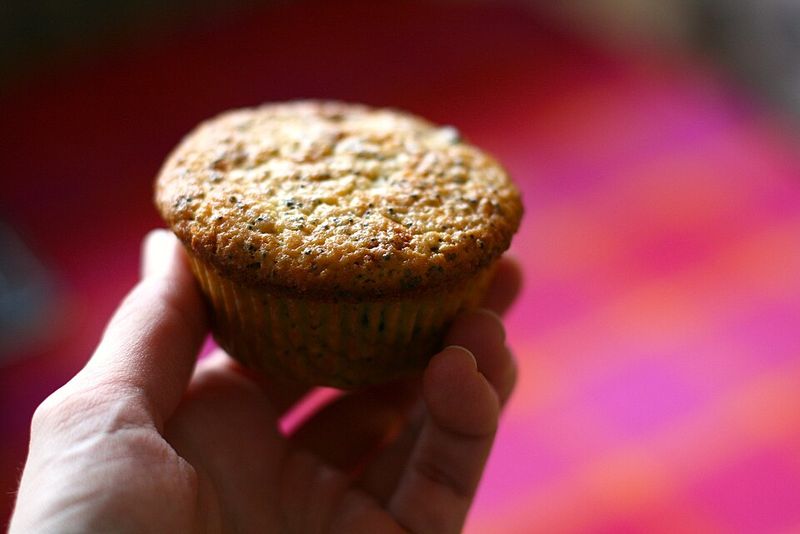
Tart cranberries studded throughout tender muffins get balanced by the gentle sweetness of maple syrup in the batter.
The berries burst during baking, creating pockets of tartness that contrast beautifully with the sweet, fluffy crumb.
Fresh or frozen cranberries both work, though fresh ones provide slightly better texture and color.
The maple syrup keeps the muffins moist without making them overly sweet, letting the cranberries shine as the dominant flavor.
Make a double batch because these disappear quickly from countertops and break room tables.
They freeze beautifully too, ready to thaw for quick breakfasts when you’re running late or need something portable for morning commutes.