
Vermont’s Maple Syrup Capital Isn’t Where You Think It Is
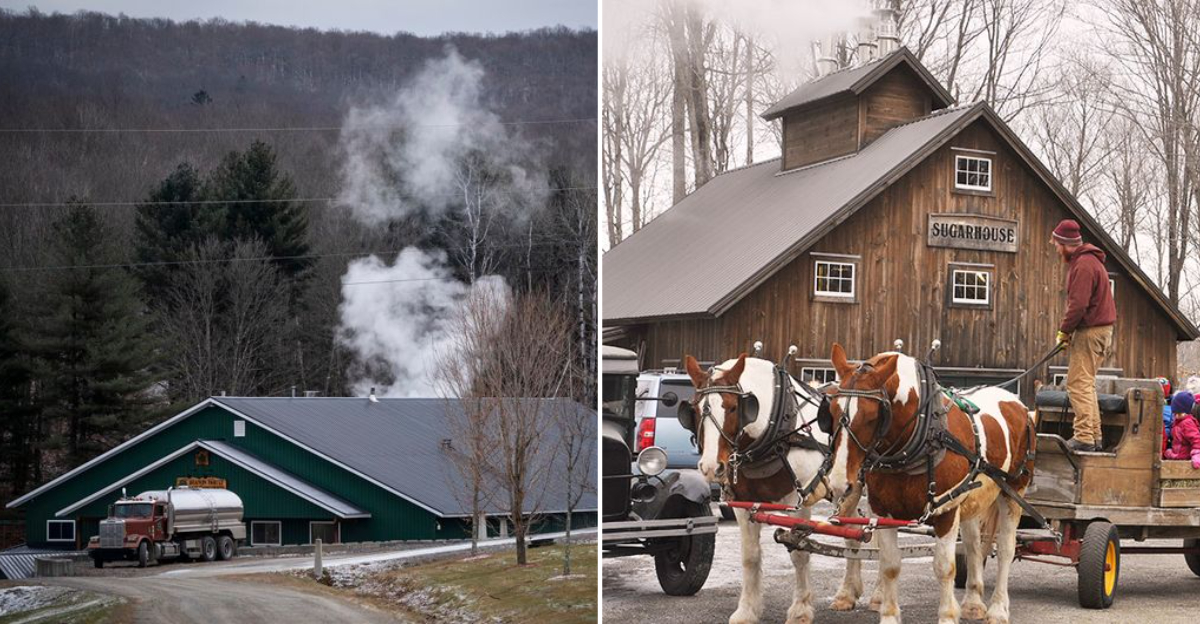
You’d think Vermont’s maple syrup capital would be tucked away in some tiny mountain village, but it’s actually St. Albans that wears the crown.
This small city in Franklin County sits right in the heart of the state’s top maple-producing area, and folks here take that title seriously. Every spring, the town turns into a sticky-sweet celebration of everything maple.
You’ll see families out for pancakes, farmers showing off their latest batch, and kids running around with syrup-stained smiles. It’s the kind of local pride that makes you feel right at home, even if you’re just visiting.
The Vermont Maple Festival Takes Over Town Each Spring
Late April transforms St. Albans into a three-day party celebrating maple syrup. This festival started back in the 1960s and has grown into one of the region’s biggest events. Thousands of people come to enjoy everything maple-related.
Pancake breakfasts draw long lines every morning. A Maple Beverage Tasting brings local breweries together for sampling. The Maple Ambassador contest crowns a new representative each year, and craft vendors fill the streets.
A big downtown parade wraps up the weekend. I remember my first time attending and being amazed by how the entire community rallies around this tradition.
The Sap Run Brings Runners From Miles Around
This 8.5-mile race starts in Swanton and finishes right in downtown St. Albans. Runners have been making this trek for decades as part of the maple festival tradition. The route follows roads that once carried sap wagons to sugarhouses.
Spring weather makes the run unpredictable. Some years bring sunshine, others bring cold rain. Participants don’t seem to mind either way.
Local runners train all winter for this event. The finish line celebration includes maple treats and a sense of accomplishment that keeps people coming back year after year.
Franklin County Leads Vermont In Maple Production
More maple syrup comes out of Franklin County than any other part of Vermont. Sugarbushes cover the hillsides here, creating a dense network of producers. Equipment makers have set up shop nearby to serve this concentration of maple farms.
Drive through the countryside in March and you’ll see steam rising from sugarhouses everywhere. The county’s climate and soil create perfect conditions for sugar maples. Generations of families have passed down their operations.
St. Albans sits at the center of all this activity, making it the natural hub for the industry.
Vermont Makes Half The Nation’s Syrup
Most years, Vermont produces roughly half of all maple syrup made in the United States. That’s an impressive number for such a small state. St. Albans sits right in the middle of this production area.
Canadian provinces make more overall, but Vermont dominates American output. The state’s reputation for quality keeps demand high. Producers here take pride in their craft.
I’ve talked to farmers who check their trees like parents checking on children. Their dedication shows in every bottle. St. Albans benefits from being surrounded by these passionate producers who supply the local economy.
Maple Open House Weekend Opens Sugarhouse Doors
Every March, sugarhouses around St. Albans throw open their doors for visitors. Maple Open House Weekend lets you watch the whole process from start to finish. Live boiling demonstrations show how sap transforms into syrup.
Sugar-on-snow is a must-try treat during these tours. Hot syrup gets poured over fresh snow and hardens into chewy candy. Free tastings let you compare different grades and flavors.
Families drive from sugarhouse to sugarhouse, making a full day of it. The event gives city folks a real look at how their breakfast topping gets made.
Maple Creemees Are The Local Soft-Serve Obsession
Forget regular soft-serve. St. Albans does maple creemees, and locals take them seriously. Real maple syrup flavors this frozen treat, not artificial flavoring. The taste difference is obvious from the first lick.
Festival time brings out the longest lines at creemee stands. Some people plan their entire day around getting one. The combination of creamy texture and pure maple flavor creates something special.
My kids ask for maple creemees before we even arrive in town. Finding the best spot becomes a friendly debate among visitors and residents alike. This simple dessert captures everything Vermont maple country represents.
The Science Behind Sugaring Takes Patience
Making one gallon of maple syrup requires about 40 gallons of sap. That’s a lot of boiling and a lot of waiting. The process demands attention and skill that producers have refined over generations.
The best days for sap flow come when temperatures freeze at night and thaw during the day. This cycle creates pressure changes in the trees that push sap out. Producers watch the weather constantly during the short four to six week season.
Steam and scent fill the air around sugarhouses on good boiling days. Missing this window means waiting another year.
Equipment Makers Call St. Albans Home
When maple producers need new equipment, many turn to suppliers based right in the St. Albans area. The concentration of sugarhouses here supports a whole industry of makers and sellers. Everything from collection tubing to evaporators gets manufactured or distributed locally.
This creates jobs beyond just maple production itself. Mechanics, metalworkers, and salespeople all benefit from the maple economy. The technical side of sugaring has advanced significantly in recent decades.
Modern operations look very different from old-time buckets on trees. St. Albans remains at the center of this evolution, proving its status as the true capital.