
12 Vintage ’50s Meals We Secretly Miss (And Should Make Again)
Remember those days when dinner was an event, not just a meal grabbed on the go?
The 1950s gave us some truly unforgettable dishes that combined comfort, creativity, and sometimes a dash of whimsy.
While food trends have evolved dramatically since then, there’s something undeniably appealing about these classic recipes that graced dinner tables across America during the post-war boom.
I’ve been thinking lately about my grandmother’s recipe box and how those meals brought our family together in ways that today’s quick dinners just can’t match.
1. Tuna Noodle Casserole: Budget-Friendly Brilliance
Fridays at our house meant one thing: the familiar blue Pyrex dish filled with tuna casserole would emerge from the oven, its crushed potato chip topping golden and crispy. This humble mixture of canned tuna, egg noodles, and cream of mushroom soup somehow transcended its simple ingredients.
The genius of tuna casserole wasn’t in fancy techniques or exotic ingredients – it was pure practicality transformed into comfort. Every family had their special touch: my aunt added peas, Mrs. Johnson across the street swore by water chestnuts for crunch, and my grandfather insisted on extra cheese.
What’s remarkable is how this dish stretched a modest can of tuna to feed an entire family during leaner times. The satisfying combination of creamy, crunchy, and savory elements makes this vintage staple worth rediscovering for busy modern families.
2. Chicken Pot Pie: Comfort Under Crust
Nothing announced ‘someone cares about you’ quite like a homemade chicken pot pie appearing on the dinner table. That moment when the knife first breaks through the flaky golden crust, releasing a cloud of fragrant steam, remains one of life’s small but perfect pleasures.
My grandmother’s version featured chunks of chicken so tender they barely needed chewing, swimming alongside carrots and peas in a sauce that walked the perfect line between rich and light. The contrast between the buttery crust and creamy filling created textural magic that modern convenience foods can’t replicate.
What makes pot pie special is its ability to transform leftover chicken into something entirely new and wonderful. The beauty of this dish isn’t just in its taste but in its resourcefulness – a testament to an era when making something delicious from yesterday’s meal was considered an art form.
3. Meatloaf: The Glazed Wonder
Monday night meatloaf was practically written into my family’s constitution. That magnificent meat brick, topped with its glistening brown sugar or ketchup glaze, represented everything practical and delicious about mid-century cooking. I can still picture my father’s eyes lighting up when he’d walk through the door and catch that distinctive aroma.
The beauty of meatloaf wasn’t just its taste – it was its democracy. Everyone had equal say in their preference: end pieces with extra glaze, center cuts with perfect moisture, or next-day cold meatloaf sandwiches that somehow tasted even better than the original meal.
Modern foodies might dismiss it as pedestrian, but they’re missing the point entirely. This humble dish represents culinary alchemy at its finest – transforming basic ground beef into something greater than the sum of its parts through the magic of a tangy-sweet glaze and a hot oven.
4. Chicken A La King: The Royal Treatment
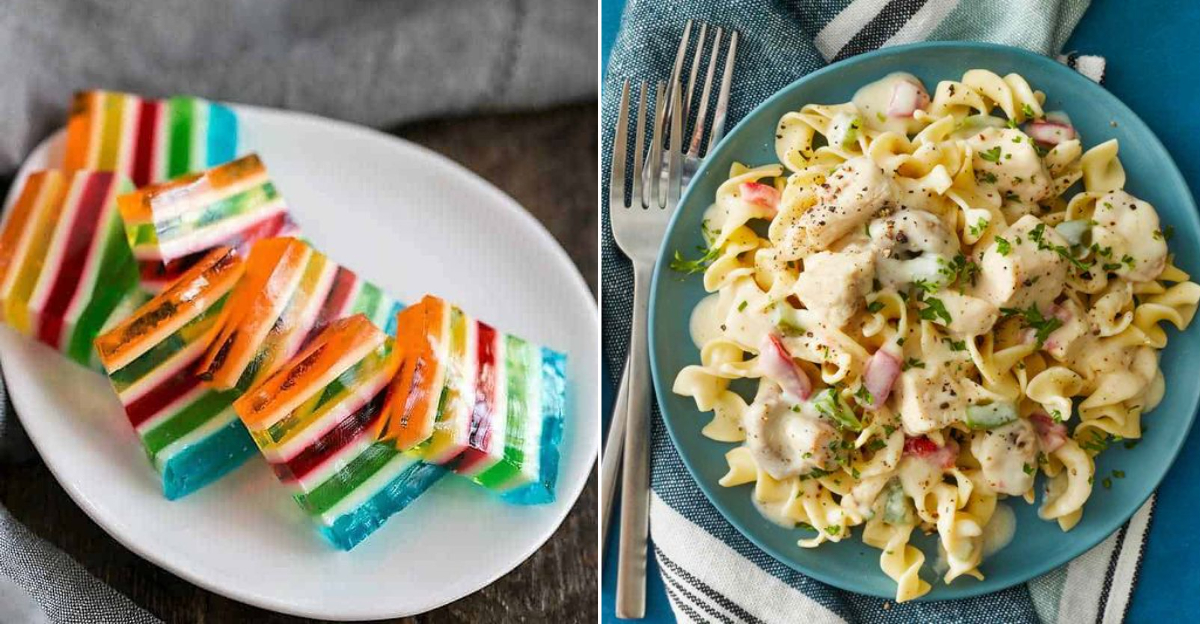
Growing up, my mom would make this creamy delight whenever company came over. The tender chunks of chicken swimming in that velvety sauce studded with red peppers and mushrooms felt like pure luxury on a plate. We’d gather around the dining table, the good china making a rare appearance.
What made Chicken à la King special wasn’t just the rich taste, but how it transformed ordinary ingredients into something spectacular. Served over toast points, rice, or those fancy puff pastry shells if you were really showing off, it was versatile enough for any occasion.
The beauty of this dish lies in its adaptability – add peas for color, swap in leftover turkey after Thanksgiving, or splash in a bit of sherry if you’re feeling fancy. One bite and you’ll wonder why we ever let this crowd-pleaser fade away.
5. Salisbury Steak: TV Dinner Royalty
Before ‘hamburger steak’ became a fancy restaurant item with a French name, there was Salisbury steak – the crown jewel of TV dinner compartments and school cafeteria trays alike. That oval patty smothered in rich brown gravy represented the pinnacle of weeknight luxury in our household.
Unlike its fast-food cousin, Salisbury steak had gravitas – literally, thanks to that luscious gravy that tied everything together. My father claimed it was named after a Civil War doctor who believed in the health benefits of ground beef, though I later learned the truth was slightly less romantic.
What separated a proper Salisbury steak from a mere hamburger was the attention to detail: finely minced onions worked into the meat, a splash of Worcestershire sauce for depth, and that silky mushroom gravy that transformed humble ingredients into something worth rushing home for. Its honest simplicity deserves a comeback.
6. Steak Diane: Tableside Theatrics
My first experience with Steak Diane came during a rare family dinner at the fancy downtown restaurant where men wore ties and the waiters wheeled carts to your table. The dramatic flambé as cognac ignited in the pan had me wide-eyed with wonder – dinner and a show all in one!
This thinly pounded steak, quickly seared and finished in a sauce of mustard, Worcestershire, and brandy, represented the height of continental sophistication in 1950s America. Named for the Roman goddess of the hunt, it felt appropriately divine on those special occasions when my parents celebrated anniversaries.
The magic wasn’t just in the flames but in the perfectly balanced sauce – tangy, rich, and complex without overwhelming the beef. In an era before celebrity chefs, this tableside preparation gave ordinary restaurant diners a glimpse of culinary showmanship that made dinner truly memorable. We could use more of that theatrical flair today.
7. Chicken Divan: Broccoli’s Best Friend
The first time my mother served Chicken Divan at her bridge club luncheon, the ladies practically begged for the recipe. This elegant casserole of chicken and broccoli bound together with a rich, cheesy sauce somehow made vegetables exciting long before anyone thought to hide them in smoothies.
Named after the Divan Parisien Restaurant in New York where it was created, this dish brought a touch of sophistication to suburban dinner tables across America. The contrast between the tender chicken, bright green broccoli, and velvety sauce created a harmony that even vegetable-averse children couldn’t resist.
What made Chicken Divan special wasn’t just its taste but its versatility – perfect for company yet simple enough for weeknights. The sprinkle of almonds or breadcrumbs on top added that crucial textural contrast that made each bite interesting. Modern cooks would do well to rediscover this perfect balance of nutrition and indulgence.
8. Green Bean Casserole: The Thanksgiving Staple
Those crispy fried onions crowning a bubbling dish of green beans in creamy mushroom sauce still make my heart skip a beat. Campbell’s test kitchen created this masterpiece in 1955, and holiday tables have never been the same since. My aunt Janet would always bring two casseroles to Thanksgiving – one for dinner and one just for leftovers.
The genius of green bean casserole lies in its perfect balance of textures and flavors. The creamy sauce coats each tender bean, while those iconic crunchy onions provide the contrast that keeps you coming back for “just one more spoonful.” It somehow manages to be both vegetable side dish and comfort food simultaneously.
While food snobs might turn up their noses at the canned ingredients, they’re missing the point entirely. This beloved classic brought vegetables to tables where they might otherwise have been absent, and its nostalgic appeal remains unmatched. Some traditions exist for good reason.
9. Seven-Layer Gelatin Salad: Rainbow In A Bowl
Aunt Mildred’s seven-layer gelatin creation always claimed center stage at family potlucks. Each colorful layer represented hours of patient work – waiting for one level to set before adding the next. The rainbow of fruity colors, sometimes with clever suspended fruit or marshmallow additions, was practically architectural in its precision.
I remember watching her work with scientific focus, timing each layer perfectly. The result was part food, part centerpiece – a jiggly jewel-toned showstopper that children eyed with fascination and adults praised with genuine awe. The tangy cream cheese layers between fruit flavors provided perfect contrast.
While today’s food culture might dismiss gelatin creations as kitsch, they miss the artistry and technical skill these dishes required. In an era before Instagram, these molded masterpieces were the original “food as visual entertainment” – bringing color, whimsy and unexpected textures to meals when fresh produce was limited. Their cheerful presence deserves recognition.
10. Pineapple Upside-Down Cake: Sweet Retro Revival
The theatrical moment when my grandmother would flip her cast iron skillet to reveal that perfect arrangement of caramelized pineapple rings and maraschino cherries never failed to elicit gasps of delight. That buttery brown sugar glaze, slightly crystallized at the edges, created a flavor combination that no modern dessert has quite replicated.
This cake tells the story of mid-century optimism through food – the convenience of canned pineapple transformed into something spectacular through a bit of baking magic. The contrast between the sweet, sticky topping and the light vanilla cake beneath created a textural symphony that needed no frosting or fancy decoration.
What makes this dessert special isn’t just nostalgia but its honest simplicity. In an age of complicated layer cakes and fussy cupcakes, there’s something refreshingly straightforward about a dessert that wears its star ingredients right on top for all to see. One bite instantly transports you to a simpler time.
11. Snickerdoodles: Cinnamon-Sugar Simplicity
The smell of snickerdoodles baking could lure me home from three blocks away. Those crackly-topped cookies with their perfect cinnamon-sugar coating represented everything wonderful about after-school treats in the 1950s. My neighbor Mrs. Henderson kept her cookie jar perpetually stocked with these simple delights.
Unlike chocolate chip cookies that hog the spotlight, snickerdoodles have a quiet, understated charm. The slight tang from cream of tartar gives them complexity beyond their humble ingredients. Their perfect texture – crisp edges giving way to tender centers – creates that quintessential cookie experience that commercial versions never quite capture.
Banana drop cookies, their fruity cousins, offered a clever way to use overripe bananas before “banana bread” became everyone’s go-to solution. Both varieties share that wonderful quality of being fancy enough for company yet simple enough for everyday enjoyment – the perfect balance that defined the best of 1950s home baking.
12. Oysters Rockefeller: Seafood Sophistication
My first encounter with Oysters Rockefeller came during my parents’ 25th anniversary celebration at that fancy seafood restaurant downtown. The waiter presented those half shells nestled on beds of rock salt with such ceremony that I knew this was something special before I’d taken a single bite.
Created in 1899 at Antoine’s in New Orleans but reaching peak popularity in the ’50s, this rich dish of oysters topped with a verdant mixture of spinach, herbs, butter, and breadcrumbs represented the height of continental sophistication. The name itself – referencing the richness of John D. Rockefeller – tells you everything about its decadent nature.
What makes this dish remarkable is how it transforms the briny simplicity of raw oysters into something complex and approachable even for shellfish skeptics. The contrast between the warm, herbaceous topping and the cool, oceanic oyster beneath creates a perfect bite that deserves its place among America’s great culinary contributions.