
11 Vintage Fabric Shops In Washington With Hard-To-Find Materials
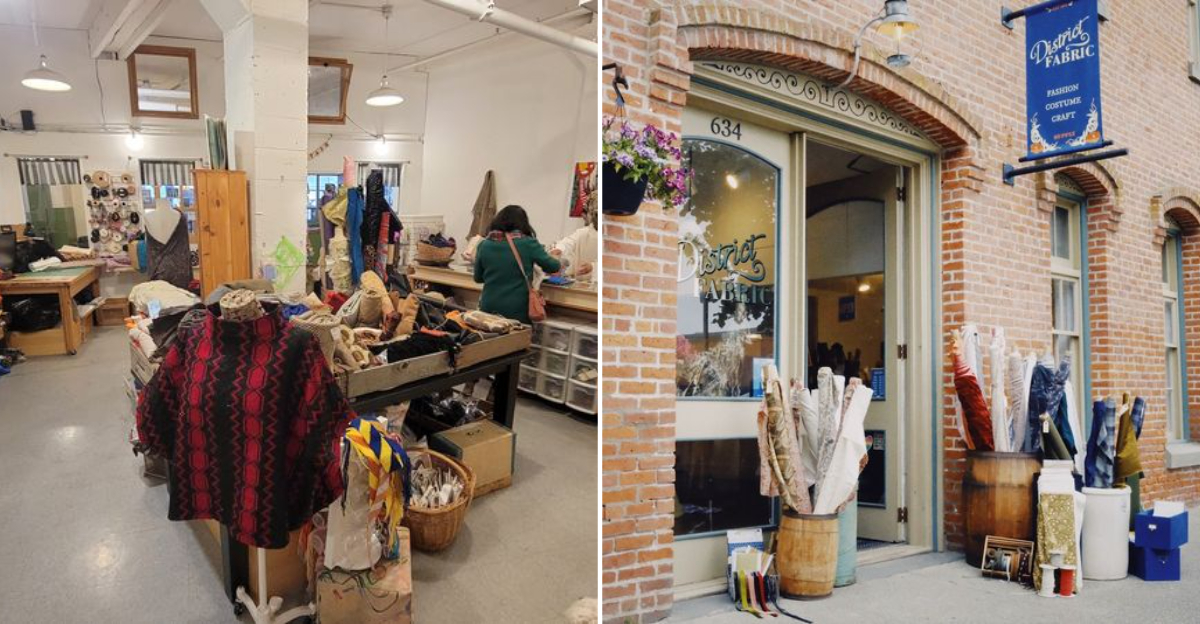
My grandmother taught me how to sew when I was just knee-high to a grasshopper, and ever since, I’ve had a soft spot for fabrics with a past. Modern prints are fine and dandy, but give me a 1950s tablecloth fabric or a crisp piece of vintage lawn cotton, and my heart completely melts.
Finding those unicorn materials used to feel like searching for a needle in a haystack until I decided to explore the vibrant creative scene right here in Washington.
I spent weeks poking around delightfully dusty corners, chatting with eccentric shop owners, and unearthing stash rooms that look like time capsules. The treasures I found hiding on those shelves are absolute game-changers for any maker who loves unique textures and patterns.
If you’re tired of the same old big-box store aisles and want to add some serious soul to your sewing projects, come along with me as we explore the ultimate vintage fabric havens!
Each shop brings its own personality, from waterfront boutiques to creative-reuse centers, and all of them understand that the right fabric can turn an ordinary idea into something memorable.
1. Our Fabric Stash, Seattle
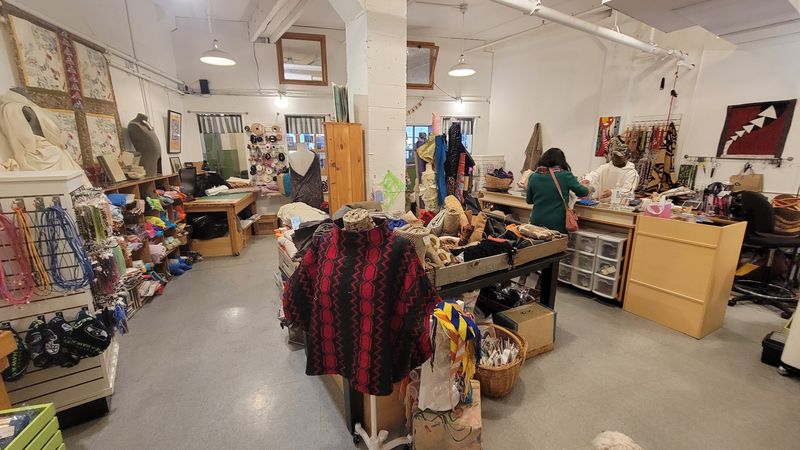
Pike Place Market isn’t just for produce and flowers. Tucked into Suite 329, this consignment shop operates on a model that keeps textiles out of landfills and puts them into the hands of makers who appreciate quality.
The inventory rotates constantly because everything comes from private collections, estate sales, and designers clearing their studios. You might find a bolt of discontinued Liberty of London cotton one week and hand-dyed silk yardage the next.
Remnants get priced to move, and the notions section often includes vintage buttons, zippers with metal teeth, and trim that hasn’t been manufactured in decades.
Because the shop focuses on consignment, the staff can sometimes share the fabric’s backstory. Knowing that your material once belonged to a Seattle dressmaker or came from a closed upholstery business adds a layer of connection that new yardage simply can’t match.
The Pike Place location makes it easy to combine fabric hunting with a full day in the market.
2. Ragfinery, Bellingham
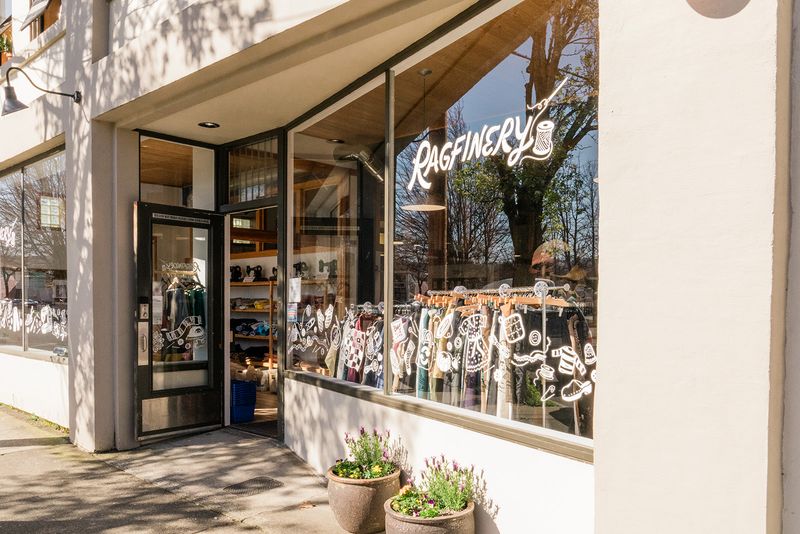
Bellingham’s textile-reuse scene got a serious boost when this shop opened on Unity Street. The entire operation runs on donations, which means the inventory changes every single week.
Quilters come here for fat quarters in prints that went out of production years ago. Knitters dig through bins of donated yarn that still has the original shop tags from stores that closed in the 1980s.
The vintage sewing pattern collection spans decades, with envelopes showing illustrations of styles that defined their eras. Notions fill an entire wall, and you’ll find everything from wooden spools of thread to packages of rickrack in colors that modern manufacturers don’t bother making anymore.
The shop’s mission centers on keeping textiles in circulation rather than sending them to landfills. That philosophy attracts customers who care about sustainability but also love the thrill of finding something unexpected. You never know what’ll show up next, which is exactly why regulars stop by weekly.
3. Wyldwood Creative, Renton
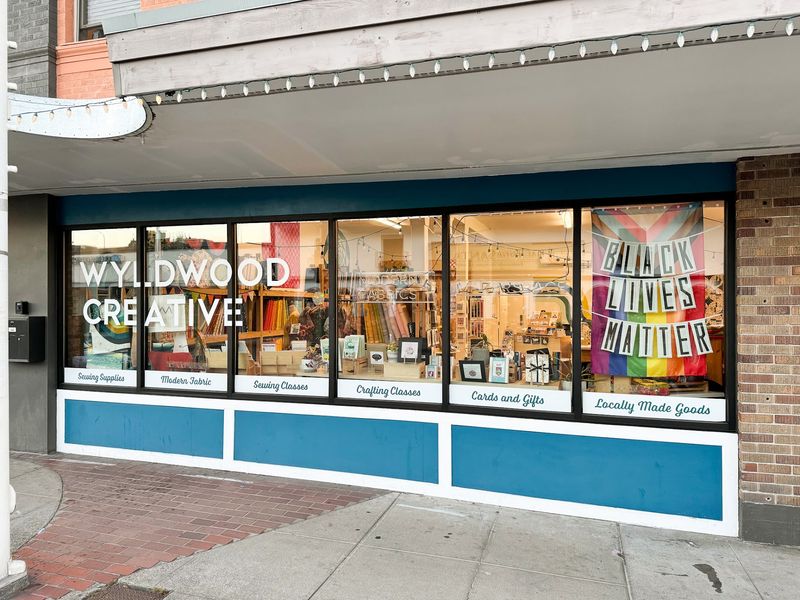
Vintage polyester gets a second look here. Those bold geometric prints and saturated colors from the 1970s work beautifully in modern quilts and retro-style clothing.
Natural fibers show up in small quantities, perfect for test projects or accent pieces.
Renton’s South 3rd Street has become a destination for sewers who think about fabric in terms of reuse and reinvention. Wyldwood Creative built its reputation on the ReStash program, which brings garment fabrics back into the market after their first life.
The unusual prints include everything from corporate logo fabric to discontinued home decor patterns that someone rescued before they hit the dumpster.
The shop doesn’t restock items in the traditional sense. Once a particular fabric sells out, it’s gone. That creates urgency but also keeps the shopping experience fresh.
The staff understands garment construction and can often suggest how a piece of fabric might work for a project you’re planning. It’s the kind of knowledge that turns browsing into genuine discovery.
4. Seattle ReCreative, Greenwood
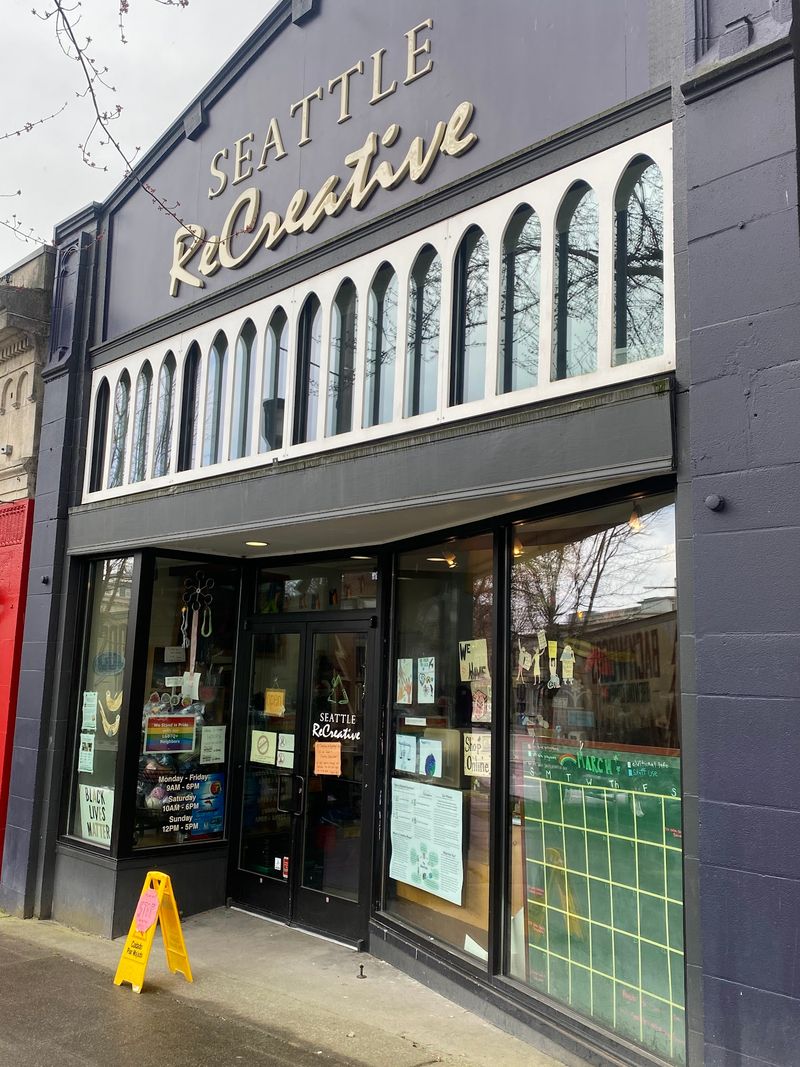
Greenwood Avenue’s creative-reuse center operates on a simple principle: one person’s leftover craft supplies become another person’s treasure. The donated inventory means you’ll never see the same selection twice.
Fabric remnants arrive in every size, from half-yard pieces to bolts that someone ordered for a project they never started.
The older notions section holds treasures like bias tape in discontinued colors, packages of snaps that still have price tags from stores that closed decades ago, and trim that came from a seamstress’s estate sale.
Unusual materials show up regularly because the donation model attracts people clearing out studios, closing businesses, or downsizing their sewing rooms.
The Georgetown location offers a second chance to hunt if you didn’t find what you needed at the Greenwood shop. Both spaces feel more like creative playgrounds than traditional retail stores, and the prices reflect the mission of keeping materials in circulation.
Budget-conscious makers and experimental artists both find what they need here, often discovering materials they didn’t know they were looking for.
5. Hosekibako Japanese Resale Shop, International District
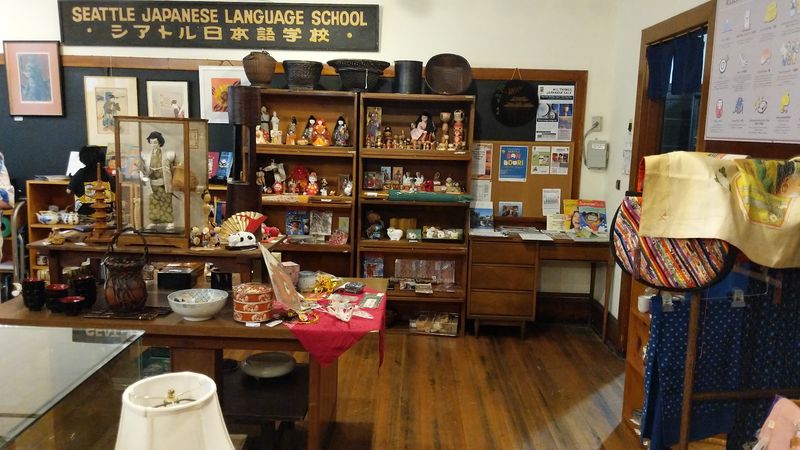
Seattle’s International District holds a shop that specializes in something most American fabric stores don’t carry: vintage Japanese textiles meant for careful repurposing. Hosekibako focuses on kimonos and traditional goods that have completed their original purpose.
The silk alone makes this shop worth visiting. Kimono silk differs from Western silk in weight, weave, and hand, and the prints often feature motifs that Western manufacturers never attempted.
Some pieces show age through fading or small repairs, but that history adds character rather than diminishing value. Decorative materials include obi fabric, which has enough body to work for bags, pillows, or structured garments.
Repurposing these textiles requires respect for their origin and some knowledge of how to work with delicate materials. The shop attracts customers who understand that distinction and want to give beautiful fabric a second life.
You won’t find enough yardage here to make a full quilt, but you will find accent materials that can transform an ordinary project into something that tells a story.
6. Carriage Country Quilts, Des Moines
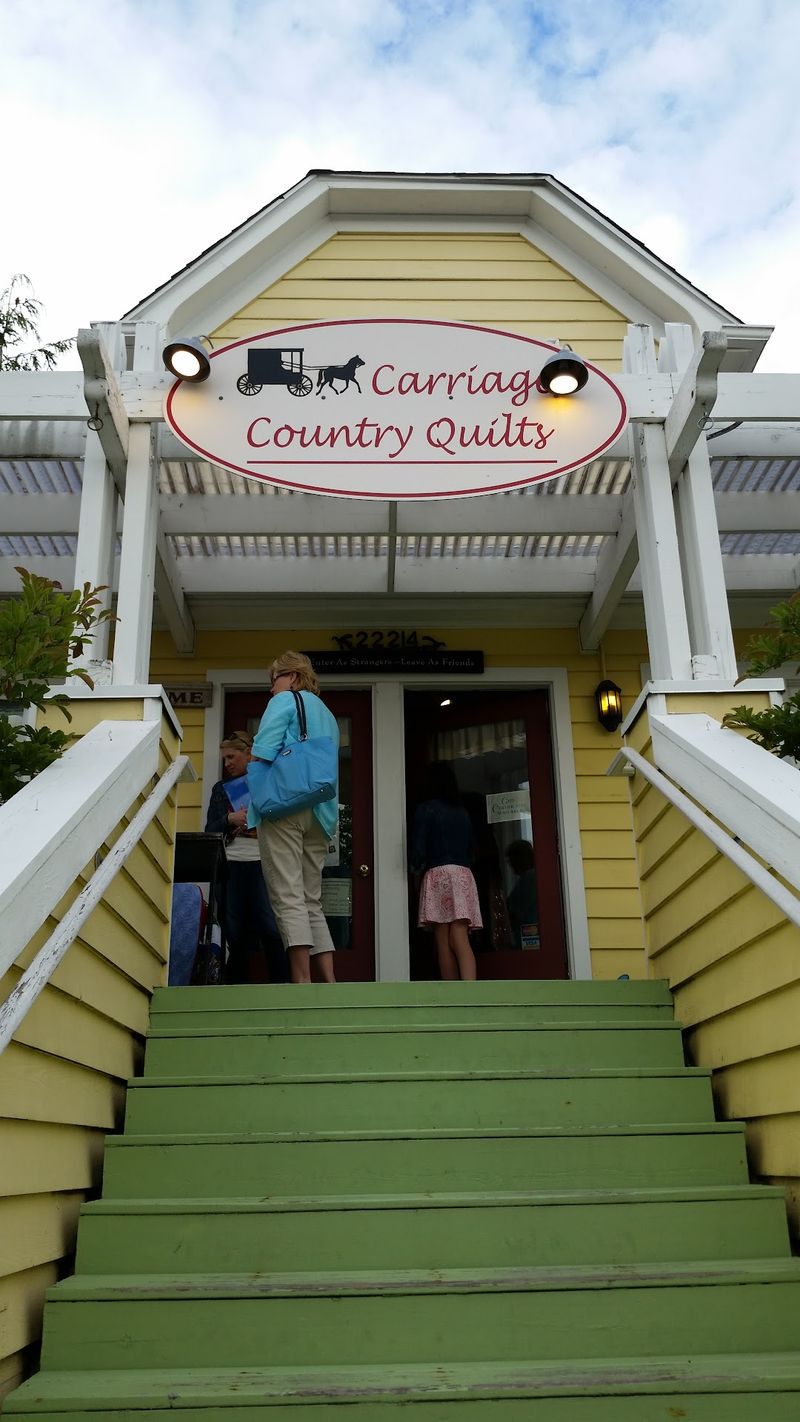
Marine View Drive leads to a shop that takes historical reproduction seriously. Carriage Country Quilts built its reputation on fabrics that look like they came from specific eras, and the selection reflects genuine research into textile history.
Civil War prints reproduce the small-scale patterns and muted colors that defined mid-19th-century American quilts. The 1930s reproductions capture the cheerful pastels and simple florals that characterized Depression-era scrap quilts.
Wool applique supplies include hand-dyed felted wool in colors that work for primitive-style projects. The shop understands that quilters working on historical reproductions need accuracy in both pattern and color.
The staff knows the difference between a true reproduction and a modern fabric that just looks old. That expertise matters when you’re trying to match a specific time period or complete a quilt that needs to look authentic.
The shop also carries the specialized threads, battings, and notions that historical quilting requires. For makers who care about period accuracy, this destination delivers materials that respect the past while working beautifully in contemporary projects.
7. Stitches, Capitol Hill
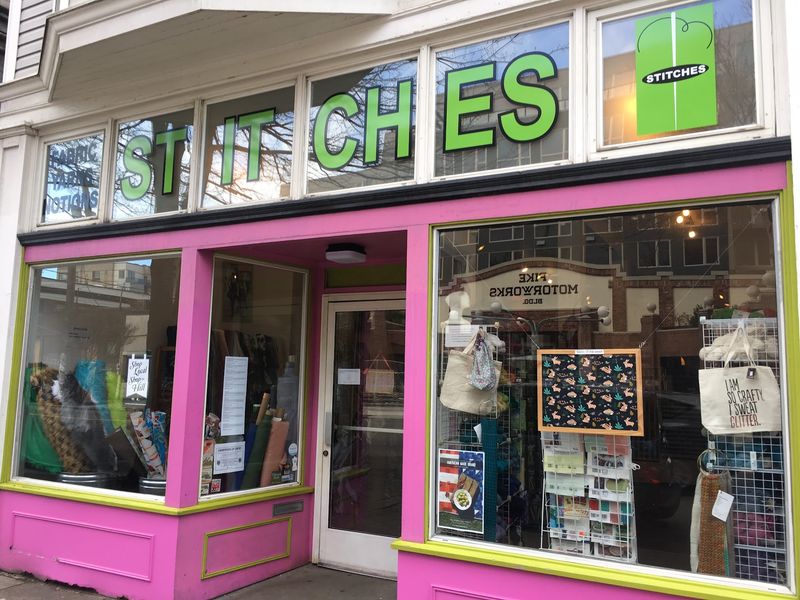
Capitol Hill’s Pike Street hosts an independent shop that refuses to stock the same quilting cottons you’ll find everywhere else. Stitches focuses on fashion and costume fabrics that require a bit more skill but deliver much more dramatic results.
The silk selection includes everything from lightweight charmeuse to crisp dupioni, in colors that change with the fashion seasons. Wool comes in weights suitable for coats, skirts, and structured garments.
Stretch fabrics cover the full range from athletic knits to ponte roma, and the shop carries the specialized needles and techniques guides you’ll need to work with them successfully.
Oilcloth, canvas, and home decor weights fill another section, while the faux fur and costume materials attract theater costumers and cosplayers.
Shopping here requires knowing what you’re looking for or being willing to learn. The staff can explain the difference between fabric weights and suggest which material will work best for your specific project.
The inventory changes seasonally, reflecting what’s current in fashion fabric rather than stocking the same bolts year-round. That keeps the selection fresh and the shopping experience interesting.
8. District Fabric, Port Townsend
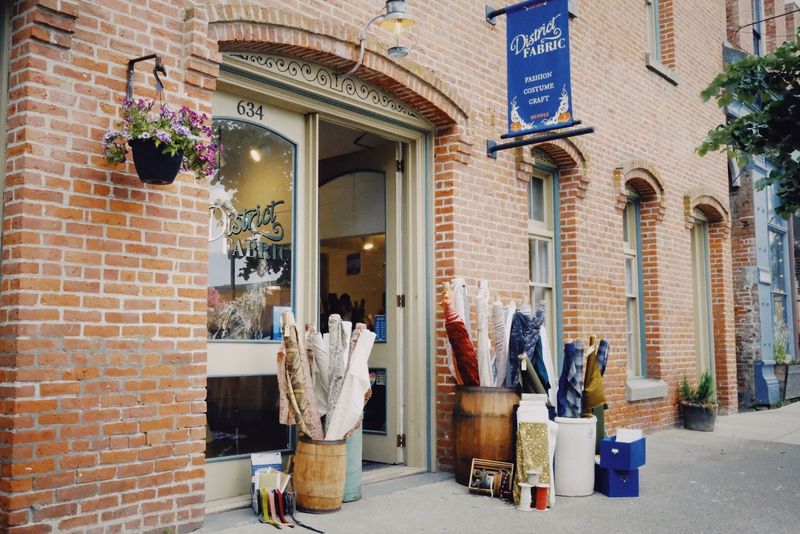
Port Townsend’s Water Street runs along the waterfront, and this shop occupies space in one of the historic buildings that give the town its character. District Fabric positions itself as a destination for makers who want something beyond basic quilting cotton.
The fashion fabric selection emphasizes wearable projects, with materials chosen for drape, color, and current style rather than traditional craft applications. Costume materials attract both theater professionals and home sewers working on cosplay or historical reproductions.
The craft inventory includes specialty items that require specific techniques or tools, making this a shop for makers ready to expand their skills.
The location itself adds to the experience. Port Townsend draws visitors for its Victorian architecture, waterfront views, and thriving arts community, so a fabric shopping trip easily combines with a full day of exploration.
The shop’s inventory reflects the town’s creative culture, with an emphasis on quality over quantity and distinctive choices over mass-market basics. It’s the kind of place where you go to find inspiration as much as specific yardage.
9. Esther’s Fabrics, Bainbridge Island
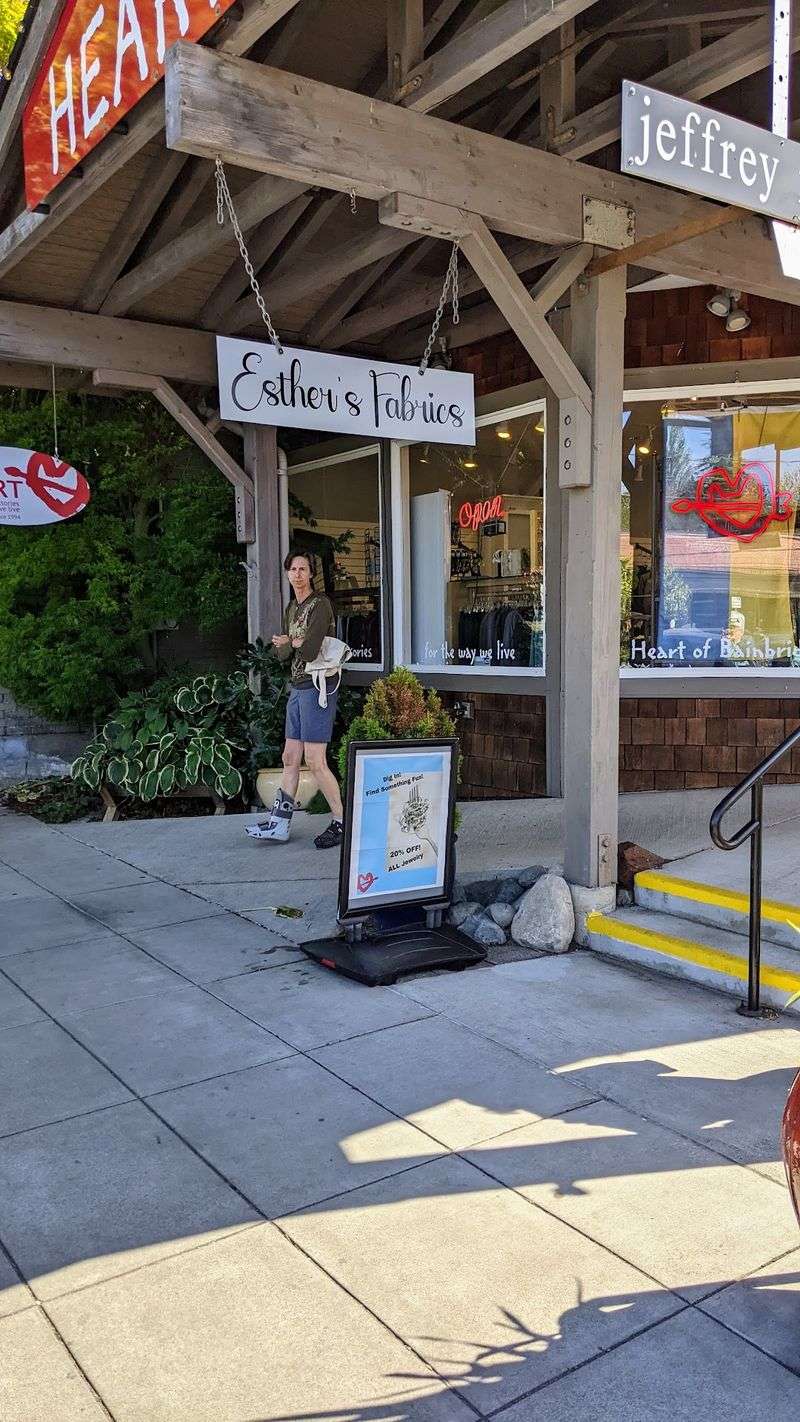
More than sixty years of business gives a shop a certain authority. Esther’s Fabrics has occupied its Winslow Way location long enough to have served multiple generations of island sewers, and that longevity speaks to consistent quality and service.
The apparel fabric section covers basics and seasonal offerings, with attention to materials that work for the Pacific Northwest climate. Flannel stocks run deep because island residents use it for everything from pajamas to quilt backings.
The quilting cotton selection balances traditional prints with modern designs, and the embroidery supplies include both hand and machine options. Project materials range from interfacing and stabilizers to zippers and elastic in multiple widths.
Island shops develop a relationship with their community that differs from mainland retail. Regular customers know the staff by name, and the staff remembers what projects people are working on.
The ferry ride from Seattle adds a layer of intention to the shopping trip, but the island’s charm and the shop’s inventory make it worthwhile. For sewers who appreciate stability and personal service, this destination delivers both.
10. The Fabric Patch, Ephrata
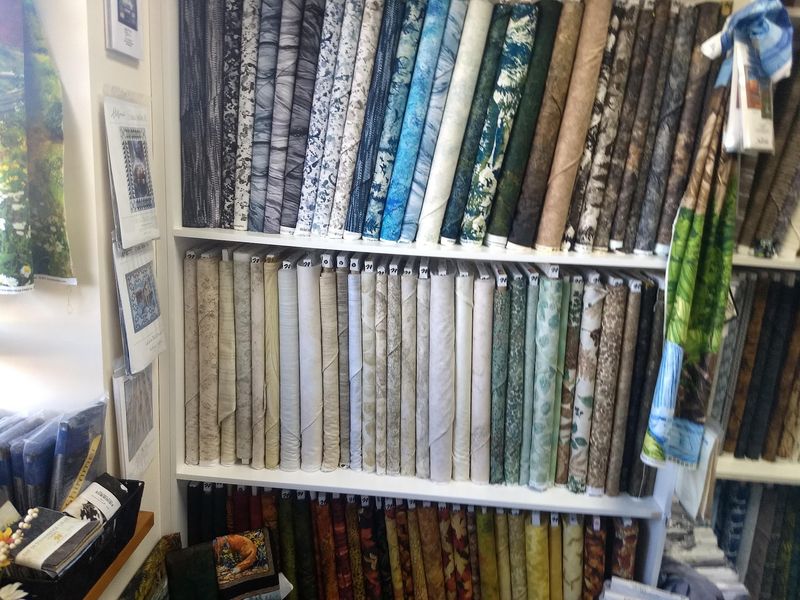
Central Washington might seem like an unexpected location for a major fabric destination, but Ephrata’s shop proves that serious inventory can thrive anywhere. More than 14,000 bolts means you’re not running out of options anytime soon.
Primitive prints serve quilters working in traditional or folk-art styles. Asian prints bring motifs and color combinations that Western manufacturers rarely attempt. Batiks offer the hand-dyed complexity that makes each piece of fabric slightly different from the next.
Modern designs keep up with current trends, and the wide quilt backing selection solves one of the most common problems quilters face when trying to finish large projects. Seasonal materials rotate through the shop, so holiday and themed projects always have fresh options.
The shop’s size allows it to stock specialty items that smaller stores can’t justify carrying. Unusual thread colors, hard-to-find notions, and specific tools all show up here because the customer base supports deep inventory.
The location serves quilters from across the region who make the drive specifically because they know they’ll find what they need. It’s worth the trip.
11. Creative Union Fabrics, Port Townsend
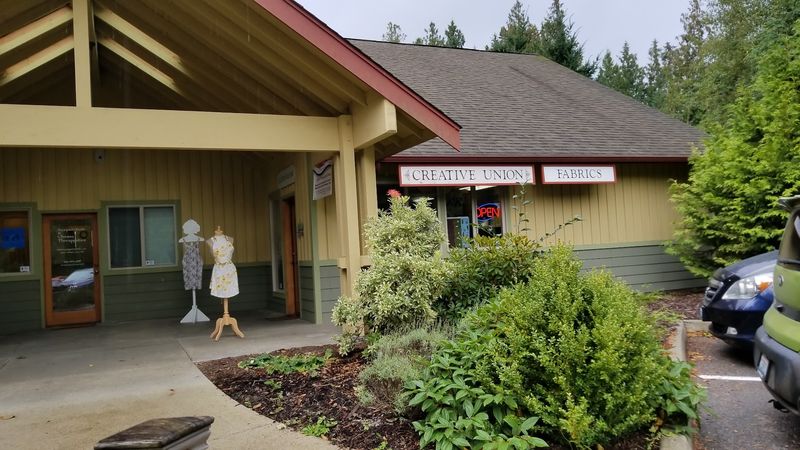
Port Townsend supports two fabric shops, which tells you something about the town’s creative community. Creative Union Fabrics operates six days a week on Kala Square Place, giving quilters and sewers another reliable source for distinctive materials.
The quilting fabric selection emphasizes coordinated collections, which makes planning multi-fabric projects much easier. When a designer releases a line with eight or ten prints meant to work together, this shop carries the full range rather than cherry-picking a few pieces.
Specialty sewing supplies include the tools and notions that experienced sewers need but casual crafters might not know exist. The shop’s independence means the owners can respond to customer requests and stock items that the corporate chains won’t bother with.
Six-day-a-week hours matter in a tourist town where visitors might only have a small window to shop. The reliable schedule means you can plan a fabric stop into a Port Townsend weekend without worrying about unexpected closures.
Combined with District Fabric down on the waterfront, the town offers enough variety to justify a dedicated fabric shopping trip.