
10 Vintage Kansas Snacks Locals Wish Would Return
Kansas kitchens once overflowed with foods that told stories far beyond the plate. Immigrant families carried recipes across oceans, farmers folded harvests into sweets, and lean years sparked creativity that became tradition.
Some of those flavors now live mostly in memory, tucked into church cookbooks or surfaced at the occasional reunion table. A few still shine during festivals, peppernuts traded at Christmas, kolaches stacked in bakery windows, but others are harder to find, like sunflower seed brittle or a gooseberry pie served warm enough to steam.
Ask locals and you’ll hear a sigh of recognition, a smile at the memory. These ten snacks map the resourcefulness, community, and migrations that shaped Kansas. To taste them again is to hold history on your tongue.
1. Peppernuts
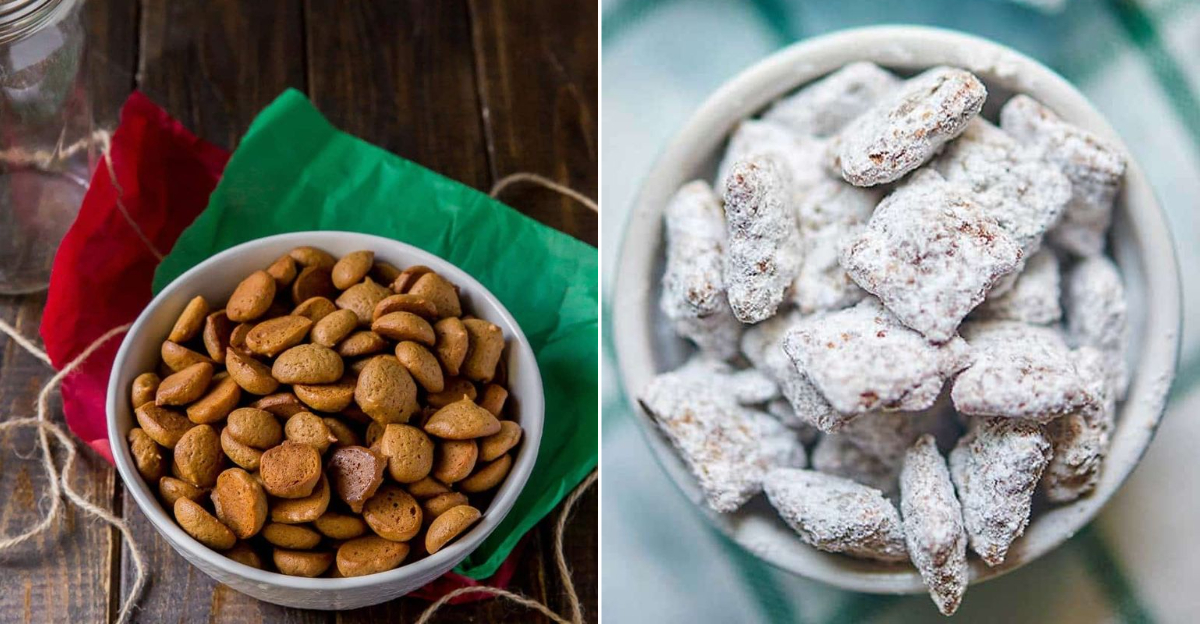
The air in a Mennonite kitchen during December is heady with spice, cardamom, cinnamon, and black pepper weaving together as trays of tiny cookies cool. The vibe is festive, almost bustling.
Peppernuts came with German and Russian immigrants, who carried recipes across oceans and prairies. Each family tweaks theirs, some sweeter, some sharper, all meant to last through the winter.
Locals say the only right way is by the handful. Eating them feels less like dessert and more like sharing in a ritual.
2. Bierocks
A yeasty roll cracks open to reveal beef, cabbage, and onions steaming inside. The flavor is hearty, seasoned but simple, every bite warming.
These portable stuffed breads, introduced by Volga German settlers, became Kansas classics. They fed farmers in fields, students in lunchrooms, and families at church suppers.
I ordered one in Hutchinson and burned my fingers a little diving in too fast. Worth it, the sweetness of the cabbage with the beef and bread made me instantly understand the devotion.
3. Sunflower Seed Brittle
The crunch is loud, the sunflower seeds snapping together under a glossy coat of hardened syrup. Sweetness hits first, then a nutty echo lingers.
Born from Kansas’s own crop, sunflower brittle put the state’s signature seed into candy jars and county fair stands. It stood apart from peanut brittle with its rustic, earthy bite.
Locals told me if you ever spot a jar at a fair, buy it immediately. I did once, and the whole bag was gone before I even left the grounds.
4. Sorghum Cookies
The first whiff carries a deep molasses sweetness, darker and earthier than regular sugar could ever manage. Kitchens smelled of this richness through fall and winter.
Sorghum syrup, once common in Kansas pantries, lent these cookies both flavor and identity. Families boiled cane into thick, amber syrup, turning it into sweets that lasted through the cold months.
At a fall festival I tried one still warm from the oven. The chew, the spice, the syrup’s tang, suddenly it felt like tasting the past.
5. Puppy Chow
Powdered sugar dusts your fingertips before you even get the first handful to your mouth. Crisp cereal, melted chocolate, and peanut butter crunch together.
Despite the name, this is a people treat, a Midwestern party standard. Kansans claim it with pride, mixing giant batches for holidays, bake sales, and tailgates.
Tip from locals: stash it in the fridge. Cold puppy chow firms up, giving the chocolate coating an extra snap when you bite in.
6. Chili With Cinnamon Rolls
Bowls of steaming chili sit side by side with iced cinnamon rolls. It looks like two meals fighting for attention until you take a bite of each.
The pairing is school-lunch folklore across Kansas, combining savory spice and sweet dough in one ritual. For many, it’s nostalgia disguised as dinner.
I tried the combo in Topeka, doubtful at first. Then came the bite, chili’s heat cooled instantly by the sweet roll, and I stopped questioning. It works, completely and unapologetically.
7. Sandhill Plum Jelly
Jars catch the sunlight with a ruby-red glow, the jelly trembling slightly as it’s spooned onto biscuits or toast. The look is jewel-like, the flavor tangy-sweet.
Made from wild sandhill plums growing across Kansas prairies, this jelly was once a staple in farm kitchens. Families gathered fruit in summer, boiling it into spreads to last the year.
At a roadside market, I bought a jar and tasted it that evening. Bright, tart, and smooth, it was like bottling a Kansas summer on bread.
8. Kolaches
Yeast dough bakes golden, soft but sturdy enough to hold fillings of apricot, prune, or poppy seed. The scent is buttery, fruity, and faintly floral.
These pastries came with Czech immigrants who settled in Kansas, and their legacy endures through church festivals and small-town bakeries. Sweet or savory, kolaches carry old-world comfort.
Tip: the best ones sell out by midmorning. Arrive early at a bake sale or town fair, or risk missing the freshest trays entirely.
9. Valomilk Cups
A thin chocolate shell cracks to reveal marshmallow cream that runs out in sticky rivers. The texture is messy in the best possible way.
Invented in Kansas City in the 1930s, Valomilk became a Depression-era treat, offering indulgence when luxuries were scarce. It’s still produced today in smaller batches.
I unwrapped one at a friend’s urging and bit in too fast, the marshmallow spilled everywhere, and I laughed through the mess. Sweet, gooey chaos worth every napkin.
10. Gooseberry Pie
The crust flakes apart under a fork, giving way to a filling that glows pale green and smells faintly tart. The first taste is sharp, quickly mellowed by sugar.
Gooseberries once grew abundantly in Kansas gardens, and pies made from them were a summer standard. Their season was short, making each bake feel like a celebration.
I had a slice at a church supper in central Kansas. The filling puckered my mouth, then smoothed into sweetness. It was bold, unusual, and unforgettable.