
10 Virginia Food Phrases That Outsiders Have No Idea What They Mean
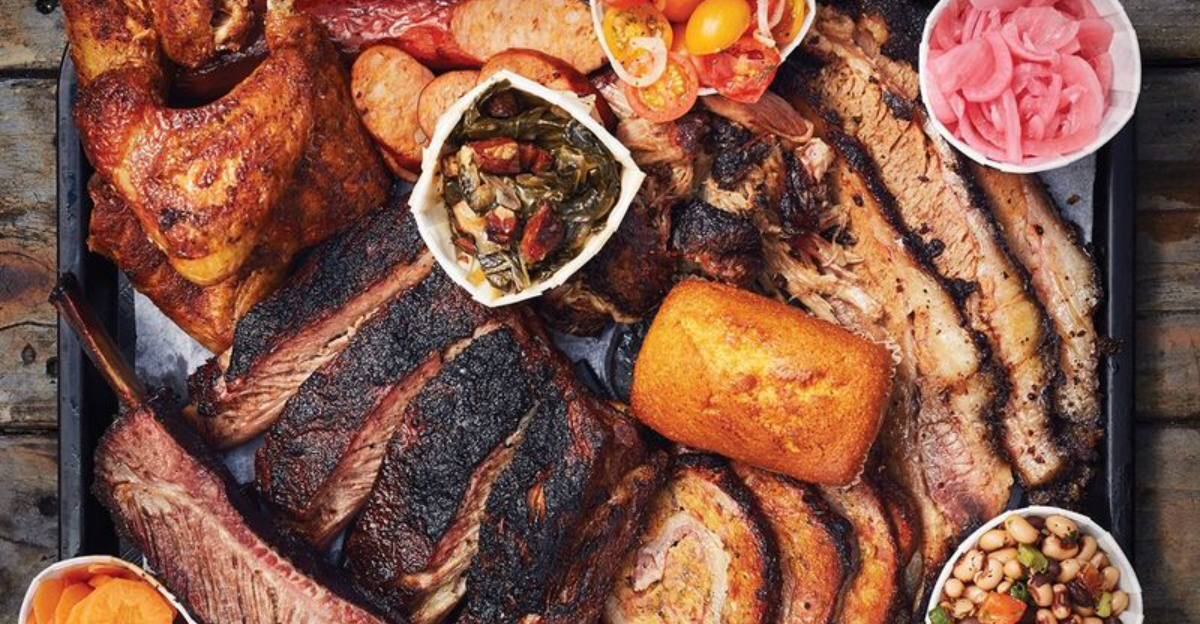
Virginia menus can feel like a secret code until someone leans over and translates the hidden gems.
The phrases are friendly, the flavors are bold, and the traditions run deep from the Tidewater coast to the winding ridges of the Blue Ridge.
Think of this as a neighborly cheat sheet, the kind locals quietly rely on when choosing what truly represents the region.
With a quick skim, you’ll spot the dishes rooted in history, the sides everyone debates, and the specialties that never leave the chalkboard.
Read it now, and you’ll sound effortlessly in the know by dinnertime.
1. White sauce
You will hear white sauce in Hampton Roads and expect queso, but locals mean a creamy, mildly zesty dip that arrives with chips at many Mexican restaurants.
It is thinner than ranch, a touch tangy, and lightly peppery, often with a whisper of heat that keeps you dipping.
When a server asks if you want salsa and white sauce, say yes and watch the basket suddenly become a communal event.
The charm here is low fuss and high comfort, perfect for a weeknight when you want something friendly and familiar.
It behaves like a Virginia handshake at the table, inviting you to linger and chat. Outsiders are surprised that it is not standard elsewhere, which is half the fun of introducing friends to the ritual.
Order it, compare bites with salsa, and you will notice how the cool creaminess softens chip salt and heat.
It also pairs nicely with fajitas or a simple plate of rice and beans, balancing richness with gentle zing.
If you love dipping, ask for an extra cup up front and save yourself the second request.
There is no single recipe you must memorize, only a regional expectation that this sauce will show up ready to please.
Think of it as the Tidewater welcome mat for casual Mexican spots.
You may leave calculating how to recreate it at home for your next game night.
2. Ham biscuit
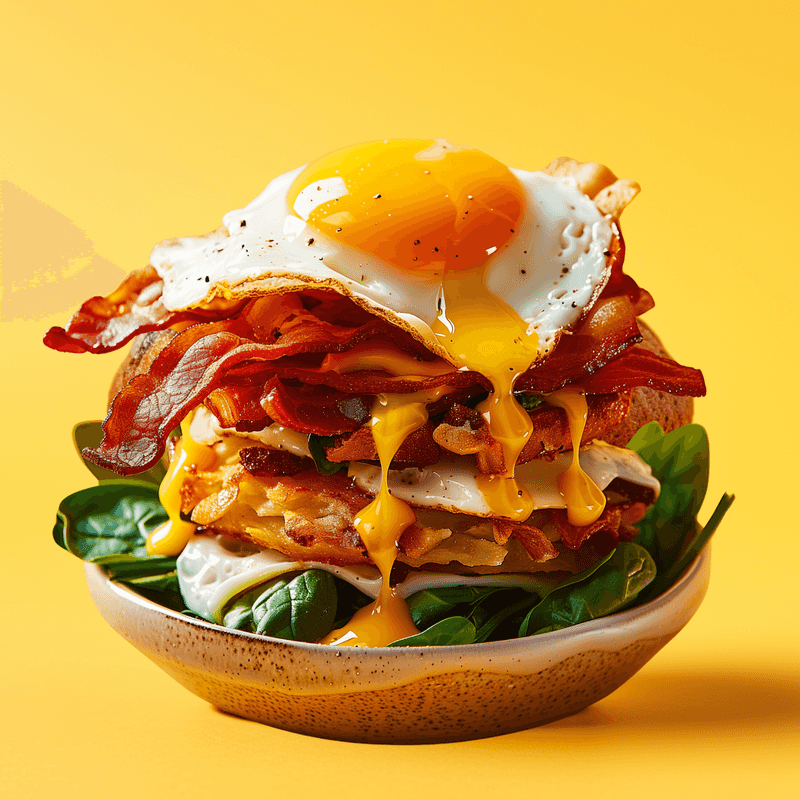
Ask for a ham biscuit in Virginia and you are not getting a towering breakfast sandwich.
You are getting a petite, party-style bite with salty country ham tucked into a soft biscuit or roll.
It is the kind of thing that quietly anchors weddings, holiday tables, and church gatherings, the tray that empties first.
The appeal is balance: tender bread, assertive salt, a touch of butter or mustard if you like.
You can eat one, chat, and grab another without breaking the conversational flow.
They travel well, feed a crowd, and do not demand fanfare to feel special.
If you are hosting, assemble ahead and keep them wrapped until guests arrive.
A small swipe of butter cuts the salt nicely, while a dab of Dijon offers friendly brightness.
You will watch people orbit the platter like it has gravity, which it does, especially beside sweet tea.
For visitors, the phrase can seem overly simple, but the flavor is tradition speaking in a hush.
Each bite nods to country ham’s proud place at the table and the social ease of passing a plate.
You can call them starters, but in Virginia they are more like a welcome.
3. Virginia ham
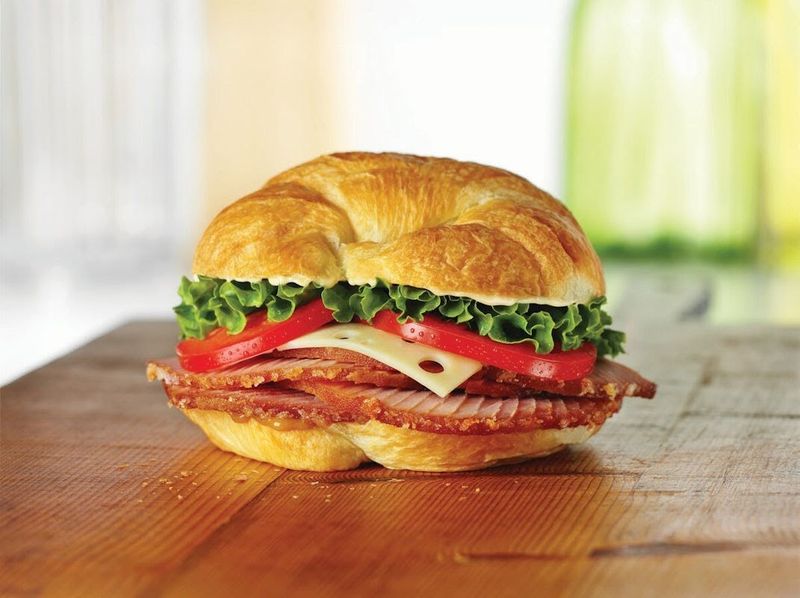
When someone says Virginia ham, they usually mean a style of country ham made in the Commonwealth, deeply cured and assertively savory.
The phrase Virginia-style ham can signal the same traditional method produced elsewhere.
For you, it means to expect robust salt, nuanced funk, and a proud regional identity.
Serve it thinly sliced and let the flavor speak plainly.
A biscuit helps, fruit helps, and a sip of something crisp does wonders with the salt.
If you are new to it, try small bites first, then lean into the depth that lingers.
This is not deli ham or a weekday sandwich standby.
It is occasion ham, a heritage food that shows up during holidays and events with an air of ceremony.
Outsiders sometimes mistake it for sweetness, but here the satisfaction is savory and time-honored.
Ask a local and you will hear family stories layered into every slice.
It is a ham you present, not just serve, with respect for the curing craft behind it.
Whether produced in Virginia or Virginia-style elsewhere, the expectation remains bold, cured character.
4. Smithfield ham
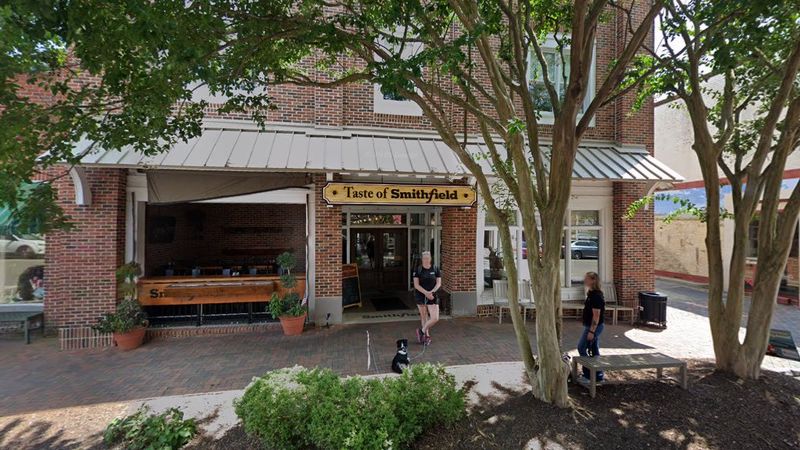
Say Smithfield ham in Virginia and you are pointing to a specific, legally protected type of country ham tied to the town of Smithfield.
It is not a loose nickname but a defined tradition that signals origin and method.
If you see the term on a label or menu, it is calling a very particular heritage by name.
Expect a proud saltiness and the depth that comes from time and technique.
Thin slices go far, especially on small biscuits or with a little butter to soften the edges.
Taste slowly, because the finish tends to unfold rather than shout.
For hosting, a small platter of carved pieces travels beautifully through a living room.
The story matters here, so feel free to share that Smithfield is not just flavor but place.
Guests will remember the name and the restraint required to carve it properly.
Outsiders might think any country ham fits the bill, but in Virginia the wording matters.
Smithfield names a ham with guardrails around its identity, anchored to the town itself.
When you choose it, you are choosing a specific piece of culinary geography.
5. Brunswick stew
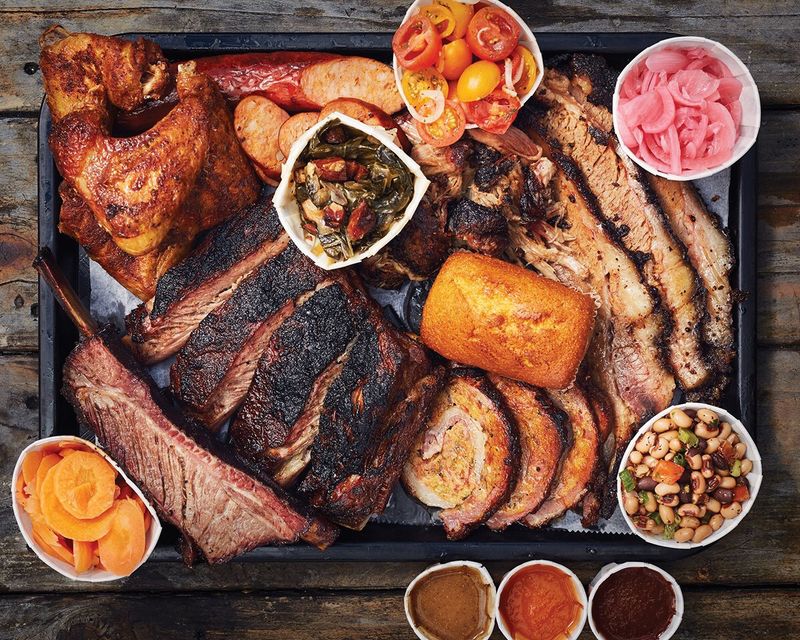
Order Brunswick stew in Virginia and you are getting a tomato-based, hearty bowl built on chicken and vegetables.
It is rib-sticking fare that belongs to cool evenings, church suppers, and backyard gatherings.
There is a long-running origin rivalry, and Virginia’s Brunswick County is famously in that conversation.
Expect thickness you can almost stand a spoon in, with sweet corn and tender beans playing nicely against tangy tomato.
This is comfort first and story second, and both are worth savoring. If you are new, start with a cup and see how quickly you wish you had gone bowl.
Pair it with cornbread or a simple green salad to keep the focus on the stew.
It reheats like a champ, which makes it friendly for busy weeks and family schedules.
You will find it at festivals, fundraisers, and mom-and-pop spots where the pot has history.
For travelers, the phrase doubles as a local handshake and a sign that you are in stew country.
Ask kind questions and someone will tell you their preferred version with pride.
The debate may never end, which is part of the fun of ordering it here.
6. Virginia peanuts
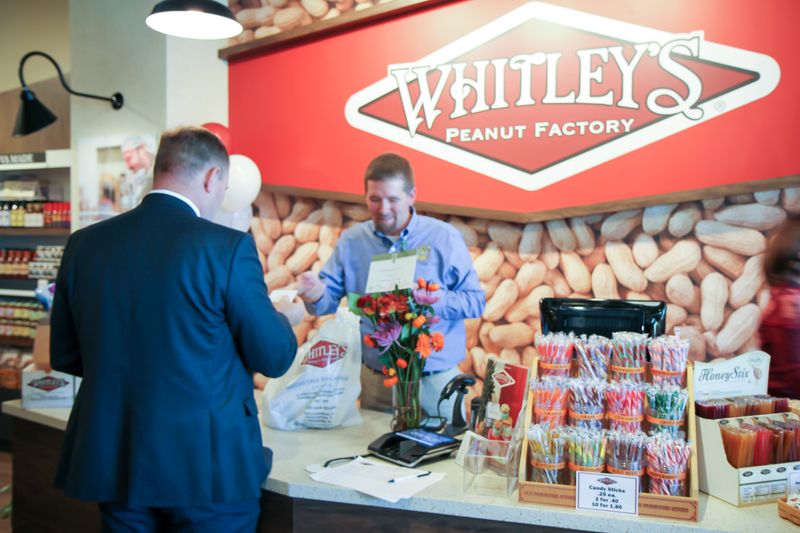
Hear Virginia peanuts and think big, crunchy, satisfying.
These are the hefty nuts that crack loudly and leave a distinctly toasty flavor.
People sometimes call them ballpark peanuts because you find them sold at stadiums around the country.
They are snackable straight from the tin, but also great chopped over salads or ice cream.
If you keep a stash for road trips, the texture alone keeps you reaching back into the bag.
They are generous in size and feel built for sharing without getting fussy.
Gift-wise, they travel well and tell a simple story about place.
Bring them to a tailgate or pack them for a hike and you will have crunch to spare.
You can also set a bowl out before dinner and watch how quickly they disappear.
For outsiders, the name might sound like just another peanut, but the variety really does announce itself with size and snap.
That ballpark nickname is not marketing fluff so much as a nod to where you often meet them. Expect straightforward pleasure, no instructions required.
7. Williamsburg peanut soup
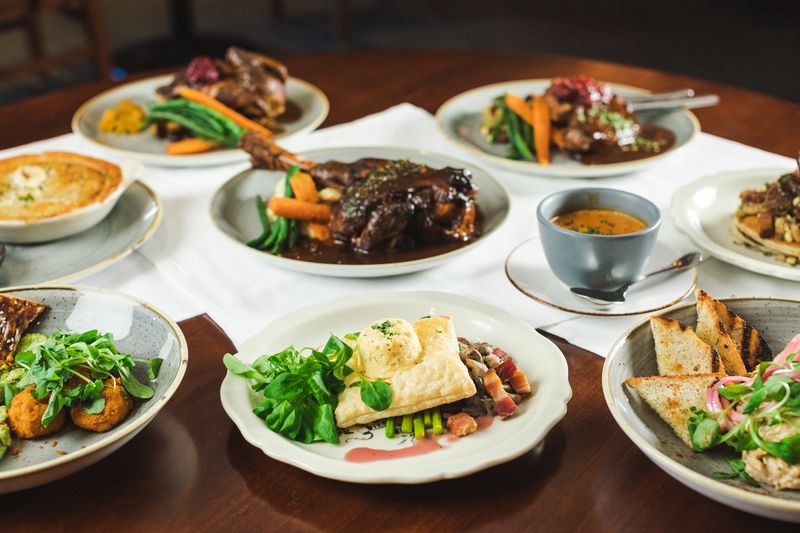
When locals say Williamsburg peanut soup, they mean a creamy, savory soup closely tied to Williamsburg tavern traditions.
It is rich but gentle, with roasted peanut aroma that feels both nostalgic and comforting.
You will see it on regional menus where history and hospitality meet.
Consider it a starter on a cool day, something that slows conversation in a pleasant way.
A small cup goes a long distance, especially before roast chicken or a simple salad.
If you enjoy peanut flavor without overwhelming sweetness, this is tuned just right.
For home entertaining, serve in small mugs to keep the experience cozy.
The texture is smooth, the finish nutty, and the mood quietly celebratory.
It brings a sense of setting even if you are miles from the Historic Area.
Travelers often discover it while exploring Williamsburg and then look for it elsewhere in Virginia.
The soup carries a tavern hush, as if it remembers every story told in candlelight.
Order it when you want a dish that whispers rather than shouts.
8. Oyster roast
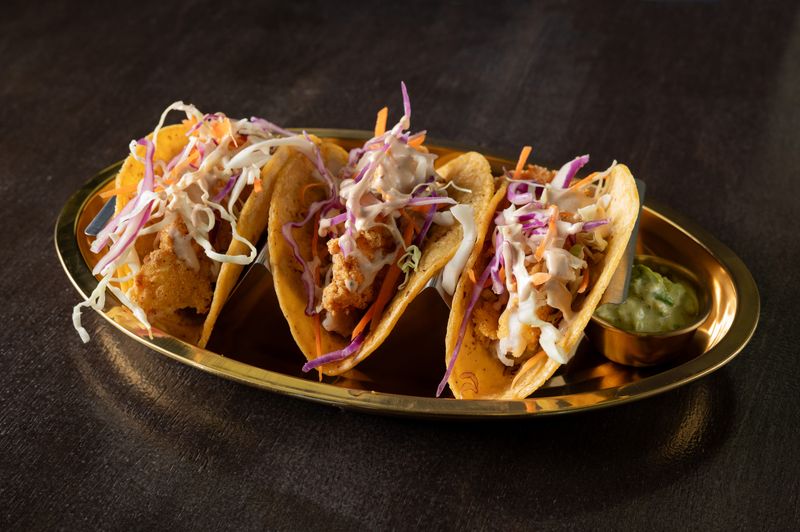
In coastal Virginia, an oyster roast is a gathering more than a recipe.
Friends heap Chesapeake oysters on a hot surface, cover them, and wait for steam to work its magic.
Gloves, knives, and laughter do the rest as shells pop and briny warmth fills the air.
This is a cold-weather tradition on the Eastern Shore and across Tidewater, best enjoyed with simple fixings.
Think lemon, hot sauce, crackers, and a sturdy table that can take a little mess.
You eat, you talk, you pass along the ones that open easiest.
Bring layers and an appetite, because the best roasts unfold slowly.
Kids chase steam clouds, adults compare batches, and everyone learns a safe shuck.
The setting makes the flavor, so pick a breezy spot and let the shoreline set the pace.
Visitors sometimes expect fancy, but the joy is elemental and shared.
You taste the water and the season at once, a memory that sticks to your hands in the best way.
If you get invited, say yes, then volunteer to handle the cracker basket.
9. Merroir
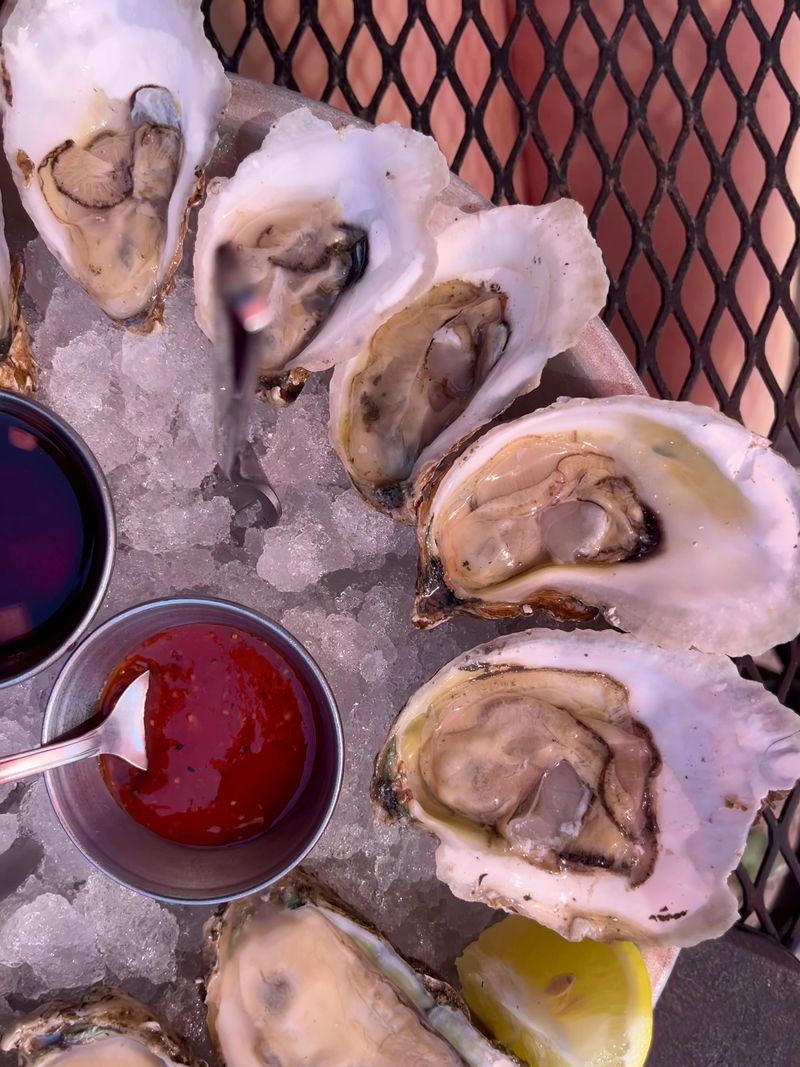
Merroir is what oyster lovers say when they want to talk about how water shapes flavor.
Like terroir, but for the sea, it captures the way a specific river or bay stamps brine, sweetness, and texture.
In Virginia, producers and oyster bars helped popularize the idea so you can taste place on a plate.
When a menu lists creeks and coves, that is your cue to compare.
Try a flight from different waters and note how one leans mineral while another leans buttery.
You do not need jargon, just curiosity and a willingness to taste side by side.
This approach rewards slow eating and small sips in between.
Bring a friend, split a few half dozens, and trade notes like you are mapping a shoreline.
The fun lives in noticing, not scoring, so keep it light.
For newcomers, merroir turns oyster ordering into a simple adventure.
You learn with your palate, and Virginia’s waterways give you plenty to explore.
It is a word that makes seafood feel local in the best possible way.
10. Rappahannock oysters
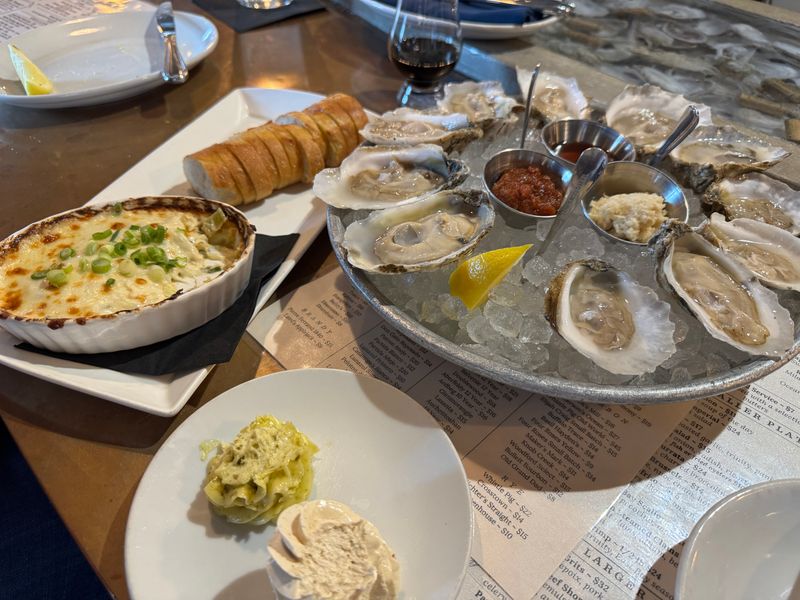
Spot Rappahannock oysters on a menu and you are looking at bivalves tied to Virginia’s Rappahannock River region and the broader Chesapeake growing culture.
The name signals place, a freshwater-meets-salt influence that shapes a friendly, balanced profile.
You are tasting a region that wears its identity with quiet confidence.
Order them raw to appreciate the clean, river-kissed character.
A squeeze of lemon is plenty, though a light mignonette will not hurt.
The point is clarity rather than bravado, a steady glide of flavor instead of a crash.
For a small group, build a platter with a few other Virginia names and compare.
Talk about texture, finish, and how the river shows up in the aftertaste.
Keep it social and easy, because that is how these oysters shine.
When you finish, you will understand why locals treat the Rappahannock as a calling card.
The label belongs to a place and a culture of growing that respects water and season.
It is a shorthand that keeps your order honest and your palate curious.