
Visit Arkansas’s Fairytale Old Mill With Its Restored Waterfall
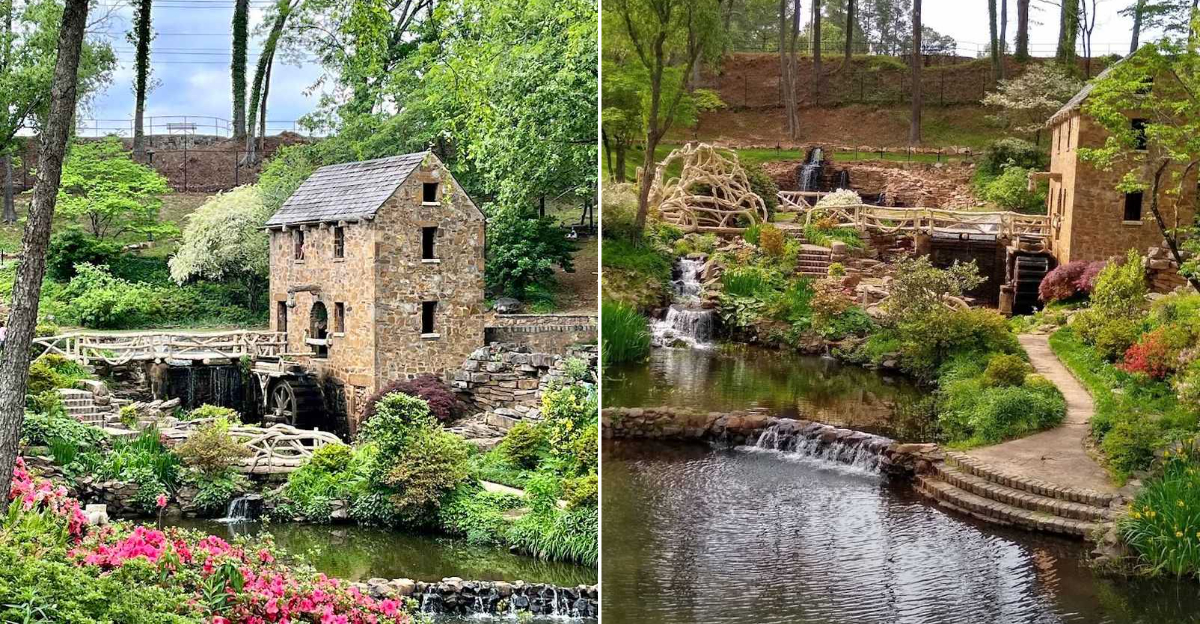
The sound of water slipping over stone stops me in my tracks every time. I walk beneath rough wooden beams and notice how nothing feels perfectly straight.
That’s what makes it feel real. Arkansas has plenty of scenic spots, but this one always slows me down without trying.
The restored waterfall brings a soft, constant motion that shifts with the seasons. I like coming early, when the light skims the surface and reflections start to flicker.
Small carved details pull my attention in different directions. I always find something I missed before.
It feels like I’ve wandered into a story, but nothing about it feels staged. I don’t rush through it.
I wander, pause, and let the place settle in. It stays with me long after I’ve gone.
Hand-Built Stone And Timber Design
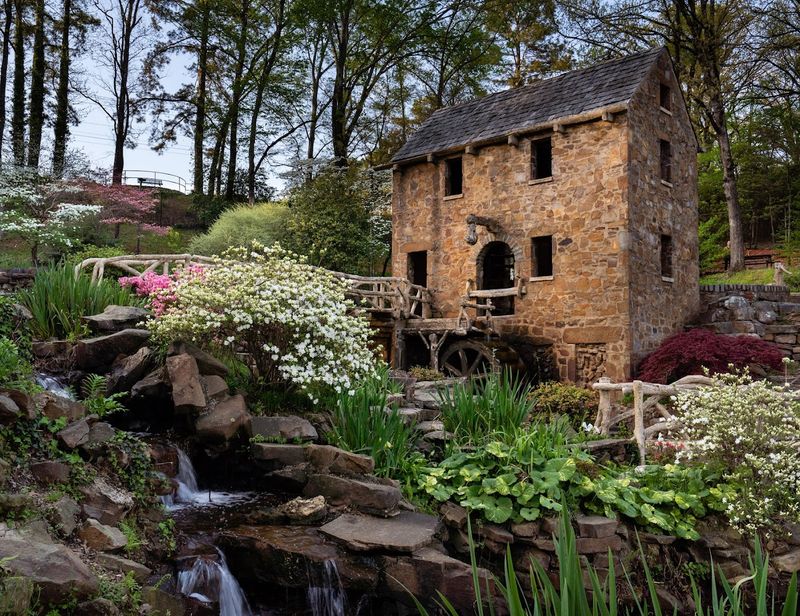
Some buildings feel like they were shaped by human hands rather than assembled by machines, and that is exactly the feeling you get standing in front of this remarkable structure.
Every surface was crafted with careful intention, designed to mimic the look of real stone, and the rough-hewn beams overhead appear like timber, carrying the kind of visual weight that only real craftsmanship can produce.
The walls have a tactile quality that invites you to run your fingers along the surface, feeling the texture of each carefully shaped form.
Artisan Dionicio Rodriguez, a Mexican sculptor known for his faux bois work, created much of the concrete that mimics natural wood and stone so convincingly that visitors often double-check by tapping it.
Standing beneath the structure, the play of light through the openings casts warm, shifting patterns across the ground below.
The design was intentional from the start, built to evoke a sense of timeless rural Arkansas rather than any specific historical building.
It is the kind of craftsmanship that modern construction rarely attempts, which makes every visit feel like a quiet privilege.
You will find this hand-built treasure at The Old Mill (T.R. Pugh Memorial Park), 3800 Lakeshore Drive, North Little Rock, AR 72116.
Early Film Era Connection
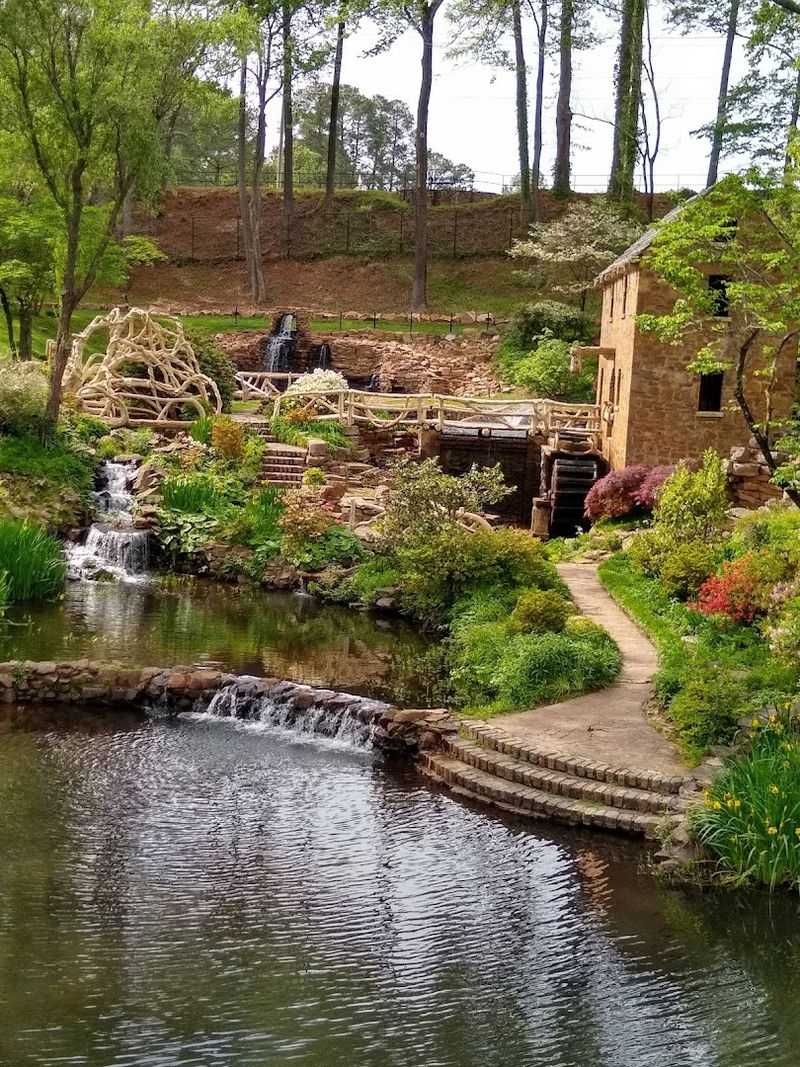
Long before Instagram made scenic spots go viral, Hollywood already had its eye on this remarkable place.
The Old Mill earned a permanent place in cinematic history when it appeared in the opening sequence of the 1939 film Gone with the Wind, making it one of the few real locations featured in that production.
That brief appearance on screen was enough to cement its reputation as a place worth preserving, and the local community took that responsibility seriously for decades afterward.
Standing where film crews once set up their equipment gives the whole park a slightly electric feeling, as if the ground itself remembers being part of something bigger.
The connection to a Golden Age Hollywood classic draws visitors from across the country who want to stand in a place that once flickered across silver screens worldwide.
Many come expecting a simple park and leave with a genuine sense of historical connection that surprises even the most casual visitor.
The mill’s role in film history adds a layer of storytelling to every photograph you take here, turning a simple snapshot into something with real depth and cultural resonance.
Mossy Bridges And Winding Paths
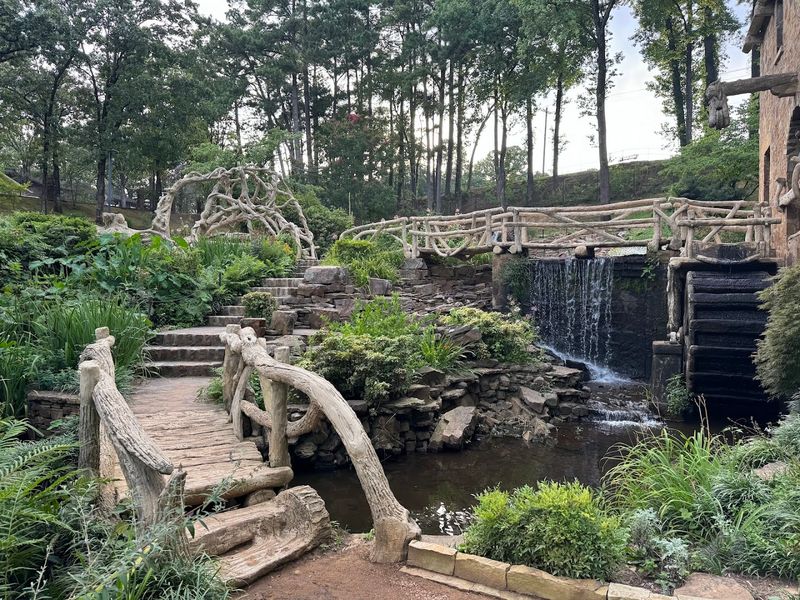
Few things slow your pace quite like a path that curves just enough ahead of you to make you wonder what comes next.
The winding walkways at this park are designed to reward curiosity, leading visitors past fern-covered banks, over small stone bridges draped in soft moss, and alongside the gentle sound of moving water.
Each bridge feels like a scene from a fantasy novel, with thick green moss softening every edge and giving the stone a warm, organic quality that photographs struggle to fully capture.
The paths are well-maintained but deliberately unhurried, encouraging you to stop, look down into the water below a bridge, or simply stand still and listen to the park breathe around you.
Morning visits reward early risers with dew still clinging to the moss and a mist that sometimes drifts low over the water, turning the whole scene into something almost dreamlike.
Families with young children will notice how naturally the paths invite exploration without ever feeling unsafe or overwhelming.
Every bend in the walkway seems to offer a fresh perspective on the same beautiful landscape, keeping the experience feeling new from start to finish.
Restored Cascading Water Feature
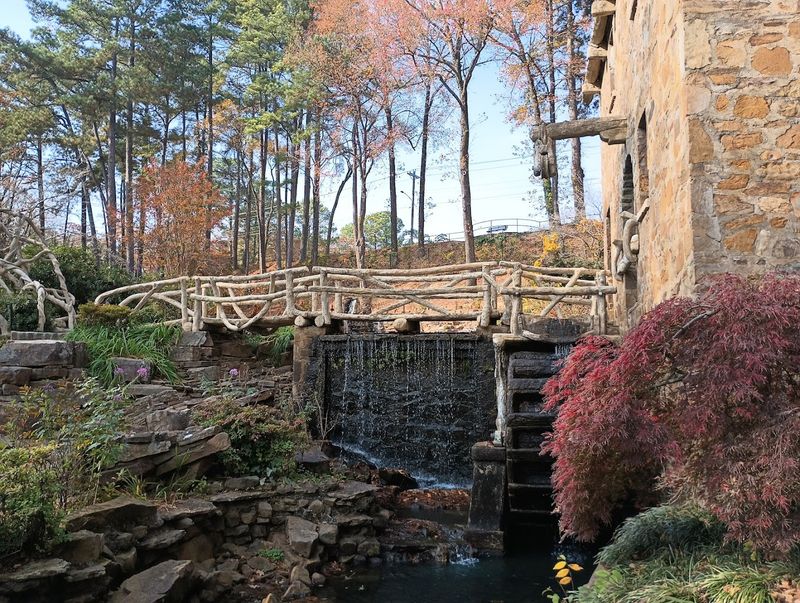
Water has a way of making everything around it feel more alive, and the restored waterfall at this park proves that point beautifully.
After years of wear, the cascading water feature was recently restored to bring back the full, rushing sound and visual drama that made the original mill setting so compelling.
Standing near the falls, you feel the light mist on your skin and hear the steady rhythm of water tumbling over layered stone, a combination that immediately makes the outside world feel very far away.
The restoration preserved the natural look of the original design, so nothing about it feels artificially engineered or out of place within the surrounding landscape.
Photographers love the waterfall for the way it creates movement in an otherwise still scene, adding energy and life to images that might otherwise feel too composed.
Children are inevitably drawn to the edge of the water, pointing and leaning in with the kind of uncomplicated delight that adults sometimes forget they are allowed to feel too.
The sound alone makes the short walk from the parking area completely worthwhile, wrapping the entire visit in a steady, calming backdrop.
Intricate Carvings And Sculptural Details
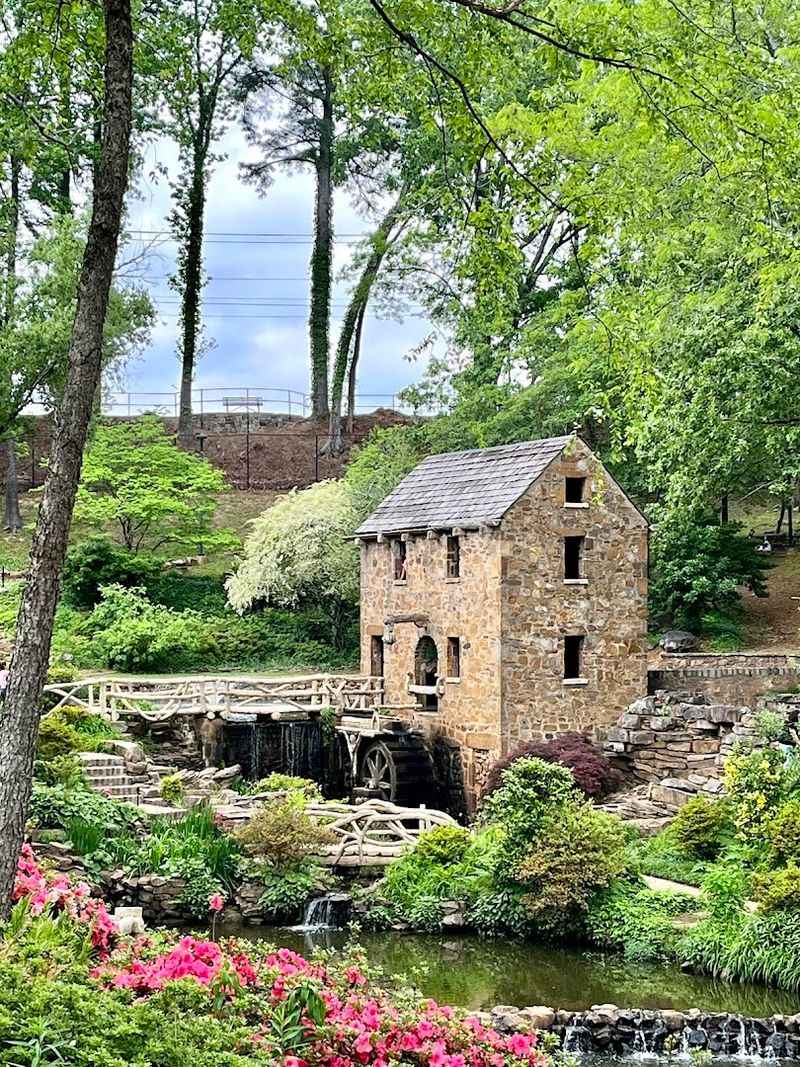
Look closely at the surfaces throughout this park and you will start noticing details that most visitors walk right past without realizing what they are seeing.
Dionicio Rodriguez, the gifted artisan behind much of the park’s decorative work, specialized in a technique called faux bois, which involves sculpting concrete to look convincingly like natural wood, bark, and stone.
Benches that appear to be made from tree stumps, railings that look like gnarled branches, and decorative elements that seem to grow organically from the ground are all the product of skilled hands and patient artistry.
Up close, the detail is staggering, with individual grain lines, knots, and surface textures rendered so accurately that touching them is the only way to confirm they are not actually wood.
This technique was popular in the early twentieth century but has largely disappeared from modern construction, making surviving examples like this one genuinely rare and worth seeking out.
Art lovers and architecture enthusiasts often spend more time examining these details than anything else in the park, crouching down and tilting their heads to catch the light at different angles.
Each sculptural piece is a small conversation between the artist and the natural world, and the park is full of them.
Seasonal Color Transformations
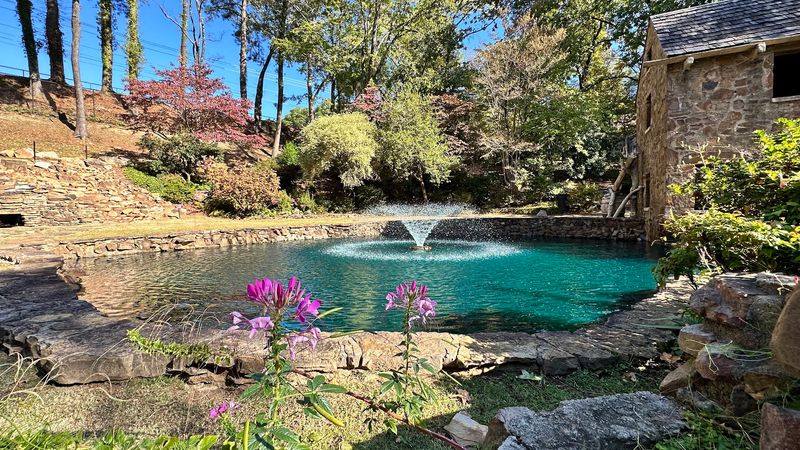
Returning to the same place across different seasons is one of the most rewarding habits a traveler can develop, and this park rewards that habit generously.
Spring brings a soft explosion of green that coats every surface, with new ferns unfurling along the water’s edge and flowering trees adding delicate color to the landscape.
Summer deepens everything into a rich, saturated palette, with heavy canopy shade making the park feel cooler and more sheltered than the surrounding city streets.
Autumn is when the park truly shows off, draping the stone structures in shades of amber, copper, and deep red that reflect in the pond below and turn every photograph into something that looks professionally staged.
Winter strips the trees back to bare branches and reveals the structural bones of the park, giving the stone and water features a stark, dramatic quality that is entirely different from warmer months.
Local photographers treat the park as a year-round studio, returning with each season to capture how the same familiar structures wear completely different moods depending on the time of year.
No two visits feel identical here, which is a rare quality that keeps people coming back long after they have seen every corner of the place.
Golden Hour Reflections On Water
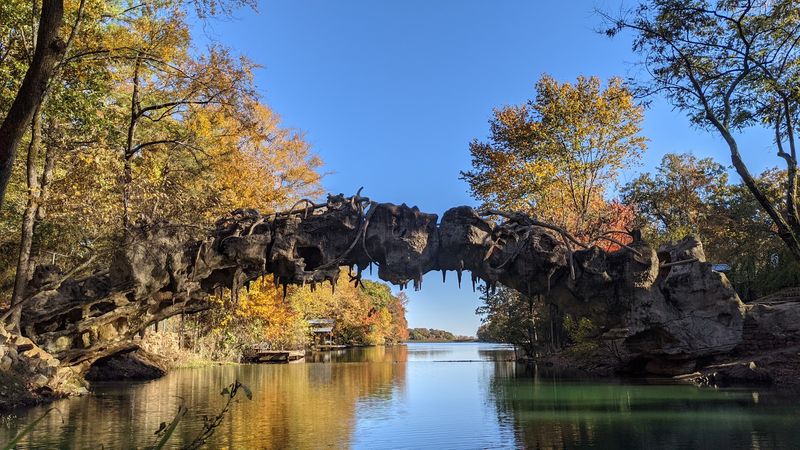
There is a specific window of time in the late afternoon when this park transforms into something that photographers plan entire road trips around.
As the sun drops toward the treeline, the light turns warm and horizontal, catching the surface of the pond and throwing long golden reflections across the water toward the mill’s stone walls.
The combination of warm light, still water, and textured stone creates a visual layering that feels almost too perfect to be accidental, yet it happens naturally every clear evening.
Serious photographers arrive with tripods well before sunset to claim the best angles, while casual visitors simply find a bench and let the changing light do its work around them.
The reflection of the mill and surrounding trees in the pond doubles the visual impact of the scene, creating a mirror image below the waterline that rivals the real thing above it.
Even a smartphone camera can capture something genuinely beautiful here during golden hour, which levels the playing field between casual snappers and experienced photographers in a satisfying way.
Leaving the park as the last light fades off the water is one of those small, unhurried pleasures that a busy travel schedule rarely allows but always should.
Quiet, Unhurried Atmosphere
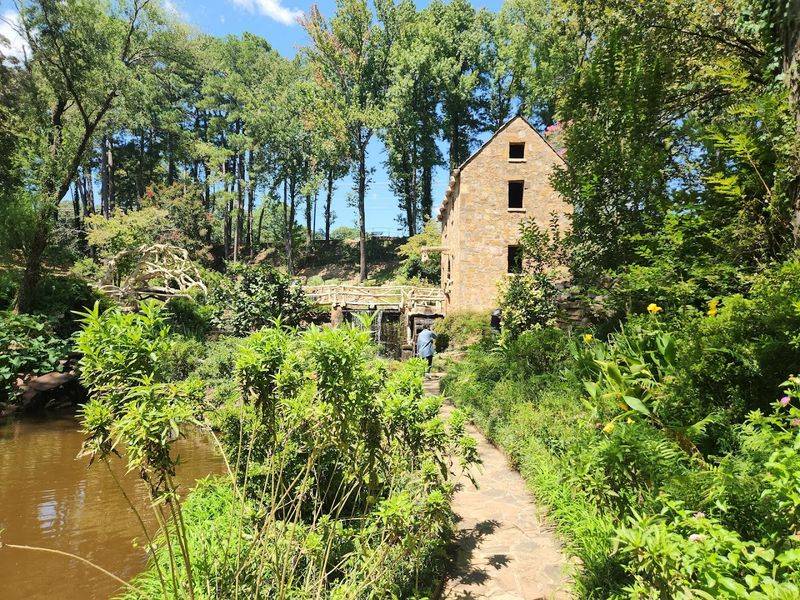
Not every great travel destination is built around doing something, and this park is a perfect reminder that sometimes the best experience is simply being somewhere.
The pace here is noticeably different from the rest of the city, as if the stone walls and running water create a kind of acoustic and emotional buffer against the noise outside.
Conversations naturally drop to a lower volume, footsteps slow without anyone consciously deciding to slow them, and the urge to check a phone fades surprisingly quickly once you settle into the rhythm of the place.
Couples walk the paths hand in hand, grandparents point out details to wide-eyed grandchildren, and solo visitors find benches near the water and simply sit, which is something modern life rarely makes room for.
The park never feels crowded in the way that major tourist attractions do, even on busy weekends, because the layout naturally distributes people across its various paths and viewpoints.
There is no admission fee, no gift shop pressure, and no scheduled programming, just open space and the kind of natural beauty that asks nothing of you in return.
Leaving feels like closing a good book, satisfying and slow, with no urge to rush back to wherever you came from.