
Walk Among Mountain Lions, Bighorn Sheep, And Free Flying Birds At This Remarkable Arizona Museum
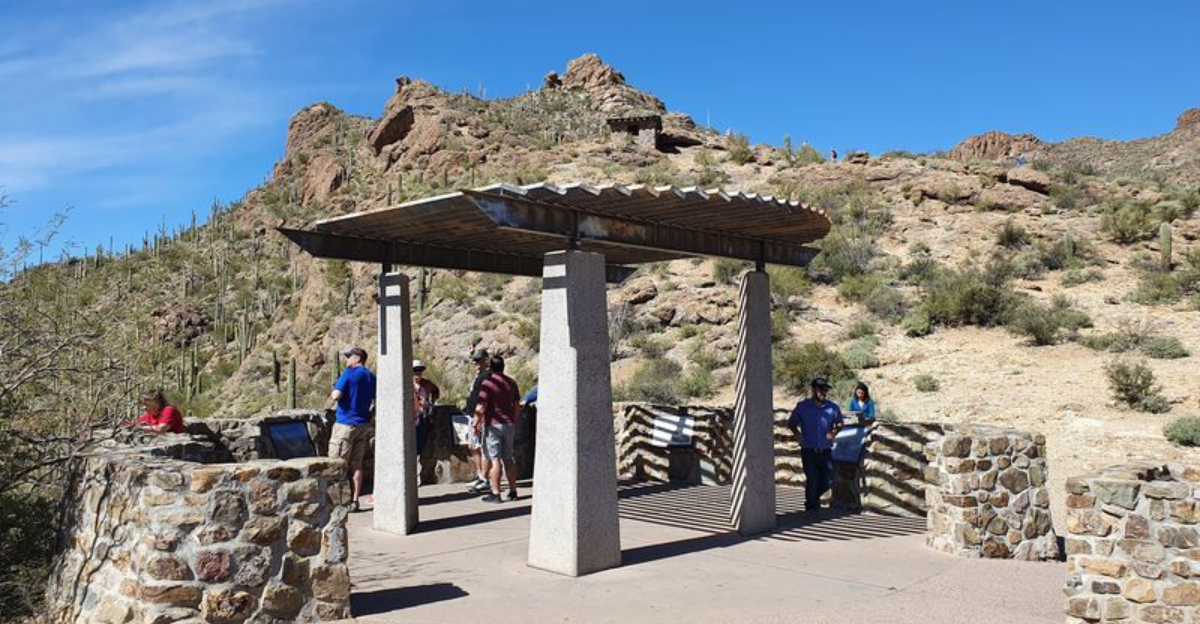
Picture this: a hawk swoops so close overhead that you feel the rush of air from its wings, a mountain lion pads silently through a rocky canyon just feet away, and hummingbirds zip past your face in a blur of iridescent color. This isn’t some far-flung Arizona wilderness expedition.
It’s a typical morning at the place where the line between zoo, botanical garden, and natural history museum disappears completely. I spent hours wandering the winding paths, and every turn brought a new surprise, another creature to marvel at, another reason to slow down and soak it all in.
Meeting Cruz, The Museum’s Resident Mountain Lion
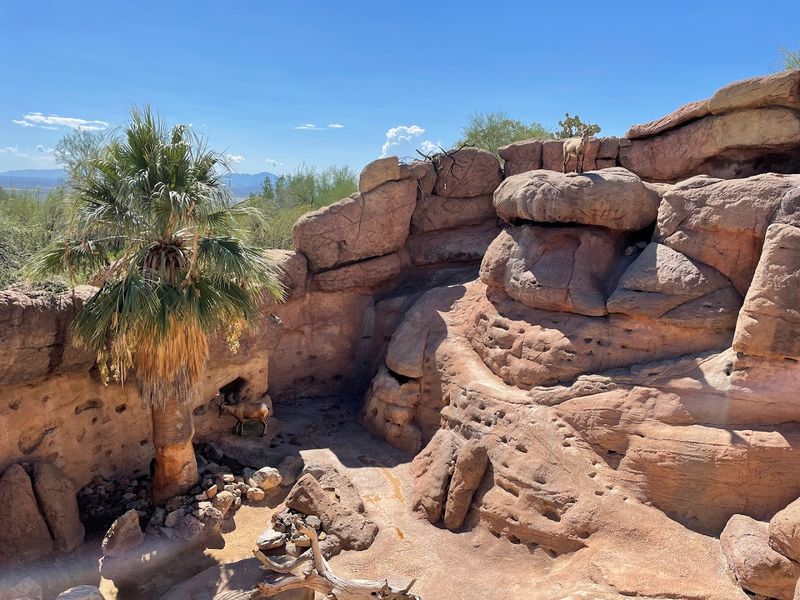
Cruz isn’t just any mountain lion. Rescued as a cub back in 2013, he’s become one of the museum’s most beloved ambassadors for his species.
Watching him move through his carefully designed habitat feels like glimpsing a ghost of the wild Sonoran Desert, all muscle and grace wrapped in tawny fur.
His enclosure mimics the rocky outcrops and desert vegetation where mountain lions naturally roam. I watched him stretch lazily in the morning sun, then pad silently across a boulder as if calculating his next move.
The docents nearby shared stories about his personality and habits, making the experience feel less like observing an exhibit and more like getting to know an individual with his own quirks.
What struck me most was how the habitat design lets you see Cruz from multiple angles. You can watch from above as he surveys his territory or get eye-level views that reveal just how powerful these cats truly are.
Every visit at Arizona-Sonora Desert Museum in Tucson offers something different depending on his mood and the time of day.
Bighorn Sheep In The Riparian Corridor
Nestled against the stunning backdrop of the Sonoran Desert at 2021 N Kinney Rd, Tucson, AZ 85743, this place offers something you won’t find anywhere else: the chance to experience desert wildlife up close in ways that feel thrilling, educational, and surprisingly personal.
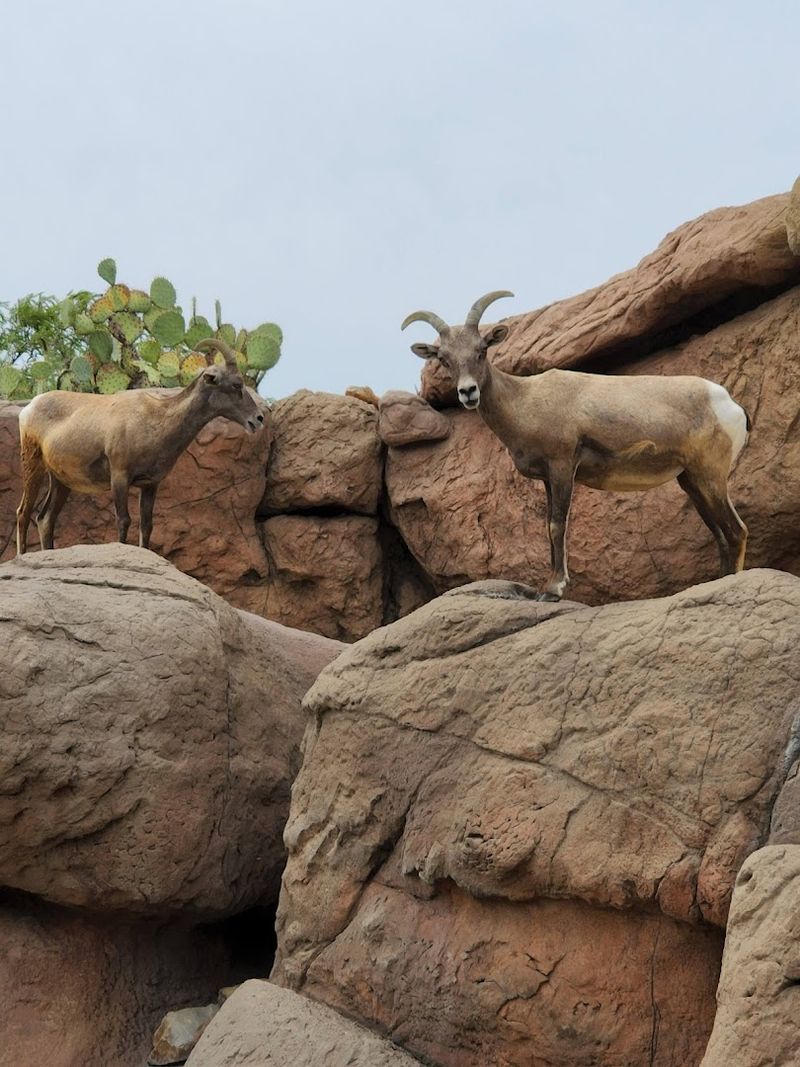
The Riparian Corridor exhibit surprised me with how it recreates the lush desert waterways that bighorn sheep depend on. These magnificent animals, with their impressive curved horns and sure-footed climbing abilities, share this space with river otters and beavers, creating a dynamic ecosystem display that shows how water shapes desert life.
I spent a good twenty minutes just watching the bighorns navigate the rocky slopes with an ease that seemed to defy physics. Their hooves are specially adapted for gripping stone, and seeing them leap between boulders made me understand why they’re considered some of the desert’s most impressive athletes.
The rams, with their massive horns, commanded attention, while the ewes and younger sheep displayed their own brand of agility.
The exhibit does an excellent job explaining how these animals have adapted to extreme desert conditions. Information panels describe their water conservation strategies and seasonal movements, but honestly, watching them interact with their environment teaches you more than any sign could.
Raptor Free Flight Demonstrations
Nothing quite prepares you for the moment a Harris’s hawk flies directly over your head, close enough that you instinctively duck.
The Raptor Free Flight program runs on Fridays through Mondays from November through March, and it’s hands down one of the most thrilling wildlife experiences I’ve ever had.
These aren’t caged birds doing tricks. They’re raptors flying completely free in the open desert, choosing to participate because they want to.
Great horned owls glide silently past, their wing feathers designed for stealth. Red-tailed hawks circle overhead, demonstrating the soaring techniques they use to hunt.
The trainers explain each bird’s natural behaviors while the animals themselves provide the visual proof. What makes this program special is the intimacy of it. You’re not watching from a distant amphitheater.
These birds fly through the crowd, sometimes landing on perches just feet away. I felt the air displacement from an owl’s wings and heard the whistle of a hawk’s dive. It’s raw, immediate, and utterly unforgettable.
Walking Through The Hummingbird Aviary
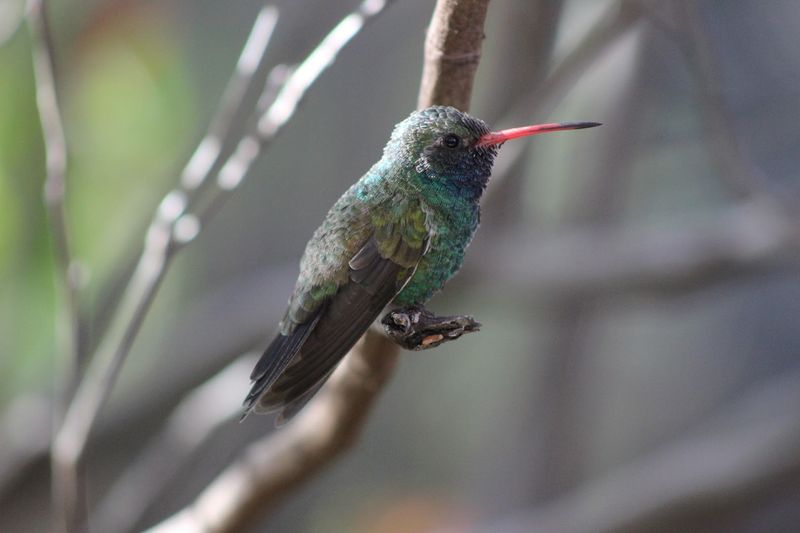
Stepping into the hummingbird aviary feels like entering a living jewel box. Dozens of these tiny, iridescent birds zip through the air in every direction, their wings beating so fast they create a humming symphony that gives them their name.
I stood perfectly still near a cluster of bright red flowers and watched as hummingbirds hovered inches from my face, their metallic greens and purples flashing in the sunlight.
They’re completely unbothered by human presence, too focused on nectar and territorial disputes to care about the oversized mammals wandering through their space.
One bold individual actually investigated my colorful shirt, perhaps wondering if I was a strange new flower variety.
The aviary is designed to mimic their natural desert habitat, with native plants that bloom in sequence to provide year-round food sources. Signs throughout explain different species and their behaviors, but the real education comes from simply watching these aerial acrobats go about their business.
It’s impossible not to smile when surrounded by such energetic beauty.
Getting Hands-On At The Stingray Touch Pool
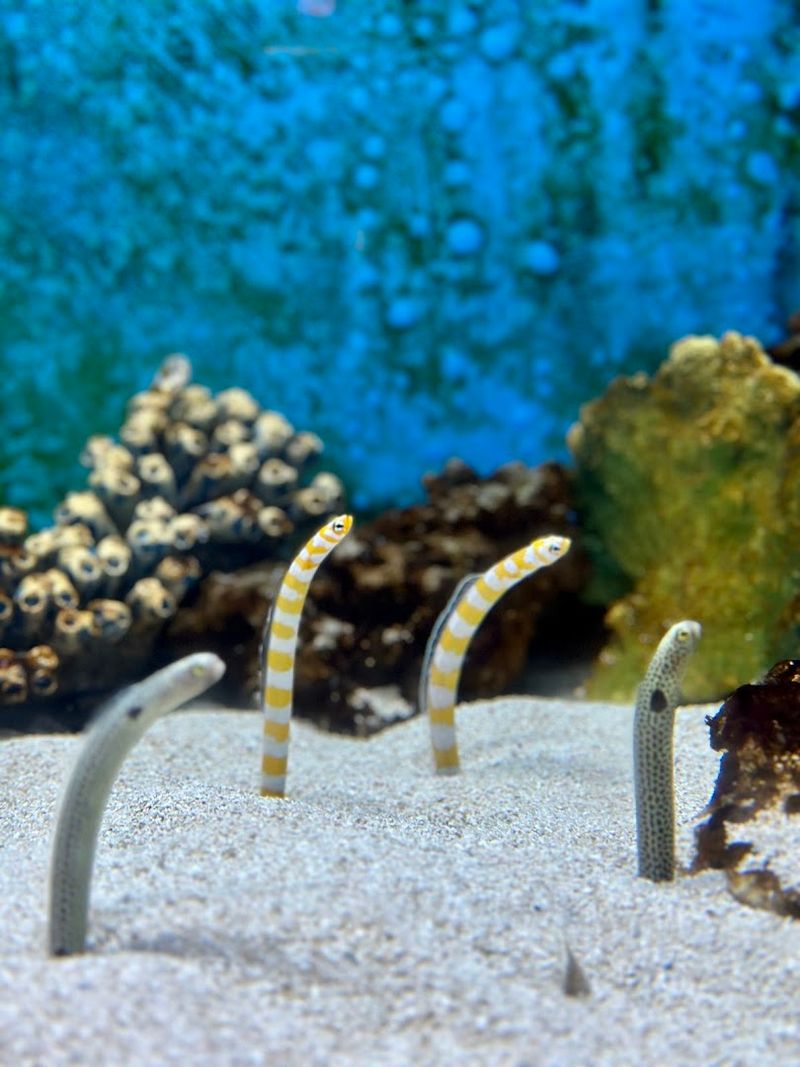
I’ll admit I was hesitant at first. Stingrays in the middle of the Arizona desert seemed unexpected, but the touch pool quickly became one of my favorite stops.
These gentle creatures glide through the shallow water like underwater kites, their smooth skin feeling like wet velvet when they swim past your fingers.
For a few extra dollars, you can purchase food to feed them, which transforms the experience entirely. The stingrays recognize feeding time and swim directly to you, their flat bodies rippling with excitement.
Feeling them vacuum the food from your palm tickles in the most delightful way. It’s a tactile connection with wildlife that feels both safe and genuinely special.
The staff members stationed around the pool share fascinating facts about stingray biology and behavior. I learned about their sensory abilities and how they use electrical signals to hunt.
But the best education came from the animals themselves, who proved to be far more interactive and personable than I ever imagined a fish could be.
Exploring The Cave And Underground Life
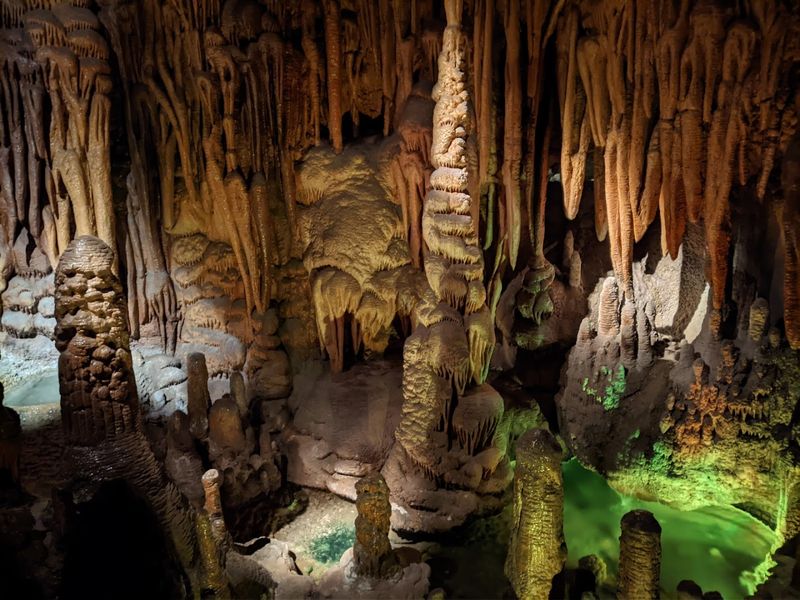
Descending into the museum’s cave exhibit offers instant relief from the desert heat and a fascinating look at the hidden world beneath Arizona’s surface.
The temperature drops noticeably as you enter, and your eyes adjust to reveal a carefully crafted underground environment complete with rock formations and the creatures that call caves home.
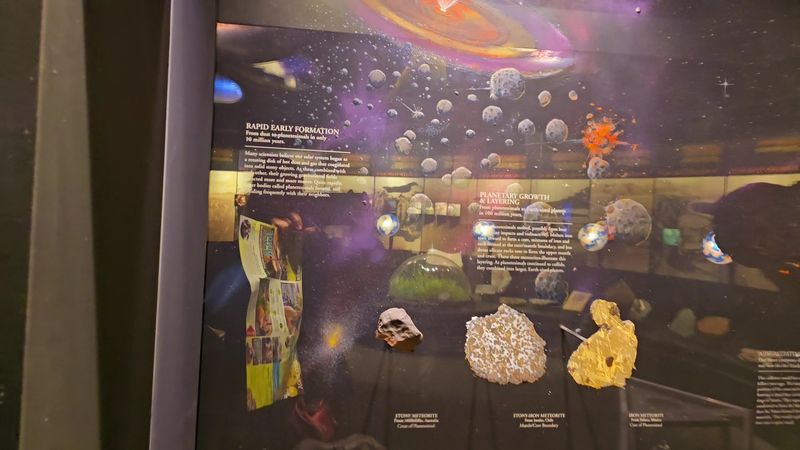
The exhibit showcases bats, cave-dwelling invertebrates, and the unique adaptations required for life without sunlight. I was particularly fascinated by the displays explaining how caves maintain constant temperatures and humidity, creating stable environments in an otherwise extreme climate.
The lighting is deliberately dim, helping visitors understand the perpetual darkness these animals navigate.
What impressed me most was how the exhibit connected underground ecosystems to the desert above. You learn about how caves provide shelter for many desert animals and how water moving through underground systems shapes the landscape.
It’s a reminder that the desert has layers of complexity hidden from casual observation, entire worlds existing just beneath your feet.
Wandering The Desert Garden Paths
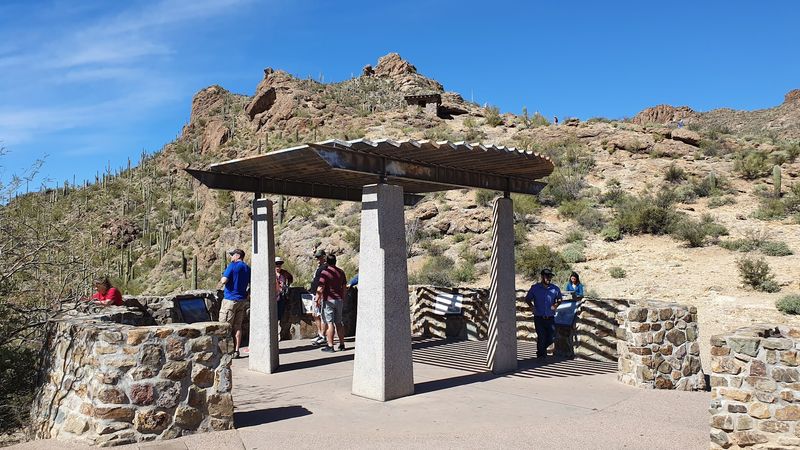
The botanical gardens woven throughout the museum grounds deserve as much attention as the animal exhibits. Every path is lined with an astounding variety of cacti, succulents, and desert-adapted plants, many labeled with information about their survival strategies and relationships with wildlife.
I found myself stopping constantly to examine different cactus species, from towering saguaros to tiny, intricate barrel cacti. The gardens are designed to show how desert plants create communities, providing food and shelter for countless animals.
Hummingbirds visit the blooming ocotillos, birds nest in the chollas, and insects pollinate the colorful wildflowers that appear seasonally.
What makes these gardens special is how they blend seamlessly with the natural desert surrounding the museum. You’re never quite sure where the curated landscape ends and the wild Sonoran Desert begins.
This intentional blurring creates an immersive experience that helps you understand the desert as a complete ecosystem rather than a collection of separate exhibits. Every plant has a story, and the garden invites you to slow down and discover them.
The Museum’s Role In Conservation Education
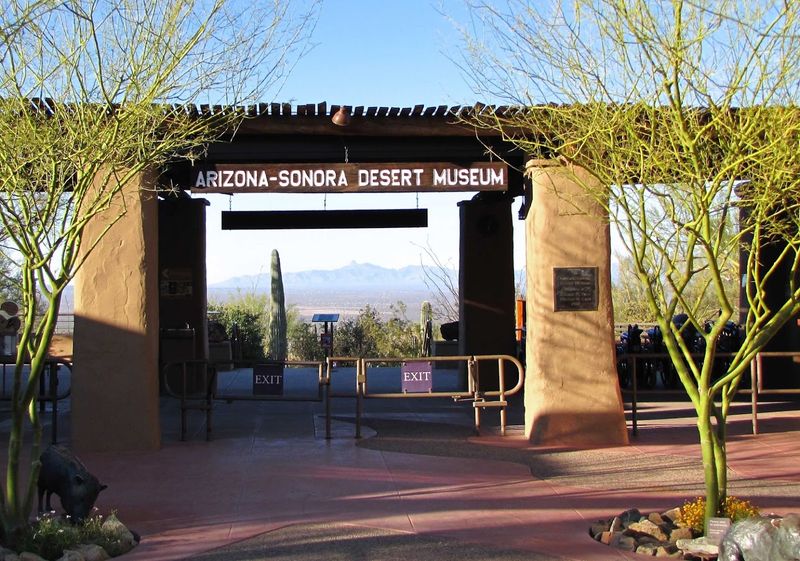
Every year, thousands of families leave this museum with more than just photos and souvenirs. They walk away understanding why protecting desert ecosystems matters, why mountain lions need corridors to roam, and how human choices ripple through fragile habitats.
The museum’s conservation programs reach far beyond its gates. Staff members rescue injured raptors, breed endangered species, and partner with researchers studying everything from bat populations to climate change impacts on saguaro cacti.
What makes this place special isn’t just the animals themselves. It’s how the museum weaves education into every exhibit, turning casual visitors into desert advocates who return home ready to make a difference in their own communities.
You feel it in the small, practical details too, like the native plant gardens and habitat-focused displays that show how life survives with limited water.
Kids get pulled in fast through hands-on stations and up-close encounters that make conservation feel personal instead of abstract. By the time you exit, it’s hard not to rethink your own backyard choices, from water use to planting for pollinators and respecting wildlife space.