
Walk 30 Feet Above Rescued Lions, Tigers, Bears, And Wolves At This Colorado Sanctuary
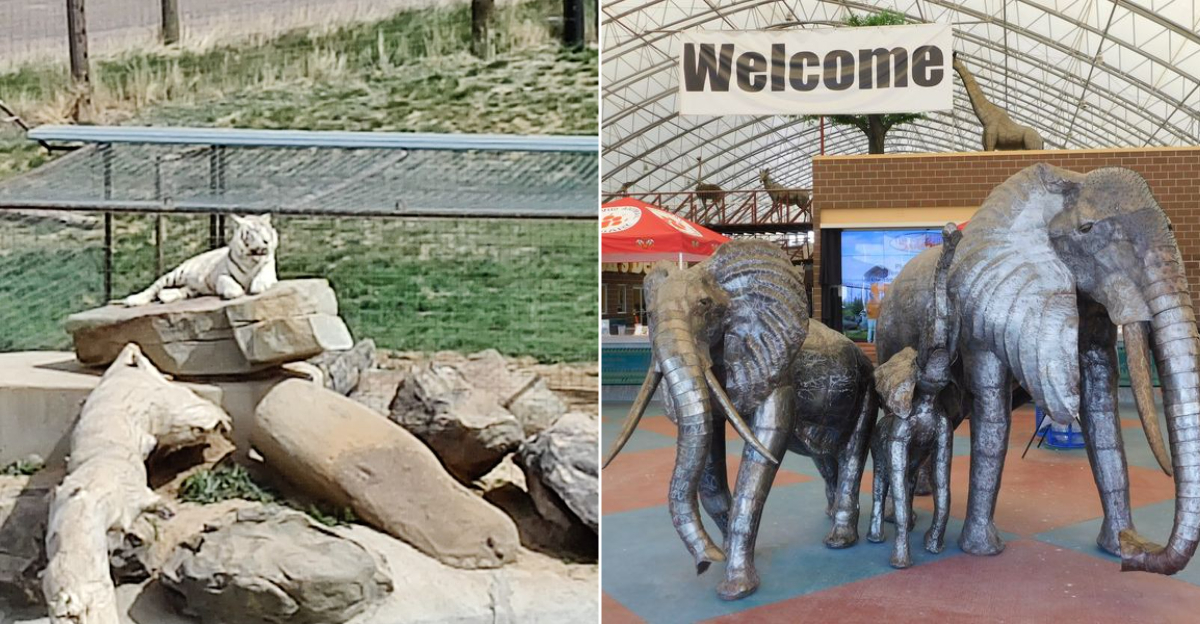
Some wildlife encounters happen behind glass. Others put you 30 feet above the ground and let the landscape do the talking.
Along Colorado’s eastern plains, one extraordinary sanctuary gives visitors a completely different perspective, with an elevated walkway stretching over expansive habitats where rescued lions, tigers, bears, wolves, and other animals roam below.
The experience feels less like a traditional attraction and more like watching a living landscape unfold beneath your feet.
There are no cramped exhibits or staged performances competing for attention. Instead, the animals become the focus, moving, resting, and exploring at their own pace while visitors follow the walkway overhead.
What makes this stop especially memorable is the sheer scale of the experience.
You can spend hours wandering above the habitats, spotting different animals as you go, and still feel like you have only scratched the surface.
That sense of discovery is part of what makes wildlife experiences in Colorado so unforgettable. By the time you leave, the drive feels like the side trip.
The Elevated Walkway: Your 30-Foot Stroll Above the Wild
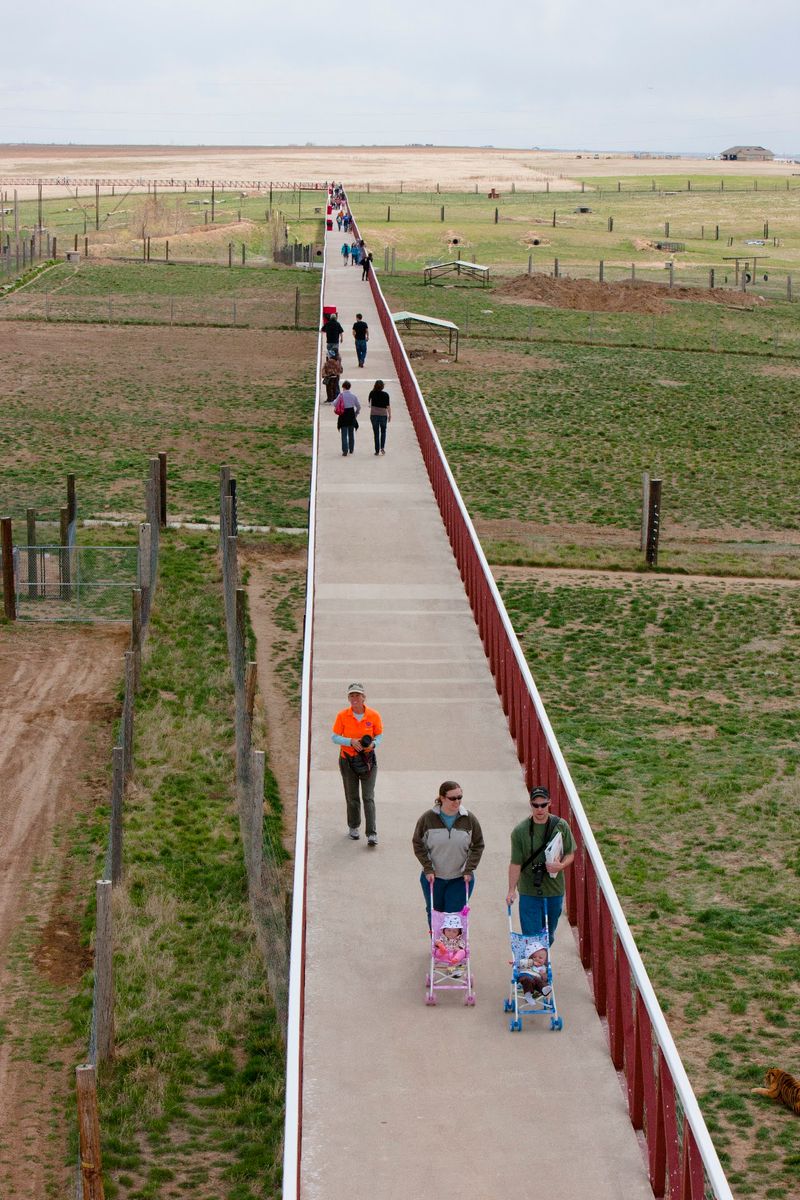
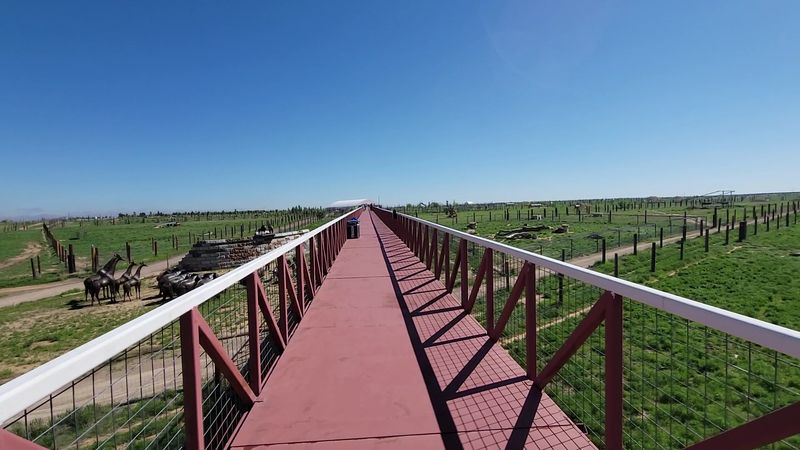
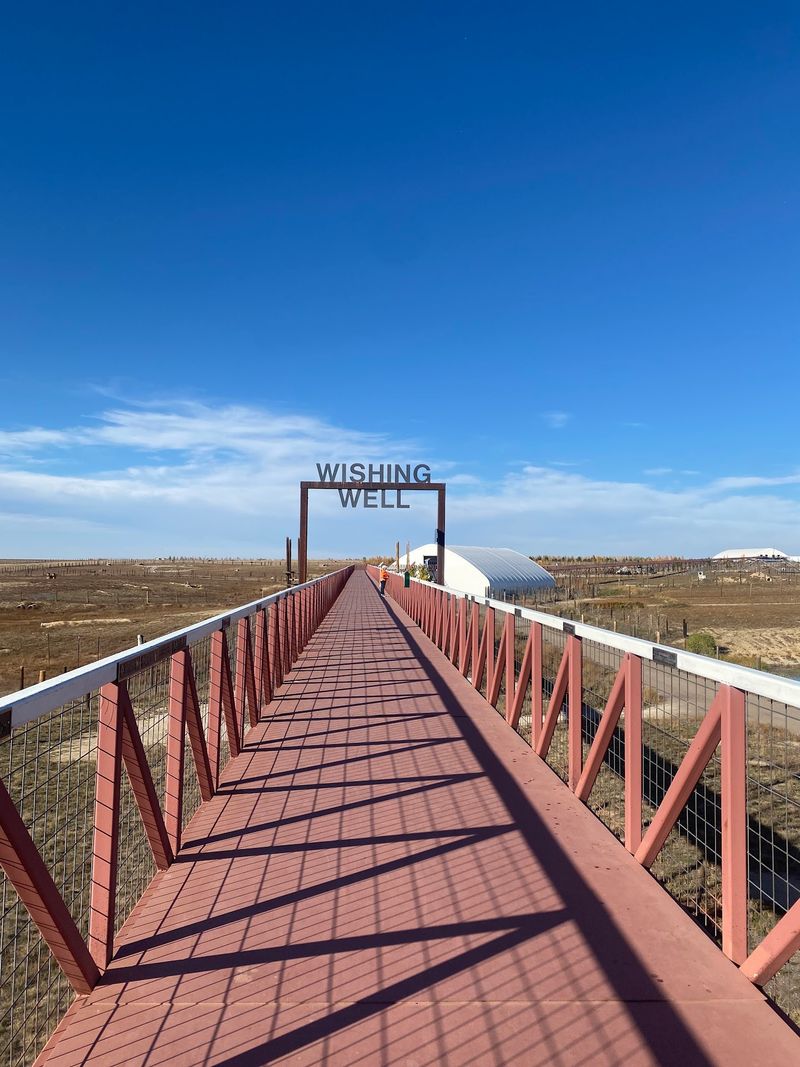
There are not many places in the country where you can look straight down and see a lion napping below your feet. The elevated walkway at The Wild Animal Sanctuary makes that entirely possible, stretching 1.5 miles in one direction, which means a full 3-mile round trip above the enclosures below.
The walkway is covered with rubber tile flooring, making the long walk noticeably easier on your knees than a typical concrete path. Covered shade sections are spaced along the route, giving visitors a chance to pause, breathe, and scan the grounds below with binoculars.
Metal placards line the walkway, each dedicated to someone’s loved one, and information boxes describe where each animal was rescued from and how the sanctuary cares for them. Walking this path feels less like a tourist attraction and more like a slow, meaningful conversation about what happens when humans finally get it right for animals.
Pro Tip: Plan for at least 3 to 5 hours. The walkway rewards slow walkers who stop, look twice, and let the animals find them rather than the other way around.
Rescued Lions Roaming the Colorado Plains
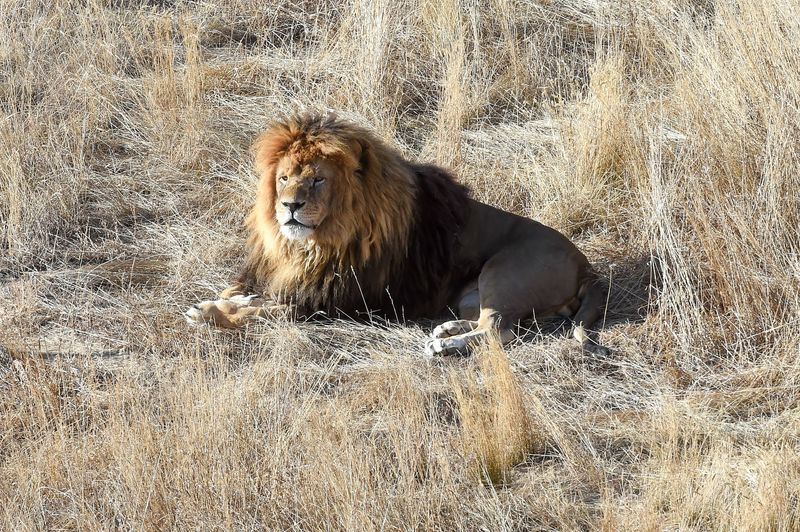
Hearing a lion roar from 30 feet above is the kind of experience that short-circuits your nervous system in the best possible way. At The Wild Animal Sanctuary, lions rescued from illegal ownership, roadside attractions, and abandonment now roam enclosures far larger than anything a traditional zoo offers.
Visitors walking the elevated walkway can spot lions resting in shaded areas, stretching across the grass, or moving with that unhurried, sovereign confidence that only a lion carries naturally. Some animals have been rescued from situations that are genuinely hard to read about without feeling something shift inside you.
The sanctuary does not receive federal funding, which means every entry fee goes directly toward the care of these animals and future rescues. Lions here are not performers.
They are residents, living out their days with the space and quiet they were always supposed to have.
Best For: Visitors who want to see large wild cats in an ethical, spacious setting that prioritizes the animals’ wellbeing above spectacle or entertainment.
Tigers, White and Orange, Living on Their Own Terms
Some of the sanctuary’s tigers came from the exotic pet trade. Others arrived after the kind of public attention that made the term “Tiger King” part of the national vocabulary.
Whatever their origin, these animals now live in enclosures where the only schedule they follow is their own.
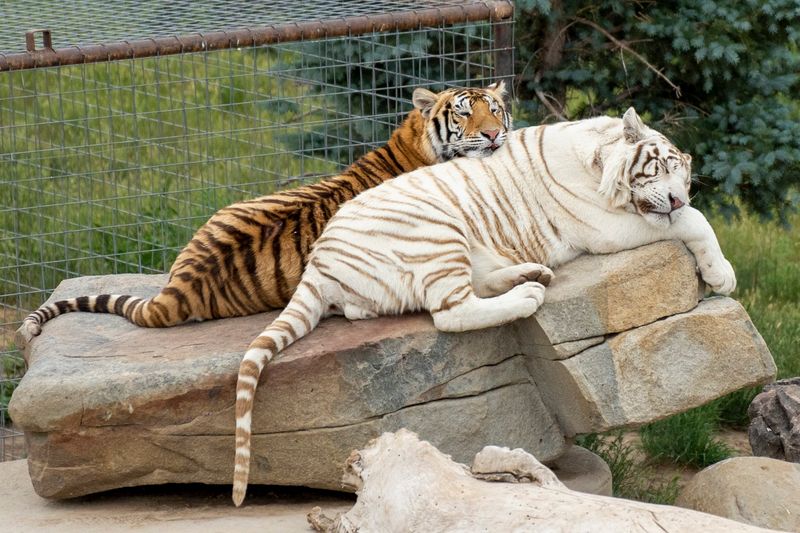
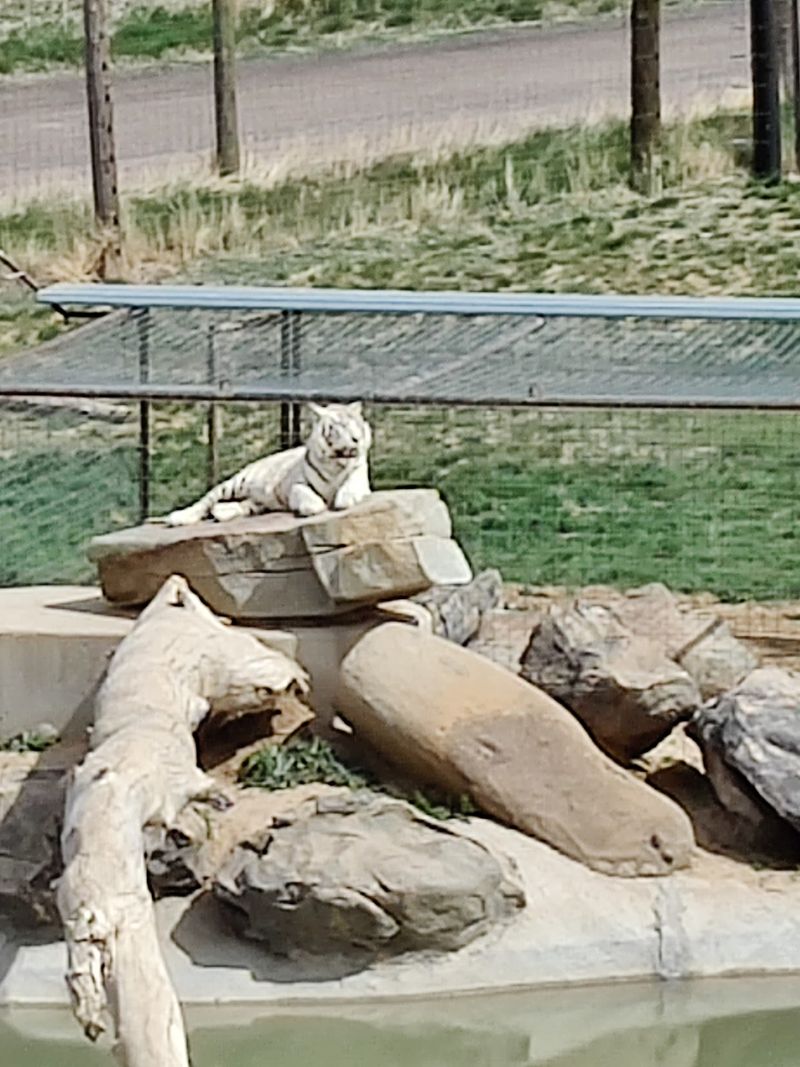
White tigers and orange tigers both call this place home. On warmer days, they tend to find shade and sleep with the focused dedication of creatures who have absolutely nothing to prove.
Volunteers along the walkway are quick to point them out and share their individual backstories, which range from heartbreaking to quietly triumphant.
Binoculars are genuinely essential here. Renting a pair at the entrance costs around ten dollars and transforms the experience from squinting at distant shapes into actually watching a tiger breathe, twitch an ear, or flick its tail in a patch of afternoon sun.
Insider Tip: Arrive early on summer mornings when tigers tend to be more active before the heat of the day settles in and sends them straight to the shade for a long, guilt-free nap.
Bears: Grizzlies, Black Bears, and the Joy of Watching Them Play
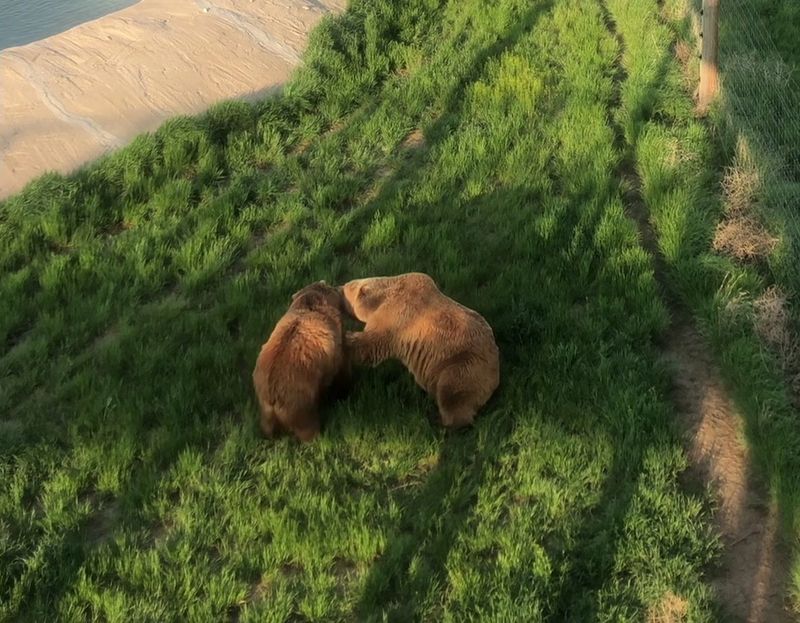
Watching grizzly bears and black bears interact in a space large enough for them to actually run is one of those experiences that quietly recalibrates your expectations of what animal welfare can look like. At The Wild Animal Sanctuary, bears are among the most frequently spotted residents, and they tend to be entertainingly unpredictable in the best way.
Visitors have reported watching bears play with each other, lumber through open fields, and occasionally post up directly beneath the walkway as if they know exactly what they are doing. On hot days they retreat to shade, which makes early morning visits especially rewarding for anyone hoping to catch them in motion.
The sanctuary recommends cooling scarves and extra water during summer months, particularly for visitors planning to spend the full three miles on the walkway. Bears do not follow a convenient schedule, but the ones here have clearly figured out that life without a cage is worth stretching out and enjoying.
Quick Tip: Bring binoculars and walk slowly near the bear enclosures. The animals move on their own timeline, and patience almost always pays off with a genuinely memorable sighting.
Wolves and the Fascinating Logic of Pack Life
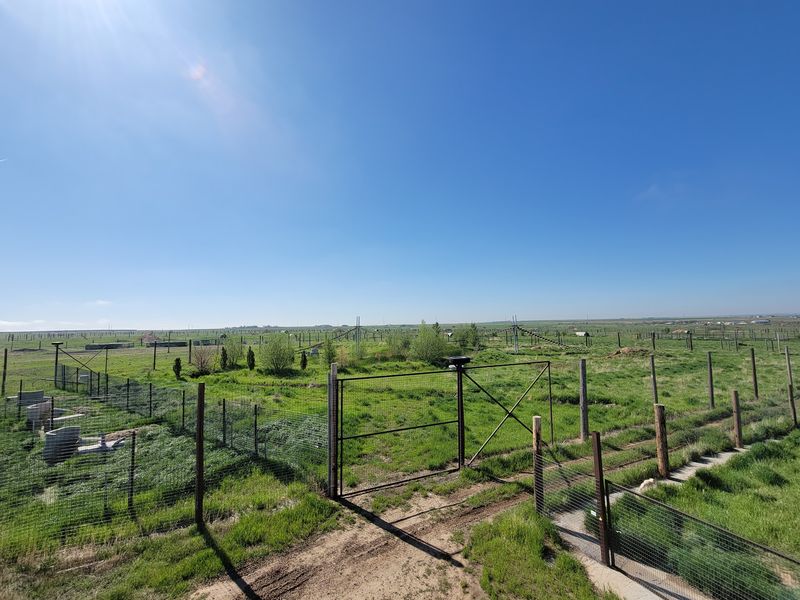
Wolf packs have a social structure that makes most human office dynamics look refreshingly simple by comparison. At The Wild Animal Sanctuary, wolves live in pack groups, and visitors lucky enough to catch feeding time or a spontaneous group interaction get a front-row seat to one of nature’s most layered social performances.
The wolves here are rescues, pulled from situations where they were kept illegally or in conditions that no animal should endure. Watching them move through their enclosures together, reading each other’s body language with precision, is the kind of thing that makes you stand at the railing a little longer than planned.
Volunteers stationed along the walkway are well-versed in each animal’s history and are genuinely happy to talk through what you are seeing below. The pack dynamics play out naturally and without any human prompting, which makes every observation feel like something you earned rather than something staged for your benefit.
Why It Matters: Seeing wolves in a setting that respects their social nature offers a completely different understanding of these animals than any wildlife documentary can fully deliver on its own.
The Sanctuary’s Mission: Animal Rescue Done Right
The Wild Animal Sanctuary does not receive federal funding. That single fact explains a lot about how this place operates and why the people who work and volunteer here carry themselves with such obvious purpose.
Every dollar spent on admission goes toward feeding, housing, and caring for hundreds of rescued animals.
The animals here were pulled from illegal exotic pet situations, failing roadside attractions, abandonment, and in some cases near-certain euthanasia. The sanctuary’s model puts animal welfare ahead of visitor entertainment, which means the experience sometimes looks less polished than a traditional zoo and feels infinitely more honest because of it.
An introductory video shown before visitors enter the walkway sets the tone clearly and efficiently, covering what the sanctuary does, why the animals cannot be released into the wild, and what responsible observation looks like. It is about ten minutes long and genuinely worth watching rather than skipping.
Planning Advice: Check the sanctuary’s website before visiting. They list everything you need to know about expectations, seasonal animal activity, and how to make the most of your time on the walkway.
Binoculars: The One Thing You Should Not Skip
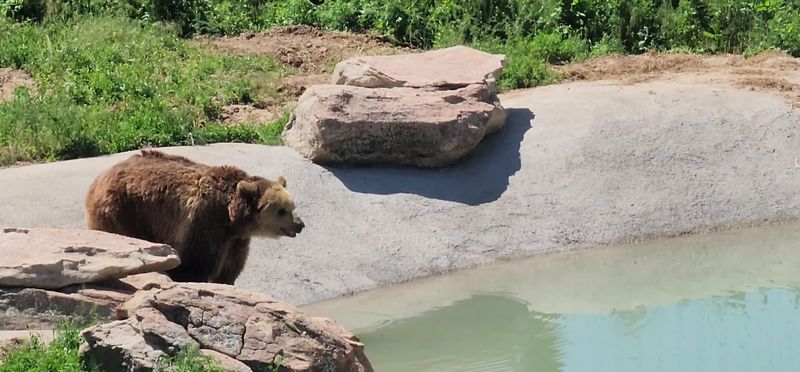
If there is one piece of advice that shows up in nearly every visitor account of The Wild Animal Sanctuary, it is this: bring binoculars. The enclosures are intentionally large, which is excellent news for the animals and humbling news for anyone who showed up expecting zoo-style proximity.
Binoculars are available to rent at the entrance for around ten dollars, which is a genuinely worthwhile investment if you forgot yours at home. The difference between squinting at a distant shape in the grass and watching a wolf’s facial expression shift during feeding time is the entire difference between a good visit and an unforgettable one.
Some visitors bring their own and report that mid-range binoculars work perfectly well for the walkway distances. The key is not magnification power so much as ease of use, because you will be raising and lowering them frequently as animals move, rest, and occasionally wander directly beneath your feet.
Common Mistakes to Avoid: Walking the full 3-mile walkway without binoculars and assuming the naked eye will be enough. It often is not, and the animals are far too interesting to experience at half the resolution.
Volunteers: The Heartbeat of the Entire Operation
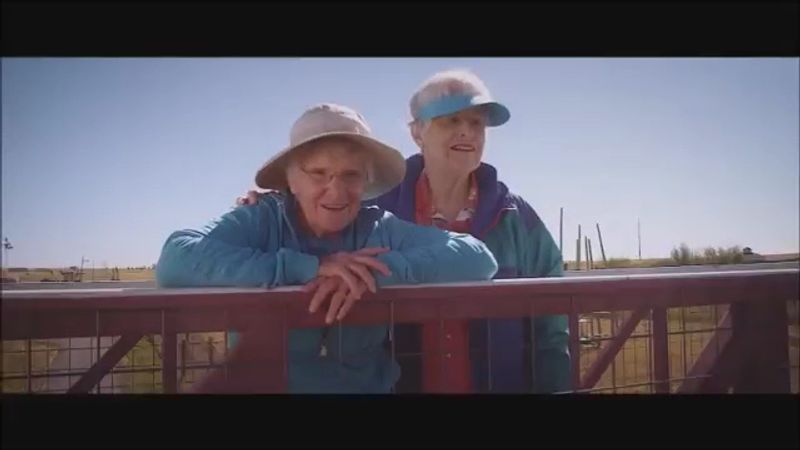
Robert has been mentioned by name in visitor accounts more than once, which is the kind of reputation you build by spending genuine time with people, answering every question thoroughly, and clearly caring more about the animals’ stories than the clock. The volunteers at The Wild Animal Sanctuary are not background staff.
They are the experience.
Every volunteer is an unpaid animal lover who gives up significant time to walk the walkway, share rescue stories, answer questions, and occasionally flag an animal that visitors might otherwise miss entirely. They are approachable, knowledgeable, and remarkably good at reading which visitors want a full history lesson and which ones just want a quiet moment to observe.
On hot summer days, when the sun is relentless and the animals are sensibly resting in the shade, the volunteers are still out there, still enthusiastic, still making the visit worthwhile through sheer force of passion for what this place represents.
Who This Is For: Anyone who appreciates genuine human expertise over scripted tour guide energy. These volunteers know these animals individually, and that knowledge makes every conversation on the walkway worth having.
Foxes, Jaguars, Panthers, and the Animals You Did Not Expect
Lions and tigers get top billing, and fairly so, but The Wild Animal Sanctuary has a roster of residents that keeps surprising visitors well into the second mile of the walkway. Foxes, jaguars, panthers, bobcats, lynx, ligers, water buffalo, horses, and more all have homes here, each with a rescue story attached.
The foxes in particular seem to generate a disproportionate amount of affection from visitors. They are smaller, quicker, and somehow more visually mischievous than their larger neighbors, which makes spotting one in motion a small personal victory.
Jaguars and panthers tend to keep to themselves, which only adds to the quiet thrill of catching a glimpse.
Ligers, the offspring of lions and tigers that exist only because of irresponsible captive breeding, are among the more quietly sobering animals to learn about on the walkway. They are also genuinely striking creatures, and seeing one up close reframes the entire conversation about exotic animal ownership in about thirty seconds flat.
Fun Fact: Ligers are the largest known big cats in the world by size, and they exist only in captivity. The sanctuary is home to some that were rescued from South American facilities.
Visiting With Kids, Couples, or Solo: Who Gets the Most Out of It
The Wild Animal Sanctuary works for just about every visitor configuration, though it rewards people who are willing to slow down and stay curious. Families with kids have a genuinely rich experience here, partly because children tend to be excellent at spotting animals that adults walk right past while checking their phones.
The walkway is stroller-accessible, and a powered scooter has made the full route with no reported difficulty, which makes the sanctuary more accessible than its outdoor, three-mile format might initially suggest. There are restroom stops and a snack area midway and at the end of the walkway, which matters considerably when you have young legs in the group.
Couples who want something more meaningful than a standard weekend outing tend to leave this place having talked about it the entire drive home. Solo visitors report spending three to five hours without once feeling like they needed company.
The animals provide more than enough conversation.
Best Strategy: Arrive early, especially in summer. Morning visits mean cooler temperatures, more active animals, and a quieter walkway that lets you linger at each section without feeling rushed by the crowd behind you.
Food, Snacks, and the Lions Den: Fueling the Long Walk
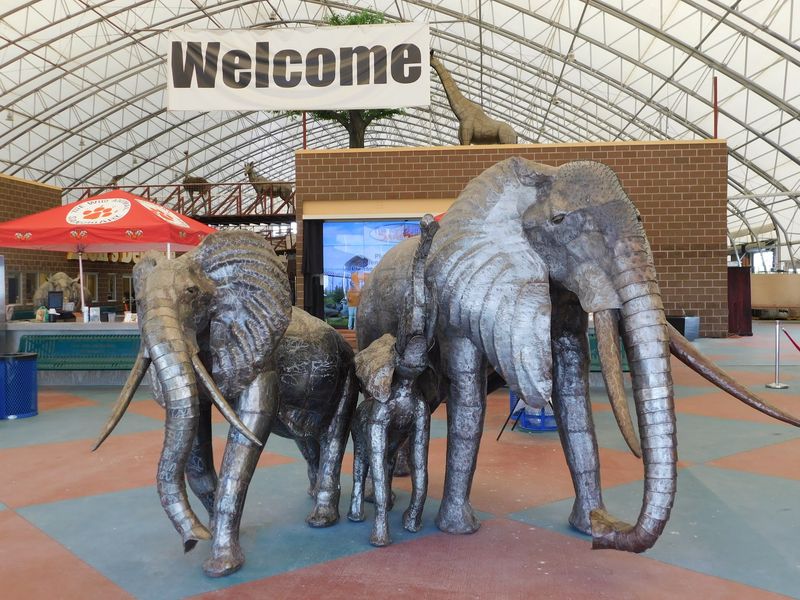
A three-mile walkway in the Colorado sun is not a casual stroll, and The Wild Animal Sanctuary has thought about this. The Lions Den welcome center offers a food selection that includes a salad bar and multiple vegan and vegetarian options, which is the kind of detail that makes a real difference when you are trying to feed a group with varying dietary preferences.
Midway through the walkway and at the far end, there are snack stops offering slushies, pretzel bites, and other grab-and-go options. The slushies in particular have developed a loyal following among summer visitors who hit the halfway point and realize they underestimated the Colorado heat.
Ice cream at the end of the route has been mentioned by multiple visitors as a genuinely satisfying finish to the experience. It is the kind of small, earned reward that makes the final stretch of the return walk feel considerably shorter than the math suggests it should be.
Quick Verdict: The food options are reasonably priced, varied enough for most dietary needs, and strategically placed for a long outdoor walk. Pack extra water regardless, because the sun at this elevation is not joking around.
Planning Your Visit: What to Know Before You Go
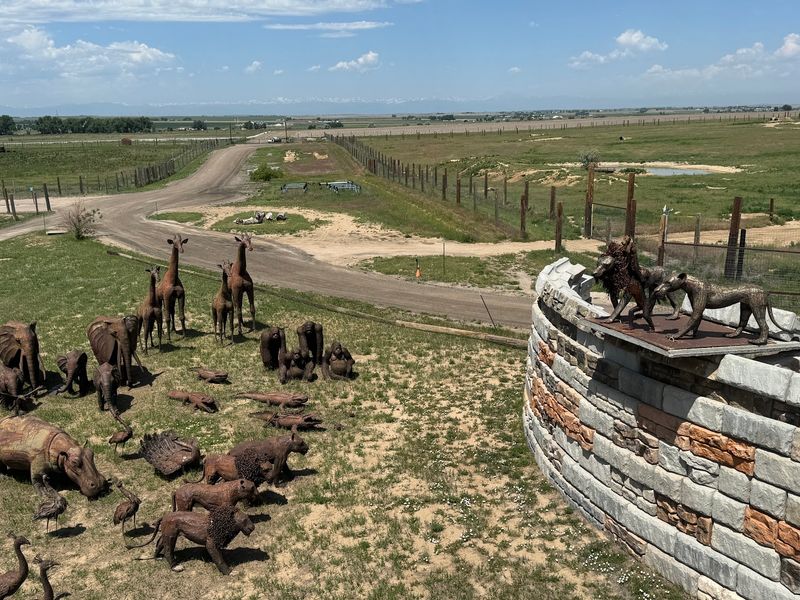
The Wild Animal Sanctuary near Keenesburg sits along Co Rd 53 on Colorado’s eastern plains, an easy enough drive from Denver that it fits comfortably into a day trip without requiring an early alarm or a packed overnight bag. The surrounding area is classic small-town Colorado, flat and wide open, with the kind of sky that reminds you the state is not all mountains.
Seasonal hours vary, and winter hours close earlier in the afternoon, which means arriving by midday at the latest is a smart move if you want the full walkway experience without rushing the return leg. The sanctuary’s website lists current hours, pricing, and everything visitors need to know before showing up.
Admission is not cheap, but context matters here. The money funds the care of hundreds of animals, none of whom have anywhere else to go.
Visitors who understand that framing consistently describe the entry fee as one of the more worthwhile things they spent money on during their Colorado trip.
Who This Is Not For: Anyone expecting a traditional zoo format with animals in small enclosures close to the path. This sanctuary is built around animal space and dignity, not human convenience, and the experience is better for it.