
Walk Through A Colorado Tropical Conservatory With More Than 1,600 Free-Flying Butterflies
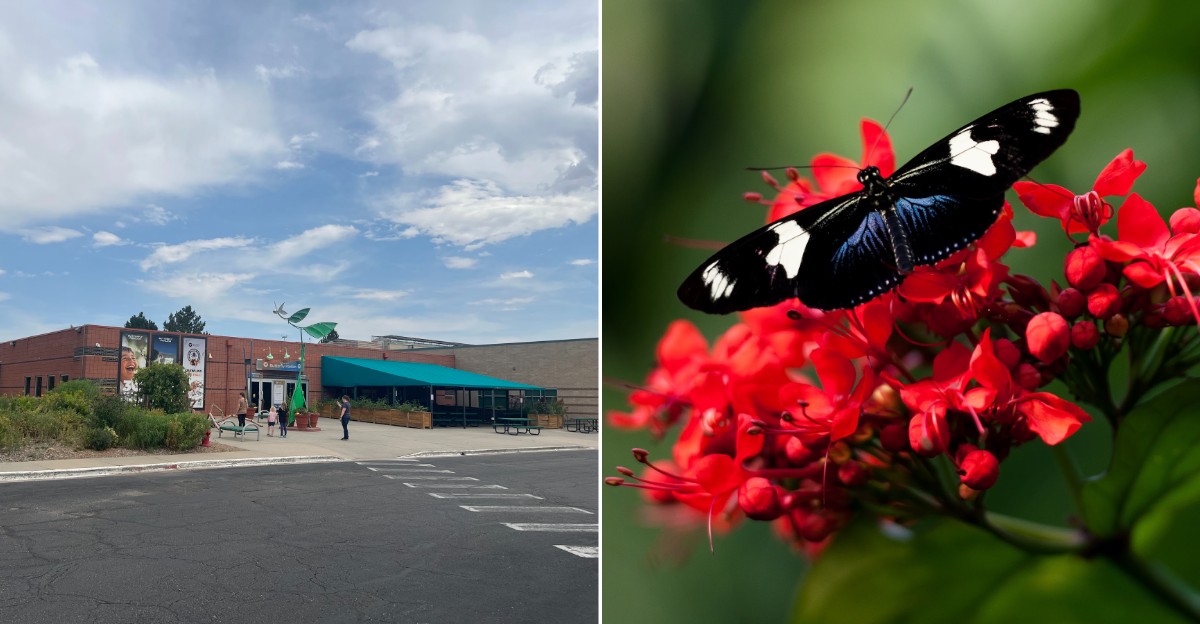
More than 1,800 butterflies flutter freely through one warm indoor rainforest, and they come from over 200 species. That’s not a typo.
It’s a lot of wings in one room.
The air stays at 80 degrees Fahrenheit with 80 percent humidity all year. So even during a Colorado snowstorm, you get tropical weather.
I can’t imagine a better way to cheat winter.
Butterflies gather on sliced fruit at feeding stations. A waterfall flows nearby.
In a special viewing gallery, brand-new butterflies crawl out of their chrysalises right in front of you. And the wild part?
All of this is happening in Westminster, Colorado, not somewhere in the tropics.
I like how calm the whole idea feels. You just walk slowly, look around, and wait to see who lands near you.
Tarantulas, an aquatic exhibit, and gardens wait nearby too. So how long could you stand still if a bright blue butterfly picked your shoulder?
Eighteen Hundred Butterflies Are Waiting For You In This Rainforest
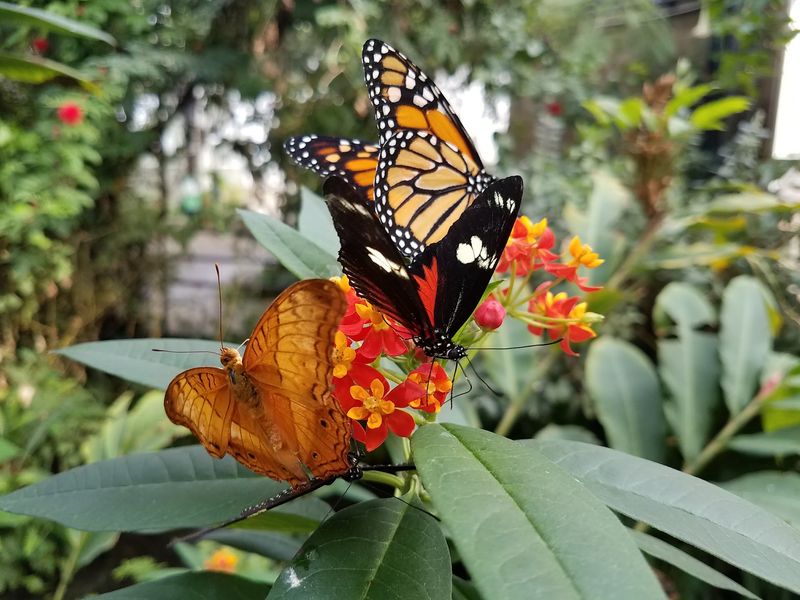
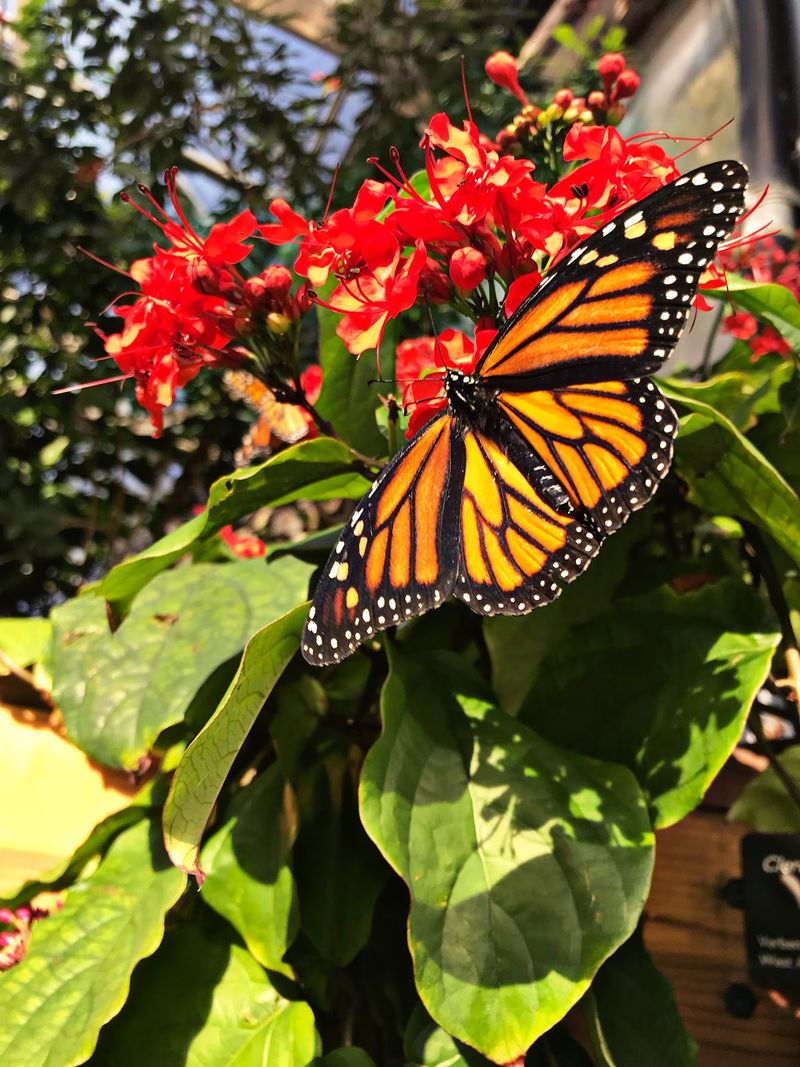
Wings of the Tropics is the star of Butterfly Pavilion, and it earns that title fast. This 7,200-square-foot rainforest holds more than 1,800 free-flying butterflies all year long.
Those butterflies represent over 200 species from around the world. That means you could spot a dozen different colors before you finish your first loop.
Your camera roll may never recover.
The conservatory stays at 80 degrees with 80 percent humidity. Colorado air is famously dry, so this feels like a quick trip to the equator.
Dress in light layers and leave the heavy coat in the car.
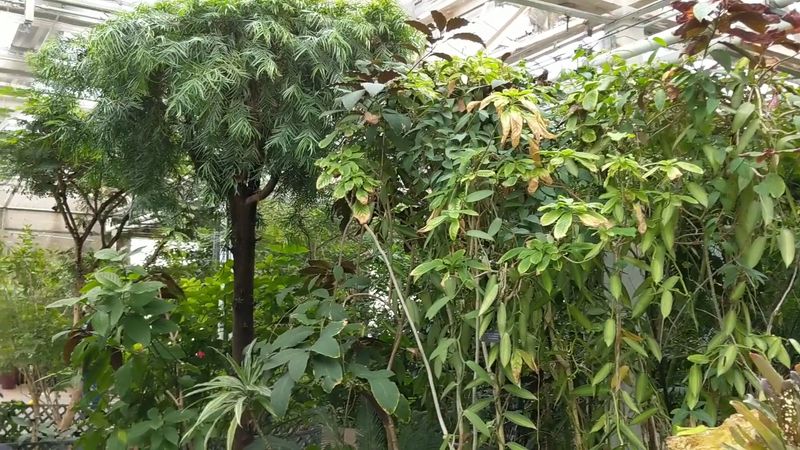
Tropical plants fill the space, and a waterfall flows through the habitat. Butterflies drift everywhere, so walking slowly really pays off.
Watch your step, because some like resting on the path.
Interpretive specialists work in the conservatory to answer questions. They can help you identify species you can’t name.
Ask about the one with the wild pattern you just saw.
All the butterflies come from sustainable farms across the globe. So the beauty here also supports careful, responsible sourcing.
That makes every flutter feel a little more meaningful.
Catch A Butterfly On Its Very First Day
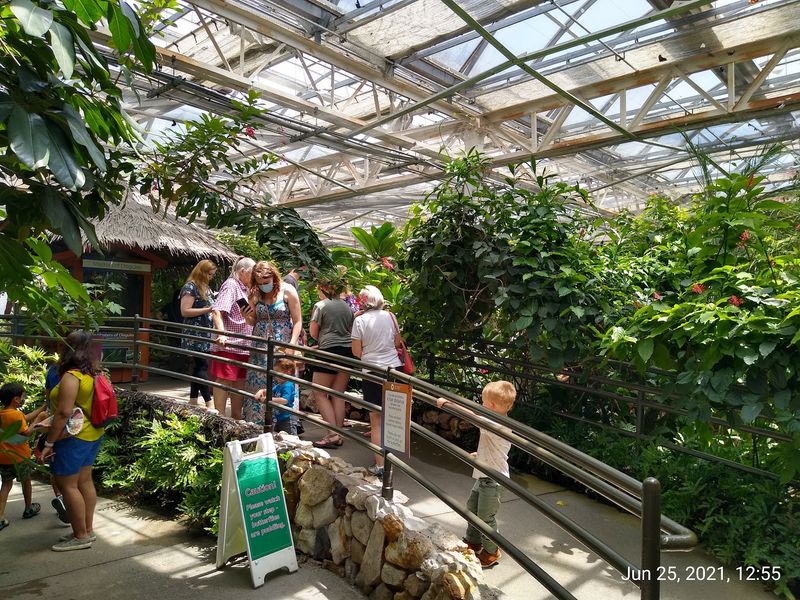
Brand-new butterflies make their debut inside the Chrysalis Chamber. This small viewing gallery sits within Wings of the Tropics, so you won’t need a map to find it.
Rows of chrysalises hang behind the glass. At any moment, one may crack open as a butterfly pushes its way out.
It’s real time, with no special effects.
Patience matters here. Emerging takes effort, and the wings need time to unfold and dry.
Give yourself a few extra minutes and keep your eyes on the quiet ones.
Staff members regularly release newly emerged butterflies into the conservatory. So the butterfly you see drying its wings could be flying past your head later.
That’s a pretty great origin story.
Kids especially love connecting the steps of the life cycle. Science class diagrams suddenly become real and moving.
Bring questions, because the chamber tends to spark plenty.
I like that this spot slows everyone down. In a room full of busy wings, the chamber feels peaceful and focused.
It reminds you that every bright butterfly started as something small and still.
Set An Alarm For The Daily Butterfly Encounter
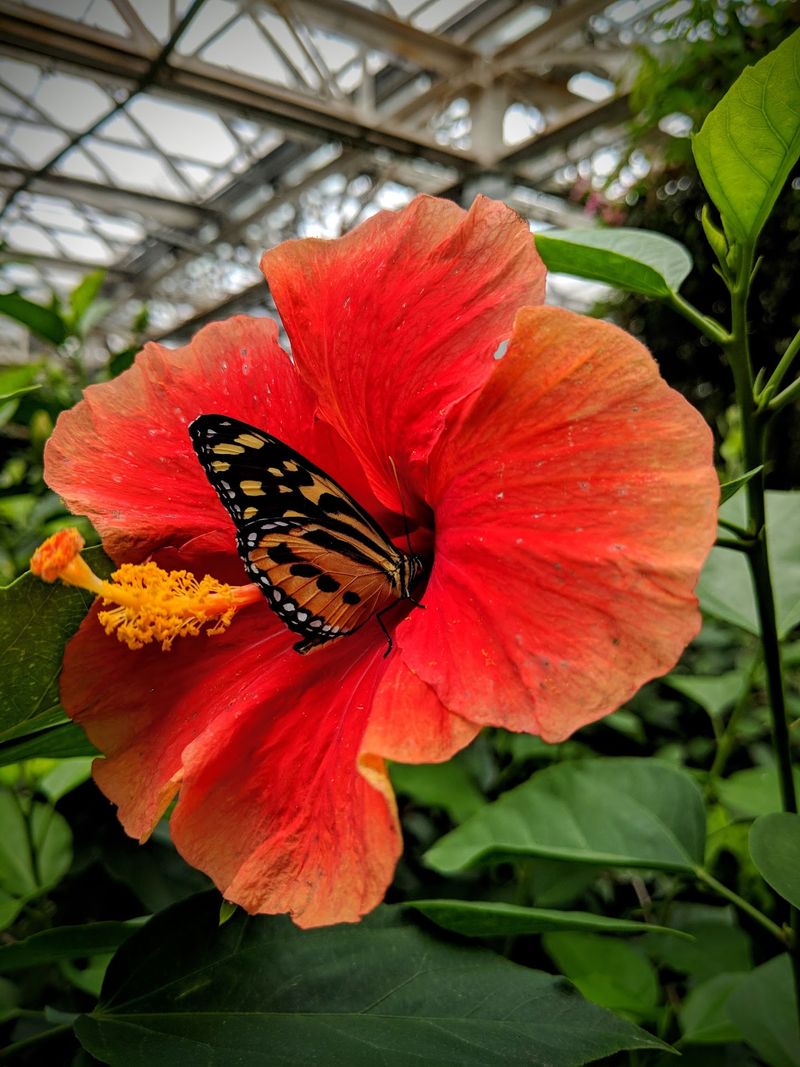
Timing is everything at the Butterfly Encounter. It happens daily at 11:30 a.m. and 3:30 p.m. inside Wings of the Tropics.
These programs add a guided layer to the visit. You get the beauty of the room plus expert facts to go with it.
Think of it as a backstage pass with wings.
Nearby, feeding stations offer sliced fruit to hungry butterflies. Crowds of wings gather on the fruit, which makes for easy viewing.
Good luck walking past without snapping a photo.
Speaking of photos, flash isn’t allowed in any exhibit area. Tripods, monopods, and selfie sticks are not permitted inside the exhibits, while commercial or professional photography requires advance approval.
Natural light works beautifully in the rainforest anyway.
The building opens at 9 a.m. daily and closes at 5 p.m. Last admission is 4:15 p.m., so plan around the encounter you want.
The morning time fits nicely if you arrive early.
Here’s a smart move. Visit the Chrysalis Chamber first, then catch the encounter afterward.
You’ll understand the full butterfly journey, from quiet beginnings to colorful flight.
Rosie The Tarantula Still Rules Her Corner
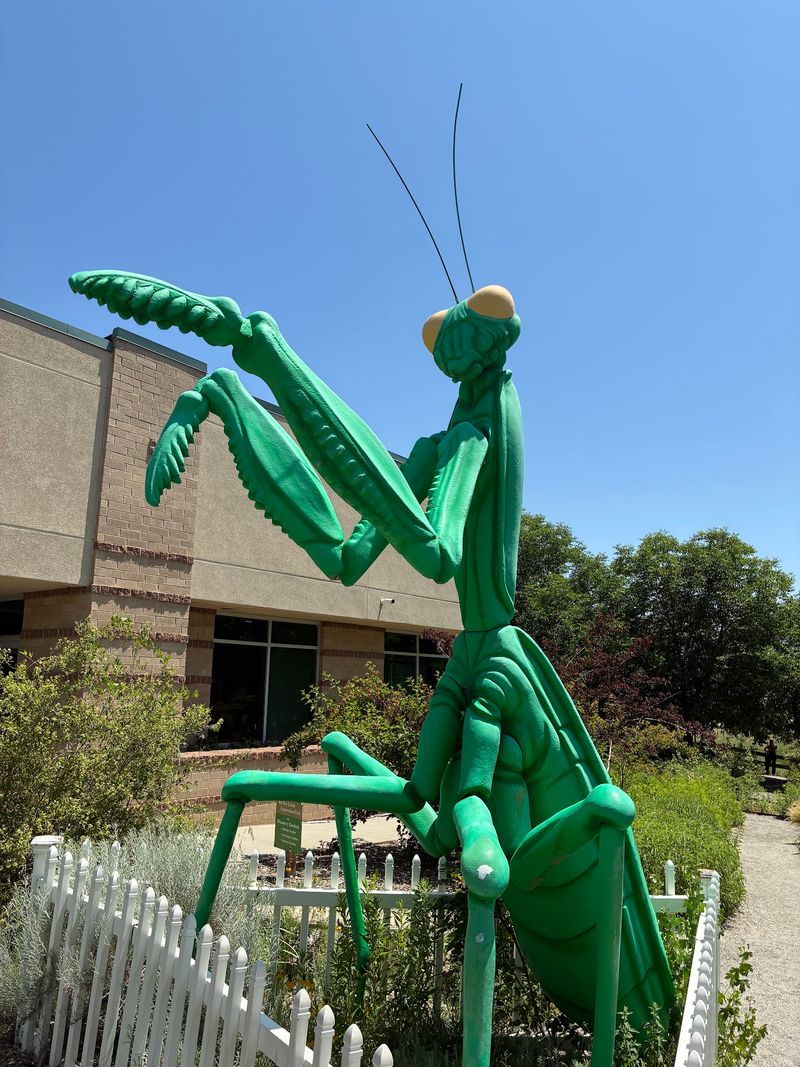
Not every famous resident here has wings. Rosie the tarantula lives in the Survival exhibit, and she’s a big name at Butterfly Pavilion.
Goldie, another tarantula, shares the spotlight. Public handling has been phased out, but both remain on display.
Admiring from a comfy distance might suit some guests just fine.
Survival shows dozens of arthropod species in habitats like their native homes. Expect creatures with lots of legs and impressive survival skills.
Each one has a trick for staying safe in the wild.
Want more time with Goldie? The Behind the Web Tarantula Encounter is a private 30-minute session with this Golden Knee Tarantula.
It runs Thursday through Sunday at set times.
Groups can include up to five people. That small size makes it easy to ask questions and learn up close.
It could be a fun birthday surprise for your bug-loving kid.
Assassin Bug Feedings also happen Tuesdays, Thursdays, and Saturdays at 2:30 p.m. in the Crawl-A-See-Em exhibit. The name alone sounds like a movie trailer.
Check the schedule and grab a good viewing spot.
Ocean Creatures Show Up In Landlocked Colorado
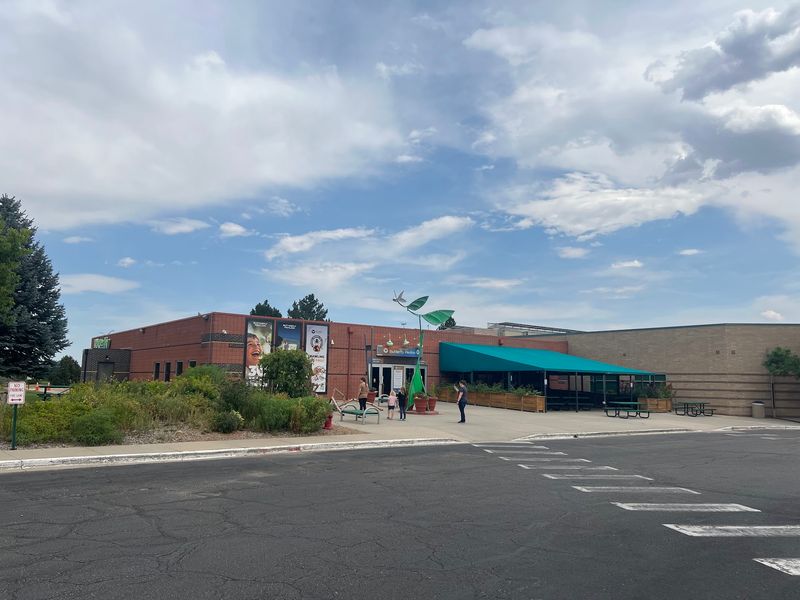
Colorado doesn’t touch an ocean, yet Water’s Edge brings sea life indoors. This aquatic exhibit has been renovated and expanded with a fresh focus.
Coral reefs and other ocean invertebrates take center stage. Animals arrive as the water conditions become ready.
That careful pace puts the animals’ health first.
The plan also aims to include creatures like the Giant Pacific Octopus. Eight arms and a famously clever brain would make quite the neighbor.
Keep an eye on future updates.
The original Water’s Edge started back in 1998 as a tide pool. So ocean life has been part of the story for decades now.
The new version builds on that history.
Invertebrates make up most animal life on Earth. Seeing them underwater helps that fact sink in.
Corals, for example, are animals, even though they can look like plants or rocks.
Stroller users should note one thing. Strollers may need to be parked outside certain exhibit areas.
Elevators reach every level, though, so getting around the building stays simple.
Ants With Serious Work Ethic Await In Legacies
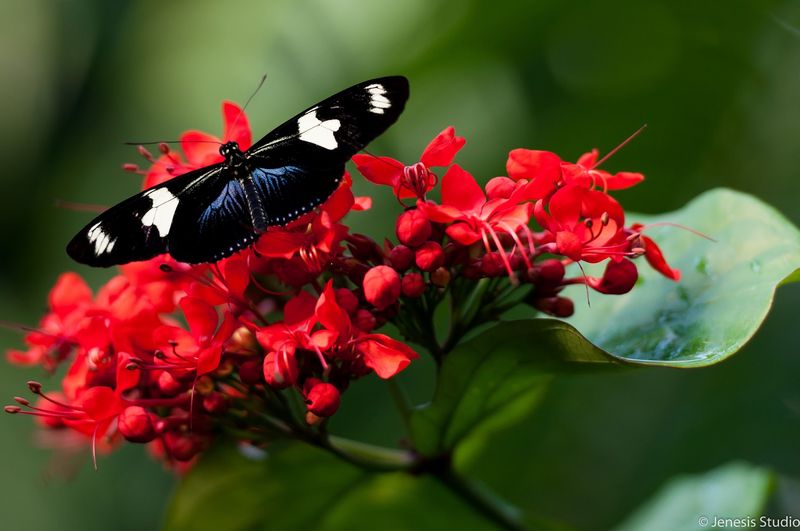
Leafcutter ants might be the hardest workers in the building. Their feeding happens daily at 1:30 p.m. in Legacies: Invertebrates of Mexico.
Watching them march with bits of leaves feels oddly motivating. Maybe skip comparing their effort to your own Monday.
They’d win every time.
The Legacies exhibit mixes science with culture. It explores the many invertebrates of Mexico and their roles in art, food, and ecology.
That’s a lot of story for creatures so small.
I believe this angle makes the exhibit stand out. Bugs aren’t just studied here.
They’re shown as part of human traditions and daily life.
Kids can work on the Junior Naturalist Adventure Guide while exploring. Activities across exhibits lead to a certificate and a button.
It turns a walk-through into a mission.
Plan your route around the 1:30 p.m. feeding if you can. It lands nicely between the morning and afternoon butterfly programs.
With smart timing, you can catch several highlights in one visit without rushing.
Little Explorers Get Their Own Wild Playground
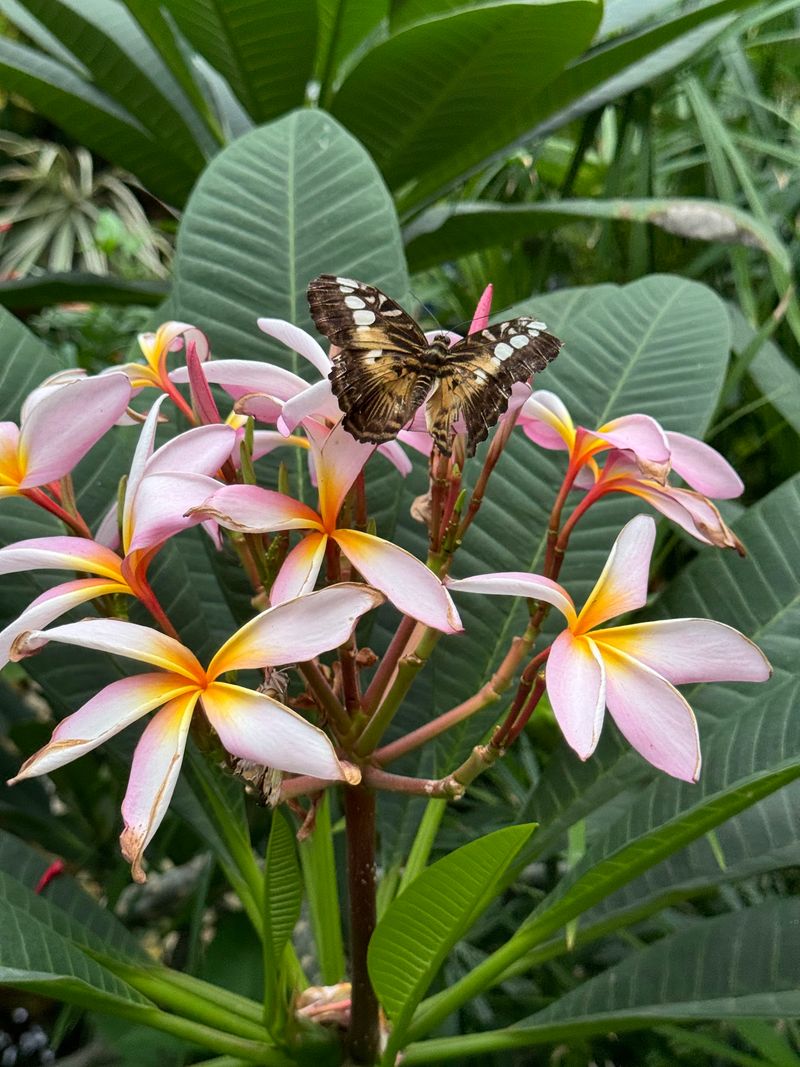
Wiggly kids need a break from quiet looking, and Colorado Backyard delivers. This indoor playground mixes play structures with displays about native Colorado wildlife.
It also includes a quiet area for anyone needing calm. That thoughtful touch helps families with different needs.
Note that it closes daily at 1:45 p.m. for 15 minutes of cleaning.
Nature Play is a newer addition outdoors. It encourages safe, engaging play in natural spaces.
Think fresh air, curious hands, and plenty of room to explore.
Accessibility runs throughout the building. Sensory bags and noise-reducing headphones are available for guests.
Strollers and wheelchairs are welcome too.
On the third Wednesday of each month, Butterfly Pavilion hosts Sensory Friendly Afternoons from 3 to 5 p.m. Lighting stays natural, sounds stay quiet, and admission is limited.
It’s a relaxed way to enjoy the butterflies.
Families can also look into camps, Scout badge programs, and Homeschool Days. Grown-ups get options too, like Rainforest Yoga and Adults Only Evenings for ages 18 and up.
Nobody gets left out of the fun.
Head Outside Where The Local Pollinators Hang Out
Once the tropics have fogged your glasses, step outside for a change of scene. The outdoor gardens give native pollinators a home right here in Colorado.
These gardens offer beauty in all four seasons. You’ll find sensory and xeriscape gardens, gazebos, a patio, and a water feature.
There’s also an educational amphitheater for programs.
Xeriscaping uses plants that need little water. That’s smart gardening for a dry state.
You may leave with ideas for your own backyard.
The Dee Lidvall Discovery Garden opened here in June 2007. It added outdoor learning to an already busy indoor experience.
The grounds have kept growing since.
Hungry? Designated picnic tables sit under an awning outside the gift shop.
Packing lunch makes an easy plan, though glass containers aren’t allowed on the property.
October brings Spider Zone, which takes over part of the conservatory. Hundreds of free-roaming orb weaver spiders appear without barriers.
Spider Feedings run daily at 11 a.m. and 3 p.m. during that month, so plan accordingly.
The Pioneer Of Bug Zoos Is An Easy Drive Away
History buffs, here’s your fun fact. Butterfly Pavilion opened on July 15, 1995, as the first stand-alone nonprofit insect zoo in the United States.
It also became the world’s first AZA-accredited nonprofit, standalone invertebrate zoo. Local entomologists Michael Weissmann and Richard Peigler helped found it.
A 13,000-square-foot expansion followed in 2004.
The conservation work reaches far beyond the building. The Colorado Butterfly Monitoring Network launched in 2013.
Efforts expanded globally in 2017.
You’ll find it all at 6252 W. 104th Avenue, Westminster, CO 80020. Free parking fills the main lot.
Overflow parking is free at the nearby Westin Westminster or the Armed Forces Tribute Garden.
Before leaving, browse the gift shop. Choices include glass ornaments, ceramic mugs, embroidered hats, and Rosie the Tarantula stuffed animals.
Purchases support education, research, and conservation.
Bigger things are coming too. The organization and the City of Westminster are pursuing a phased renovation and expansion.
The goal is a global hub for invertebrate science and nature experiences, which sounds like reason enough for a return trip.