
10 Walkable Arizona Towns That Are Easy To Love In 2026
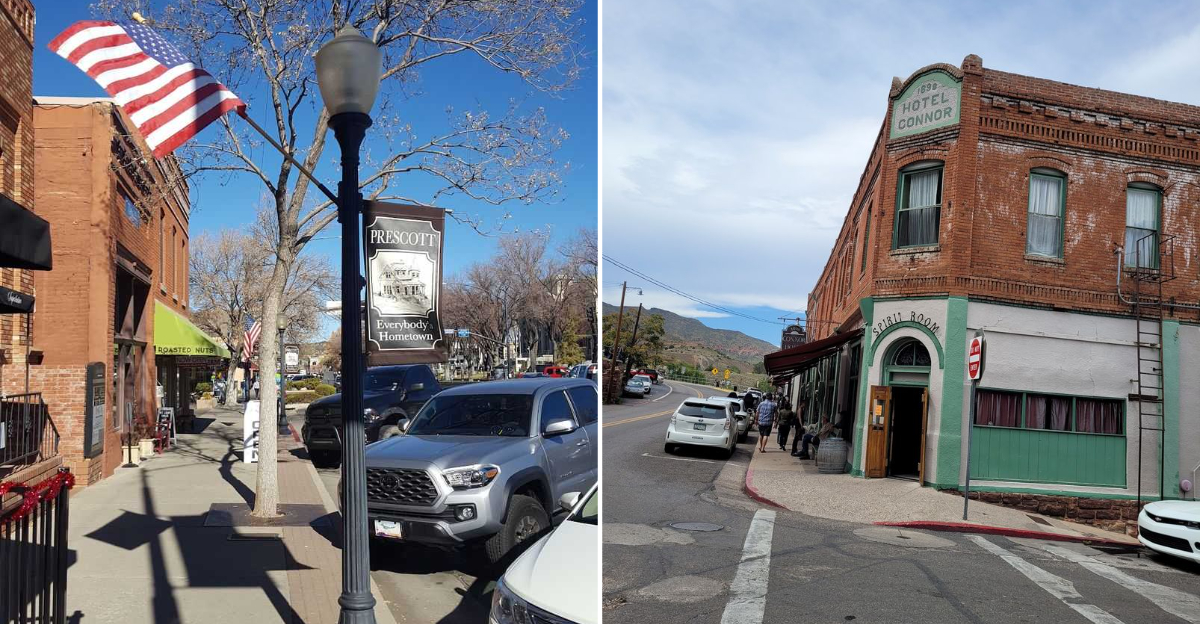
Arizona has a reputation for long highways and even longer drives, but I keep finding towns where the car can nap in a parking spot all afternoon.
I am talking about copper-era stairways, courthouse lawns with shade trees, art galleries three doors apart, and Route 66 sidewalks that still smell faintly of diner pancakes.
Over several trips through the desert, mountains, and the Verde Valley, I made a habit of parking once and then wandering until my shoes complained.
The payoff was better than any scenic pullout: conversations with shop owners, unexpected museums, and lunch spots I never would have spotted at 45 miles per hour. Below are ten Arizona towns where walking is the main event in 2026, each with its own personality, elevation, and quirks.
Some are flat and easy, one will absolutely test your calves, and all of them reward slow travel. Lace up, and let me show you where to start.
1. Bisbee, Arizona
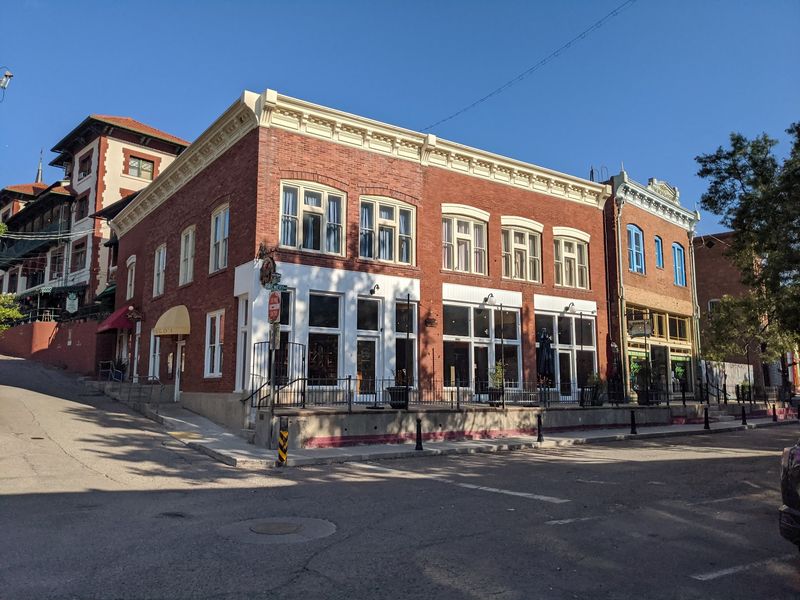
My calves still remember Bisbee, and I mean that as a compliment. Tucked into the Mule Mountains in southern Arizona, this former copper mining town packs galleries, bookshops, coffee counters, and century-old brick buildings into the tight canyon streets of Old Bisbee.
Everything worth seeing sits within a few blocks, so I left the car near Brewery Gulch and did not touch it again until evening. The famous concrete stairways climb the hillsides between houses, and locals take them so seriously there is an annual stair climb event.
What makes Bisbee special is the mix of mining history and artistic energy. One minute I was reading about underground tunnels at the mining museum, the next I was chatting with a jewelry maker about her studio rent.
Elevation near 5,500 feet keeps summers milder than Phoenix, which makes it a rare Arizona town you can enjoy on foot in July. Bring shoes with grip and zero plans.
2. Prescott, Arizona
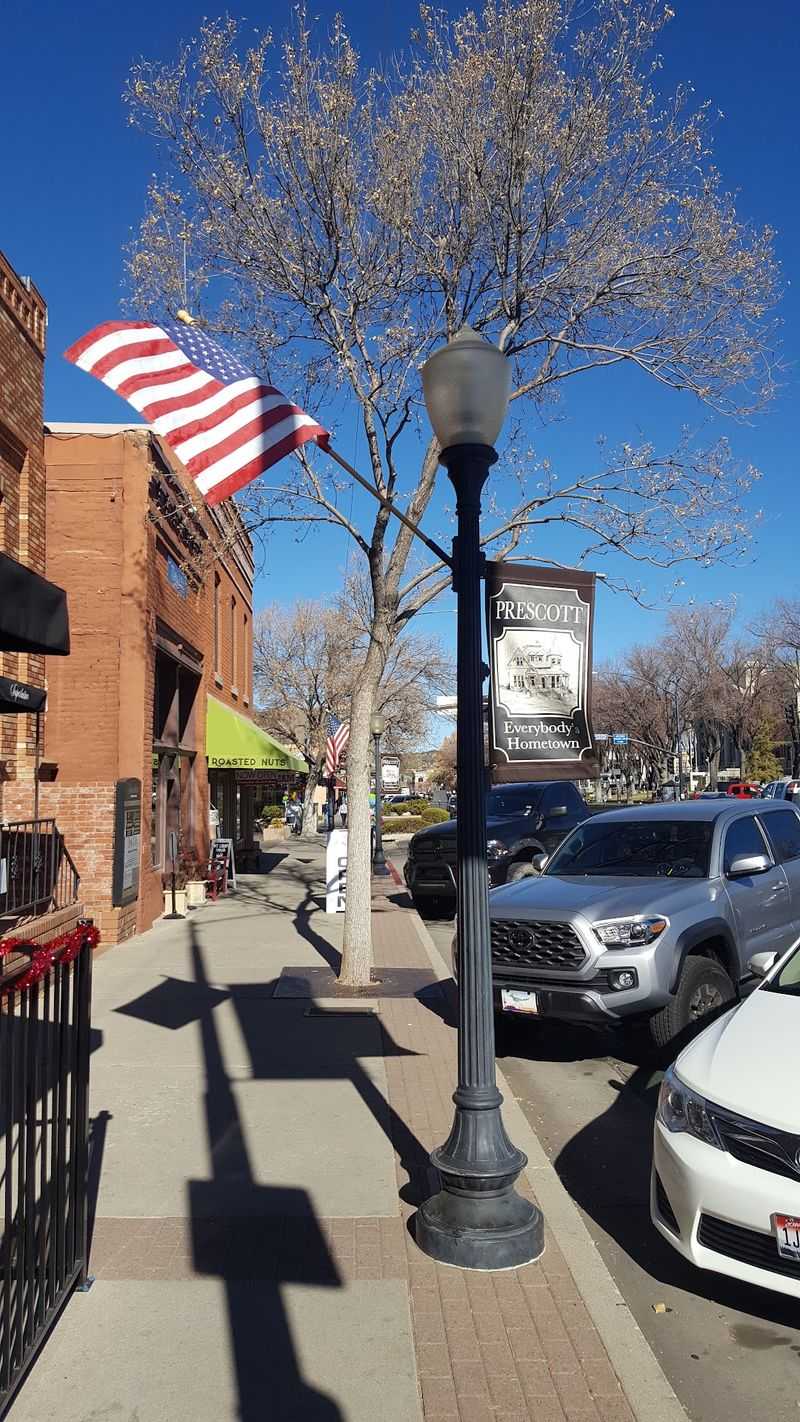
Few Arizona towns center themselves as neatly as Prescott does. The Courthouse Plaza sits right in the middle of downtown, with a grand old county courthouse, wide lawns, shade trees, and benches that invite long sitting sessions.
Ring around that plaza and you get Whiskey Row, a block of historic storefronts now filled with restaurants, boutiques, music venues, and coffee shops. I circled it three times in one afternoon and still found doorways I had missed.
Prescott also offers a self-guided Heritage Trail through the center, which turns an aimless stroll into a mini history lesson about territorial Arizona. Markers explain buildings, fires, and the town’s stint as territorial capital.
At around 5,300 feet in central Arizona, the weather cooperates most of the year, with cool pine-scented mornings and warm afternoons.
Summer weekends bring festivals and street events to the plaza, so if you prefer quiet sidewalks, aim for a weekday in spring or fall.
3. Cottonwood, Arizona
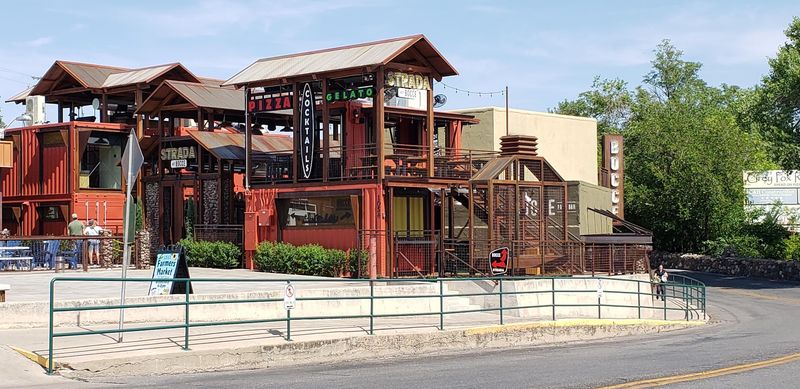
Old Town Cottonwood surprised me, mostly because I arrived expecting a quick lunch stop and stayed until dark. Sitting in the Verde Valley of central Arizona, its historic Main Street runs a handful of flat, easy blocks lined with 1920s storefronts.
The town promotes Old Town as a walkable district, and that promise holds up. Shops selling vintage goods, olive oil tastings, ice cream counters, and family restaurants sit shoulder to shoulder, with sidewalk seating spilling out on warm evenings.
Flat terrain is the big draw here. After the stairways of Bisbee and the hills elsewhere in the region, Cottonwood feels refreshingly gentle for anyone traveling with kids, strollers, or tired knees.
Location helps too. Cottonwood sits close to Sedona, Jerome, and Clarkdale, making it a smart home base for a multi-town walking trip.
Come on a First Friday evening and Main Street fills with music, art, and neighbors who clearly enjoy showing the place off.
4. Williams, Arizona
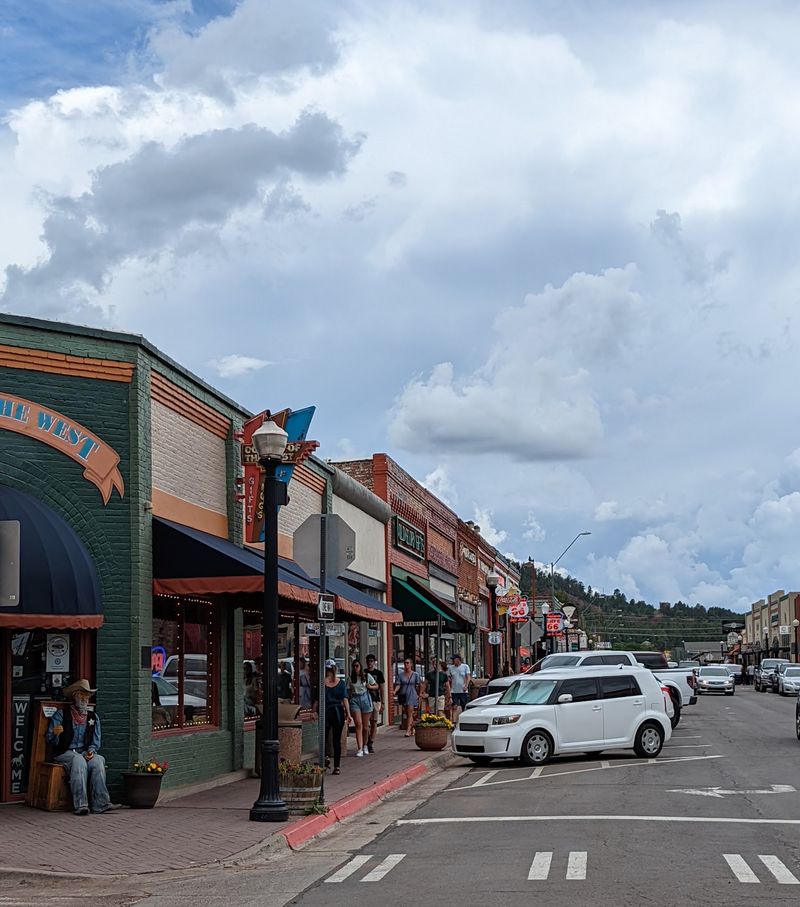
Neon signs, vintage storefronts, and a railroad whistle: Williams knows exactly what it is. Historic Route 66 runs straight through downtown in northern Arizona, and several blocks of diners, souvenir shops, and roadside attractions line the route.
Because the highway splits into a one-way pair through the center, walking is honestly the smartest way to see it. I parked once, crossed back and forth, and covered the whole district in an easy loop.
Railroad history anchors the town. The Grand Canyon Railway depot sits near downtown, and trains depart for the South Rim, which means you can walk to your ride to one of the planet’s most famous canyons.
At roughly 6,700 feet, Williams gets real snow in winter, so pack layers if you visit outside summer.
Evenings glow here, with old neon flickering to life above sidewalks full of visitors comparing photos and deciding which pie shop wins.
5. Jerome, Arizona
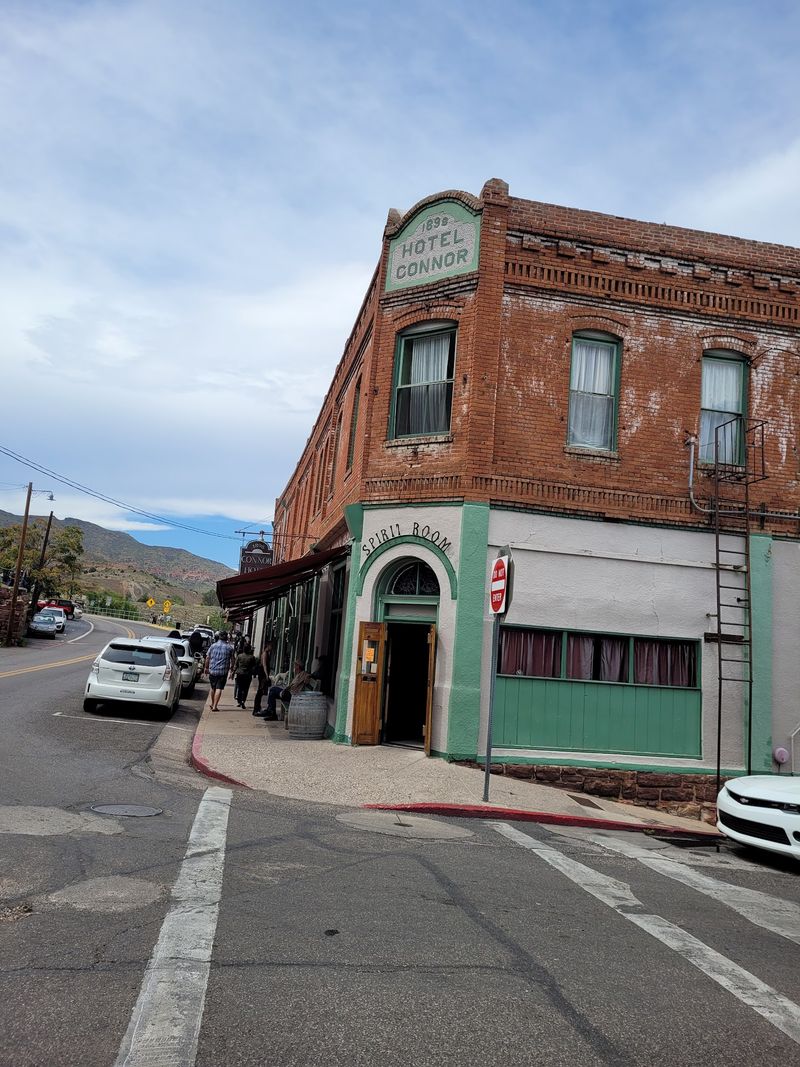
Fair warning before you fall in love: Jerome is vertical. Clinging to Cleopatra Hill above the Verde Valley in central Arizona, this former mining town stacks its galleries, gift shops, cafes, and historic buildings along switchback streets and staircases.
You can absolutely explore it on foot, and honestly you should, since parking is limited and the views over the valley are best appreciated at walking speed. Just know that every route back involves climbing.
Once home to thousands of miners, Jerome nearly emptied out mid-century before artists moved in and revived it. That history shows in the mix of restored hotels, sagging brick facades, and studio windows full of pottery and metalwork.
My advice is to start high, wander downhill through the shops, then take your time coming back up with a cold drink in hand.
Sunset from any west-facing porch here is worth the burning thighs, and I would happily repeat the climb.
6. Flagstaff, Arizona
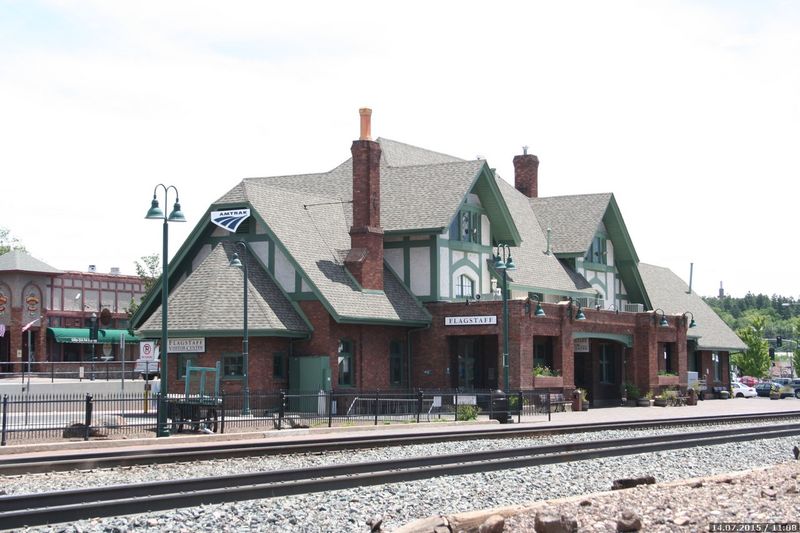
Pine trees, train horns, and a downtown built for wandering: Flagstaff earns its fans fast. Set at about 7,000 feet in northern Arizona beneath the San Francisco Peaks, its historic center concentrates independent shops, galleries, restaurants, and handsome old buildings into a tidy grid.
I spent an entire day there without starting the engine. Bookstores, record shops, outdoor gear outfitters, and bakeries sit within a few blocks, and the restored train depot doubles as the visitor center.
Trains still rumble through regularly, which some travelers find charming and others find loud, so choose your hotel accordingly.
Flagstaff also carries serious dark-sky credentials as the world’s first International Dark Sky City, and Lowell Observatory sits just up the hill from downtown.
Winter brings snow and a genuinely cozy mood, while summer offers relief from desert heat. Either way, Flagstaff rewards visitors who prefer sidewalks to scenic drives, and I always leave planning my return.
7. Sedona (Uptown), Arizona
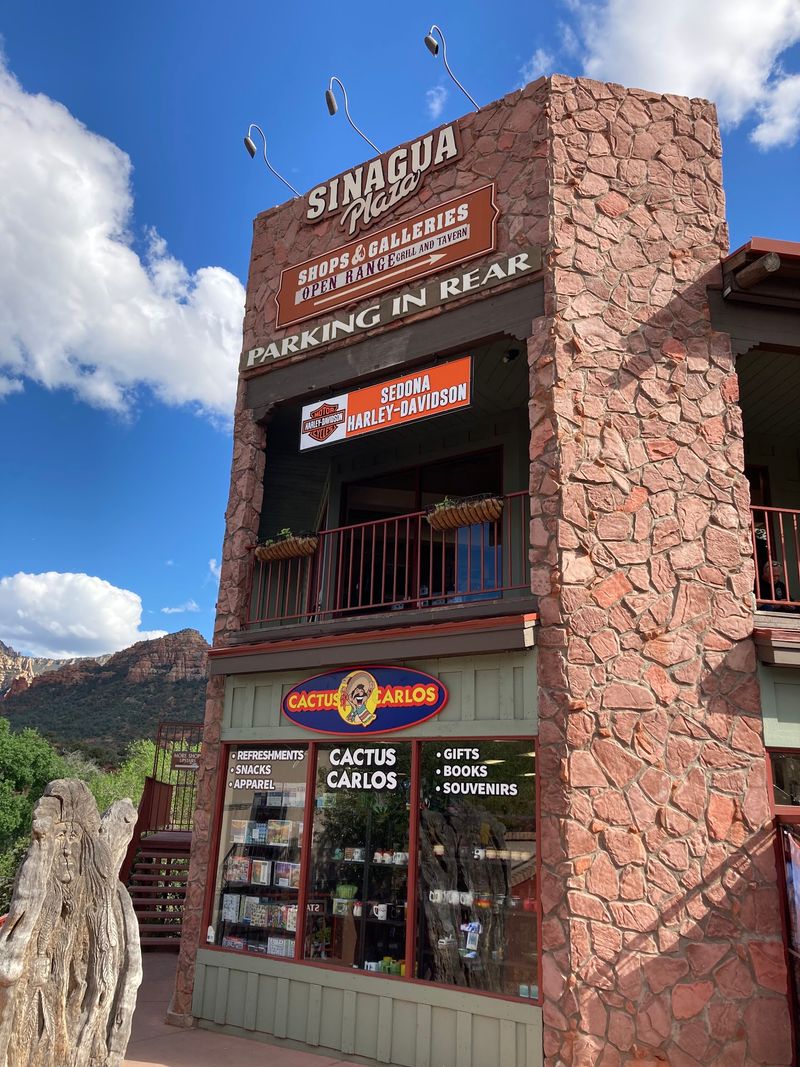
Sedona sprawls, but Uptown does not, and that is the trick to enjoying it on foot. The tourism bureau describes Uptown Sedona as highly walkable, and after a morning there I agree completely.
Galleries, jewelry shops, southwestern boutiques, ice cream windows, and patio restaurants line a compact stretch in this northern Arizona town, with red rock formations towering behind the rooftops. Look up between storefronts and you get postcard views for free.
Parking fills quickly in high season, so I arrived early, paid for a spot, and let the shuttle and my own two feet handle the rest.
Uptown also works as a base for canyon walks, since trailheads and jeep tour offices sit close by.
Spring and fall bring the kindest temperatures and the biggest crowds, while summer mornings stay pleasant before the heat arrives. Few shopping districts anywhere come with scenery like this, and the sidewalks know it.
Early mornings are especially rewarding, when the sidewalks are quieter and the red rocks catch softer light. Once the shops open, the area quickly shifts into a lively mix of browsing, snacking, and sightseeing.
For a town known for dramatic scenery, Uptown makes it surprisingly easy to enjoy a lot without covering much ground.
8. Tubac, Arizona
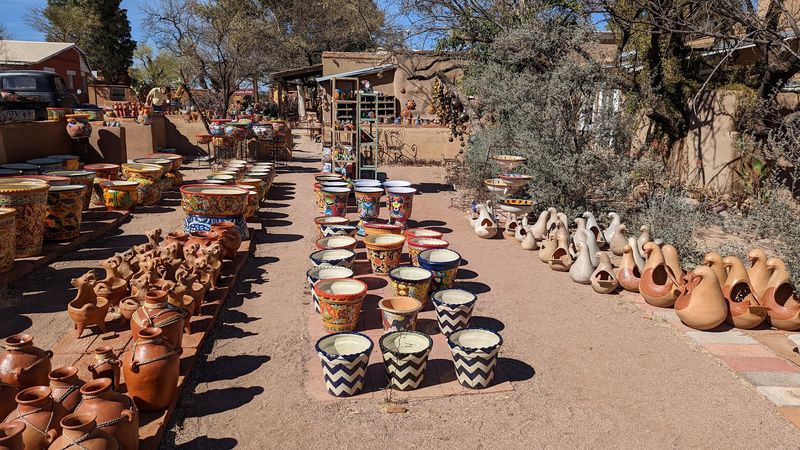
Art hangs on nearly every wall in Tubac, and the village center makes gallery hopping delightfully simple. Located in southern Arizona along the Santa Cruz River between Tucson and Nogales, this small community has built its identity around working artists.
Adobe buildings, shaded courtyards, and narrow lanes connect more than a hundred galleries, studios, boutiques, and restaurants. I walked between potters, painters, and leatherworkers for hours without once digging for car keys.
History runs deep here too. Tubac Presidio State Historic Park preserves the site of a Spanish colonial fort established in 1752, making it Arizona’s first state park.
Winter and early spring are peak season, when the weather is ideal and the annual Festival of the Arts in February fills the village with visitors.
Comfortable shoes help since some pathways are gravel or uneven. Tubac moves slowly on purpose, and letting it set your pace is the whole point.
9. Wickenburg, Arizona
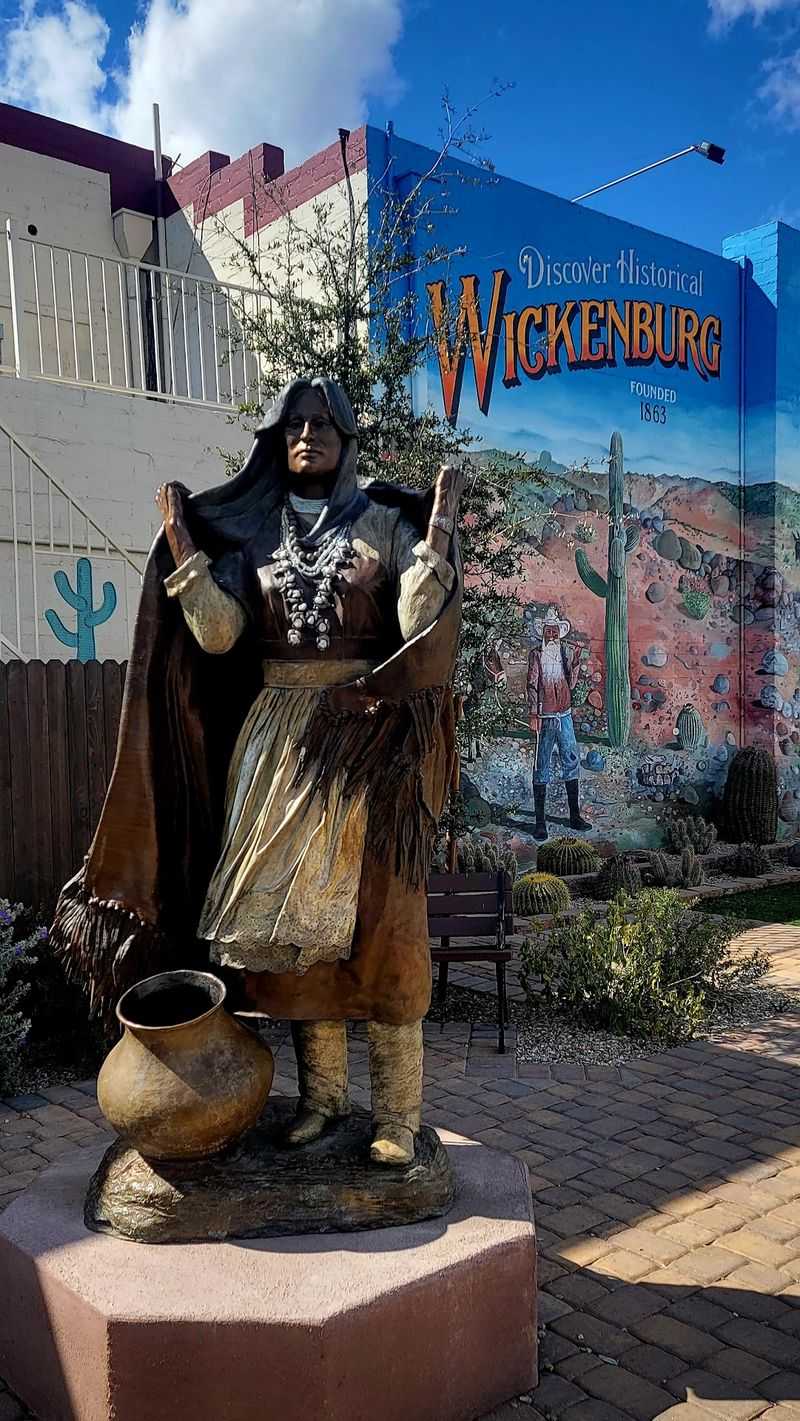
Bronze statues talk to you in Wickenburg, sort of. Along the restored historic downtown of this small town northwest of Phoenix in central Arizona, life-size figures stand on sidewalks as part of a self-guided walking route that connects Western history with local landmarks.
Push a button near some and you hear stories about the characters they represent. It turned my stroll into something my whole group actually enjoyed.
The Desert Caballeros Western Museum anchors the district, holding a strong collection of Western art alongside exhibits about ranching and mining days. Nearby shops sell boots, turquoise, and local honey.
Wickenburg once revolved around the Vulture Mine and later around guest ranches, and the town still leans proudly into that cowboy identity.
Winter and spring are the best walking months, since summer afternoons here get genuinely hot.
Small, tidy, and unpretentious, Wickenburg gave me one of the easiest history walks in the state.
10. Clarkdale, Arizona
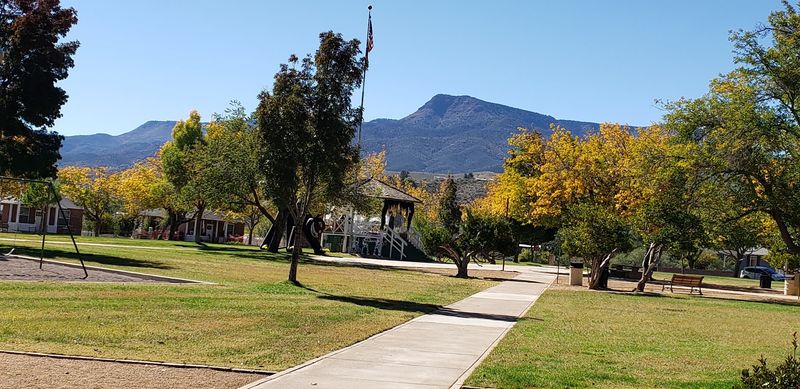
Clarkdale rarely makes the highlight reels, which is exactly why I liked walking it. Built in the early 1910s as a company town for a smelter, it holds the title of Arizona’s first planned community, and the layout still shows that careful design.
Sitting in the Verde Valley of central Arizona, the compact historic core wraps around a central park with wide sidewalks, tidy streets, and buildings from the town’s founding era. A stroll here takes maybe an hour, and it feels like flipping through an old photo album.
Small museums, local shops, and a few casual eateries fill out the visit. The Verde Canyon Railroad departs from the depot nearby, offering a scenic ride along the river through country you cannot reach by road.
Flat terrain and quiet streets make it easy on the legs.
Pair Clarkdale with Cottonwood and Jerome for one very satisfying day in the valley. The town’s small scale also makes it easy to slow down and notice details you would miss from the car.
By the time you finish the loop, Clarkdale feels less like a stopover and more like one of the Verde Valley’s quieter rewards.
Sometimes The Best Arizona Trips Begin On Foot
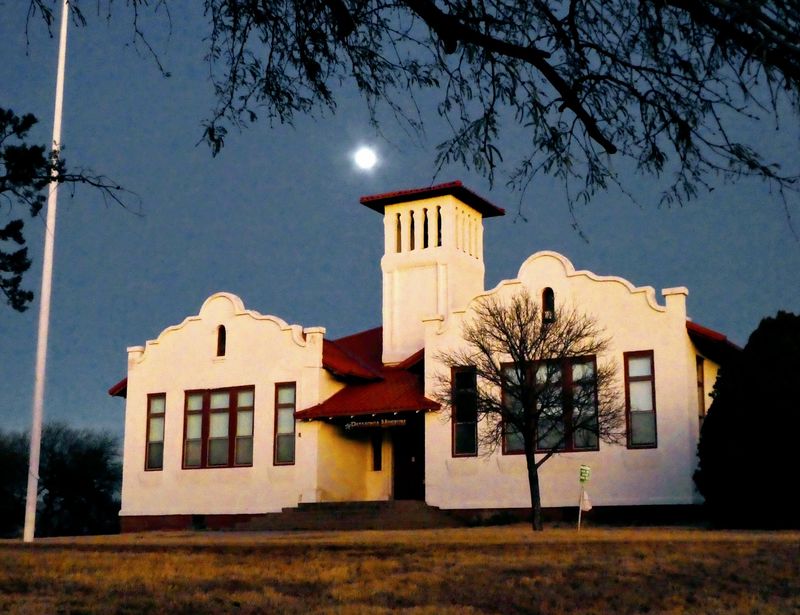
Arizona is easy to picture through a windshield, but some towns are much better once you park the car and start wandering. That slower pace gives you time to notice the small things, from historic storefronts and shaded courtyards to local cafés, galleries, and little streets you might otherwise drive straight past.
For me, that is what makes a walkable town memorable. I like being able to grab coffee, browse a few shops, stop for lunch, and keep exploring without checking directions every ten minutes. It turns the day into something relaxed instead of another checklist.
These Arizona towns all offer that kind of experience in their own way. Some are flat and easy, while others come with hills, stairways, or a little extra effort. The reward is the same: more time actually seeing the place.
In 2026, these towns are still proving that a great Arizona getaway does not always need a long itinerary. Sometimes comfortable shoes and a free afternoon are enough.