
Wander Through An Illinois Prairie Where Wild Herds Still Roam Freely
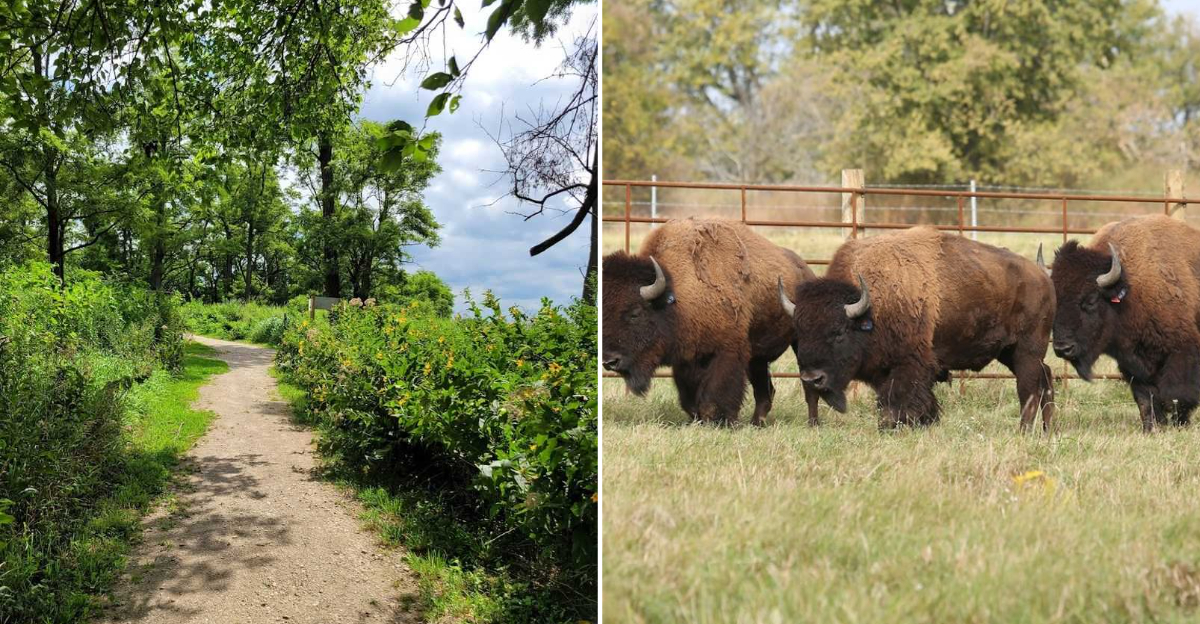
I never expected to find a place in Illinois where a conservation bison herd grazes across sweeping restored grasslands, but the prairie along IL-53 in Wilmington completely changed my sense of what this state holds.
The landscape stretches wide and quiet, the horizon broken only by tall grasses bending in the wind and the occasional silhouette of a distant animal.
I remember standing there, listening to the steady rustle of bluestem and feeling the heat rise off the open ground, scanning the distance for dark shapes moving against the gold. This roughly 73-square-kilometer preserve, with thousands of acres open to the public, carries a remarkable past.
It once served as a World War II ammunition plant, and the concrete bunkers still scattered across the prairie are reminders of that history.
At least one remains open to explore, a cool echoing chamber surrounded today by butterflies, wildflowers, and the slow, deliberate movement of bison grazing across protected pasture.
A Prairie Born From Military History
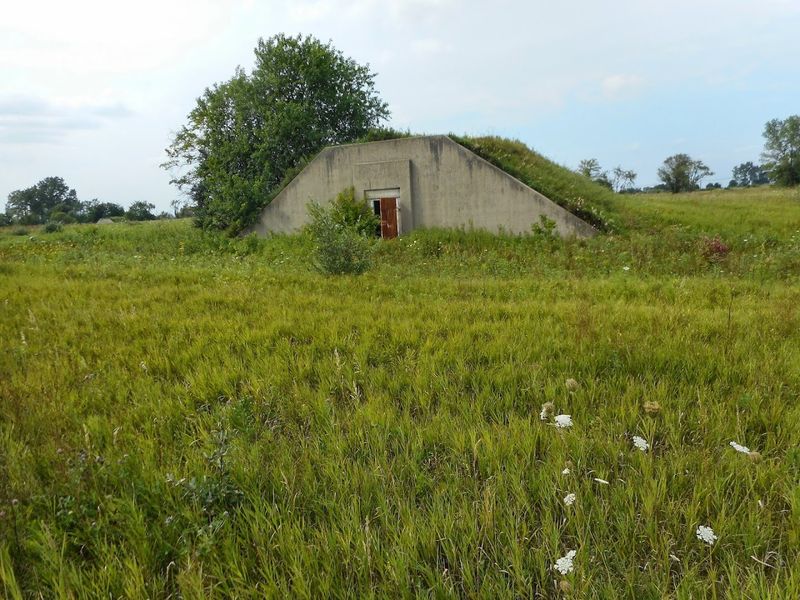
Walking through Midewin feels like witnessing nature reclaim what was once hers. This massive preserve sits on land that served as the Joliet Army Ammunition Plant during World War II, and remnants of that history peek through the waving grasses everywhere you look.
Old ammunition storage bunkers dot the landscape, their concrete walls now surrounded by native plants instead of military personnel.
The Forest Service established this preserve in 1996, beginning one of the largest grassland restoration efforts in American history. What I found remarkable during my visit was how seamlessly the past and present coexist here.
You can hike past bunkers in the morning and spot a bison herd in the afternoon, creating this surreal blend of human history and natural restoration.
At least one preserved bunker is open for public exploration along designated routes, offering cool refuge on hot summer days and a tangible connection to the site’s military past. The transformation from weapons storage to wildlife habitat represents an inspiring example of how landscapes can heal and adapt.
Standing among these structures while prairie grasses whisper in the wind, I felt the weight of this place’s remarkable journey from destruction to restoration.
One Hundred Bison Roaming Free
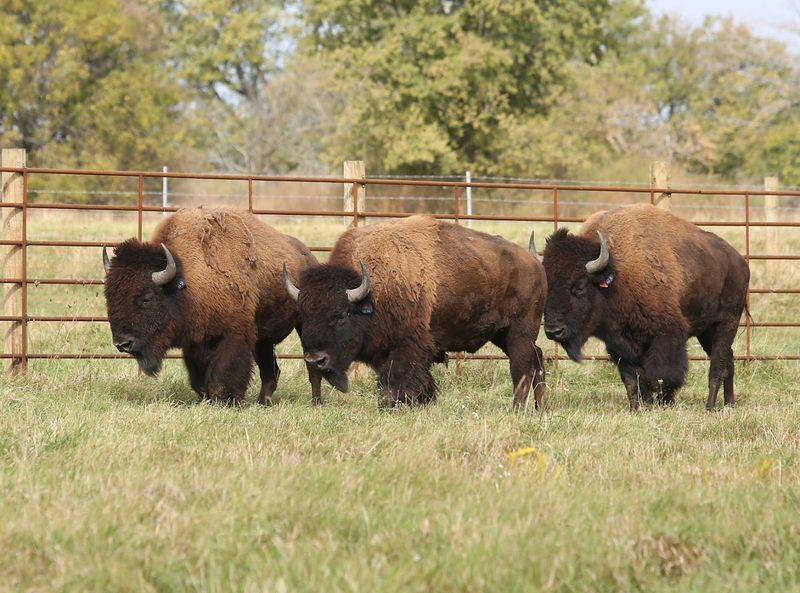
Spotting bison at Midewin National Tallgrass Prairie requires patience, luck, and realistic expectations. These magnificent animals roam across pastures so vast that they can easily disappear into the landscape, becoming brown dots on a distant hillside.
During my visit on a sweltering afternoon, I didn’t catch a glimpse of them, but that’s part of the authentic experience of observing wildlife in their natural habitat.
The preserve manages a conservation herd that can approach one hundred bison within vast fenced prairie units, giving these animals plenty of room to behave naturally.
Many visitors hike out toward the bison overlooks, where spotting scopes and viewing areas help scan the prairie, hoping for that perfect sighting. Even when the bison stay hidden, evidence of their presence appears everywhere in the form of tracks, wallows, and yes, bison pies scattered across the trails.
Bringing your own binoculars makes sense since the mounted ones at the viewing station sometimes have waiting lines. The bison move according to their own schedules, seeking shade during hot weather and grazing wherever the grass looks tastiest.
Their presence here represents more than just a tourist attraction though, they’re essential to the prairie restoration, their grazing patterns helping native plants thrive exactly as nature intended.
Biodiversity That Surprises Even Scientists
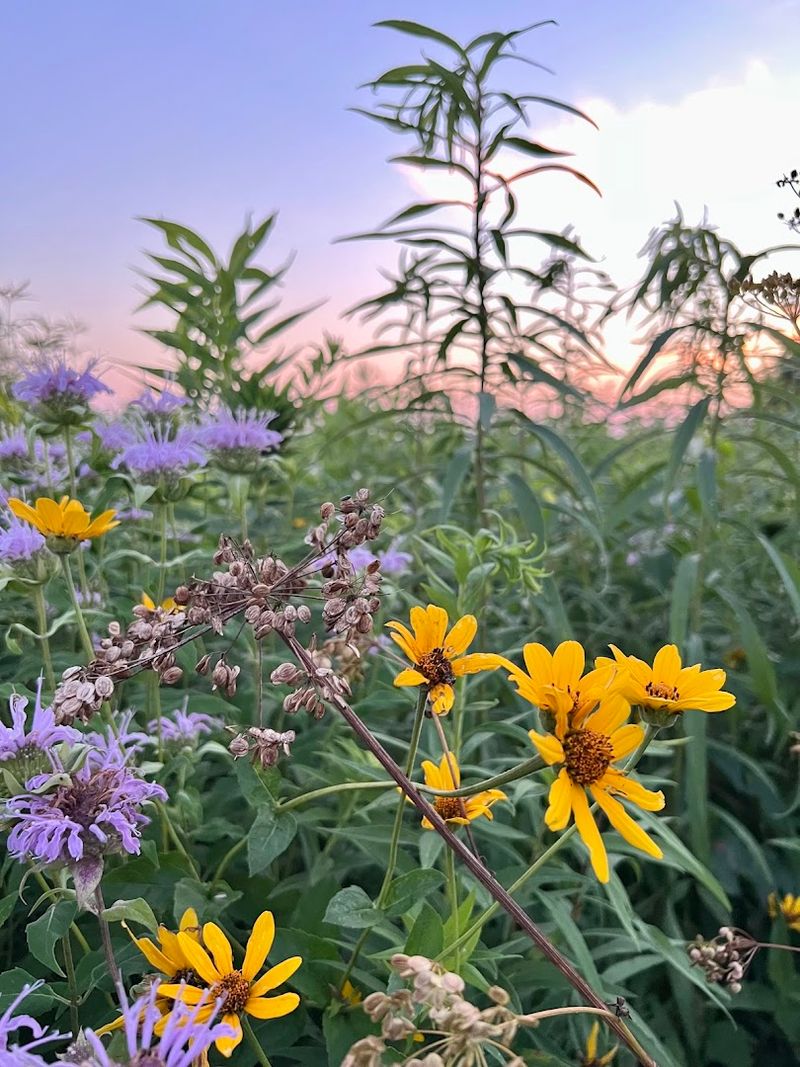
The sheer variety of life thriving at Midewin absolutely blew my mind. Before visiting, I’d spent most of my hiking time in forests, so experiencing a restored native prairie felt completely different.
The biodiversity here rivals any woodland I’ve explored, with countless bird species, butterflies, and native plants creating an interconnected ecosystem that hums with activity.
Bird watchers flock here for good reason. The Henslow Trail and nearby birdwatching areas offer panoramic views where you can spot species you won’t find in typical Illinois parks.
Even on rainy days when many birds roost quietly, the diversity remains impressive.
I watched butterflies I’d never seen before flutter between wildflowers, their colors riveting against the green and gold prairie backdrop.
The staff at the visitor center mentioned how habitat restoration efforts continue expanding this biodiversity each year, bringing back species that disappeared from Illinois decades ago. Native wildflowers bloom in rotating waves throughout the growing season, ensuring something’s always flowering.
For anyone passionate about ecology or conservation, watching this ecosystem recover and flourish feels deeply hopeful. The prairie teaches you to look closer, notice smaller details, and appreciate how interconnected healthy habitats truly are.
Trail Systems Built For Every Explorer
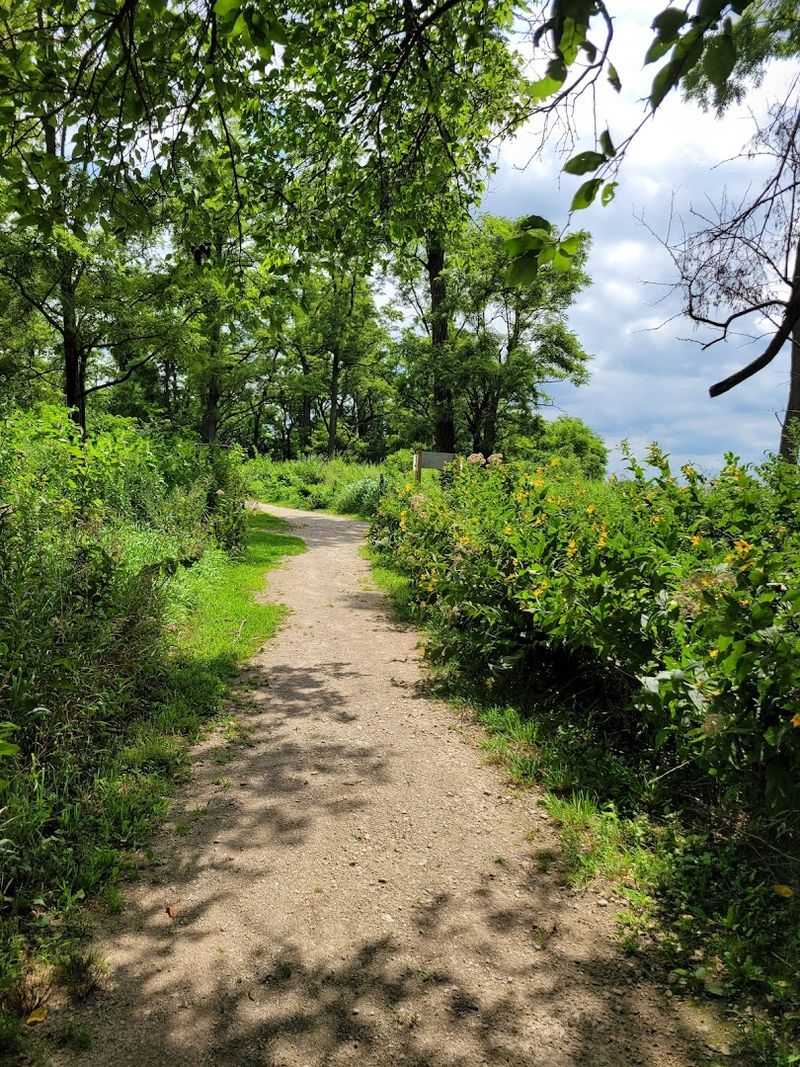
Midewin’s trail network spreads across the preserve like veins through a leaf, offering routes for every fitness level and interest.
The crushed gravel paths work beautifully for walkers, runners, cyclists, and even strollers, making this one of the more accessible natural areas I’ve explored. Most trails wind through open prairie with minimal shade, so planning becomes essential.
I started my hike from a northern parking lot and made my way to the headquarters, covering several miles through grasslands that seemed to stretch forever. The trails vary in length, with some short loops perfect for casual walks and longer routes challenging enough for serious hikers.
Several visitors mentioned that bikes transform the experience, letting you cover more ground and increase your chances of spotting bison.
Seasonal bike rentals have been offered through an app-based program for about five dollars per hour, though availability can vary. The headquarters building provides flushing bathrooms, potable water, and climate-controlled indoor space, amenities not available on the trails.
Trail markers exist but aren’t always abundant, so grabbing a map from the visitor center or downloading one beforehand saves confusion.
What impressed me most was how the wide, flat trails let you focus on the scenery rather than watching your footing constantly.
A Visitor Center Worth Your Time
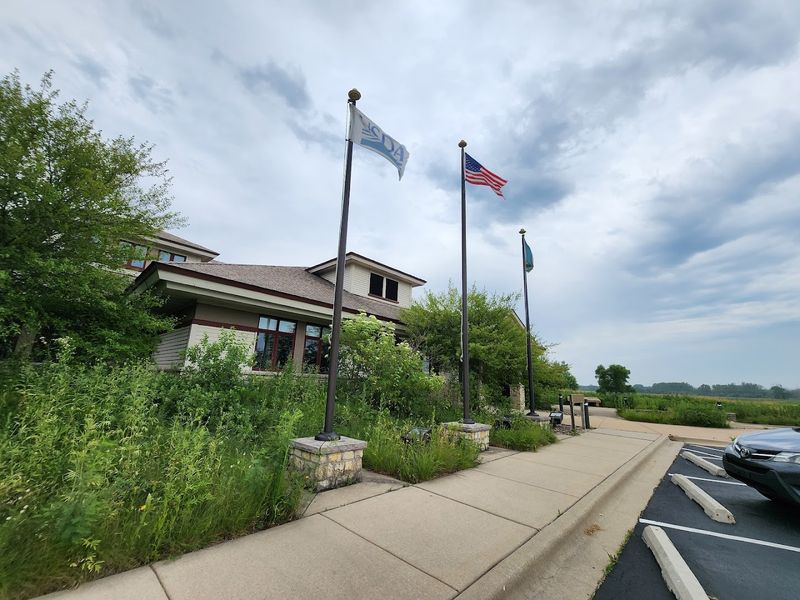
Starting your Midewin adventure at the headquarters building makes perfect sense, especially for first-time visitors. The staff here radiates enthusiasm for the prairie, sharing knowledge about everything from bison behavior to the best wildflower viewing spots.
During my visit, they took genuine time welcoming guests, answering questions, and helping people plan their routes based on interests and fitness levels.
Inside, you’ll find exhibits detailing the area’s fascinating transformation from military installation to nature preserve. The gift shop stocks affordable and adorable items, with proceeds supporting ongoing restoration work.
I appreciated how the staff emphasized supporting national forests and preserves, reminding visitors these places need public backing more than ever. The building provides crucial amenities including flushing bathrooms, water fountains, and blessed air conditioning during summer visits.
Staff can often point visitors toward areas where bald eagles and other large birds have been spotted nearby, letting you observe these magnificent birds without disturbing them. Maps, trail brochures, and current conditions reports are available, helping you make informed decisions about where to explore.
Staff provide maps, guidance, and safety advice, so carrying navigation tools or downloaded trail maps is recommended. That level of visitor support impressed me tremendously.
Timing Your Visit For Maximum Enjoyment
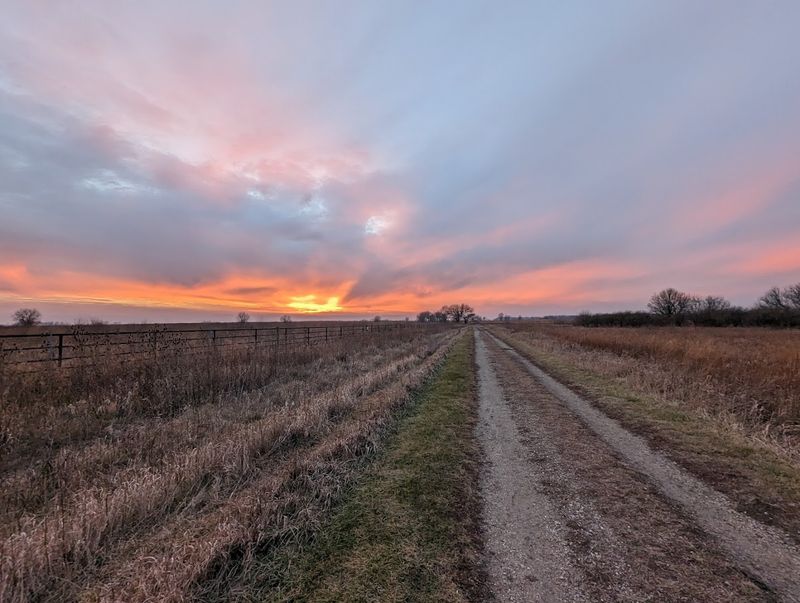
Summer evenings at Midewin create magic, with golden light painting the prairie grasses and long shadows stretching across the landscape. However, timing your visit requires considering several factors beyond just pretty light.
The prairie lands are generally open daily from early morning to late evening, while the visitor center keeps weekday business hours, so planning ahead prevents disappointment.
Hot summer days, while beautiful, can be brutal without proper preparation. During my visit in cooler weather, I still felt grateful for every water bottle I’d packed.
Several reviewers mentioned visiting during 95-degree heat and struggling despite their experience hiking.
Spring and fall offer more comfortable temperatures and different wildflower displays, with each season showcasing unique prairie plants. Early morning visits increase your chances of spotting wildlife, including those elusive bison who often graze during cooler hours.
Rain doesn’t necessarily ruin a prairie visit either, as one birdwatcher noted seeing roosting birds create their own kind of beauty.
Winter visits are possible but require different expectations and preparations. Avoiding peak summer heat makes sense for most visitors, though sunset enthusiasts might brave the temperatures for those spectacular evening views.
Checking the website before visiting confirms current hours and any temporary closures or special conditions affecting trail access.
Essential Supplies For Prairie Exploration
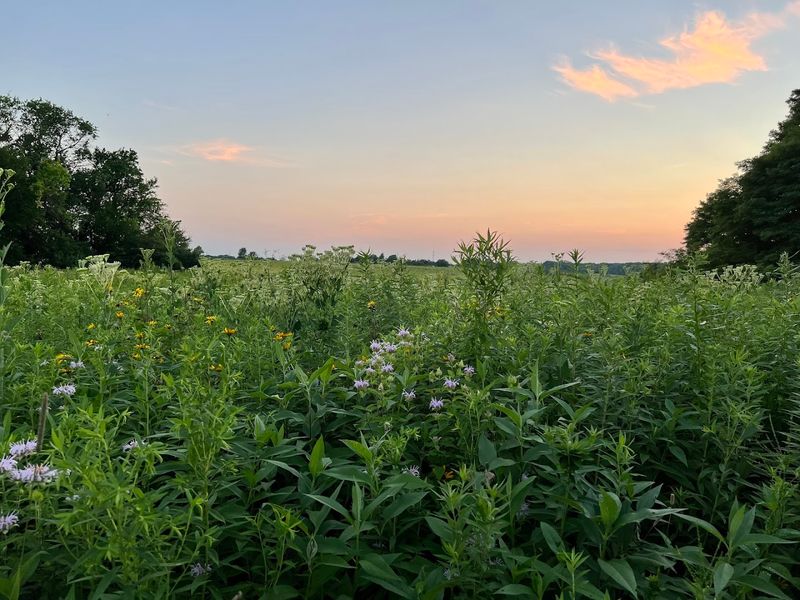
Packing properly transforms a prairie hike from uncomfortable to enjoyable. Water tops the list of absolute necessities, and I mean more water than seems reasonable.
Multiple reviewers emphasized bringing more than you think you’ll need, and after experiencing these exposed trails myself, I understand why. The prairie offers almost no shade, meaning sun exposure remains constant throughout your hike.
Binoculars rank as the second must-have item, especially if you’re hoping to spot bison or birds. While the viewing platform has mounted binoculars, bringing your own means no waiting and better quality optics.
Bug spray becomes essential during warmer months, particularly tick repellent since these tiny creatures thrive in tallgrass environments.
Several visitors reported tick encounters, making regular checks and preventive measures crucial. Sunscreen, hats, and light-colored clothing help combat the intense sun exposure.
Snacks or energy bars keep your stamina up during longer hikes, and comfortable, broken-in shoes prevent blisters on the gravel trails.
A good camera captures the stunning landscapes and wildlife, though phone cameras work fine for casual shots. During summer visits, some hikers bring small towels for wiping sweat.
The headquarters provides water fountains, but relying solely on them limits your range, so carrying your own supply grants more freedom to explore distant trails.
Picnic Spots And Trail Amenities
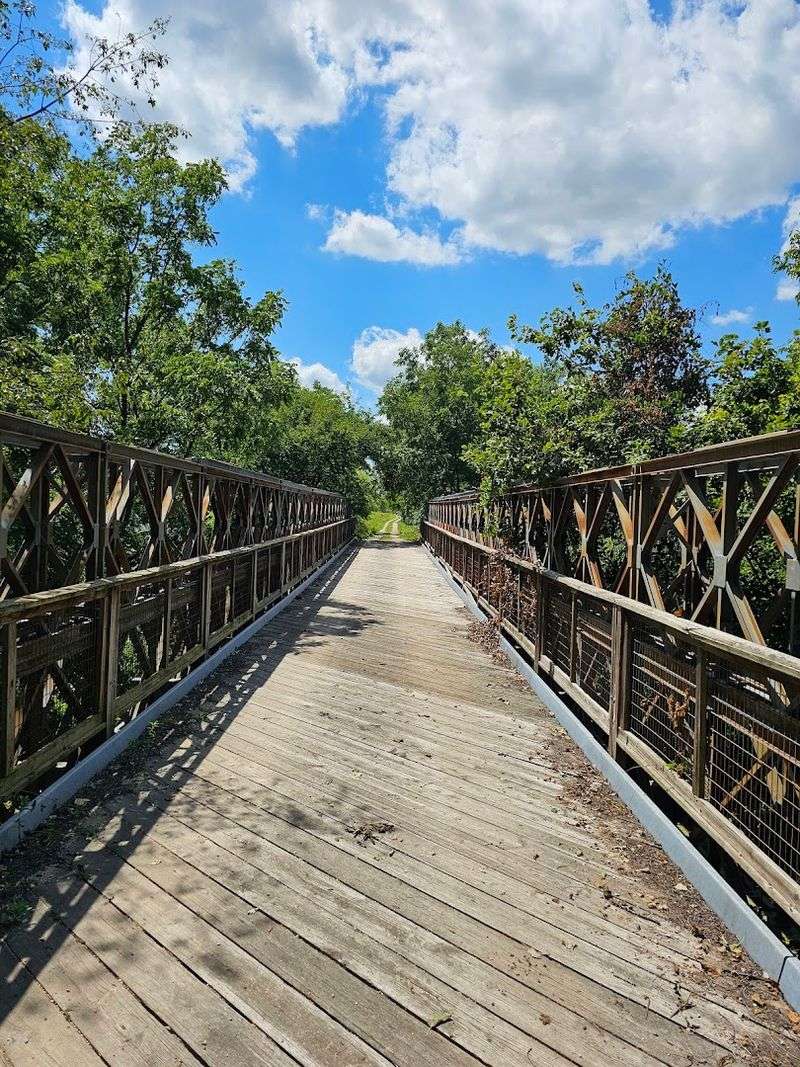
Rest stops scattered throughout Midewin provide welcome relief during longer explorations. The Iron Bridge Trailhead features picnic tables and outhouses, creating a pleasant spot for lunch or snacks.
During my hike, I discovered a pond area with similar amenities, offering a peaceful place to rest and refuel while watching for wildlife around the water.
These rest areas aren’t luxurious, but they serve their purpose well. The outhouses at most trailheads are basic maintained latrines rather than flushing facilities, so adjust your expectations accordingly.
Only the headquarters building offers modern bathrooms, making it worth visiting before heading out on longer trails.
Picnic tables provide more than just eating surfaces, they’re also great spots for spreading out maps, adjusting gear, or simply sitting to absorb the prairie atmosphere. Some shaded structures exist, though reviewers noted they could stand to be more numerous given the intense sun exposure.
The pond areas attract different wildlife than the open prairie, adding variety to your nature observations.
Bringing your own picnic transforms a hike into a full day experience, letting you linger and explore at a relaxed pace. The combination of walking trails and rest spots makes Midewin suitable for families, though parents should prepare kids for rustic facilities and bring plenty of supplies.
Photography Opportunities Around Every Bend
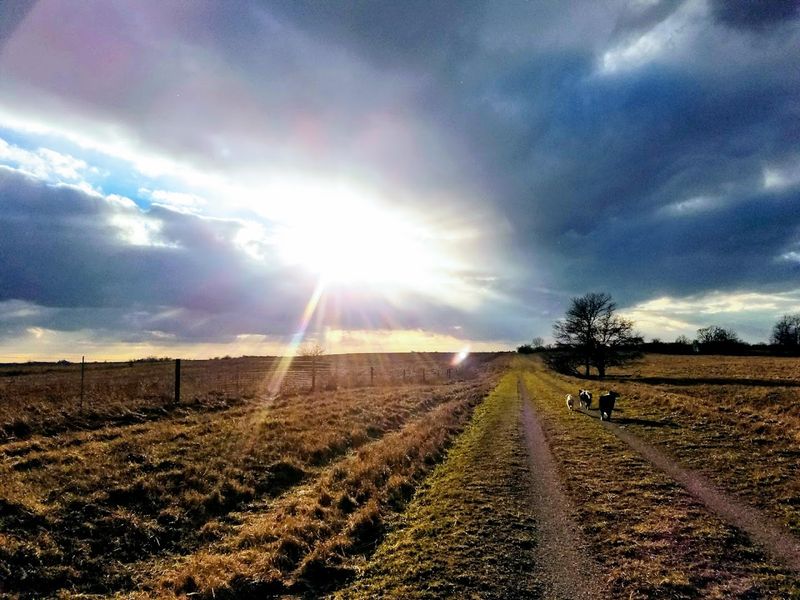
Midewin rewards photographers with subjects ranging from sweeping landscapes to tiny wildflower details. The open prairie creates those expansive views that look stunning in wide-angle shots, especially during golden hour when light transforms ordinary grass into flowing gold.
I noticed several photographers working the trails, including one creative soul photographing near the old arsenal buildings.
Wildflowers provide endless macro photography opportunities, with different species blooming throughout the growing season. The color contrasts between flowers, grasses, and sky create naturally vibrant compositions requiring minimal editing.
Bird photographers appreciate the variety of species and relatively open sightlines, though telephoto lenses become essential for capturing distant subjects.
The bison present the ultimate photography challenge, being both magnificent subjects and frustratingly elusive. When you do spot them, even distant shots capture their impressive presence against the prairie backdrop.
The old bunkers add an intriguing element, their weathered concrete contrasting beautifully with organic prairie growth. Sunrise and sunset offer the most dramatic lighting, though midday shots have their own stark beauty.
Bringing extra batteries and memory cards makes sense given the photographic abundance.
The panoramic views mentioned by several visitors create perfect opportunities for landscape photography, and the diverse butterfly population delights macro photographers willing to move slowly and patiently.
Supporting Prairie Restoration Efforts
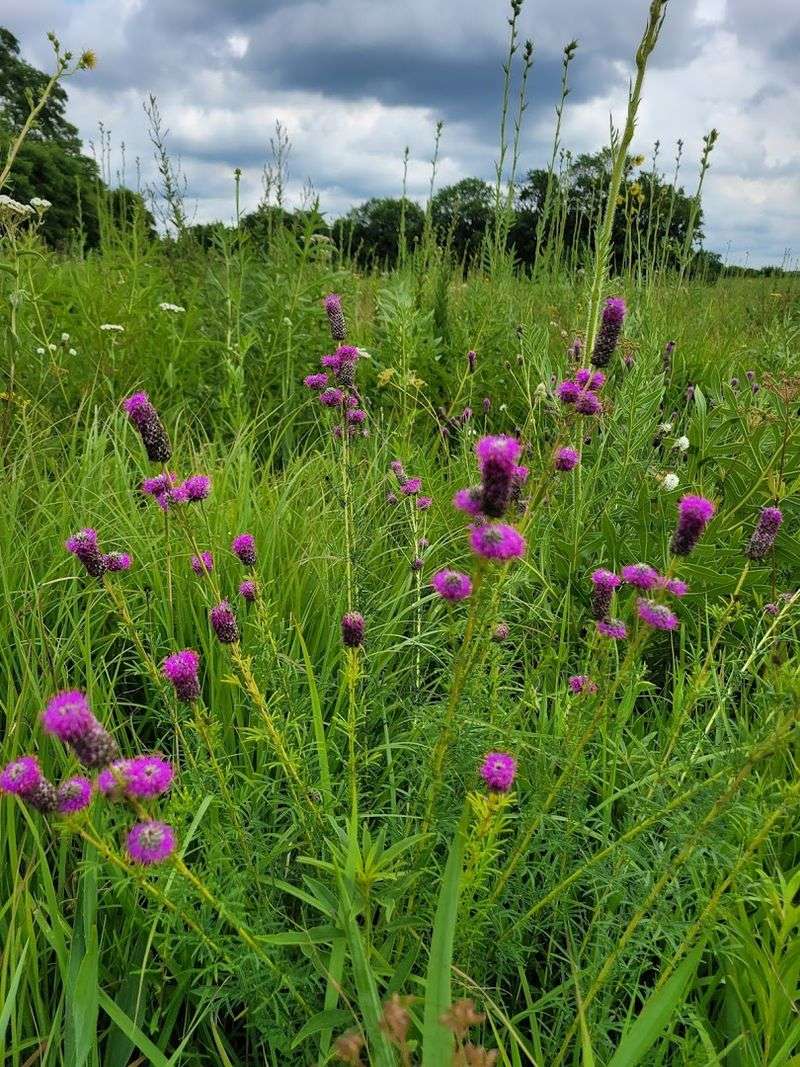
Every visit to Midewin supports ongoing restoration work transforming former military land back into thriving prairie ecosystem.
The scope of this project amazes anyone who understands ecological restoration, representing decades of careful planning, planting, and management. Purchasing items from the visitor center gift shop directly funds these efforts, making those adorable souvenirs serve a meaningful purpose beyond being cute.
The preserve needs public support now more than ever, as one passionate staff member reminded me. National forests and grasslands operate on tight budgets, relying partly on visitor fees and donations to continue their important work.
Simply showing up, following trail rules, and spreading the word about this remarkable place helps ensure its future. The restoration brings back native plants that disappeared from Illinois generations ago, recreating habitats for countless species.
Watching this ecosystem recover feels hopeful in an age of environmental challenges, proving that dedicated effort can reverse habitat loss. The bison themselves contribute to restoration, their grazing patterns helping native plants outcompete invasive species.
As a habitat restoration enthusiast, I left feeling inspired by what’s possible when people commit to healing landscapes. Supporting places like Midewin means supporting biodiversity, education, and the preservation of natural heritage for future generations to experience and enjoy.