
Wandering This Washington Heritage Museum Feels Like Walking A Frontier Main Street From 1900
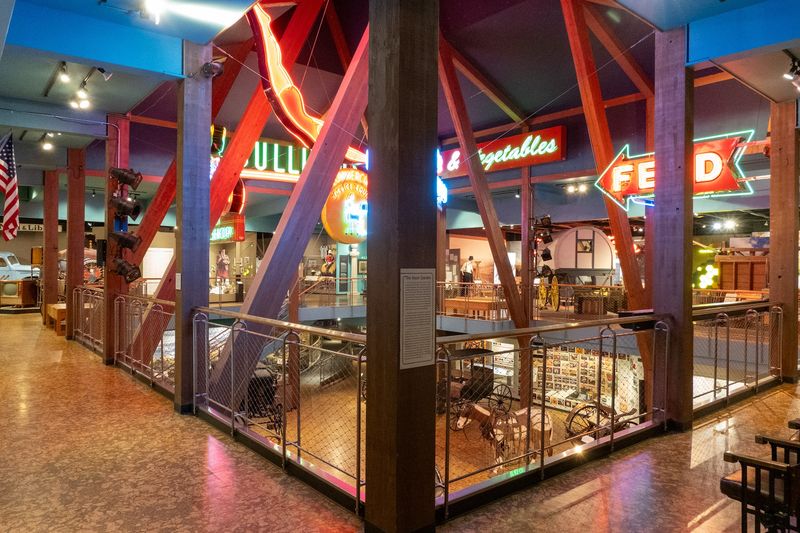
Glowing neon, creaky carriage wheels, and a pretend old-time town for kids all wait under one roof in central Washington. From the outside, the building looks like a modest brick-and-glass stop you might drive right past.
Inside, it unfolds into a surprisingly big journey through orchards, mountains, native culture, and the everyday life of an early frontier valley. For families and retirees hunting for an affordable, memory-rich day out, this one earns a spot on the weekend list.
A Valley Storehouse on Tieton Drive
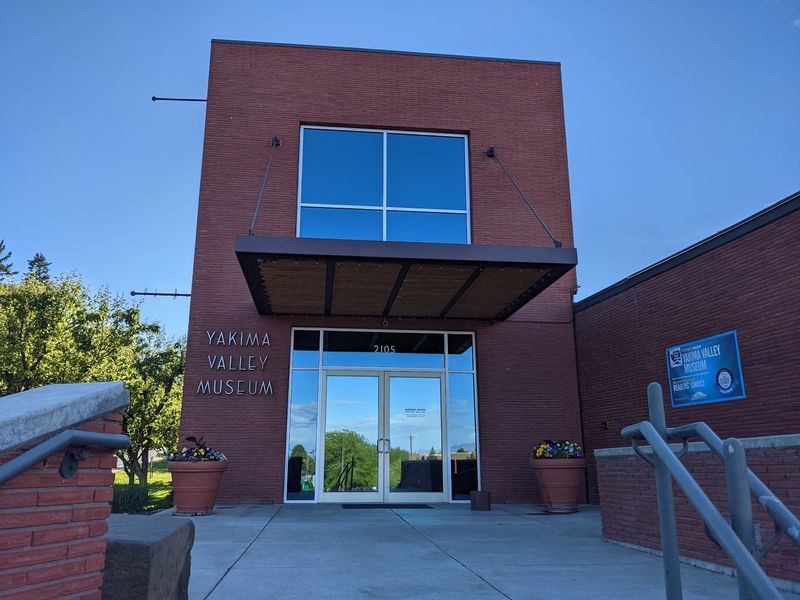
Yakima sits in the sunny heart of central Washington, and the Yakima Valley Museum sits in the heart of Yakima at 2105 W Tieton Dr. It is a regional history museum, but calling it just that undersells the place. The collection stretches from prehistoric geology to neon signs from living memory.
Visitors often walk in expecting a quick look and walk out hours later. Quite a large museum, many say, with two stories of displays and an elevator connecting them.
Every corner seems to hold one more surprise, whether that is a carriage, a mineral case, or a quiet room of local art.
The museum focuses on all things Yakima Valley, and it turns out the valley has plenty to brag about. Apples, early wagon travel, the Yakama people, mountaineering, and a famous Supreme Court justice all get their moment.
Broader Washington events appear too, including the eruption of Mount St. Helens.
For travelers heading toward the Columbia River Gorge or passing through on a longer road trip, it makes a smart first stop. Locals, meanwhile, treat it as a hometown treasure worth revisiting again and again, especially when special exhibits rotate through.
Frontier Roots of an Orchard Valley
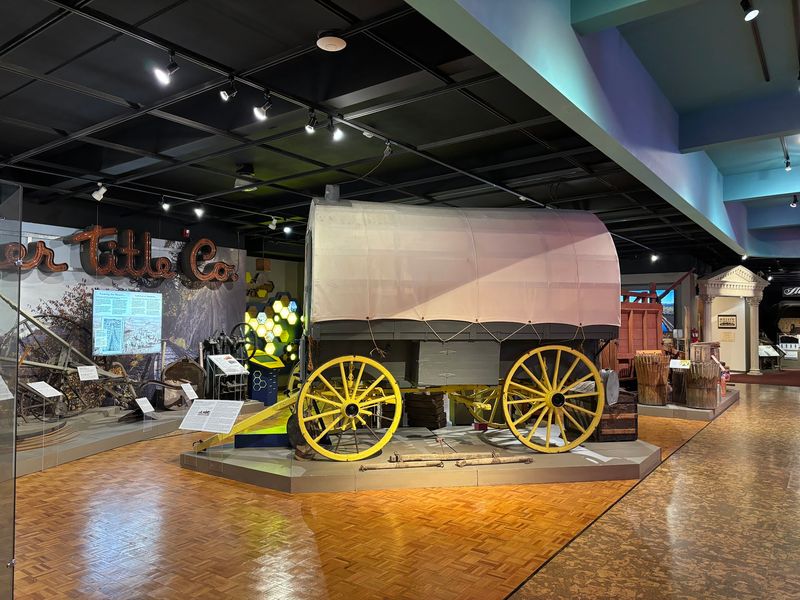
Long before fruit stands lined the highways, the valley was a stretch of dry land waiting on water, grit, and patience. The museum tells that story with care, following how the region grew from early settlement into the orchard country known today.
Pioneer life takes center stage in several galleries. Early wagon travel, homesteading, and the slow build of towns are laid out in clear, readable panels that suit both history buffs and curious kids.
Guests frequently mention how much they learn about how Yakima developed into the place they see now.
Walking these rooms feels a bit like strolling a main street around 1900, with tools, photos, and household objects that ground big history in daily routines. It is easy to imagine the dust, the long workdays, and the excitement of a first harvest.
Travelers who arrive knowing nothing about the area often call it the perfect introduction. One gallery leads naturally into the next, so the timeline never feels jumbled.
By the end, the valley outside the windows looks different, a landscape shaped by generations of hands rather than just a pretty drive through the Cascades rain shadow.
Carriages and Horse-Drawn Wheels
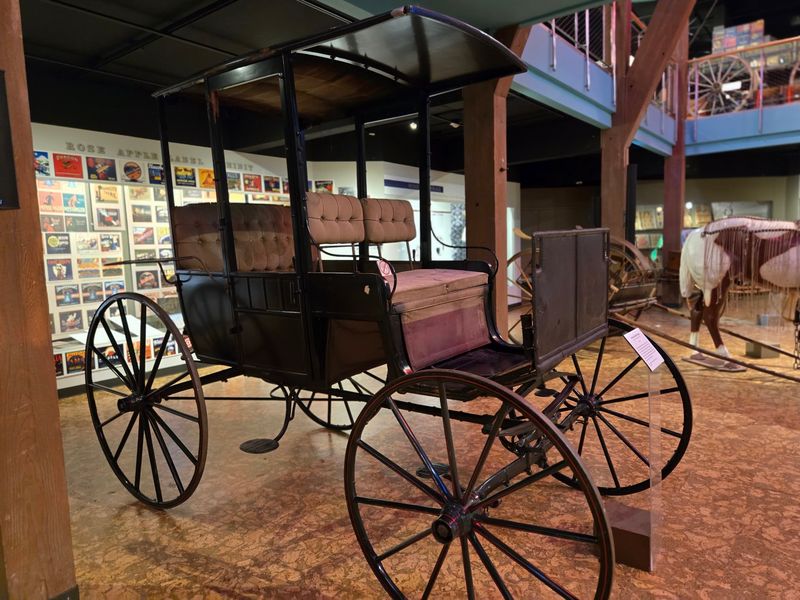
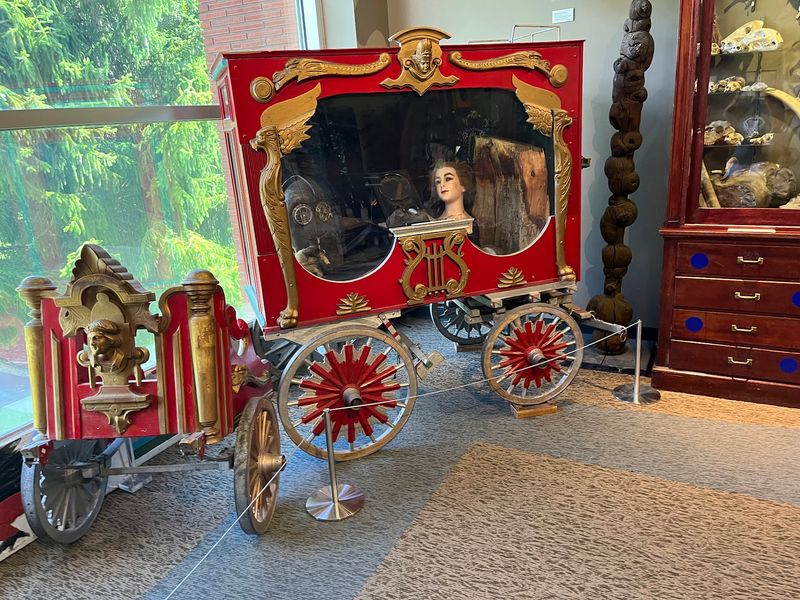
Wooden spokes, leather seats, and hand-painted trim fill one of the most talked-about spaces in the building. The horse-drawn vehicle collection ranks among the museum’s signature attractions, and it has real range.
What makes it special is how close you can get. Visitors appreciate being able to walk right up to the carriages and study the craftsmanship, from springs and axles to the tiny details on the lamps.
Photos never quite capture the scale of a full-sized wagon standing a few feet away.
Here is a fun surprise worth hunting down. Among the vehicles, guests have spotted what the museum presents as an early prototype of the modern RV, a clever reminder that road-trip dreams are far from new.
Retirees who have logged thousands of miles in campers tend to grin at that one.
A few old cars round out the transportation theme, bridging the gap between horse power and engine power. Together, they paint a picture of how people crossed this wide valley before paved roads.
Plan to linger, because each vehicle carries its own story about work, travel, and family outings of the past.
Neon Garden Glow
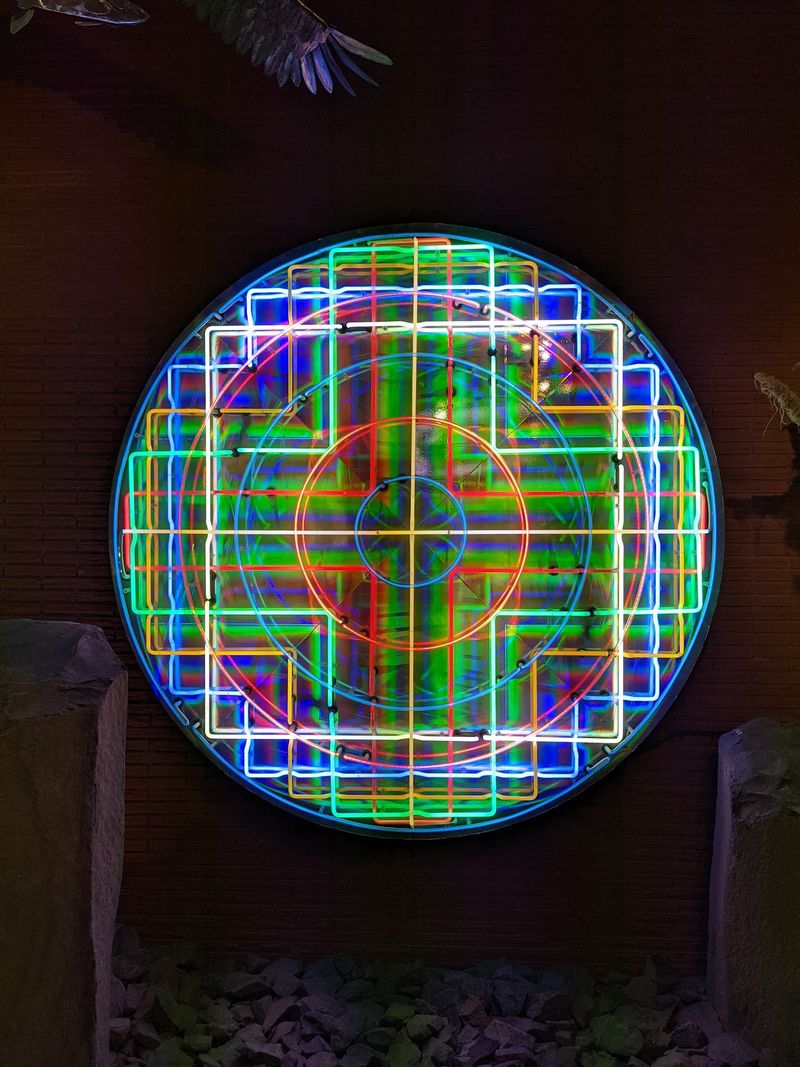
Pink, blue, and electric orange light spill across the room the moment you step into the neon garden. It is one of the most photogenic corners of the museum, and it sets a playful mood that contrasts nicely with the older galleries.
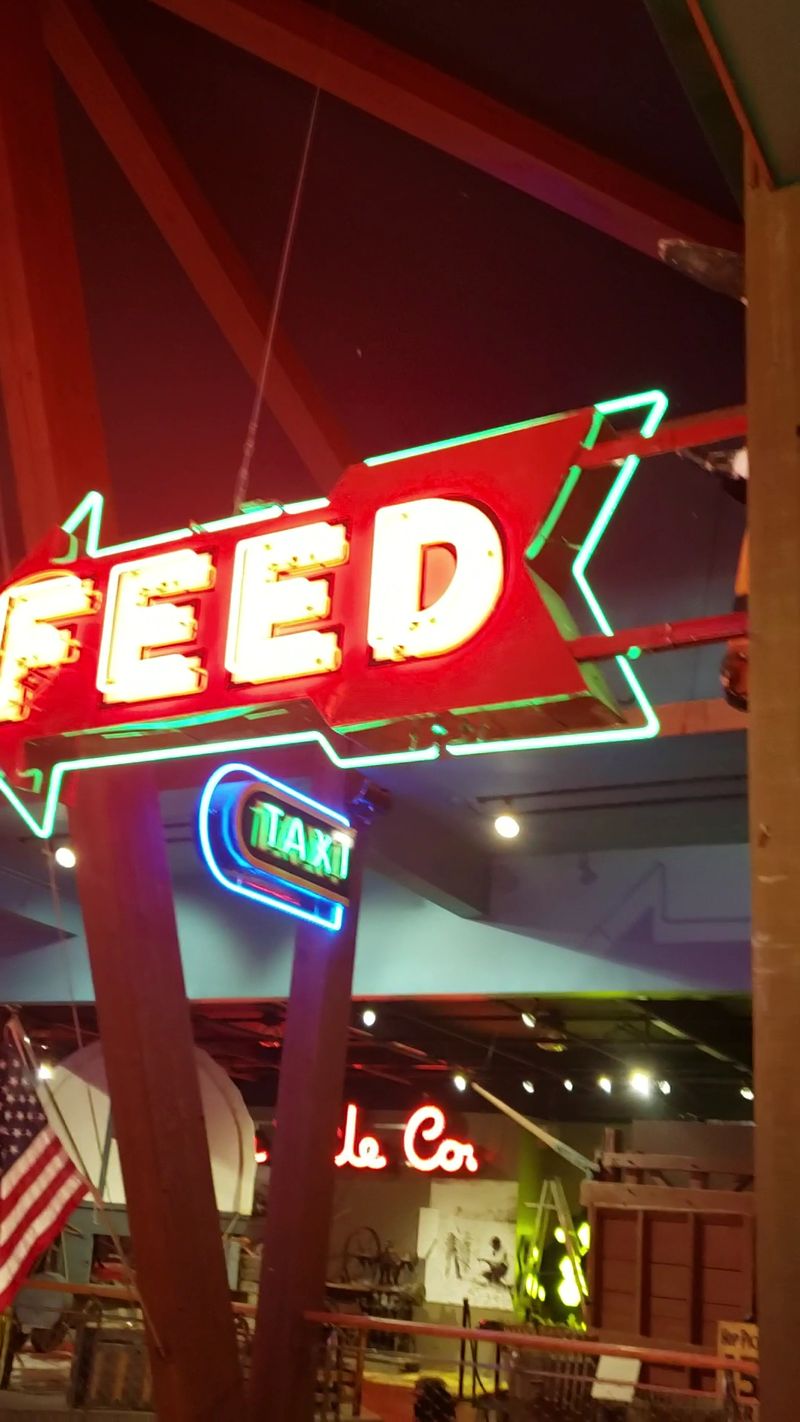
The collection gathers vintage signs, many of them tied to local businesses from decades past. Longtime residents often light up themselves when they recognize signs they remember from childhood.
For them, it is less an exhibit and more a trip down a familiar street.
Younger visitors love it for different reasons. The colors, the buzz, and the retro lettering feel almost like a movie set, and phones come out fast.
Grandparents can point out where a sign once hung while kids snap pictures, making it a sweet spot for sharing family stories.
Beyond the fun, the signs quietly tell a history of their own. They show how the valley shifted from wagon roads to highways, diners, and motels in the mid-1900s.
A frontier main street eventually grew bright lights, and this glowing room captures that next chapter in a way plain text panels never could.
Yakama Culture and Native History
Visitors keep repeating one piece of advice: do not miss the Native American history exhibits. The galleries devoted to the Yakama people are among the most meaningful in the museum, and they deserve unhurried attention.
These displays explore the culture of the people who lived in the valley long before any wagons arrived. Artifacts, descriptions, and thoughtful presentation help visitors understand traditions, daily life, and the deep connection between the Yakama and this land.
It adds essential perspective to the pioneer story told elsewhere in the building.
Guests often describe the layout as professional enough to rival national museums, and these rooms are a good example. Information is clear and respectful, so older kids can follow along while adults dig into the details.
Screens with educational videos in parts of the museum also help younger learners stay engaged.
Pairing this section with the settlement galleries gives the fullest picture of the region. Many travelers say it changed how they viewed the orchards and towns around them afterward.
Give yourself a quiet half hour here, since this is the kind of exhibit that stays with you long after the drive home.
Apples, Orchards, and a Working Beehive
Did you know the Yakima Valley ranks among the most famous apple regions in the country? The museum makes sure nobody leaves without learning why.
Its agriculture exhibits trace apple production and orchard farming from early efforts to the big industry of today.
Travelers who come specifically to understand local farming say this gallery delivers a great introduction. Panels explain how water, soil, and sunshine combined to turn a dry valley into fruit country.
For anyone who has bought Washington apples at a grocery store, it is a satisfying behind-the-scenes look.
Nearby, a working beehive adds a living touch. Many families count it as a highlight, watching bees shuffle through their comb behind glass.
Honest note, though: a few guests find the bees less exciting than expected, so it depends on your timing and your curiosity about insects.
Together, the orchard displays and the hive show how farming here depends on small helpers as much as big machines. Kids tend to connect the dots quickly between flowers, bees, and the fruit on the table.
It is simple science, beautifully tied to the landscape just outside the door.
Famous Faces, Mountains, and Volcanic Ash
Supreme Court Justice William O. Douglas grew up in Yakima, a fact that catches many visitors off guard.
The museum highlights his story along with other notable people connected to the valley, giving the region a bigger place on the national map than most expect.
Adventure fans have their own corner. A mountaineering exhibit celebrates climbing in the peaks that frame this part of Washington, with gear and stories that make you want to lace up hiking boots.
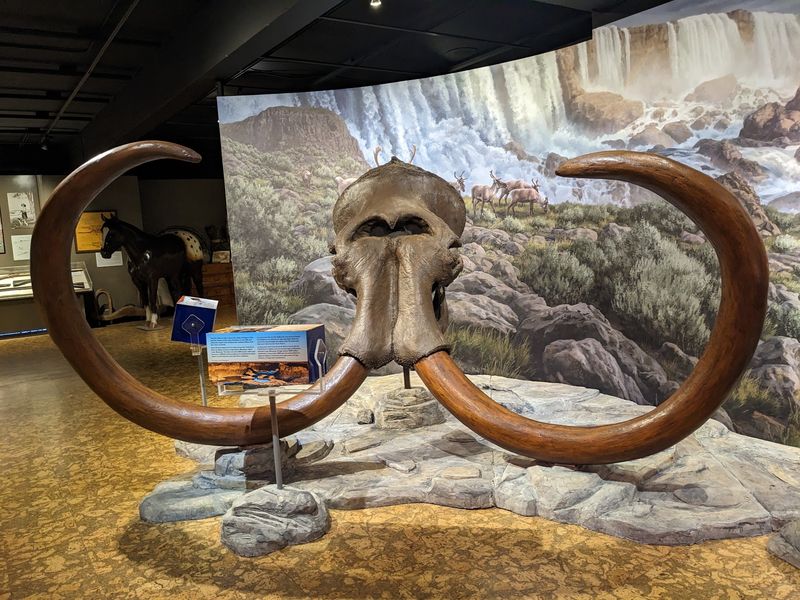
It pairs naturally with the museum’s geology displays, which reach back into prehistoric times.
Then there is Mount St. Helens. The 1980 eruption left a lasting mark across the state, and the museum covers it in a way that helps younger visitors understand what happened and why it mattered here.
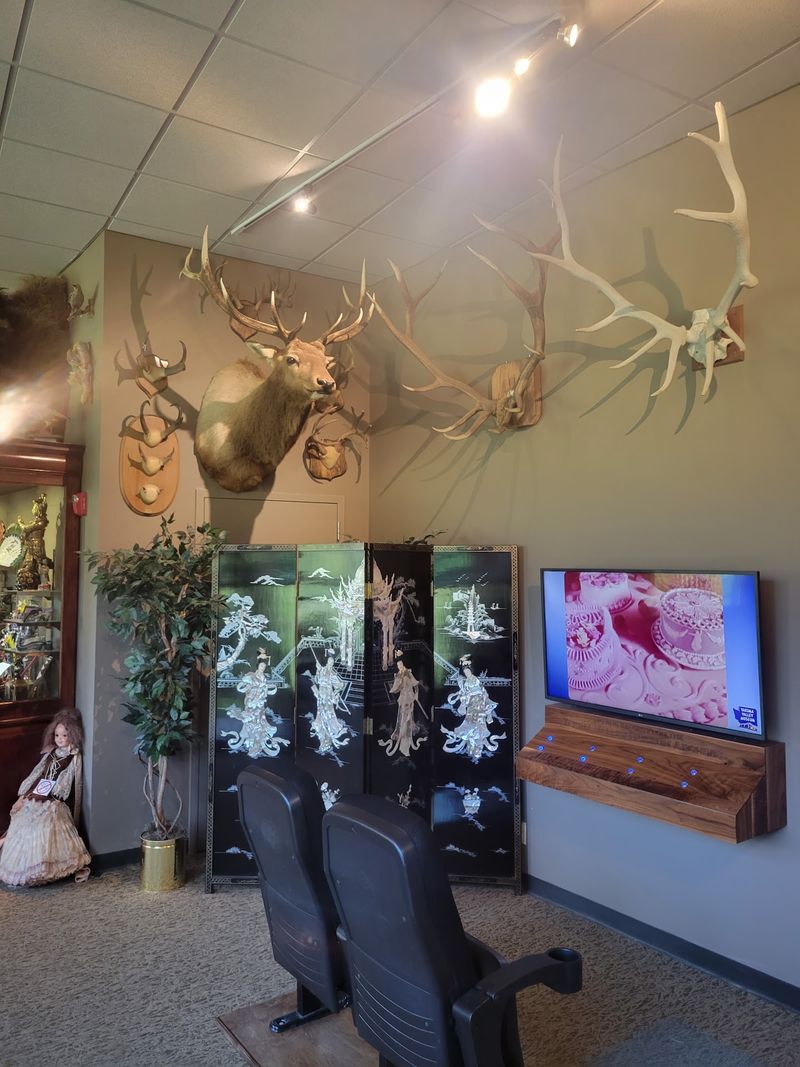
Rock lovers should save energy for the mineral and rock collection, which guests praise enthusiastically. A roomful of taxidermy adds a natural history twist, while a pen and pencil collection tucked in the back rewards careful explorers.
The mix feels delightfully eclectic, like a well-traveled relative’s attic organized by a professional curator with a sense of humor.
An Underground Pretend Town for Kids
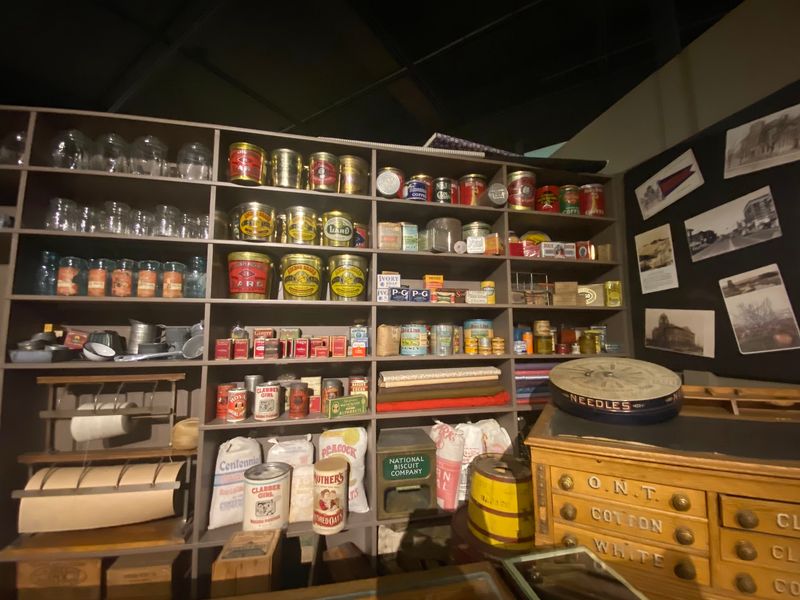
Downstairs, the museum turns into a pint-sized frontier village. The children’s discovery area, often called the underground play area, is by far the most mentioned feature among families, and it is easy to see why.
Little storefronts invite dress-up and make-believe, so kids can run their own olden-town main street. There is a mini library for quieter moments and even a live turtle that draws plenty of fans.
Some visitors also enjoyed building their own dinosaur landscape, proving adults can have fun here too.
Parents with kids ages three to seven report that everyone had a blast. It is a separate space, which means younger children can burn off energy while grown-ups recharge before heading back upstairs.
Staff describe it as a place for discovery, and families say their children beg to return.
For grandparents planning a day with the grandkids, this basement may be the secret weapon of the trip, minus any actual weapons, of course. On a hot Yakima summer afternoon, the air-conditioned play town offers a welcome cool escape.
Budget time here, because pulling kids away could take longer than planned.
Soda Fountain Sweets and Park Neighbors
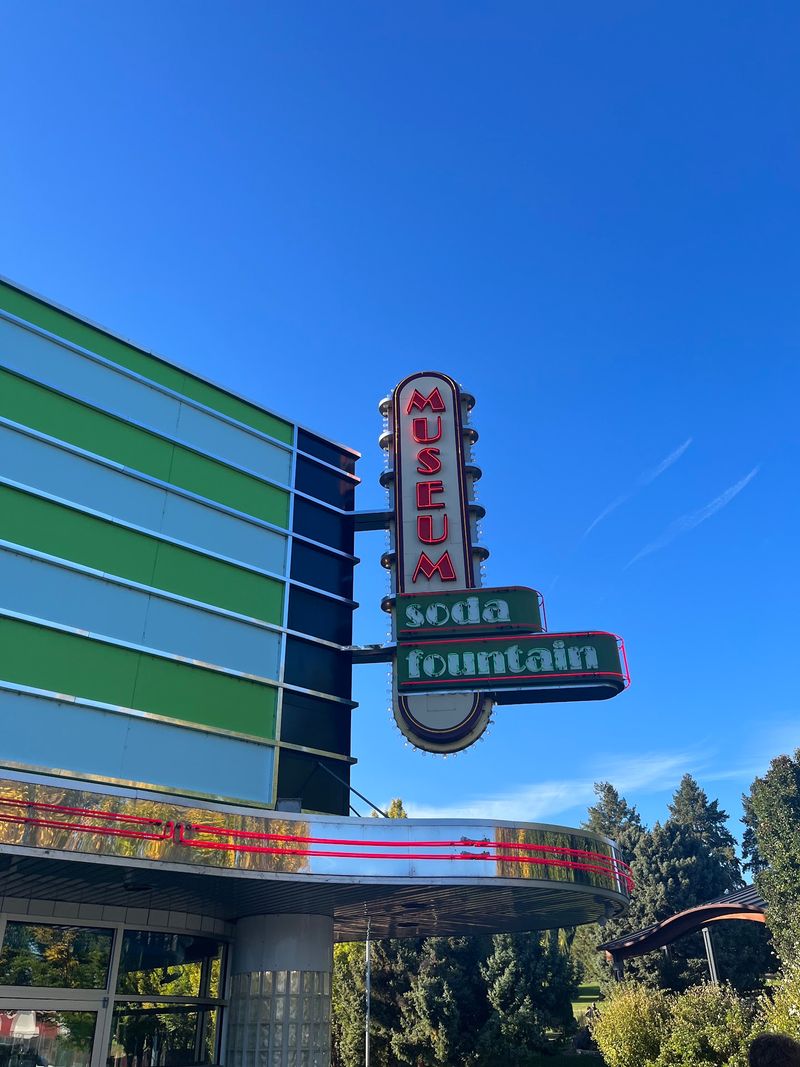
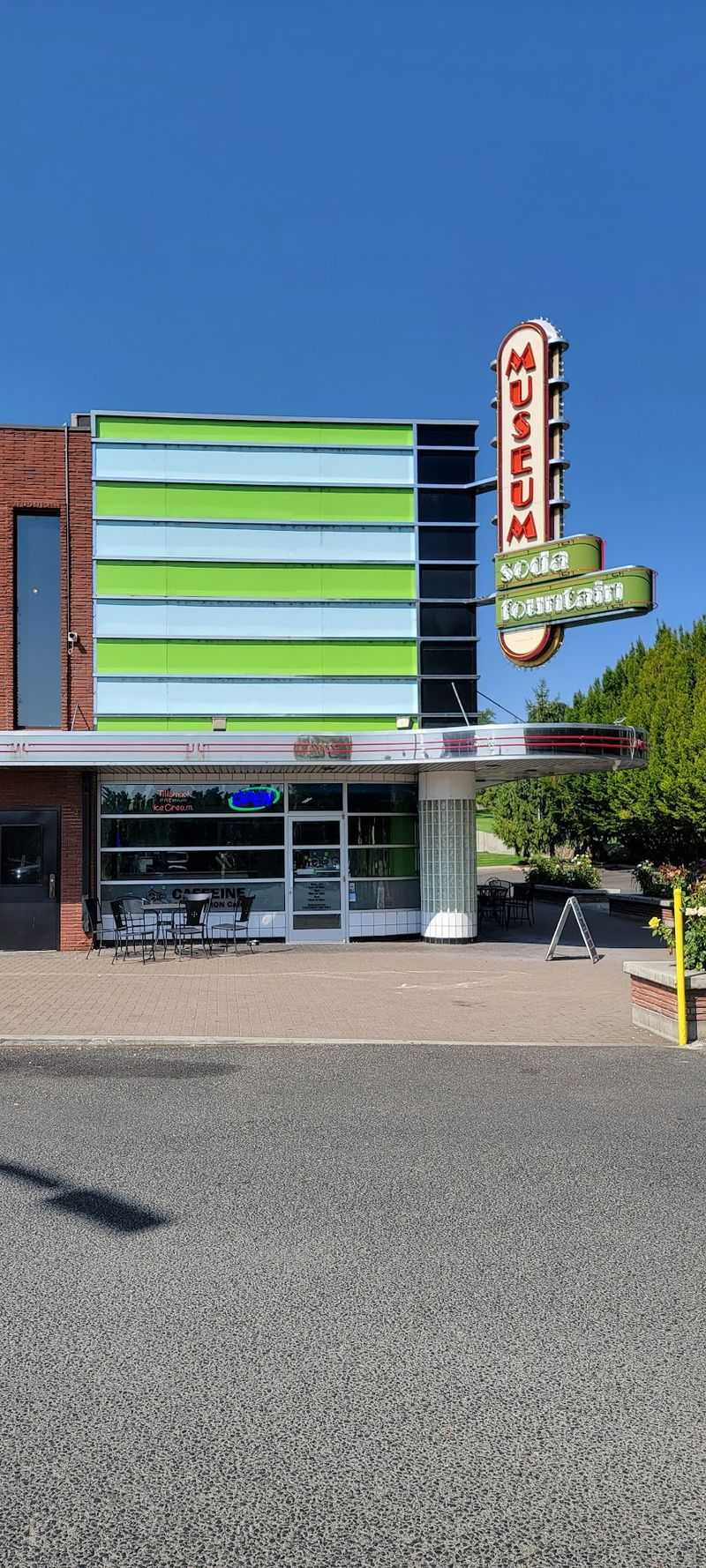
Few history museums come with dessert attached. Here, a soda fountain adjoins the building, adding a sweet, old-fashioned finish to the visit that fits the nostalgic theme perfectly.
Picture swapping frontier facts for an ice cream treat at a classic counter. It feels like the kind of outing grandparents remember from their own childhoods, which makes it an easy bridge between generations.
Kids who powered through the galleries tend to consider it a well-earned reward.
The location adds even more value. The museum sits next to a park and a swimming pool, so a well-planned day can stretch far beyond the exhibits.
Families can explore indoors in the heat of the afternoon, grab a cool snack, then let the kids stretch their legs outside.
That kind of stacking matters for budget-minded travelers. Instead of paying for several separate attractions, you can build a full, memory-rich day around one neighborhood on the west side of Yakima.
A picnic in the park, a stroll through history, and a scoop of something cold make for a simple, affordable plan that still feels special.
Hours, Tickets, and Easy Access
Planning ahead is simple. The museum opens Tuesday through Saturday from 10 AM to 5 PM and Sunday from noon to 5 PM, with Mondays closed.
That leaves plenty of weekend options for a spontaneous drive.
Admission has been reported at around $8 for adults, with a student ticket reported at about $5, so it may be worth confirming current pricing before you go. Visitors consistently call it cost friendly and well worth the trip.
Frequent guests suggest a membership, which covers admission for unlimited visits and can pay for itself after just a few trips.
Getting around is comfortable too. There is plenty of parking outside, including accessible spaces, and an elevator connects the two floors.
Restrooms sit right near the entrance, and a gift shop earns warm words from families looking for a small keepsake.
Staff at the front desk are known for being quick, friendly, and helpful. Some travelers even had their heavy gear held at the desk while they explored, a thoughtful touch for road-trippers.
Expect to spend at least two hours, though many say they could easily fill five or six if time allowed.
Worth the Detour Through Central Washington
Sometimes the most rewarding stops are the ones nobody hypes. People regularly drive two hours just to explore this museum, and many leave calling it the best local museum they have visited in years.
It works because it offers something for almost everyone. History lovers get detailed galleries on pioneers, the Yakama people, and orchard life.
Nostalgia seekers get glowing neon and antique carriages, while kids get a whole underground town to call their own.
Special exhibits change from trip to trip, keeping repeat visits fresh. Past surprises have included a beautiful display of quinceanera dresses and the work of local artist Phil Kooser, so there is often something new waiting even for longtime fans.
For retirees watching their budget and families craving a classic-Americana outing, it hits a sweet spot of price, comfort, and genuine discovery. Add the soda fountain, the neighboring park, and easy parking, and you have a full day that never feels rushed or expensive.
Walking out into the valley sunshine afterward, it is hard not to feel you just spent an afternoon on a frontier main street, and already want to come back.