
Warm Evenings Bring Out The Glowing Scorpions On This After-Dark Tour In The Arizona Desert
Point a special purple flashlight at the desert floor after sundown, and something wild happens: little scorpions light up like tiny blue-green jewels scattered across the sand. This glowing trick happens because a layer in their tough outer shell reacts to ultraviolet light, and Arizona is one of the best places on Earth to see it.
A short drive west of Tucson, a beloved outdoor museum turns its warm summer evenings into a stage for exactly this kind of after-dark wonder. Here is everything worth knowing before you grab a light and go hunting for glowing critters under the stars.
Where the Glow Happens West of Tucson
Just off Kinney Road at 2021 N Kinney Rd, about a dozen miles west of downtown Tucson, sits a place that folds a museum, a zoo, a botanical garden, an aviary, and a walking trail into one sprawling desert experience. Regulars call it a hidden gem, and the surprise on first-timers’ faces backs that up.
The grounds run right along the edge of the Tucson Mountains, so the setting feels like the real Sonoran Desert rather than a manicured park. That authenticity matters when night falls and the wild things come out.
Most of the property spreads outdoors across roughly 1.5 miles of easy loop trails with very little elevation. During cooler evening hours, that same open landscape becomes prime territory for spotting fluorescent scorpions and other nocturnal life.
Visitors consistently describe the whole property as far bigger than expected, with folks routinely spending three to four hours and still finding new corners. It earns a glowing 4.8-star reputation across more than twelve thousand reviews, and that reputation stretches from sunny mornings into its magical after-dark evenings.
A Living Portrait of the Sonoran Desert
Long before the flashlights come out, this place built its identity around one big idea: show people the Sonoran Desert as a whole living system, not a collection of cages. That vision shows in every winding path and open overlook.
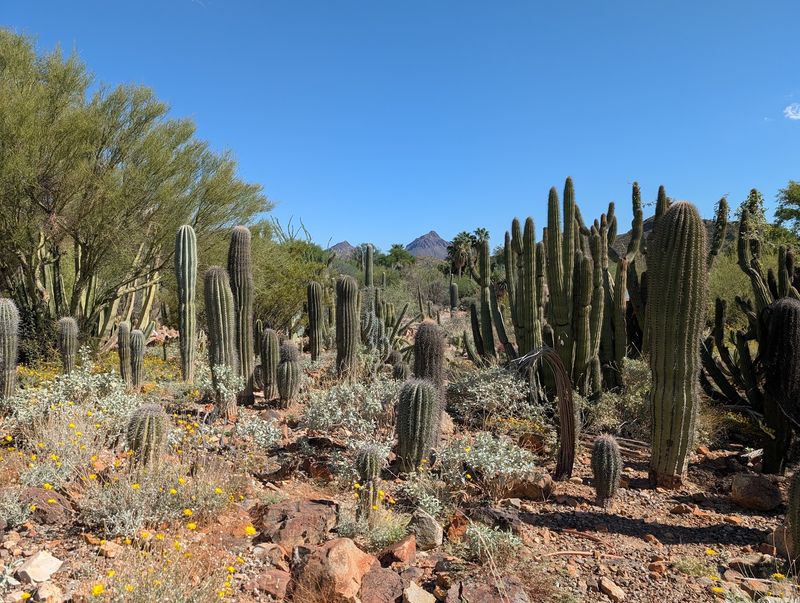
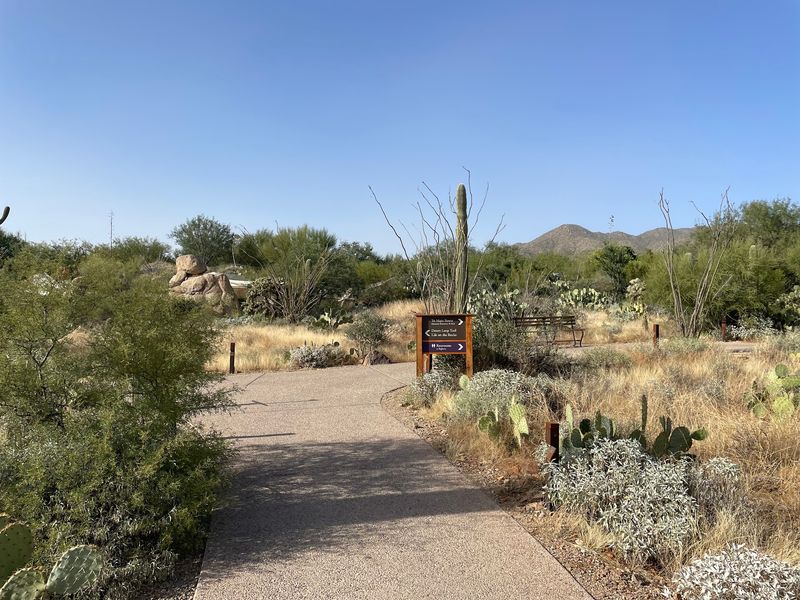
Walk the loop and you pass through exhibit houses, animal enclosures, biome observation decks, and stretches of natural desert that feel untouched. The design blends built shade shelters with sunny paths, and sculptures pop up between the cactus stands like little surprises.
People who have visited for decades say it keeps improving year after year. One longtime guest counted 35 years of return trips and swears it just keeps getting better.
What makes it click for so many is that you can enjoy it two ways. Treat it as a scenic desert stroll, or dig deep and learn something at every plaque and presentation.
That layered approach carries perfectly into the after-dark season, when the same trails you admired by day reveal a hidden nighttime cast of glowing scorpions and quiet desert dwellers you would never notice under the sun.
The Science Behind the Blue-Green Shimmer
Shine ordinary light on a scorpion and you see a plain brown creature. Switch to ultraviolet, and it suddenly blazes a ghostly blue-green, as if lit from within.
The magic lives in the scorpion’s exoskeleton. A tough outer band called the hyaline layer contains a substance that soaks up UV light and throws it back as visible fluorescence, turning each critter into a tiny glowing lantern.
Scientists still debate why they glow at all. Some think it acts as sunscreen against harsh UV rays, others suspect it helps scorpions signal one another, and a clever theory says the glow lets them sense UV levels so they know when it is dark enough to safely emerge.
Whatever the reason, the effect is unforgettable in person. Against black desert sand, that shimmer looks less like a bug and more like a scattered handful of neon gems.
Understanding the trick makes the hunt more thrilling. Every sweep of a UV beam becomes a small experiment, and every flash of blue-green feels like catching nature quietly showing off one of its strangest party pieces.
Meet Arizona’s Cast of Glowing Scorpions
Not all glowing scorpions are the same, and Arizona hosts a surprisingly varied lineup. Learning who is who adds a fun layer to any night walk.
The Arizona giant hairy scorpion holds the crown as the largest scorpion in North America, an imposing sight when its wide body lights up under UV. Despite the size, its glow is just as delicate as its smaller cousins.
More common are the Arizona stripe-tailed and yellow ground scorpions, the little residents you are most likely to spot tucked into cracks and along rocky edges. Each species throws its own subtle shade of luminescence.
You will also hear about the Arizona bark scorpion, notable as the only U.S. species of real medical concern. Guides know exactly how to point them out safely so you can admire the glow from a respectful distance.
Half the fun is realizing how many of these creatures share the ground beneath your feet every night, completely invisible until that purple beam sweeps across them. Once you start counting, the desert stops feeling empty and starts feeling wonderfully, quietly crowded.
Cool Summer Nights After the Gates Reopen
During the warmer stretch of the year, this museum flips its schedule and throws open the gates again for special evening hours, and guests rave about the change of pace.
Folks who caught the cool summer nights describe them as awesome, with animals more active, a good dinner on-site, and that special buzz of exploring after regular closing time. One devoted fan called it their favorite museum ever, returning every single Tucson visit.
Evenings solve the desert’s biggest daytime hurdle: the heat. When the sun drops, temperatures ease, the trails feel comfortable, and nocturnal creatures that hide during scorching afternoons finally come out to play.
The warm-weather evening series has also included free programming, which fits the budget-minded spirit that Arizona locals love. A memorable night out without a hefty price tag is exactly the kind of worth-the-drive discovery worth saving.
Timing your visit for these after-hours events unlocks the desert’s secret side, from glowing scorpions to a sky full of stars far from city glare. Come later rather than earlier, and you trade midday sweat for genuine desert enchantment.
Stars Overhead and an Astronomy Corner
Look up during an evening visit and the payoff doubles. Far from Tucson’s brightest lights, the sky opens into a dense scatter of stars that city dwellers rarely get to enjoy.
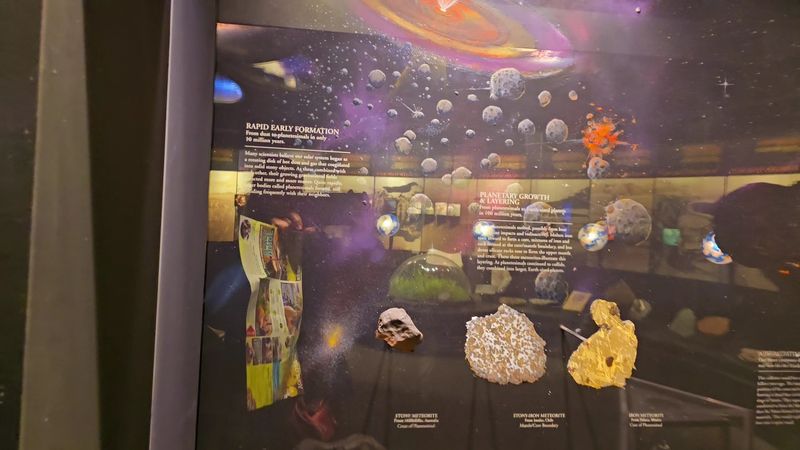
The property includes an astronomy area where you can pause between scorpion sightings to take in the wider universe. Pairing luminous critters at your feet with a glittering sky overhead makes for a rare double feature of natural wonder.
One guest wished the astronomy zone had red lights, which protect night vision better than white ones, so it helps to let your eyes fully adjust to the dark before expecting the faintest stars to appear.
That combination of ground-level glow and celestial grandeur is what long-time visitors mean when they say the evening experience feels elevated. It is not just a walk; it is a slow, quiet marvel in two directions at once.
Bring a little patience and a comfy attitude. Standing still under a desert sky, letting scorpions shimmer nearby while constellations sharpen above, delivers the kind of unhurried everyday magic that sticks with you long after you drive home.
The Reptile House and Its Rattlesnake Stars
Scorpions may steal the after-dark spotlight, but the reptile house keeps its own loyal following, and for good reason. Guests repeatedly name it a highlight of the whole property.
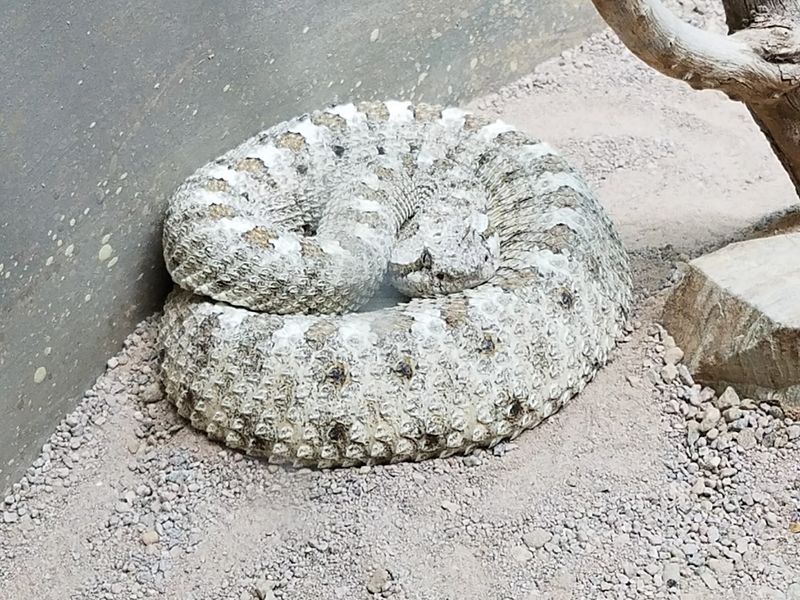
Live reptile presentations pull in crowds when a naturalist brings out rattlesnakes and a Gila monster while fielding questions from a rapt audience. Getting that close to creatures most people only glimpse in nightmares turns fear into fascination fast.
Inside the reptile house you will also find snakes, lizards, and toads tucked into thoughtfully built habitats. It rounds out the desert’s slithery, scaly side in a cool, comfortable setting.
Families especially love this stop. One dad singled out the reptile spot with the Gila monster and endless lizards as his personal favorite, proof that the exhibit charms grown-ups as much as kids.
The appeal ties neatly into a night visit, since so many desert reptiles are creatures of dusk and dark. Learning to recognize a Gila monster or a coiled rattlesnake by day makes you far more curious, and far more careful, once you are wandering the trails after sunset.
Packrat Playhouse and the Cool Underground Cave
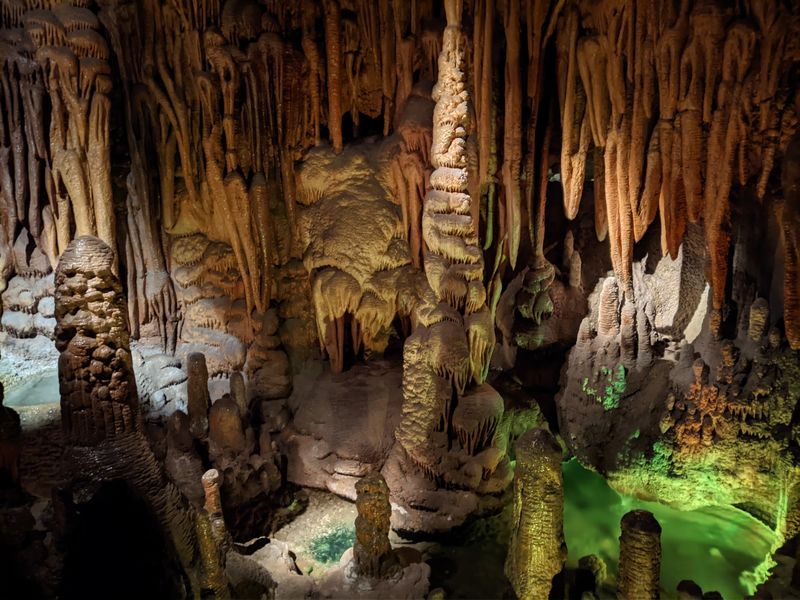
When the desert cranks up the heat, one shady escape wins over families every time: the underground Packrat Playhouse and its neighboring cave.
Parents describe the playhouse as dark, cool, and packed with things for kids to climb and explore. One family joked they could barely coax their children out, only managing it with the promise of petting stingrays next.
The cave section earns steady amazement for its detail. Guests call it fun to spelunk through, with a looping path that makes you feel like a real explorer without any actual danger.
Even during the hottest parts of a visit, this shaded, underground world offers welcome relief. It is a reminder that the museum designers thought carefully about comfort, placing cool retreats near every sun-soaked stretch.
For an evening trip, these spaces still shine as a break from walking and a fun contrast to the open trails. Ducking into a cave, then stepping back out under a starry sky to sweep your UV light across the sand, keeps the whole night feeling like a series of small adventures rather than one long stroll.
Stingray Touch and the Little Aquarium
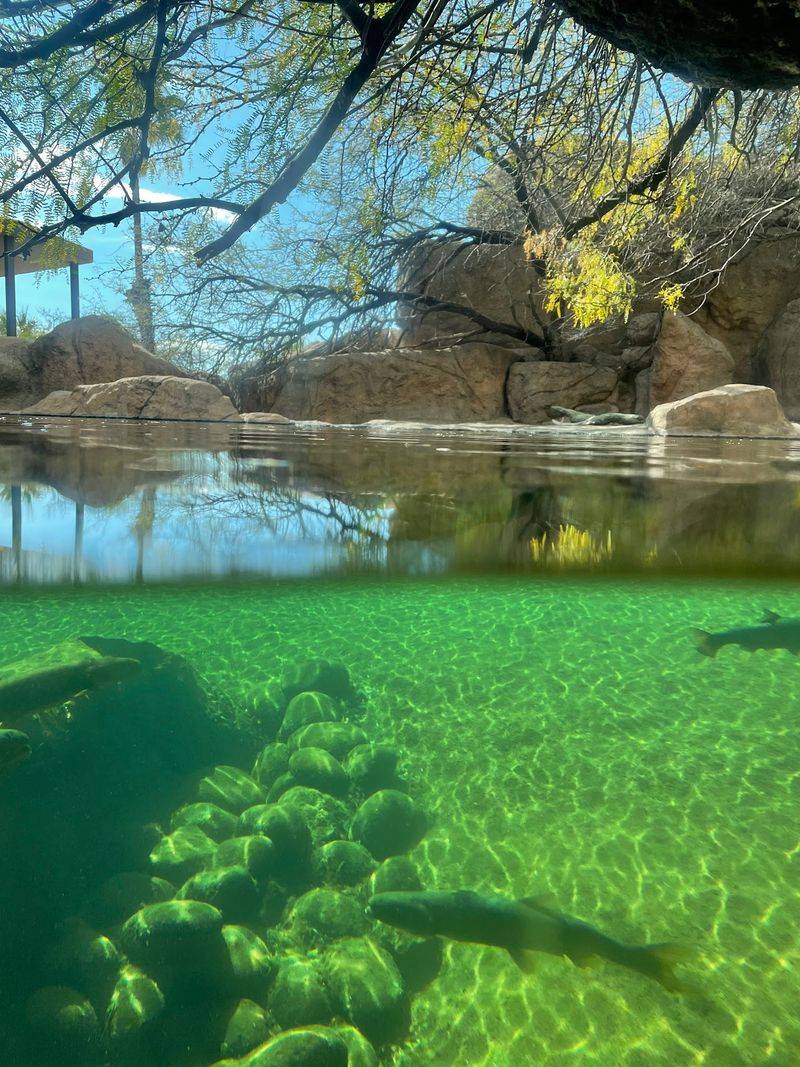
A desert aquarium sounds like a contradiction, yet it turns out to be one of the property’s most beloved surprises. The Stingray Touch pool alone draws heaps of affection.
Gliding your hand into the shallow water to feel a stingray slide past ranks as a top highlight for many families. Do note it costs a little extra: non-members pay a small fee to touch and another to feed, while members pay even less, and regulars insist it is worth every cent.
Nearby, the small aquarium and reptile area hides its own gems. Seahorses bob quietly behind the glass, delighting guests who never expected sea creatures in the middle of Arizona.
The touch pool does run on staff schedules, so plan around its hours and expect a friendly crowd. It consistently lands on people’s lists of favorite moments, especially with children.
Pairing a wet, hands-on stingray encounter with a dry, glowing scorpion hunt makes for a wonderfully varied outing. Few desert destinations let you pet a ray and spotlight fluorescent arachnids in the same visit, which is exactly why folks keep coming back.
Raptors, Hummingbirds, and the Walk-Through Aviary
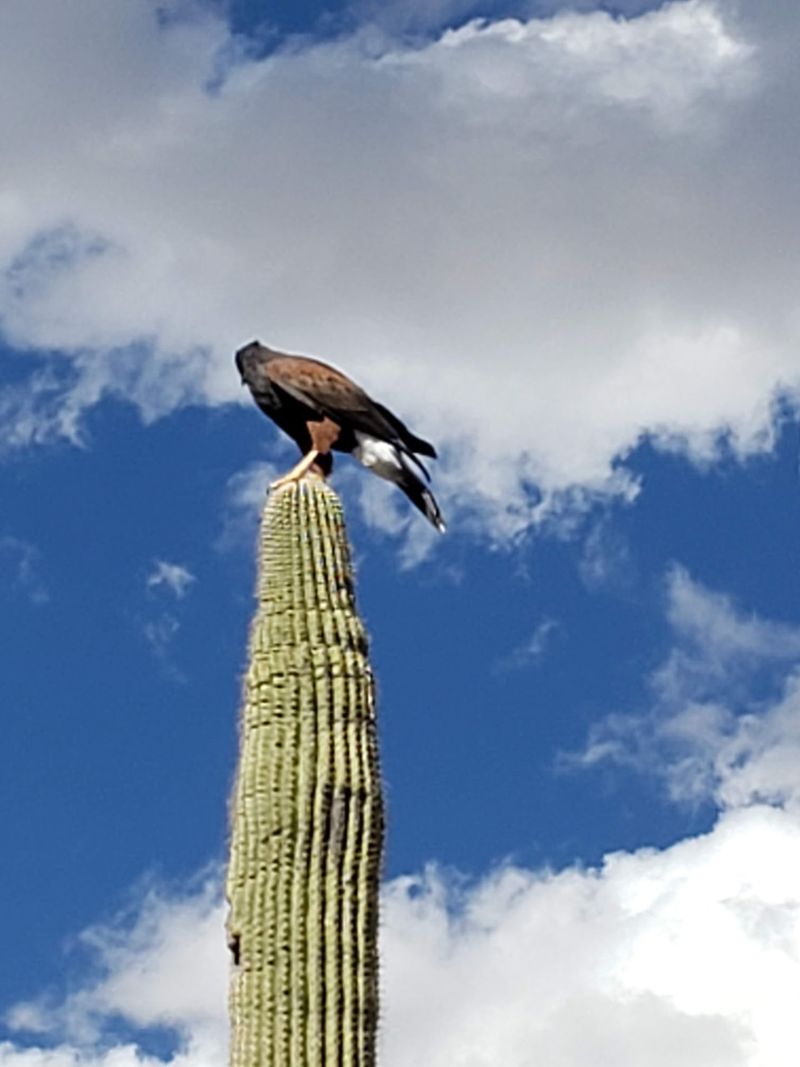
Birds command a huge share of the wonder here, from the tiniest wings to the widest. The walk-through aviary buzzes with hummingbirds that zip inches from your face, a favorite mentioned again and again.
The Raptor Free Flight show draws big daytime crowds, with birds swooping close over seated guests. Fair warning from visitors: it moves at a slow, talky pace, and in peak summer heat the daytime version can feel long, so shaded timing or cooler evening hours make it far more pleasant.
Stepping into the aviary feels like entering a secret garden alive with fluttering color. It is one of those low-effort, high-reward stops that even reluctant walkers enjoy.
The raptor experience shines brightest when you plan around the weather, catching it when temperatures ease rather than sitting through midday sun. Comfort makes all the difference between a magical show and a long wait.
By evening, the bird world quiets while the scorpions wake, giving your day a natural rhythm. Watch graceful raptors and jeweled hummingbirds as the light fades, then trade feathers for fluorescence once darkness settles over the desert.
Javelinas, Mountain Lions, and Desert Wildlife
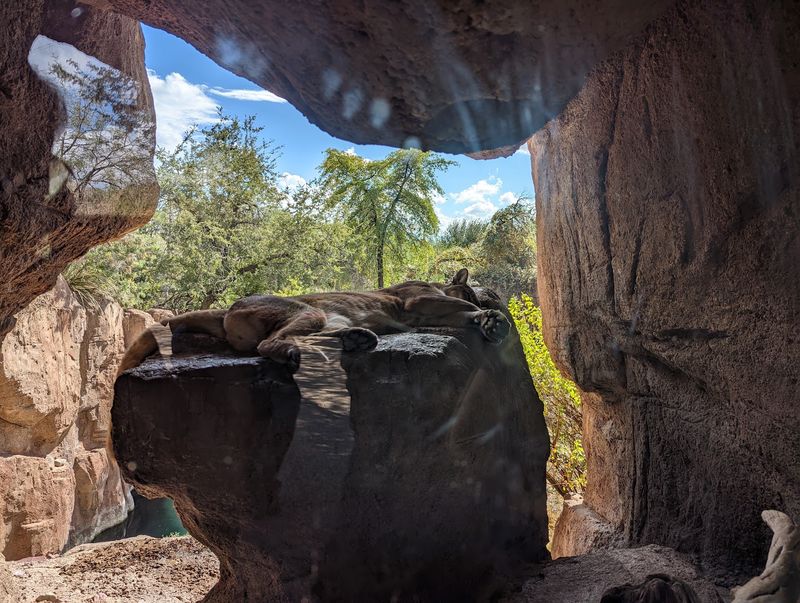
Beyond the tiny glowing residents, this place packs a full roster of charismatic desert animals into its naturalistic enclosures. Spotting them becomes a happy scavenger hunt.
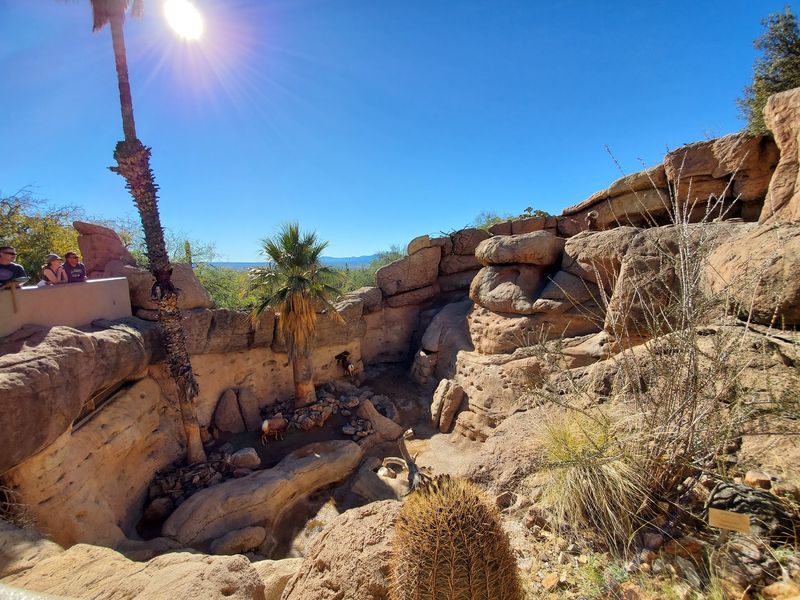
Javelinas steal hearts, especially when adorable babies trot alongside the adults. Bighorn sheep scale rocky ledges, and lucky guests catch mountain lions, though the big cats often nap in shade during hot afternoons, another point in favor of cooler visits.
Wander the riparian section and you might find otters and beavers near the water, a startling contrast to the surrounding dry desert. Even a rare wolf sighting has thrilled visitors hoping to see one up close.
Patience pays off enormously here. Guests who slowed down and stayed quiet away from noisy crowds report spotting the most beautiful, elusive critters, from lounging cats to hidden lizards.
The animals live in habitats built to mimic the wild, so views come with a genuine sense of discovery rather than a checklist. When you visit as the day cools, more creatures stir and roam, meaning your odds of a memorable encounter climb right alongside the odds of catching a scorpion aglow after dark.
Cactus Gardens and Saguaro Secrets
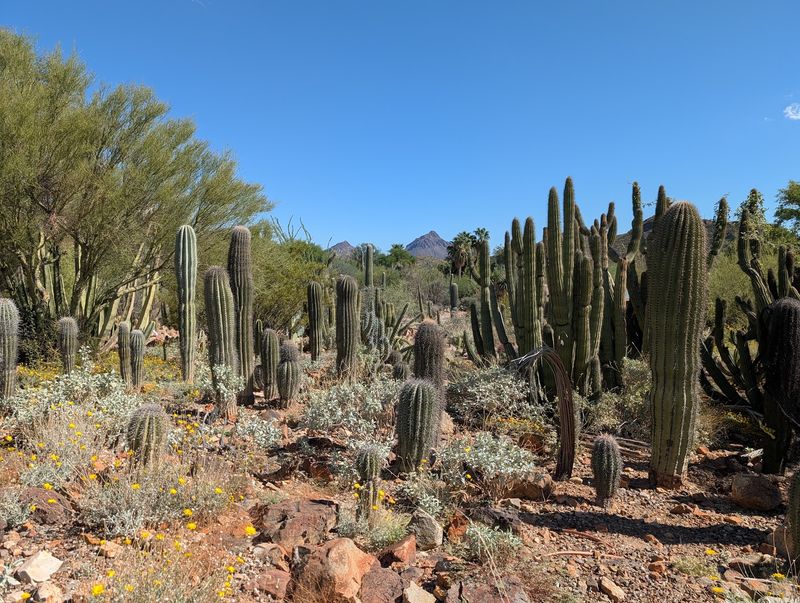
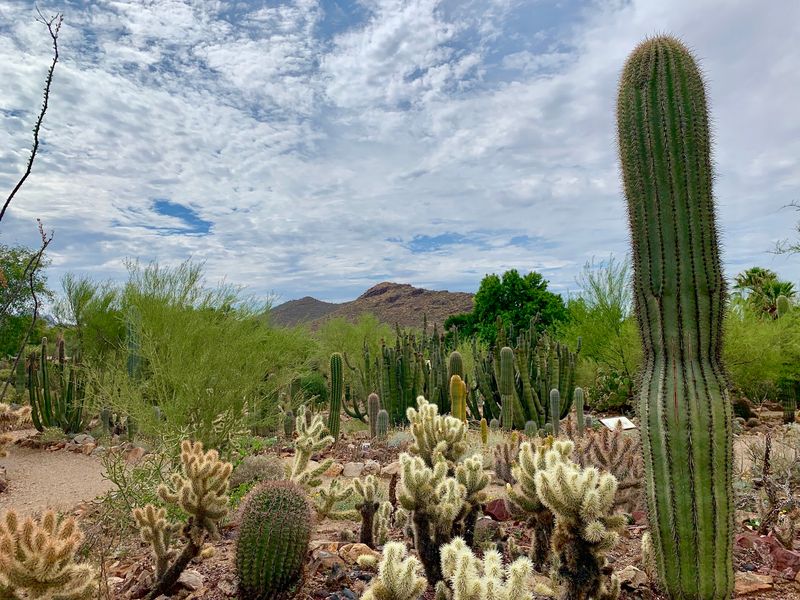
Plants get their moment to shine right alongside the animals, and the botanical side of this property leaves guests genuinely awestruck. The cactus garden anchors it all.
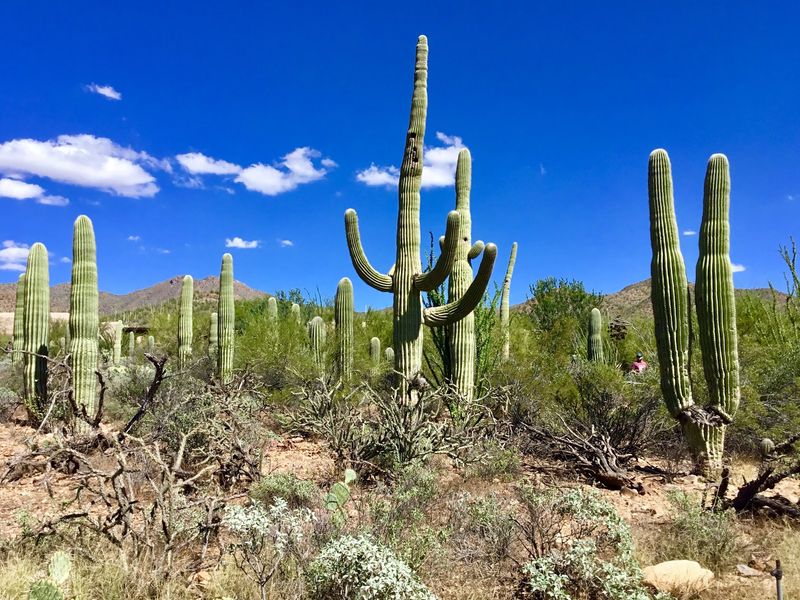
Rows of saguaros, prickly pear, and desert blooms line the paths, and in spring the wildflowers explode into color. Volunteer guides love sharing surprising facts about the mighty saguaro, and visitors walk away amazed at how intriguing a single cactus can be.
What people appreciate most is that the grounds do not feel like a fussy, manicured garden. Instead they feel like a genuine slice of wild Sonoran habitat, complete with lizards darting across the trail.
Interpretive signs and plaques dot the walkways, rewarding anyone who slows down to read them. The gift shop even sells cactus candy, a quirky souvenir that captures the desert’s flavor.
Under evening light, these same gardens take on a softer, more mysterious mood. Towering saguaro silhouettes against a darkening sky make the perfect backdrop for a scorpion hunt, blending the desert’s living scenery with its hidden after-dark glow into one seamless, unforgettable stroll.
Hours, Prices, and Getting There
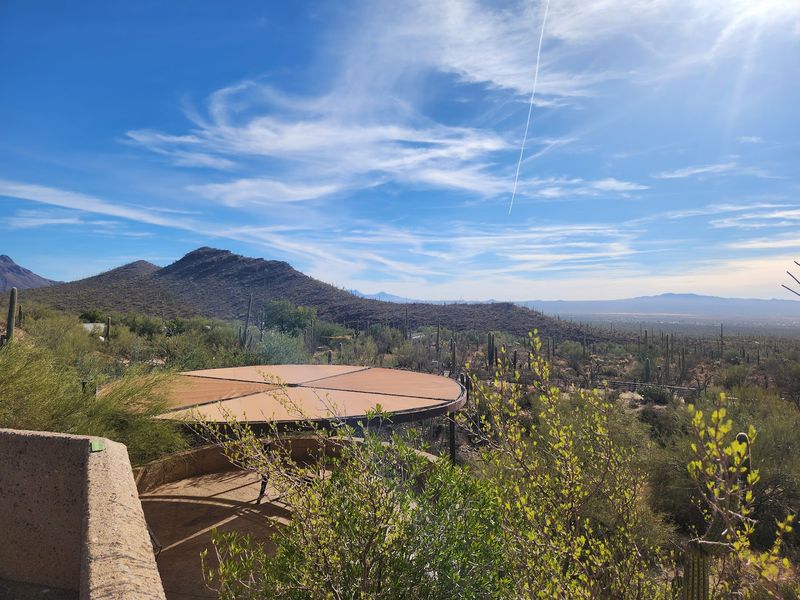
Planning smooths out any desert adventure, and this one rewards a little forethought. During regular season the museum opens at 7:30 AM and closes at 4 PM, seven days a week.
For warm-weather visits, arriving right at 7:30 opening beats the heat, though seasonal evening events flip that advice and reward showing up later. Either way, budget three to four hours, since nearly everyone underestimates the size.
The location sits at 2021 N Kinney Rd, roughly a dozen miles west of Tucson near Saguaro National Park. Parking spreads across large lots with plenty of room, though you may walk a bit from your spot.
Guests describe admission as reasonable and repeatedly say it is worth the price, with many buying tickets online to skip the entry line. The Stingray Touch pool carries a small separate fee.
Most trails run flat and paved with only gentle slopes, and wheelchair users manage much of the loop, though a few narrow underground spots may not work for everyone. Water refill stations sit throughout, so bring a refillable bottle, sunscreen, a hat, and comfortable closed-toed shoes.
Why the After-Dark Desert Is Worth the Drive
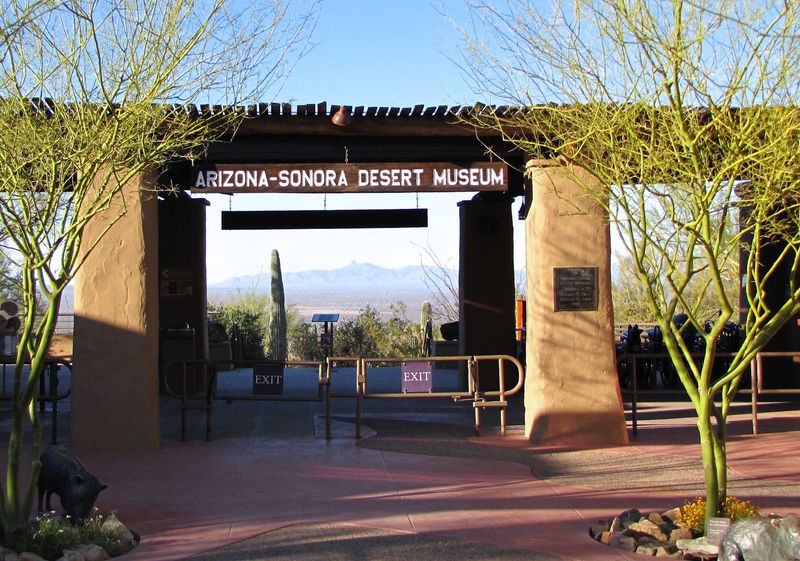
Some outings you forget by the next morning; a night spent watching scorpions glow is not one of them. That flash of blue-green in your flashlight beam lodges itself in your memory for good.
What makes this particular spot special is how much it stacks into one place. A museum, a zoo, botanical gardens, an aviary, and a genuine desert trail all wrap together, then transform after hours into a stage for nocturnal wonder.
Longtime Tucson visitors return year after year, some for decades, calling it their favorite museum anywhere. Newcomers arrive with zero expectations and leave planning their next trip, which tells you everything.
Warm evenings are the secret window. Cooler temperatures, active animals, a sky thick with stars, and those luminous scorpions add up to an experience that feels both educational and a little enchanted.
If you love hidden, affordable, slightly magical corners of Arizona, this one earns its reputation and then some. Grab a UV light, wait for the desert to darken, and let it show you the shimmering secret hiding in plain sight just west of Tucson.