
Washington Is Home To A Mermaid Museum And Yes, It’s Every Bit As Magical As It Sounds
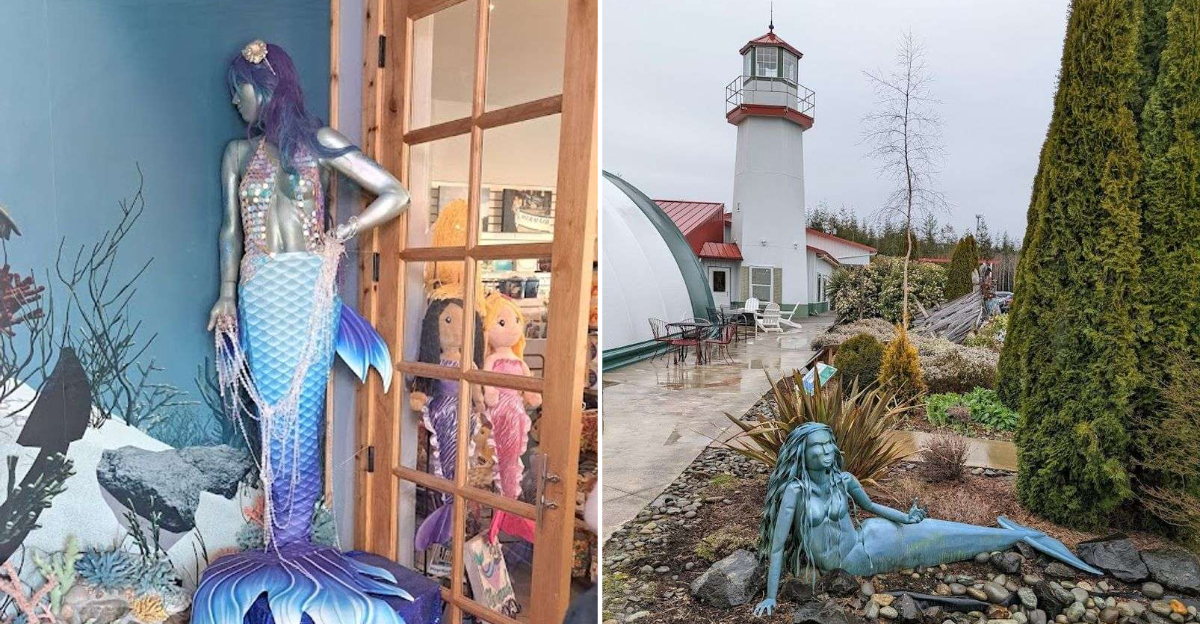
A mermaid museum in Washington sounds like something a child invented during a long car ride, which is precisely why I wanted to know everything about it.
There is a certain joy in finding a place that does not take the usual travel-script route. No grand mountain overlook, no polished city attraction, no predictable little stop with a gift shop full of magnets.
This one dives straight into mythology, ocean mystery, folklore, imagination, and just enough sparkle to make the whole idea feel irresistible.
I love a destination that gives you permission to be curious without overexplaining yourself. Sometimes the best road trip stop is not the most serious one.
Sometimes it is the place that makes you grin before you even walk inside.
How Ocean Myths Found A Home In Washington
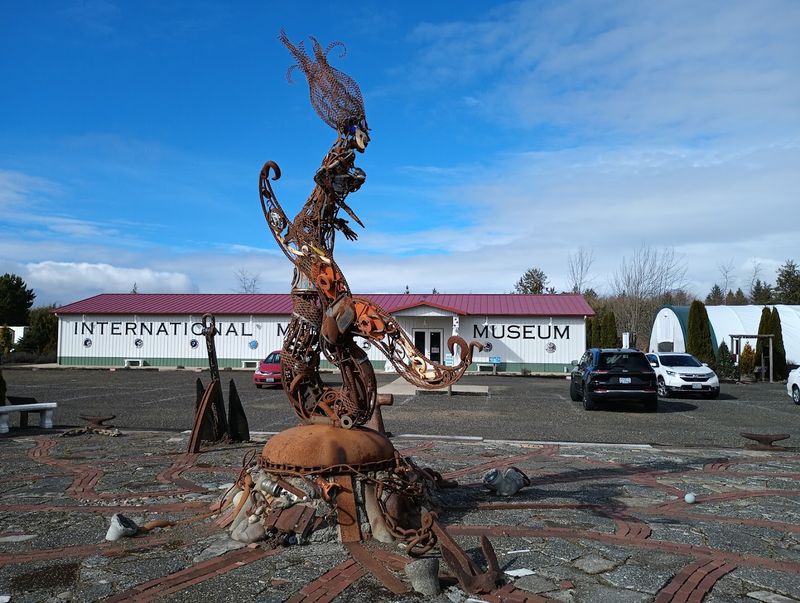
Before a single exhibit was installed, this museum existed as a bold idea in the mind of Kim Roberts, an architect, author, and pioneering boat captain who co-owns the Westport Garden Resort with her husband.
She envisioned a space where ocean ecology could be taught not through dry textbooks, but through the rich, cross-cultural stories humans have told about the sea for thousands of years.
The museum officially opened on March 29, 2021, and it operates as a registered 501(c)3 nonprofit organization. That means every admission dollar supports the mission of connecting people to ocean science in a genuinely fun way.
Roberts brought her architectural background to the interior design, creating an environment that feels immersive and intentional rather than slapped together.
You immediately sense that someone with real creative vision built this place from a place of passion. That energy is contagious from the very first step inside.
The Setting On Highway 105
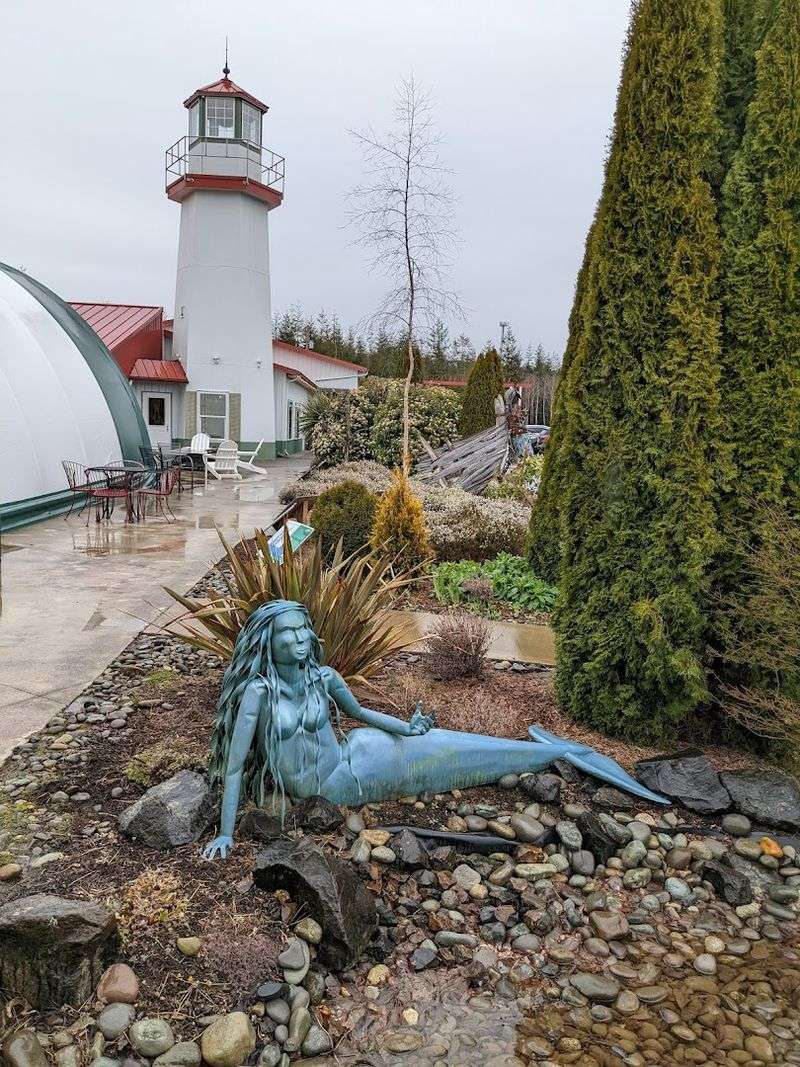
The drive to the museum is half the adventure. Highway 105 winds through the coastal lowlands of Grays Harbor County, passing wetlands, evergreen tree lines, and the occasional fishing boat resting in a roadside canal.
The landscape has that moody, cinematic Pacific Northwest quality that makes you feel like you have stepped into a nature documentary. The museum sits on the grounds of the Westport Winery Garden Resort, a 15-acre property that also includes Ocean’s Daughter Distillery and the Sea Glass Grill.
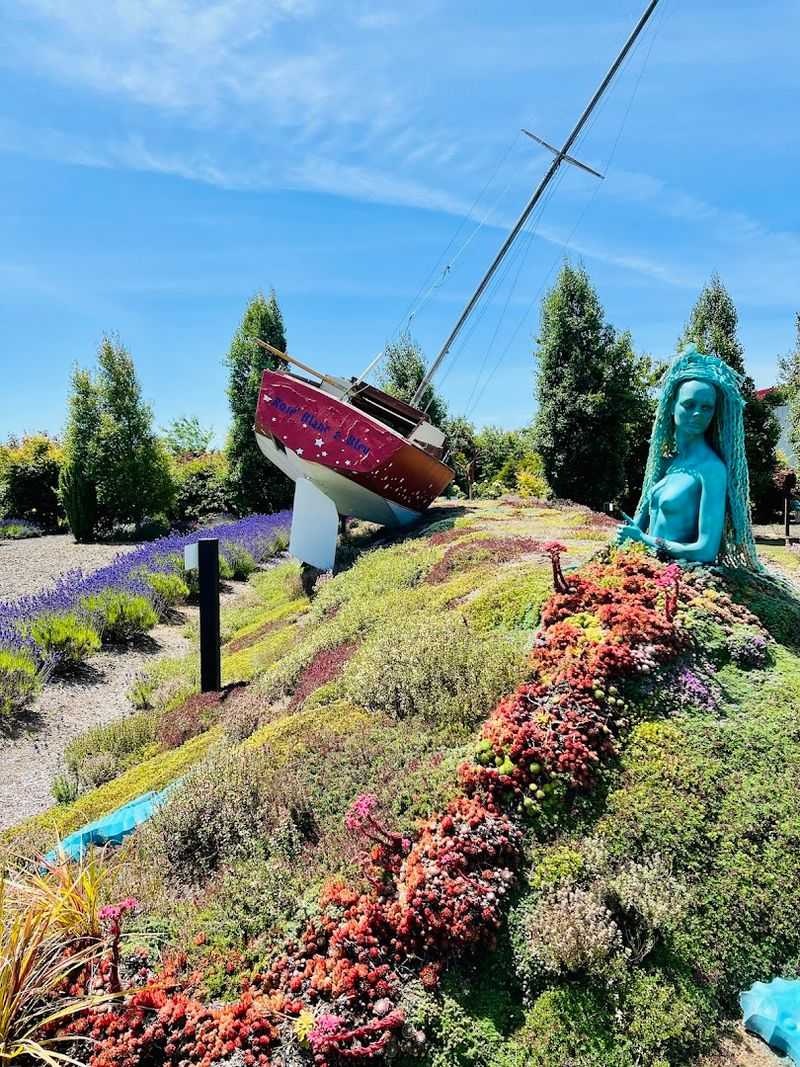
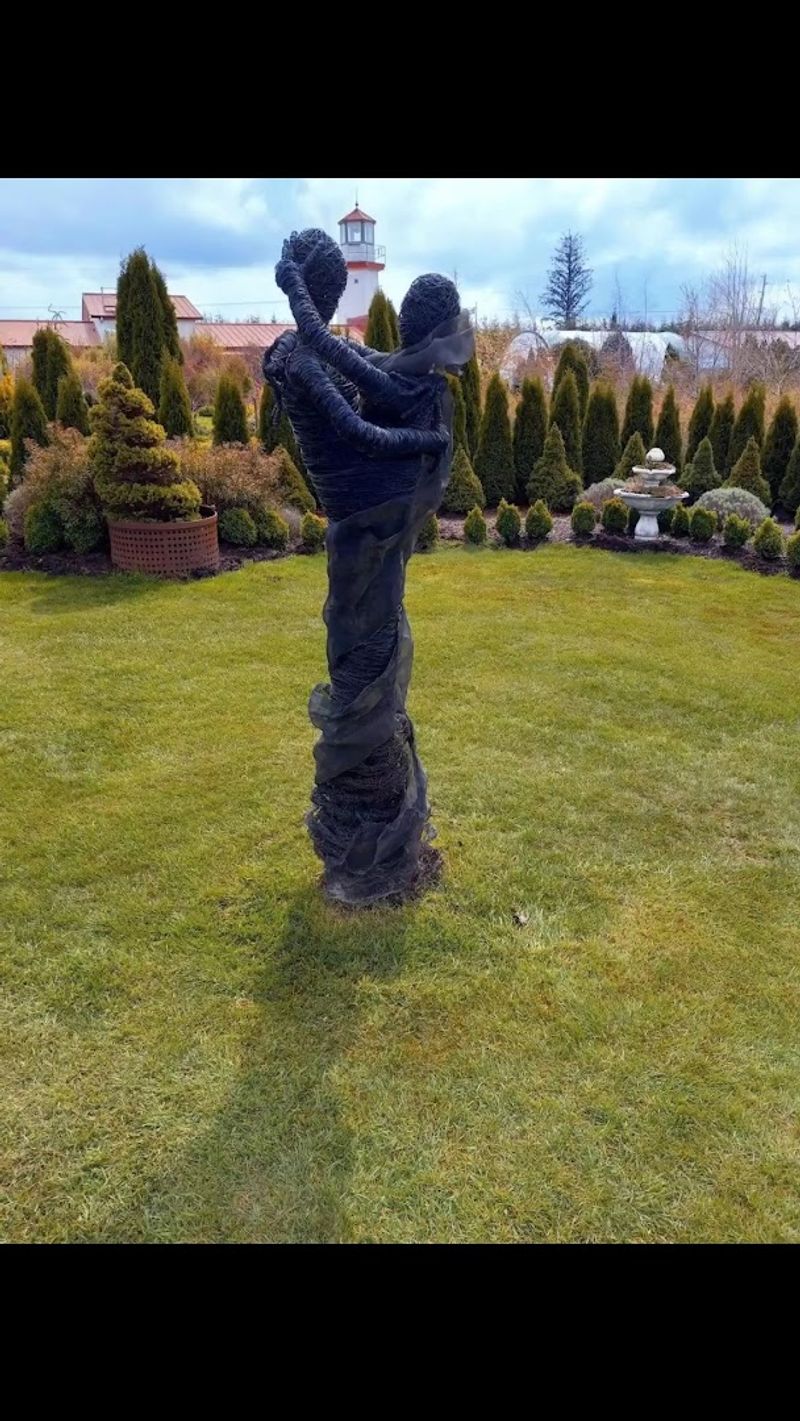
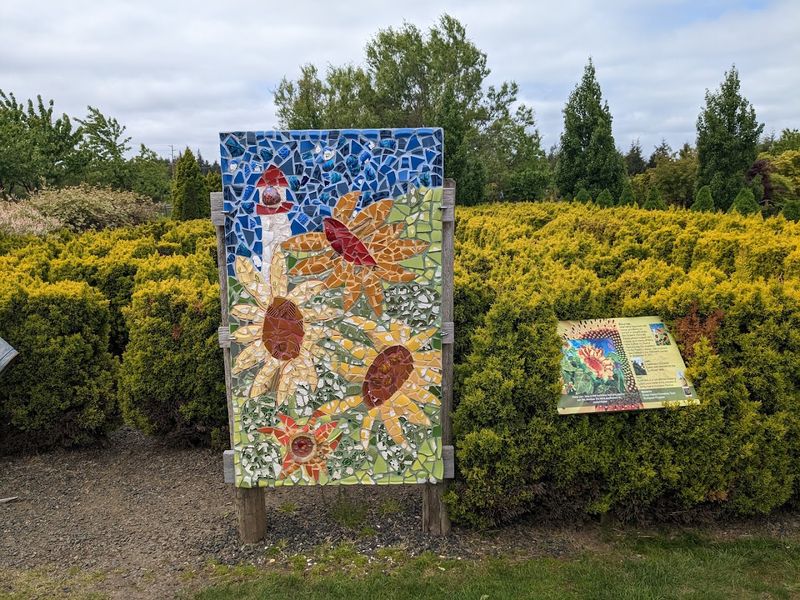
The gardens alone are worth a slow walk, featuring outdoor sculptures that hint at the mythological world waiting inside.
Arriving at the property, I noticed how the scale of the grounds surprised me. This is not a tiny converted shop. It is a full resort campus where the museum anchors the experience with purpose and presence.
The coastal air, the sculpture gardens, and the easy parking all contribute to a first impression that sets a relaxed, exploratory mood right away.
The Immersive Interior Design
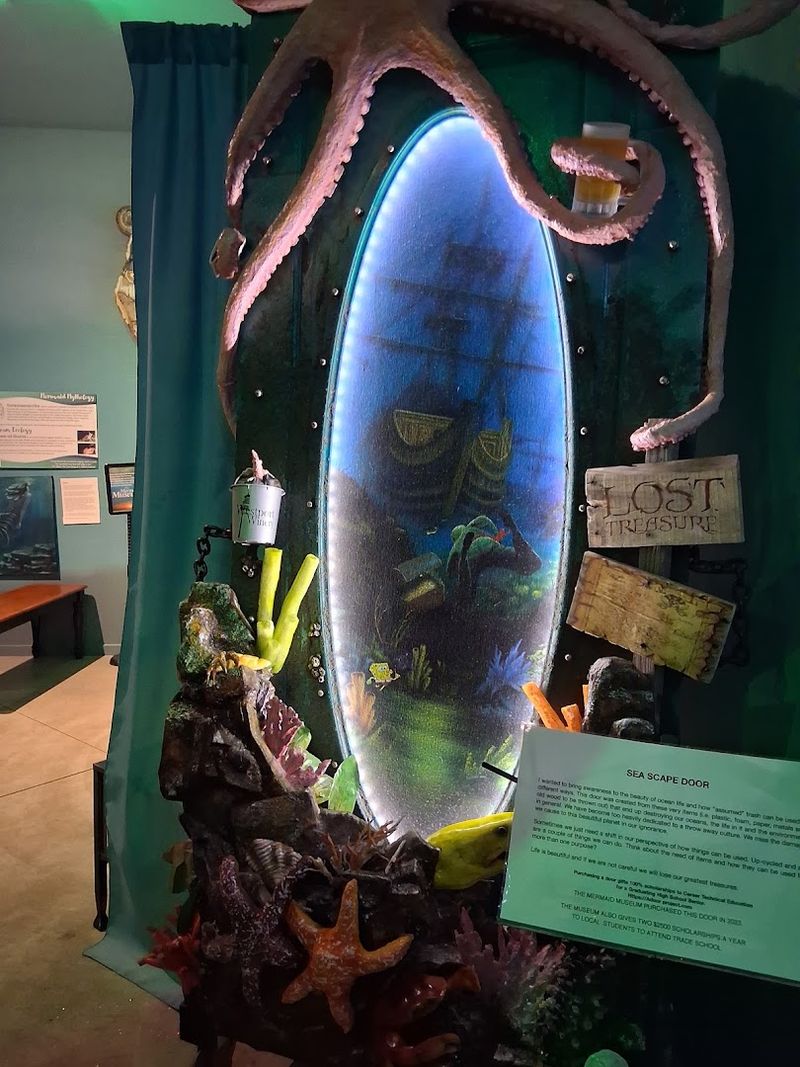
Stepping inside the museum felt like crossing a threshold into another world entirely. The floors sparkle with glitter embedded into the surface, catching light at every angle, and the walls are painted in deep ocean blues that shift the mood of the room the moment you enter.
Kim Roberts used her architectural expertise to make the space feel genuinely subaquatic rather than simply decorated.
The ceiling treatments, the lighting choices, and the careful placement of exhibits all work together to sustain that underwater illusion. You never feel like you are standing in a converted warehouse or a repurposed retail space.
Every design decision reinforces the idea that you have traveled somewhere magical. I kept pausing just to look around and appreciate the craftsmanship of the room itself, separate from the exhibits.
That kind of attention to environmental storytelling is rare in small museums, and it elevates the entire visit. The design alone would justify the admission price, and it makes every photograph taken inside look genuinely stunning.
Over 40 Exhibits Blending Myth And Science
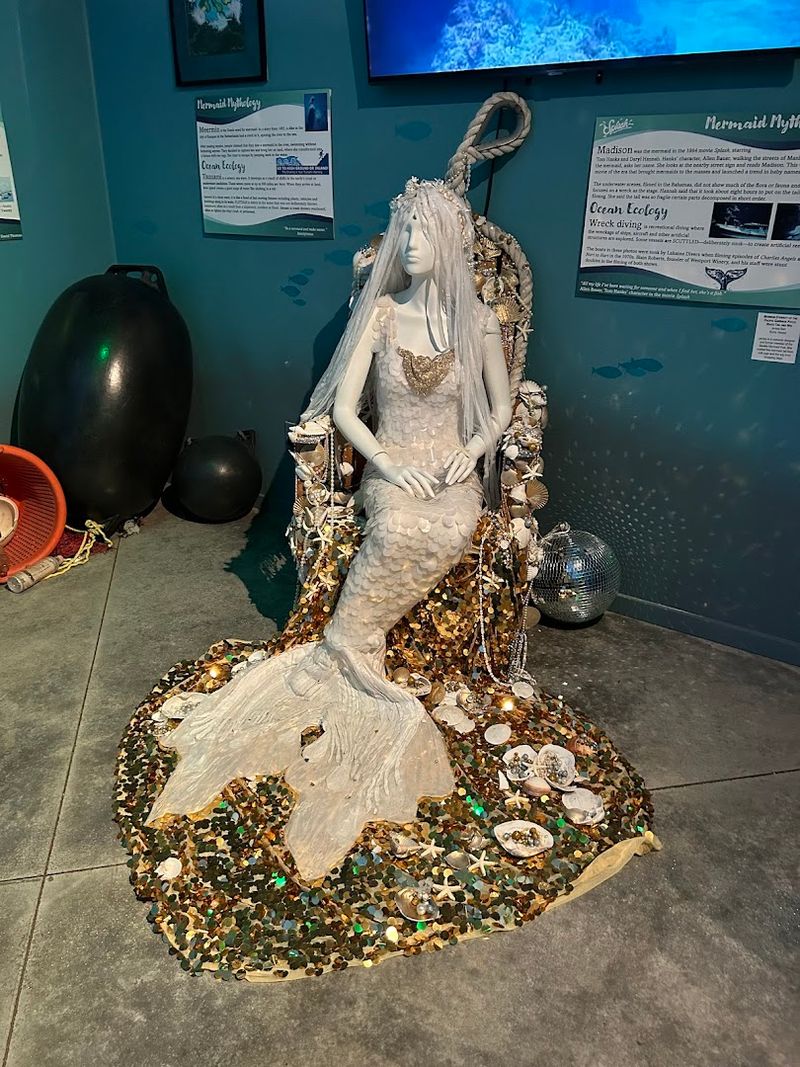
The heart of the museum is its collection of more than 40 displays that weave mermaid mythology together with real ocean science and marine life artifacts.
This is where the museum proves it is more than a novelty. Each exhibit carries genuine educational weight while remaining visually captivating for visitors of every age.
You will find panels explaining the biology of bioluminescent sea creatures alongside displays celebrating mermaid figures from global cultures. The range of content is genuinely impressive.
One exhibit explores the science of deep-sea pressure zones, while the next presents the lore of a mermaid figure from Inuit tradition. I spent far longer at these displays than I expected to.
The writing on the panels is accessible without being dumbed down, and the visual design keeps pulling your eye forward. For anyone who loves both storytelling and science, this section of the museum delivers a rare combination of entertainment and genuine learning in one beautifully curated space.
Mermaids From World Cultures
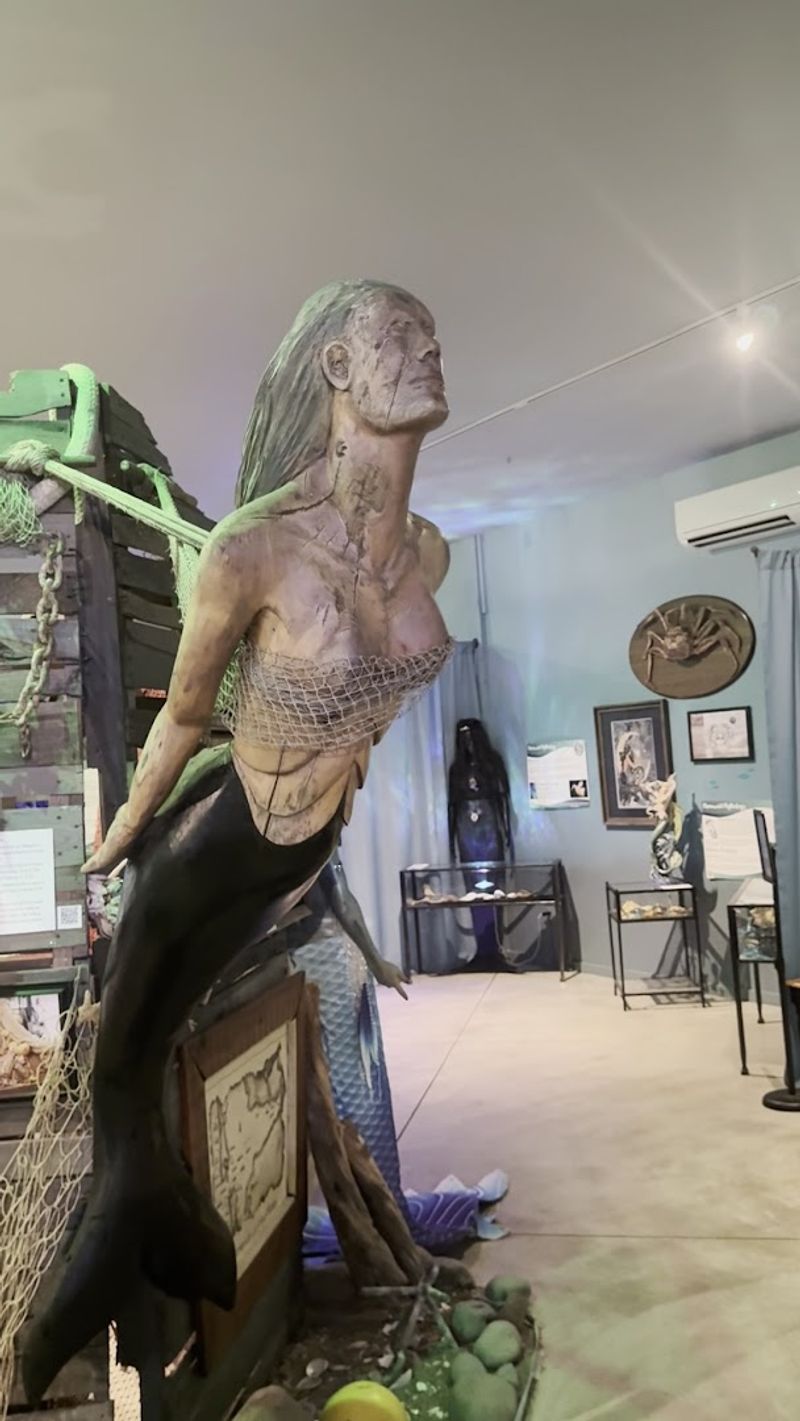
One of the most surprising and rewarding parts of the museum is how far it reaches across world cultures to tell the story of mermaids. Long before Disney created Ariel, civilizations across every continent were imagining powerful figures who bridged the human world and the ocean deep.
Sedna, the Inuit sea goddess whose fingers became the creatures of the Arctic ocean, has a display that stopped me cold. Her story is haunting, poetic, and deeply connected to how Indigenous Arctic communities understood the relationship between humans and marine ecosystems.
Tlanchana, a Central Mexican freshwater mermaid figure, represents a completely different cultural relationship with water and mythology.
Seeing these figures presented with equal care alongside more familiar pop-culture mermaids gave me a new appreciation for how universal the human impulse is to imagine life beneath the waves.
The museum does not rank or privilege one tradition over another, and that respectful approach makes the whole collection feel richer and more meaningful than a simple fantasy exhibit ever could.
Pop Culture Mermaids On Display
Not every visitor arrives with a passion for ancient mythology, and the museum knows it. The pop culture section of the exhibits gives families and casual visitors a comfortable entry point into the broader story the museum is telling about mermaids and the ocean.
Disney’s Ariel has a dedicated presence, complete with recognizable imagery and context about how the 1989 film reshaped the public imagination of mermaids for an entire generation.
The Starbucks siren also makes an appearance, which prompted me to think for the first time about how deeply mermaid imagery has embedded itself into everyday modern life without most people noticing.
Far from feeling like a corporate concession, these displays actually strengthen the museum’s argument that mermaid mythology is alive, evolving, and woven into contemporary culture.
The curators use familiar icons as bridges to deeper conversations about ocean awareness and cultural storytelling. It is a clever strategy that works surprisingly well for visitors of all ages and backgrounds.
The Mermaid Throne And Loaner Tails
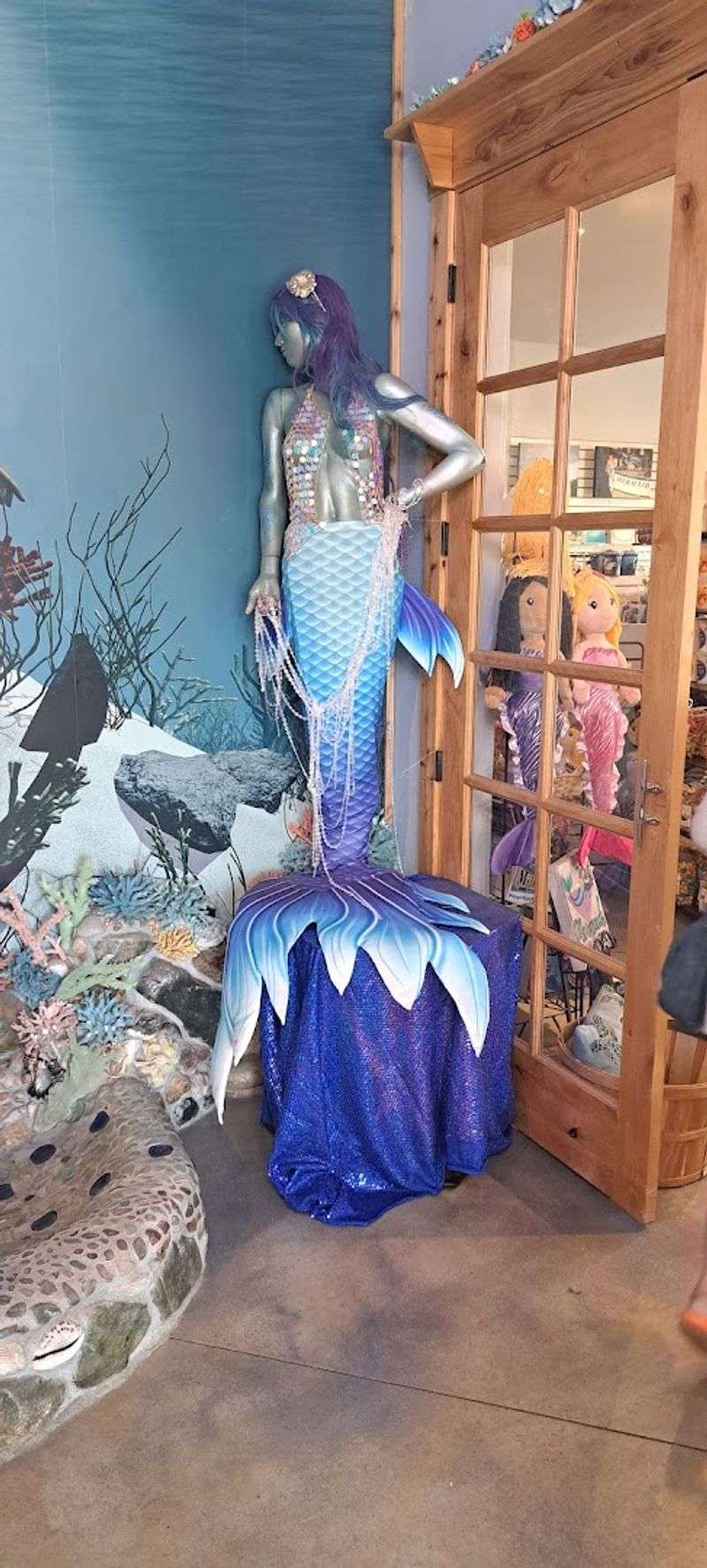
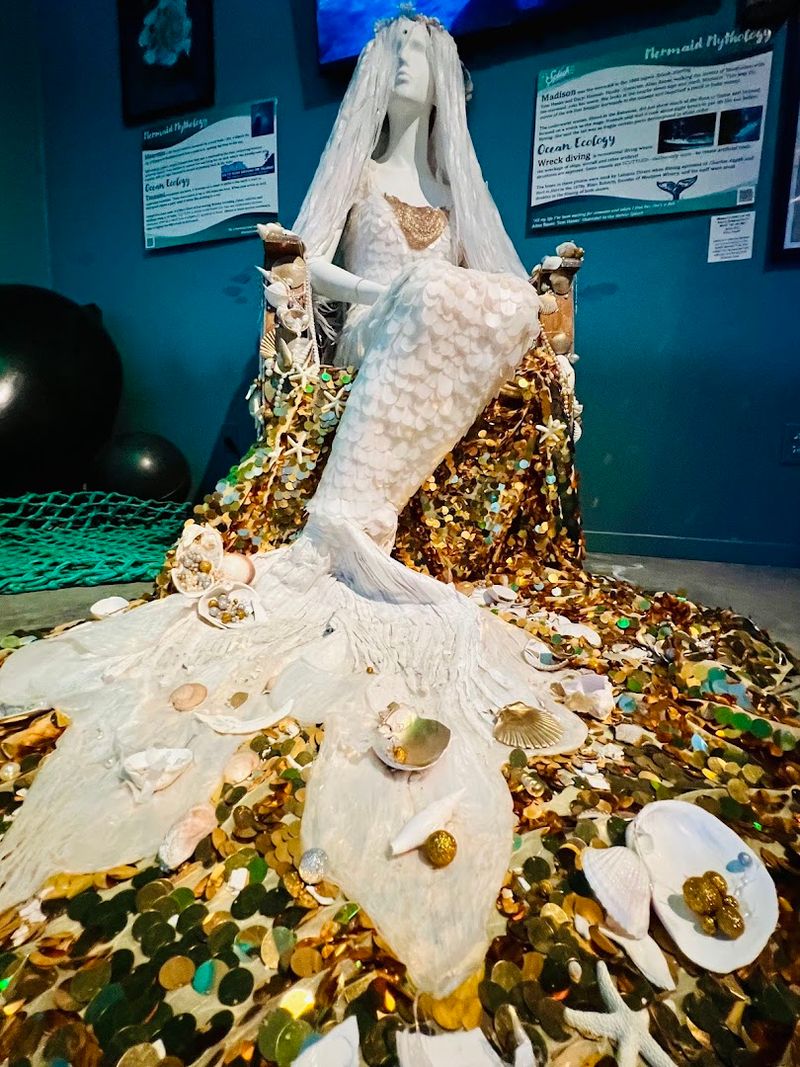
If you have ever secretly wanted to be a mermaid, even for about thirty seconds, the museum has thought of you. One of the most beloved interactive features is the mermaid throne, an elaborately decorated seat positioned for photos and presided over regularly by a performer named Siren Circe.
Loaner mermaid tails are available so visitors can slip one on and pose for pictures on the throne. It sounds simple, but the execution is genuinely fun.
I watched children light up with complete delight, and I also watched adults who had clearly decided to commit fully to the bit, which made the whole experience even more entertaining to witness.
Siren Circe brings a theatrical warmth to her role that transforms the throne area from a photo opportunity into a genuine moment of connection.
She engages visitors with storytelling and patience, making every person who sits on that throne feel like the star of their own underwater legend. It is one of those small museum moments that lingers long after you leave.
Live Mermaid Performances
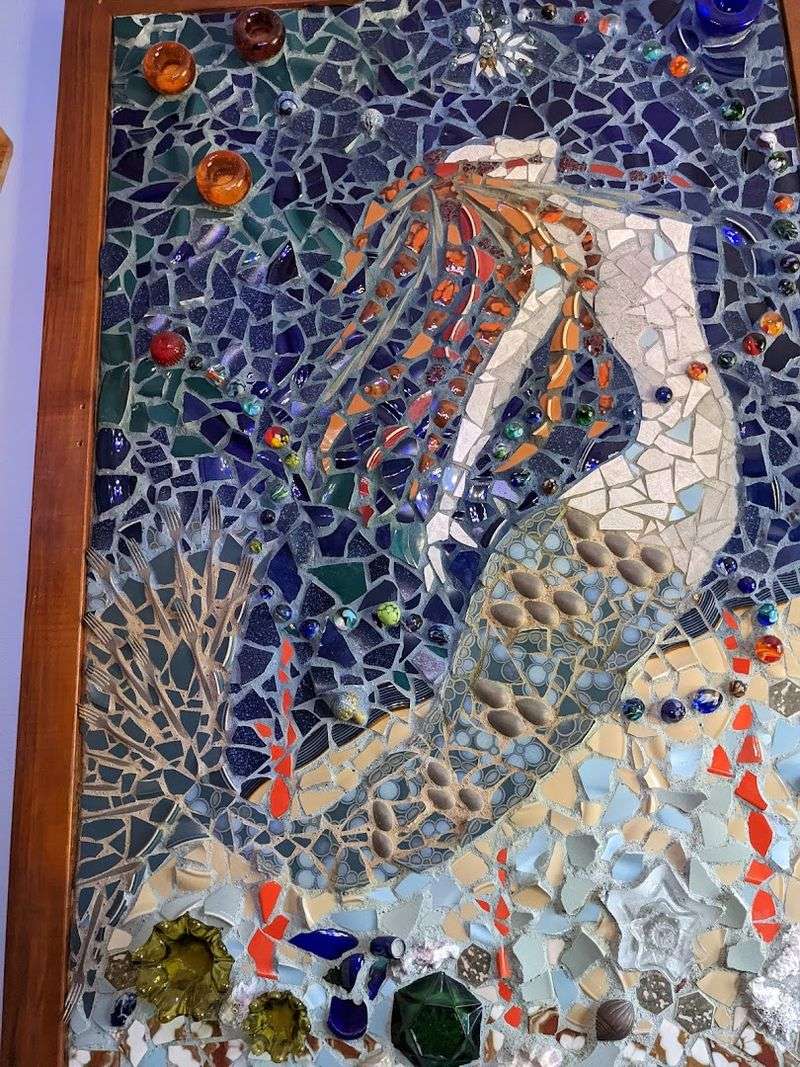
On weekends, the museum transforms into something closer to a living theater. A professional mermaid named Una performs underwater in a tank, moving through the water with a grace that is genuinely mesmerizing to watch.
I caught a glimpse of her performance and found myself standing there far longer than planned, completely absorbed.
Una moves with the kind of fluid control that takes years of training to develop, and watching her work in an enclosed tank with full visibility is a completely different experience than watching a clip on a screen.
The children around me were absolutely riveted, pressing close to the glass with wide eyes and open mouths.
On Saturdays, belly dancing mermaids also perform, adding another layer of movement and cultural expression to the museum experience. These live performances are what separate this museum from a static collection of panels and artifacts.
The presence of real performers brings the mythology to life in a way that photographs simply cannot replicate, and it gives visitors a reason to return on different days.
The Pirate’s Treasure Hunt For Kids
Keeping young visitors engaged throughout a museum visit can be a challenge, but the Pirate’s Treasure Hunt solves that problem with flair. Available daily for children, this activity sends kids through the museum on a search that turns every exhibit into a potential clue or discovery point.
From what I observed, the treasure hunt does something genuinely smart. It does not just distract kids from the exhibits. It directs their attention toward them.
Children who might otherwise drift past a display panel stop and look carefully because the hunt gives them a reason to pay attention. The educational content lands more effectively because it is wrapped in adventure.
Parents get to enjoy the museum at their own pace while their kids race ahead with focused purpose, which is a rare and welcome gift during a family outing. The whole setup reflects the museum’s core philosophy that learning about the ocean should feel like an adventure rather than an assignment.
That philosophy runs through every corner of this place.
Panning For Shells, Gems, And Fossils
One of the hands-on highlights at the museum is the sluice box, where visitors can pan for shells, gems, and fossils.
If you have never tried sluice panning before, the basic idea is simple: you scoop a bag of sediment into a screen tray, run water over it, and sift through what remains to find treasures hidden inside.
The activity taps into something primal and satisfying about searching for hidden things. I watched adults get just as absorbed in the process as the children beside them.
There is genuine anticipation in not knowing exactly what you will find, and the tactile experience of handling real shells and fossils adds a sensory dimension that purely visual exhibits cannot provide.
Every piece you find is yours to keep, which gives visitors a physical memento connected to the ocean science themes of the museum.
It is also a clever way to extend the visit and give families a shared activity to bond over. Simple, affordable, and genuinely rewarding, the sluice box earns its place as one of the museum’s most popular features.
Admission Prices And Visiting Hours
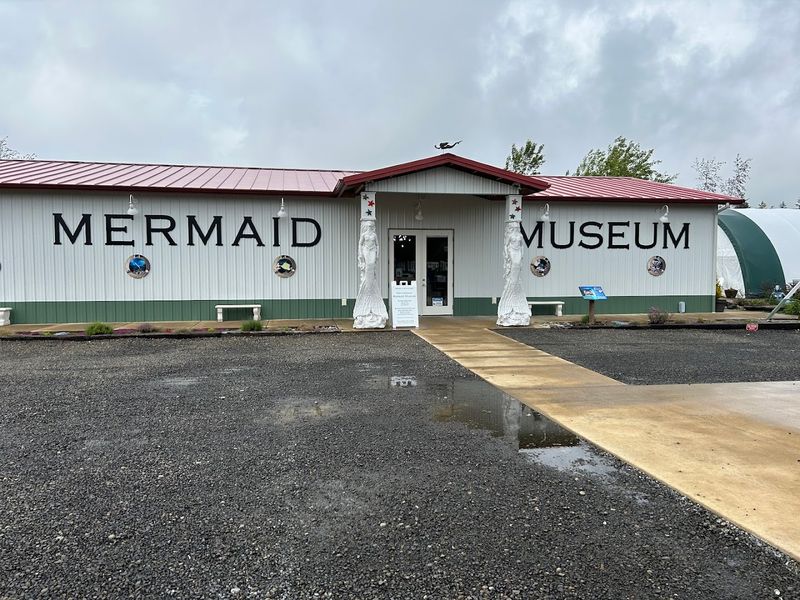
One of the first things I looked up before visiting was cost, and I was genuinely pleased by what I found. Admission is just three dollars per person for anyone over five years old, or ten dollars for an entire family.
Children aged five and under get in free, which makes this one of the most affordable family museum experiences anywhere in Washington State.
School groups can visit for free with advance reservations, a policy that reflects the museum’s commitment to its educational mission rather than treating outreach as an afterthought.
The museum is open daily from 11 AM to 6 PM, closing only on Thanksgiving and Christmas Day, which means planning a visit is refreshingly straightforward.
The museum is also built on a single floor with open aisles designed to accommodate visitors with mobility challenges, which is a thoughtful accessibility choice that makes the experience welcoming for everyone.
For a destination that delivers this much visual and educational content, the price point borders on absurdly generous, and the hours make spontaneous day trips entirely practical.
The Annual Mermaid Festival
Once a year, the museum goes from magical to full-on spectacular.
The annual Mermaid Festival transforms the grounds into a celebration of ocean culture, mythology, and community that draws visitors from well beyond the local area. Starting in 2026, the festival expanded to cover every full weekend in March, giving more people the chance to experience it without crowding into a single day.
During the festival, museum admission is completely free, which removes any barrier for families who might otherwise hesitate.
The expanded footprint of the festival across the 15-acre property means there is room for performances, outdoor activities, and the kind of festive energy that makes the whole visit feel like a special occasion.
If you have any flexibility in your travel schedule and a trip to the Washington coast is on your radar, planning around the Mermaid Festival is absolutely worth the extra coordination.
The combination of free admission, live entertainment, the sculpture gardens in full use, and a crowd of genuinely enthusiastic visitors creates an atmosphere that the museum on an ordinary day, as wonderful as it is, simply cannot replicate.