
11 Washington Islands Locals Say Got Too Busy For Comfort
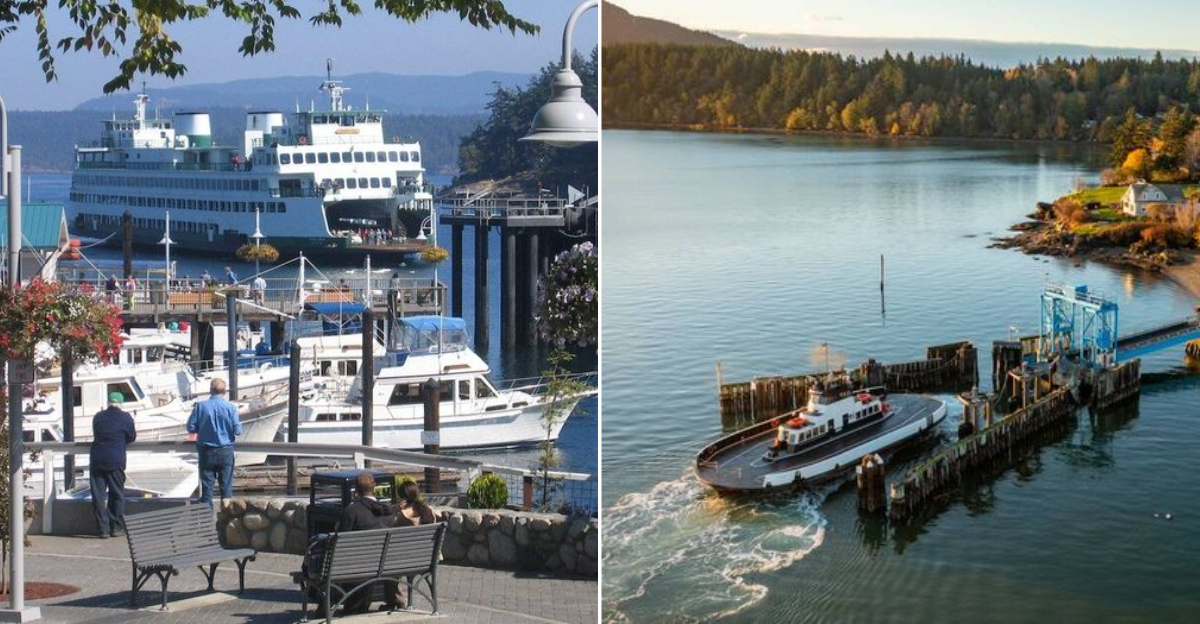
Washington’s islands once felt like my private secret. I’d ride the ferry across gray water, gulls circling, the deck smelling of salt and coffee.
On shore, driftwood lined the beaches, pine needles softened the trails, and time seemed to loosen its grip. Lately, summer brings a different rhythm, cars stacked in line, ferries overflowing, conversations crowding the silence that used to greet me.
The beauty hasn’t faded, but it no longer feels mine alone. These eleven islands still give me pause and wonder, but they remind me that escape often comes with company trailing close behind.
1. San Juan Island
Friday Harbor hums in summer, with ferries unloading crowds that instantly spill into its compact streets. The town looks postcard-perfect, but the buzz feels more like a festival than a sleepy island port.
Capacity has been a thorn for years, with local officials pushing for fixes to overloaded service. Even weekday boats fill fast, and standby tickets can vanish.
Still, there’s a hypnotic moment at the dock when whale-watching tours glide out at sunset, the crowd pausing together, eyes locked on the horizon.
2. Orcas Island
Orcas rises in green folds, forests tumbling down into the Sound. The island’s beauty is undeniable, but summer terminals tell another story. Waiting feels like part of the journey here.
Locals point out the chaos every season, and residents often press for solutions. With tourists flooding in, the bottlenecks grow sharper, sometimes stretching patience to its limit.
Yet once you reach Moran State Park or stand atop Mount Constitution, frustration dissolves. The view spreads out like a map, and the crowded line fades from memory.
3. Lopez Island
Travelers are warned: even with reservations, holiday sailings test your timing. Lopez demands you plan ahead, arriving early and bracing for the return. The dock itself feels like a waiting room with a sea breeze.
Rules shift when boats max out, turning departures into first-come games of chance. Locals tell visitors to carry snacks, jackets, and a book to soften the hours.
Honestly, I didn’t mind. Sitting in line, I watched cyclists pedal off and seabirds wheel overhead, and the pause felt like Lopez showing its rhythm before I even landed.
4. Bainbridge Island
The short hop from Seattle makes Bainbridge a day-trip magnet. The ferry ride itself is half the draw, skyline fading while the island edges closer under streaked skies. By the time the boat docks, you’re already in weekend mode.
Reliability is the rub. Locals know to pad schedules, because a single delay can back up an entire afternoon. That pressure doubles in summer when visitors pour over.
Walk off the boat, though, and Winslow’s cafés and bookstores turn the stress into something almost charmingly forgivable.
5. Whidbey Island
Deception Pass is the kind of place that sells calendars: cliffs plunging, water churning, bridge arcing like a spine of steel. The view is never empty, visitors line the rails year-round.
Tourism here keeps climbing despite headcount dips elsewhere. Reviews openly admit the pass feels “crowded most of the time,” yet the lure of Whidbey never slackens.
Tips echo the same theme: come early, pick a weekday, and give yourself extra time. The payoff remains worth it, even if you’re sharing the trail with many others.
6. Camano Island
Some islands need ferries, but Camano brags about drive-up ease. That convenience has turned its beaches and parks into day-trip hot spots, pulling weekenders without warning. Parking lots tell the story faster than brochures do.
Families stream toward the shore, coolers rattling, kids dashing across grass, and by noon it feels like a festival ground more than a quiet escape.
For me, Camano was still worth it. I loved how the “island you can drive to” gave me the water’s edge without the ferry line gamble.
7. Vashon Island
This island has a slower rhythm, but even here the summer surge is real. Cars pile up at the terminal, riders lean against rails, and everyone eyes the ferry clock. The stress builds before you even touch the island.
Local groups and lawmakers openly discuss the pinch, limited boats, swelling demand, and no easy fix. Residents are protective of their home’s character, and it shows in their voices.
Still, once the ferry finally moves, the sight of tree-lined shores does soften the wait.
8. Anderson Island
Pierce County’s southern outpost runs on a modest schedule, and locals know a single full boat can mean hours of delay. Advisory notes and surveys spell it out bluntly: lines are part of life here.
The charm lies past the queue. Forest roads loop toward still lakes and small neighborhoods where time seems to slow. The quiet is immediate, as if the ferry ride reset the pace.
Seasonal pressure, especially on summer weekends, makes early boarding a smart choice. Arrive early or risk missing dinner.
9. Lummi Island
Not every ferry can carry every load, and here, even fuel-truck runs are limited by county order. That fact alone tells you how carefully this island manages traffic.
The busy season is summer, when cyclists, kayakers, and drivers all converge on the same small dock. Regulars accept the bottleneck as the price of paradise.
I came in July, and yes, it felt busy. But the scenery, water glassy one moment, wind-riffled the next, had me forgetting the wait almost instantly.
10. Guemes Island
Ferry cams tell the story before you arrive: holding lanes stack up fast, and two-trip waits aren’t rare. On busy weekends, the line itself becomes a little community of resigned travelers.
Advisories warn visitors to expect summer delays, and locals know the drill well. They treat the wait as routine, chatting with neighbors or catching up on errands while the boats turn.
For first-timers, the trick is simple: pack patience, bring a book, and consider the wait part of the island’s slow embrace.
11. Fidalgo Island
As the mainland gateway to the San Juans, Fidalgo carries a double load. Cars funnel toward Deception Pass, ferries push out from Anacortes, and every road seems to hum in peak season.
The pressure isn’t new. State updates and traffic reports flag the spikes year after year, especially when the weather turns sunny. Locals thread the timing carefully, avoiding obvious bottlenecks.
I’ll admit, I got caught once in a ferry backlog and nearly turned back. But watching the bridge glow in late light made it worthwhile.