
Washington’s Ape Cave Is an Easy Walk Through a Real Lava Tube Your Kids Won’t Forget
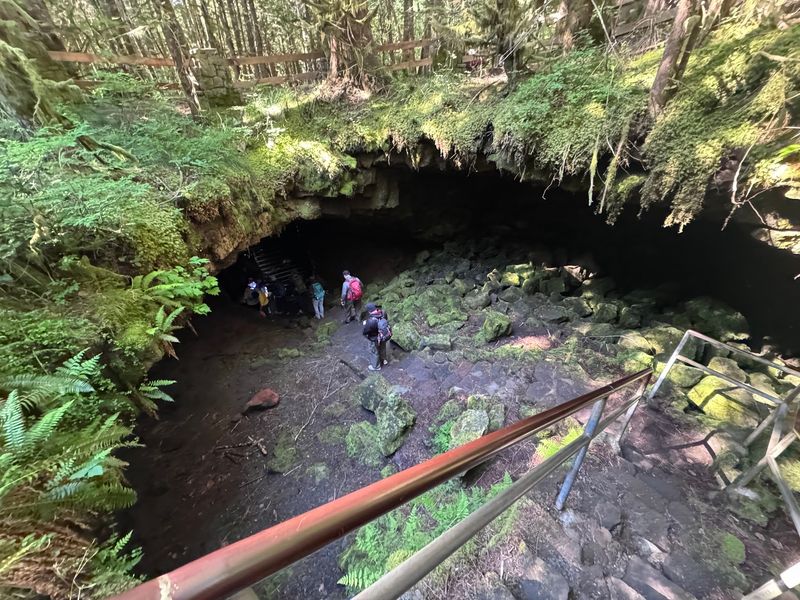
Your phone flashlight is practically useless down there. The darkness inside this lava tube is so complete that families are told to carry at least two light sources per person.
The tunnel was carved by flowing lava from Mount St. Helens. In some spots, the ceiling soars 20 to 30 feet overhead.
The walls still show ripples where molten rock once cooled.
I love that kids can walk an easy route through a real volcanic tunnel in Washington. No ropes are needed on that path, just sturdy shoes, a jacket, and a good headlamp.
Little explorers can even spot walls that glitter under their beams.
The harder route is a whole different story, with boulder piles and a rope-assisted wall. So which path would your crew pick?
A Volcanic Tunnel Waiting Under The Forest Floor
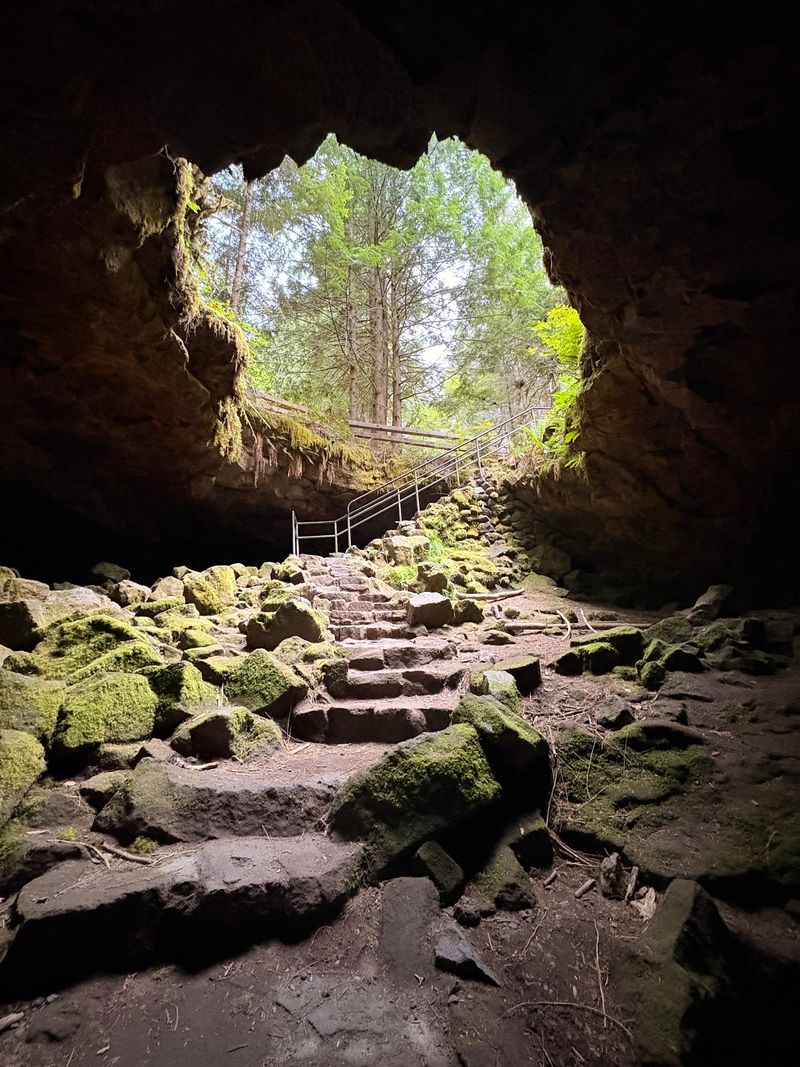
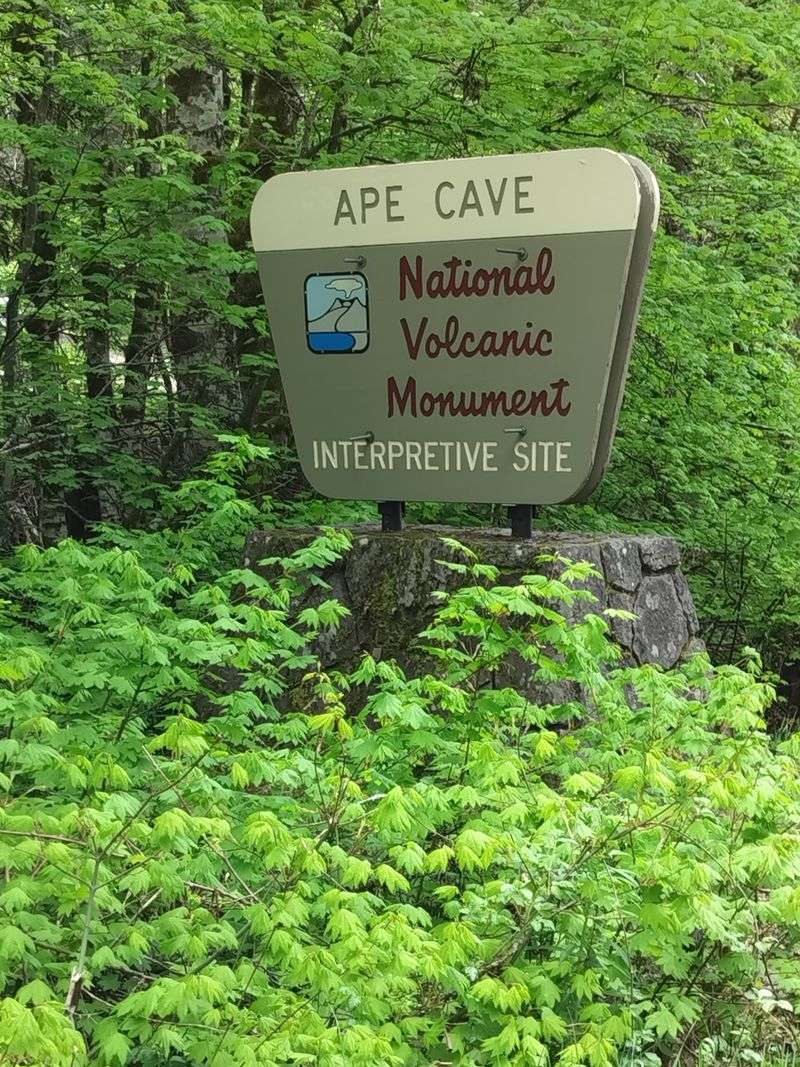
Few family outings start with a staircase leading straight underground. Ape Cave sits in the forest on the south side of Mount St. Helens in southwest Washington, and it ranks as one of the region’s most memorable outdoor adventures.
The cave is an ancient lava tube, a long tunnel formed when flowing lava hardened on the outside. The molten river inside kept moving, then drained away and left a hollow passage behind.
What remains today stretches roughly two miles in total. That makes it impressively long, even for adults who have explored caves before.
Visitors enter through a single entrance and then pick a direction. One way leads to the easy Lower Cave, and the other heads into the rugged Upper Cave.
The setting adds to the charm, since the cave lies within national forest land near the famous volcano. You get towering trees above and a stone tunnel below, all in a single afternoon.
The mailing location is listed as Washington 98616, United States. Expect a scenic forest drive to get there, which only builds the anticipation for what waits beneath your feet.
Rivers Of Lava That Carved The Tunnel
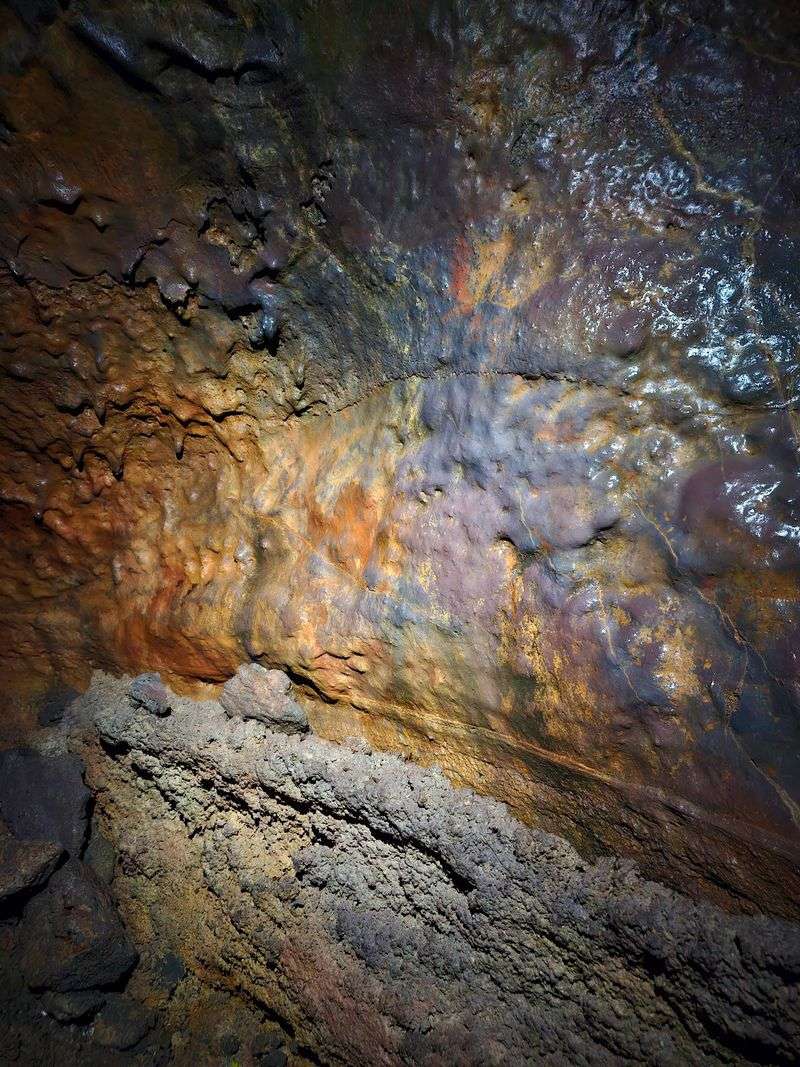
Long before anyone strapped on a headlamp, lava poured down the slopes of Mount St. Helens. That ancient flow shaped the tunnel families explore today, and it’s thousands of years old.
As the outer edges of the lava cooled, they formed a hard crust. The hot center kept flowing and eventually drained away, leaving a hollow tube in its place.
You can still see the evidence everywhere. The walls and floor look melted in places, with ridges and textures frozen in stone.
Some sections show small holes in the walls, and there are occasional water drips. Sandy patches cover parts of the floor, adding another layer to the scene.
For curious kids, it works like a hands-on geology lesson without a textbook. Every bend in the tunnel tells part of the volcano’s story.
I think that’s what makes the place so special for young explorers. They aren’t just reading about volcanoes in Washington, they’re standing inside one’s handiwork.
Parents might find themselves just as fascinated. It’s hard not to stop and stare at rock that once flowed like a glowing river.
The Lower Cave Route Little Legs Can Handle
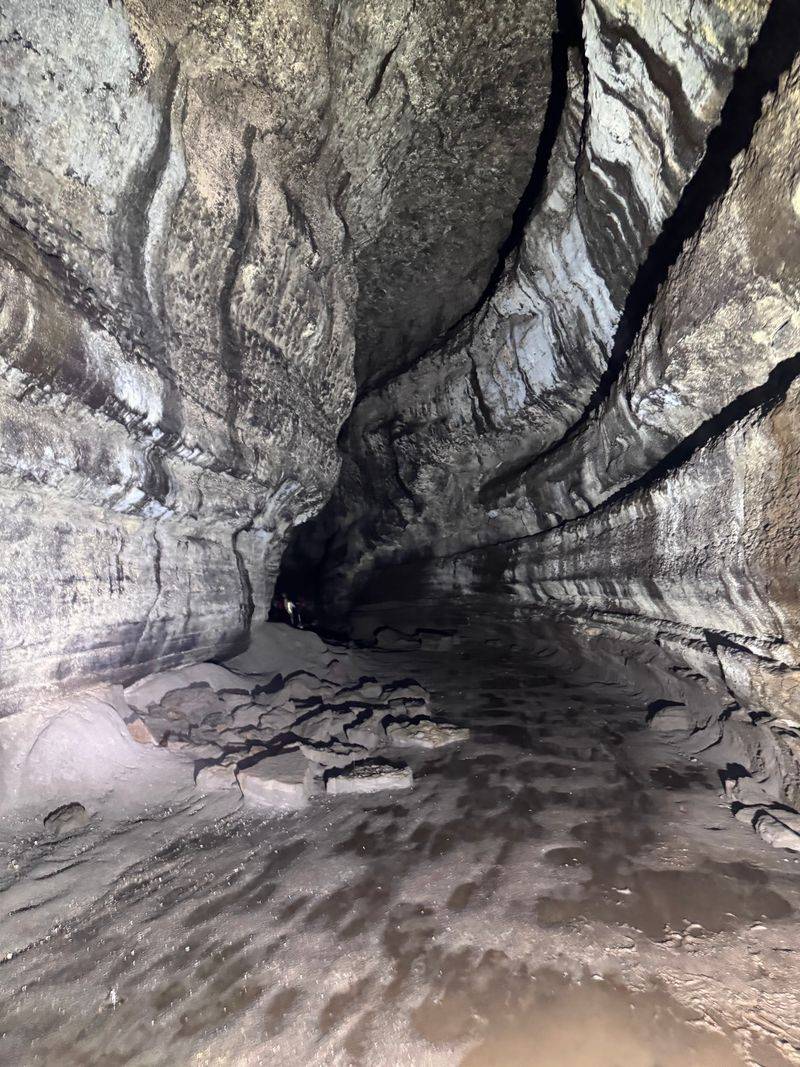
Bear right at the bottom of the stairs, and you’ve chosen the family-friendly path. The Lower Cave is a mostly flat wander, roughly three-quarters of a mile each way.
It’s an out-and-back route, so the trail simply ends and you turn around. Most families spend around an hour to an hour and a half exploring it.
That timing can stretch if you linger, and you probably will. Kids love making shadow puppets on the walls and spotting spots that sparkle in their lights.
Don’t expect a smooth sidewalk, though. The floor is rough and uneven in many places, so watching your step matters the whole way.
Big boulder climbs aren’t part of this route, which keeps it doable for younger children. Folks with achy joints may still find the footing a bit tricky.
A walking stick could help anyone wanting extra support. Good shoes help even more.
The best part might be the feeling of discovery. Kids get to act like real explorers, and adults get to watch their faces light up brighter than any flashlight.
Boulder Piles And A Rope Wall In The Upper Cave
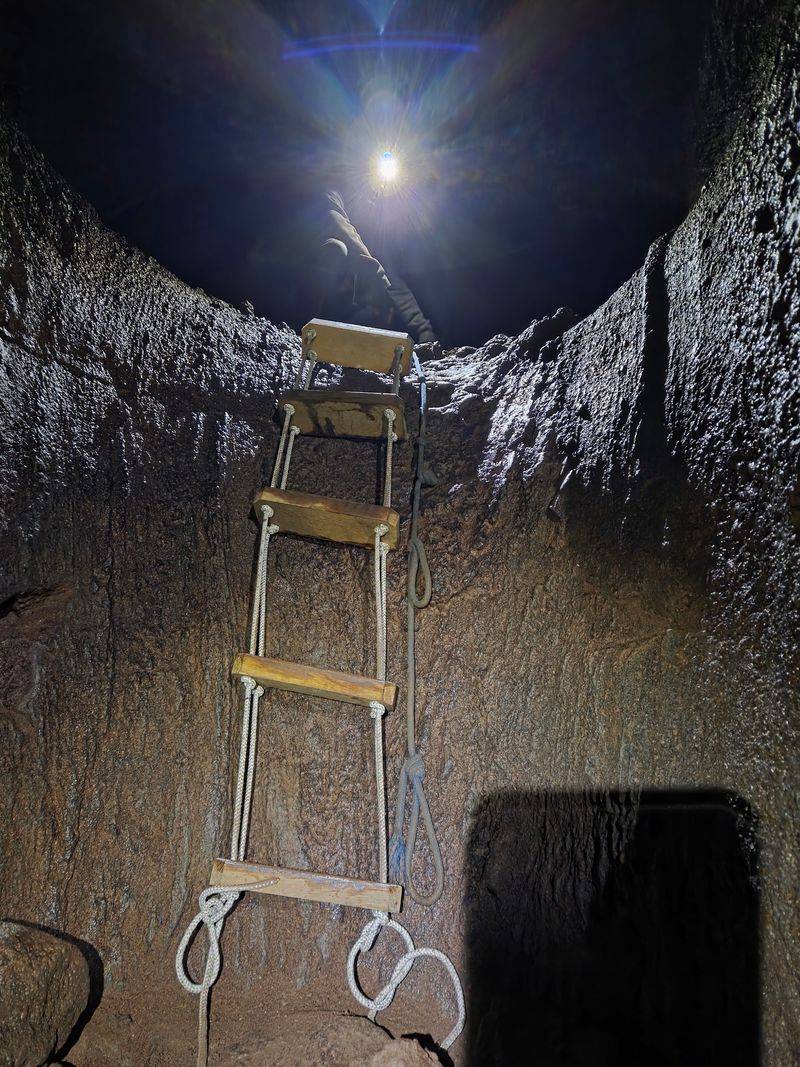
Turn left instead, and the adventure gets serious fast. The Upper Cave runs about 1.5 miles underground as a one-way, point-to-point hike.
Expect several large rock piles to scramble over in the dark. Some are tall and long, requiring hands, patience, and steady footing.
There’s also a smooth wall around six to eight feet high. A rope helps climbers up, and a friend boosting you makes it much easier.
Gloves are a smart idea, since your hands do plenty of work. A headlamp beats a lantern here because you’ll want both hands free.
The reward comes at the far end. You exit by ladder and walk back to the start on a surface trail through the forest.
Plan for a couple of hours at least. Doing both routes could easily take up to four.
Here’s a helpful rule of thumb for families. If the first quarter mile feels uncomfortable, turn back, because that stretch is the easiest part.
Older kids who love climbing might adore it, while younger ones will likely be happier sticking with the Lower Cave.
Cool Air, Total Darkness, And Echoing Footsteps
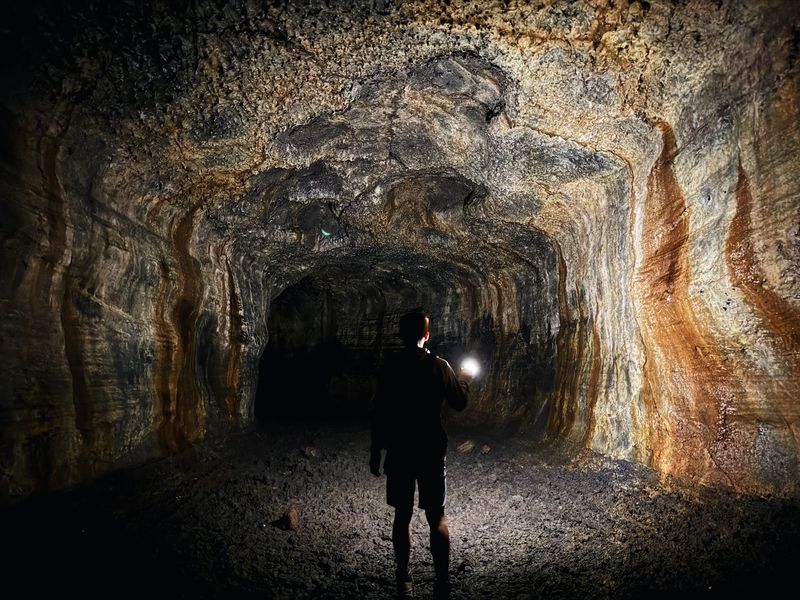
Summer heat vanishes the moment you head underground. The cave stays chilly year-round, so a sweatshirt in August feels just right.
Pack long pants and a light jacket for everyone. It isn’t freezing, but it’s definitely colder than most people expect.
Then there’s the darkness, which is complete once daylight fades behind you. Without lights, you truly can’t see your own hand.
Some families try a short lights-out moment together. In a quiet stretch, that silence and blackness can feel almost magical.
The tunnel itself feels enormous in spots. Ceilings reach 20 to 30 feet high, and parts of the passage stretch 15 to 20 feet wide.
Sound travels far down here too. Busy days can bring echoes of chatter bouncing through the stone corridors.
The air often feels fresh, with an occasional cool breeze drifting through. Many find it surprisingly pleasant to breathe while hiking.
For kids, this sensory mix becomes the memory they’ll talk about for weeks. Cold air, deep darkness, and booming echoes make an ordinary walk feel like a storybook quest.
Headlamps, Layers, And Sturdy Shoes For The Whole Crew
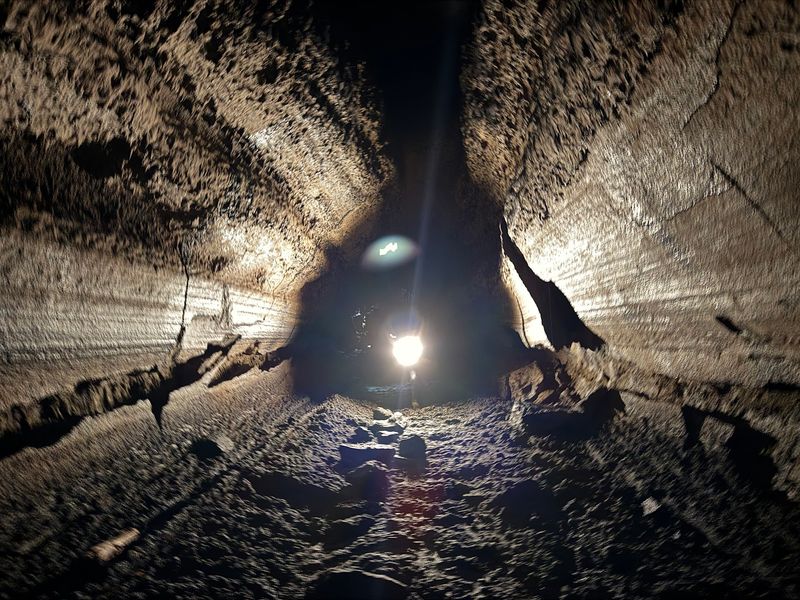
Packing well can make or break this trip. The biggest lesson from Ape Cave is simple: bring more light than you think you need.
Plan on at least two light sources per person. A headlamp makes a great first choice, with a handheld flashlight as backup.
Spare batteries are wise as well. Headlamps can fade during a long visit, and the cave doesn’t offer streetlights.
Phone flashlights just won’t cut it. They’re far too weak for this kind of darkness and uneven ground.
Forgot your gear? Lanterns are available to rent at the on-site store, though supplies can run out.
Footwear matters nearly as much as lighting. Hiking boots work best, and lace-up shoes are the bare minimum for jagged rock.
Layers belong on the list for everyone, especially little ones who chill quickly. A light jacket and pants keep the fun going longer.
Gloves help on the Upper Cave scrambles. Snacks for the car ride home never hurt either.
Once your family is ready, you can focus on the adventure instead of stumbling in the dark.
Reservations, Passes, And Picking Your Time Slot
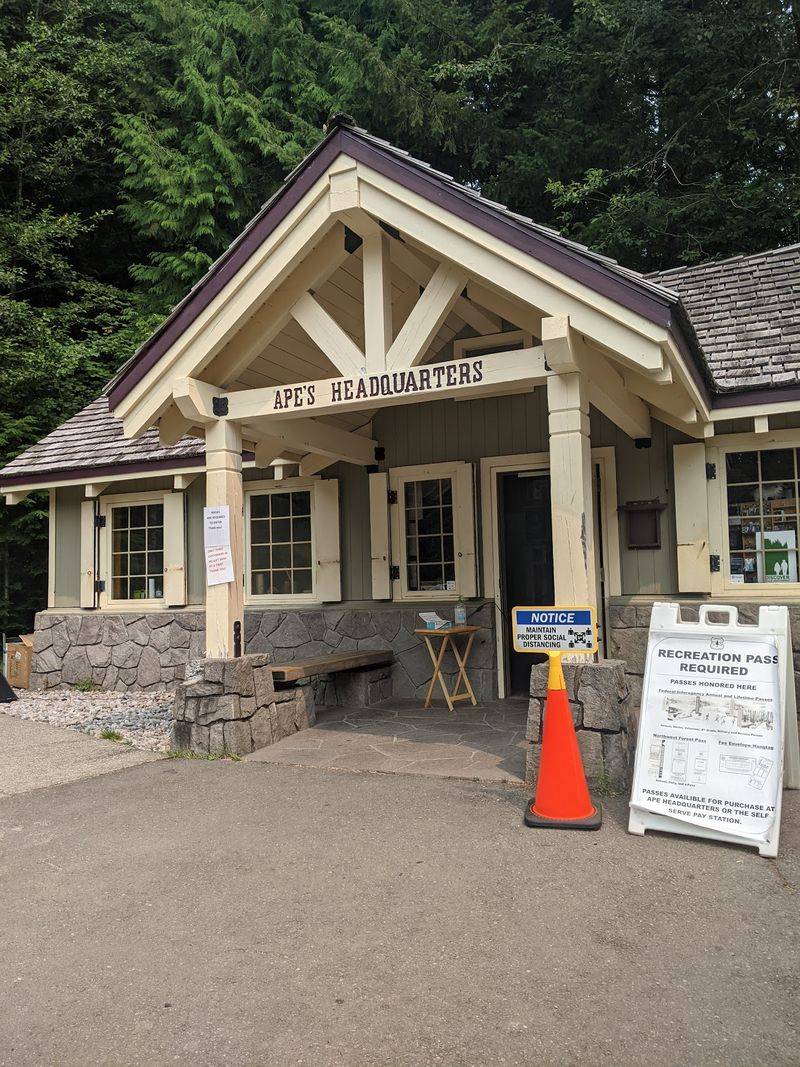
Showing up on a whim isn’t the move here. Visiting Ape Cave requires an advance reservation with a timed parking slot.
The reservation fee is small, and booking online is easy. You’ll also need a day pass or annual recreation pass.
Printing your reservation and parking slip is a good idea. That way, you can display it on your dashboard instead of fumbling with a phone screen.
Early time slots can be a smart pick for families. Fewer people often means quieter tunnels and a more peaceful experience.
Crowd levels change the mood quite a bit. Off-peak visits make it easier to enjoy those silent, lights-out moments.
Rangers can be on hand at the parking area for questions. A small store nearby also rents lanterns, which comes in handy.
Budget a few hours for the whole outing. The Lower Cave takes about an hour or more, while both caves could fill most of an afternoon.
For Washington families watching costs, this ranks as an affordable day out. The biggest expense might just be gas money and fresh batteries.
Why Your Family Should Book This Underground Adventure
Some outings fade from memory by Monday. A walk through a real lava tube sticks around much longer.
Ape Cave delivers something rare for families: genuine adventure with an easy option built right in. Little ones can tackle the Lower Cave, while thrill-seeking teens eye the Upper Cave.
The geology alone makes it worth the drive. Kids get to see how a volcano shaped the land, right from inside its tunnel.
It’s also refreshingly simple and low-cost. A small reservation, a pass, good lights, and warm layers cover most of what you need.
I like how the experience grows with your family. Kids who start in the Lower Cave can come back older and ready for the boulders.
Washington is full of beautiful trails, but few go underground like this one. That makes it a standout pick for a summer day trip near Mount St. Helens.
So grab your headlamps and book an early slot. Just remember to bring a jacket, because the cave stays cool no matter what the forecast says.
Your young explorers will thank you later.