
Watch Molten Glass Transform Into Art At This Glass Museum In Lancaster, Ohio
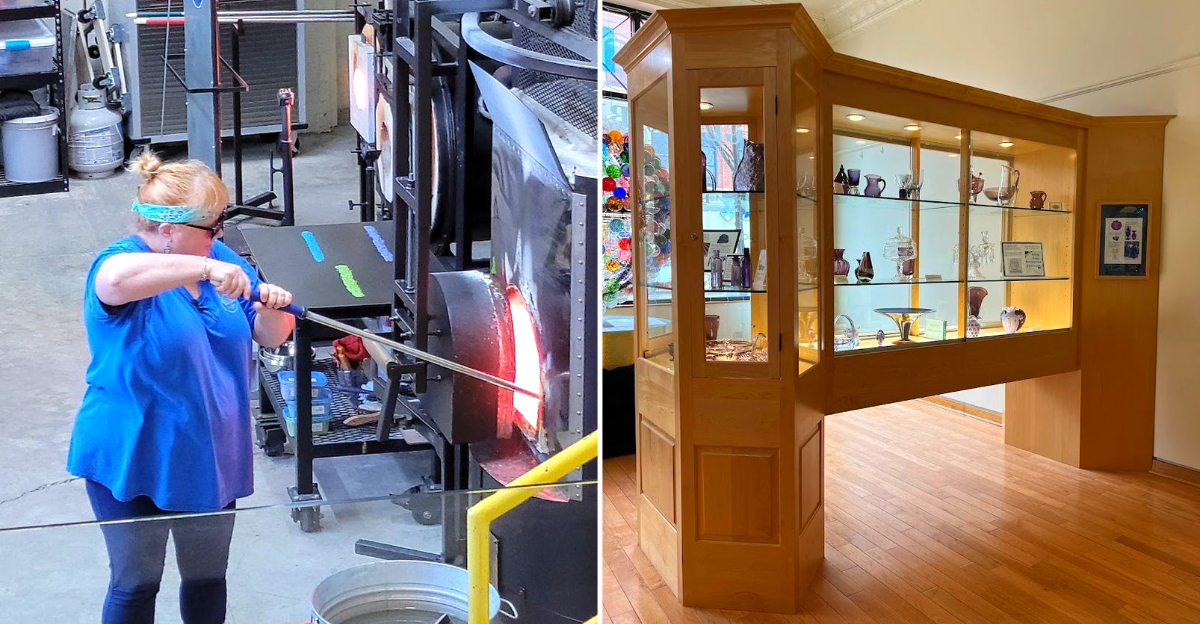
Watching molten glass turn into something beautiful is the kind of thing that stops you mid-thought. One minute, it looks like a glowing lump, and the next, it is starting to resemble actual art.
Ohio has a deeper connection to the glass industry than many people realize, and one small city in the middle of the state tells that story especially well.
I went in with very little idea of what to expect, which may have been the best way to do it. By the time I left, I was completely hooked.
Between the live glassblowing demonstrations and the hands-on classes where you can shape hot glass yourself, this Lancaster spot turned out to be one of the most unexpectedly fascinating places I have visited in Ohio in quite a while.
It is creative, a little mesmerizing, and much harder to forget than you might think at first.
A Museum Built on Ohio’s Glass Legacy
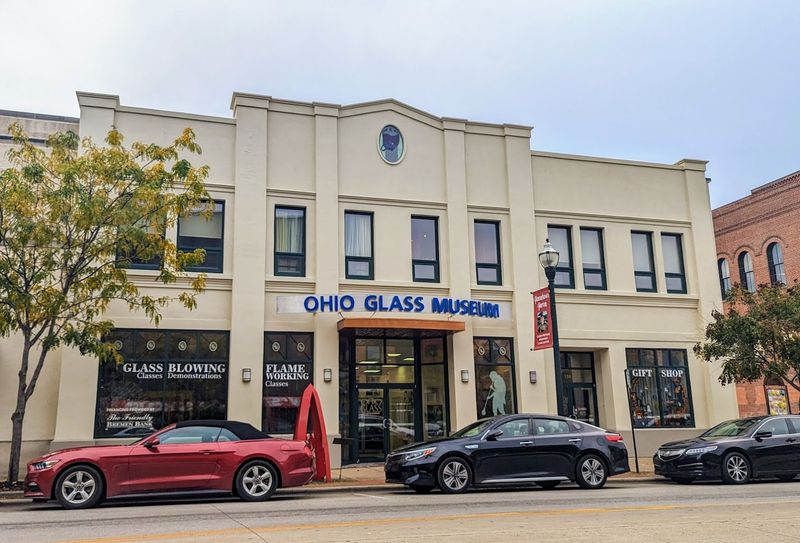
Before visiting, I had no idea just how important Ohio was to the history of glassmaking in the United States, and that alone made this place feel like a real discovery.
The Ohio Glass Museum does a great job of turning that history into something engaging and easy to connect with, rather than making it feel distant or overly academic.
Lancaster earned the nickname “Glass City” in the late 1800s and early 1900s, and the museum tells that story with the kind of care that makes you slow down and actually want to read more.
The exhibits follow the rise of local glassmakers and show how their work helped shape the broader commercial glass industry across the country.
One of the smartest things you can do here is start with the short introductory video, because it gives the rest of the museum much more meaning and makes the full story come into focus.
I walked in knowing almost nothing and left with a much stronger appreciation for both Lancaster’s role in the industry and the everyday glass objects most of us barely think about.
You will find the Ohio Glass Museum at 124 W Main St, Lancaster, OH 43130.
The Glassblowing Demonstration You Cannot Miss
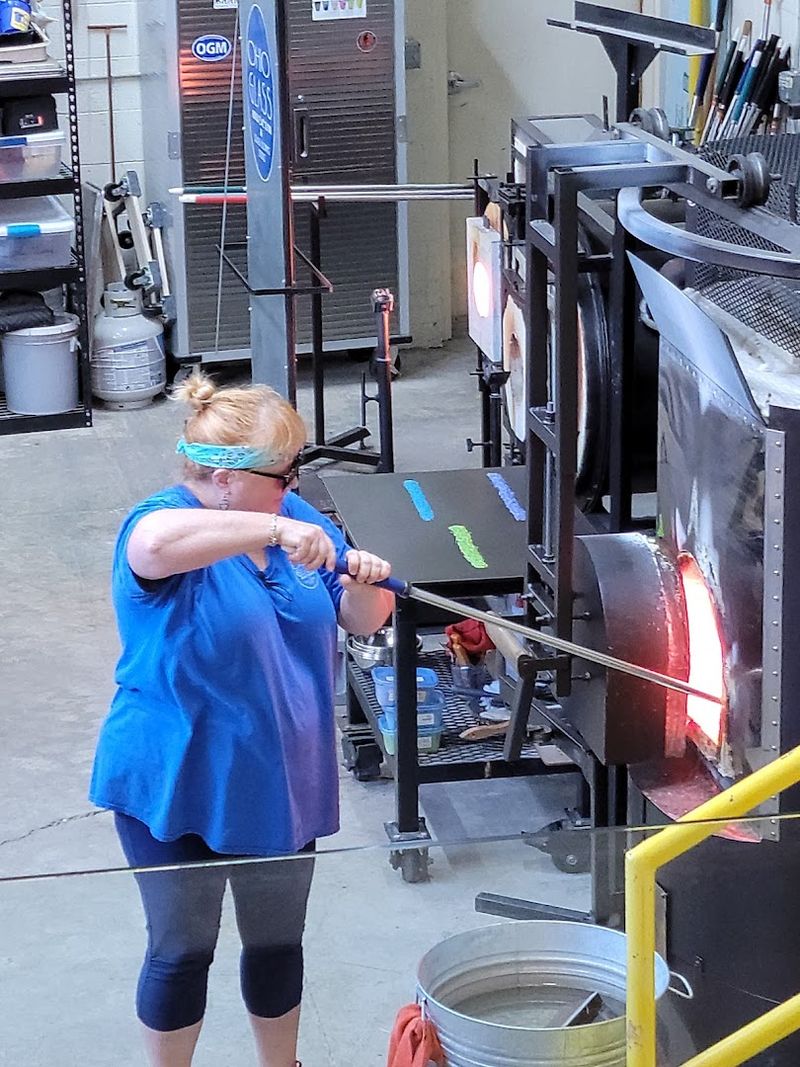
Nothing at the museum hit me harder than the live glassblowing demonstration. Watching a glassblower work is one of those experiences that sounds simple on paper but turns out to be completely riveting in person.
The resident glassblower explains every single step as the process unfolds, from gathering the molten glass on the end of a blowpipe to shaping it with careful, practiced movements.
The glow of the furnace, the heat radiating across the room, and the slow rotation of the pipe all combine into something you genuinely cannot look away from.
During my visit, the artist created a paperweight right in front of us, and I watched a perfectly formed, colorful piece of art come to life in about twenty minutes. One visitor next to me bought the finished piece on the spot, and honestly, I almost did too.
The demonstrations are included with museum admission, which makes this already affordable stop feel like an incredible deal.
Hands-On Glassblowing Classes for All Skill Levels
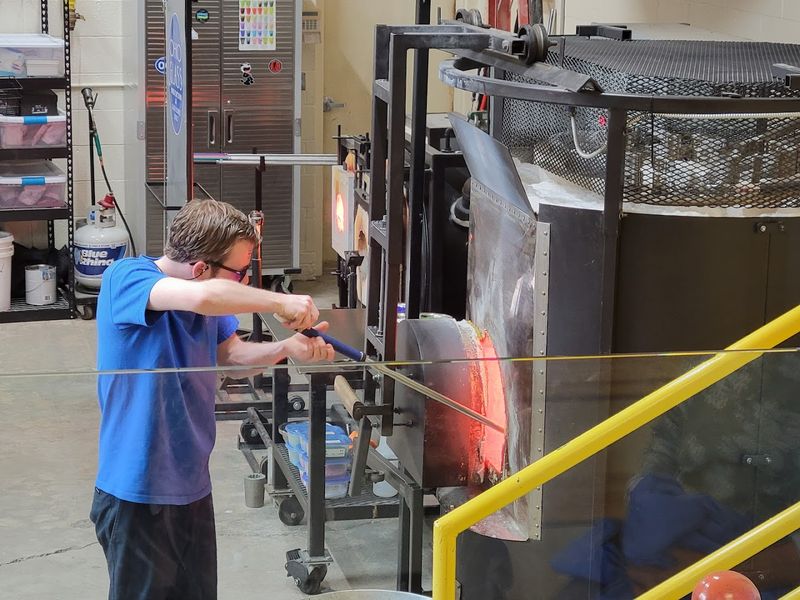
The classes here are where things get really personal. I signed up for a session and quickly realized that this was not just a watch-and-wave kind of experience.
You actually hold the blowpipe, gather the molten glass, and shape it yourself with guidance from a skilled instructor standing right beside you.
The instructors are genuinely patient and thorough. They walk you through the science behind glassblowing, explain why each movement matters, and step in with a steady hand whenever you need a little help.
Even complete beginners walk away with pieces they are proud to display at home.
Popular class options include glass pumpkins and other seasonal shapes, which have become fan favorites based on what I heard from other participants. One person in my group booked a second class before we even finished the first one.
The whole experience strikes that rare balance between being educational and being a whole lot of fun, regardless of your artistic background.
Instructors Who Make It All Click
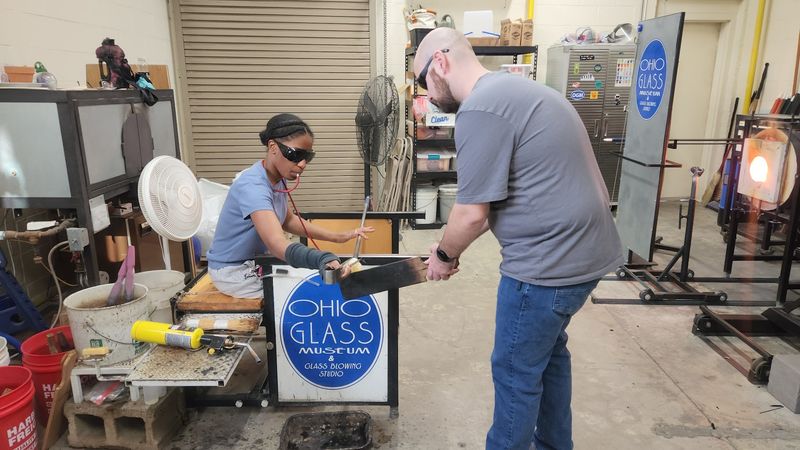
The instructors at this museum are a big part of what makes it special. I have taken classes at various craft studios over the years, and the quality of instruction here genuinely stands out.
Each instructor brings their own personality to the experience while keeping safety and learning at the center of every session.
The museum’s glass artists and instructors have earned enthusiastic praise from visitors for their patience, clarity, and ability to make nervous beginners feel completely at ease.
That kind of personal attention is rare.
What struck me most was how passionate the instructors seemed about the craft itself. You can feel the difference between someone who teaches as a job and someone who genuinely loves what they do, and everyone I encountered here fell firmly into that second category.
That energy is contagious.
The Gift Shop and One-of-a-Kind Art Pieces
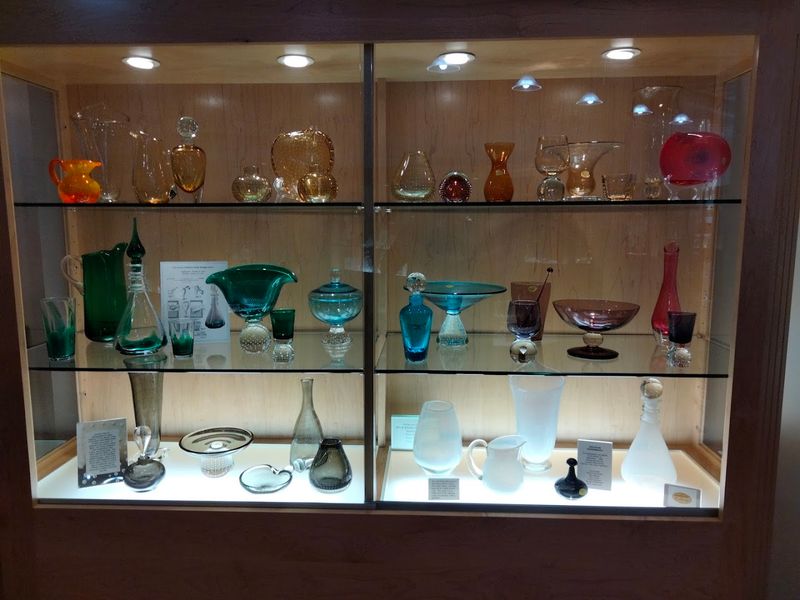
The gift shop at the Ohio Glass Museum is the kind of place where you walk in planning to browse and walk out carrying a bag. The selection includes pieces made right there in the studio by in-house artists, alongside work from local artists who contribute their own one-of-a-kind creations.
I spotted stained glass items, hand-blown paperweights, ornaments, and decorative bowls in a range of prices that felt genuinely fair for the quality on offer. Nothing here feels mass-produced, and that matters when you are looking for something truly unique to bring home or give as a gift.
The shop adds real warmth to the whole visit, and it is easy to see why people leave with more than they planned to buy.
That level of care is something you simply do not find everywhere, and it adds real warmth to the whole visit.
The Exhibits That Tell a Bigger Story
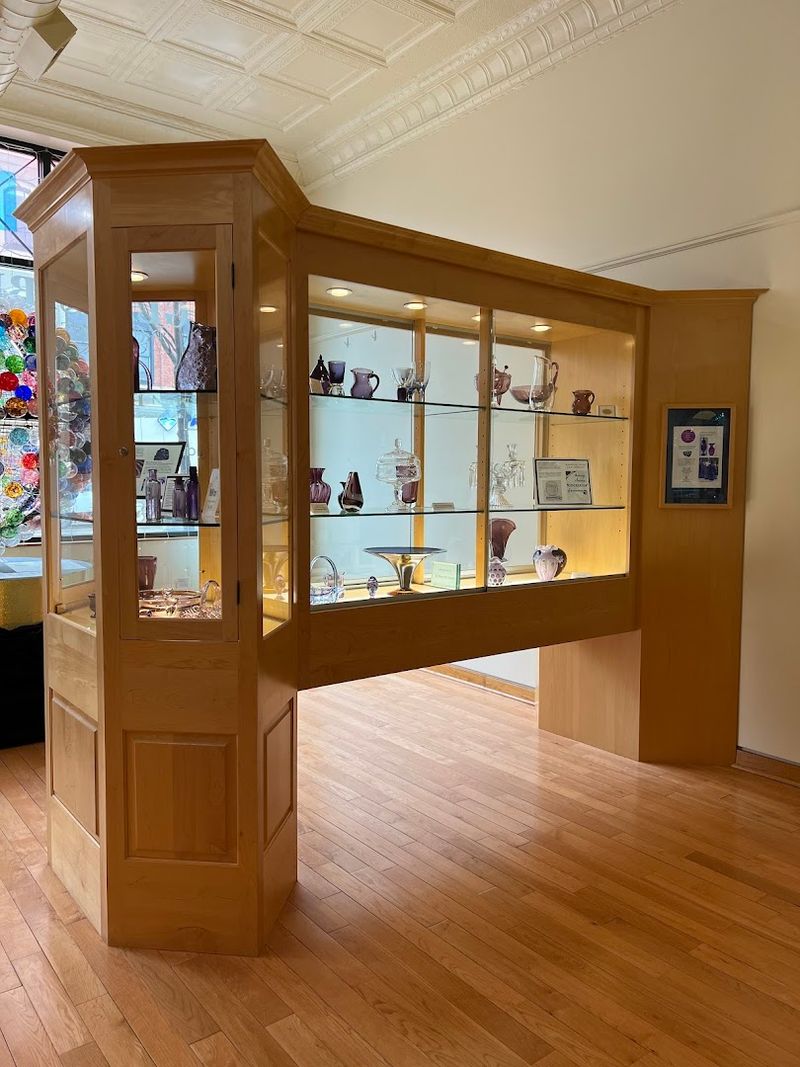
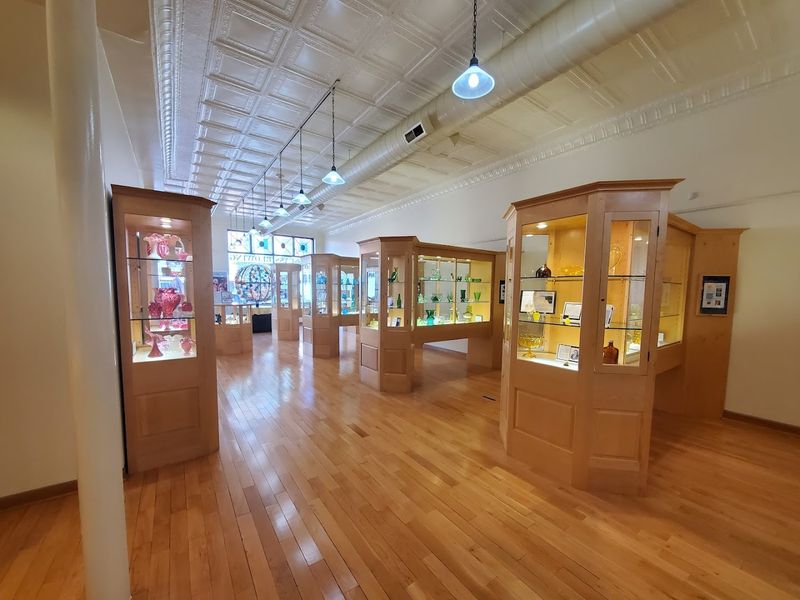
Beyond the demonstrations and classes, the museum itself houses a thoughtful collection of glassware that traces the commercial and artistic history of the industry.
The displays include pieces manufactured in the Lancaster area as well as items that mark key moments in the broader development of glassmaking in America.
One tip I picked up from a fellow visitor: do not skip the cases near the back entrance. That is where some of the more unusual and visually striking pieces are kept, and they are easy to miss if you follow the main path without exploring.
I almost walked past them myself and was glad I doubled back.
The collection also rotates periodically, which means repeat visitors often discover something new each time they come back.
A local guide I chatted with mentioned that some of the pieces on display were ones he had personally helped design during his years working in the glass industry, which added a deeply personal layer to the whole experience.
Perfect for Families and Kids
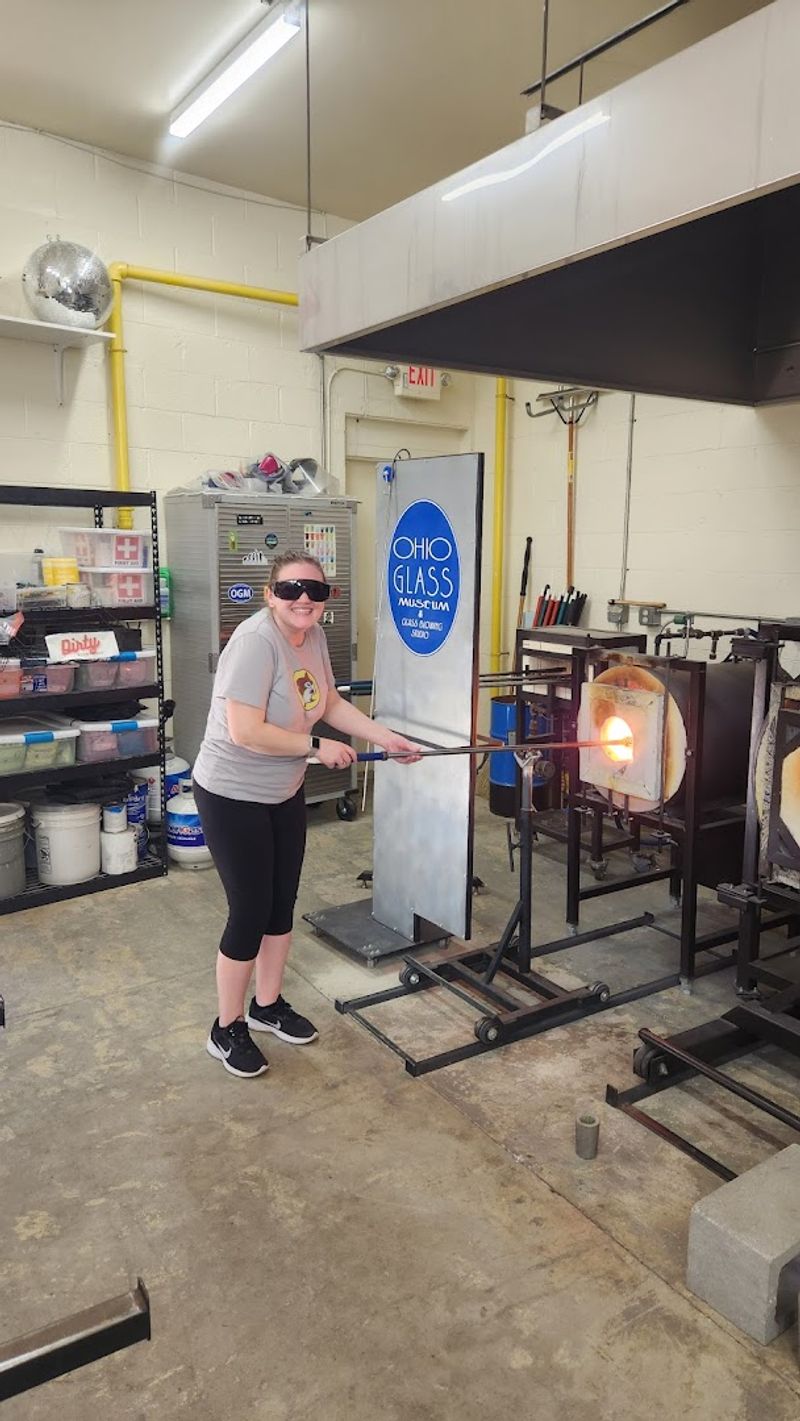
Families with kids are going to find a lot to love here. The combination of visual spectacle, hands-on learning, and friendly staff creates an environment where children stay genuinely engaged from the moment they arrive to the moment they leave.
The glassblowing demonstration alone is enough to hold a child’s attention completely. Watching molten glass glow orange and transform under the hands of a skilled artist is the kind of thing kids talk about for days afterward.
Several families in my group had kids who wanted to know if they could sign up for a class on the spot.
Classes are available for various age groups, and instructors are experienced at working with younger participants. One family I spoke with brought their children to a class and said the kids had so much fun they were already asking to come back for a different session.
For a family outing that combines creativity, history, and a little bit of science, this place hits all the right notes.
What to Know Before You Go
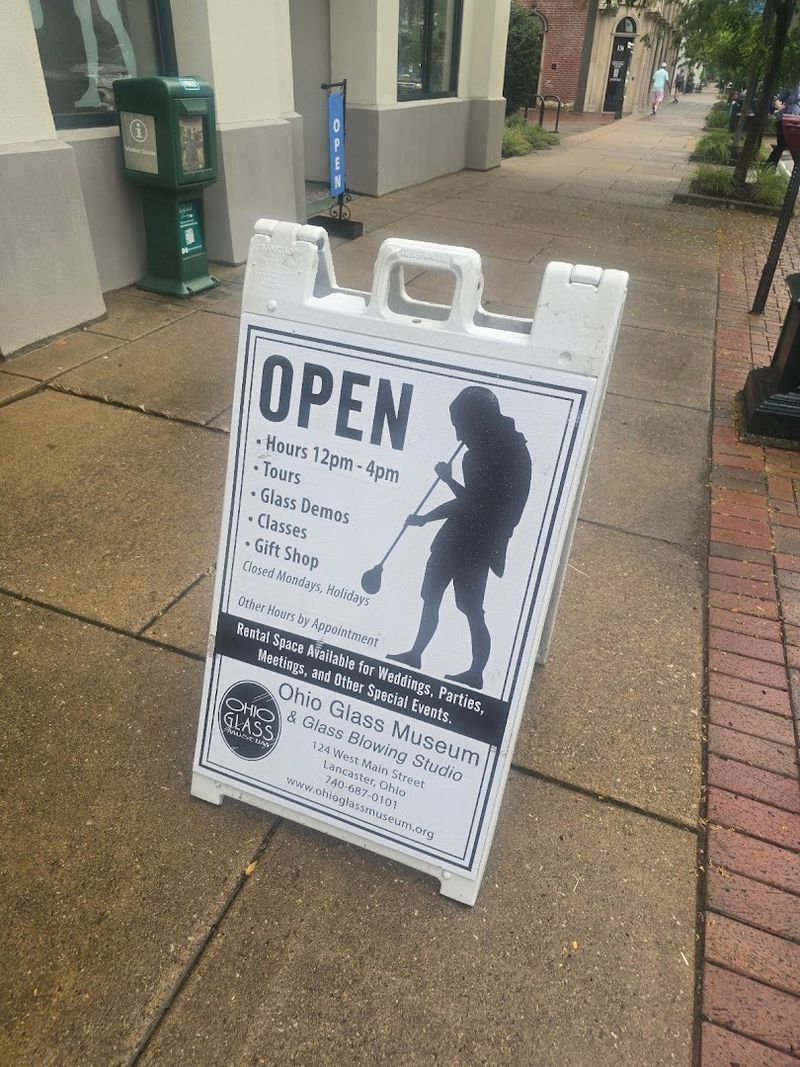
Planning ahead will make your visit run much more smoothly. The museum is open Wednesday through Sunday from 12 to 4 PM and is closed on Mondays and Tuesdays.
Those hours are shorter than you might expect, so arriving by 2 PM gives you enough time to watch a demonstration, tour the exhibits, and browse the gift shop without feeling rushed.
The phone number for the museum is 740-687-0101, and their website at ohioglassmuseum.org has current class schedules and booking options. Classes fill up faster than you might expect, especially for popular seasonal sessions like the glass pumpkin workshops in autumn.
One genuinely useful tip: Fairfield County residents who hold a library card can check out a free admission pass to the museum. That is a fantastic perk that not enough locals seem to know about.
Admission is already very reasonably priced, but free is always a welcome bonus. Parking in downtown Lancaster is generally easy to find near the Main Street location.
The Atmosphere Inside the Studio
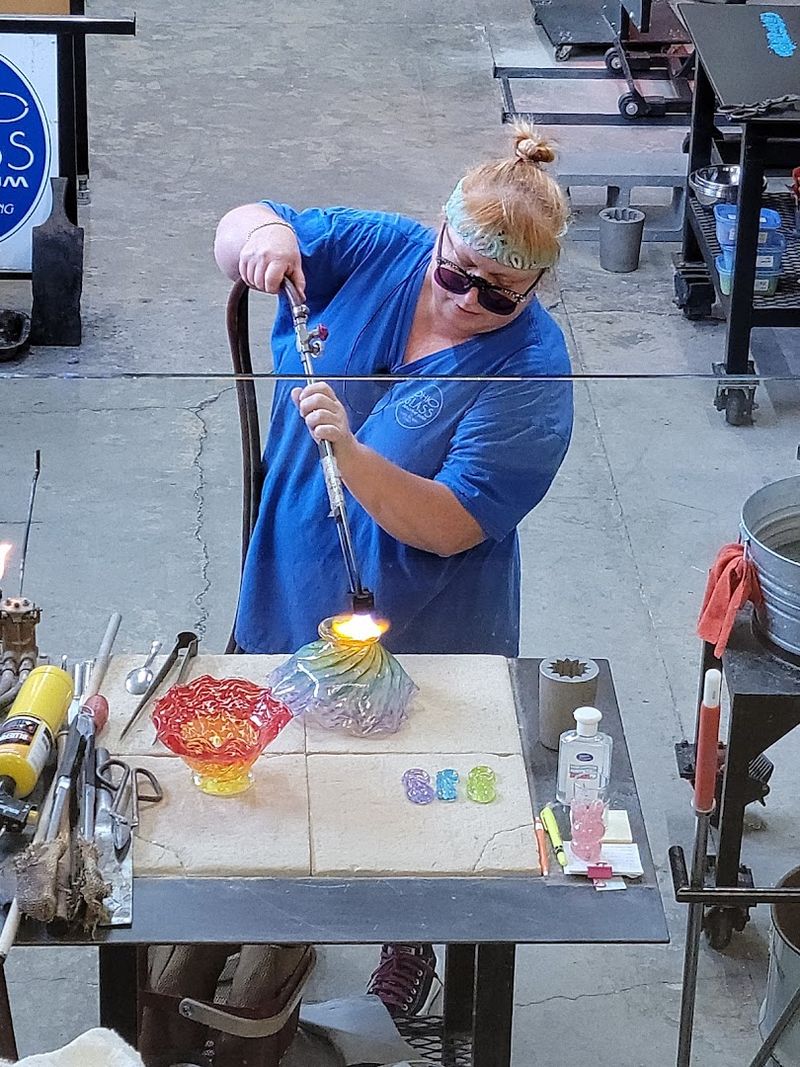
There is a particular kind of energy inside a working glass studio that you really cannot replicate anywhere else. The heat from the furnaces is noticeable the moment you get close, and the orange glow of molten glass at the end of a blowpipe creates a dramatic visual that feels almost theatrical.
The studio at this museum is compact but well-organized, and the layout allows visitors to observe the glassblowing process from a close enough distance to feel genuinely involved without getting in the way of the work. It is intimate in a way that larger glass studios simply cannot match.
During classes, the space feels collaborative and creative rather than clinical or intimidating. The tools are laid out clearly, the instructors move efficiently around the room, and the whole setup communicates that this is a place where serious craft happens every single day.
That combination of warmth and professionalism is something I noticed immediately and appreciated throughout my entire time there.
Why Lancaster’s Glass Story Deserves Your Attention
Lancaster is not a city that tends to show up on most travel lists, but that is part of what makes visiting feel like a genuine discovery.
The glass history embedded in this community goes far deeper than a single museum, and the Ohio Glass Museum serves as the best starting point for understanding why this town mattered so much to American industry.
Ohio as a whole has a manufacturing heritage that shaped the modern world in ways most people never learned in school, and Lancaster’s role in the glass trade is one of the more fascinating chapters of that story. The museum brings it to life in a way that feels personal rather than academic.
By the time I left, I had a new appreciation for something I had always taken for granted: the glass objects that surround us every single day.
That shift in perspective, sparked by a small museum on a quiet street in central Ohio, is exactly the kind of thing that makes travel worth doing in the first place.