
10 Ways North Carolina Fried Chicken Has Evolved Since The ’80s And What Remains Classic
North Carolina’s fried chicken scene has grown and changed since the ’80s, blending tradition with modern twists that keep locals coming back for more.
From crispy, golden classics to inventive flavors and techniques, each plate tells a story of culinary evolution.
Some favorites remain timeless, proving that the original recipes still hold a special place in hearts and taste buds.
Exploring these dishes shows how innovation and tradition can coexist on every delicious bite.
1. Nashville-Style Heat Brings the Fire
Remember when Carolina chicken was just seasoned, not scorching? Those days are gone!
Nashville-style heat swept through NC kitchens in the 2000s, bringing tear-inducing spice levels that would make your grandma clutch her pearls.
Nowadays, most chicken joints offer heat scales from ‘Southern Mild’ to ‘Carolina Reaper.’
Yet buttermilk brine remains the non-negotiable foundation, tenderizing chicken the same way it has since before MTV existed.
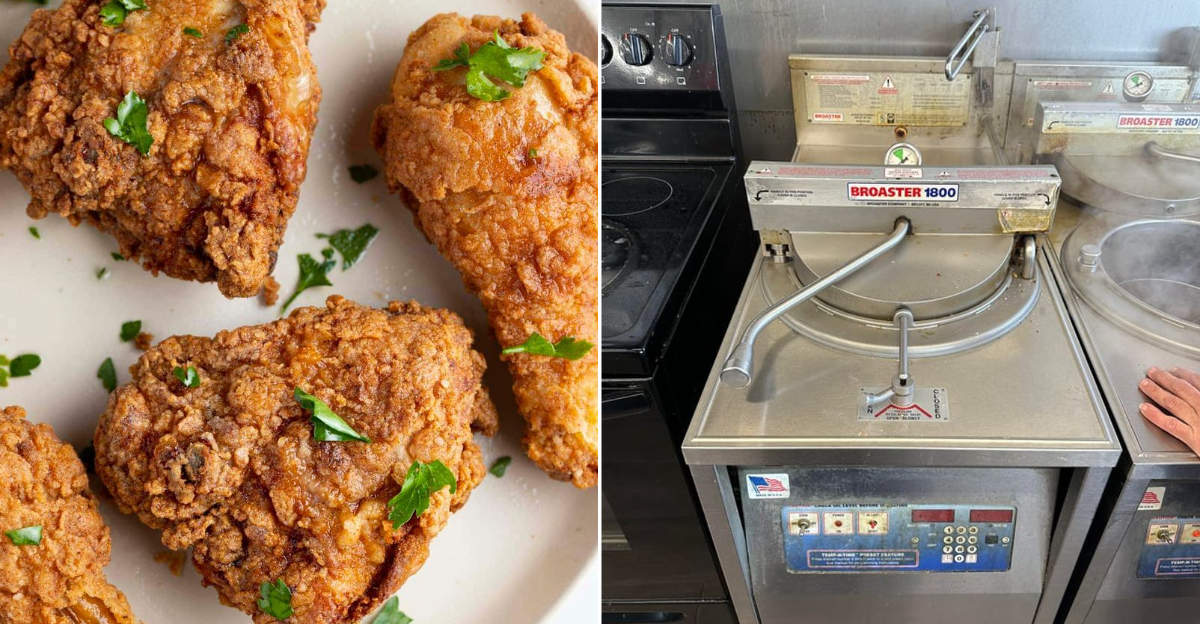
2. Pressure Fryers and Broasters Take Over
Gone are the days when every chicken shack relied solely on open-pot frying. Modern pressure fryers and broaster techniques have revolutionized how restaurants serve chicken fast without sacrificing that juicy interior.
These machines lock in moisture while creating that signature crunch in half the time.
Despite this technological leap, many Carolina grandmas still swear by their decades-old cast-iron skillets, claiming the seasoning built up since the Reagan era makes all the difference.
3. Sweet Meets Heat with Honey Drizzles
Hot honey wasn’t even on the radar back when hair was big and shoulders were padded.
This sticky-sweet revolution hit Carolina chicken joints around 2010, pairing spicy cayenne-infused honey with crispy fried goodness.
The combination creates flavor fireworks that would’ve blown minds in 1985.
Meanwhile, old-school creamy pan gravy still gets ladled over chicken at family-style restaurants across the state, proving some traditions are simply too delicious to disappear.
4. Biscuit Sandwiches Become Breakfast Royalty
Chicken biscuits existed in the ’80s, sure, but they’ve transformed from humble breakfast item to Instagram-worthy creations.
Today’s versions feature premium ingredients, artisanal biscuits, and fancy aiolis that would baffle your 1985 self. Fast-casual spots have elevated this handheld delight to cult status.
Still, bone-in plates with two sides remain the gold standard at family restaurants, where a three-piece dinner with fixins continues its decades-long reign as Carolina comfort food supreme.
5. Farm-to-Fryer Movement Changes Sourcing
Pasture-raised birds were hardly mentioned on ’80s menus when nobody questioned where their chicken came from.
Today, farm-sourced poultry dominates upscale chicken joints, with menus proudly naming the local farms raising their birds. Consumers now pay premium prices for chickens with backstories.
Interestingly, that familiar farm-style flavor persists regardless – proving that while sourcing has evolved, the quintessential Carolina chicken taste remains anchored in tradition, not marketing.
6. Alternative Flours Create Inclusive Options
Back when Reagan was president, you’d be laughed out of town asking for gluten-free fried chicken.
Fast forward to today, and alternative flours like chickpea, rice, and cassava have created inclusive options for everyone to enjoy this Southern staple.
These new-age batters accommodate dietary restrictions while attempting to mimic that classic crunch.
Meanwhile, traditional spots still swear by their simple flour-salt-pepper dredge, often scribbled on index cards yellowed with age and splattered with decades of cooking evidence.
7. Brines Get Experimental Flavor Boosts
Pickle juice and sweet tea brines? Unheard of in Reagan-era Carolina kitchens! These liquid flavor bombs have transformed chicken preparation, infusing meat with complex tastes before it even hits the flour.
Modern chefs compete for the most creative pre-fry soak, from apple cider to hot sauce concoctions.
Yet buttermilk remains the gold standard, its tangy magic still tenderizing chicken across the state just as it did when VHS tapes were cutting-edge technology.
8. Temperature Precision Replaces Intuition
Grandma used to test oil temperature by sprinkling flour and watching it sizzle.
Modern Carolina chicken spots now employ digital thermometers, precisely calibrated fryers, and air-chilled birds for scientific perfection.
Today’s chefs talk about optimal oil temperatures like they’re NASA engineers.
Yet in home kitchens across the state, you’ll still find cooks who judge readiness by sound and color, using cast-iron skillets blackened by decades of use, proving that cooking by feel remains a cherished Carolina tradition.
9. Fast-Casual Revolution Redefines Service
The ’80s chicken joint meant plastic booths and counter service. Today’s fast-casual revolution has birthed sleek, Instagram-ready fried chicken restaurants and food trucks with cult followings and hour-long lines.
These modern spots feature minimalist design and clever branding that would seem alien to 1985 diners.
Meanwhile, church suppers and meat-and-three institutions still serve chicken exactly as they have for generations, in unpretentious settings where the food, not the atmosphere, remains the undisputed star.
10. Global Flavors Create Fusion Favorites
Korean gochujang-glazed drumsticks would’ve been unimaginable in 1980s North Carolina.
Today, global influences have transformed local chicken, with everything from Peruvian aji to Japanese togarashi finding their way onto Carolina birds.
These international riffs create exciting new flavor profiles for adventurous eaters.
Yet the classics endure – vinegar slaw, stewed collards, and hushpuppies still accompany fried chicken across the state, providing the same perfect counterpoints to crispy poultry that they have for generations.