
10 Ways South Carolinians Keep Lowcountry Cooking Unique
Down here in South Carolina, our Lowcountry cooking isn’t just food—it’s a living history book told through flavors.
I’ve spent years learning these recipes from my grandmother’s kitchen, where the aroma of freshly caught seafood mingled with rice and spices.
Our unique coastal cuisine blends African, European, and Caribbean influences into something you simply can’t find anywhere else in America.
1. Seafood Straight From The Tidal Creeks
Last summer, my uncle pulled his shrimp boat up to our dock with the day’s catch glistening in the afternoon sun. Nothing beats seafood that was swimming just hours before it hits your plate!
Lowcountry cooks prize blue crabs, sweet white shrimp, briny oysters, and tender whiting fish caught in our local waters. The freshness creates flavors you simply can’t replicate with frozen imports.
Many families here still maintain time-honored traditions of catching their own dinner, whether it’s casting nets for shrimp or setting crab pots off private docks. This direct connection to our waters keeps our seafood dishes authentically Lowcountry in a way no restaurant chain could ever duplicate.
2. Carolina Gold Rice Revived From Near Extinction
“Y’all want some more rice?” Grandma would ask, already scooping another helping onto my plate before I could answer. That golden-hued grain was the backbone of every family meal I remember.
Carolina Gold rice nearly disappeared after the Civil War, but dedicated farmers and chefs brought this heritage grain back from the brink. Its distinctive nutty flavor and ability to absorb sauces while maintaining texture makes it irreplaceable in classics like Charleston red rice, pilau, and Hoppin’ John.
The grain’s resurrection represents our determination to preserve culinary traditions. Modern Lowcountry cooks celebrate this comeback story by incorporating Carolina Gold into both traditional recipes and innovative new dishes that honor its historical significance.
3. The Legendary Lowcountry Boil
My first Lowcountry boil was at a beach house on Edisto Island. Twenty family members gathered around newspapers spread across picnic tables while my father dumped a steaming pot of seafood, sausage, corn and potatoes right onto the table!
Also called Frogmore Stew (though it contains no frogs), this one-pot wonder embodies our community-centered approach to dining. The simple cooking method—boiling everything together in seasoned water—belies the complex flavors that develop when the ingredients mingle.
What makes our version special is the sequence: potatoes and sausage first, then corn, finally the seafood. This timing ensures everything finishes perfectly. The casual serving style—dumped directly onto newspaper—creates an unforgettable communal dining experience that visitors talk about for years.
4. She-Crab Soup’s Decadent Secret
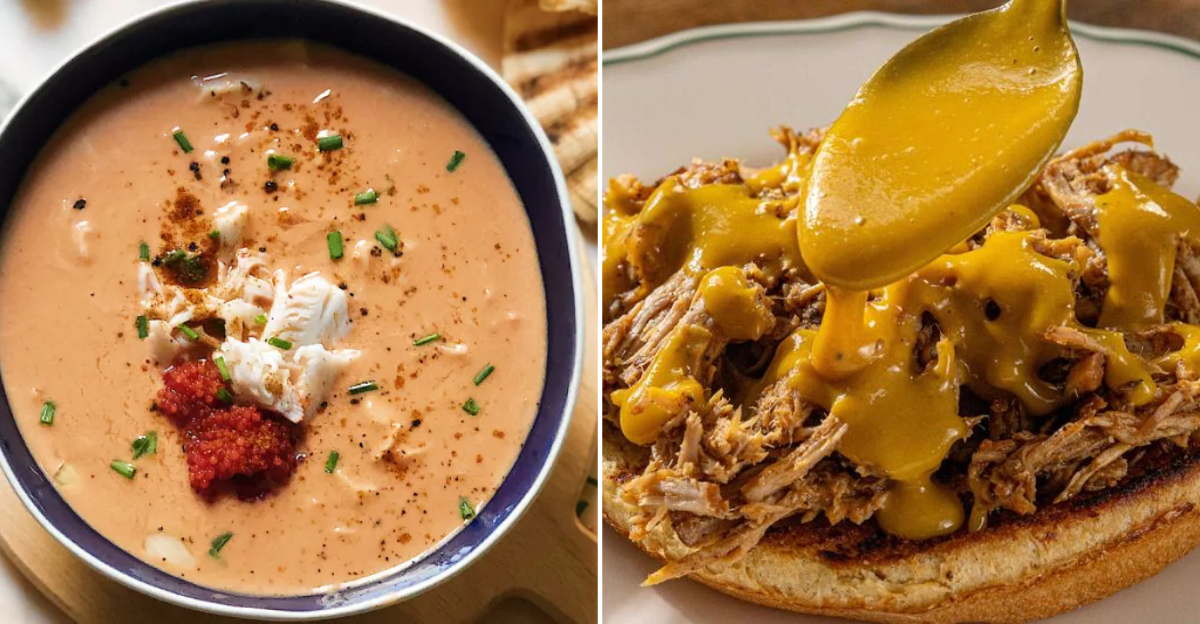
“The secret’s in the roe,” my grandmother whispered as she slipped bright orange crab eggs into her simmering pot of she-crab soup. That day I learned what makes this Lowcountry specialty impossible to duplicate elsewhere.
Female crabs (“she-crabs”) with their roe intact create the signature richness that defines authentic versions of this creamy delicacy. Charleston legends claim the soup was created for President William Howard Taft during a visit to the Holy City.
Modern regulations protecting egg-bearing crabs have changed how we make it today. Creative cooks substitute other ingredients to mimic the distinctive color and flavor, but old-timers can always tell the difference. The finishing touch—a splash of sherry just before serving—remains non-negotiable in proper Lowcountry kitchens.
5. African Influences That Define Our Table
The first time I tasted my neighbor Miss Josephine’s red rice, I realized some recipes carry more than just flavor—they carry history. “This came all the way from Africa with my ancestors,” she told me proudly.
Okra, benne seeds, field peas, and rice techniques arrived with enslaved West Africans who transformed Lowcountry cooking forever. Dishes like Hoppin’ John (black-eyed peas and rice) aren’t just delicious—they’re living cultural artifacts that survived centuries of hardship.
Gullah Geechee communities along our coast maintain these cooking traditions with remarkable authenticity. Their influence extends beyond specific ingredients to cooking methods like slow simmering, one-pot cooking, and ingenious use of foraged ingredients—techniques born of necessity that now define the soulful character of our regional cuisine.
6. Farm-Fresh Vegetables With Southern Twists
Saturday mornings meant one thing growing up—trips to the Charleston Farmers Market where Mom would chat endlessly with Mr. Jenkins about his tomatoes while I impatiently eyed the boiled peanut stand. Those fresh vegetables became the backbone of our family meals.
Lowcountry cooks transform humble vegetables into extraordinary dishes through distinctive preparation methods. Okra gets quick-fried to eliminate sliminess or slow-simmered in gumbos. Sweet potatoes appear in surprising places like biscuits and pie fillings.
Field peas—never to be confused with English peas—simmer with pork neck bones for hours. Summer tomatoes need nothing more than salt and maybe a drizzle of Duke’s mayonnaise. These vegetable-forward traditions reflect both practicality and creativity, using seasonal abundance from our fertile coastal soil in ways that honor both African and European influences.
7. Mustard-Based Barbecue That Stands Apart
“That yellow sauce is fighting words in some parts,” my grandfather would joke as he slathered his signature mustard mixture over a whole hog slowly smoking in our backyard pit. I didn’t realize until years later how uniquely South Carolinian our barbecue style truly is.
While other Southern states pledge allegiance to tomato or vinegar bases, Lowcountry pitmasters proudly defend our golden mustard sauce. German settlers introduced this distinctive approach that perfectly complements our tradition of cooking entire pigs rather than just shoulders or ribs.
The whole-hog approach means varied textures and flavors from different parts of the animal come together in one meal. Family barbecue recipes are guarded secrets, passed down through generations with the reverence of precious heirlooms—and woe to anyone who suggests another state’s barbecue might be superior!
8. Gullah Geechee Techniques That Preserve History
Miss Sarah’s hands moved with mesmerizing speed as she wove a sweetgrass basket right before my eyes at the roadside stand on Highway 17. “Same way we’ve stored rice for hundreds of years,” she explained, her fingers never pausing in their practiced dance.
Gullah Geechee communities along our sea islands maintain cooking techniques virtually unchanged since the 1700s. Their one-pot cooking methods, outdoor preparation, and resourceful use of every ingredient reflect both necessity and ingenuity passed through generations.
Rice preparation follows specific techniques brought directly from West Africa. Seafood might be cooked in pit ovens dug into the sand. Oysters are roasted over open fires on metal sheets. These methods aren’t culinary affectations but living cultural practices that have shaped Lowcountry cuisine at its foundation, preserving flavors that would otherwise have been lost to history.
9. Cultural Fusion In Every Dish
When my classmate looked confused at my lunch box containing red rice, pickled shrimp, and benne wafers, I realized not everyone grew up with our unique culinary heritage. “It’s like three continents on a plate,” I tried explaining.
European, West African, and Caribbean influences meld seamlessly in authentic Lowcountry dishes. French cooking techniques might be applied to African ingredients, while English preservation methods meet Caribbean spices. This culinary conversation has evolved over centuries into something entirely distinctive.
The rich foodways resulted from necessity, creativity, and cultural exchange between diverse peoples sharing the same coastal geography. Dishes like Country Captain (curried chicken with rice) demonstrate these global connections. Modern Lowcountry chefs continue this tradition of cultural fusion while respecting historical foundations, creating new classics that remain unmistakably rooted in our unique culinary heritage.
10. Preserving Heritage Through Community Gatherings
The church cookbook my mother treasured was held together with yellowed tape and food stains, each recipe attributed to a neighbor or family member. “This is our history,” she’d say whenever I suggested buying a modern cookbook instead.
Lowcountry cooking thrives through community-centered food traditions. Church suppers, family reunions, oyster roasts, and Gullah festivals become living classrooms where recipes and techniques pass between generations. These gatherings preserve dishes that might otherwise disappear.
Many iconic recipes survive only through community memory and practice rather than formal documentation. The social aspect of our food culture—cooking together, sharing meals, teaching younger generations—ensures techniques like proper rice steaming or oyster roasting continue. This community-based preservation system makes Lowcountry cooking resilient against the homogenizing forces that have flattened regional distinctions elsewhere in American cuisine.