
We Ranked 10 Of The Best Italian Restaurants In Pennsylvania And Here’s Who Made The Cut
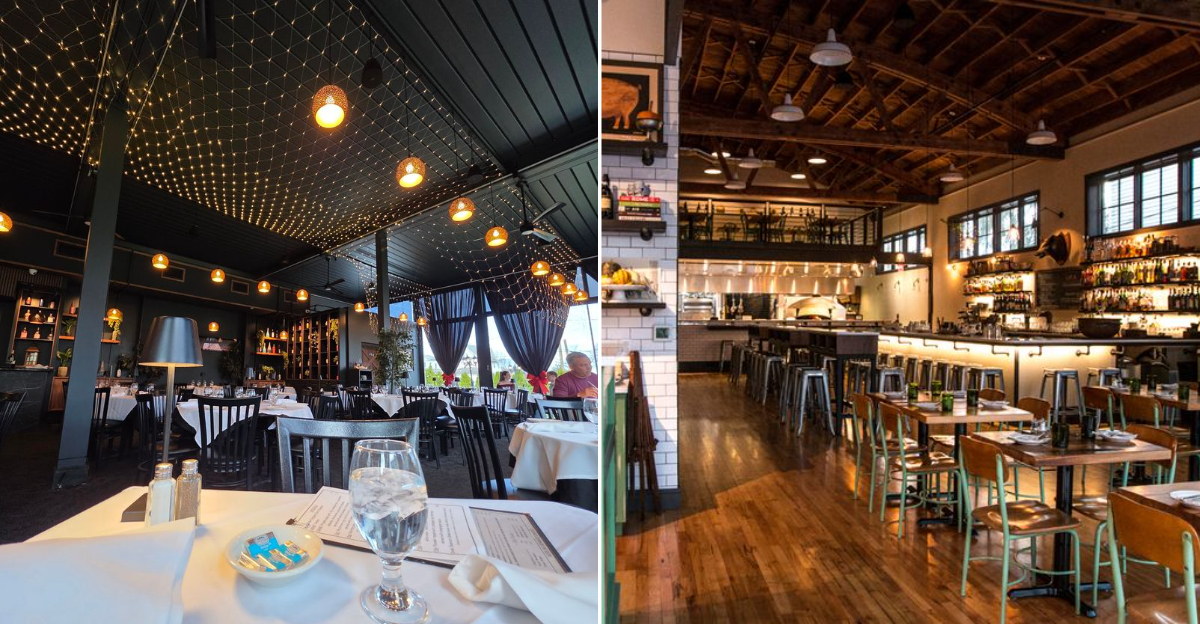
Pennsylvania takes Italian food seriously, which makes ranking the best restaurants a surprisingly difficult assignment. Some shine because the pasta tastes like it came from a family kitchen.
Others win people over with old-school red sauce, crisp crusts, or dishes that make a regular Tuesday dinner feel worth dressing up for.
The fun is in how different the strongest spots can be while still delivering the comfort people expect from Italian cooking.
This list came down to the places that leave the strongest impression after the plates are cleared. Not every favorite could make the cut, and that is exactly where the debate gets interesting.
I have learned that ranking Italian restaurants is one of the fastest ways to start an argument at the table. Everyone has a place they swear deserves the top spot, and I am no different.
More than once, I have defended a favorite with the seriousness of a courtroom lawyer. Food loyalty gets intense when pasta is involved.
1. Vetri Cucina, Philadelphia
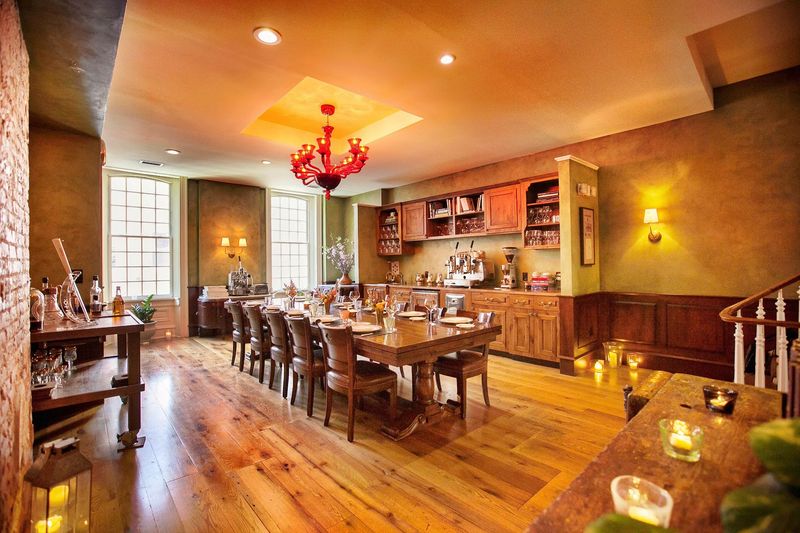
Few dining rooms in the state carry the quiet confidence of this converted townhouse.
Vetri Cucina sits inside a narrow brownstone on Spruce Street, and the whole experience feels like being invited into someone’s very stylish home.
The dining room is small on purpose, with candlelight bouncing off brick and a kitchen that sends out course after course of northern Italian cooking.
Spinach gnocchi arrives light enough to float, and the almond tortellini has become the kind of dish people describe to friends with their eyes closed. Everything is handmade, right down to the pasta sheets rolled that afternoon.
Here is a fun bit of history. The building once housed another famous Philadelphia restaurant before Vetri took over in 1998, so the address has been feeding ambitious diners for decades.
What makes Vetri Cucina special for travelers is the neighborhood around it. You are steps from Rittenhouse Square, walkable brownstone blocks, and some of the prettiest evening strolls in the city.
Reservations vanish quickly, so plan ahead. Trust the tasting menu and let the kitchen drive.
Address: 1312 Spruce St, Philadelphia, PA 19107
2. Fiorella, Philadelphia
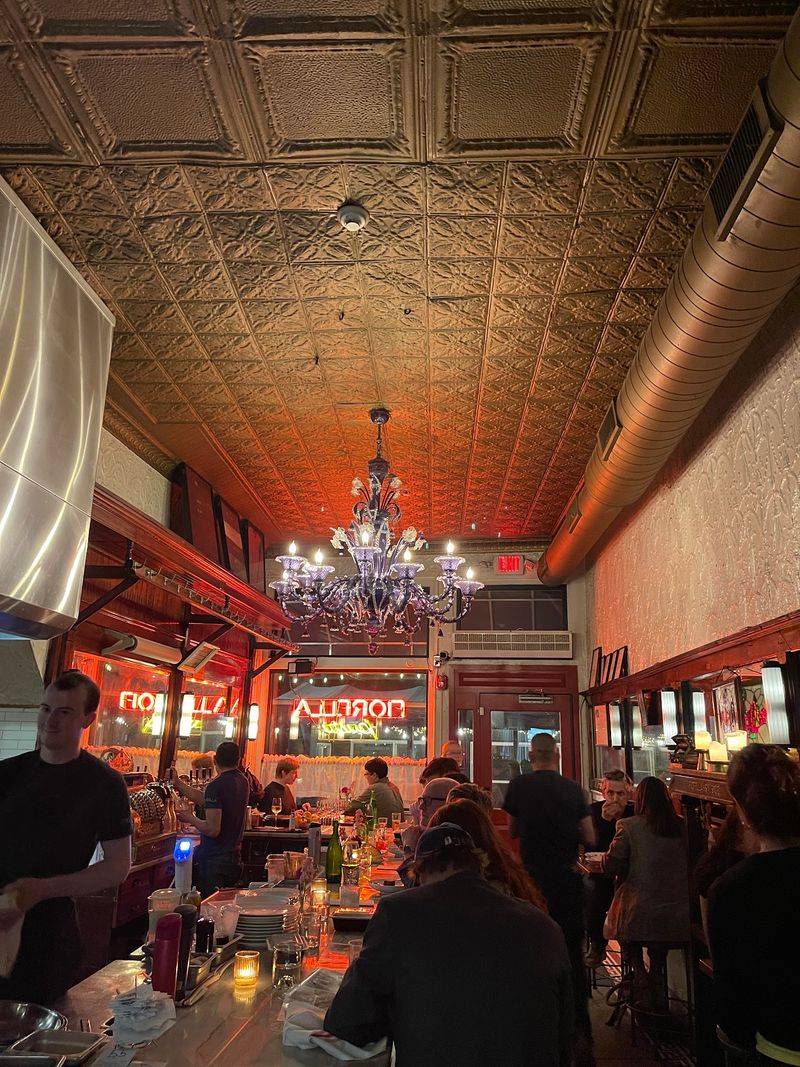
Imagine a pasta counter so compact that elbows become part of the seating chart.
Fiorella occupies a former butcher shop in South Philadelphia’s Italian Market, and the space still wears its old tile and hooks proudly.
Guests sit along a marble counter and watch pasta get tossed a few feet away, which turns dinner into something closer to theater.
The menu stays short and pasta focused. Rigatoni with a slow simmered sauce, delicate ribbons dressed simply, and vegetables that taste like the market stalls outside all show up in rotation.
Backstory time. Luigi Fiorella opened his sausage storefront in 1892.
After more than a century, the landmark business eventually closed, and Marc Vetri later bought the building and reimagined it there as a pasta bar.
I love recommending Fiorella to visitors because the walk there is half the fun. Ninth Street buzzes with produce crates, cheese shops, and awnings that have not changed in generations.
Seats are limited, so early evenings work best. Fiorella rewards anyone willing to sit shoulder to shoulder with strangers.
Address: 817 Christian St, Philadelphia, PA 19147
3. Ralph’s Italian Restaurant, Philadelphia
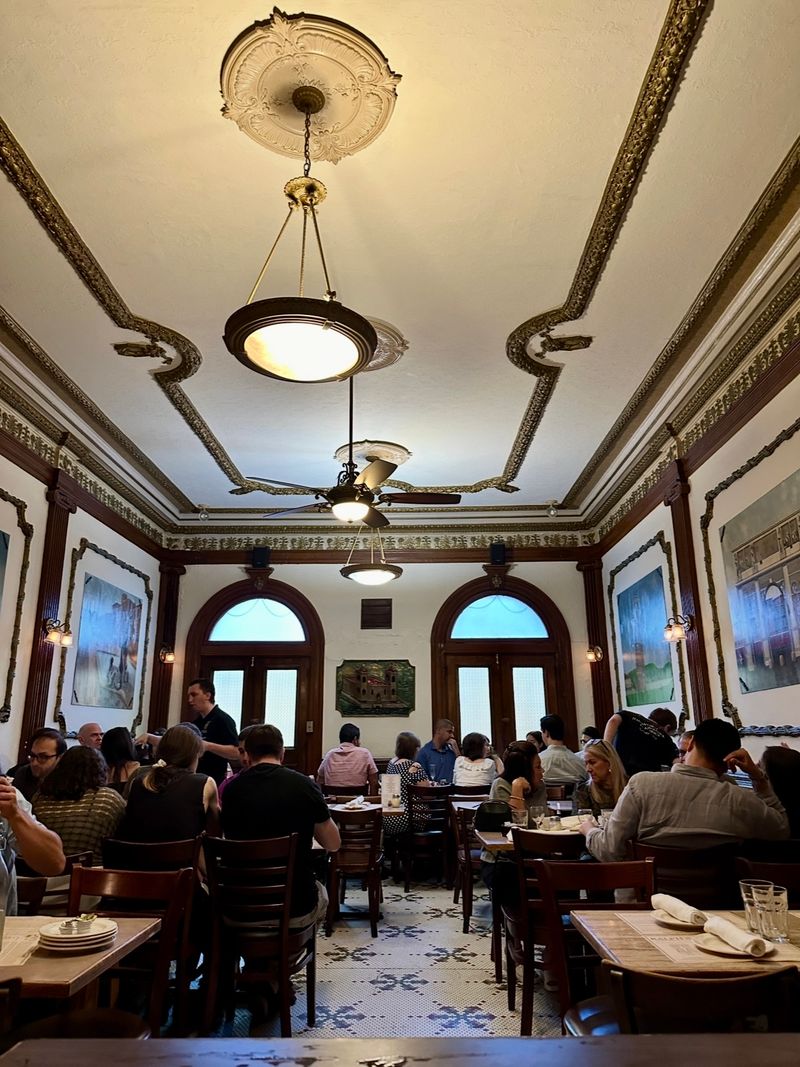
Some places serve dinner, and others serve an entire century of neighborhood memory.
Ralph’s opened in 1900 on Montrose Street, then moved to South Ninth Street a decade later, becoming America’s oldest Italian restaurant.
Five generations have worked in the family business, and green walls, chandeliers, and worn staircase have barely changed.
Red sauce reigns supreme. Chicken Sorrento, veal parmigiana, and baked ziti come out in portions built for people who worked hard all day and intend to eat like it.
Fun detail that always makes me smile. The upstairs dining room still holds the original layout from the early 1900s, so you are eating in a space that fed South Philadelphia through world wars and countless Sunday dinners.
Whenever friends ask me where to find old Philadelphia, I point them toward Ralph’s. The surrounding blocks are dense with bakeries, corner shops, and rowhouse stoops that tell their own stories.
Cash flows easier than pretense here. Ralph’s is loud, warm, and completely unbothered by trends, which is exactly the appeal.
Address: 760 S 9th St, Philadelphia, PA 19147
4. Le Virtù, Philadelphia
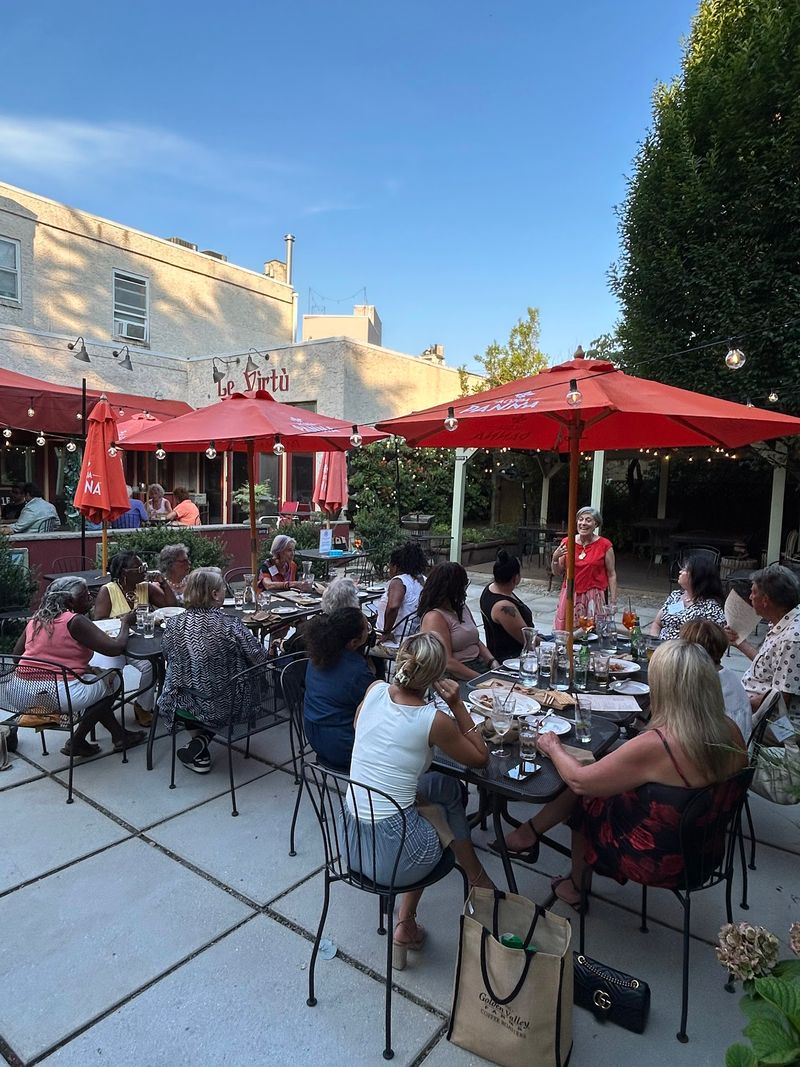
Rustic Abruzzese cooking gives this South Philly dining room a strong sense of place.
Le Virtù has served East Passyunk Avenue since 2007, building its identity around the food of Abruzzo and Southern Italy.
The relaxed dining room matches a menu rooted in farmers, shepherds, fishermen, and the region’s enduring cucina povera traditions.
Handmade pasta remains central. Maccheroni alla mugnaia comes as a long single strand, while maccheroncini alla chitarra arrives with Abruzzese lamb ragu, tomato, rosemary, garlic, and pecorino.
The restaurant also works closely with local farms, using regional produce, meats, and coastal fish while keeping traditional preparations at the center of the cooking.
Chef Andrew Wood leads the kitchen’s evolving seasonal menu.
I like how specific the menu stays. Instead of trying to represent every corner of Italy, Le Virtù keeps returning to Abruzzo, giving travelers a clearer taste of one region and its food.
East Passyunk Avenue deserves a walk before dinner, with shops, murals, and neighborhood restaurants stretching along the corridor. Address: 1927 E Passyunk Ave, Philadelphia, PA 19148
5. DiAnoia’s Eatery, Pittsburgh
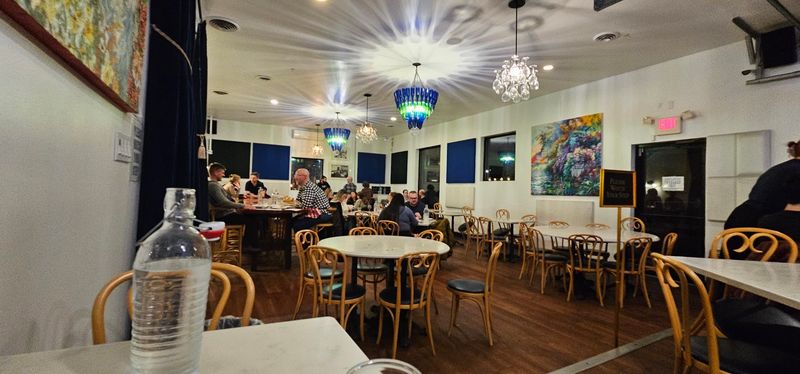
Morning pastries and evening pasta rarely share one roof this gracefully.
DiAnoia’s Eatery anchors a corner of Pittsburgh’s Strip District, a neighborhood packed with produce warehouses, spice shops, and Sunday crowds.
The space runs as a cafe early, a lunch spot midday, and a full trattoria by night.
Handmade pasta drives the menu. Cacio e pepe finished with cracked pepper, pork sugo with braised pork, and fresh baked goods at breakfast are the standouts.
Here is the backstory. Owners Dave Anoia and Aimee DiAndrea opened DiAnoia’s in November 2016, combining their surnames for the restaurant’s name and building the concept around Italian deli, cafe, and dinner service.
What makes DiAnoia’s such a good stop for travelers is location. Penn Avenue outside is a food lover’s obstacle course, filled with Italian importers and Polish bakeries within a few blocks.
Breakfast runs Tuesday through Saturday, so weekday visits remain an option. DiAnoia’s manages to feel both polished and unfussy, which is a hard trick to pull off.
Address: 2549 Penn Ave, Pittsburgh, PA 15222
6. Dish Osteria, Pittsburgh
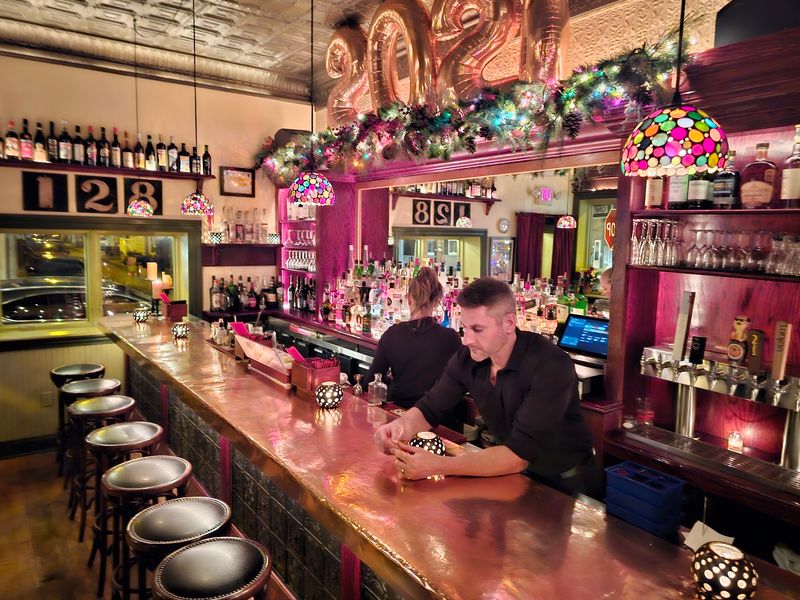
Dim lighting, low ceilings, and Sicilian cooking make for one memorable hideout.
Dish Osteria occupies a small corner spot on Pittsburgh’s South Side, and it has cultivated a devoted following without ever raising its voice. The room stays intentionally moody, with candles and closely spaced tables.
Sicilian influence shows up everywhere. Grilled octopus, pasta with sardines and fennel, and seafood stews reflect island cooking rather than the usual red sauce playbook.
A charming detail worth knowing is that Dish Osteria opened in 2000 and became known for staying open late, feeding restaurant workers and night owls long after other kitchens closed. That reputation stuck.
My own attempts at pasta con le sarde taught me that fennel and sardines are far less forgiving than recipes suggest. The balance here is effortless by comparison.
The South Side surroundings are worth exploring, with East Carson Street stretching for blocks past Victorian storefronts and riverfront trails just beyond.
Dish Osteria seats a small crowd, so arriving early matters. Patience pays off in a room this atmospheric.
Address: 128 S 17th St, Pittsburgh, PA 15203
7. Alla Famiglia, Pittsburgh
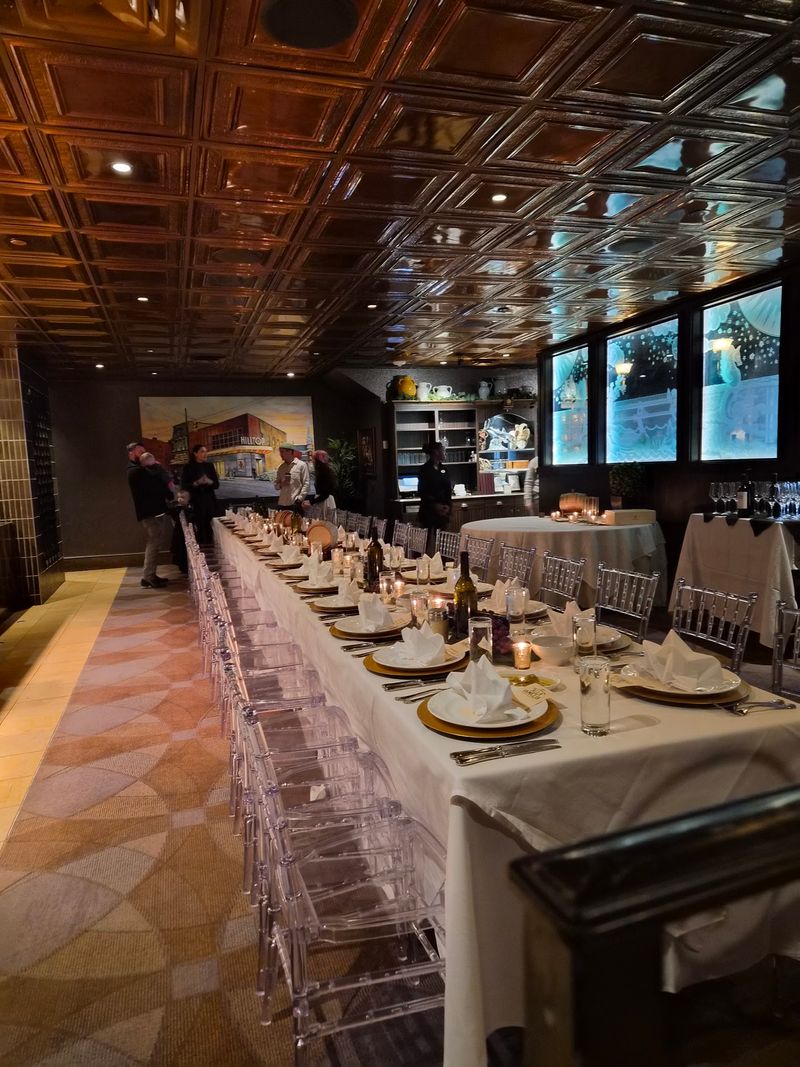
Steak and pasta share equal billing in this hillside Pittsburgh dining room.
Alla Famiglia sits in the Allentown neighborhood, high above the city on a street that feels wonderfully residential. The name means to the family, and the service leans into that idea completely.
Massive veal chops, wet aged beef, and pasta dishes finished with care fill the menu. Portions are generous enough that leftovers become tomorrow’s excellent lunch.
An interesting piece of backstory involves the location itself. Allentown sits atop one of Pittsburgh’s steepest hills, and the restaurant occupies a converted storefront in a district that once thrived as a streetcar shopping hub.
I have a soft spot for Alla Famiglia because the neighborhood setting surprises people. Visitors expect fine dining downtown, then find it perched on a quiet corner surrounded by houses.
The drive up rewards you with skyline views along the way, particularly near Grandview Avenue on nearby Mount Washington.
Alla Famiglia has expanded its dining space over time, but booking ahead is still wise. Come hungry and pace yourself carefully.
Address: 804 E Warrington Ave, Pittsburgh, PA 15210
8. Piccolo Forno, Pittsburgh
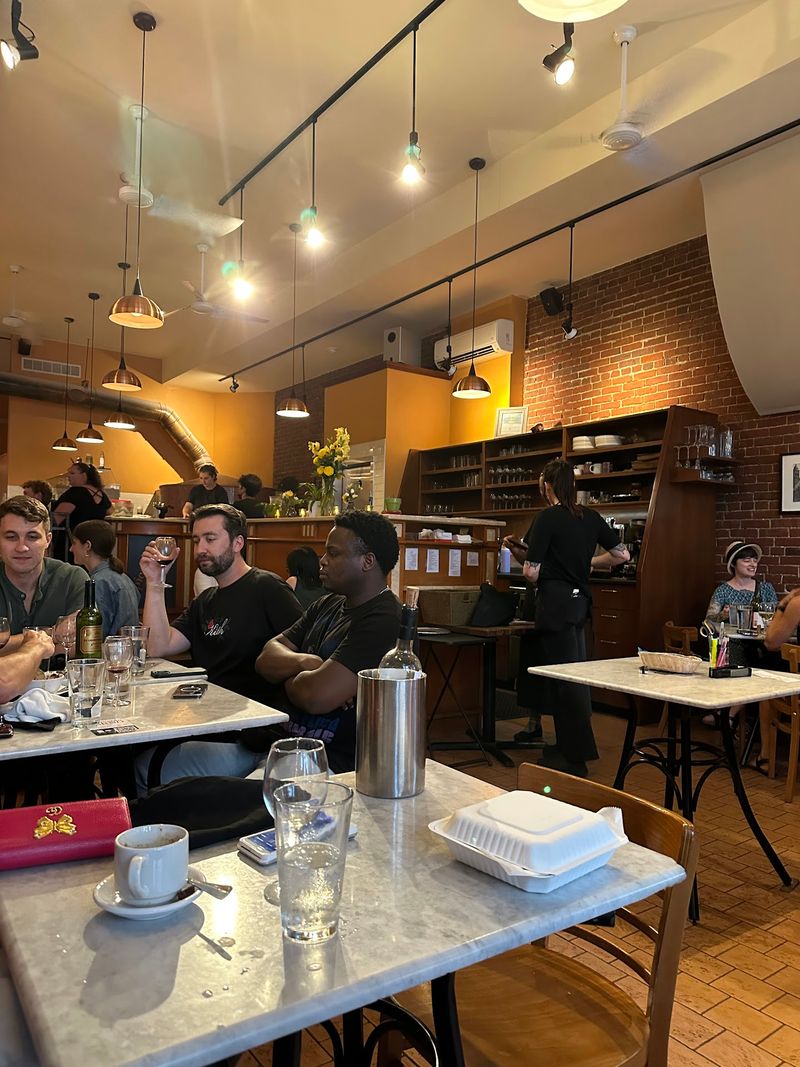
Tuscan cooking found a second home along a busy Lawrenceville sidewalk.
Piccolo Forno translates to small oven, and the wood fired oven in the back explains a lot about the menu. Thin crust pizzas emerge blistered and simple, while pasta dishes stick to Florentine traditions.
Pappardelle with slow braised meat, ravioli filled by hand, and pizza topped sparingly are the reasons regulars keep coming back. Restraint is the guiding principle in this kitchen.
Fun fact for pizza nerds. The restaurant follows a Tuscan style rather than Neapolitan, meaning crusts run thinner and crisper than what most Americans expect from Italian pizza.
Butler Street outside has transformed dramatically over the past two decades, shifting from quiet industrial blocks to one of Pittsburgh’s liveliest strips of shops and galleries. Piccolo Forno arrived early in that story.
My homemade pizza dough has never once achieved that thin snap, though I keep trying and keep failing cheerfully.
Piccolo Forno keeps things small and unhurried, which suits the neighborhood perfectly. Walk Butler Street afterward and let dinner settle.
Address: 3801 Butler St, Pittsburgh, PA 15201
9. LUCA, Lancaster
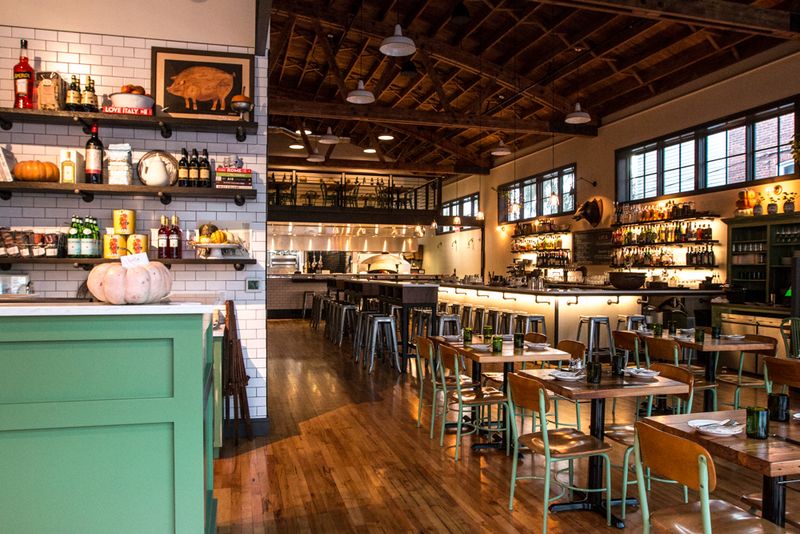
Farmland ingredients meet a roaring wood fired oven near downtown Lancaster.
LUCA sits in a bright, airy room on West James Street, and the open kitchen keeps the energy visible.
Lancaster County farms supply much of what lands on the plate, which gives the menu a distinctly Pennsylvania accent.
Blistered pizzas, seasonal vegetable plates, and pasta made in house rotate constantly. Menus shift with harvests, so no two visits taste identical.
A detail I find delightful is the oven itself, fired with local hardwood and used for nearly everything, including roasted vegetables and whole fish. Very little escapes the flames.
Lancaster deserves more credit as a food destination. Central Market, the oldest continuously operating farmers market in the country, sits a short walk from LUCA and explains why the produce here tastes so alive.
I have tried building a wood fired oven in my backyard twice, and both attempts ended in a pile of bricks and regret.
LUCA rewards travelers exploring Amish country with something unexpectedly modern and thoughtful. Address: 436 W James St, Lancaster, PA 17603
10. Casa Bella, Scranton
Northeastern Pennsylvania holds onto its Italian roots with impressive stubbornness.
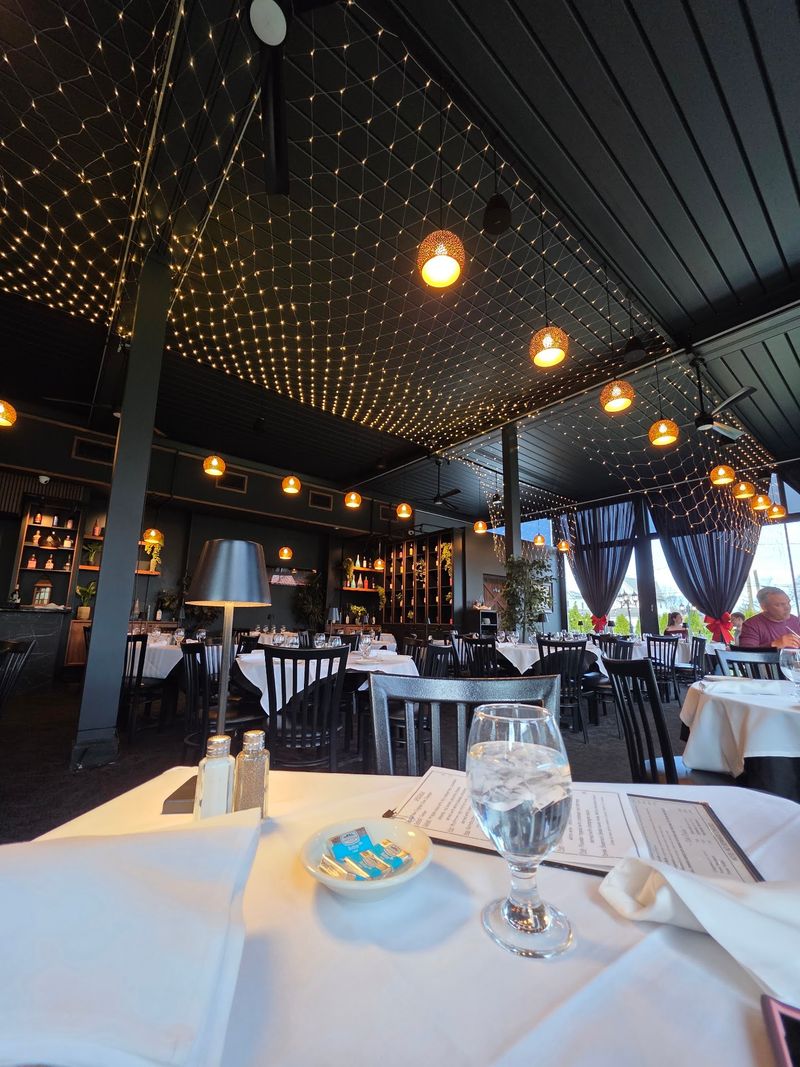
Casa Bella has served Scranton since 2006, offering the kind of traditional cooking that built the region’s reputation. The dining room stays classic, with white tablecloths and a comfortable hum.
Classic pasta, veal preparations, and slow simmered sauces anchor the menu. Everything tastes like it was made by someone who learned the recipe standing next to a grandmother.
Worth knowing about the region. Scranton drew thousands of Italian immigrants during the coal boom, and their descendants shaped local food culture so thoroughly that homemade pasta remains a Sunday tradition in many households.
My grandmother’s meatball recipe was guarded like state secrets, and I still cannot get the texture right. Casa Bella nails that same old world consistency without breaking a sweat.
Scranton itself has been enjoying a quiet revival, with a walkable downtown, historic architecture, and the Steamtown railroad museum nearby.
Casa Bella closes out this list because it represents something important. Great Italian food in Pennsylvania was never limited to the big cities.
Address: 330 W Market St, Scranton, PA 18508