
Welcome To Michigan’s Most Expensive Lake Town Where Retirees Won’t Even Look Anymore
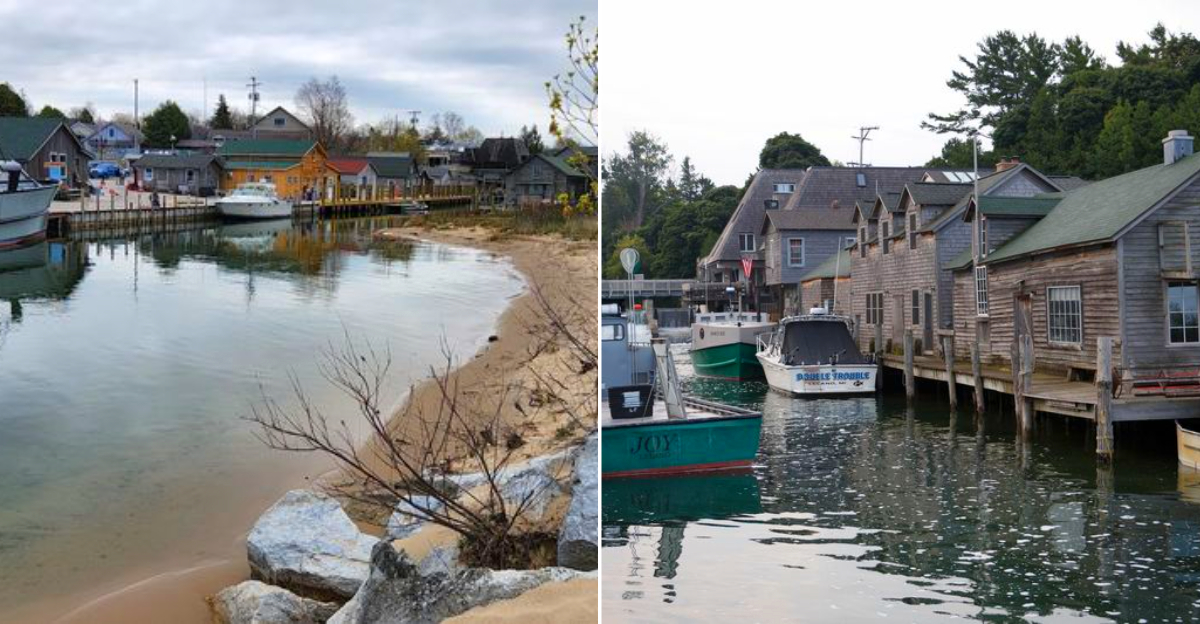
Some waterfront towns seem designed to make you check your bank balance before ordering lunch. Tucked between two famous Michigan lakes, this village certainly has polished boutiques and eye-watering real estate, but visiting is far easier than buying a porch with a sunset view.
Historic waterfront streets, Lake Michigan beaches, scenic trails, ferries, and local food make this one of northern Michigan’s most rewarding lake-town escapes.
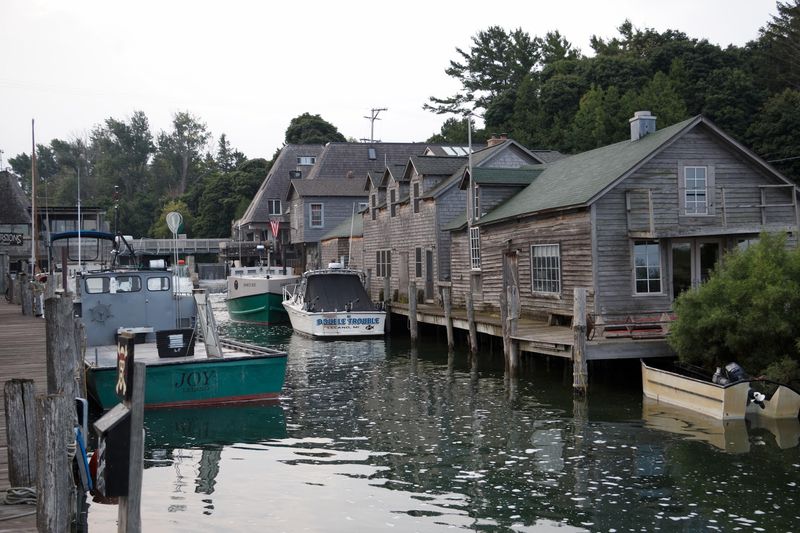
I would start near the old fishing sheds, where weathered wood, docks, and boats keep the village from feeling too polished. From there, sturdy shoes come in handy for wandering the shoreline, nearby trails, and quieter streets beyond the busiest shopping blocks.
Timing makes a big difference. Come outside peak summer weekends, bring your own beach supplies, and save the splurge for one memorable meal.
The pleasures that stick with you most are wonderfully uncomplicated: cold lake air, long walks, passing ferries, and a sunset no real estate listing can improve.
Treat The Housing Headlines Carefully
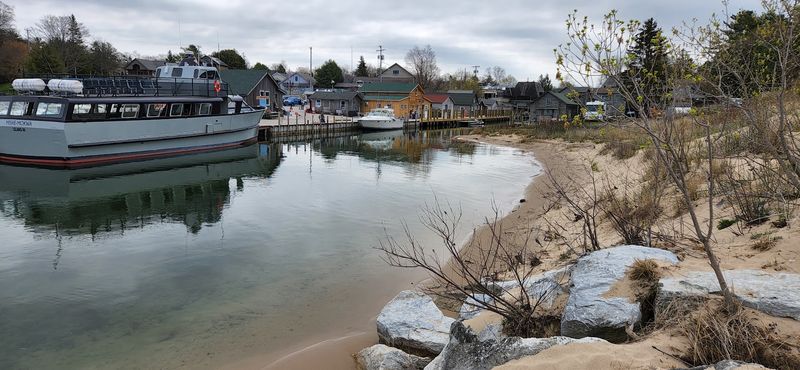
Million-dollar scenery does not automatically make every property affordable, available, or suitable for retirement. Leland has limited land, desirable waterfront, and a very small year-round population, so real estate headlines can sound dramatic while hiding major differences between listings.
Anyone considering a move should study recent local sales, property taxes, insurance, maintenance, and winter access. A scenic cottage may also require costly shoreline work, older-house repairs, or a long drive for services that are routine in larger communities.
Visitors can enjoy the village without joining the housing chase. Book a short stay, explore on foot, and notice what daily life might involve after shops quiet down.
Beauty matters, but budgets, health needs, and practical support deserve equal attention.
M-22 Drops You Between Two Lakes
Leland sits on Michigan’s Leelanau Peninsula between Lake Michigan and Lake Leelanau. M-22, also called North Manitou Trail through this stretch, is the main road into the village and brings you directly toward the compact downtown.
Leave M-22 for the streets around River Street and Lake Street as you reach central Leland. The village tightens quickly around the Leland River, with Fishtown, the marina, shops, and waterfront all clustered within a few blocks rather than spread across town.
Find legal public parking in the downtown area and finish the visit on foot. Leland is particularly suited to walking once you arrive, and the marina at 107 N Lake Street provides a useful landmark immediately beside historic Fishtown.
Visit Outside Peak Summer
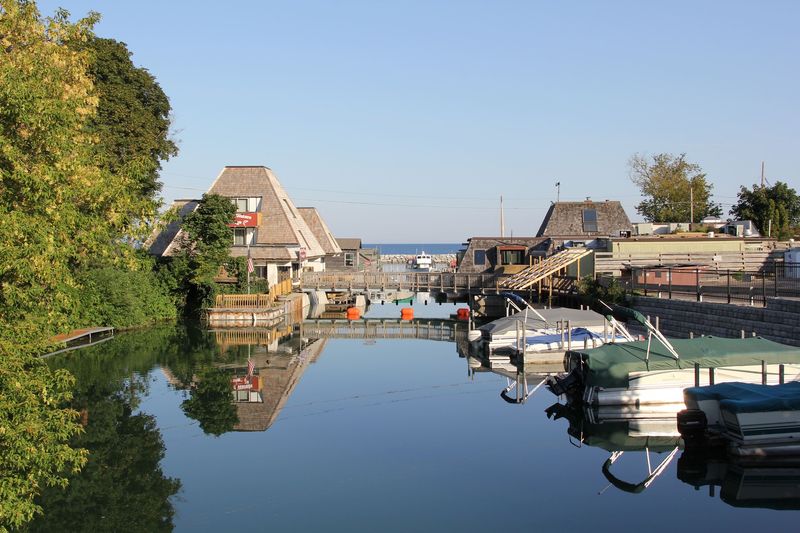
Autumn gives Leland room to breathe. Trees brighten the roads around the village, sidewalks become easier to navigate, and Lake Michigan takes on a steel-blue mood that feels quite different from the cheerful rush of July.
Late spring can also be rewarding, especially when seasonal businesses begin reopening and the fishing community marks the Blessing of the Fleet. Weather remains changeable, however, so bring layers and confirm ferry, restaurant, gallery, and shop schedules before making firm plans.
Winter is peaceful but demands greater preparation. Snow, wind, shortened hours, and closed seasonal businesses can reshape a visit.
Travelers seeking value should compare weekday lodging in May, September, or October, balancing lower demand with enough open attractions to fill the day comfortably.
Pack For Sudden Shoreline Weather
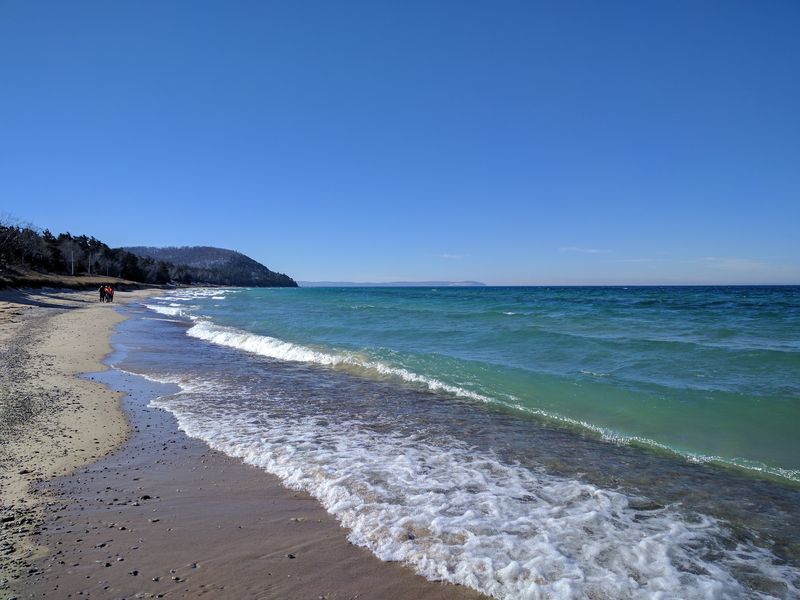
A sunny village morning can turn brisk near the open lake before lunch. Lake Michigan influences local temperatures, and wind crossing the water often makes Van’s Beach, Fishtown, and exposed overlooks feel cooler than sheltered streets only minutes away.
Carry a light jacket, sun protection, water, and footwear that handles sand, damp boards, and uneven paths. Checking the National Weather Service forecast and current marine conditions is wiser than trusting the sky above the parking lot.
Swimming requires special care because Great Lakes currents and waves can become dangerous. Watch posted warnings, keep children close, and avoid piers during rough conditions.
A flexible plan helps too: save galleries and shops for unsettled hours, then return outdoors when the shoreline settles.
Make Van’s Beach A Simple Stop
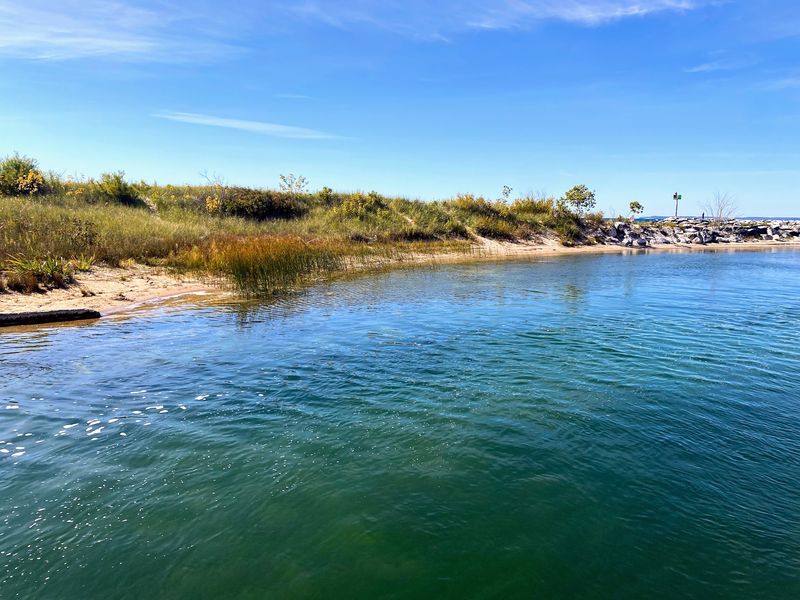
Soft sand begins surprisingly close to downtown at Van’s Beach, making it easy to pair a shoreline break with Fishtown. The water can look tropical on a bright day, although its temperature quickly reminds bare feet that northern Michigan sets its own rules.
Walk from the village when possible because parking near popular waterfront areas can fill during summer. Bring only what you can carry, use marked access points, and leave stones, driftwood, and beach plants where they belong.
Sunset is the star attraction, but an earlier visit offers more space and gentler logistics. Look toward the Manitou Islands when visibility is clear, listen for changing waves, and pack out every scrap. The beach is public scenery, not a private backyard.
Taste Leland’s Fishing Heritage
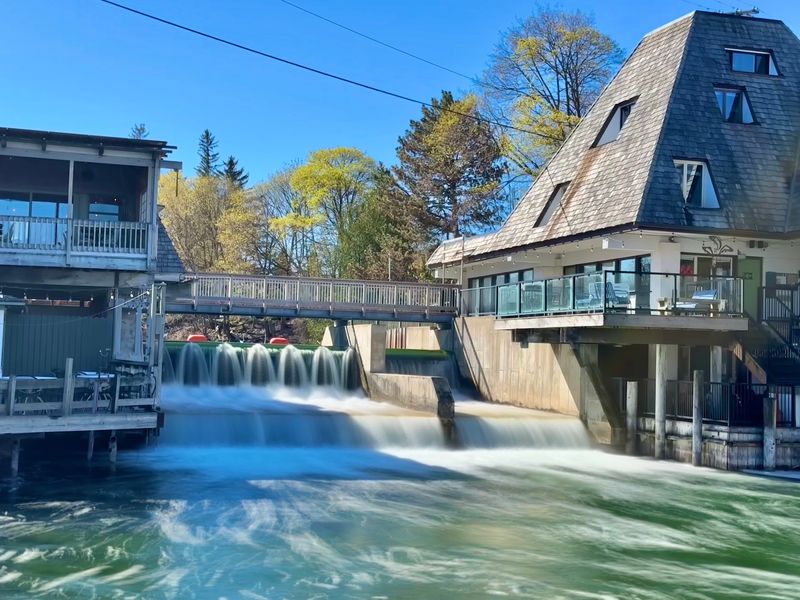
The scent of smoked fish reaches visitors before many storefront signs do. Carlson’s Fishery, a multigenerational family business in Fishtown, connects present-day meals with Leland’s commercial fishing heritage through local fish prepared beside the working waterfront.
Order with curiosity, but ask what is available that day because catches and supplies can vary. Nearby casual counters, including the Village Cheese Shanty, are popular for portable lunches that suit a bench, dock view, or picnic.
Peak meal times produce lines, and seating around the historic district is limited. Arrive early, carry napkins, and protect food from bold birds.
Prices may reflect the destination, yet sharing lunch and adding fruit from elsewhere can keep costs sensible without missing Leland’s most recognizable flavor.
Reserve The Manitou Ferry Ahead
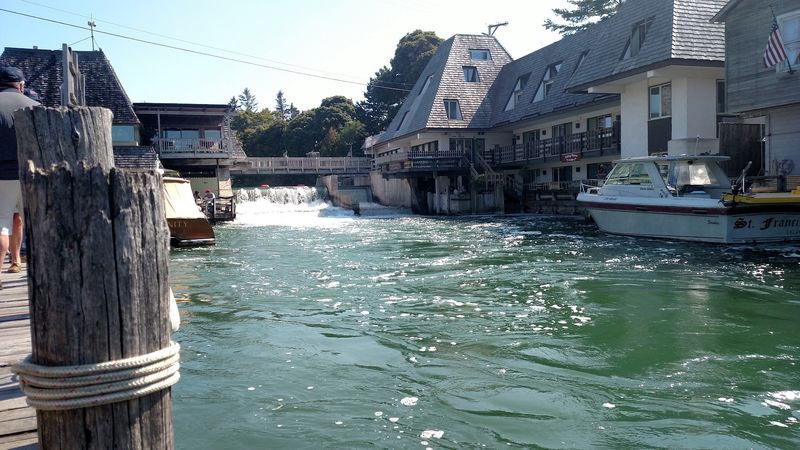
Boats leaving Leland Harbor turn a pretty waterfront visit into a larger Lake Michigan adventure. Manitou Island Transit operates passenger service from Leland to North and South Manitou islands, which are part of Sleeping Bear Dunes National Lakeshore.
Schedules, fares, trip lengths, and island services vary, so consult the operator and National Park Service before departure. Reserve early during busy periods, arrive well before boarding, and understand whether your outing is a day trip or an overnight backcountry journey.
The islands are not extensions of downtown convenience. Pack water, food, weather layers, required permits, and everything needed for the planned route.
Seasickness preparation may help on rougher days. Most importantly, know the return time because the boat does not follow a wandering visitor’s clock.
Hike With The Bluffs In Mind
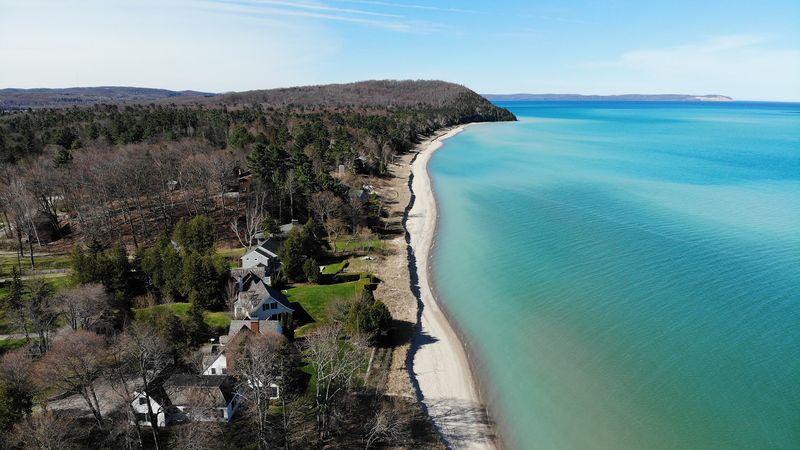
High ground reveals why Leland’s setting commands so much attention. Clay Cliffs Natural Area and Whaleback Natural Area protect forest, bluff habitat, and broad Lake Michigan views, offering a quieter counterpoint to the snug lanes of Fishtown.
Trails may include roots, slopes, mud, and sensitive edges rather than smooth park pavement. Wear supportive shoes, remain on marked routes, check preserve rules, and give yourself extra time if balance or mobility is a concern.
Bluffs are beautiful because natural forces keep shaping them, which also makes shortcuts harmful and dangerous. Keep back from unstable edges and never climb closed slopes.
A small pair of binoculars adds enjoyment without adding much weight, while insect protection proves useful during warmer, greener months around Leland.
Plan Parking Before You Arrive
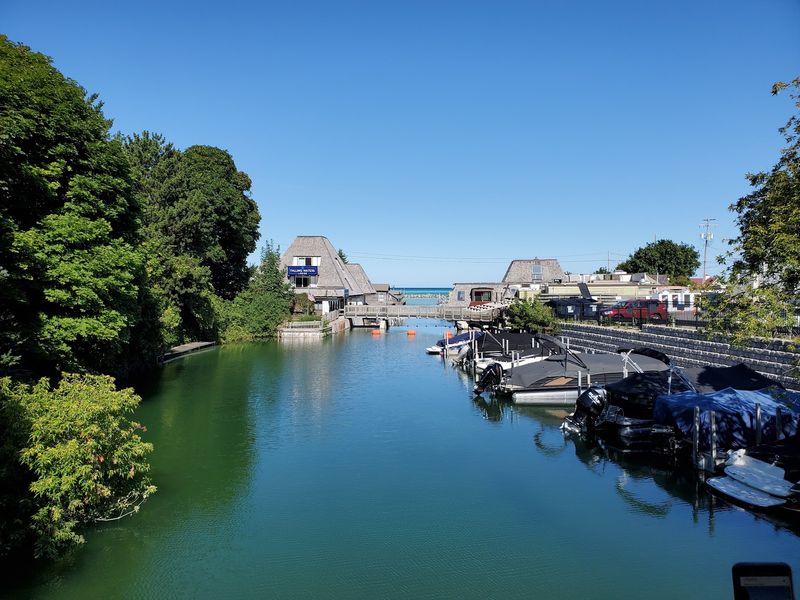
Parking becomes Leland’s least charming puzzle on bright summer afternoons. The village is compact, yet its historic layout was never designed for a steady parade of modern vehicles searching for spaces near Fishtown, shops, and the harbor.
Start early, follow posted signs, and accept a longer walk instead of circling crowded blocks. Never block private drives, loading areas, emergency routes, or access needed by residents and working waterfront businesses.
Once parked, group activities together. Downtown, Fishtown, the harbor, and Van’s Beach can fit into a walk for many visitors, though distances and surfaces should be checked by anyone with mobility needs.
Saving a map offline also helps because a relaxed day begins faster when the car stops being the main character.
Browse Local Shops With A Budget
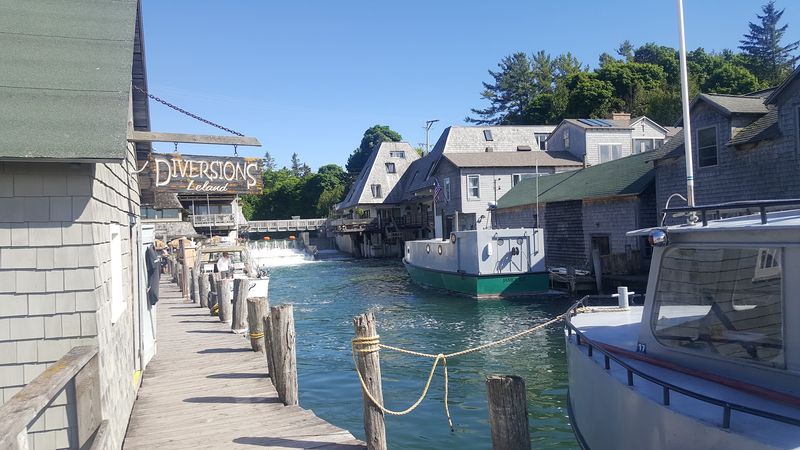
Small shop windows add polish to Leland’s old maritime bones. Galleries, clothing boutiques, food counters, and gift stores occupy downtown buildings and former working spaces, creating a retail scene that feels curated rather than bargain driven.
Set a spending limit before browsing if destination prices tend to loosen your wallet. Locally made art, books, practical food items, or a modest keepsake often carries more meaning than a large object chosen simply because vacation energy said yes.
Hours can change by season, and some businesses close on quieter weekdays. Check individual schedules instead of assuming every door will open.
Friendly conversation costs nothing, supports a respectful exchange, and may reveal how owners balance Leland’s fishing identity with its modern role as an upscale visitor destination.
Enjoy Leland Without Buying Leland
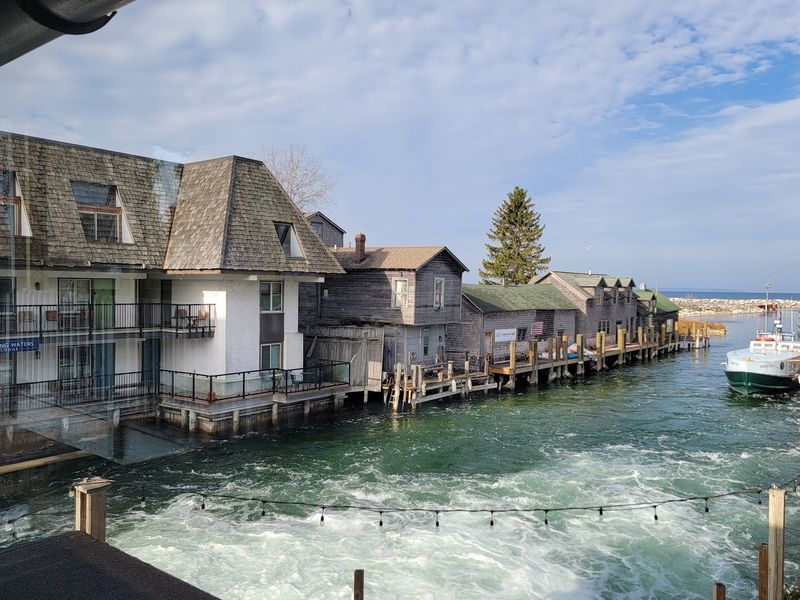
Real estate prices need not set the emotional price of a day in Leland. Walking beside the river, watching fishing boats, visiting the beach, and studying historic shanties provide memorable experiences without requiring a waterfront deed or luxury-sized budget.
Build the visit around public spaces and one planned treat. Bring water, pack part of lunch, compare lodging elsewhere on the Leelanau Peninsula, and avoid buying something merely to prove the trip felt special.
Retirees weighing a future here should visit in several seasons and examine medical access, transportation, snow management, taxes, and community life. Everyone else can simply borrow the view responsibly.
Leland works best when admired as a living village, not measured only through listing prices and glossy property photographs.