
What Tourists Always Get Wrong When Ordering Lobster Rolls In Maine
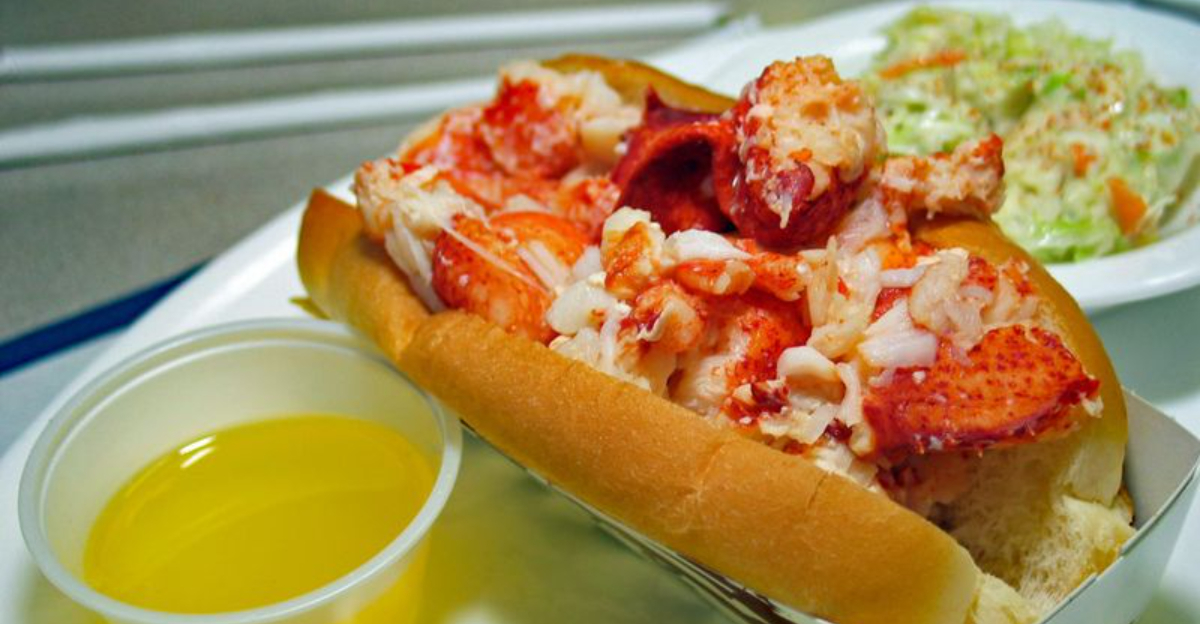
As a Maine native who grew up by the ocean and spent countless summers slinging lobster rolls at my family’s little coastal shack, I’ve seen just about every reaction imaginable from wide-eyed tourists.
Many arrive with sky-high expectations, only to leave puzzled—or even disappointed—when reality doesn’t match the postcard version they had in mind.
The lobster roll, Maine’s true culinary crown jewel, may appear deceptively simple, but ordering and enjoying one the right way takes a bit of insider knowledge. Before you join the long lines of sunburned visitors, let me explain the most common mistakes people make with this iconic sandwich.
Cold Mayo vs. Hot Butter: The Style Showdown
Last summer, I watched a family nearly revolt when their ‘Maine-style’ rolls arrived cold with mayo. ‘But where’s the warm butter?’ they gasped. Classic tourist mistake!
Maine style features chilled lobster meat with light mayonnaise on a toasted split-top bun. Connecticut style, meanwhile, serves warm lobster bathed in melted butter. Many visitors expect only the warm version, assuming all lobster must be hot and buttery.
The disappointment on their faces always makes me chuckle. Want to order like a local? Simply ask what style they serve or specifically request ‘cold Maine style’ or ‘warm butter style’ to avoid surprises.
Size Doesn’t Always Matter: Portion Expectations
The look of bewilderment when I hand over a perfectly portioned lobster roll never gets old. ‘That’s it? For thirty bucks?!’ they exclaim, eyes widening at what they perceive as highway robbery.
Tourists often expect Mount Everest-sized portions overflowing with meat. Reality check: quality lobster is expensive, especially during challenging harvest seasons. Our modest portions balance cost while maintaining freshness.
I remember one gentleman from Texas who complained about his ‘tiny’ roll until he actually tasted it. His face transformed instantly. ‘This is the real deal,’ he admitted sheepishly. Premium ingredients command premium prices – that’s the Maine way.
Rustic Charm Trumps Fancy Dining
I once overheard a woman in designer sandals ask, ‘But where’s the dining room?’ while standing at our takeout window. I couldn’t help but smile.
Many visitors picture white tablecloths and waitstaff when planning their lobster roll pilgrimage. The truth? Maine’s most legendary rolls come from no-frills shacks with picnic tables and paper plates. Places like Red’s Eats and The Clam Shack serve world-class seafood from humble counters.
The authentic experience means eating outside, fighting seagulls, and wiping butter from your chin with a paper napkin. That rustic charm is precisely what makes the experience memorable – not fancy table settings.
Extra Toppings Are Lobster Sacrilege
‘Can I get lettuce, tomato and avocado on mine?’ asked a visitor from California last August. The silence behind our counter was deafening.
Lobster roll purists consider additional toppings absolute heresy. Traditional Maine rolls celebrate simplicity: fresh lobster meat, minimal mayo or butter, maybe a sprinkle of seasoning, all on a perfectly toasted bun. Nothing more.
The lobster should be the undisputed star. Adding garden vegetables or fancy condiments only masks its delicate flavor. When a tourist requests extra toppings, they’re essentially announcing their out-of-towner status louder than their rental car with New York plates.
Bargain Hunting Leads to Disappointment
The triumphant smile of a tourist who’s found a ‘$15 lobster roll special’ quickly fades after the first bite. I’ve seen it countless times.
Some places stretch portions with excessive celery or use frozen meat that lacks the ocean-fresh sweetness Maine is famous for.
My grandfather taught me that with lobster rolls, you truly get what you pay for. That $29 roll from the unassuming shack probably contains hand-picked, day-boat lobster. The suspiciously cheap version? Let’s just say corners were definitely cut somewhere in the process.
Seasonal Timing Is Everything
The family who drove six hours in February to try our ‘famous lobster rolls’ only to find padlocked doors and snow-covered picnic tables still makes me cringe. Their faces pressed against our windows remains one of my saddest memories.
Most authentic lobster shacks operate seasonally – typically May through October. The harsh Maine winter forces most coastal eateries into hibernation. Even during shoulder season, hours can be unpredictable.
Before making a special trip, check social media or call ahead. Nothing ruins a coastal adventure faster than discovering your bucket-list lobster spot is closed for the season. The best lobster roll experience requires planning beyond just having cash ready.
The Secret Menu Option: Best of Both Worlds
The knowing wink between locals when someone orders ‘both’ at our counter always confuses tourists. They’re missing out on Maine’s best-kept lobster roll secret!
Many shacks offer an unofficial hybrid style – cold lobster with mayo AND a side of warm drawn butter for dipping. This combination delivers the refreshing chill of traditional Maine style with the rich decadence of Connecticut’s buttery approach.
My personal favorite? Asking for light mayo and extra butter on the side. It’s like getting two distinct experiences in one meal. Don’t be shy about requesting this insider hack – it’s how many Mainers actually prefer their rolls when no one’s watching.