
Why Arizona Is Fast Becoming A True Foodie Paradise
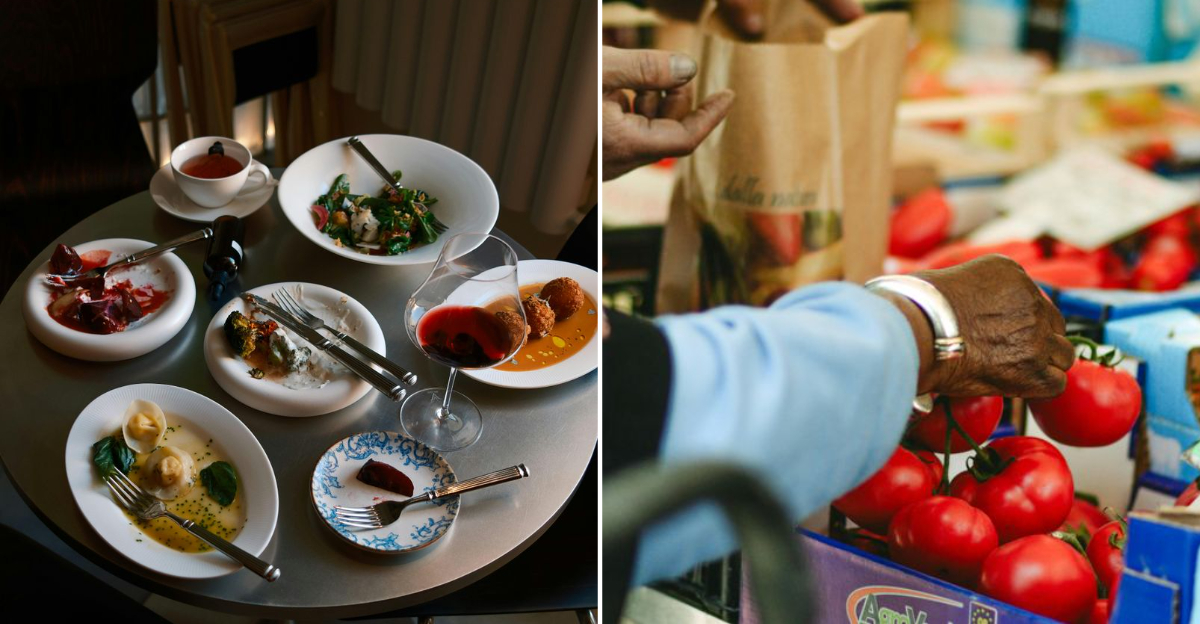
I’ll admit it: I went for the hiking. The food was supposed to be just fuel between red rock vistas and canyon climbs.
But a funny thing happened on my way to the Grand Canyon State-I ate. And I ate.
And then I ate some more. My vacation quickly pivoted from a scenic tour to a full-blown culinary pilgrimage.
The story of this state’s cuisine is so much more than just Tex-Mex; it’s a thrilling fusion of ancient Native American traditions, bold Mexican flavors, and a wave of creative chefs putting their own stunning spin on desert ingredients.
So, lace up your stretchy pants and join me as we explore the 12 reasons why Arizona is quietly (and deliciously) blooming into an absolute foodie paradise.
1. Tucson’s UNESCO Recognition Put Arizona On The Global Food Map

Tucson’s designation as a UNESCO City of Gastronomy helped spotlight the state’s deep agricultural roots and long-standing food traditions, drawing new attention to Southern Arizona’s kitchens.
This honor, granted in 2015, was the first of its kind in the United States and instantly put the region on the radar of international food lovers.
Tucson earned this recognition because of its 4,000-year history of continuous agriculture and the way communities preserved heirloom crops, traditional cooking methods, and recipes passed down through generations.
Farmers still grow ancient varieties of tepary beans, white Sonoran wheat, and chiltepin peppers that connect modern meals to pre-Columbian foodways.
Restaurants throughout the area now celebrate this heritage by featuring these ingredients on seasonal menus that honor both history and flavor.
The UNESCO title didn’t just boost pride, it brought food journalists, chefs, and curious eaters from around the world to explore what makes Southern Arizona’s cuisine so distinctive and deeply rooted in place.
2. National Awards And Media Attention Are Following

Arizona chefs and restaurants are earning growing recognition, which has helped attract culinary talent and food-focused travelers who might not have considered the state before.
James Beard Award nominations have become more frequent, with Phoenix and Tucson chefs landing spots on semifinalist and finalist lists year after year.
Major food publications like Bon Appétit, Food & Wine, and The New York Times have featured Arizona dining destinations in glowing reviews and round-up lists.
This surge in media coverage isn’t accidental. Chefs are cooking with confidence, telling stories through their food that reflect the desert environment and cultural influences unique to the region.
As more national critics take notice, talented cooks from other states are relocating to Arizona to open their own concepts, knowing the audience and infrastructure now exist to support ambitious culinary projects.
The momentum keeps building as each new accolade draws more eyes, more visitors, and more investment into the local restaurant scene.
3. A Revival Of Indigenous And Native Foodways Is Underway

Native chefs, farmers, and educators are reclaiming traditional ingredients and techniques, creating dishes that reflect thousands of years of desert food knowledge.
This movement goes beyond nostalgia, it’s about survival, cultural pride, and reconnecting Indigenous communities with ancestral foods that sustained them long before modern agriculture arrived.
Chefs like Nephi Craig and organizations such as Tohono O’odham Community Action are leading efforts to reintroduce crops like tepary beans, amaranth, and desert chia into everyday cooking.
Traditional methods such as pit roasting, stone grinding, and wild harvesting are being taught to younger generations, ensuring these practices don’t disappear.
Restaurants across the state now feature Indigenous-inspired menus that honor these foodways while making them accessible to a broader audience.
I once attended a pop-up dinner where mesquite-smoked rabbit was served with prickly pear glaze, and the chef explained how each ingredient had been used by desert tribes for centuries. It was delicious, educational, and deeply moving all at once.
4. Distinctive Local Ingredients Give The Cuisine Real Identity
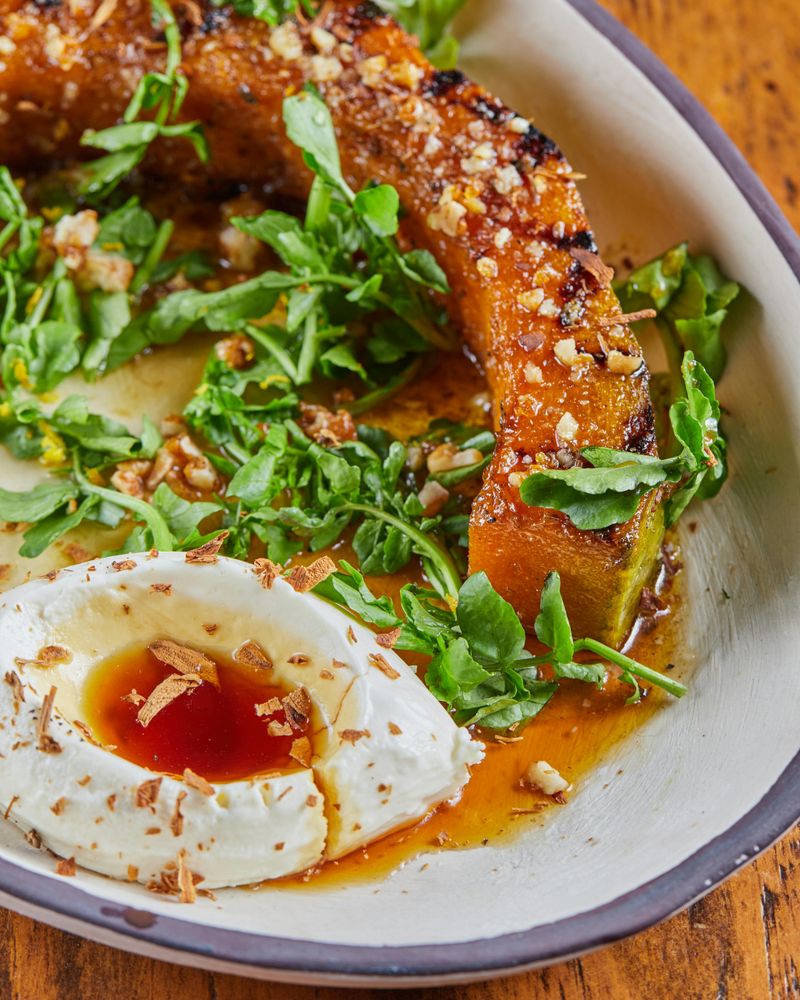
Mesquite, chiles, dates, prickly pear, heritage wheat, and desert-grown herbs provide flavors that can’t be replicated elsewhere.
These ingredients aren’t just trendy additions to menus, they define what Arizona food tastes like and give chefs a unique palette to work with.
Mesquite pods can be ground into flour for baking or used to smoke meats, adding a sweet, earthy depth that’s unmistakable. Prickly pear fruit brings vibrant color and a subtle tartness to sauces, syrups, and desserts.
Hatch chiles from nearby New Mexico make frequent appearances, but Arizona grows its own varieties too, each with distinct heat levels and flavor profiles. Dates from the Yuma area are some of the best in the country, prized for their sweetness and texture.
Heritage white Sonoran wheat, once nearly forgotten, is now milled locally and used by bakers to create tortillas, pasta, and bread with nutty, complex flavors. These ingredients anchor Arizona cuisine in a specific place and time, making every meal feel connected to the land.
5. Fine Dining Rooted In Place Is Gaining Momentum
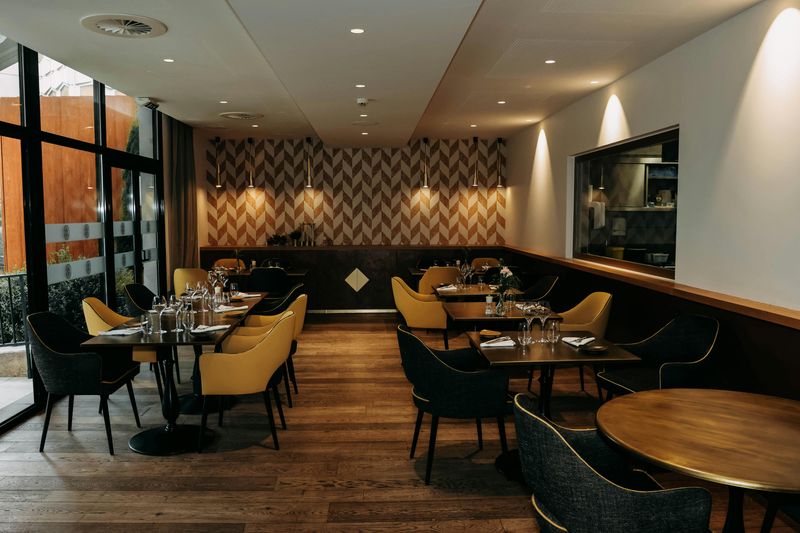
High-end restaurants are increasingly telling Arizona-specific stories through their menus rather than copying coastal trends.
Chefs are choosing to highlight regional ingredients, collaborate with local farmers, and create tasting menus that reflect the desert’s seasons and rhythms.
This shift means diners can experience something truly unique instead of eating the same dishes they’d find in New York or San Francisco.
Restaurants like Kai at Sheraton Grand at Wild Horse Pass and The Mission in Scottsdale have built reputations on elevating Native and Southwestern flavors with refined techniques.
These establishments don’t just serve food, they tell stories about the land, the people, and the ingredients that make Arizona special. Every course feels intentional, from the mesquite-grilled proteins to the prickly pear reductions and heirloom corn sides.
Diners leave with a deeper appreciation for the region’s culinary identity, and that sense of place keeps them coming back and spreading the word to others.
6. Sonoran And Mexican Influences Shape Everyday Eating

Proximity to the border means exceptional tacos, carne asada, flour tortillas, and hot dogs exist alongside modern interpretations of classic dishes.
Sonoran cuisine, which blends Indigenous, Spanish, and Mexican traditions, forms the backbone of what many Arizonans eat daily.
Flour tortillas here are soft, slightly sweet, and often handmade, served warm with nearly every meal. Carne asada is grilled to perfection, seasoned simply, and piled into tacos or burritos that feel like comfort and celebration all at once.
The Sonoran hot dog, a bacon-wrapped frank loaded with beans, onions, tomatoes, jalapeños, mustard, and mayo, has become a regional icon.
You’ll find street vendors serving them late into the night, and they’re just as beloved by locals as any upscale dish. My first Sonoran hot dog was a revelation, messy, indulgent, and bursting with flavor in a way no ballpark frank ever could.
This everyday accessibility to bold, authentic flavors is a huge reason Arizona’s food scene feels so vibrant and alive.
7. Casual Dining And Street Food Are Thriving
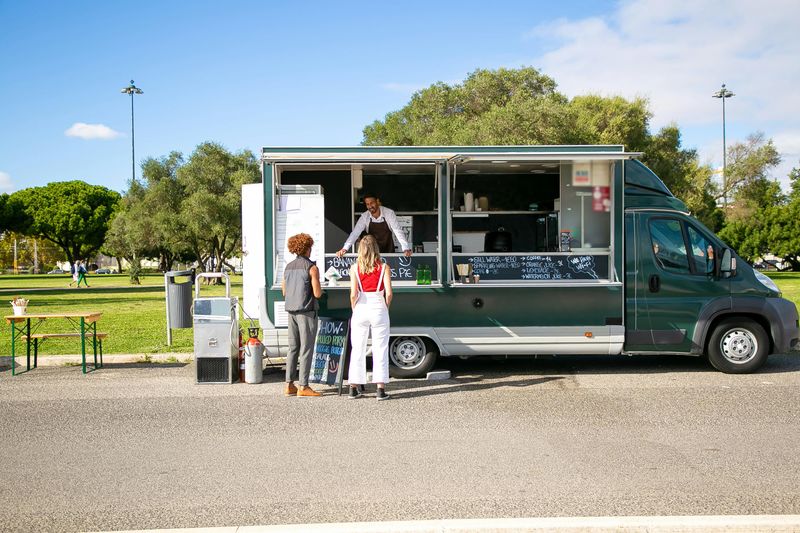
Food trucks, pop-ups, and small neighborhood kitchens make it easy to eat extremely well without needing a special occasion.
Arizona’s casual food scene is bursting with creativity, offering everything from wood-fired pizza to Thai street noodles to gourmet grilled cheese.
These mobile and small-scale operations often experiment with flavors and formats that larger restaurants can’t, giving diners constant opportunities to discover something new and exciting.
Pop-up dinners hosted by up-and-coming chefs let people taste ambitious, chef-driven food in unexpected settings like breweries, galleries, or even private homes.
Food truck parks have become social hubs where families gather, friends meet, and everyone leaves satisfied without spending a fortune. The barrier to entry is lower for entrepreneurs, which means more diverse voices and cuisines are represented across the state.
Whether you’re grabbing a quick breakfast burrito before work or hunting down the best bánh mì in town, Arizona’s casual dining scene delivers quality, flavor, and fun without the fuss.
8. Sustainability Matters In The Desert
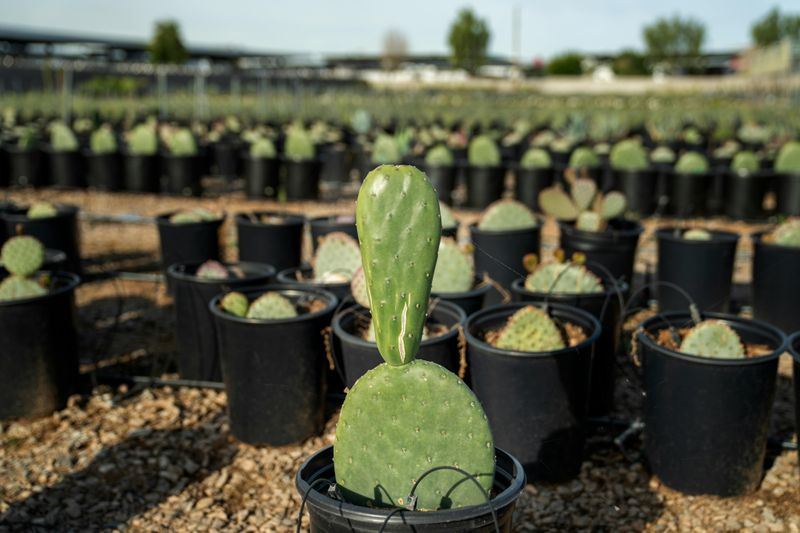
Chefs are embracing water-conscious farming, seasonal menus, and native plants, creating a food culture shaped by environmental reality.
In a state where water is precious and temperatures soar, sustainability isn’t just a buzzword, it’s a necessity. Restaurants partner with farms that use drip irrigation, drought-tolerant crops, and regenerative practices to minimize waste and maximize flavor.
Menus shift with the seasons, highlighting what grows best in the desert during different times of year rather than relying on imports from thousands of miles away.
Native plants like tepary beans, mesquite, and prickly pear require less water and thrive in harsh conditions, making them both ecologically smart and deliciously distinctive.
Chefs are also reducing food waste by using whole animals, composting scraps, and getting creative with every part of the ingredient. I visited a farm dinner once where the chef explained how every dish was built around what was harvested that morning, and nothing went to waste.
This commitment to sustainability shapes Arizona’s food identity in powerful, forward-thinking ways.
9. Food Tourism Is Becoming A Real Draw

Culinary festivals, farm dinners, and regional food trails are turning Arizona into a destination specifically for eating, not just sightseeing.
Events like the Devoured Culinary Classic in Phoenix and the Tucson Meet Yourself festival celebrate the state’s diverse food cultures and bring thousands of visitors each year. Food trails guide travelers through regions known for specific specialties, whether it’s date shakes in Yuma or green chile dishes in Flagstaff.
Farm-to-table dinners held at working farms and ranches let guests connect directly with the people growing their food while enjoying multi-course meals under the stars.
These experiences offer more than just great meals, they create memories and deepen appreciation for Arizona’s agricultural heritage. Tourism boards now actively promote culinary experiences alongside hiking, golf, and spa getaways, recognizing that food is a major motivator for modern travelers.
Visitors come for the Grand Canyon and stay for the tacos, and that shift is reshaping how the state markets itself to the world.
10. Range And Accessibility Keep People Exploring

From roadside comfort food to ambitious tasting menus, Arizona offers variety at every price point, encouraging constant discovery.
You can grab a satisfying breakfast burrito for a few bucks or splurge on a multi-course dinner that rivals anything found in major food cities. This range means everyone, from students to retirees, can participate in the state’s food culture without feeling excluded by cost or pretension.
Small-town diners serve up hearty plates of biscuits and gravy, while urban neighborhoods buzz with inventive concepts pushing culinary boundaries.
The accessibility extends beyond price, many of the best meals happen in casual, unpretentious settings where you can show up in jeans and leave completely satisfied.
This democratic approach to dining keeps the scene dynamic and prevents it from becoming exclusive or stagnant.
People feel encouraged to try new things, explore different neighborhoods, and support a wide variety of food businesses, which strengthens the entire ecosystem and keeps Arizona’s food scene fresh, exciting, and endlessly rewarding.
11. Year Round Farmers Markets And Desert Harvest Festivals
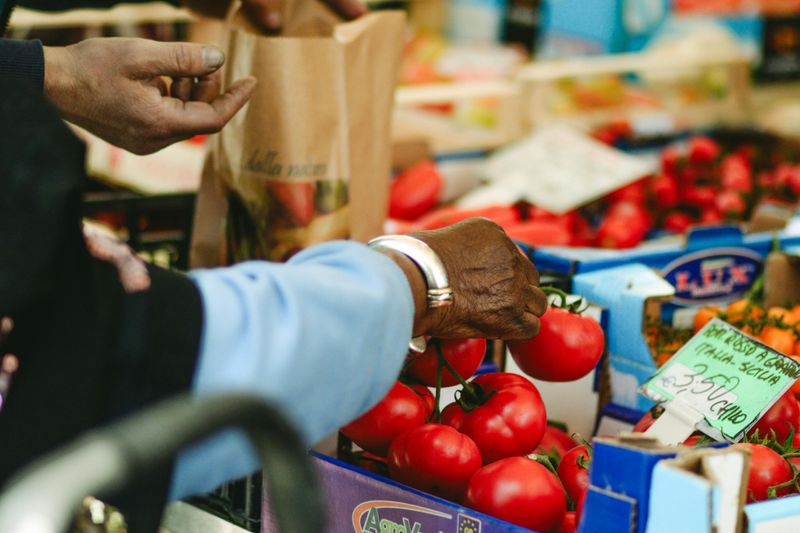
Every weekend feels like a celebration of what the desert can grow. You stroll past pyramids of citrus, mesquite flour, and cactus fruit, chatting with growers who remember your name.
That connection makes your basket taste better before you even get home.
Seasonal festivals keep the momentum going with tastings, chef demos, and live music. You learn how to grill prickly pear or bake with heritage wheat while sipping cold brew under bright skies.
It is affordable, social, and inspiring. Markets turn shopping into education and adventure.
You leave with recipes, stories, and fresh produce that spark weeknight creativity.
Vendors take pride in sharing not just food, but the history and culture behind each ingredient. Kids run through the stalls sampling seasonal treats, making memories that stick.
The scent of fresh herbs and grilled corn fills the air, inviting everyone to linger.
By the time you head home, your basket is heavy, your mind full of ideas, and your stomach already anticipating the first bite.
12. Pop Up Collaborations And Supper Clubs
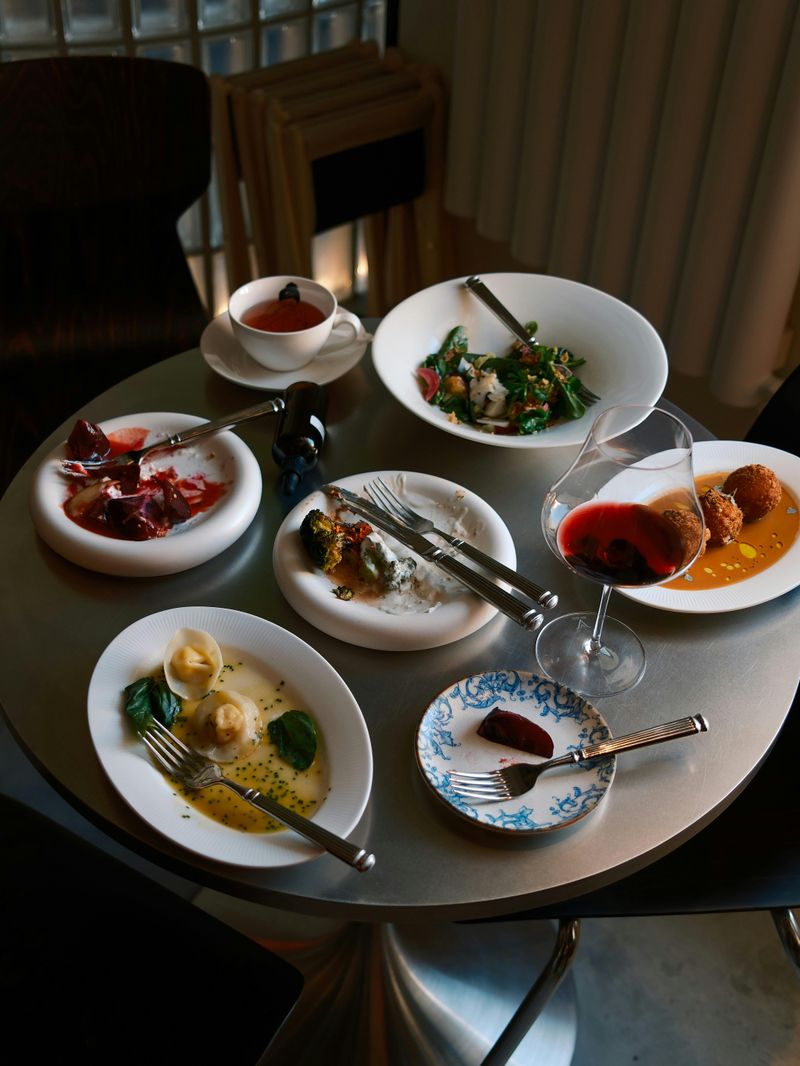
Arizona chefs love to experiment, and you get a front row seat. One night it is a backyard taco lab, the next a rooftop pasta party, then a secret dessert tasting.
Tickets drop, you grab a seat, and the menu becomes a surprise worth clearing your calendar for.
Collabs bring bakers, pitmasters, and bartenders together to play. You taste ideas mid flight, often with local produce and wild techniques.
The vibe is casual, inclusive, and electric.
Supper clubs create community around the table. You swap recommendations, follow new makers, and keep chasing the next invite.
It keeps dining fresh. Every meal feels like a story unfolding in real time, full of unexpected flavor twists.
You learn why certain ingredients pair or techniques work, all while enjoying a shared experience.
Chefs often drop tips, recipes, or tiny amuse-bouches that spark inspiration at home. By the end of the night, you leave with more than a full stomach-you carry a sense of culinary adventure with you.