
Why Fly To Peru When Colorado Has Its Own Ancient Cliff Dwellings
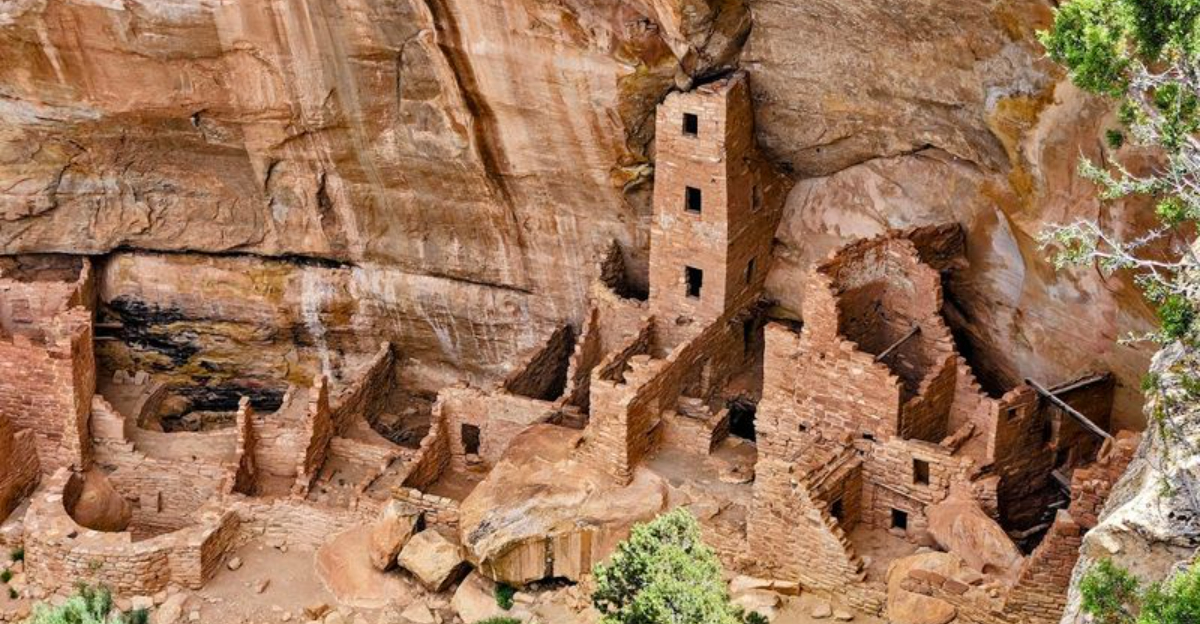
You do not need a passport to stand in front of stonework that makes modern travel plans feel small. In southwestern Colorado, an ancient cliffside world has been waiting quietly above the desert, carved into rock walls with a level of skill that still feels almost impossible.
These were not simple shelters. They were multi-story homes, gathering spaces, and entire communities built by the Ancestral Puebloans centuries ago, long before highways, guidebooks, or weekend bucket lists existed.
That is what makes the visit hit differently. You are not just looking at scenery, you are standing near evidence of patience, engineering, survival, and daily life carried out in places that seem too dramatic to be real.
Bring water, good shoes, and the kind of curiosity that slows you down. Colorado’s canyon country does not need to shout for attention when its ancient walls are already telling stories this powerful.
Cliff Palace: The Crown Jewel That Rivals Anything in the Andes
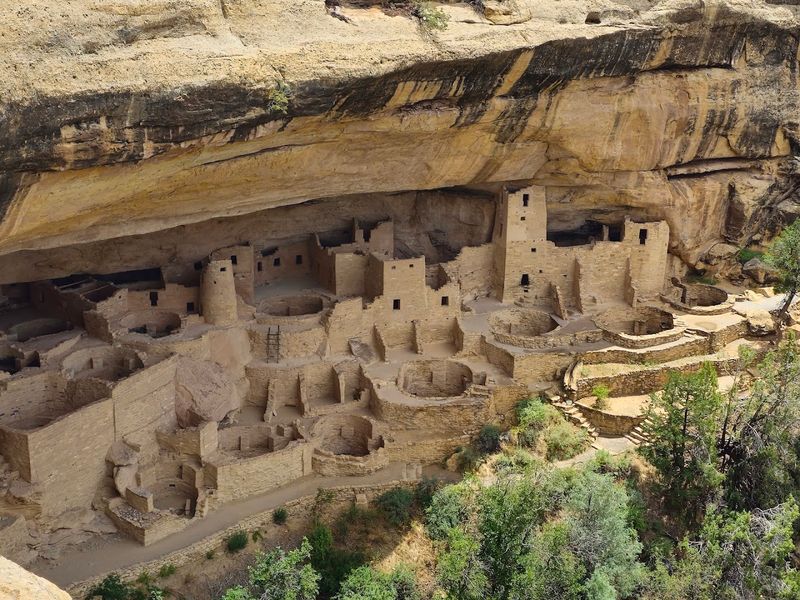
Standing in front of Cliff Palace for the first time hits differently than any photograph prepares you for. This is not a ruin in the crumbling, apologetic sense.
It is a fully realized city, pressed into a sandstone alcove like a secret the mesa decided to keep for 700 years before finally letting tourists in on it.
Cliff Palace is the largest cliff dwelling in North America, containing around 150 rooms and 23 kivas, which are circular ceremonial chambers dug into the ground. The Ancestral Puebloans who built it did so without metal tools, without wheels, and without any of the modern engineering conveniences we consider non-negotiable.
They used stone, mortar, and an apparently limitless supply of ambition.
Ranger-guided tours take visitors right into the alcove, which means you are standing in the same spaces where families cooked, slept, and organized their lives over a thousand years ago. That proximity to genuine history is rare.
Most ancient sites keep you at a respectful distance behind a rope. Mesa Verde lets you walk through the front door.
Pro Tip: Cliff Palace tours require a ticket purchased in advance. Spots fill up fast during summer, so book before you pack the car.
Balcony House: For Anyone Who Thinks History Should Come With a Ladder
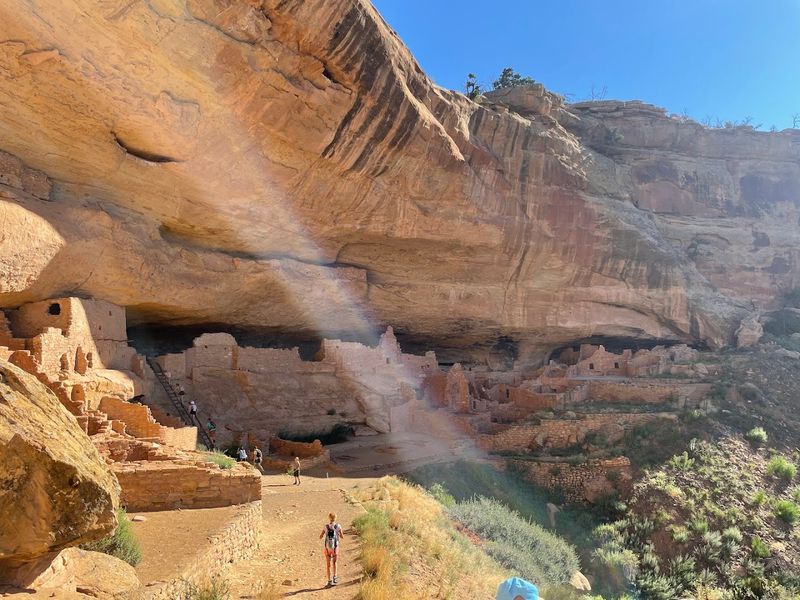
If Cliff Palace is the dignified museum experience, Balcony House is the adventure course version of the same era. Getting in requires climbing a 32-foot wooden ladder, crawling through a tunnel on hands and knees, and navigating a narrow ledge with a canyon drop on one side.
Archaeologists call it a defensively positioned dwelling. Everyone else calls it exhilarating.
Balcony House was built into a south-facing alcove, which means it caught winter sun and stayed warmer than exposed sites. The Ancestral Puebloans were practical builders who understood passive solar heating long before it became a selling point in real estate listings.
The site contains around 40 rooms and two kivas, and the views from the balcony itself are genuinely breathtaking.
This tour is ranger-guided and ticketed, and it is not recommended for anyone with a serious fear of heights or confined spaces. For everyone else, it is the kind of hands-on history that makes kids forget they were bored in the car for three hours.
Best For: Families with older kids, adventure-minded couples, and anyone who wants a story worth telling at dinner for the next decade.
Chapin Mesa Archeological Museum: Where the Artifacts Do the Talking
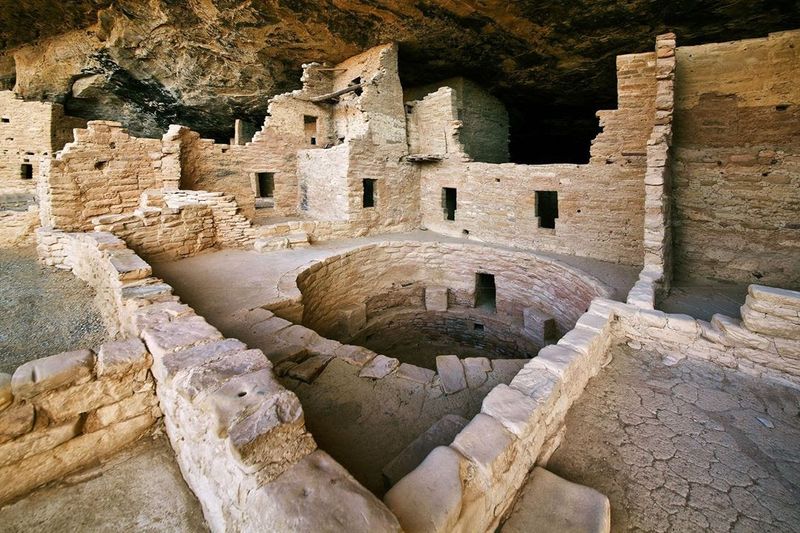
Before walking out to the cliff dwellings, the Chapin Mesa Archeological Museum earns a genuine stop rather than a polite one. The collection here puts the entire Mesa Verde story into context, and context is exactly what transforms a pile of old stones into something that genuinely moves you.
The museum holds an impressive collection of Ancestral Puebloan pottery, tools, jewelry, and woven textiles. The pottery alone is worth the visit.
These are not rough, utilitarian objects. They are precisely decorated, beautifully proportioned pieces that demonstrate a culture with serious artistic standards operating at serious altitude roughly 1,400 years ago.
Exhibits walk through the full arc of Puebloan life on the mesa, from the earliest pit houses through the dramatic cliff dwelling period to the eventual migration southward around 1300 CE. The museum does not dramatize or oversimplify.
It just lays out what is known and lets the facts carry the weight, which they do without any trouble at all.
Insider Tip: The museum is free with park admission and opens before most tours begin, making it the smartest first stop of the morning before the crowds settle in around the trailheads.
Wetherill Mesa: The Quieter Side of the Park Most Visitors Never Find
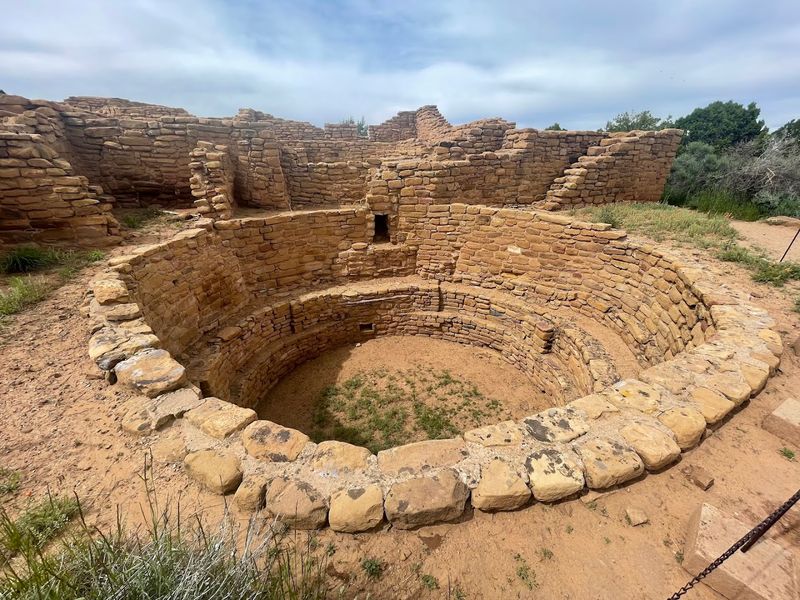
There is a reliable pattern in national parks: everyone crowds the famous sites while an equally remarkable alternative sits half a mile away, blissfully undervisited. At Mesa Verde, that alternative is Wetherill Mesa, located on the western side of the park and accessible via a separate road that most visitors drive past without a second glance.
Step House on Wetherill Mesa is a self-guided site, which means no tickets, no tour groups, and no one standing directly behind you when you are trying to absorb the magnitude of what you are looking at. The site contains both a Modified Basketmaker pit house and a classic Pueblo-period cliff dwelling in the same alcove, essentially giving you two eras of Ancestral Puebloan architecture in a single stop.
Long House, also on Wetherill Mesa, is the park’s second-largest cliff dwelling and requires a ranger-guided tour. It sees a fraction of the foot traffic that Cliff Palace does, which makes the whole experience feel more personal and less like a ticketed event at a stadium.
Planning Advice: Wetherill Mesa road has seasonal hours and is typically open late spring through early fall. Check the park’s official site before building your itinerary around it.
Mesa Top Loop Road: A Self-Driven Tour Through a Thousand Years of History
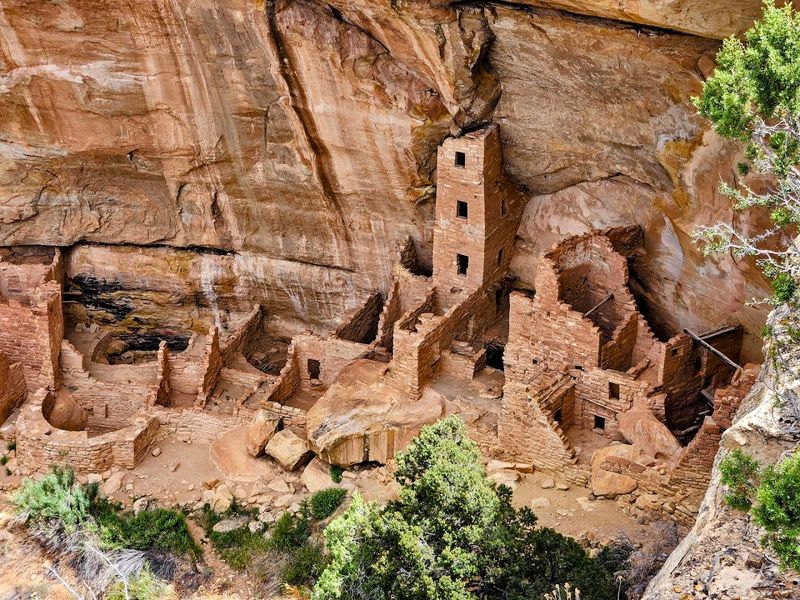
Not every great experience at Mesa Verde requires a guided tour, a ticket, or a ladder. The Mesa Top Loop Road is a six-mile paved driving route that connects a series of overlooks and excavated surface sites, and it rewards anyone willing to slow down and actually stop at the pull-offs rather than treating them as optional.
Along the loop, visitors can walk directly up to excavated pit houses, examine early surface pueblos, and peer into canyon overlooks that frame the cliff dwellings from above. Seeing Cliff Palace from the canyon rim before descending to tour it at ground level gives the whole experience a satisfying sense of scale that is hard to replicate otherwise.
The loop works beautifully as a warm-up before a guided tour or as a standalone experience for visitors who prefer a self-paced rhythm. Families with younger children who might not qualify for the more strenuous tours will find the loop genuinely engaging rather than a consolation prize.
Quick Verdict: Mesa Top Loop Road is one of the most efficiently educational drives in any national park in the country. Pack snacks, lower your speed, and plan for it to take longer than the map suggests it should.
The Surrounding Mancos Valley: A Small-Town Anchor for a Big-Park Visit
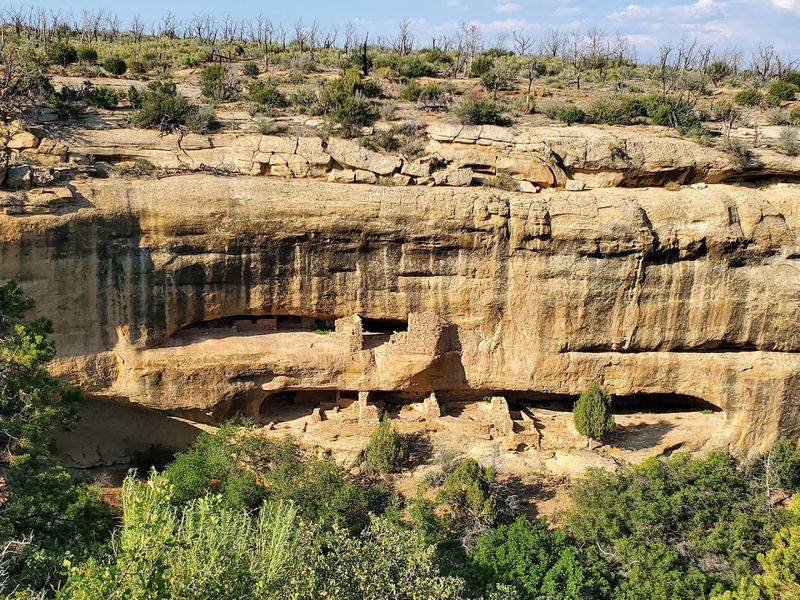
Mesa Verde does not exist in a vacuum, and the nearby town of Mancos, Colorado provides the kind of grounding small-town energy that makes a national park visit feel like an actual trip rather than a logistics exercise. Mancos sits just a few miles from the park entrance, and its Main Street has the particular character of a place that has not yet been fully discovered by the weekend tourism circuit.
The town functions as a practical base camp with lodging, places to eat, and the unhurried pace that the Four Corners region tends to produce in people whether they plan for it or not. After a full day of canyon hiking and ladder climbing, walking a quiet main street stroll through Mancos recalibrates the whole experience in a way that feels genuinely restorative.
The surrounding valley is framed by the La Plata Mountains to the northeast, and the landscape shifts noticeably between the high mesa environment inside the park and the open ranch country just outside it. That contrast is part of what makes the region feel so distinct from the more trafficked parts of Colorado.
Who This Is For: Travelers who want a full regional experience rather than a single-site sprint, and anyone who appreciates a post-hike meal eaten somewhere with actual local character.
Why Mesa Verde Earns a Trip of Its Own Without Any Peru-Sized Airfare
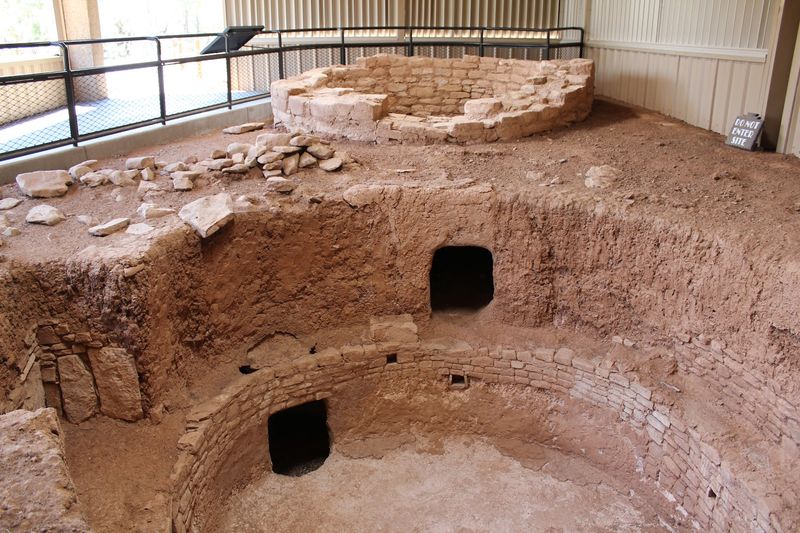
The honest case for Mesa Verde is straightforward: this is a UNESCO World Heritage Site sitting in the continental United States, reachable by car, requiring no passport, and delivering the kind of ancient human achievement that most people assume only exists on other continents. The cliff dwellings here are not reconstructions or replicas.
They are original, and they have been standing since before Columbus was born.
The park covers more than 52,000 acres and contains over 5,000 archaeological sites, of which the cliff dwellings are only the most dramatic category. The sheer density of preserved history concentrated in one place is the kind of fact that lands harder once you are actually standing on the mesa looking out at it.
For families, couples, and solo travelers willing to drive into the southwestern corner of Colorado, Mesa Verde consistently delivers an experience that earns its reputation without needing to borrow anyone else’s. The drive from Denver takes roughly six hours, which is considerably less than a transatlantic flight and involves far more interesting scenery along the way.
Common Mistakes to Avoid: Showing up without advance tour reservations during peak summer months, underestimating the altitude at around 8,500 feet, and skipping the museum at the start of the day. Plan ahead and the park rewards you generously.