
Why Henry River Mill Village In North Carolina Feels Frozen In Time (And Locals Like It That Way)
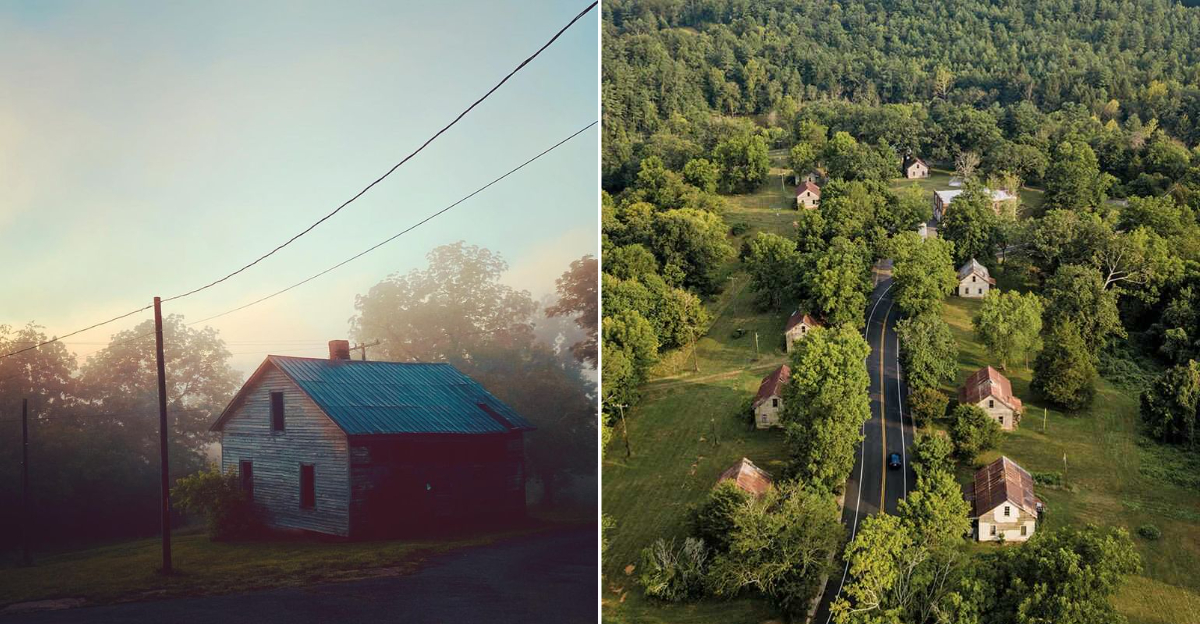
Henry River Mill Village stands perched beside the Henry Fork River in Burke County, North Carolina. Its wooden cottages, brick company store, overgrown stairways, and quiet roads reflect an early twentieth-century textile town largely unchanged.
The site’s story includes cotton yarn mills, planned housing, a water-powered dam, and decades of abandonment after operations ceased in 1970. Historic integrity, film fame, and preservation work combine in this place.
Visitors find cinematic echoes alongside peeling paint. Local preservationists organize tours, lodging, and events. This list teases what draws curiosity, what remains, and how locals understand this place that seems paused.
1. Abandoned Mill Houses Still Standing, Many With Original Design And Decay Preserved
Wooden cottages line the hillside, showing weathered siding, porches, and tin roofs. Visitors observe sagging frames and peeling paint, yet original shapes remain intact.
Constructed around 1905, these houses sheltered textile workers. The simple one-story and duplex models reveal standardized mill housing design from the early industrial South.
Guided tours lead along paths past these houses. Entry is restricted, but exteriors are studied for architectural features and historic traces left in place.
2. The Old Country Store With Rails, Brick Walls, And Windows Boarded But Full Of Story
The two-story brick store anchors the center. Its boarded windows and faint brick patterns remind visitors of its long community role.
Built in 1907, it doubled as store, church, and classroom before serving as a backdrop in The Hunger Games. Locals value its layered past.
Plans include turning the structure into a restaurant space. Until then, tours share its history, film role, and preservation work under way.
3. Overgrown Stairways And Ivy Creeping Up Walls As Nature Reclaims What Was Once Orderly
Stone steps and terraced walls cut into the slope now lie half-hidden under ivy. Visitors remark on mossy paths and tangled vegetation.
Originally, neat landscaping and retaining walls gave order to mill village life. Time allowed vines, shrubs, and forest to reclaim structural edges.
Volunteer groups periodically clear walkways, ensuring safe touring. The sight of stonework overtaken by growth contributes to the sense of timeless suspension.
4. Wooden Row Houses Where Mill Workers Lived, Many Abandoned Since The 1960s
yet recognizable. Visitors sense quiet absence when viewing these aligned rows.
The houses once rented cheaply to employees lost occupancy after the mill closed in 1970. Several structures were later removed or collapsed.
Remaining units now receive stabilization. Preservation projects include patching roofs, creating rentals, and presenting architectural forms during tours of the historic district.
5. Minimal Modern Intrusion With Few New Buildings, Signage, Or Commercialization In The Village Proper
Standing within the village, visitors notice a lack of bright signage, commercial storefronts, or modern housing. The original fabric dominates the setting.
Surrounding ridges, river valley, and forests emphasize the preserved atmosphere. Original road patterns and rustic views strengthen the sense of continuity.
Owners and preservation groups maintain zoning restrictions. This careful limitation of new construction helps ensure the district retains its frozen-in-time quality.
6. Ghost Town Atmosphere With Tours And A Sense Of Community Among Visitors And Preservationists
Visitors often describe an eerie quiet: empty roads, shuttered windows, and sounds of wind through trees. The feeling suggests a lived-in past now paused.
Guided tours explain mill history, family life, and stories of residents. Special ghost tours offer evening experiences for groups and travelers.
Preservationists organize events, restore cottages, and welcome guests. The result combines ghost-town aura with an engaged community dedicated to protecting memory.
7. Views Of Mountain Ridges, Creek Flow, And Forest That Frame The Decay
Scenery surrounding the village shapes its mood. Forest canopies filter light, and ridges rise beyond the Henry Fork River valley.
Early builders selected the site for hydropower potential. The river fueled mill wheels, while hills provided natural framing for cottages and roads.
Today, visitors enjoy walks to creekside views and overlook points. Sunrise and sunset bring shifting colors across wooden boards and brick walls.
8. Its Role In Pop Culture Serving As District 12 In The Hunger Games And Adding To Its Mystique
Film crews in 2011 selected Henry River Mill Village to represent Katniss Everdeen’s District 12. Visitors recognize familiar exteriors from the movie.
House Number 16, preserved for tours, shows details captured on screen. The brick store appeared as Mellark’s Bakery in major scenes.
Film connections increased interest, drawing travelers who combine cinematic curiosity with historical learning. Local tourism now emphasizes both heritage and pop culture identity.
9. Local Efforts To Preserve Not Erase Through Restoration Plans And Preservation Groups
The Henry River Preservation Fund coordinates fundraising and repairs. Owners since 2017 sponsor projects aimed at restoration and adaptive reuse.
National Register designation granted in 2019 secures protective status. This listing helps ensure authenticity while guiding funding eligibility for future work.
Community volunteers clear vegetation, stabilize roofs, and prepare structures for lodging. Preservation advocates emphasize memory, authenticity, and balance between decay and restoration.
10. Comparative Glencoe Mill Village Showing A Preserved Textile Town With Museum And Residents
Glencoe Mill Village in Alamance County illustrates another former textile community. Visitors find occupied houses, active streets, and interpretive museum displays.
The preserved mill and adjacent housing were built in the 1880s. Residents still live there, while a textile heritage museum interprets local industry.
Comparisons highlight Henry River’s abandonment. Glencoe demonstrates adaptation, whereas Henry River showcases time paused. Guides often mention both sites to illustrate different preservation outcomes in North Carolina.
11. The Silence In The Village With Empty Roads And Quiet Wooden Homes
Visitors remark on striking quiet throughout Henry River Mill Village. No cars, storefront noise, or industrial sounds break the calm.
Historic records describe busy workdays when looms hummed and children filled porches. Today, that contrast amplifies the stillness that defines current visits.
Guides encourage guests to pause and listen. The silence itself is presented as part of the experience, shaping memory and emotional response to place.
12. Overnight Stay Or Ghost Tour Options Offering Immersive Encounters With History
Several restored cottages are available for overnight rental. Guests sleep in former mill homes, furnished to balance comfort with historic fabric.
Ghost tours and night events invite visitors after dark. These experiences highlight stories of residents, legends, and folklore tied to abandoned houses.
Booking is managed by preservation groups and owners. Participation helps fund restoration. Visitors often describe stays and tours as immersive, connecting personal memory with preserved history.