
Why Kids Beg To Return To Blackberry Farm In Aurora, Illinois Year After Year
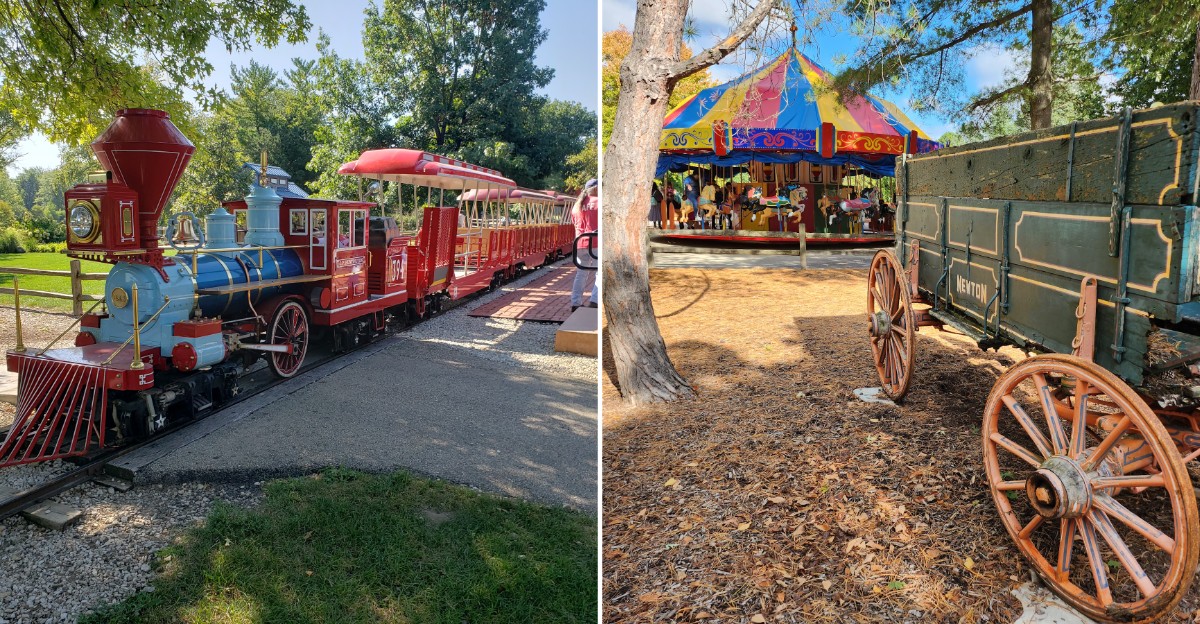
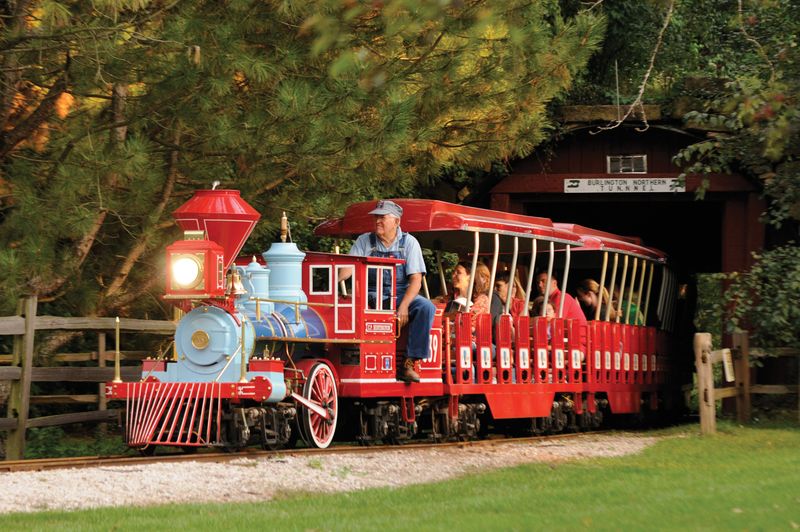
A three-quarter-mile train loop, a cup of goat feed, and a carousel can add up to a whole summer of happy memories in Illinois. This spot started life back in 1969 as a small local park, and it still feels refreshingly old-fashioned today.
One affordable ticket covers nearly every ride, so parents never have to keep saying no. Families who visit once tend to put it on the calendar every single year after that.
A Living History Park In The Fox Valley
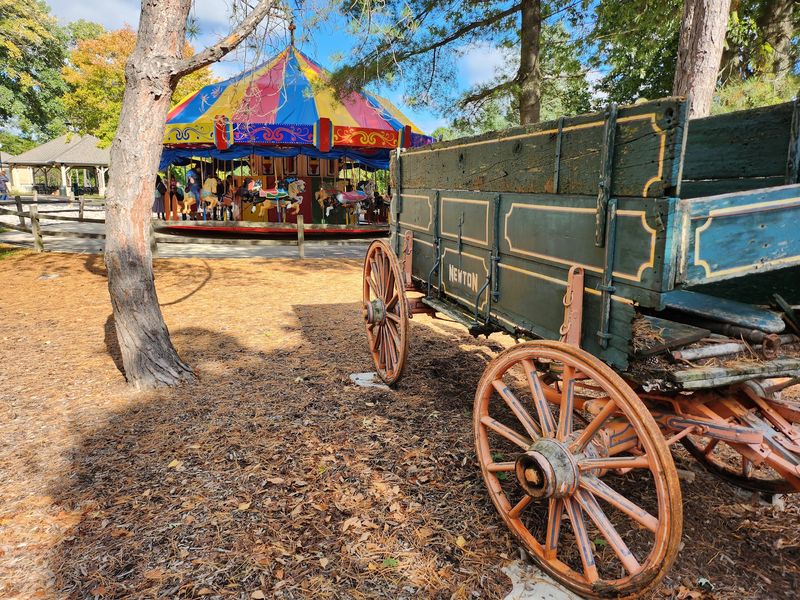
Aurora sits in the western suburbs of Chicago, and on its quieter side, at 100 S. Barnes Road, sits a 54-acre park that feels like a time machine with a picnic table attached.
Blackberry Farm is run by the Fox Valley Park District, and it works as both a living history museum and a family playground.
Officially listed as a children’s farm, the property mixes museum buildings about rural life with a carousel, paddle boats, ponies, and a steam-style train. Its mission is to preserve the story of rural Northern Illinois communities from the mid-1800s into the early 1900s.
Kids, of course, mostly notice the rides first.
Size matters here in a good way. Families who come back every season describe it as small enough that it never feels overwhelming, yet packed with enough to fill a full afternoon.
Toddlers can wander without getting lost in crowds, and older kids still find plenty to explore.
Many local children first meet the place on a preschool or school field trip. More than a few go home asking, again and again, when they can return with the whole family.
That pull, repeated year after year, is the real story behind this humble Illinois favorite.
From Pioneer Park To A Beloved Local Tradition
Back in 1969, the gates opened under a different name: Pioneer Park. During the 1980s, the site was rebranded as Blackberry Farm, and the new name stuck through generations of Illinois families.
Plenty of today’s parents remember coming here as kids themselves. Now they bring their own children, sometimes with grandparents tagging along, which turns a simple day out into a family tradition with deep roots.
Some families have visited annually for a decade or more without ever growing tired of it.
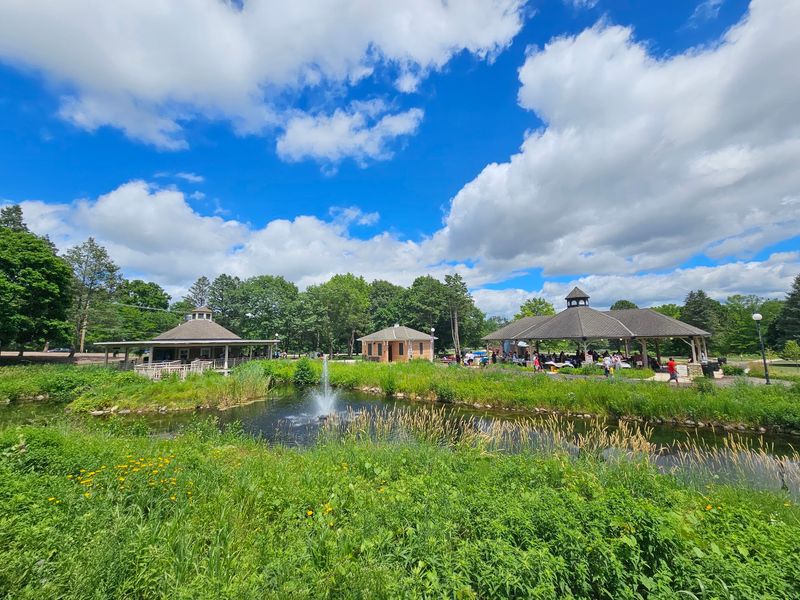
The setting supports that nostalgic feeling. Lake Gregory anchors the grounds, joined by ponds, a stream, and a little mill wheel turning beside flower beds.
An arboretum holds around 200 species of trees, and historical agricultural gardens show what early Illinois farmers once grew.
Walking the paths, you notice details that feel lovingly kept. An old water well, safely closed off, sits near a classic hand pump that kids love to inspect.
Soft instrumental music drifts across the park, adding a calm, unhurried mood that grownups appreciate as much as kids enjoy the rides.
Landscaping stays tidy, blooms appear everywhere in summer, and the overall effect is less amusement park and more storybook village tucked into the prairie.
Unlimited Rides On Trains, Ponies And Paddle Boats
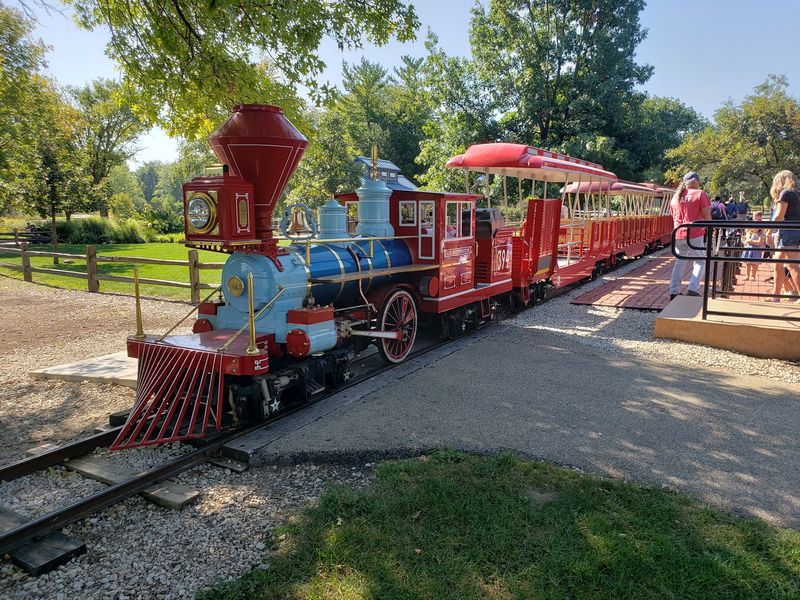
All aboard is practically the official greeting. The Big Rock Steam Train circles Lake Gregory on a three-quarter-mile loop, and it ranks as the single most talked-about highlight for visiting families.
Right behind it comes the carousel, a classic merry-go-round that younger kids happily ride again and again. Pony rides are another favorite, and for some children they become the best part of the whole day.
Keep in mind the ponies have a weight limit of about 70 pounds, a rule that protects the animals’ comfort.
Out on the water, paddle boats let families pedal around the lake at their own pace. Hay wagon rides and tractor rides roll through the grounds too, and little ones can try pedal tractors on their own.
Here is the part parents love most. Regular admission covers the rides, so kids can hop back on the train or the carousel as many times as they like.
No tokens, no extra tickets, and no constant negotiating at every line.
One small heads-up: certain rides, like the paddle boats, occasionally close during a visit. Checking ahead keeps any disappointment to a minimum, and there is always something else waiting nearby.
Goats, Llamas And A Highland Cow In The Discovery Barn
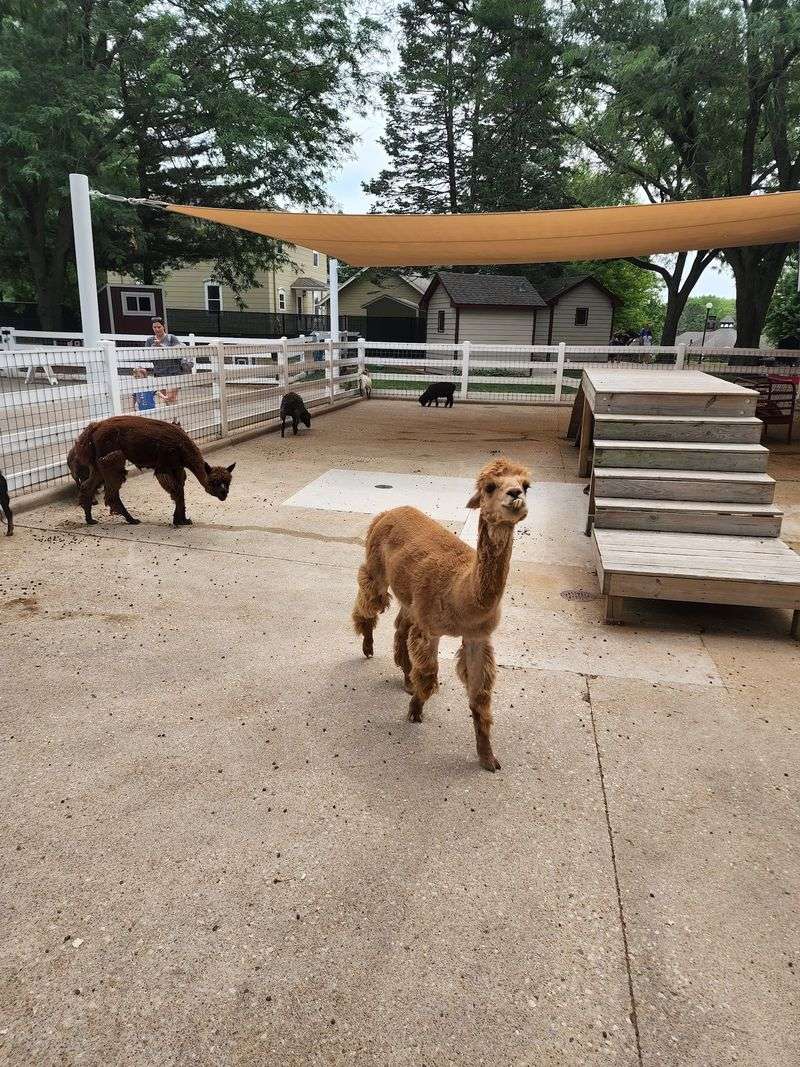
Baby goats have a way of stealing the show. Inside the Discovery Barn and Hatchery, kids meet chickens, pigs, cows, goats, sheep, llamas, and even a shaggy Highland cow, with an alpaca often joining the crowd.
Feeding time is a big deal for little hands. A cup of animal feed costs about $3.50, and it is generous enough that most toddlers barely finish it.
Watching a child carefully offer pellets to a nibbling goat or a curious calf is the kind of moment parents photograph and treasure.
Skipping the feed is perfectly fine, too. Families can stroll past the pens and enjoy the animals without spending anything extra, which helps keep the outing budget-friendly.
Some parents save feeding for occasional visits so it feels like a special treat.
Thoughtful touches make the barn easy with small kids. Hand sanitizer dispensers sit right by the animal areas, and restrooms are close by for quick cleanups.
For many children, this barn is what they describe first when they get home. Ask a preschooler about the trip, and you will probably hear all about the goat that ate from their hand before you hear about anything else.
Blacksmiths, Butter Churns And An 1880s Main Street
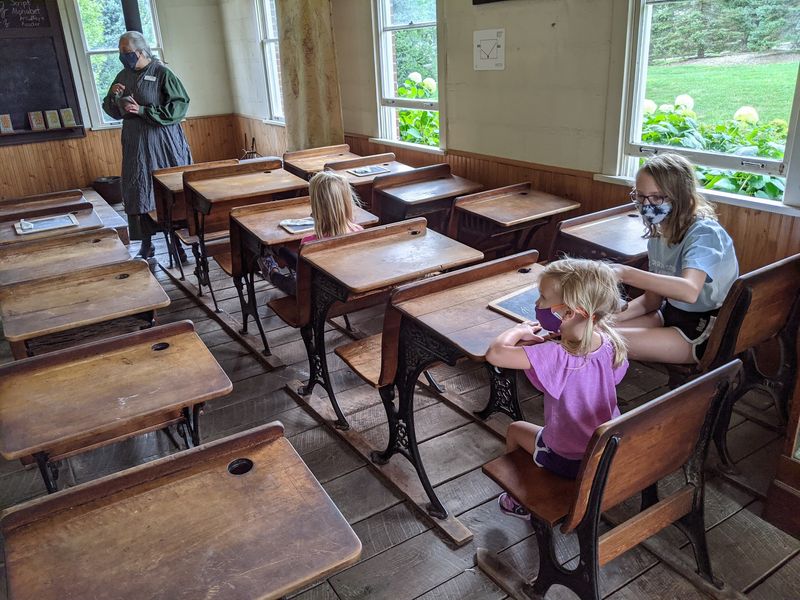
Curiosity takes over once kids step into the past. Authentic 1840s pioneer cabins host demonstrations like candle-making, soap-making, and butter churning, giving children a real feel for chores from long ago.
Clanging metal draws families to the Blacksmith Shop, where artisans work at the forge. Nearby, the Pottery Shop and the Weaver’s Cabin welcome visitors with friendly, helpful staff who happily explain their crafts.
The Victorian Huntoon House adds an elegant glimpse of later family life.
Story time feels different inside the One-Room Schoolhouse from the 1880s. Kids sit where students once learned their letters, often listening to a reading that makes history feel personal.
The Early Streets Museum might be the biggest surprise. It recreates 12 detailed shops from 1880s Aurora, including a pharmacy, a toy store, and a general store.
Grownups tend to linger here as long as the kids do.
Wheels fans should not miss the Carriage House, which displays around 40 carriages and sleighs. Costumed interpreters and hands-on activities tie it all together, so the learning sneaks in quietly.
Children come for the train, and leave knowing how pioneers made soap.
Climbing Towers, Toddler Trucks And Plenty Of Shade
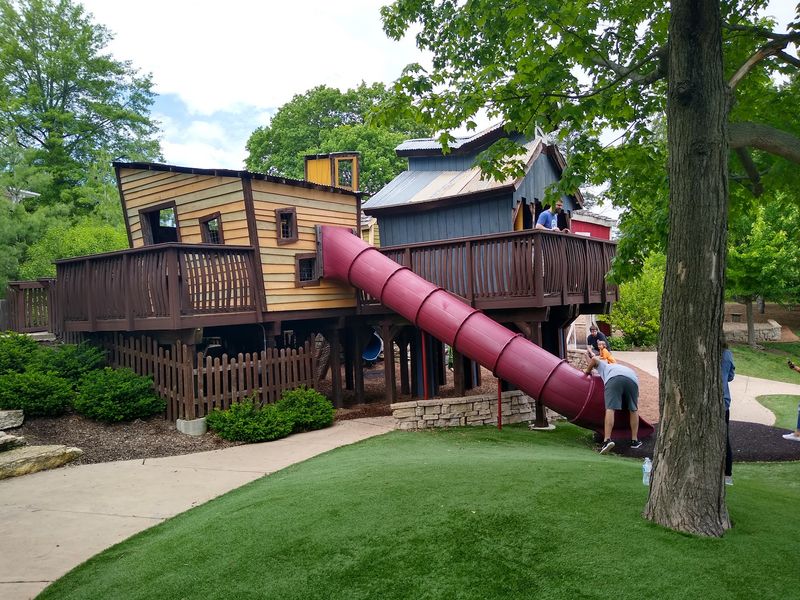
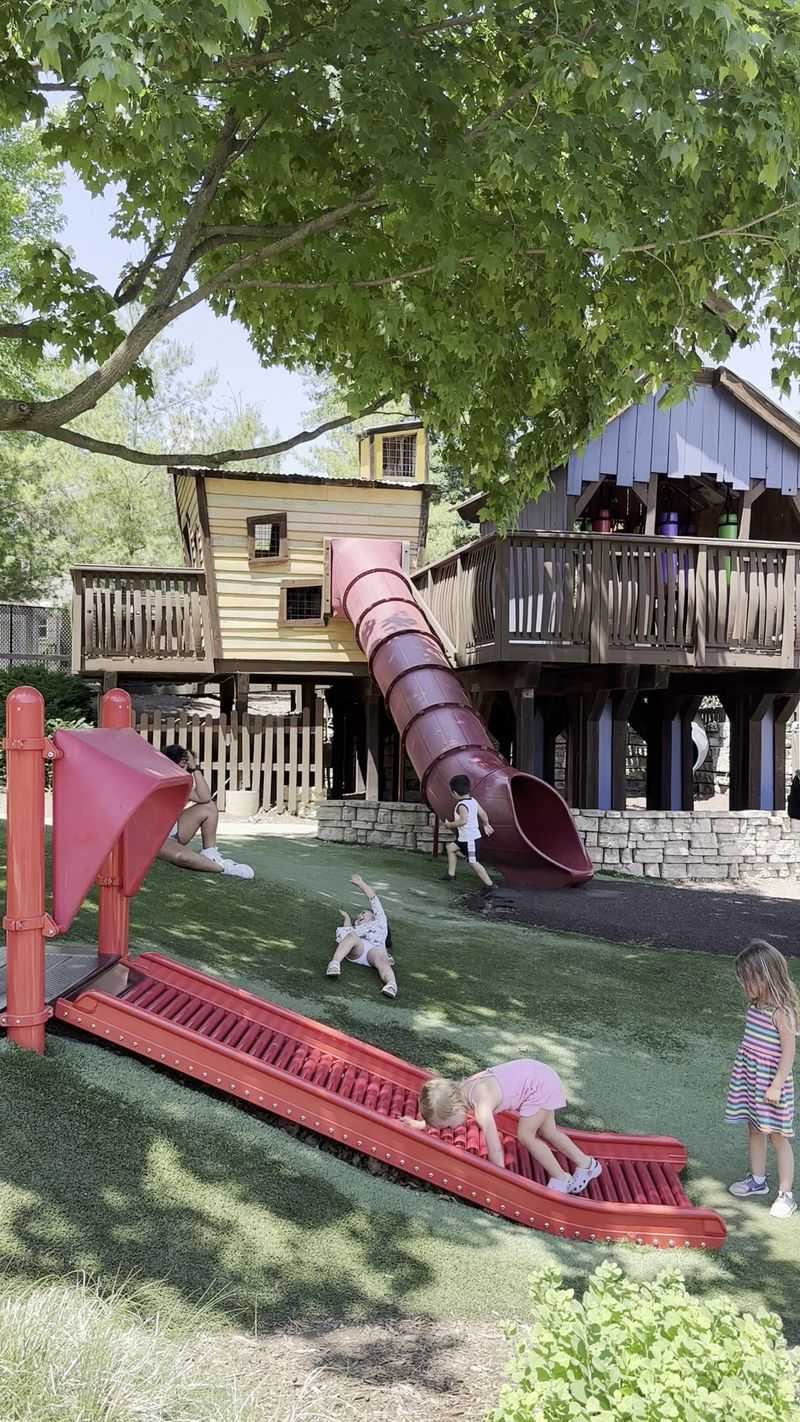
Energy to burn? The Adventure Playground handles it beautifully.
Its network of climbing towers, bridges, slides, and ropes, topped off with a zip line, keeps school-age kids busy long after the train has made its last loop.
Little ones get their own corner at Little Farmer’s Junction. Toddler-sized trucks, bikes, and sensory tables give the youngest visitors a safe space to explore without bigger kids zooming past.
So who suits this place best? Families with babies, toddlers, and kids up to around age 10 tend to get the most out of it.
Even parents visiting with an infant find the grounds pleasant for walking and the activities easy to enjoy at a slower pace.
The atmosphere feels relaxed rather than rushed. Weekdays, especially quiet Mondays in late summer, can feel almost peaceful, while sunny weekends draw bigger crowds.
Staff come across as warm and accommodating, and the restrooms stay notably clean, a detail every parent quietly appreciates.
Picnic tables are scattered throughout, and open grass invites spreading out a blanket between playground sessions. It is a spot where grandparents can sit and watch while the kids climb, swing, and race around in happy circles.
Hours, Ticket Prices And Smart Money-Saving Tips
Budget-minded families, rejoice. Regular season admission runs about $10 to $11 for non-residents and around $7 to $8 for residents, with children under one free.
That ticket covers the rides and attractions, with animal feed as the main add-on.
Current listed hours are 11 AM to 4 PM on Saturday, Sunday, and Monday, with the farm closed Tuesday through Friday. Hours can stretch a bit longer during summer, so check before heading out.
The late-morning opening can be tricky around toddler nap schedules, so plan accordingly.
Season passes offer real value for repeat visitors. In 2021, a resident family of four paid $100, while non-resident family passes cost $140.
Select summer Wednesdays have featured Free Museum Days for Illinois residents with ID, covering exhibits, the barn, Little Farmer’s Junction, and the playground, plus an optional $5 ride pass.
Parking is always free, and outside food is welcome. A pavilion concession stand serves pizza and a tasty blackberry lemonade at fair prices, though many families prefer packing their own lunch for the picnic areas.
Find it at 100 S. Barnes Road in Aurora, an easy drive from much of the Chicago suburbs.
A Year-Round Reason To Keep Coming Back
Seasons change, and so does the magic. While the regular season typically runs May through September, the calendar keeps going well beyond summer.
October brings Pumpkin Weekends with festive decorations and themed activities. Pumpkins can be purchased, with an extra fee for decorating, making it a cozy fall outing for Illinois families chasing that orchard-season feeling close to home.
Winter turns the grounds into a glowing wonderland during the Holiday Express. Thousands of twinkling lights, train rides, hay wagon trips, crafts, and story readings in the schoolhouse fill the evening, often with a visit from Santa.
Weather can affect the experience, but many families make it an annual ritual.
Summer adds special ticketed events too, such as Superhero Day and Fairytale Weddings, giving kids fresh reasons to ask for one more trip.
So is it worth the drive? For families who want affordable, wholesome fun without flashy prices, the answer leans strongly toward yes.
Clean grounds, kind staff, unlimited rides, and a gentle dose of Illinois history create a day that feels both simple and special.
Bring a picnic, pack some patience for weekend crowds, and expect the kids to start planning next year’s visit before you even reach the parking lot.