
Why People In Arizona Call Sixty Degrees Freezing Winter Weather (And Mean It)
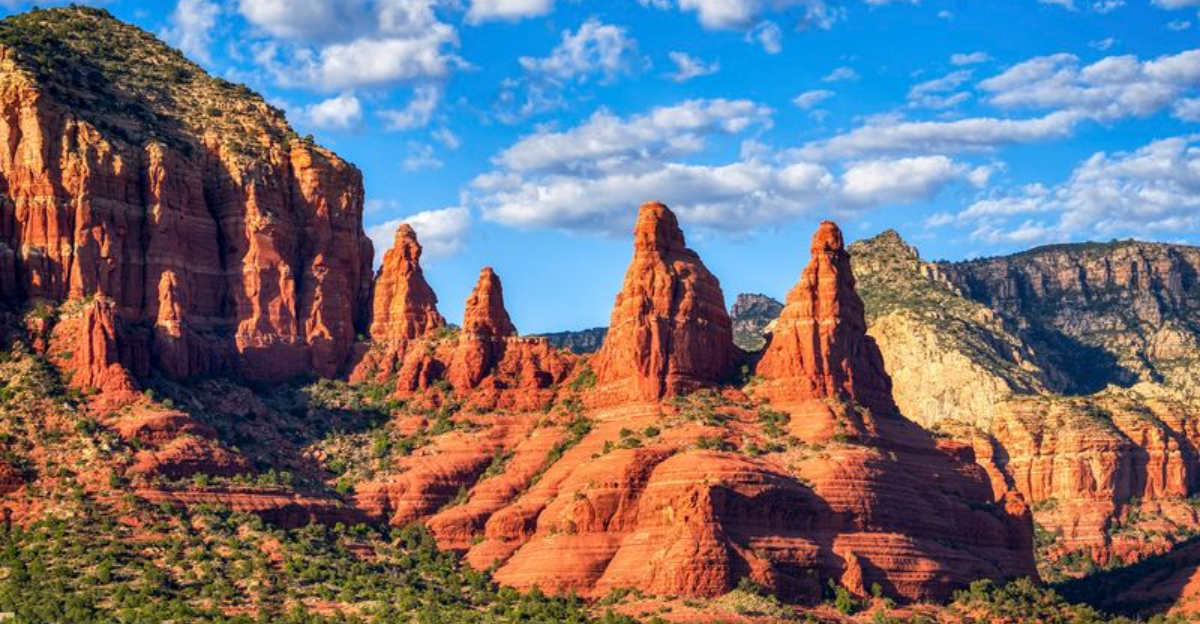
If you have ever visited Arizona in January and heard a local say they are absolutely freezing while wearing a parka in 60-degree weather, you probably did a double take. That reaction is completely real, and there are solid reasons behind it.
Living in one of the hottest states in the country rewires how your body and brain experience temperature, and what feels mild to someone from Minnesota feels like an arctic blast to a Phoenix resident.
Here are 11 genuine reasons why Arizonans mean every word when they call 60 degrees their version of winter.
1. Your Body Physically Adjusts To Desert Heat
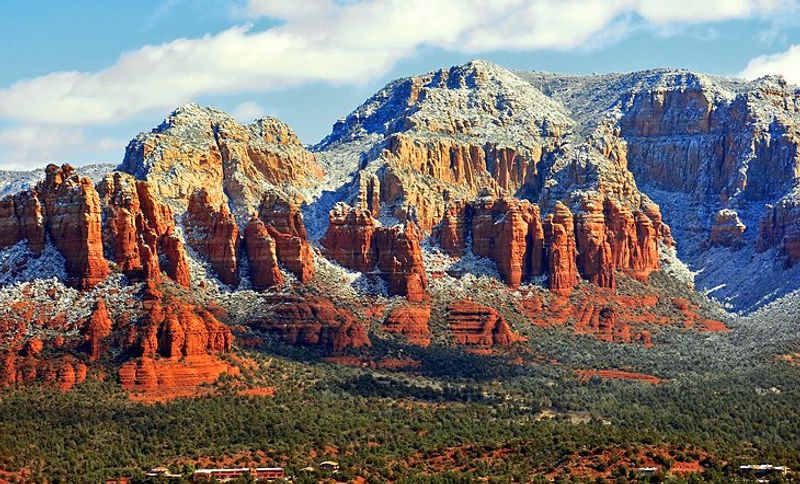
After spending months soaking in triple-digit afternoons, your body recalibrates its entire sense of normal. Phoenix carries a long-term average annual temperature of around 75.6 degrees Fahrenheit, which means your internal thermostat gets locked into a warm baseline that most people in cooler states would never experience.
When temperatures finally drop toward 60 degrees, your body reads that shift as dramatic, not mild. Blood vessels near the skin constrict, your muscles tighten slightly, and you genuinely feel chilly even though the number on the thermometer looks harmless to an outsider.
This is not drama or exaggeration.
Physiologists call this process acclimatization, and it works both ways. People who live in cold climates adapt to cold, and people who live in desert heat adapt to warmth.
An Arizonan bundled up in a fleece at 60 degrees is responding to a real biological shift, not putting on a show for the tourists passing through town.
2. Arizona Winters Are So Mild That 60 Degrees Counts As A Cold Snap
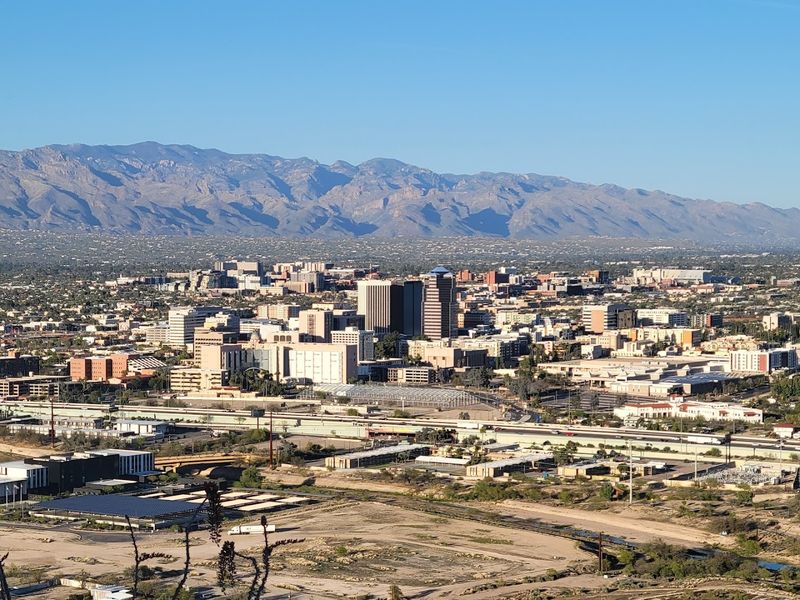
Tucson’s average January high temperature sits around 66.5 degrees Fahrenheit. That single statistic tells you everything you need to know about how locals define a cold day.
When the thermometer dips below what people already consider a comfortable winter afternoon, the drop feels significant even if the actual number still sounds pleasant to visitors.
Most Arizonans have never experienced a true polar vortex or a week of single-digit temperatures. Their personal scale of cold only stretches down to a certain point, and 60 degrees sits near the bottom of that range.
Calling it freezing is not an overstatement from their perspective because it genuinely represents the coldest weather they regularly encounter.
Think of it like a local who grew up near the ocean calling a lake swim adventurous. Context shapes everything.
When your winter baseline hovers in the mid-60s, a day that barely scrapes that mark feels like the season made a serious statement about its intentions.
3. Desert Temperature Swings Make Every Cold Morning Feel Sharper
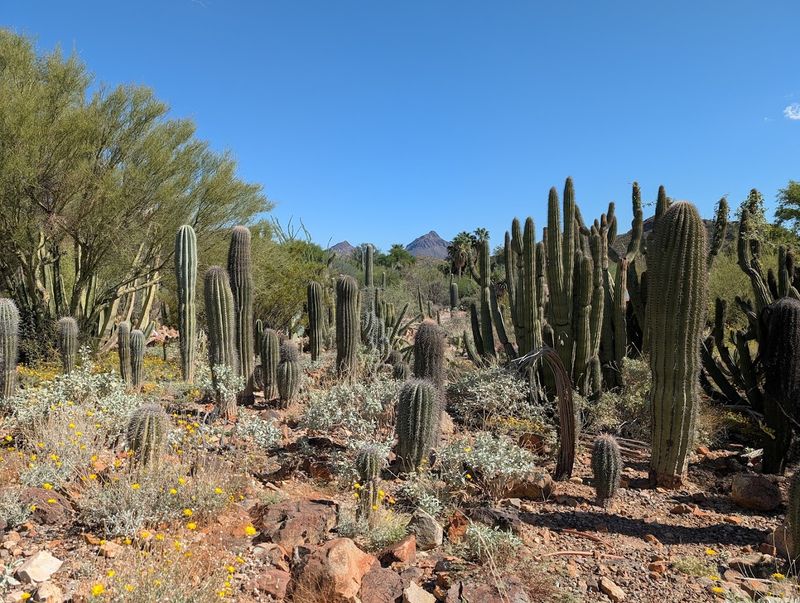
One of the most surprising things about Arizona weather is how dramatically temperatures can swing between sunrise and midday. CLIMAS research notes that daily temperature ranges in the desert can run between 50 and 60 degrees from the overnight low to the afternoon high.
That means a day advertised as a comfortable 70-degree afternoon might still start at 40 degrees before the sun does its work.
So when people say 60 degrees feels freezing, they often mean the 6 a.m. version of that number, not the noon version. Morning dog walks, early school drop-offs, and outdoor workouts all happen in that colder window when the desert has fully released its daytime warmth overnight.
That sharp morning chill sticks in the memory more than the pleasant afternoon that follows. It shapes how people describe the whole day, which is why a Flagstaff resident or a Scottsdale commuter might still tell you the morning was absolutely brutal even when the afternoon turned out perfectly comfortable and bright.
4. Dry Air Makes The Cold Feel More Piercing Than The Number Suggests
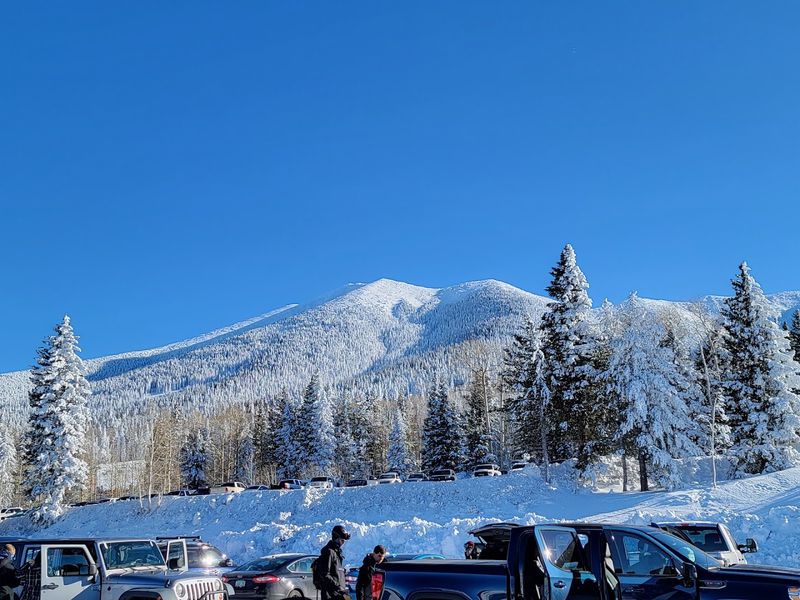
Humidity acts like a buffer in cold weather. Moist air holds heat close to the skin, softening the impact of low temperatures.
Arizona’s desert air contains very little moisture, which means the moment the sun sets, warmth vanishes almost instantly with nothing to slow it down.
That rapid heat loss creates a sensation that feels sharper and more biting than the actual temperature reading.
A 60-degree evening in Phoenix can feel noticeably colder than a 55-degree evening in a humid city like Houston simply because the dry desert air has no insulating quality whatsoever once the sun disappears below the horizon.
Locals learn to read this quickly. They know that stepping outside after dark in December requires more layers than the forecast number implies.
Visitors who trust the thermometer alone often end up shivering on restaurant patios, looking around at bundled-up Arizonans who are nodding knowingly and not offering any apology for being right about the chill all along.
5. Arizona Homes And Patios Are Designed For Summer, Not Winter

Walk through almost any Arizona neighborhood and you will notice that homes are built with one mission in mind: surviving summer. High ceilings, tile floors, large windows designed to shade rather than insulate, and wide-open patios are everywhere.
These features are brilliant in July but turn against you completely when temperatures drop.
Tile floors feel ice-cold underfoot on a 60-degree morning. Patios that were designed to stay shaded and breezy provide zero warmth when the temperature actually calls for it.
Many older homes in the Phoenix metro area have minimal insulation because builders historically prioritized keeping heat out rather than keeping warmth in.
Even newer construction often underestimates how uncomfortable a mild cold snap can feel when your living space is essentially a well-designed heat refuge with no countermeasure for winter.
So when an Arizonan says their house feels freezing, they are not being dramatic. Their home was simply never built to argue with 60-degree weather in the first place.
6. Most Closets In Arizona Are Built Around Nine Months Of Hot Weather
Picture a closet packed with linen shirts, sandals, shorts in four colors, and maybe two light cardigans shoved to the back. That is the average Arizona wardrobe, and it reflects a completely rational response to living somewhere that regularly hits 110 degrees in the summer.
When a cool stretch finally arrives, locals are genuinely underprepared. The one heavy jacket they own might be from a trip to Colorado five years ago.
Their boots are decorative at best. Gloves are a distant memory from a holiday gift they never thought they would actually need.
This wardrobe gap makes 60 degrees feel much colder than it should because people are not dressed for it. Layering becomes improvised and creative.
You will see Arizonans wearing beach towels as scarves and gym hoodies as peacoats during a January cold snap, and they will defend every fashion choice with total sincerity because the alternative is being cold in a place where cold was not supposed to show up.
7. Sunlight Matters More Than The Thermometer In Desert Living
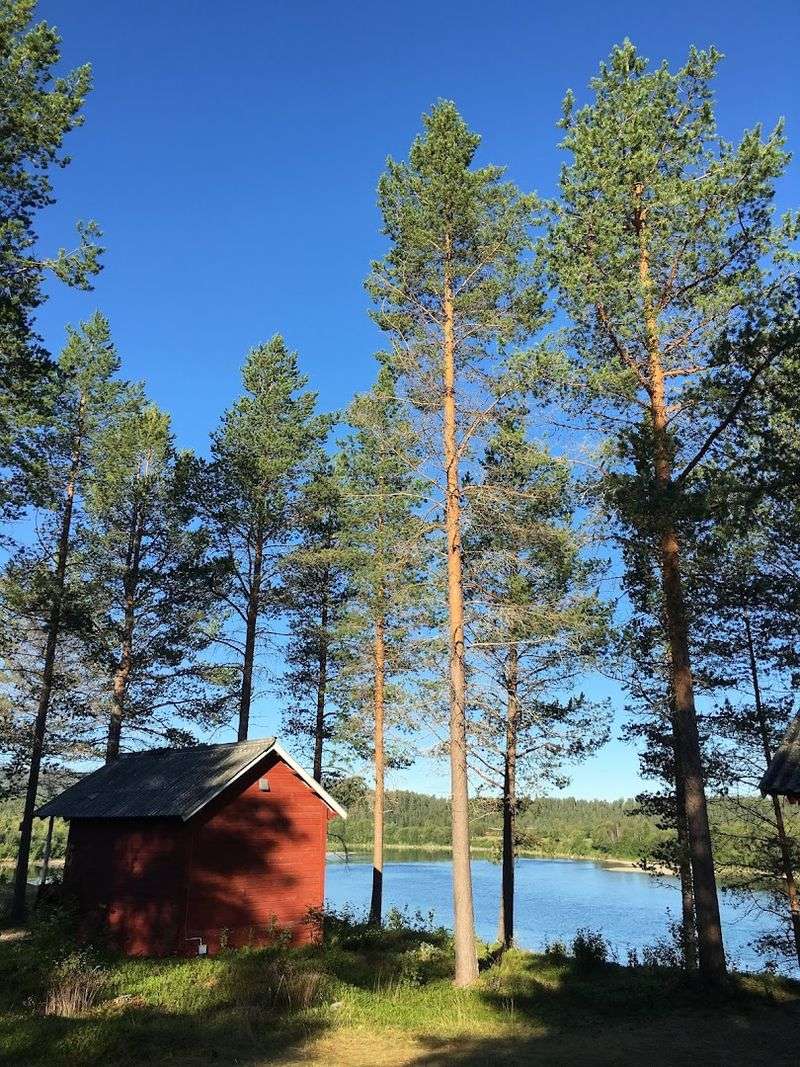
Arizona teaches you something that weather apps will never fully capture: the sun is a major part of the temperature equation. A 60-degree afternoon in full desert sunlight can feel genuinely pleasant, almost warm, with the direct radiation doing heavy lifting that the air temperature alone cannot explain.
Step into the shade, though, and the story changes fast.
Desert residents develop an almost instinctive habit of reading sunlight before they read the forecast. They track where the shade falls, how long until sunset, and whether the breeze is coming from the north.
These calculations happen automatically after a few years of living in a place where sun angle changes the experience of a temperature more than any other single factor.
So when someone says 60 degrees is freezing, they might specifically mean 60 degrees in the shade at 4 p.m. in December. The sun is already low, the shadows are long, and the warmth that made the afternoon tolerable is quietly packing its bags and heading somewhere else for the evening.
8. Wind Turns A Mild Day Into Something Much Less Comfortable
Even a gentle breeze changes everything in dry desert air. Wind chill is real regardless of climate, and in a place where the air holds almost no moisture to buffer the cold, moving air strips away body heat with surprising efficiency.
A 60-degree day with a 15-mile-per-hour wind can feel closer to the low 50s, which in Arizona terms is practically a blizzard.
Winter wind patterns across Arizona, particularly in the open valleys and wide desert corridors, can be persistent and gusty. Outdoor dining, which is a massive part of Arizona culture year-round, becomes genuinely unpleasant when a north wind picks up after dark.
Restaurants that thrive on patio seating in October suddenly look abandoned in December.
Locals who have spent a few winters figuring this out become very particular about wind direction before committing to outdoor plans.
They will check the forecast not just for temperature but for wind speed, because they have learned firsthand that the number on the app is only telling half the story on a breezy January afternoon.
9. Extreme Summer Heat Resets Everyone’s Definition Of Cold
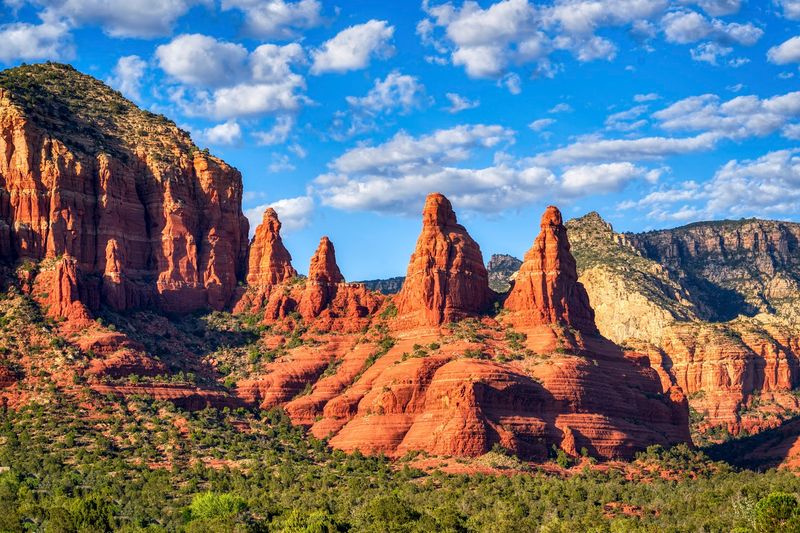
Phoenix made headlines in 2024 by logging 113 consecutive days above 100 degrees Fahrenheit, which is a record that puts the summer heat season in a category all its own. When you live through five months of that kind of relentless warmth, your psychological baseline for what is normal gets pushed significantly upward.
The human brain is remarkably good at adapting to its current environment and remarkably quick to flag anything that deviates from that new normal as extreme.
After a summer where stepping outside at 8 a.m. already feels like standing next to an oven, a 60-degree December morning registers as a dramatic reversal that the body and mind both take seriously.
This is not just perception. Research on thermal comfort consistently shows that recent temperature history shapes how people rate current conditions.
An Arizonan fresh off a record heat summer is not being silly when they reach for a coat at 60 degrees.
They are responding to a contrast that is genuinely significant by any measure of recent experience.
10. Northern Arizona Trains The Whole State To Respect Temperature Drops
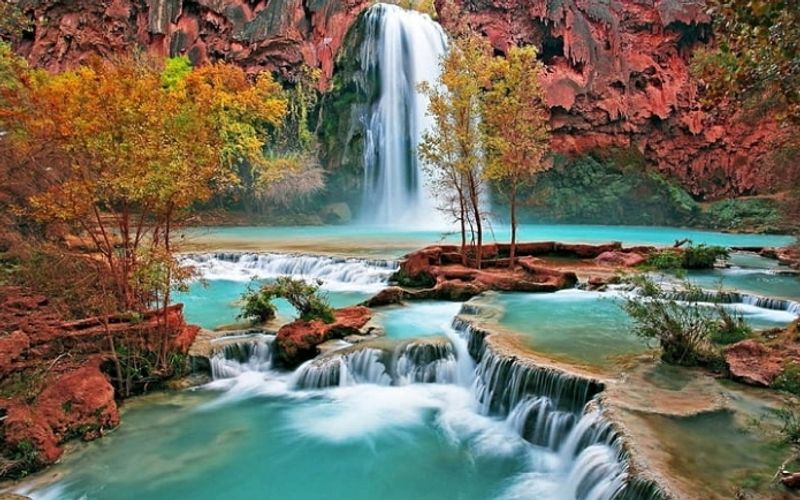
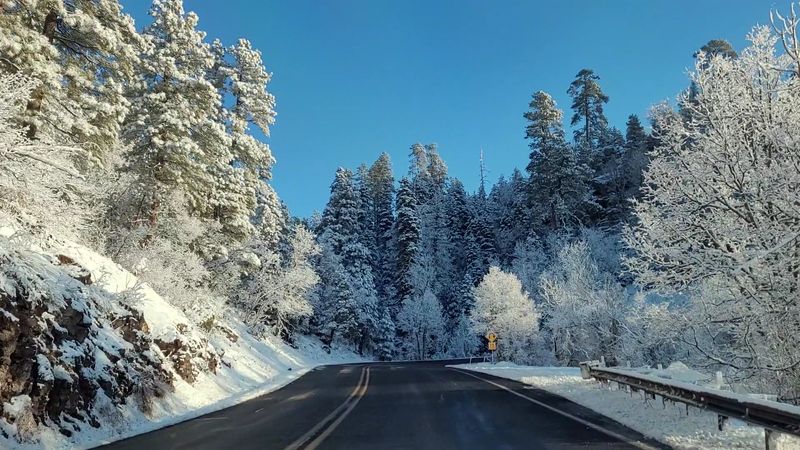
Flagstaff sits at roughly 7,000 feet of elevation and gets real winter weather, including snow, freezing overnight temperatures, and wind chills that would feel at home in the Rocky Mountains.
Most Arizonans have either visited Flagstaff or know someone who lives there, and those experiences create a statewide awareness that Arizona temperatures can shift dramatically with elevation and time of day.
Even in the lower desert, morning lows during January can run 30 to 40 degrees cooler than afternoon highs in northern parts of the state.
That kind of swing trains people to treat any temperature drop with a certain level of seriousness, because they know from experience that mild afternoons can turn genuinely cold well before dinner.
Flagstaff’s reputation also gives Arizonans a useful reference point. When a Phoenix resident says 60 degrees is freezing, part of what they mean is that they have been to Flagstaff in February and they understand the full range of what this state can deliver.
Sixty degrees is not nothing when you have that context in your back pocket.
11. It Is Partly Climate, Partly A Running Local Joke That Everyone Plays Straight
Ask any Arizona local and they will tell you with a completely straight face that 60 degrees is cold, and then pause for a beat before cracking a small smile. There is a self-aware humor baked into Arizona winter culture that locals enjoy performing for visitors, and the joke only works because it is also genuinely true at the same time.
Arizona people know intellectually that 60 degrees is not literally freezing. They are not confused about the laws of physics.
What they are doing is accurately describing how it feels relative to their lived experience, and they have decided to commit to that description with full theatrical confidence because it makes for a better story.
This blend of real sensation and local comedy is part of what makes Arizona culture charming. Residents bond over the shared experience of finding 60 degrees genuinely uncomfortable, and they enjoy the raised eyebrows from visitors who cannot quite believe what they are hearing.
The joke lands every time because underneath the humor, every word of it is true.