
Why Shark Tooth Hunters Are Taking A Fresh Look At This South Carolina Beach In 2026
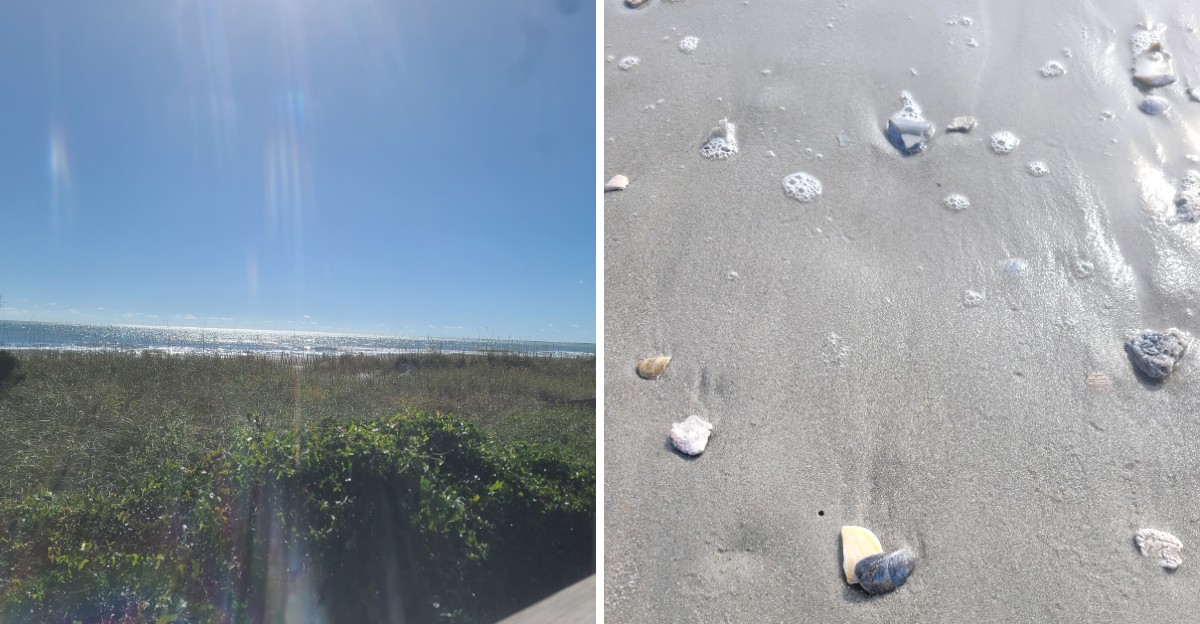
Tiny black triangles keep turning up in the shell piles along one quiet stretch of sand, and they’re millions of years old. Those are fossilized shark teeth.
Most are smaller than your pinky nail.
At Myrtle Beach’s 38th Avenue North access, start by looking for loose shark teeth among the shells on dry sand. No license is needed to pocket teeth from the sand.
That means a morning walk can end with a real fossil in your hand.
I like how simple the whole hunt is. You need sharp eyes, a little patience, and decent timing with the tide.
I believe that’s why kids get hooked so fast.
The parking lot is small, and the boardwalk is short. The real action happens right where the waves drop their gravel.
So which tide should you chase first?
You Are Standing In The Middle Of Shark Tooth Territory
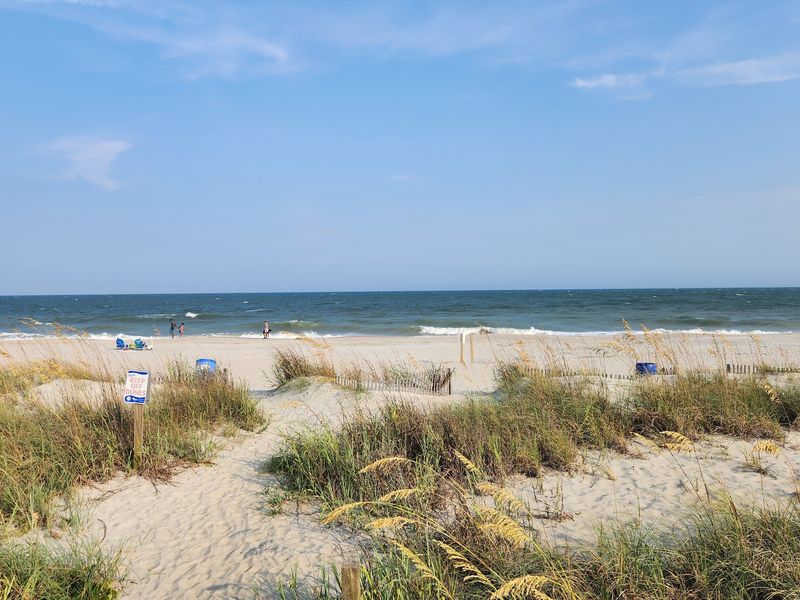
Location matters more than luck when you’re hunting fossils. The 38th Avenue North Beach Access sits right inside one of the most productive stretches of Myrtle Beach for shark teeth.
That stretch runs from roughly 50th Avenue North down to 10th Avenue South. Your spot lands comfortably in the middle of it, which is a pretty sweet place to start.
Here’s why that’s a big deal. Plenty of beaches have teeth, but some areas simply wash up more shell gravel than others.
More gravel usually means more chances to spot something dark and triangular. Teeth tend to travel with the same debris the waves push ashore.
The 38th Avenue North Beach Access also feels calmer than some of the busier parts of town. Fewer people on the sand means fewer people scooping up the good stuff before you get there.
That’s a nice advantage for anyone who likes a slower, quieter search. You can walk, scan, and stop without bumping elbows every few steps.
So no, this isn’t random beach luck. You’re simply choosing a spot that already has the odds tilted your way, and that changes the whole game.
Ancient Oceans Left Behind A Toothy Treasure Chest
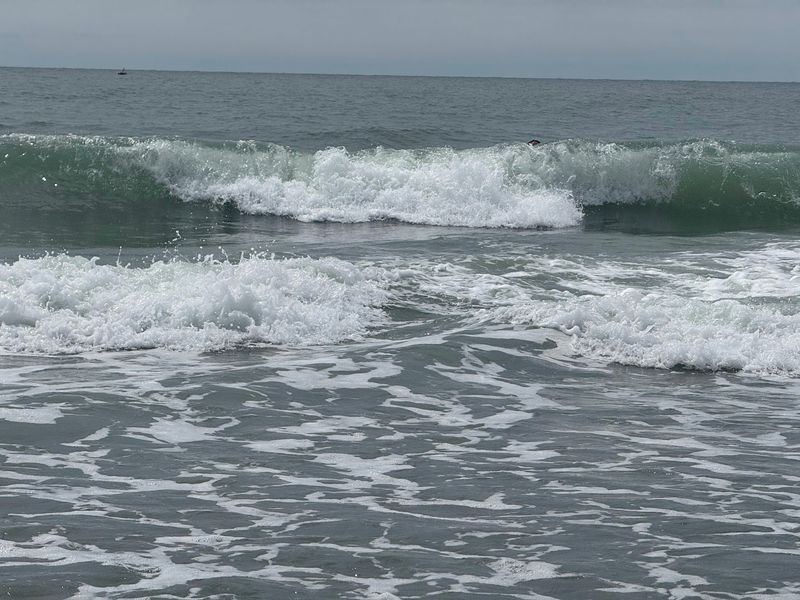
Millions of years ago, warm and shallow seas covered the coast of South Carolina. Those waters were packed with sharks, and sharks lose teeth constantly.
A single shark can shed thousands of teeth over its life. New ones grow in to replace the old, like a never-ending conveyor belt of chompers.
Those lost teeth sank and got buried in layers of sediment. Over huge stretches of time, minerals seeped in and turned them into fossils.
Today, ocean currents and tides keep digging that old material back up. Then the waves toss it onto beaches like the one at 38th Avenue North.
So when you pick up a tooth, you’re holding something far older than the boardwalk behind you. That’s a fun thought to share with any kid holding a tiny black triangle.
It also explains why finds keep coming year after year. The supply comes from ancient seafloor, not from sharks swimming nearby today.
Think of the beach as a slow-motion delivery service. Every tide brings a fresh batch of possibilities, and nobody knows exactly what’s in the box until it lands.
Spot The Real Deal Before You Fill Your Pockets
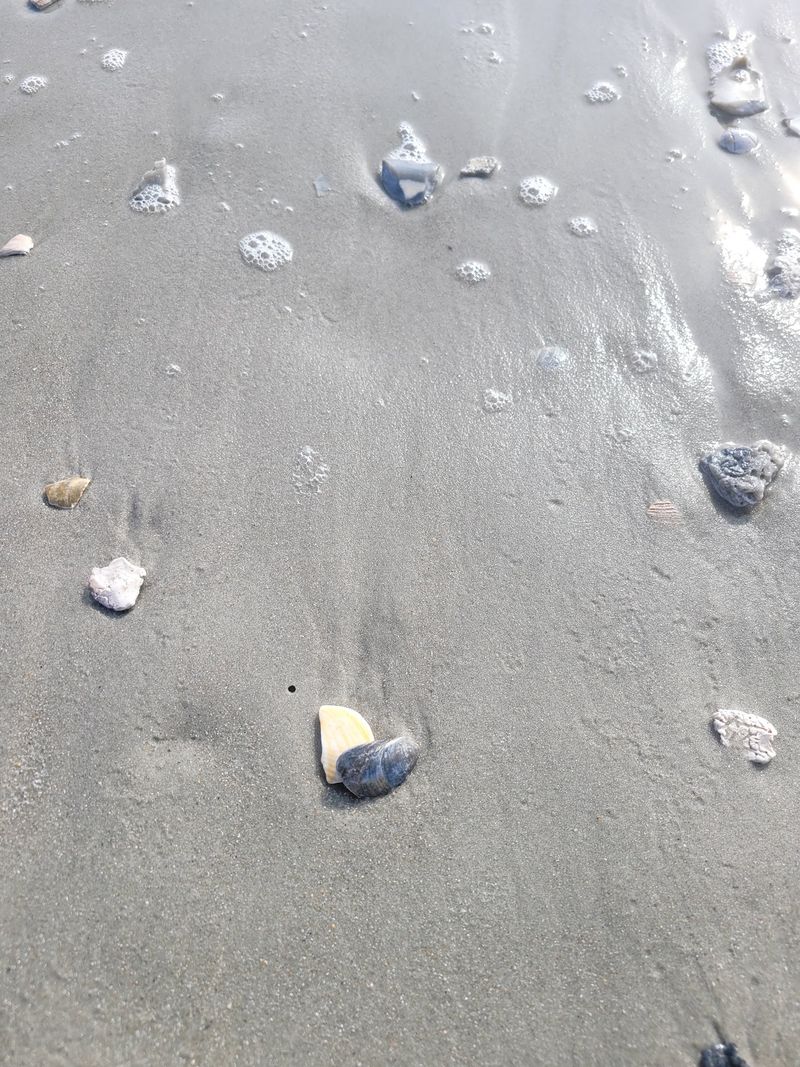
Black, glossy, and shaped like a little triangle. That’s the classic look of a fossilized shark tooth on this part of the coast.
Most teeth here are dark gray or black. The color comes from minerals the tooth absorbed while it sat buried in sediment for ages.
Size is usually modest. Most finds land between a quarter inch and one inch long, so tiny is totally normal.
A real tooth feels hard and smooth, almost polished. Look for a clear triangular shape and a ridge near the top where the gum line used to be.
Broken shell pieces can fool beginners. Shells tend to look flat or layered, while teeth have that crisp shape and shine.
Common species include great white, tiger, sand tiger, bull, and lemon sharks. Smaller Atlantic sharpnose teeth also turn up often.
Megalodon fragments are possible but rare. If you spot one, you’ve earned serious bragging rights at dinner.
Hold a suspected tooth up to the light and turn it slowly. The glossy surface usually gives it away pretty quickly.
Timing The Tide Can Double Your Haul
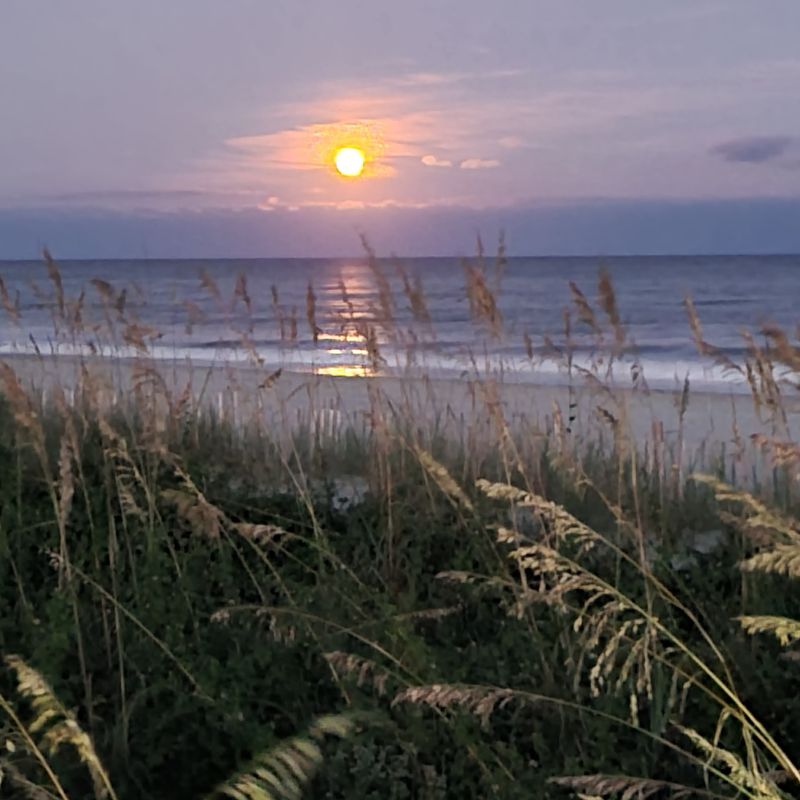
Tide charts are your secret weapon here. A good tide window can make the difference between a handful of teeth and an empty bag.
The sweet spot often comes just after high tide. As water pulls back, it uncovers fresh sand that nobody has searched yet.
Some hunters prefer the hours around low tide instead. The two hours before and after low tide usually expose the most ground.
Early morning is another smart move. Getting out just after sunrise lets you check what the night’s tides left behind.
That also means fewer footprints and fewer fellow hunters. You get first look at the shell lines while they’re still undisturbed.
The 38th Avenue North Beach Access works nicely for a sunrise trip. The ocean faces east, so you get a pretty show while you search.
Check a local tide chart the night before. Plan your walk around the window that fits your schedule best.
A little planning goes a long way. Show up at the wrong moment, and the best gravel might be sitting underwater.
Rough Weather Brings Surprisingly Good News
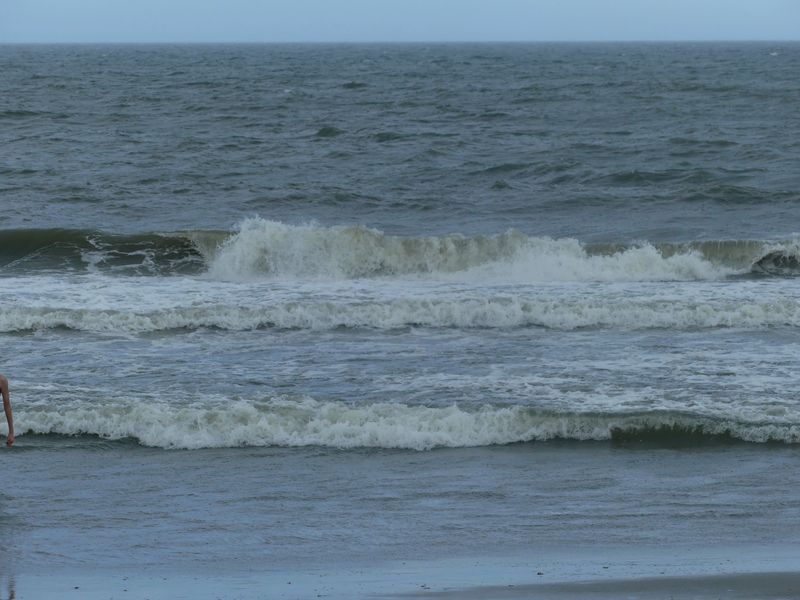
Storms aren’t fun for sunbathers, but fossil fans quietly cheer for them. Rough surf churns up the ocean floor and pushes extra debris onto the beach.
More debris usually means more teeth mixed in. The day after a blustery spell can be one of the best times to search.
Seasons matter too. Fall and winter often bring better odds, thanks to fewer crowds and weather that stirs up the sand.
Spring can also be a solid choice. The beach is quieter than summer, and the shell lines get less foot traffic.
The Grand Strand’s beach renourishment project wrapped up in August 2026, restoring nearly 28 miles of shoreline, including Myrtle Beach. In September, WMBF News reported that local fossil hunters were finding more shark teeth along the replenished shore.
Patience pays off after wild weather. Give the waves time to settle, then go see what they delivered.
Skip The Smooth Sand And Head Straight For The Shell Piles
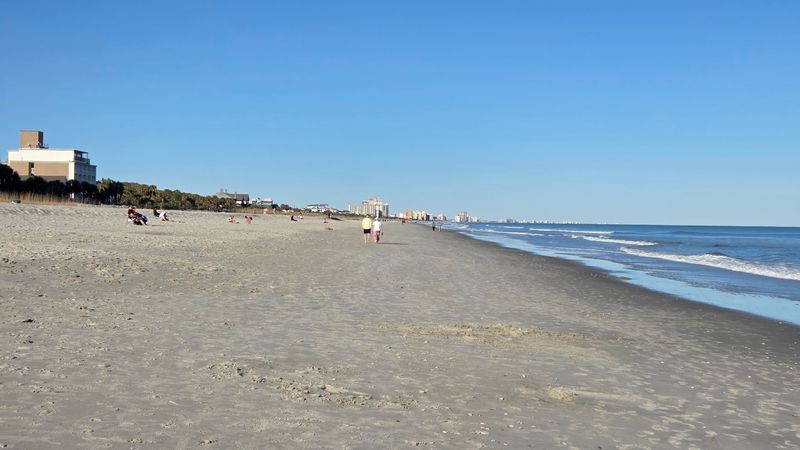
Teeth love company. They usually show up in shell beds and piles of sea gravel, right alongside other bits the waves drag in.
Wide stretches of smooth, empty sand rarely hide much. Your eyes should follow the tide line, where debris collects in long wavy rows.
Shallow water deserves a look too. Small ocean creeks and tide pools can trap shells and teeth as the water drains away.
Walk slowly along these zones. Rushing makes everything blur together, and tiny teeth are easy to miss.
Crouch down every so often for a closer look. A dark triangle can hide under a broken shell or sit half-buried in wet sand.
Kids often have a built-in advantage. They’re closer to the ground and tend to notice small details adults skip right over.
Try scanning one small patch at a time. Picking a little square and searching it fully works better than wandering aimlessly.
Once you find your first tooth, your eyes adjust. Suddenly the next one seems to pop out much faster than before.
Parking Here Takes A Little Strategy
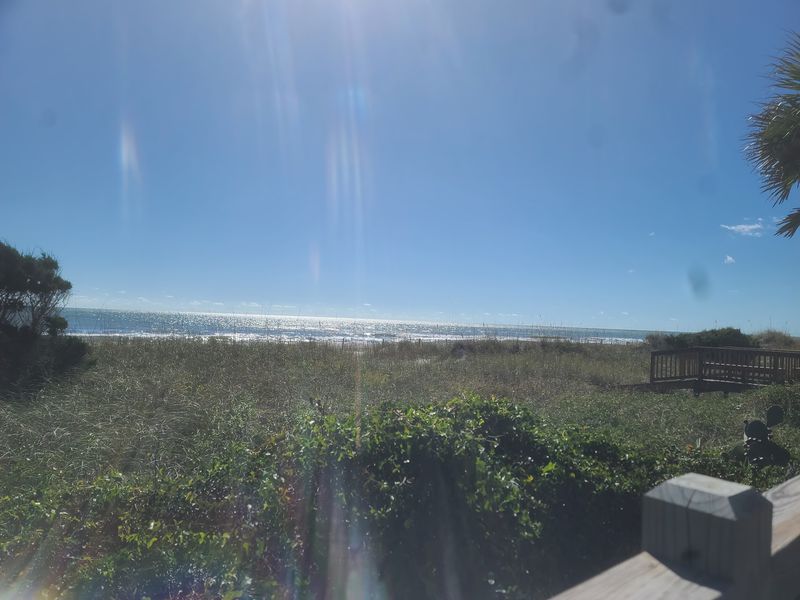
Small lot, big beach. The 38th Avenue North Beach Access has only a handful of parking spaces, so early arrivals have the upper hand.
You’ll find it at 38th Avenue North and North Ocean Boulevard, Myrtle Beach, SC 29577. It sits right off the main oceanfront road, which makes it easy to locate.
Parking is metered during the busy part of the year. Myrtle Beach generally enforces meters from March 1 through October 21.
Enforcement typically runs from 9 a.m. until midnight, every day. Plan for that if you visit during those months.
Here’s a nice bonus for shark tooth hunters. Sunrise trips often start before meter hours, and the off-season can bring more breathing room.
If the lot is full, other street options may exist nearby. Always check signs carefully before leaving your car anywhere.
Carpooling makes sense with such a tiny lot. One car full of hunters beats three cars circling the block.
Arriving early solves most problems here. You’ll grab a spot and hit the shell lines before most of the beach wakes up.