
12 Wisconsin Sandwiches Locals Once Loved, But Rarely See Today
Wisconsin’s culinary landscape has always been as rich and varied as the rolling dairy farms that define the state. Decades ago, our sandwich boards proudly showcased creations that reflected the hearty traditions of our German, Polish, and Scandinavian roots.
From rye breads piled high with smoked meats to quirky regional specialties passed down through generations, these sandwiches told the story of who we were and how we ate.
Sadly, many of them have disappeared from restaurant menus, surviving now only in family kitchens and fond memories. Join me on a nostalgic journey through the Wisconsin sandwiches that once defined everyday life.
1. The Cannibal Sandwich
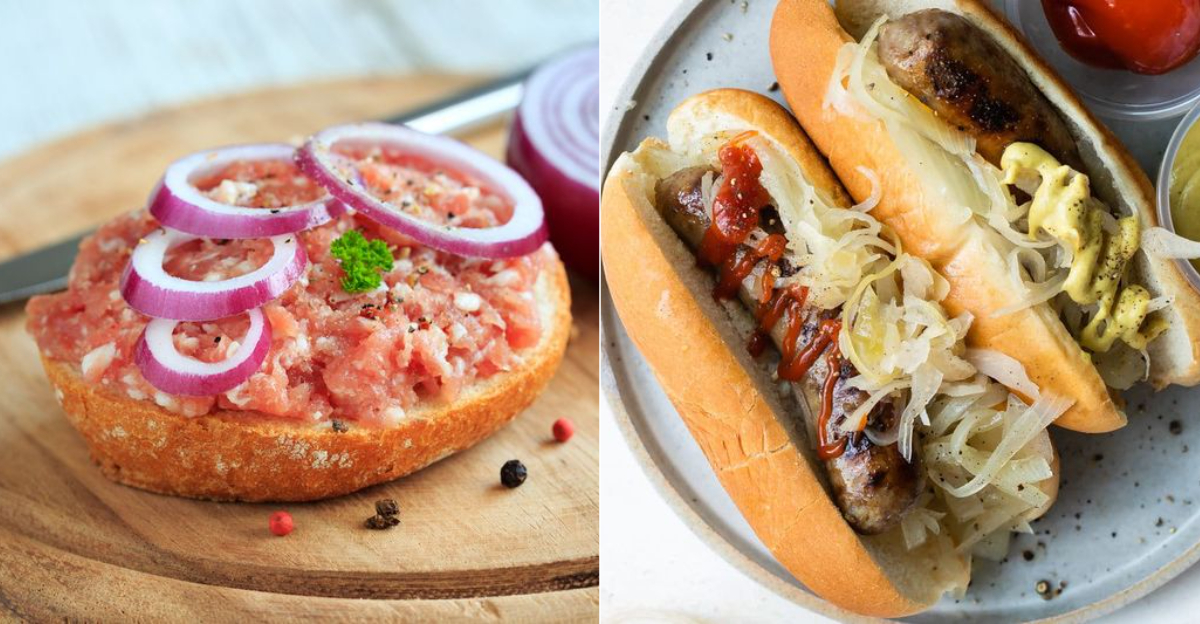
My grandpa would make these every Christmas Eve – raw ground beef on rye bread with chopped onions and a sprinkle of salt and pepper. We called it a ‘cannibal sandwich,’ though some folks knew it as ‘tiger meat’ or ‘wildcat.’
Health officials now warn against this raw meat tradition, but for decades it was as much a part of Wisconsin holiday gatherings as eggnog. German immigrants brought this delicacy to Milwaukee, where it flourished in neighborhoods filled with European transplants.
The perfect cannibal sandwich used the freshest beef, served immediately after grinding. Though largely vanished from public consumption, some stubborn Wisconsinites still secretly prepare this holiday treat, despite all warnings.
2. Limburger Cheese Sandwich
Nothing cleared a room faster than unwrapping a Limburger cheese sandwich! This pungent delicacy, popular among Wisconsin’s German and Swiss communities, was once a workingman’s lunch staple across the state.
Monroe, Wisconsin was the epicenter of Limburger culture, home to the only American factory still producing this aromatic cheese. The classic preparation layered the soft, smelly cheese on rye bread with thick slices of raw onion and spicy mustard – a combination that created a flavor explosion despite (or perhaps because of) its notorious aroma.
Taverns once proudly served these alongside cold beers, but today you’ll rarely find them outside specialty shops or the homes of die-hard traditionalists.
3. The Butter Burger Sandwich
Before fast-food chains dominated our highways, roadside diners across Wisconsin served the original butter burger sandwich. I still remember my first one – a revelation of beef and dairy harmony that could only come from America’s Dairyland.
Unlike today’s butter burgers where butter merely tops the patty, the classic version incorporated cold butter directly into the ground beef before cooking. This created a sizzling, juicy burger that basked in its own buttery glory. Served on a soft kaiser roll with simple toppings, these sandwiches let the butter-infused meat take center stage.
While modern interpretations exist, that old-school butter-mixed patty has largely disappeared from menus.
4. The Hamdinger
Saturday lunches at my aunt’s always featured Hamdingers – those peculiar pre-cooked ham patties that came in round cans. These space-age meat discs were the height of 1950s convenience food in Wisconsin households.
The typical Hamdinger sandwich placed this perfectly round ham patty on a soft white bun with a slice of processed American cheese and perhaps a swipe of mayo or mustard. Nothing fancy, but deeply comforting in its uniformity and simplicity.
Food technology has evolved, and with it, the Hamdinger has retreated into culinary history. The canned ham patty companies have mostly shuttered, taking this quirky sandwich with them into the sunset of mid-century American food curiosities.
5. Holiday Raw Beef Special
Family gatherings in northern Wisconsin weren’t complete without the raw beef special making an appearance. This holiday tradition caused both delight and horror among visiting out-of-state relatives.
Different from the cannibal sandwich, this version featured more finely ground beef mixed with a special blend of seasonings – often including garlic, onion powder, and sometimes a dash of Worcestershire sauce. The mixture was spread on cocktail rye or pumpernickel squares and garnished with a sprig of parsley for festive color.
Grandmothers would prepare trays of these bite-sized morsels, proudly displaying family recipes passed down through generations. Health concerns have all but eliminated this once-beloved holiday appetizer from modern gatherings.
6. Raw Beef and Onion on Rye
My uncle Frank swore by his lunchtime raw beef and onion on rye – a heartier variant of the cannibal sandwich that sustained Milwaukee’s factory workers for generations. This blue-collar specialty featured coarsely ground beef with a more generous portion of raw white onion.
What distinguished this version was the liberal use of freshly cracked black pepper and sometimes a thin layer of horseradish sauce spread on the bread. Workers would wrap these sandwiches in wax paper, the flavors melding throughout the morning until lunch break.
Local butchers once prepared special grinding batches just for this purpose, ensuring the meat was fresh and safe. Today, finding a butcher willing to prepare meat specifically for raw consumption is nearly impossible.
7. German-Style Mett Sandwich
Wisconsin’s German heritage shines through the traditional mett sandwich, a delicacy my Oma would prepare using techniques brought directly from the old country. Based on hackepeter, this open-faced creation featured specially prepared raw minced pork (or sometimes beef) seasoned with salt, pepper, and caraway seeds.
The proper preparation required grinding the meat twice for the perfect texture before spreading it on dark bread. Topped with rings of raw onion and sometimes radish slices, this was Sunday brunch fare in many Wisconsin German households.
Food safety regulations and changing tastes have pushed this old-world sandwich into obscurity. Modern descendants of those German immigrants now rarely encounter this once-common family tradition.
8. Working-Class Limburger Spread
The lunchboxes of Wisconsin factory workers once commonly contained sandwiches made with Limburger spread – a working-class delicacy now faded into obscurity. Unlike the sliced version, this preparation softened the pungent cheese to a spreadable consistency by mixing it with butter and finely minced onion.
Applied thick on hearty rye bread, the spread was often topped with sliced radishes or watercress for a peppery crunch. The resulting sandwich could be detected from across the factory floor, announcing its presence with unmistakable aromatic authority.
Green County cheesemakers once produced this spread commercially in small wooden boxes. The tradition has virtually disappeared, though a few old-timers still make homemade versions for nostalgic family gatherings.
9. Mildred’s Ham Sandwich
Anyone who lived in Madison from the 1950s through the 1970s remembers Mildred’s Sandwich Shop and their legendary ham sandwich. Unlike anything you’d find today, Mildred’s creation featured thinly shaved ham that had been marinated overnight in a secret sweet-tangy sauce rumored to contain apple cider and cloves.
Served on fresh-baked poppy seed rolls with a layer of cream cheese (not mayo!), these sandwiches had customers lining up down the block. The shop occupied a tiny storefront near the Capitol, where Mildred herself worked the counter well into her seventies.
When she retired, she took her recipe with her. Countless local chefs have tried to recreate this Madison institution, but none have captured the magic.
10. Early Colby Cheeseburger
Born in the small town of Colby, Wisconsin, the original Colby cheeseburger was a regional specialty that predated the standardized fast-food burger by decades. My grandfather raved about these distinctive sandwiches from his youth in central Wisconsin.
Unlike modern cheeseburgers, these featured a thicker, hand-formed beef patty topped with a generous slab of young Colby cheese – not the aged variety we commonly see today. The cheese was added while the burger was still on the grill, then covered briefly with a metal dome to create the perfect melt.
Served on locally-baked buns with simple toppings, these burgers showcased Wisconsin’s dairy pride long before “artisanal” became a marketing term. The authentic version has largely disappeared from restaurant menus.
11. Mettbrötchen-Inspired Open-Face
German settlers in Wisconsin’s rural communities once enjoyed Sunday gatherings featuring open-face mettbrötchen-inspired sandwiches. These special-occasion treats showcased a mixture of raw minced pork and beef seasoned with salt, pepper, nutmeg, and sometimes juniper berries.
The meat mixture was carefully spread on fresh-baked country bread and artfully decorated with onion rings, capers, and sometimes anchovy fillets arranged in decorative patterns. Families would prepare these for confirmation celebrations, wedding receptions, and holiday gatherings.
Food safety concerns eventually pushed this tradition underground. A few stubborn Wisconsin families of German descent still prepare these for private gatherings, using carefully sourced meats and traditional preparation methods that minimize health risks.
12. Oktoberfest Sausage Rye
Fall weekends in New Glarus and other Wisconsin German communities once centered around the Oktoberfest sausage sandwich – a hearty creation that fueled polka dancers and beer drinkers alike. This robust sandwich featured split bratwurst or knackwurst on thick-cut rye bread with a layer of stone-ground mustard and sauerkraut.
The authentic version required the sausage to be poached in beer with onions before being quickly grilled to add char marks. Some variations included a layer of German potato salad right on the sandwich – a carb-loading technique that ensured stamina for hours of dancing.
While bratwurst remains popular, this specific traditional preparation has largely disappeared from even the most German of Wisconsin’s remaining beer halls and festivals.