
10 Wooded Counties In Pennsylvania That Are Seeing A Massive Spike In Summer Ticks

Summer in the woods comes with shade, birdsong, and one tiny problem that refuses to stay tiny.
Pennsylvania’s wooded counties can be beautiful this time of year, but rising tick activity has a way of turning every hike, picnic, and backyard shortcut into a reminder to stay alert. It does not ruin the season. It just changes the rules.
Long grass gets a second look, trail edges feel less innocent, and bug spray suddenly becomes less optional than sunglasses.
The wild places are still worth enjoying, but a little caution can save a lot of trouble later.
That is the strange bargain of summer outdoors: the better the woods look, the more carefully you check your socks afterward.
1. Cameron County

Cameron County sits in north central Pennsylvania within the Pennsylvania Wilds region, where vast stretches of state forest create one of the most remote and heavily wooded landscapes in the commonwealth.
That impressive wilderness is part of what makes the area appealing to hikers, but it also provides ideal conditions for black legged ticks, commonly known as deer ticks, which are widespread throughout Pennsylvania and remain active during warmer seasons.
Outdoor explorers in Cameron County often spend time in places like Elk State Forest, including sections of the Bucktail Path and Quehanna Trail, where dense forests and natural terrain create unforgettable hiking experiences.
With spring and summer bringing increased tick activity across Pennsylvania, taking simple precautions can make outdoor adventures safer.
Wearing long sleeves and pants when possible, applying an EPA registered repellent containing DEET, and staying aware of tick habitats are practical ways to reduce exposure.
After returning indoors, hikers should check their clothing and skin carefully and shower within two hours.
Early detection of ticks is important because removing them promptly can help reduce the risk of tick borne illnesses and keep future adventures enjoyable.
2. Forest County
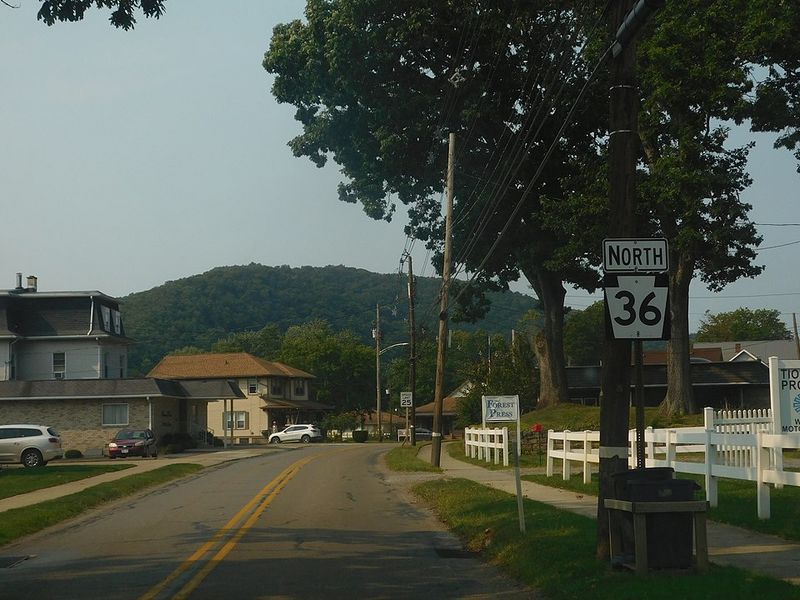
Forest County earns its name honestly, with vast stretches of woodland covering much of this sparsely populated corner of northwestern Pennsylvania.
The county is home to portions of Allegheny National Forest, Cornplanter State Forest, and Clear Creek State Forest, creating a landscape defined by dense trees, remote trails, and abundant natural beauty.
Those extensive forests also create conditions where ticks can thrive.
The thick canopy, shaded ground, and layers of leaf litter found throughout the region provide suitable habitat for several tick species, including black legged ticks, which can carry Lyme disease bacteria.
While Pennsylvania continues to monitor tick populations statewide, black legged ticks remain an important concern for people spending time outdoors.
Visitors exploring Forest County’s backcountry can reduce their risk by staying on established trails, avoiding tall grassy areas, and wearing protective clothing when possible.
Light colored clothing is especially helpful because it makes ticks easier to spot before they reach skin.
After hiking, camping, or spending time outdoors, a careful tick check is essential.
Pennsylvania health officials also recommend checking pets, as animals can unknowingly bring ticks inside on their fur and expose households after outdoor adventures.
3. Potter County

Known as “God’s Country” locally, Potter County is one of Pennsylvania’s most sparsely populated and heavily forested places, with extensive public woodlands and a high recorded Lyme disease incidence reported for 2024.
The county’s broad forests and abundant wildlife create suitable habitat for black-legged ticks, which have been documented across every Pennsylvania county during recent statewide surveillance.
Potter County reported fewer Lyme disease cases in 2024 than in 2023, although its per-capita incidence still remained well above Pennsylvania’s statewide rate in the official data for residents.
Campers at Cherry Springs State Park and hikers throughout Susquehannock State Forest should be especially cautious, since both destinations sit within Potter County’s extensive woodland landscape today.
Tucking pants into socks and checking gear thoroughly before getting into a vehicle can help prevent ticks from hitching a ride home with you.
Potter County’s remoteness makes advance planning sensible, so packing repellent, tweezers, and basic first-aid supplies before heading outside is practical advice for any extended forest trip during the summer months in this region.
4. Warren County
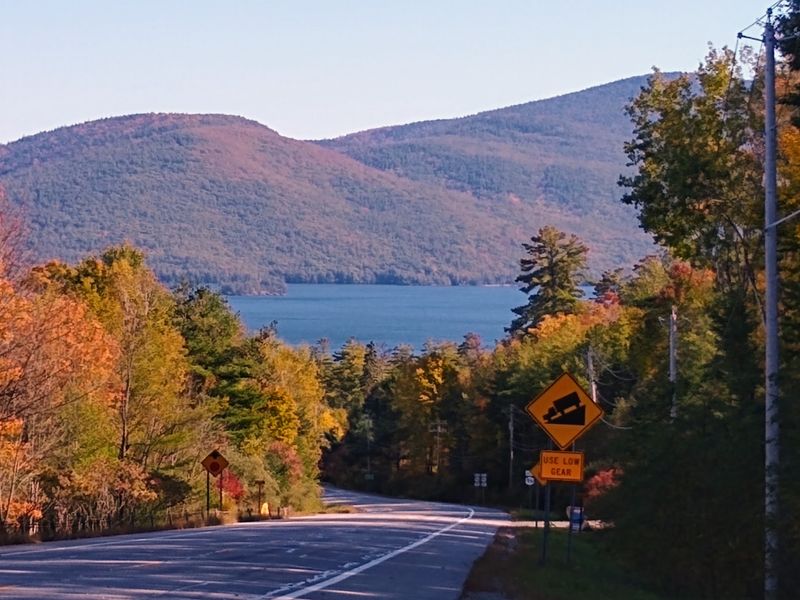
Warren County contains substantial portions of Allegheny National Forest, one of Pennsylvania’s major public forest landscapes, and its 2024 Lyme disease incidence remained above the statewide rate reported by health officials that year.
The forest’s dense understory and abundant wildlife provide suitable tick habitat and animal hosts, making prevention important whenever visitors explore wooded trails, campsites, or riverbanks in summer.
Visitors using wooded riverbanks along the Allegheny River should take standard precautions, including repellent and careful tick checks after stopping for even brief rest breaks each time.
Tick exposure can occur from spring through fall in Pennsylvania, while black-legged tick nymphs are especially active during late spring and early summer across wooded recreation areas.
Using permethrin-treated clothing and gear adds another layer of protection for outdoor enthusiasts exploring Warren County’s wooded trails, campgrounds, riverbanks, and recreation areas in summer.
Pennsylvania’s health and environmental agencies publish tick identification and prevention resources that visitors can review before exploring trailheads, campgrounds, river access points, and other outdoor areas throughout Warren County during every summer outing.
5. McKean County

McKean County contains a large portion of Allegheny National Forest near neighboring Warren County, and its 2024 Lyme disease incidence remained well above Pennsylvania’s statewide rate for that reporting year under current official Pennsylvania health data.
The wooded landscape in McKean County provides suitable habitat for ticks, especially around leaf litter, brush, and trail edges where visitors may contact questing black-legged ticks during warmer months across the region.
Bradford, the county seat, sits near hiking and mountain biking trails where visitors should use repellent, stay centered on paths, and check themselves afterward.
Carrying a fine-tipped pair of tweezers in your trail pack is a simple habit that can make a big difference if you find an attached tick while out in McKean County’s backcountry.
Removing a tick quickly and correctly, grasping it close to the skin and pulling steadily upward, reduces the chance of disease transmission significantly.
McKean County’s outdoor scene is genuinely spectacular, and with the right precautions in place, there is no reason to let ticks keep you from enjoying every bit of it this summer.
6. Elk County

Elk County is famous for Pennsylvania’s free-roaming elk herd, the largest in the northeastern United States, and the county’s extensive forests and wildlife viewing areas make careful tick prevention worthwhile during every summer outdoor visit to this northcentral Pennsylvania destination.
Large mammals can host adult black-legged ticks, while smaller animals often infect immature ticks, making the broader forest ecosystem more relevant than elk alone in this region.
Benezette, the small community at the center of elk country, is surrounded by state forest and game lands where visitors should follow standard statewide tick precautions during every summer visit there.
Pennsylvania health officials recommend repellent and protective clothing in tick habitat, including wildlife viewing areas, wooded trails, grassy edges, and forest openings.
Black-legged ticks infected with pathogens causing Lyme disease, anaplasmosis, and babesiosis occur in Pennsylvania, making prompt removal and attention to possible symptoms important after outdoor exposure there.
Knowing the symptoms of these diseases, which include fever, fatigue, and muscle aches, helps you seek treatment quickly if you think you may have been exposed during a visit to Elk County.
7. Jefferson County

Jefferson County lies in western Pennsylvania and includes forested landscapes such as Clear Creek State Forest and Clear Creek State Park, while its 2024 Lyme disease incidence remained well above Pennsylvania’s statewide rate that year in the current official data.
The county’s mix of agricultural land and dense forest edge habitat is particularly attractive to ticks, since these transitional zones offer both shelter and a steady supply of animal hosts.
Punxsutawney, best known for its famous groundhog, is located in Jefferson County, and wooded parks and trails around the area call for the same tick precautions recommended statewide during summer visits.
Doing a tick check every time you move from a wooded or grassy area back to your car or campsite is a habit that can genuinely protect your health in Jefferson County.
Children and pets need to be checked just as carefully as adults, since ticks often find their way to hidden spots like behind the ears, under the arms, and around the hairline.
Jefferson County’s forests are worth exploring, and a few minutes of post-adventure inspection is a small price to pay for peace of mind.
8. Clearfield County
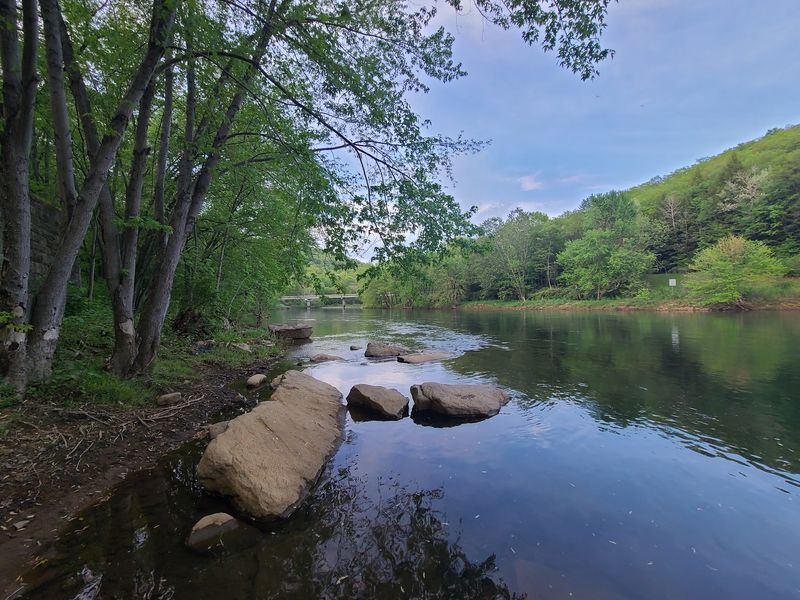
Clearfield County is one of Pennsylvania’s larger counties by land area, and a significant portion of that land is covered in mature hardwood and mixed forest that provides rich habitat for tick populations year-round.
Summer is when tick activity in Clearfield County reaches its peak, with nymphal ticks, which are tiny and especially easy to miss, posing the highest risk of disease transmission during the warmest months.
Moshannon State Forest stretches through much of Clearfield County, while Pennsylvania’s Department of Environmental Protection conducts statewide tick surveillance across the commonwealth’s counties and forested recreation areas each summer.
Nymphal ticks are roughly the size of a poppy seed, making them incredibly difficult to spot without a careful and deliberate full-body check after any outdoor activity in Clearfield County.
Using a hand mirror or asking a family member to help check hard-to-see areas like the scalp and back can catch ticks that you might otherwise miss entirely.
Clearfield County’s rivers and forests are genuinely beautiful, and a little extra vigilance goes a long way toward keeping your outdoor time both fun and safe.
9. Sullivan County

Sullivan County is one of Pennsylvania’s least populated counties, and large portions of Loyalsock State Forest create extensive woodland where its 2024 Lyme disease incidence remained above the statewide rate in official 2024 records.
The isolation that makes Sullivan County appealing to backpackers and nature lovers also places many visitors in wooded habitat where statewide tick prevention guidance remains important throughout summer during extended trips in the county.
Black-legged ticks infected with Lyme disease bacteria occur statewide, so popular trail corridors in Sullivan County deserve the same careful precautions each summer.
Worlds End State Park, located within Sullivan County and surrounded by Loyalsock State Forest, draws visitors from across the region who should follow standard tick prevention guidance during summer visits.
Spraying repellent on the tops of your boots and the lower legs of your pants before heading out on any trail in Sullivan County is a targeted and effective strategy.
Sullivan County rewards the adventurous traveler with stunning scenery and solitude, but packing a tick removal kit alongside your trail snacks is just smart planning for any visit here.
10. Wayne County

Wayne County lies in northeastern Pennsylvania and includes Pocono-region forests, wetlands, and abundant wildlife, while its 2024 Lyme disease incidence remained above the statewide rate in current official health data for residents and visitors exploring the county’s outdoor areas.
The Pocono environment can support tick survival because humid, shaded vegetation and leaf litter help retain moisture during warm weather, although risk varies by location in summer.
Lake Wallenpaupack, one of Pennsylvania’s largest lakes and a major recreational destination in Wayne and Pike counties, includes wooded recreation areas where standard tick precautions remain sensible during summer visits.
Black-legged ticks carrying Lyme disease bacteria occur across Pennsylvania, and Wayne County’s above-average 2024 Lyme incidence reinforces the importance of prevention without proving uniquely high tick infection rates.
Checking yourself, your children, and your gear thoroughly before re-entering your vehicle after any outdoor activity around Wayne County’s lakes and forests is a non-negotiable step for responsible outdoor recreation.
Wayne County’s natural beauty is genuinely hard to beat, and treating tick prevention as a standard part of your outdoor routine keeps the focus where it belongs, on enjoying every moment of it.